A wooden stage jutting from the main hall puts you thirteen metres above a hillside of cherry and maple.
Temple, Kyoto. Meridian Dispatch.
Buses 206 and 100 stop at Gojozaka, and buses also stop at Kiyomizu-michi; from either, the temple is about a ten-minute walk uphill. The temple has no parking on its grounds, so visitors arrive by public transport or on foot.
The temple opens at 6am every day. It closes at 6pm for most of the year, at 6:30pm from July to mid-August, and at 9:30pm on the night openings, when the last entry is at 9pm.
Yes, entry to the grounds is ticketed. The Tainai-meguri, the walk through darkness beneath Zuigu-do, carries a small separate fee and does not run every day, so it is worth asking at the hall.
The temple provides a wheelchair access map of its grounds. The approach lanes are steep and cobbled, and the path down to the Otowa waterfall drops downhill, so the visit is hard going in a wheelchair.
Yes, on a few set periods each year: three nights around the middle of August, spring during the cherry blossom season, and late November. The temple stays open until 9:30pm, and admission stops at 9pm. The dates change every year.
Crowds peak at weekends, on public holidays and in spring and autumn, across the whole Higashiyama district. Winter visits are generally calmer, with clear air over the city.
From Sai-mon, the temple's West gate. Its site has spectacular views of the sunset and has long been considered a gateway to Paradise, a sacred place for Nissokan, a meditation practice for visualizing the Pure Land. The present gate was rebuilt in 1633.
Only during its special openings. Jojuin, the main sub-temple, opens its Moon Garden to the public for a limited time each year. The building began as living quarters for Gana, the priest who devoted himself to rebuilding the temple after it burnt down in war.
The official site of Kiyomizu-dera is kiyomizudera.or.jp.
kiyomizudera.or.jp →The stage juts out from the main hall thirteen metres above the hillside, and it is what the temple is known for. Its frame of wooden pillars is held by locking joints, without a single nail. For the best side view of the stage, look back from Okunoin, the smaller hall just beyond it, or from the Koyasu pagoda further up the hill.
The temple is named for the pure water of the Otowa waterfall at the foot of the hall. Its water falls in three separate streams, each said to bring a different blessing. You catch the water in a cup on a long pole, and you drink from one stream only, because taking all three counts as greedy.
Zuigu-do, a small hall before the main hall, holds the Tainai-meguri, a walk through complete darkness meant as a return to the womb of a female bodhisattva. You go down a staircase into the basement and feel your way along a guide on the wall, with nothing to see at all. Halfway through, a single stone appears under a dim light.
Three stops make the core of a visit, taken in this order: Zuigu-do, the main hall stage and the Otowa waterfall. From the vermilion Nio-mon gate, go to Zuigu-do first. Its Tainai-meguri carries a small fee of its own and may not run every day, so ask at the hall.
Then buy the main ticket and walk out onto the stage. Carry on to Okunoin, a smaller hall with a stage of its own, and take the path down from there to the waterfall.
Expect a long line for the cups at the waterfall. Finish at the Koyasu pagoda among the trees at the southern end of the grounds, then walk back down to the gate.
Kyoto National Museum is a downhill walk away for an afternoon indoors.
Walk up through Ninenzaka and Sannenzaka, two lanes that make a more scenic approach than the main road. They are steep, cobbled and busy, so wear shoes with grip and leave rolling luggage at your hotel. Map apps sometimes route you to a dead end below the grounds; follow the signs for the Nio-mon gate.
Weekends, public holidays and the spring and autumn colour seasons bring the heaviest crowds to the whole Higashiyama area. Winter is quieter, and its clear air gives the sharpest views over Kyoto from the stage. For softer light, stay into the late afternoon around the Sai-mon west gate.
Gion pairs well: from there you can walk to the temple through the Higashiyama lanes.
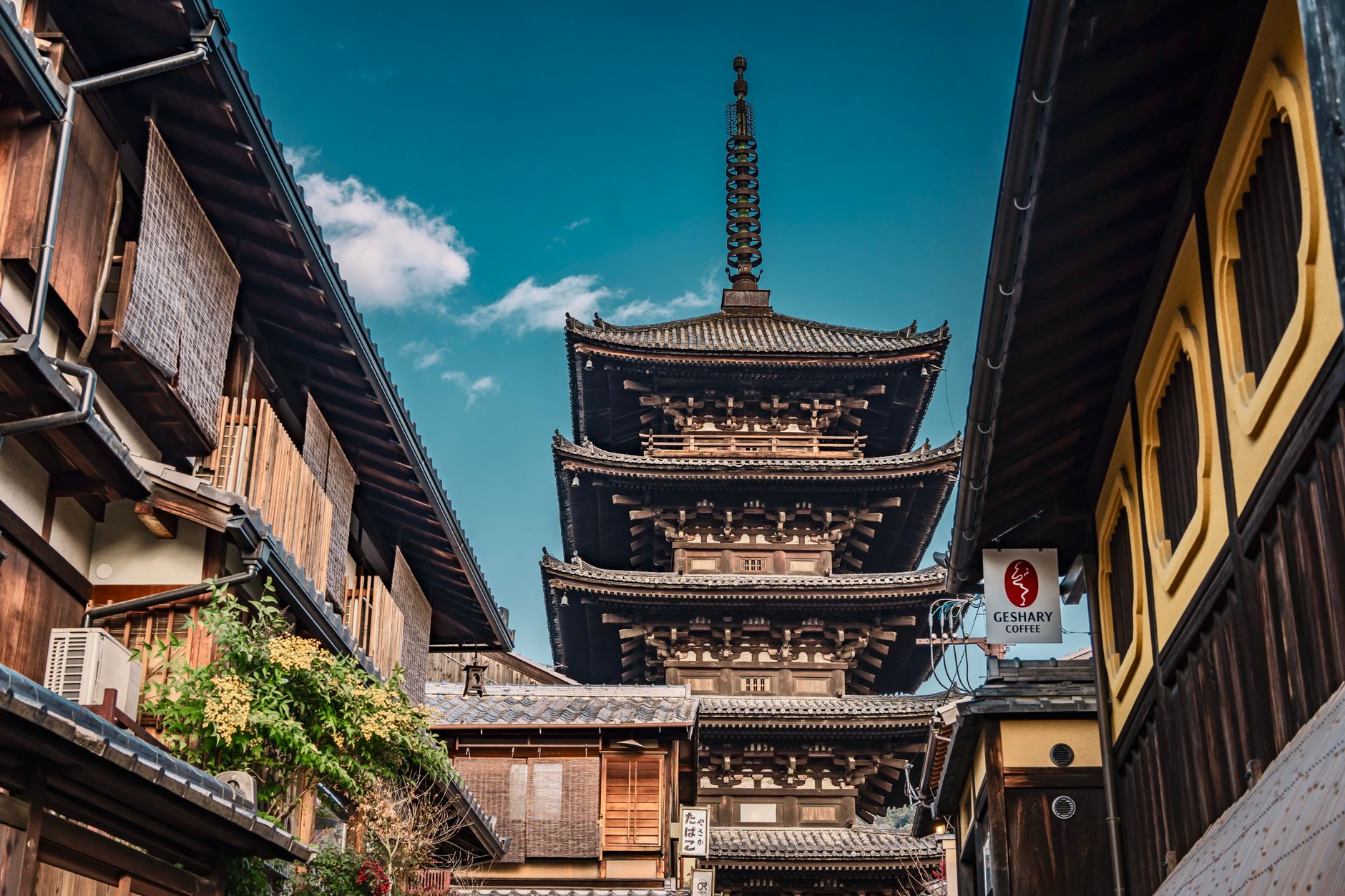
Kyoto, Japan: 47 things to do, including Fushimi Inari-taisha, Arashiyama Bamboo Grove and Kinkaku-ji.
Read the Kyoto guideExplore the rest of Kyoto
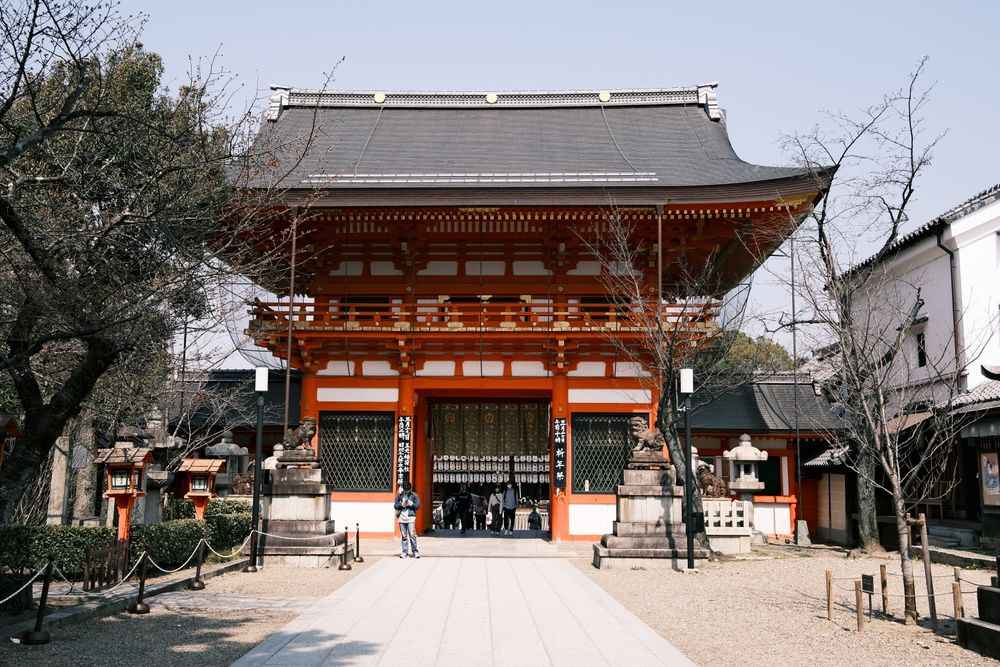
Gion's shrine stands at the top of Shijō street behind a vermilion gate, and its grounds never close. After dark, hundreds of paper…
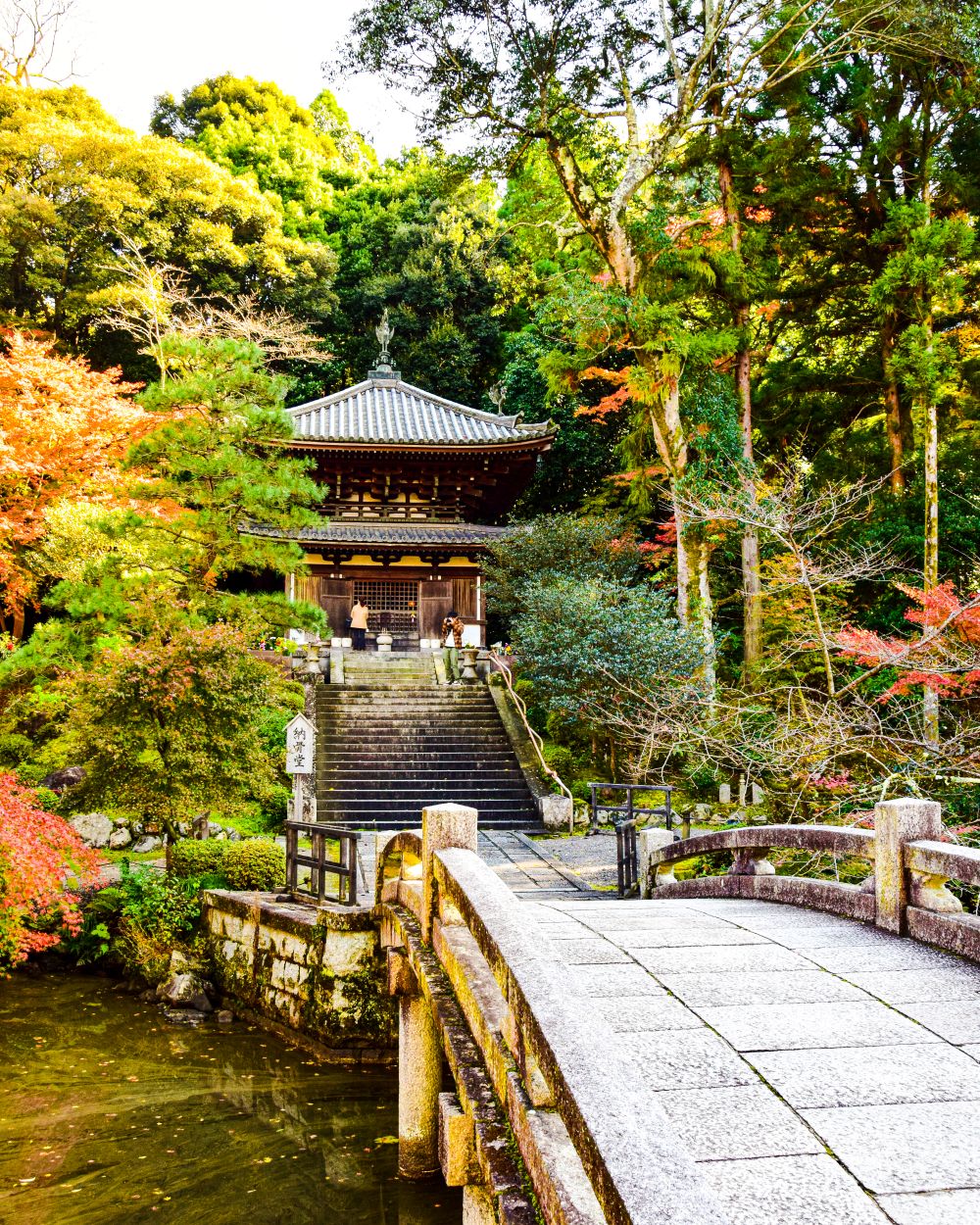
Steep steps climb through a huge two-storey wooden gate to this head temple of Pure Land Buddhism above Maruyama Park. The main hall is…
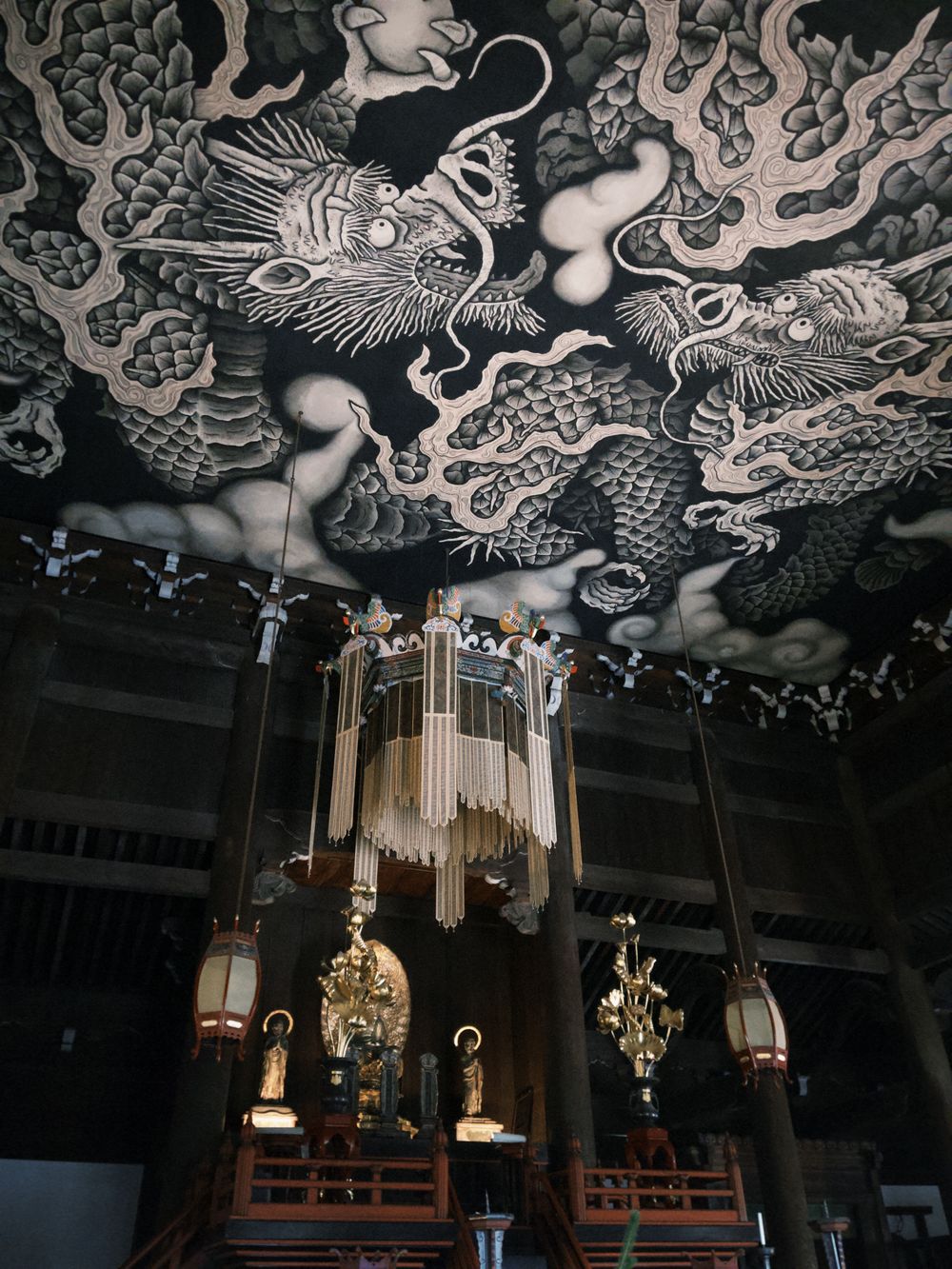
Kyoto's oldest Zen temple sits behind Gion's teahouse streets, a minute from Hanamikoji, and inside it is calm. Twin dragons are painted…
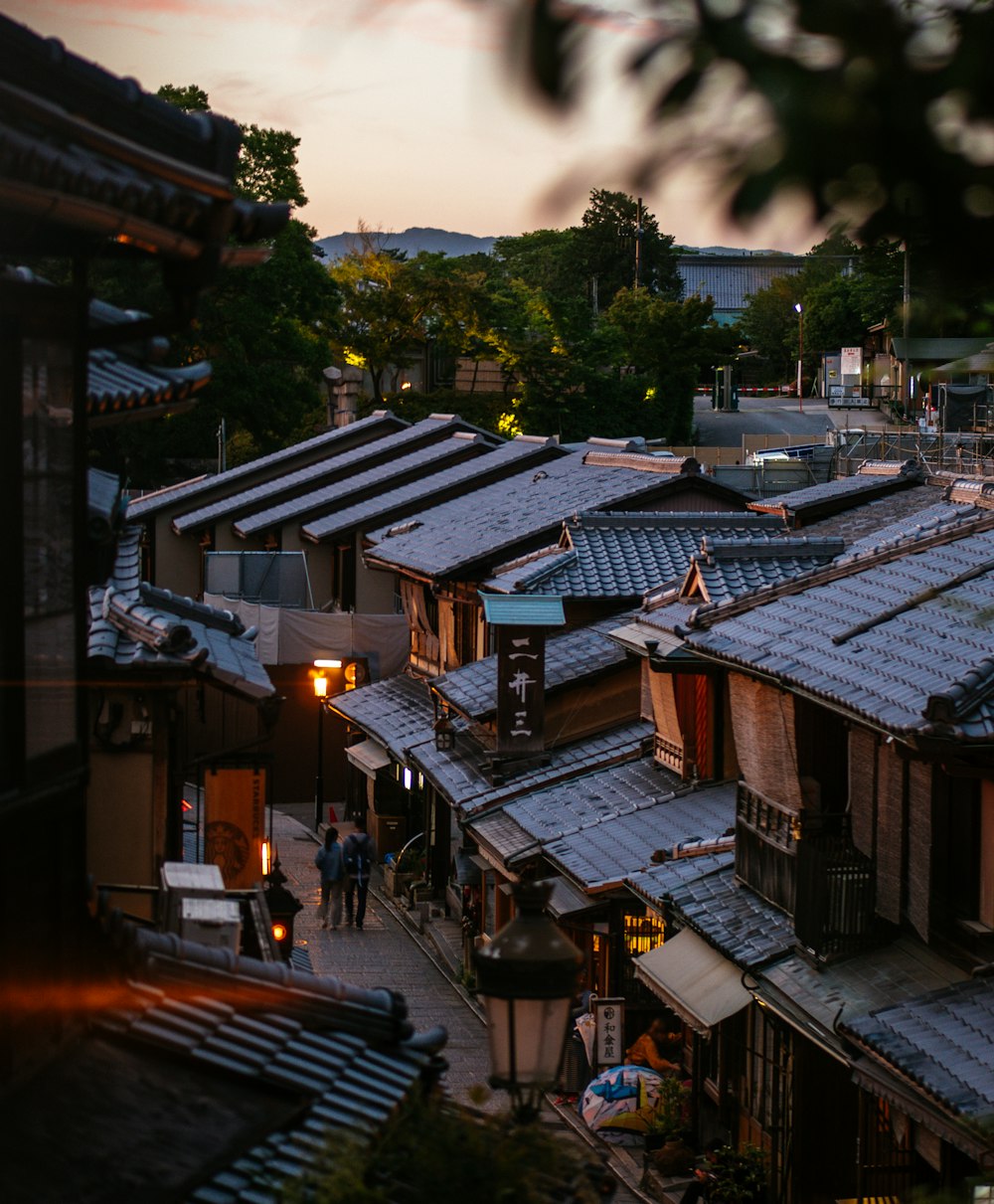
Kyoto's geisha district, with the wooden ochaya teahouses of Hanamikoji and the willow-lined Shirakawa canal behind them. Minamiza is the…
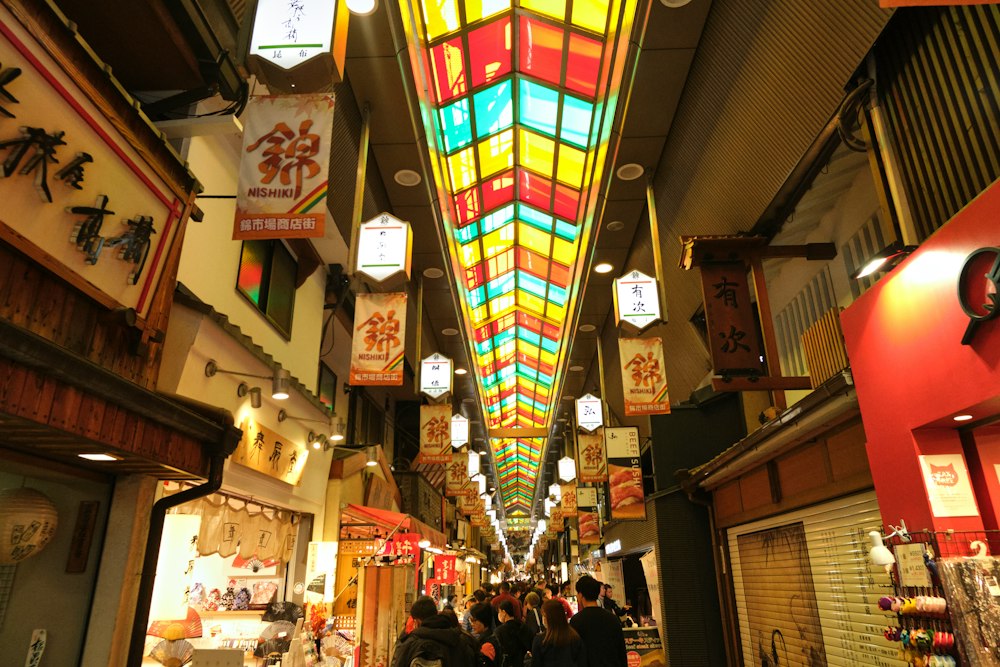
A covered lane about 390 metres long that has traded food for some 400 years, known as the Kitchen of Kyoto. Its shops sell Kyoto…
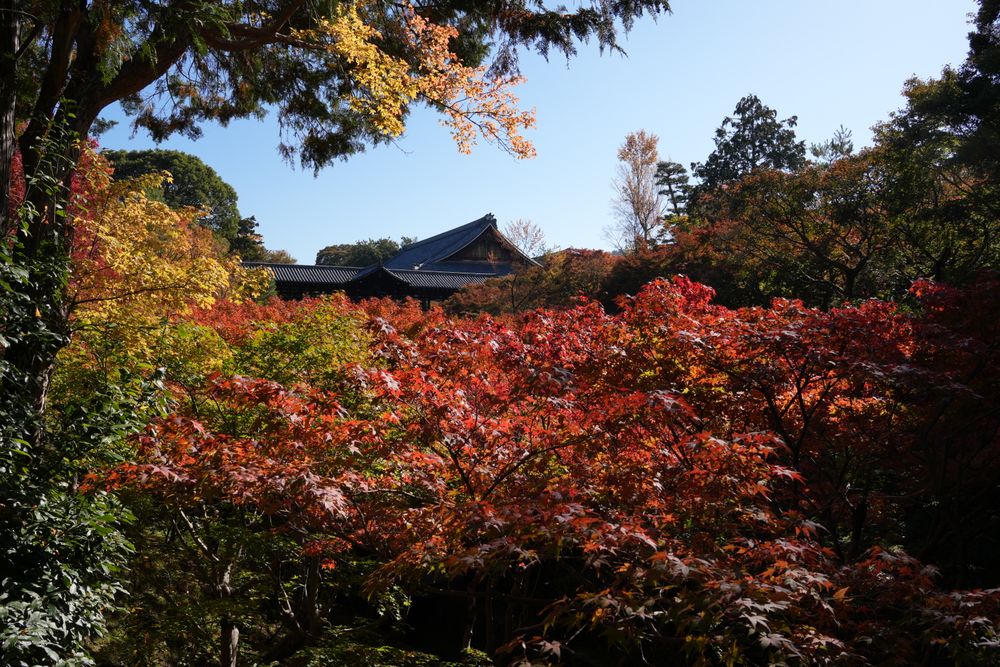
Crowds come from mid-November into early December for the Tsūten-kyō, a covered wooden bridge across a ravine of maples. The rest of the…
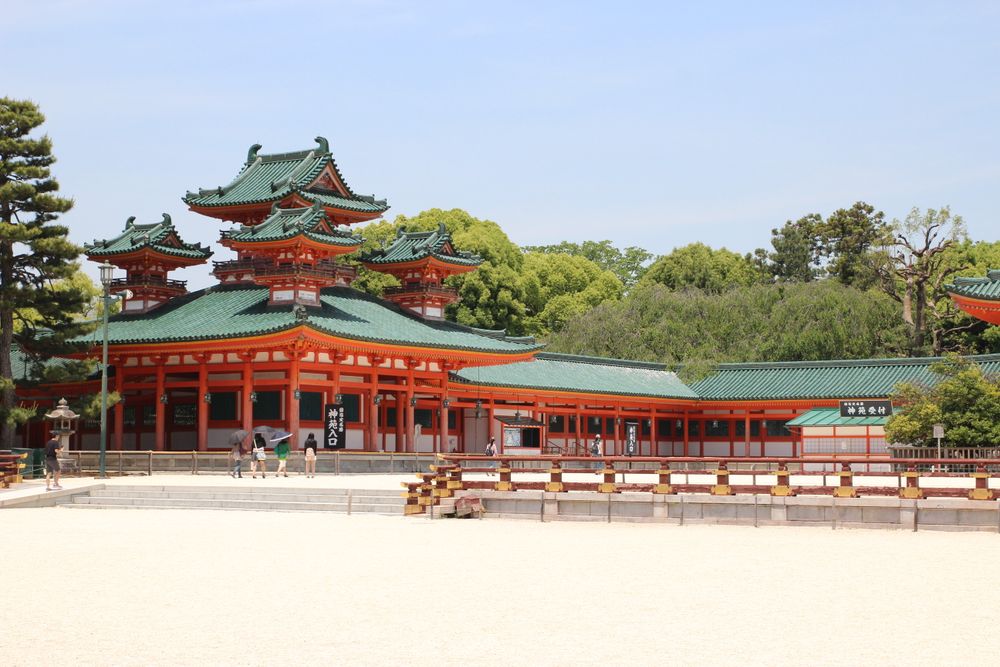
The halls of this Okazaki shrine reproduce the state hall complex of the old Heian capital at about five-eighths scale. A ticket buys the…
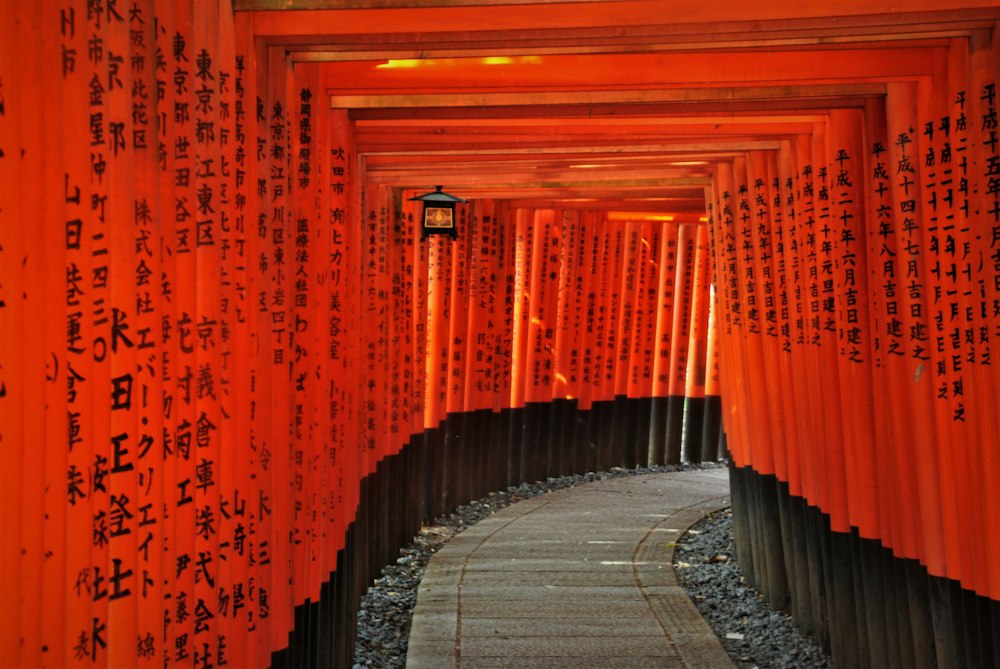

Thousands of vermilion torii, the gateways of a Shinto shrine, run in tunnels up the wooded slopes of Mount Inari behind the main hall,…




Save Kiyomizu-dera to your Japan trip in the Meridian Dispatch app and build the day around it, with the best of Kyoto pinned on one map.
Download on the App StoreLast updated