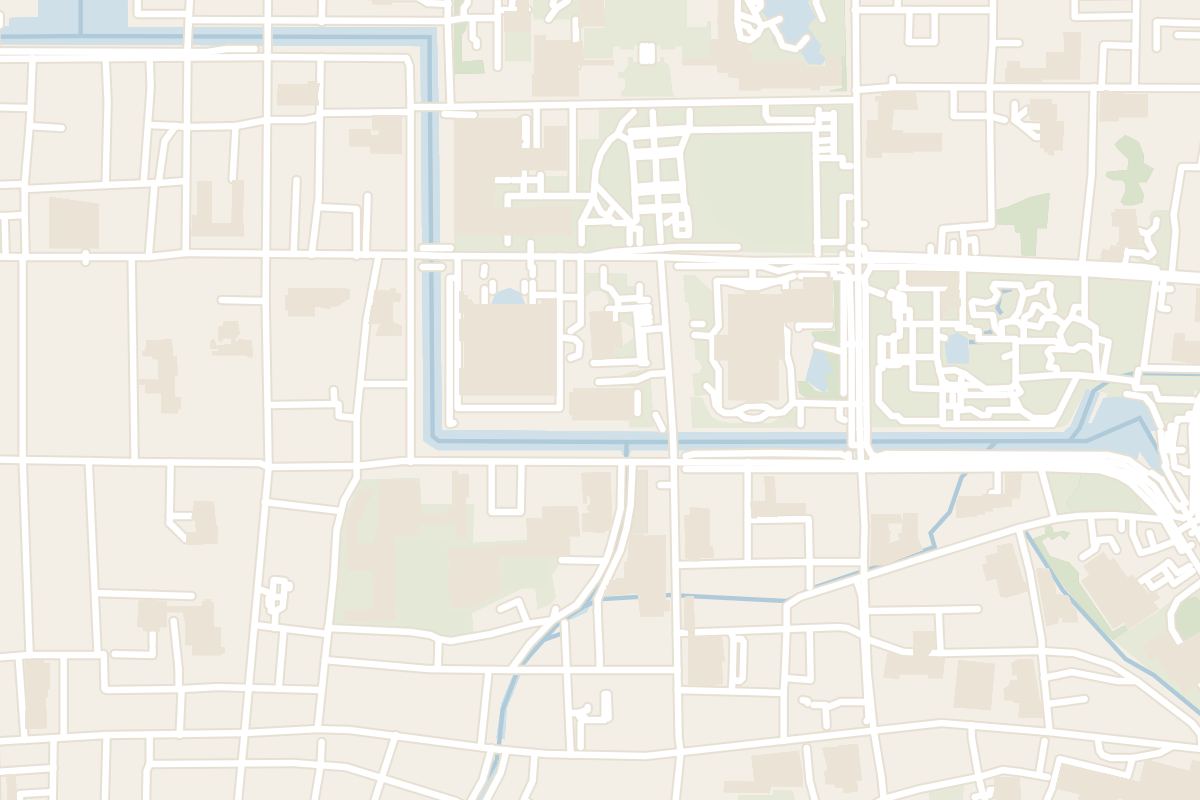
Maki Fumihiko's granite and glass museum gives you twentieth-century art from Kyoto and Kansai, with the great red torii of Heian Shrine visible from its fourth-floor lobby. The displays change about five times a year, so a return visit shows you different works.
Gallery, Kyoto. Meridian Dispatch.
From Kyoto Station, take City Bus 5 from stop A1, bound for Ginkakuji Temple, and get off at Okazaki Koen/Bijutsukan, Heian Jingu-mae. Bus 46 reaches the same stop from Kawaramachi, Hankyu Karasuma or Gion-Shijo. On the Tozai Line, leave Higashiyama Station by Exit 1 and walk about ten minutes.
The museum opens from 10:00 to 18:00, with admission until 17:30. On Fridays it stays open until 20:00, with admission until 19:30. It is closed on Mondays, but opens on a Monday national holiday and closes the following day, and it shuts from 29 December to 3 January.
Admission is charged; the Collection Gallery is free for high school students and younger and visitors 65 and over, but an exhibition may be free only to junior high school age and younger. Tickets for any exhibition also give access to the Collection Gallery.
Roughly 13,000 works make up the holdings, with particular emphasis on Japanese-style painting (nihonga) and crafts. Its photography includes some 1,050 images the Chicago couple Arnold and Temmie Gilbert gathered over 20 years, given to the museum in 1986 by the Kyocera Corporation.
No. MoMAK has no official car park of its own. Drivers park in the underground Okazaki-koen Parking Lot instead, and City Bus 5 and 46 and the Tozai subway line also serve the museum.
The official site of The National Museum of Modern Art, Kyoto is momak.go.jp.
momak.go.jp →Look first at the walls. The outside is a grid of Portuguese granite around a symmetrical front, drawn from the de Stijl painting of Piet Mondrian, and it stays low because nothing near Heian Shrine may stand taller than the shrine's grand torii.
Inside, two kinds of glass let the light in, one clear and one milky white, with top lights over the high entrance hall and lobby. The Pritzker Prize-winning architect Maki Fumihiko finished the building in 1986.
The collection holds about 13,000 works, gathered with an eye on Kyoto and the Kansai region. Its strengths are nihonga, or Japanese-style painting, and crafts, alongside sculpture.
The museum also holds some 1,050 photographs assembled by a Chicago couple, the Gilberts, and about 260 by Nojima Yasuzo. They appear in rotation, so check the Collection Gallery listing if you come for them.
Free lockers sit on the ground floor beside the ticket desk, information, the shop and the café, so start there. Inside the doors, a white marble hall and a stair lit by skylights lead up to the galleries.
Choose your ticket before you climb. A special exhibition, normally on the third floor, includes entry to the Collection Gallery, while a ticket for the Collection Gallery alone is sold only at that gallery.
The collection fills the fourth floor, with a Reference Corner beside it. Allow about an hour for that floor, and longer with a special exhibition. The Kyoto City KYOCERA Museum of Art is nearby, so the two make one Okazaki morning.
On Fridays the museum stays open until 20:00. Photography is allowed for only part of the collection display, so read the signs in each room before you raise a camera. An audio guide covers the Collection Gallery and some special exhibitions.
The shop and the glass-walled café need no ticket, and the café looks over the Lake Biwa Canal, so it works as a stop on a walk round Okazaki. In cherry blossom season the canal bank outside is crowded. The lifts have English voice guidance, and wheelchairs are available for visitors to use.
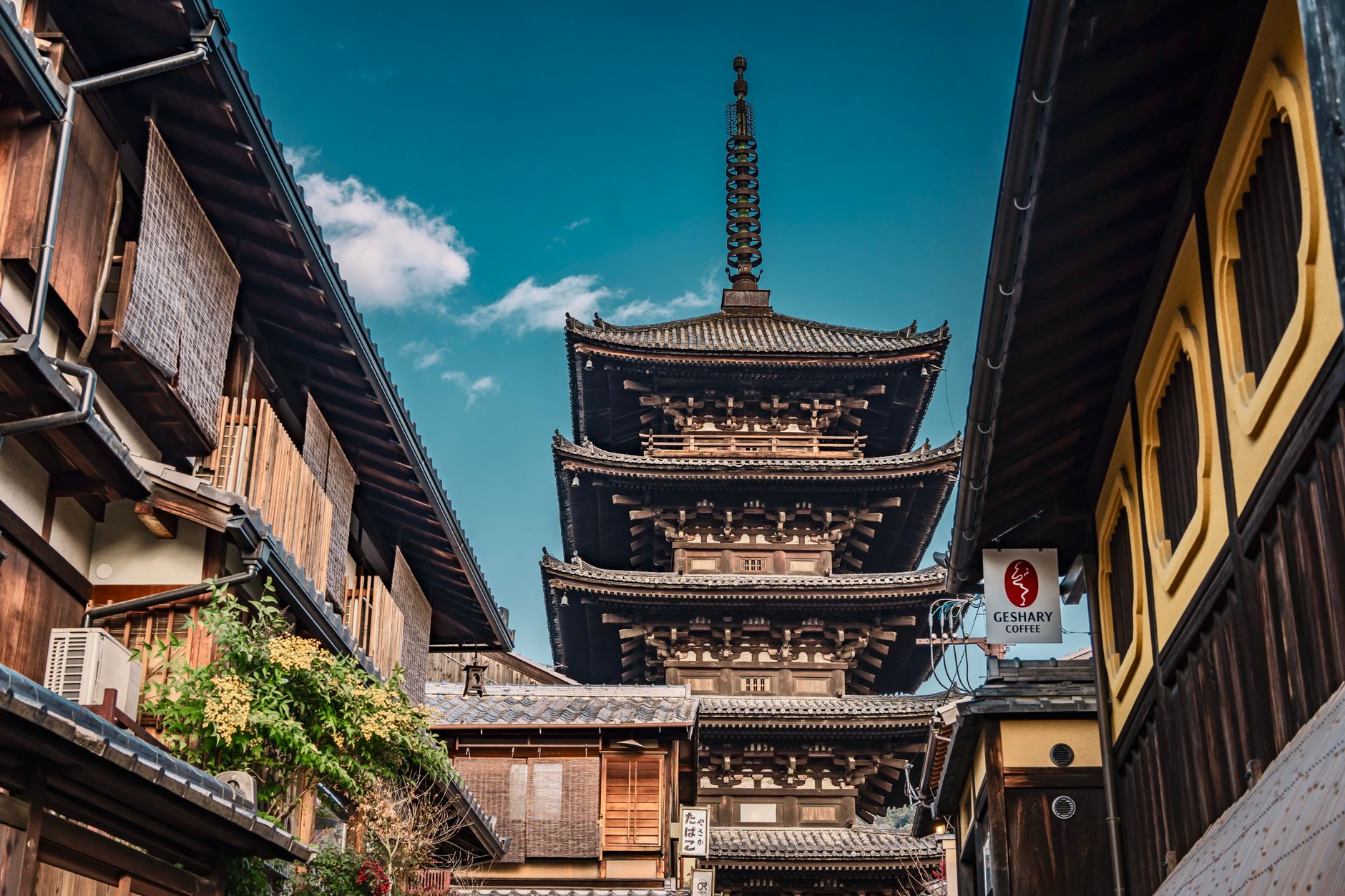
Kyoto, Japan: 47 things to do, including Fushimi Inari-taisha, Arashiyama Bamboo Grove and Kinkaku-ji.
Read the Kyoto guideExplore the rest of Kyoto
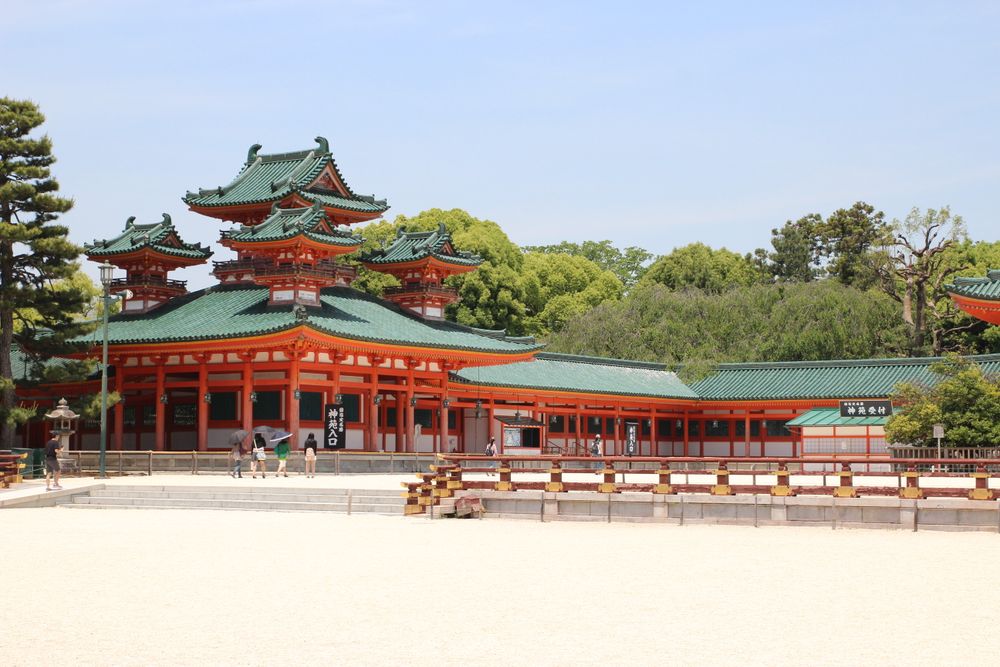
The halls of this Okazaki shrine reproduce the state hall complex of the old Heian capital at about five-eighths scale. A ticket buys the…
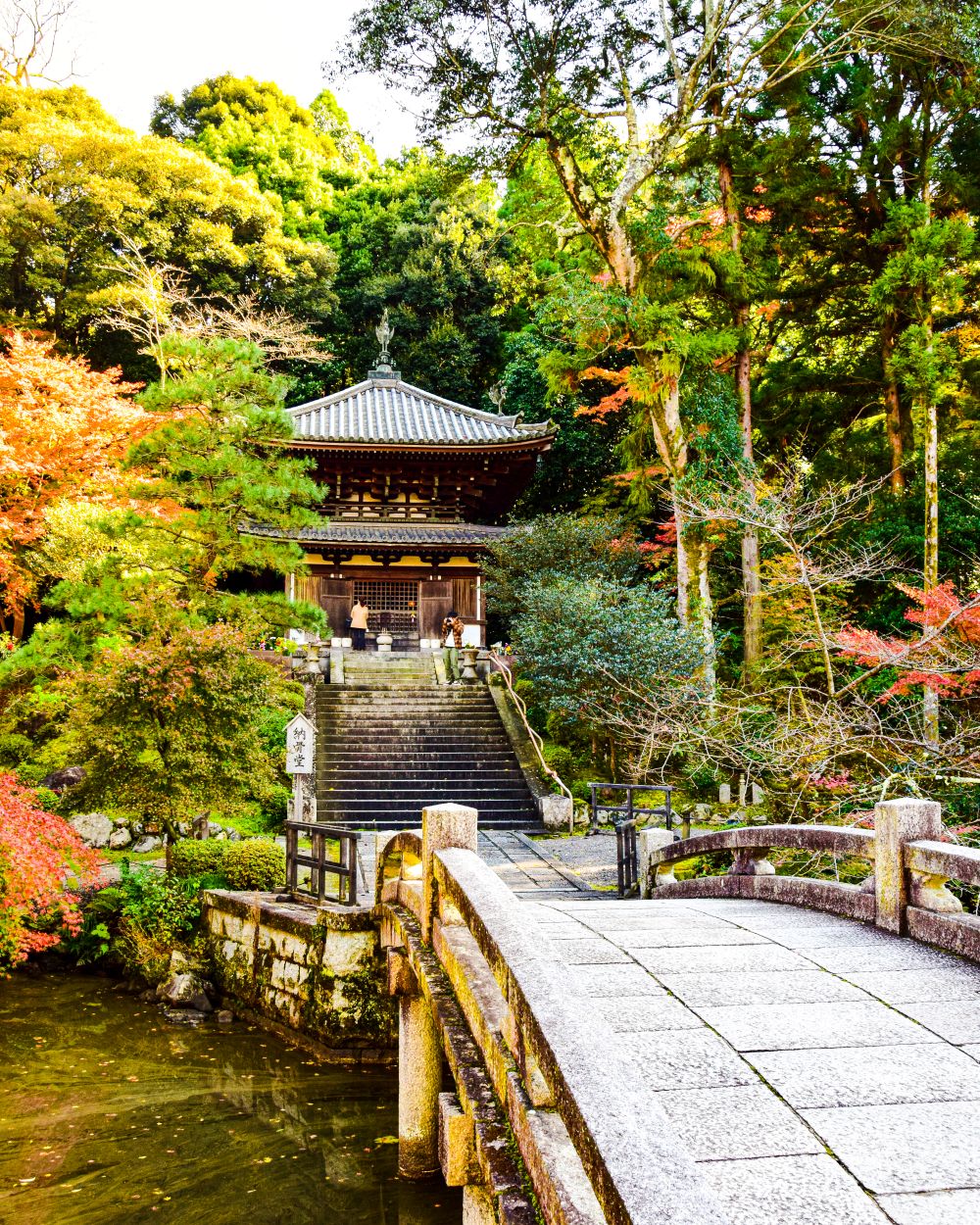
Steep steps climb through a huge two-storey wooden gate to this head temple of Pure Land Buddhism above Maruyama Park. The main hall is…
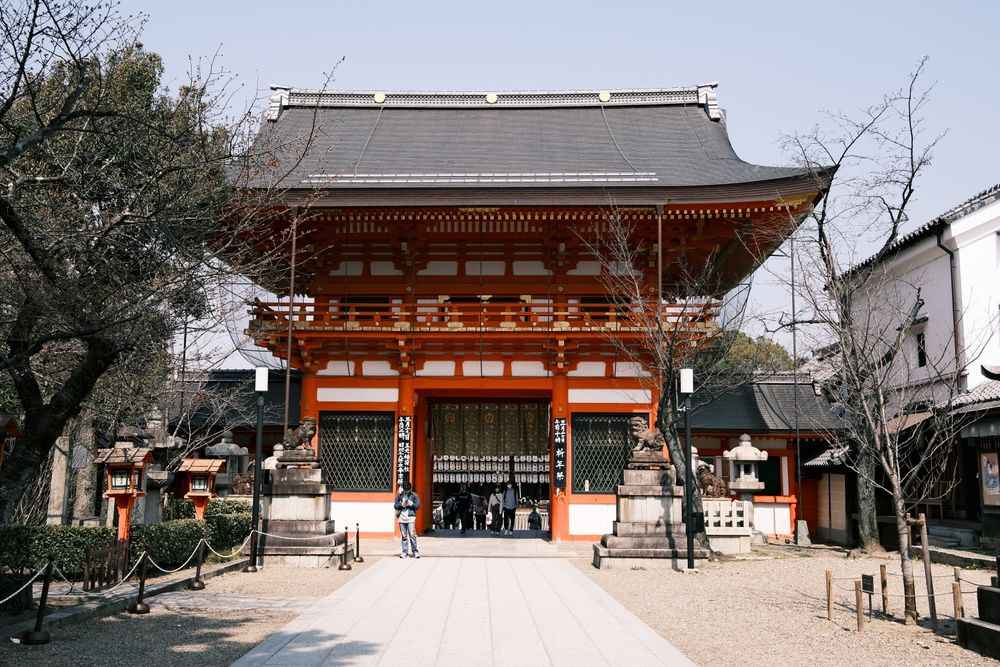
Gion's shrine stands at the top of Shijō street behind a vermilion gate, and its grounds never close. After dark, hundreds of paper…
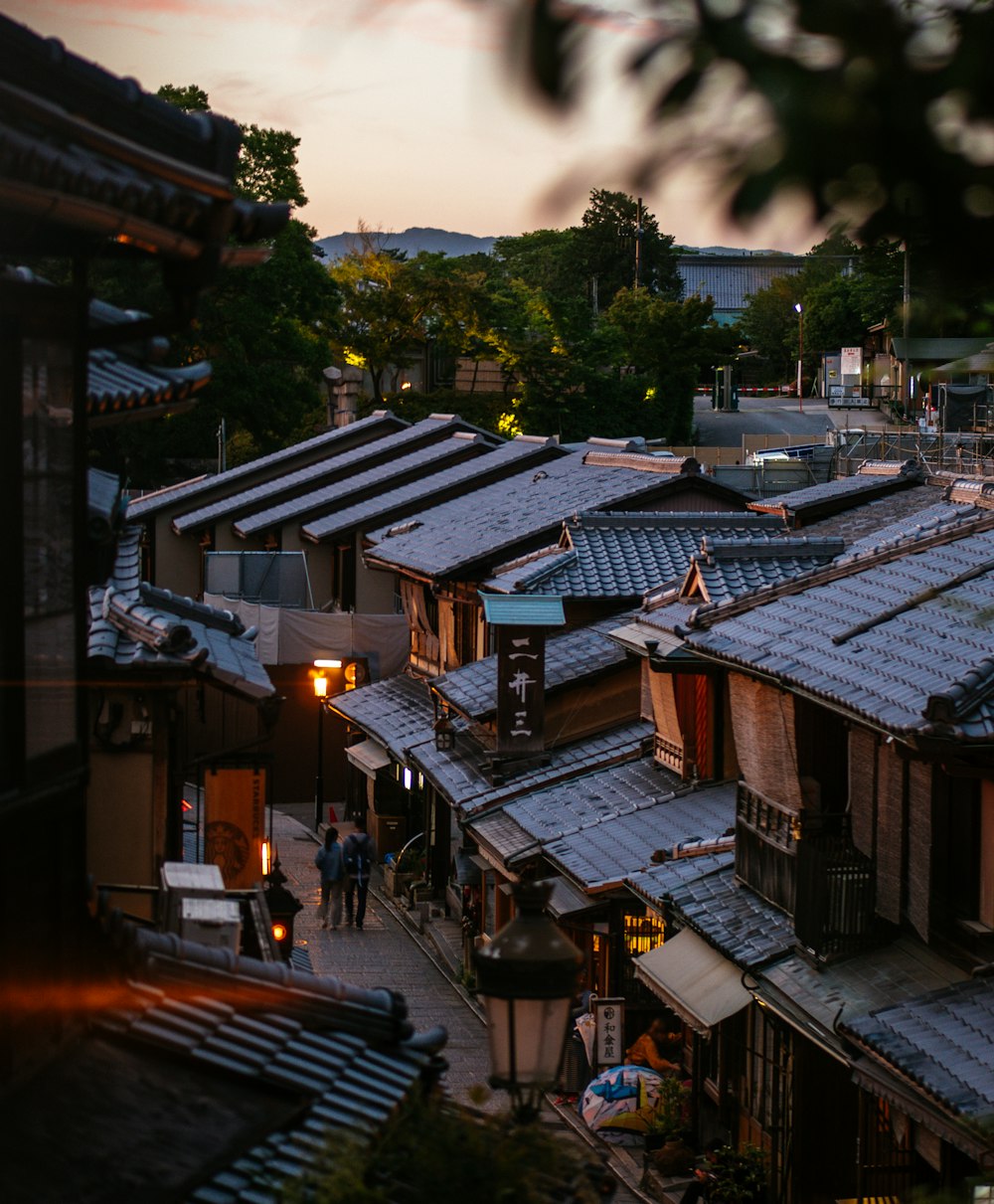
Kyoto's geisha district, with the wooden ochaya teahouses of Hanamikoji and the willow-lined Shirakawa canal behind them. Minamiza is the…
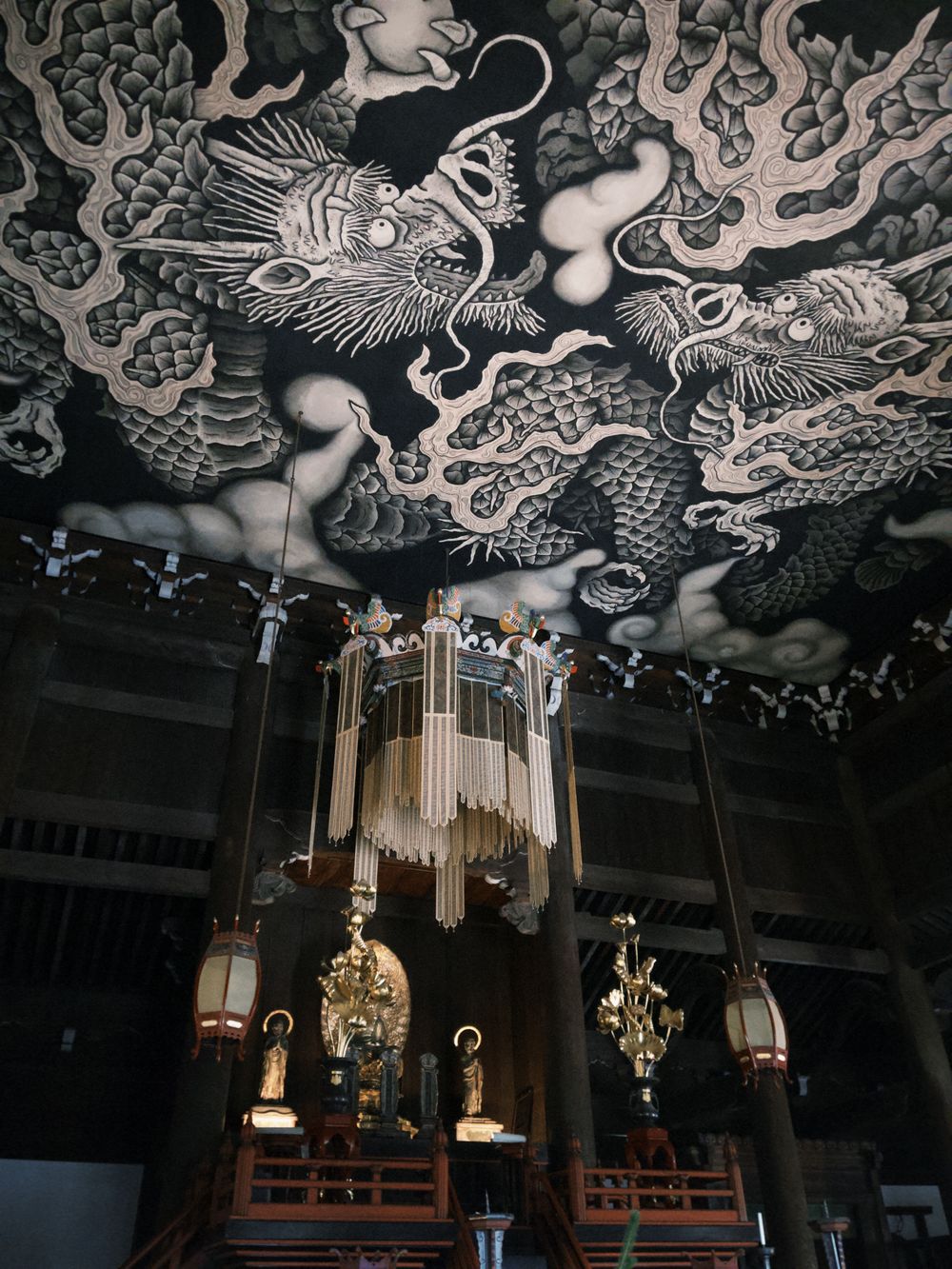
Kyoto's oldest Zen temple sits behind Gion's teahouse streets, a minute from Hanamikoji, and inside it is calm. Twin dragons are painted…
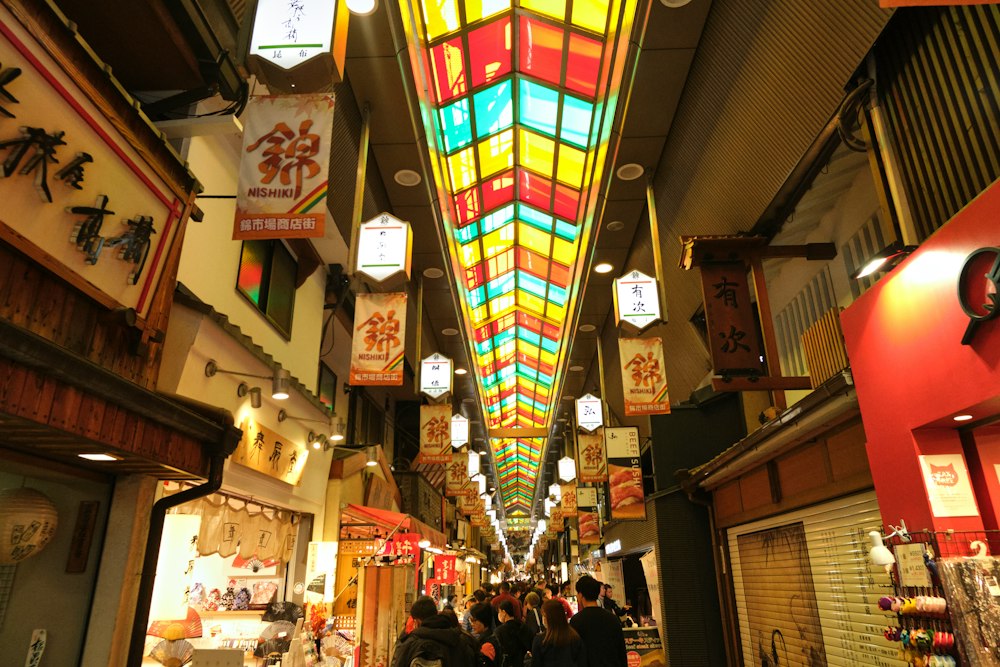
A covered lane about 390 metres long that has traded food for some 400 years, known as the Kitchen of Kyoto. Its shops sell Kyoto…
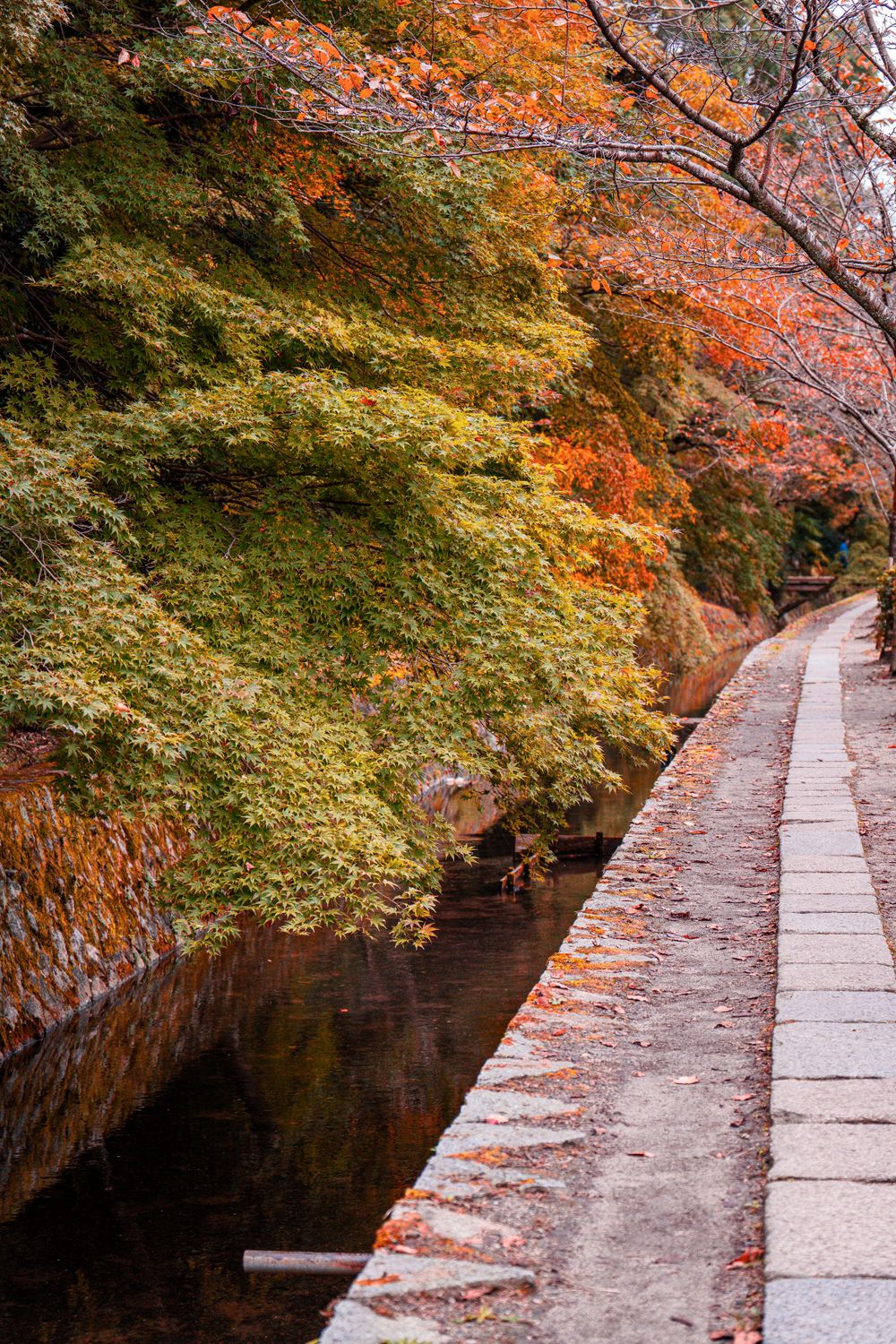
Stone paving follows a narrow canal for about 1.8 kilometres at the foot of the eastern hills, from Ginkaku-ji at the north end towards the…
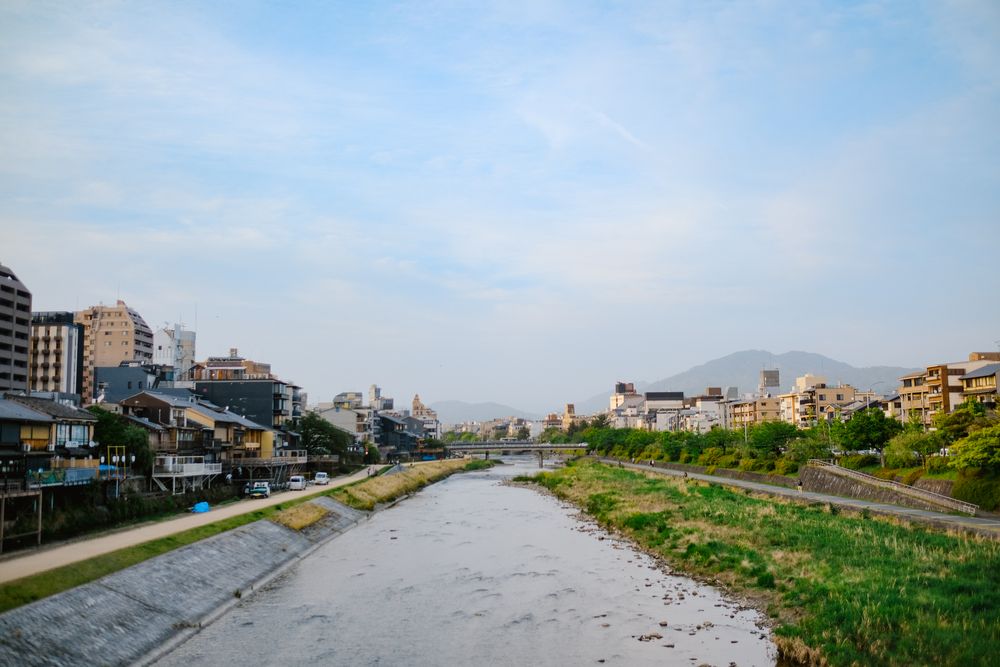
Wide grassy banks follow the river through the middle of the city, with a footpath on each side that makes the easiest walk in Kyoto. At…




Save The National Museum of Modern Art, Kyoto to your Japan trip in the Meridian Dispatch app and build the day around it, with the best of Kyoto pinned on one map.
Download on the App StoreLast updated