 Submit a photo
Ninety seconds on Kennin-ji
Kennin-ji is about seven minutes on foot from Gion-Shijo Station on the Keihan Line. The way leads south from the station through the Gion district, ending at the temple precinct.
Kennin-ji opens its doors daily at 10:00 in the morning, and the ticket desk stops admitting visitors half an hour before the temple closes for the day.
Only the outer grounds are free. The buildings, gardens and painted ceiling inside are ticketed, and visitors can walk the open-air precinct at no charge before buying entry to the interior.
An unhurried visit to the gardens and artworks takes about 60 to 90 minutes. The sub-temple Ryosoku-in adds at least another hour for anyone who stops there.
No. The screens of the wind and thunder gods displayed in the Hojo, the main building, are a high-resolution copy of the celebrated work, not the original painting itself.
Stepping out of Gion into Kyoto's oldest Zen temple, you find twin ink dragons across a whole hall ceiling and three gardens you can sit and watch.
Overhead in one hall, two dragons coil across the full ceiling, one with its mouth open and one with it closed. Their bodies slip in and out of clouds of black ink, and their eyes seem to follow you round the room.
The painting is new by temple standards. Koizumi Junsaku painted it in 2002 for the temple's 800th anniversary, on paper the size of 108 tatami mats.
In the Hojo hang the screens of Fujin and Raijin, the gods of wind and thunder. What is on show is a high-resolution reproduction of the famous pair.
Daioen, the main garden, is raked gravel and moss laid out in front of a long veranda. You can sit there for as long as you like.
Two more gardens sit within the buildings. One is an enclosed courtyard that the building wraps around, so it has no single correct viewpoint. The other is laid out around three geometric shapes: a circle, a triangle and a square.
Two halves make up the visit: the open-air grounds, which you can wander first, and the buildings behind the ticket desk. Footwear stays at the door, and from there you walk in socks on polished wooden floors, lacquered corridors and tatami.
Leave the tripod and selfie stick behind. Video of any kind is banned inside, and so are monopods, gimbals, action cameras and drones.
Gion lies on the way from the station, so end with a stroll through its lanes.
Look directly up when you reach the dragons, then study them again from the other corners of the hall rather than from the doorway alone.
Ryosoku-in, a sub-temple of Kennin-ji, has an almost empty garden seen from its own wooden veranda. Add it to the day when its gate is open.
Explore the rest of Kyoto
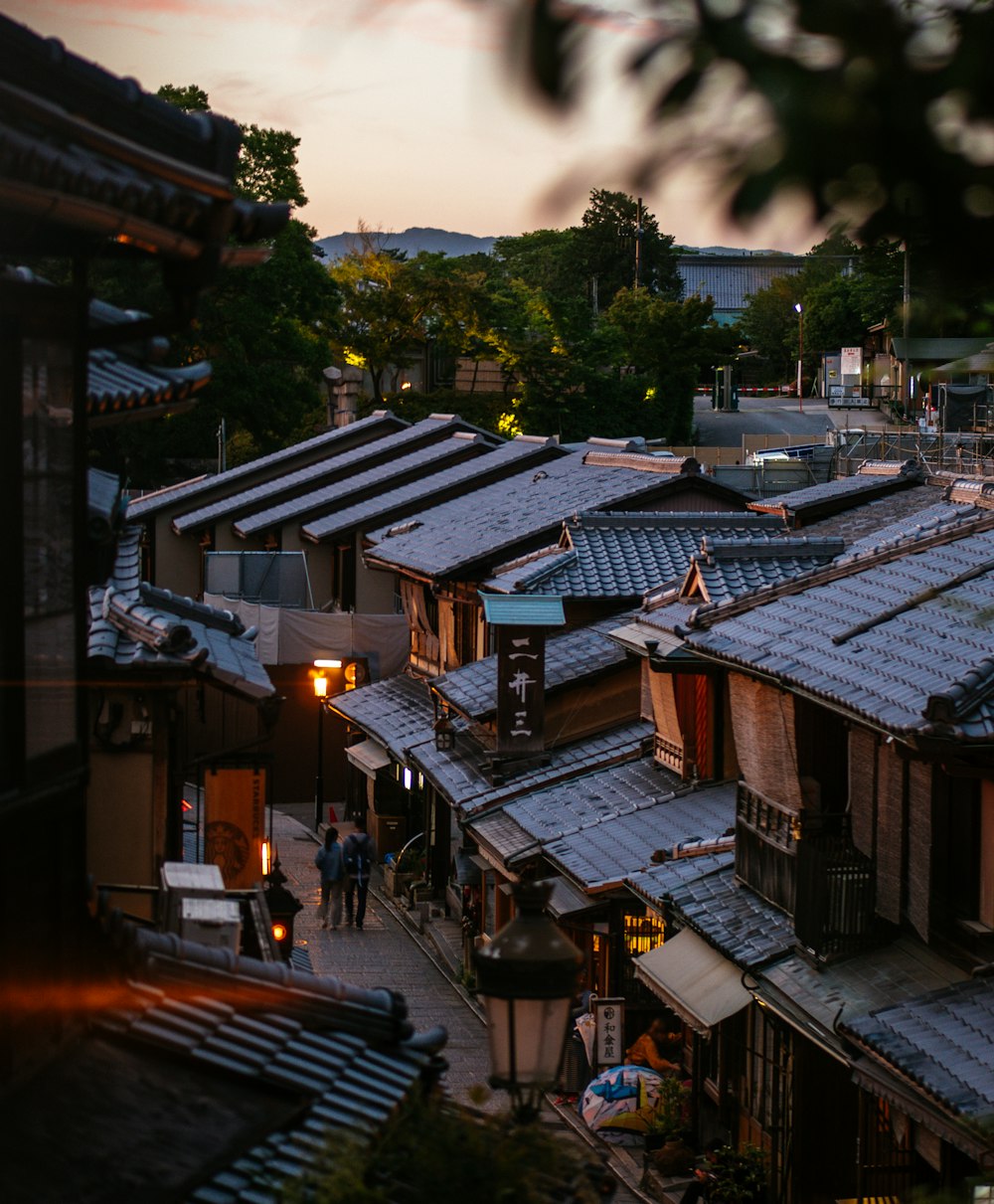
Kyoto's geisha district, with the wooden ochaya teahouses of Hanamikoji and the willow-lined Shirakawa canal behind them. Minamiza is the…
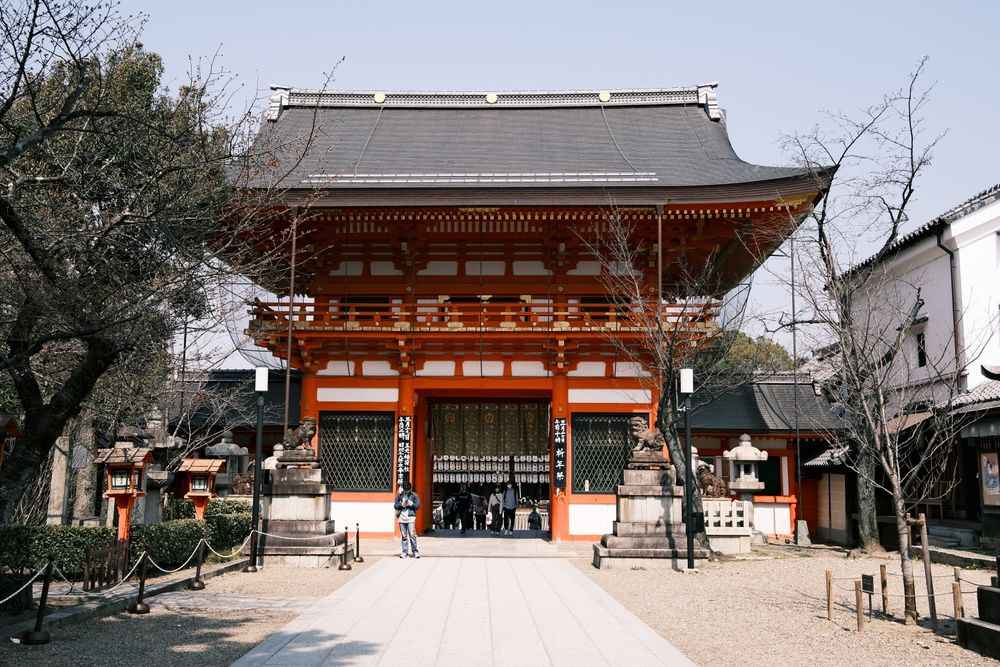
Gion's shrine stands at the top of Shijō street behind a vermilion gate, and its grounds never close. After dark, hundreds of paper…
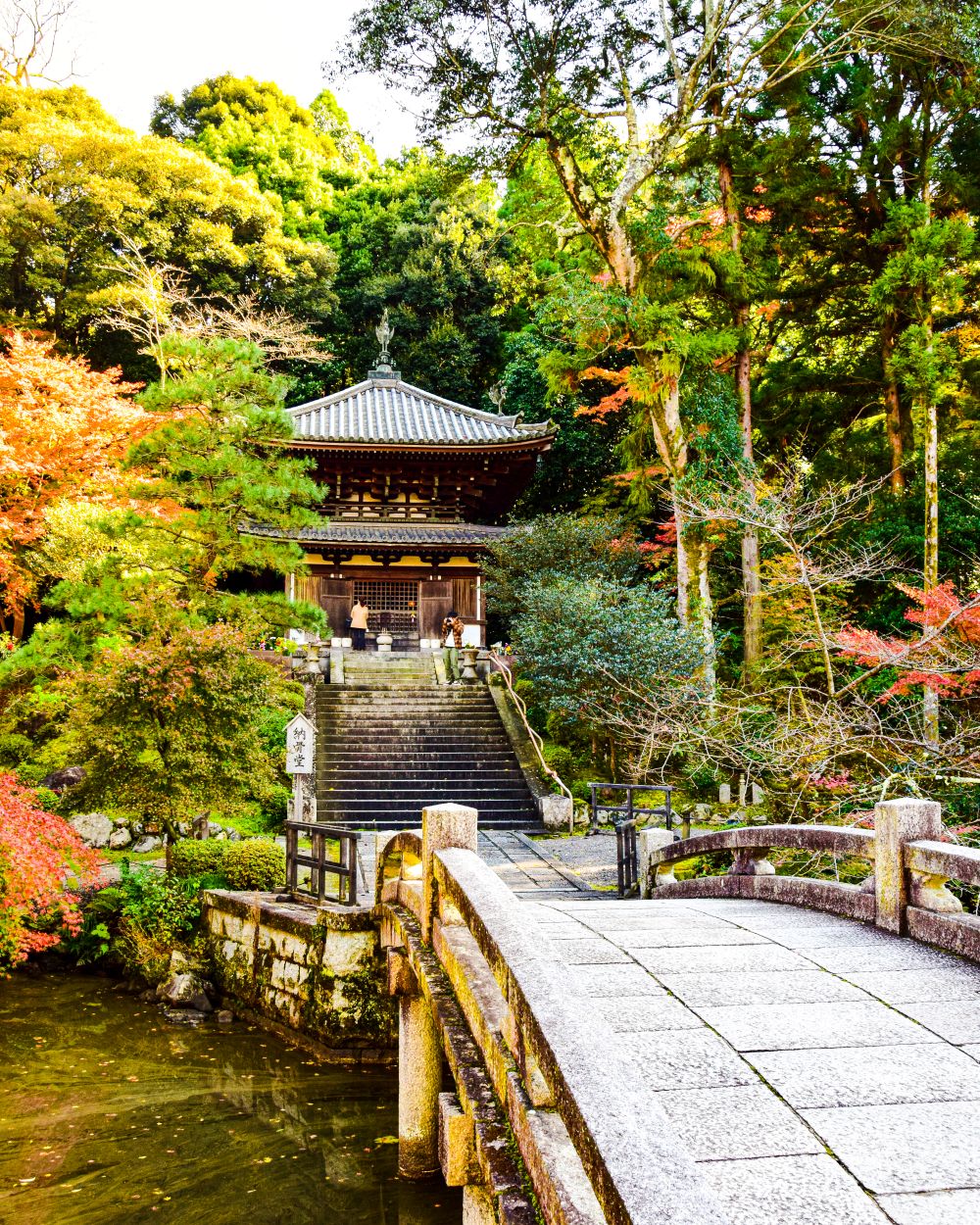
Steep steps climb through a huge two-storey wooden gate to this head temple of Pure Land Buddhism above Maruyama Park. The main hall is…
Last updated