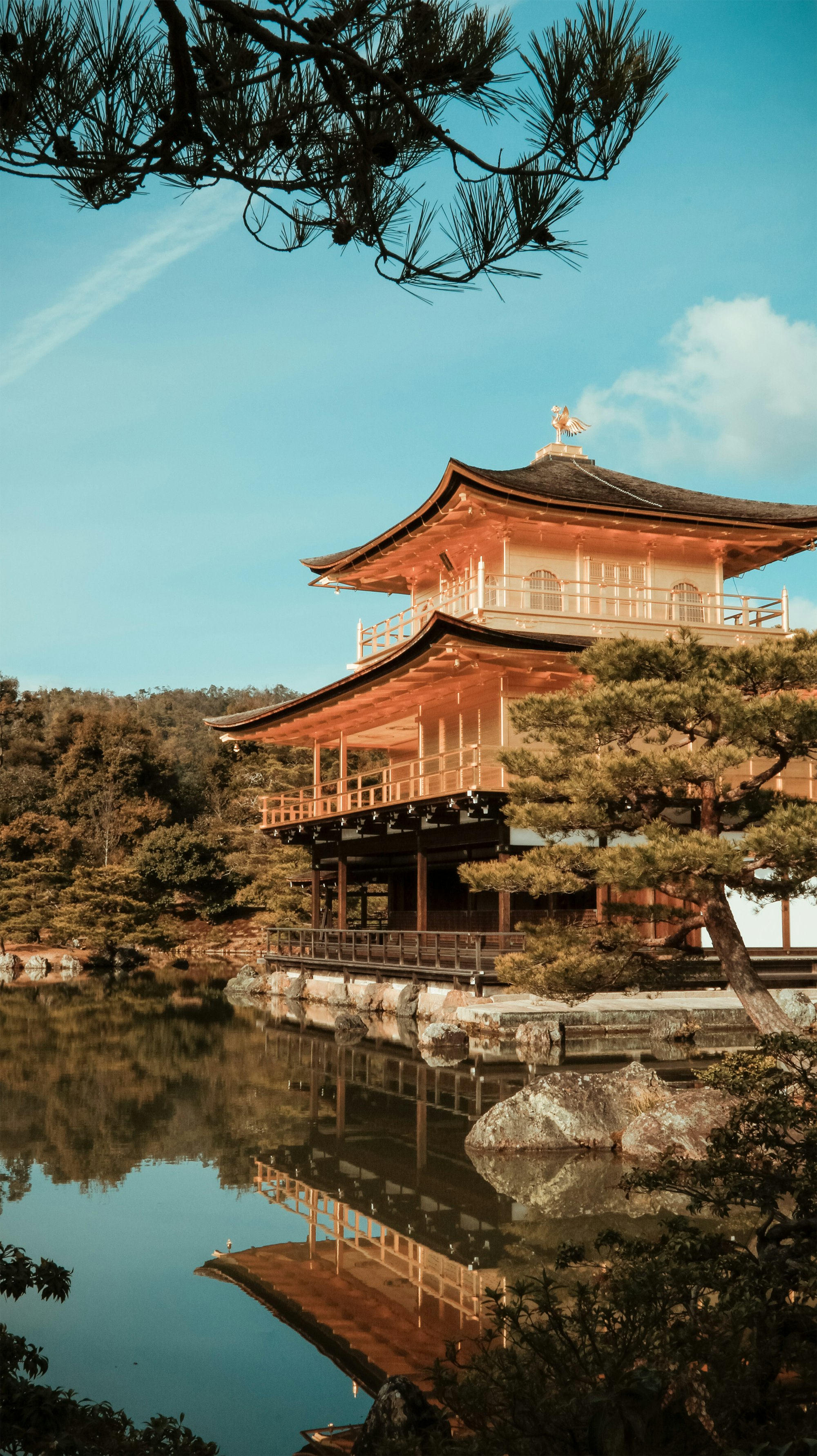
Standing at the pond edge, you see two storeys of gold leaf and a gilt phoenix reflected in still water. On the four or five days a year when snow lies on the roof, the gold looks brighter still.
Temple, Kyoto. Meridian Dispatch.
Take the Karasuma subway line seven stops to Kitaoji Station, then bus 205 from boarding point E or bus 204 to the Kinkakuji-michi stop. Bus 205 also runs direct from Kyoto Station in about forty minutes, and a taxi from Kitaoji takes about ten.
Kinkaku-ji is open every day of the year from 9:00 a.m. to 5:00 p.m., with no closing day. In winter the temple website carries a live camera image, which shows whether snow is lying on the pavilion roof.
Entry is ticketed and paid at the gate on arrival, every day of the year. No advance booking is needed. Visitors with a certified disability can be exempted from the admission fee.
Most visits last 15 to 45 minutes. The garden path runs one way only, so a visitor who walks on from a viewpoint cannot return to it. The view across the pond at the start is the one to take slowly.
The path is wheelchair accessible as far as the Golden Pavilion, and the temple rents wheelchairs without a reservation. Beyond the pavilion, steps in the garden mean wheelchair and stroller users must go back to the entrance to leave. Accessible toilets are on site.
No. The pavilion is closed to visitors. The sliding doors often stand open, so a careful look from the far side of the pond can pick out the statues inside.
No. The temple has no luggage storage and no lockers, so bags either come along the garden path or go into a locker elsewhere, such as at a train station. Service dogs are permitted, and any other pet must be caged or kept in a bag.
Buses 102 and 204 run from the Ginkaku-ji stop to the Kinkaku-ji stop, so the two temples can be joined by bus in a single day.
The official site of Kinkaku-ji is shokoku-ji.jp.
shokoku-ji.jp →What you are looking at is three buildings stacked into one, each floor in a different style. The ground floor, in plain wood and white plaster, follows the palace halls of the old imperial court; the second floor is built like a samurai house; the top floor takes the form of a Chinese Zen temple hall.
The gold covers only the upper two storeys, laid as pure gold leaf over lacquer, under a roof of thin cypress shingles. A gilt phoenix, a bird of good fortune in Chinese tradition, stands on the ridge. From the pond, follow the floors upward and you can see the style change at each roofline.
The building you see is a 1955 rebuild after a fire.
Kyoko-chi pond is where the path begins, with the full view across the water to the pavilion. Take your time here, because the route runs one way and once you walk on you cannot come back to this view. Expect to queue for a place at the front of the crowd on a busy morning.
You cannot go inside the pavilion. Look too at the islands and stones set in the water, and at the roofline over each floor.
Past the pavilion the path turns behind it and climbs on steps through the garden, past Anmintaku pond, which has never dried up even in droughts. A small hall further on holds a statue of Fudo Myoo, a Buddhist guardian deity. The path ends at the Sekkatei teahouse, and outside the exit a small tea garden serves matcha and sweets.
Wear shoes that cope with gravel, because the garden paths are loose stone, and use the toilets before you start, since there are few on the grounds. Eat before you come or after you leave, as the garden has nowhere to sit down to a meal.
Golden Pavilion is Kinkaku-ji and Silver Pavilion is Ginkaku-ji, and the two are easy to confuse, so say the full name when you ask a taxi driver.
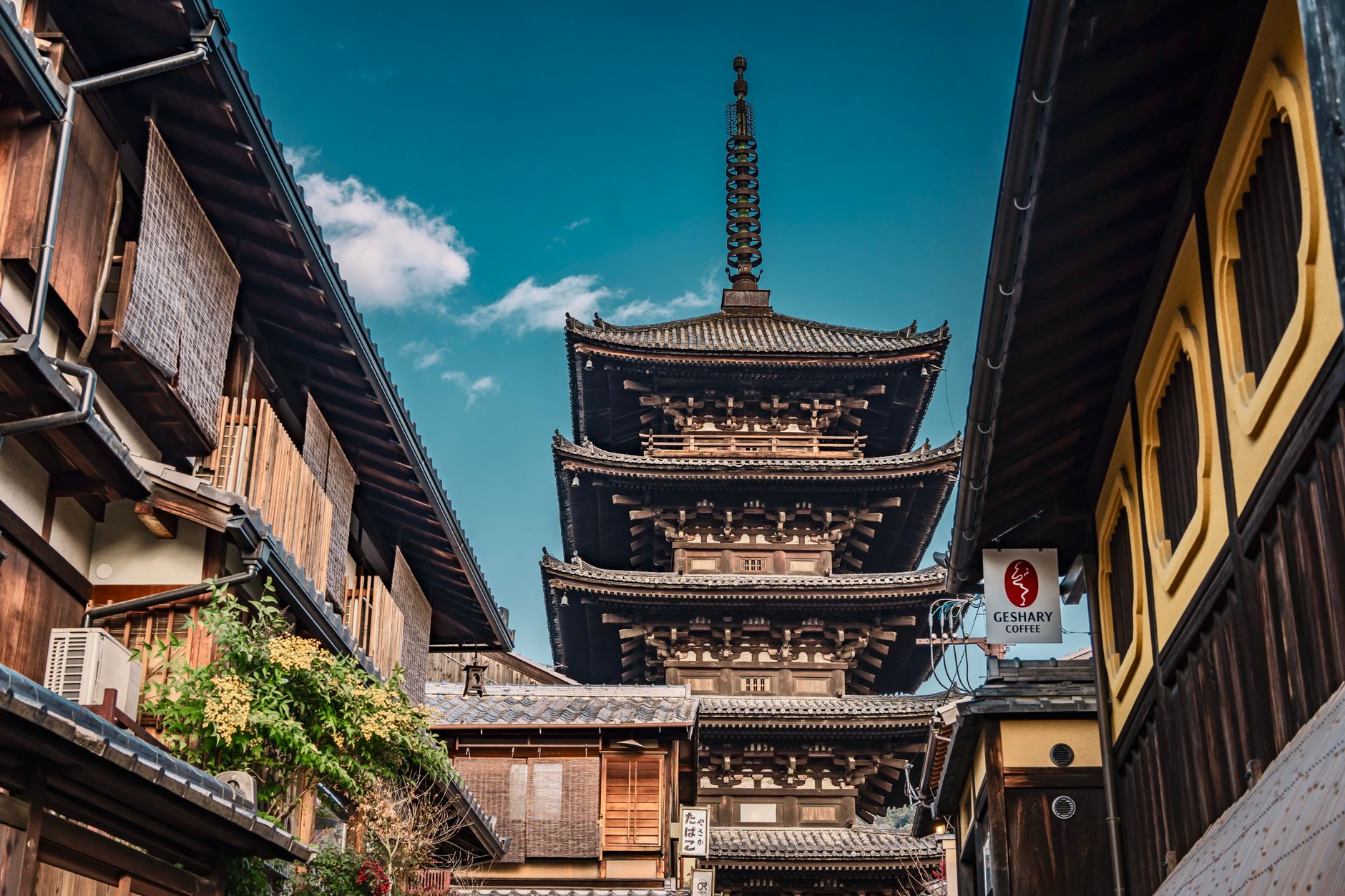
Kyoto, Japan: 47 things to do, including Fushimi Inari-taisha, Arashiyama Bamboo Grove and Kinkaku-ji.
Read the Kyoto guideExplore the rest of Kyoto
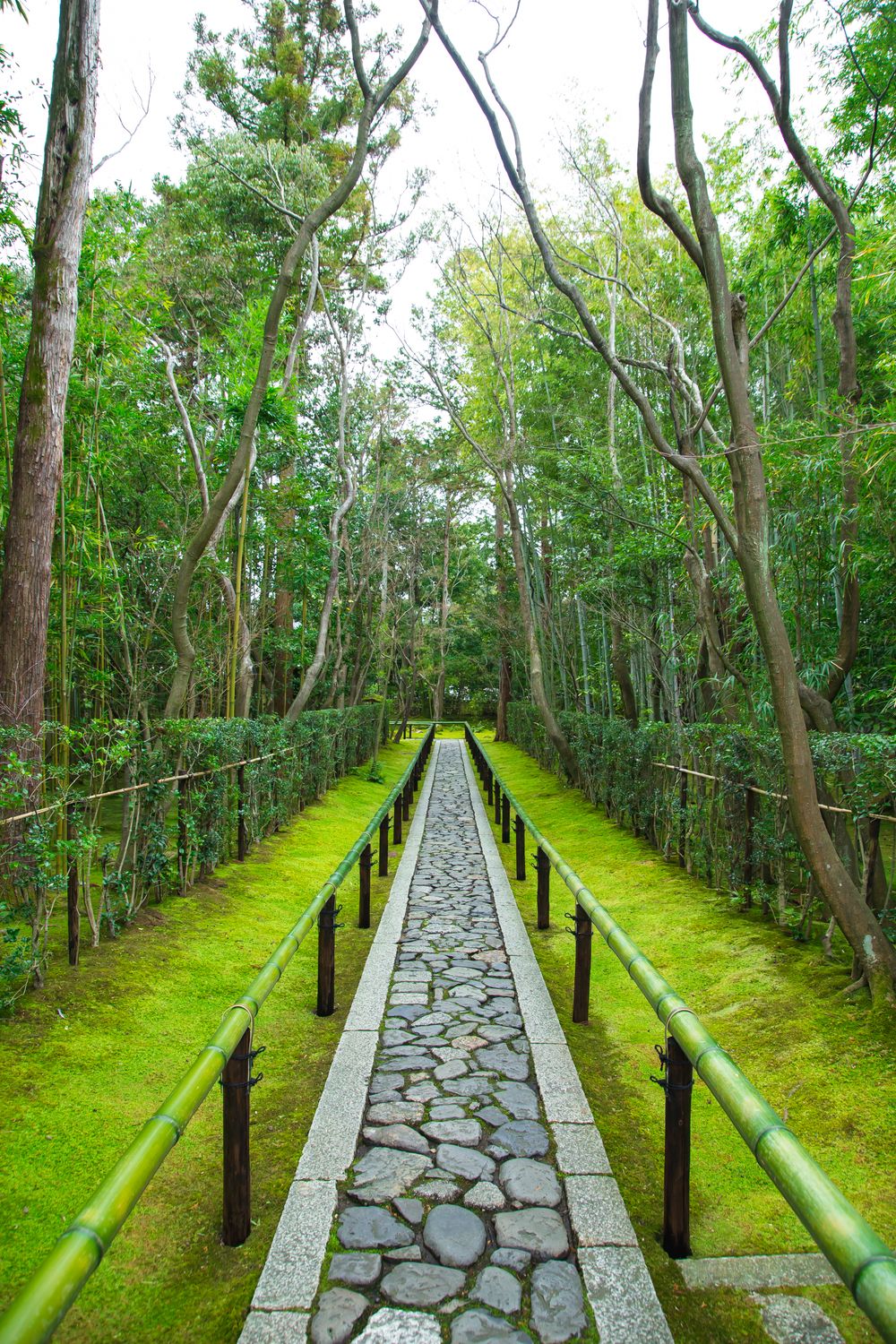
Behind the walls of this Zen complex in north Kyoto, more than twenty subtemples line a grid of stone lanes, and a handful open their…
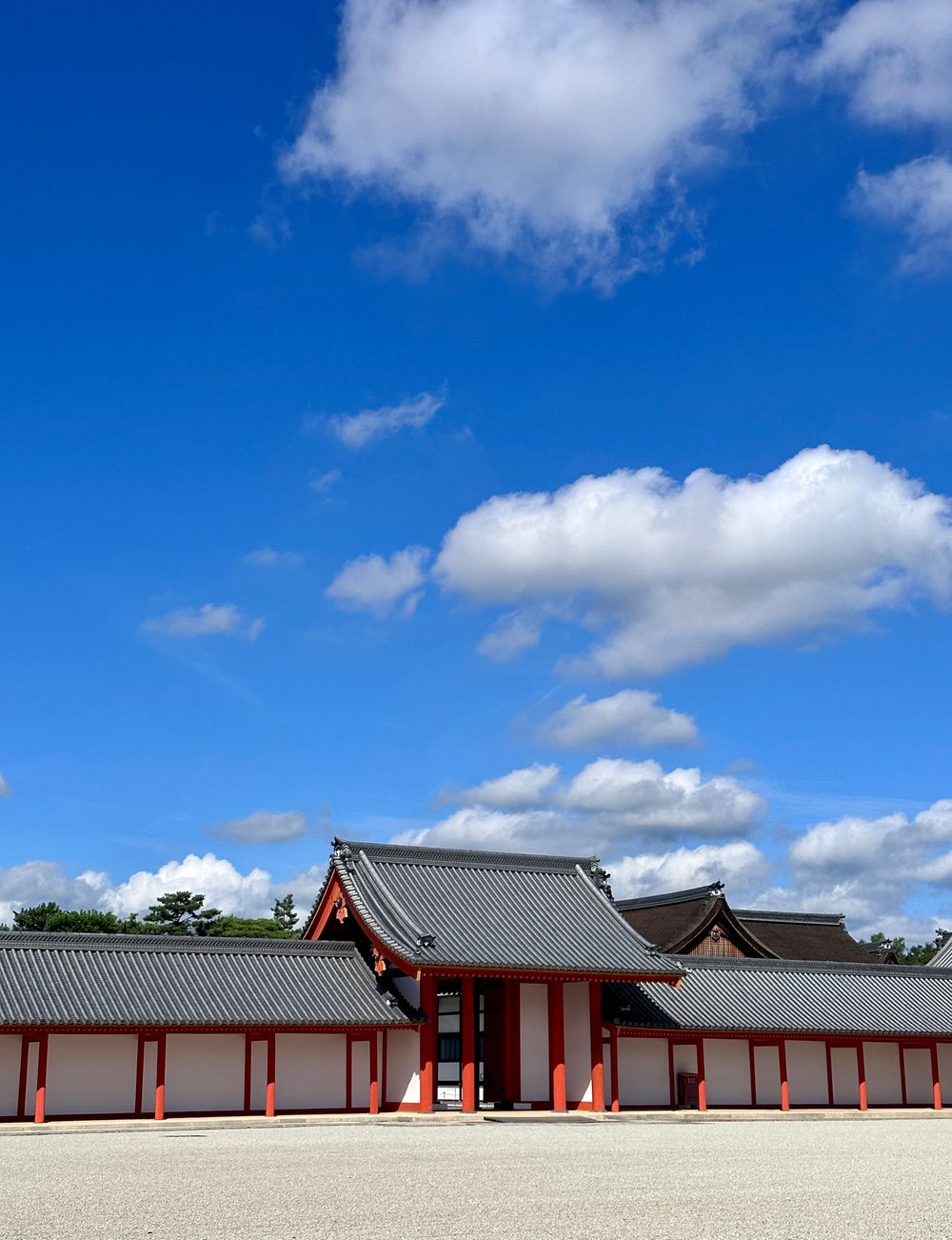
Japan's emperors lived in these walled halls until the capital moved to Tokyo, and the grounds are open without booking along a set visitor…
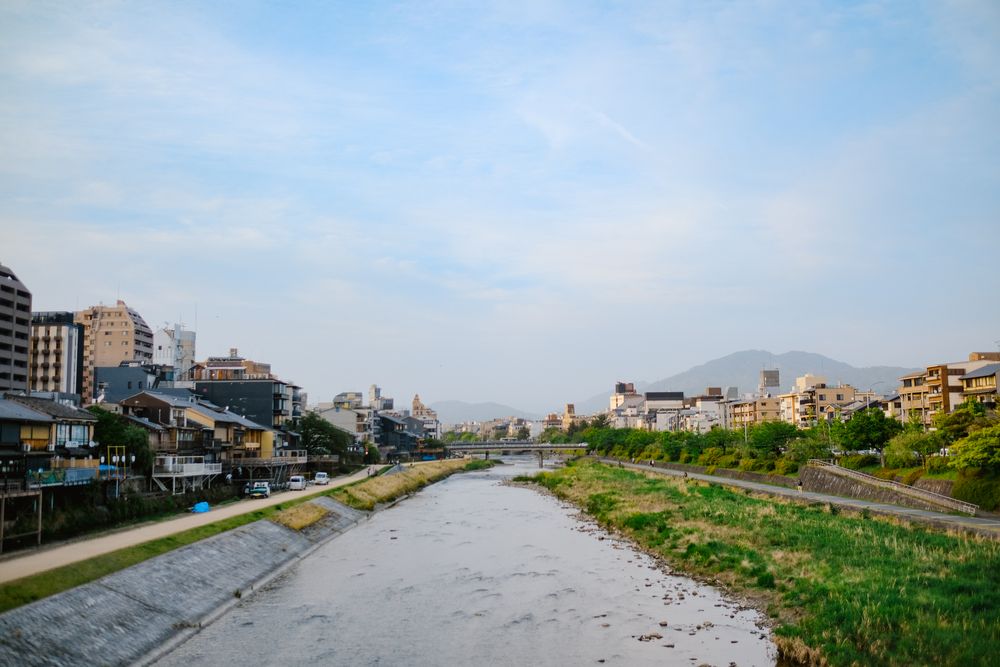
Wide grassy banks follow the river through the middle of the city, with a footpath on each side that makes the easiest walk in Kyoto. At…
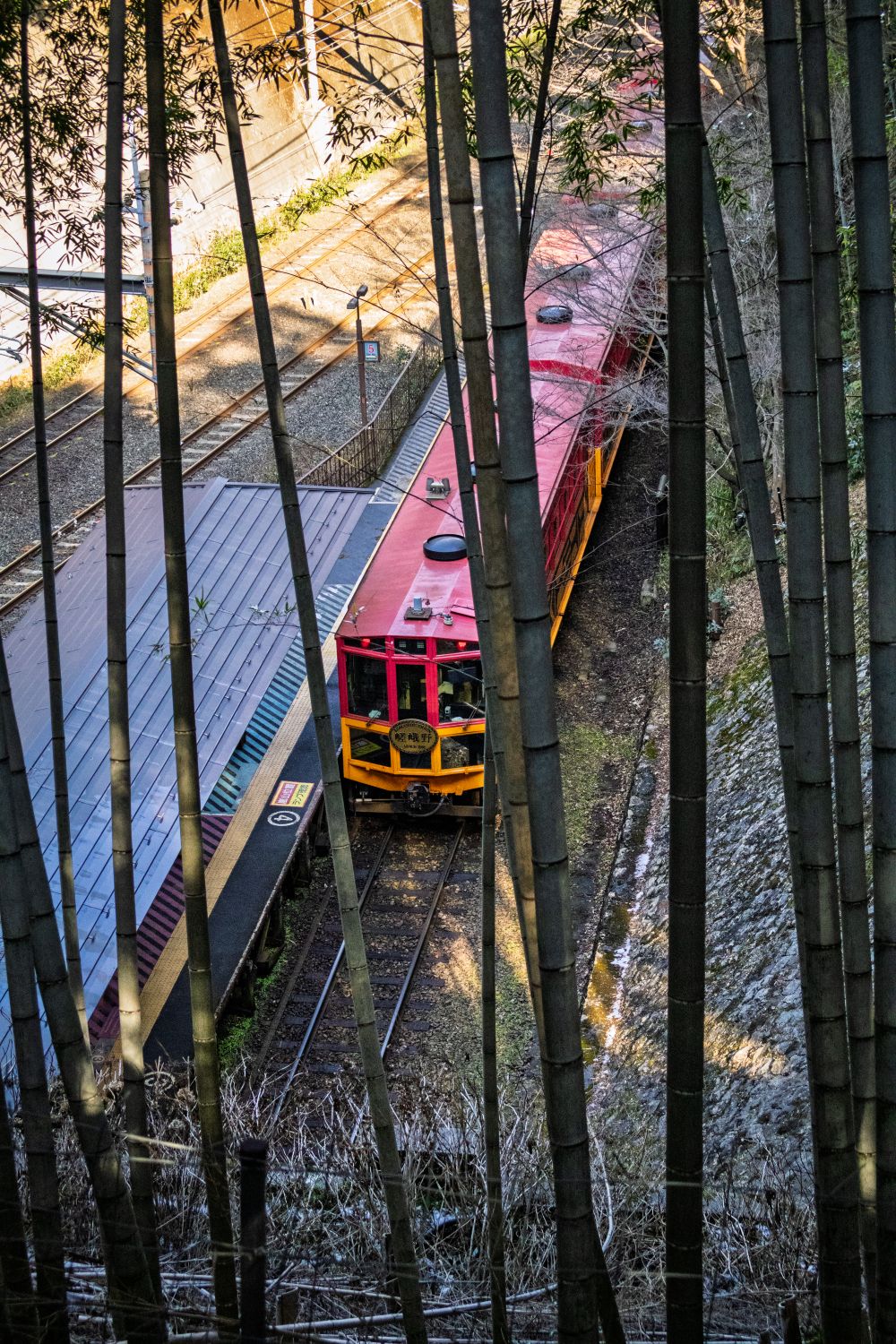
A slow sightseeing train follows the Hozugawa from Saga, beside Arashiyama, upriver to Kameoka, with one open-air car among its five. Seats…
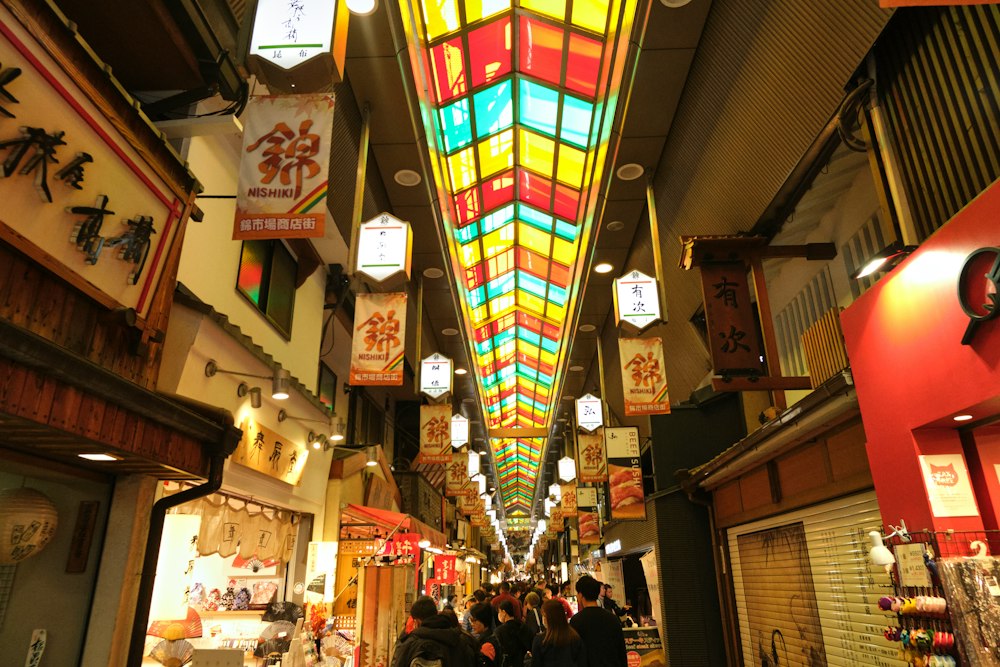
A covered lane about 390 metres long that has traded food for some 400 years, known as the Kitchen of Kyoto. Its shops sell Kyoto…
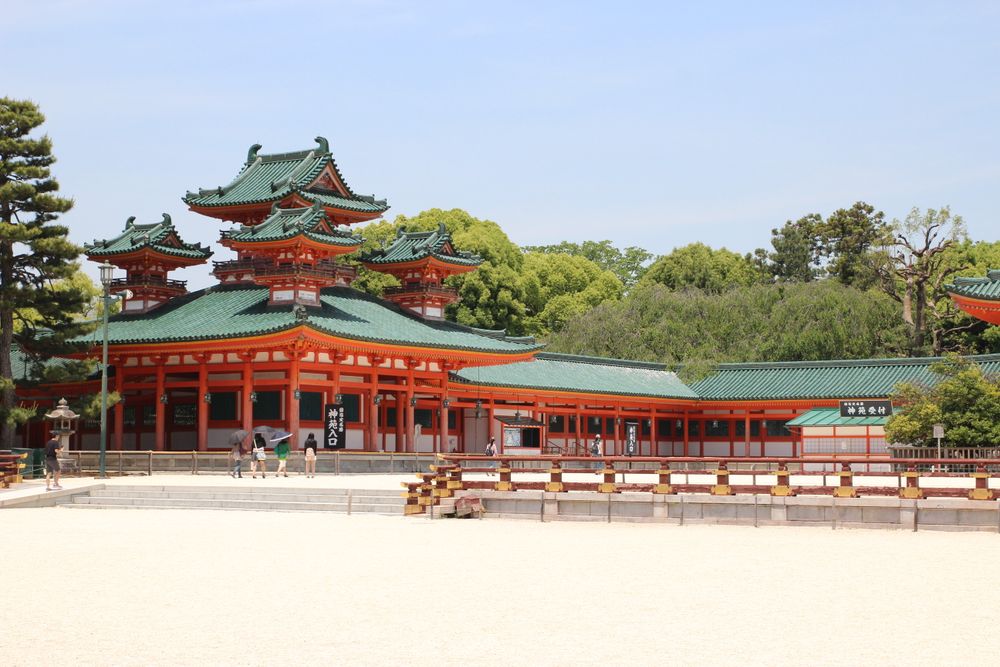
The halls of this Okazaki shrine reproduce the state hall complex of the old Heian capital at about five-eighths scale. A ticket buys the…
Behind the main hall of Tenryū-ji, a pond garden from the fourteenth century is laid out so the wooded Arashiyama hills look like part of…
Kyoto's geisha district, with the wooden ochaya teahouses of Hanamikoji and the willow-lined Shirakawa canal behind them. Minamiza is the…




Save Kinkaku-ji to your Japan trip in the Meridian Dispatch app and build the day around it, with the best of Kyoto pinned on one map.
Download on the App StoreLast updated