 Submit a photo
Ninety seconds on Hamarikyu Gardens
Unmissable from the island teahouse, where you look across the pond to the glass towers of Shiodome, in a garden laid out for the shoguns on the mouth of the Sumida.
Shioiri-no-ike, the central pond, is the only seawater pond left in Tokyo. Its water comes in from Tokyo Bay, and a sluice gate opens and shuts with the tide to set the level, so the pond changes height through the day and holds sea fish.
Out in the pond sits Nakajima island and its teahouse. A teahouse has stood here since 1704, when shoguns and Imperial Court nobles came to it.
Further in are two kamoba, the duck-hunting grounds of the shoguns, where hunters fed the ducks grain from hidden blinds and netted any that came too close. At Koshindo the original blinds still stand. Beside the grounds is a small mound raised to console the spirits of the ducks.
The planting follows the seasons. Plum and canola flower from late February, and a peony garden of about 1,000 plants in 60 varieties blooms in spring. From late October the cosmos fields colour up alongside the autumn leaves.
A loop around the tidal pond takes in most of the garden. The black pine at the pond's edge is the most photographed tree here, and from it O-tsutai-bashi, a 118-metre bridge of hinoki cypress, crosses to Nakajima.
On the island, take off your shoes and sit on tatami in the teahouse. Back on the shore, watch the shallows for black mullet, sea bass, gobies and eels, and in spring and summer for egrets and herons.
From the pond, walk on to the duck-hunting grounds and Koshindo, then finish among the flower fields on your way back to the gate.
Free guided tours in English are listed for Saturdays at 11:00 and Mondays at 10:30. Check the times, and whether you need to book, with the garden before you go. A tour suits you if you would rather have the garden explained than read the signs; the paths are easy to follow alone.
The garden has other teahouses besides the one on Nakajima, so look for them as you walk the loop. The walk is longer than it looks, so carry water and a hat on a hot day.
Tripods are generally not allowed without permission, so if you plan to shoot with one, apply to the garden before you go.
Explore the rest of Tokyo
Kabuki's main stage sits behind a temple-style facade in Ginza, rebuilt in 2013 with an office tower rising behind it. Full programmes run…
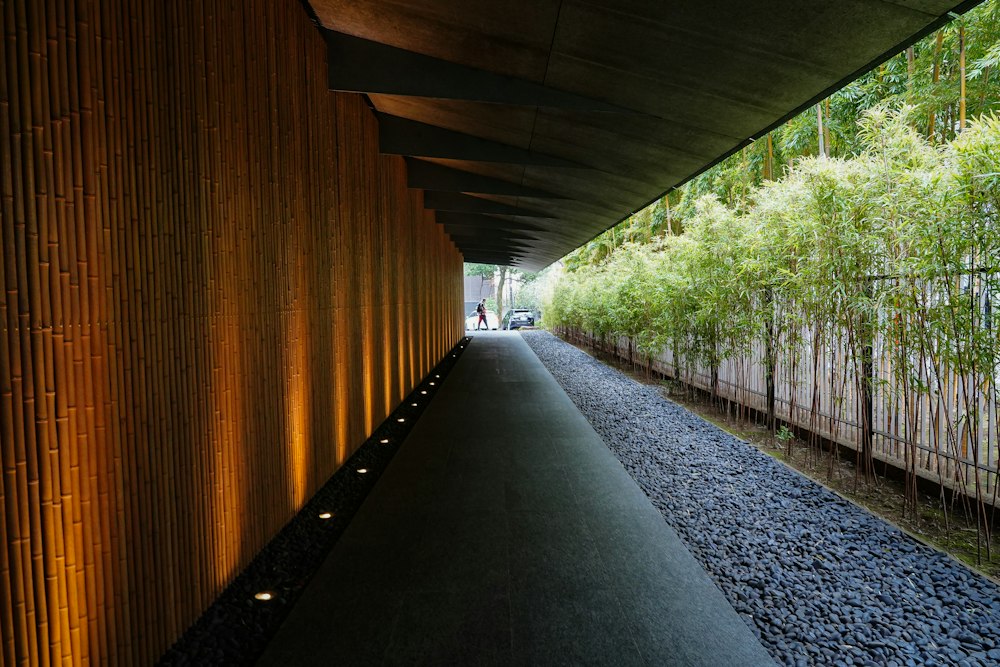
Kaichirō Nezu's collection of about 7,600 Japanese and East Asian works, including Ogata Kōrin's National Treasure screens of Irises. The…
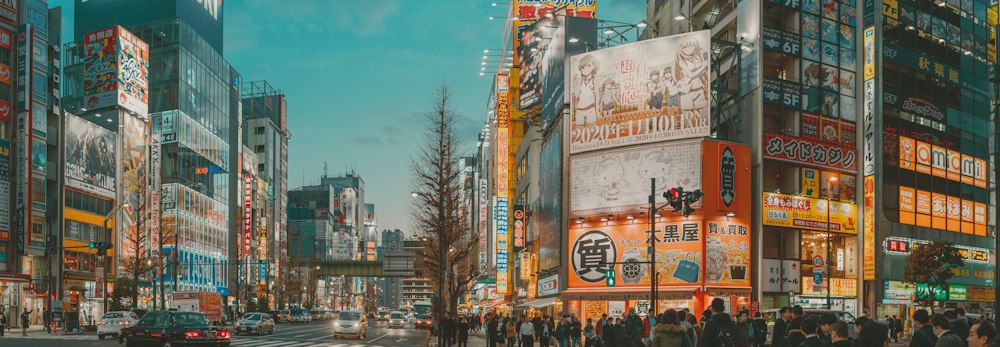
A black market in radio parts grew up under the railway arches here after the war, and those component stalls still trade beneath the…
Last updated