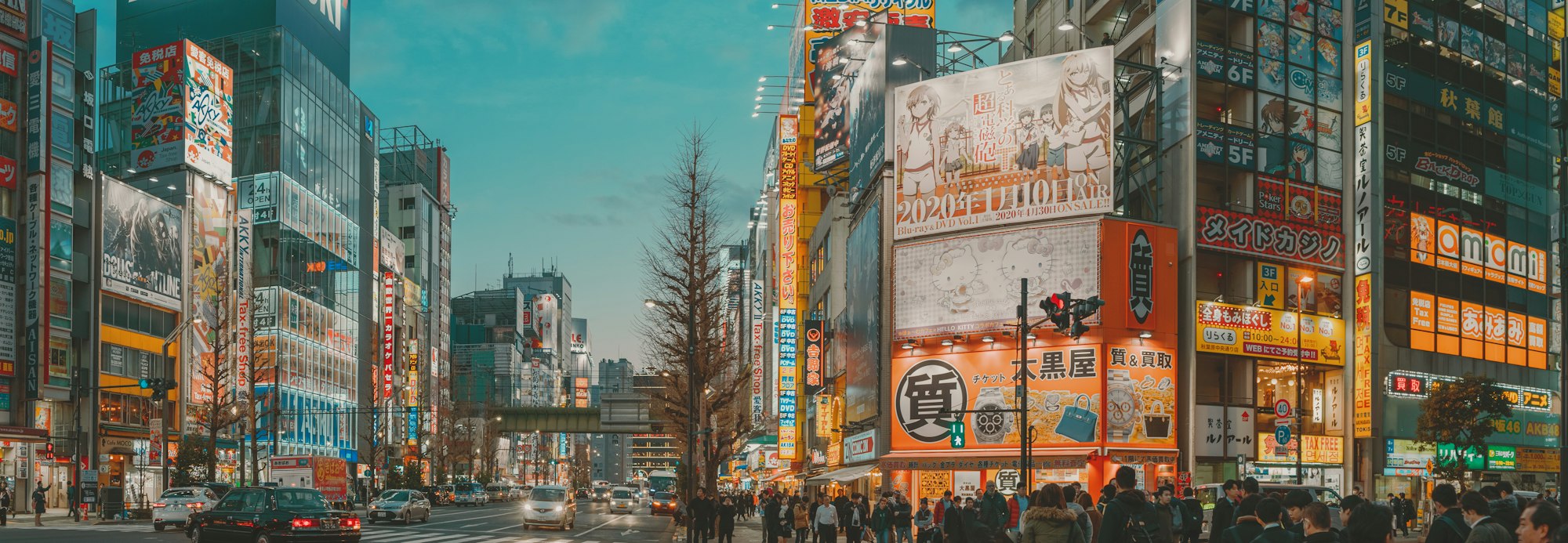
If you come after Sunday lunchtime, the cars are gone from Chuo-dori and you walk down the middle of Tokyo's anime and games district, between towers of figures and old consoles, with the parts stalls still trading under the railway.
District, Tokyo. Meridian Dispatch.
By train: Akihabara is a district of central Tokyo, and its station is served by five lines. The JR Yamanote and JR Sobu lines stop there, as do the Keihin-Tohoku Line, the TX Tsukuba Express and the Tokyo Metro Hibiya Line. Leaving by the Electric Town exit puts the stalls and Chuo-dori right outside.
On Sunday afternoons from one o'clock. About 570 metres of Chuo-dori become a pedestrian zone, ending at six in the April to September half of the year and at five in the October to March half. Bad weather, or a forecast of it, can cancel the closure.
There is no single time, since hours differ from shop to shop and even floor to floor. Most shops here open at 10am and close at 8pm, every day. For a visit outside that pattern, the individual store's own hours decide.
It is the district's own name for itself. The traders' body, the Akihabara Electric Town Promotion Association, calls it Akihabara Denkigai (秋葉原電気街) in Japanese and Akiba for short. Its website carries a shop guide, a town map in Japanese and in foreign languages, and an access guide to the district's stations.
Gadgets first, and now anime and games just as much. The district that made its name on gadgets is today an even mix of electrical megastores, themed cafés and anime goods. Super Potato, the retro video game store, is the district's best-known shop.
The official site of Akihabara is akiba.or.jp.
akiba.or.jp →Radio Center sits under the tracks beside the station, a maze of narrow corridors lined with small stalls selling electronic parts. Many counters sell one kind of component only, and between them they cover capacitors, transistors and multimeters.
Out on the avenue the stock changes. Radio Kaikan, one of the district's landmarks, holds more than 30 stores, and the big buildings along Chuo-dori stack anime merchandise, figures and games floor on floor. On the side streets Super Potato sells retro consoles and games, with a retro arcade corner.
The maid cafés are the district's other signature, cosplay-themed restaurants where waitresses serve the guests. The avenue first closed to cars on Sundays in 1973. It was one of Tokyo's earliest pedestrian streets.
Start at the Electric Town exit and go straight into Radio Center, the maze of parts stalls beside the station. Then walk up Chuo-dori and turn into the side streets for Super Potato.
In the maid cafés you are often greeted as the master, and some hand you a clapper called a naruko to call your server. The sitting is timed to the plan you booked. You may not photograph the staff or other guests, and only some cafés let you photograph the food, so ask first.
Weekends and holidays are the crush, at its worst from midday into the early evening. On the car-free Sunday, street selling, performances, photo shoots, cycling and smoking are all banned on the avenue.
On the JR Yamanote line, Ameyoko is a stop or two north for more shopping, and Tokyo National Museum or Yanaka make a calmer half day.
For a slow browse, come on a weekday morning or in the evening. Most parts-stall owners speak Japanese only, so carry the part number or a photo of what you need.
Super Potato tests its used games before they go on sale. On anything with a plug, check the voltage (Japan runs at 100V), and check the keyboard layout before you buy a laptop. Most of the large stores offer tax-free shopping to foreign visitors, so ask at the counter how it works before you pay.
Leave the cosplay at home unless an event is on, because walking the street in costume is not really the done thing. In the cafés, arrive a few minutes early to keep your full session. Never touch the staff, ask for contact details or follow anyone outside.
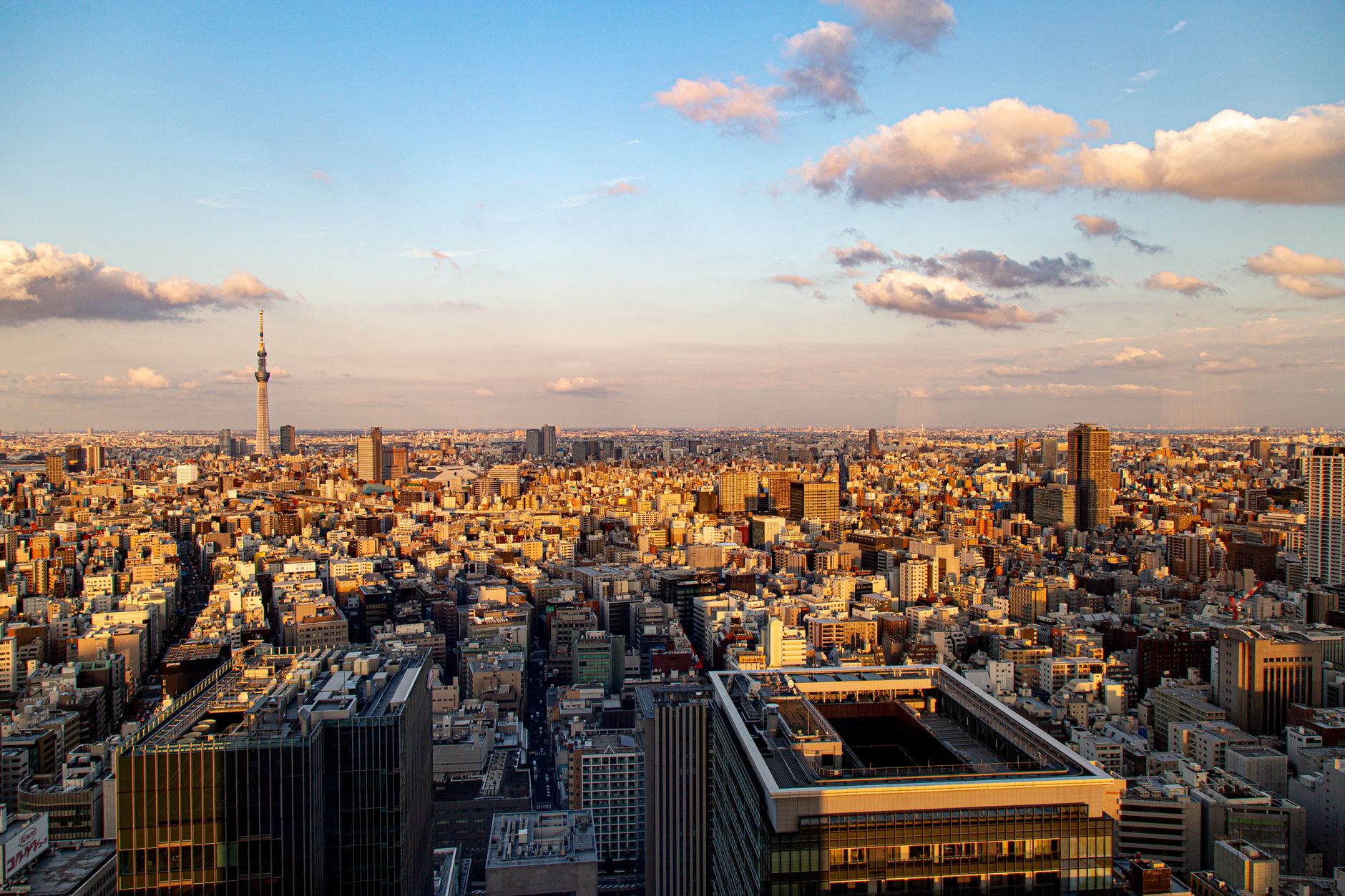
Tokyo, Japan: Thirty-seven million residents share this plain, and the city works because it is really a ring of separate towns on one loop line. Sensō-ji.
Read the Tokyo guideExplore the rest of Tokyo
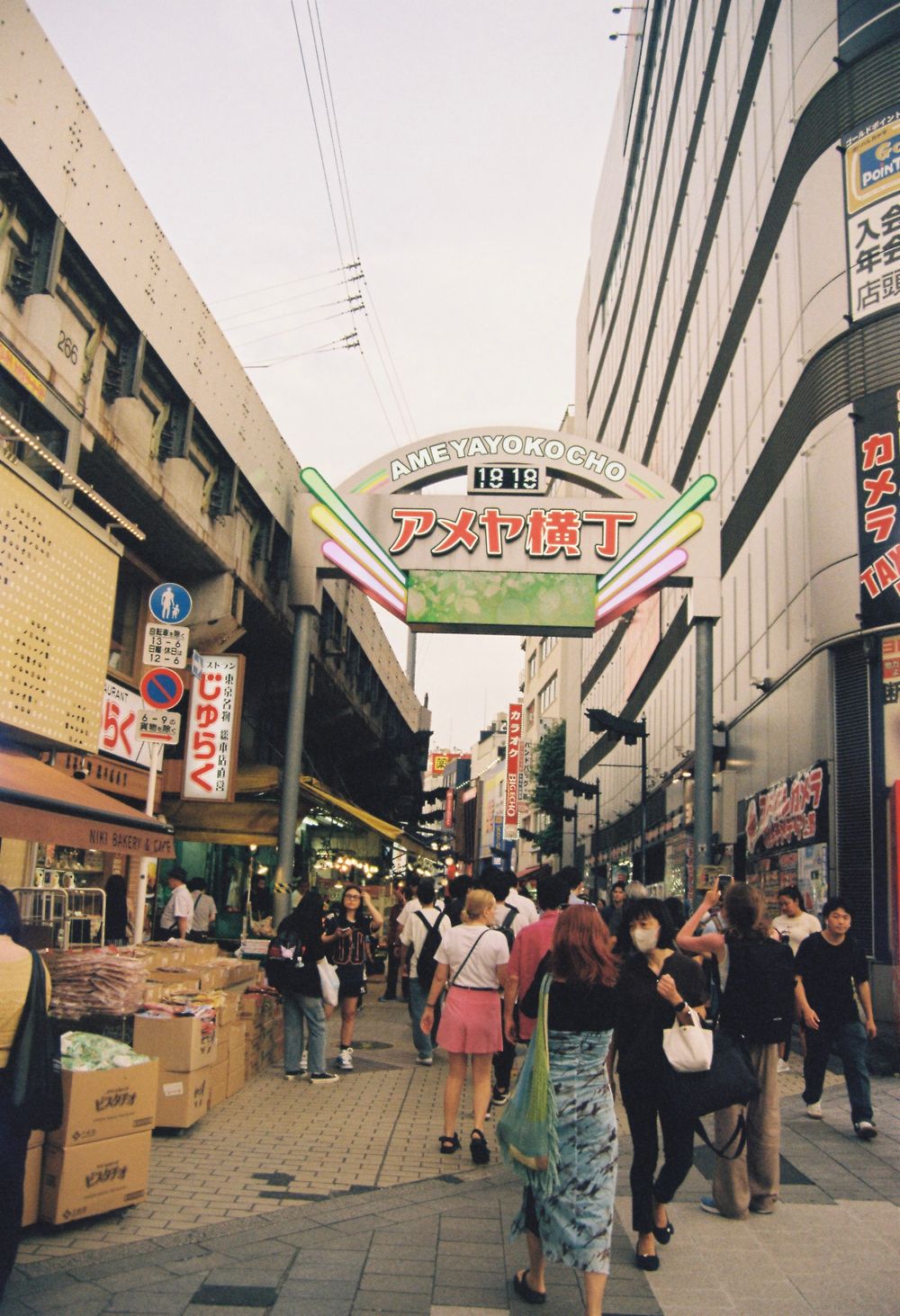
Some four hundred stalls crowd this market street under and beside the elevated tracks between Ueno and Okachimachi stations, selling dried…
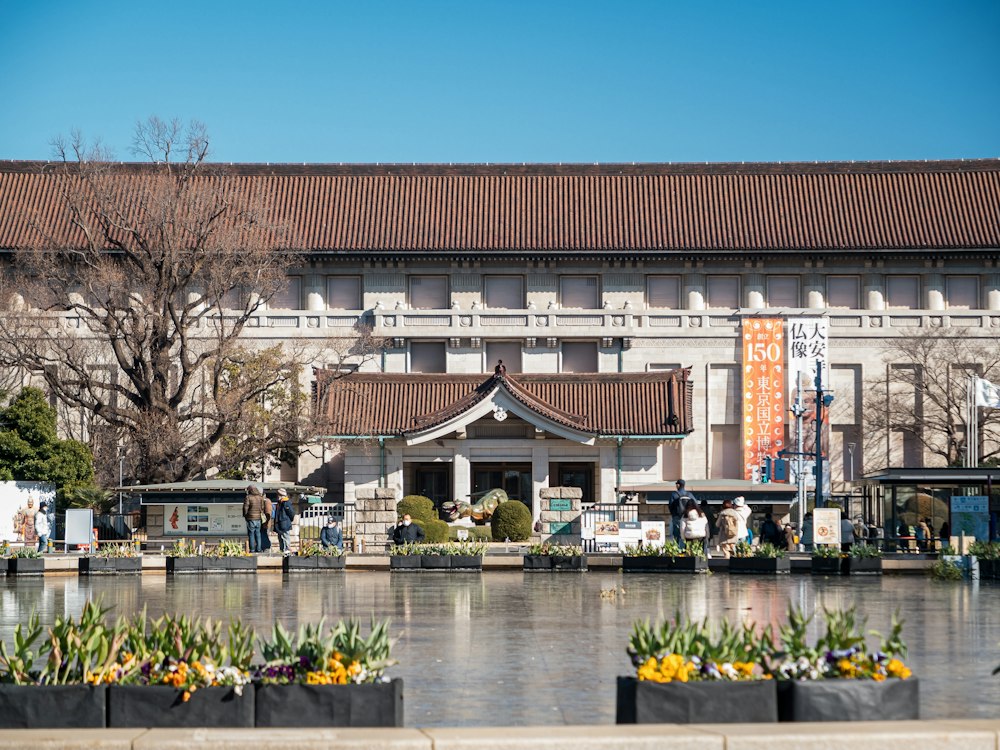

Five buildings of Japanese and Asian art at the north end of Ueno Park, set around a large garden with old teahouses.
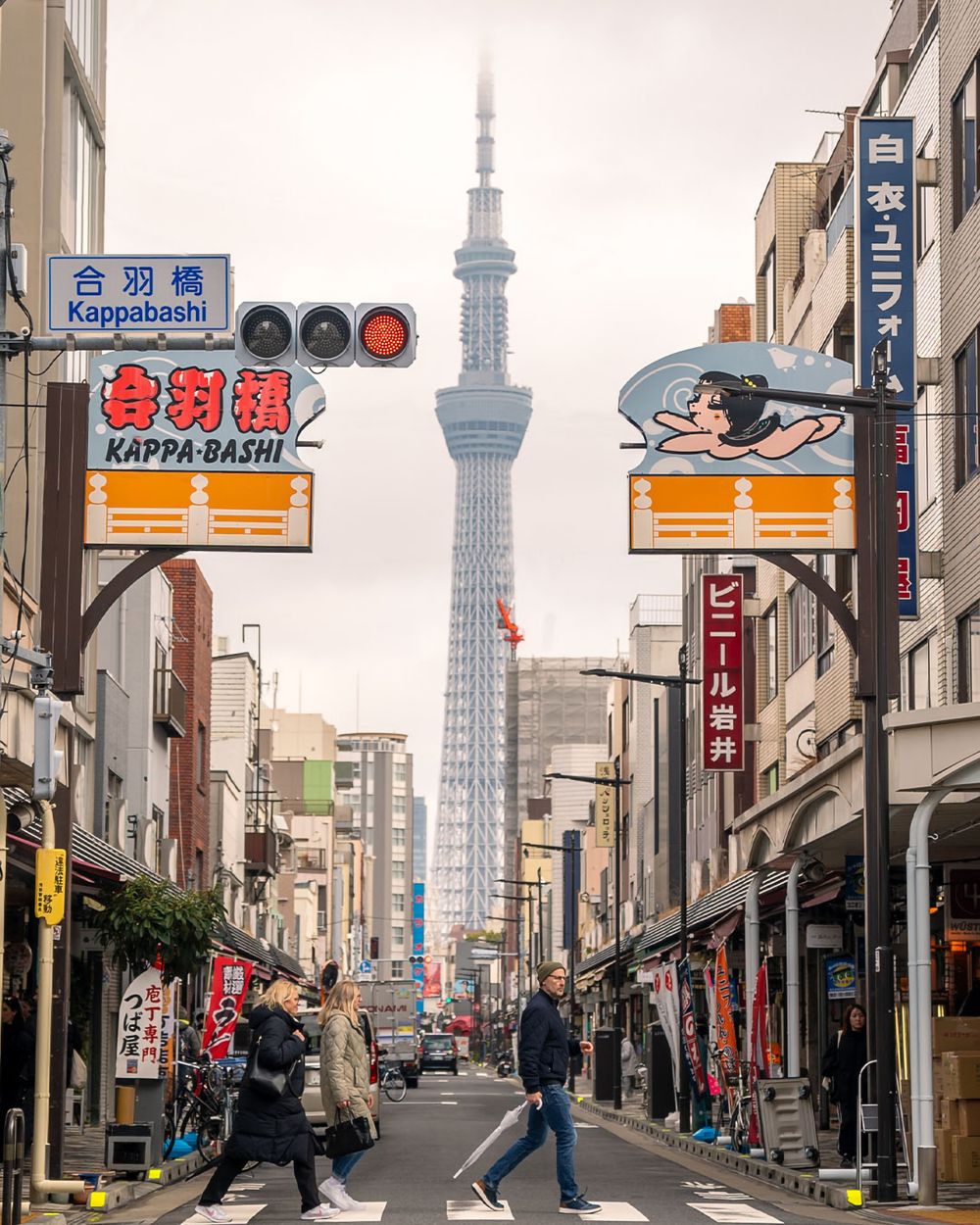
Restaurant suppliers line this street between Ueno and Asakusa, selling knives, lacquer bowls, noren curtains, paper lanterns and the…
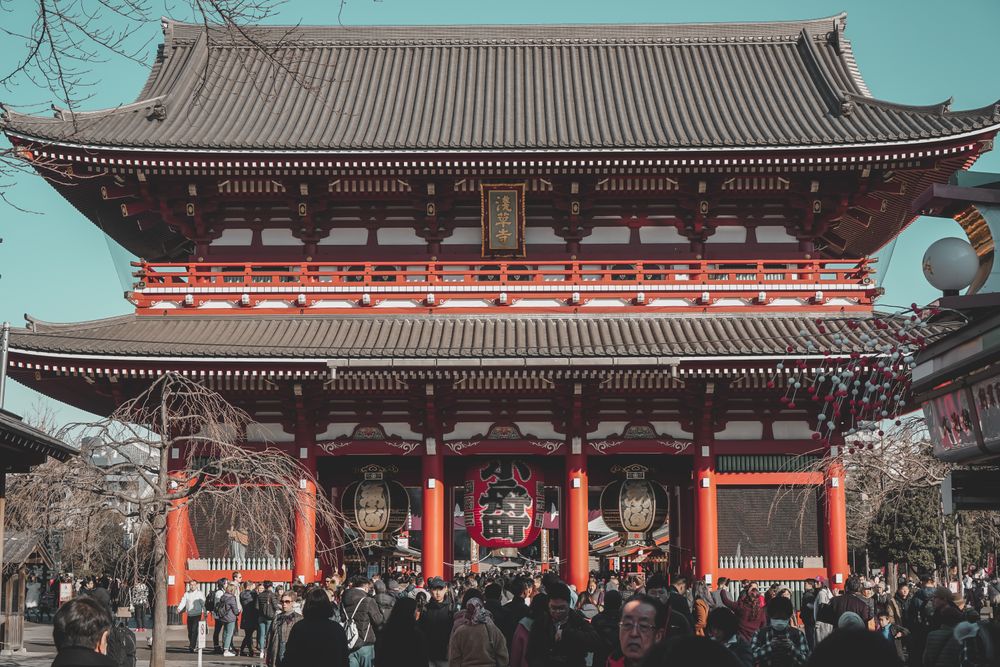
Asakusa's great Buddhist temple, built around a statue of Kannon that tradition says two fishermen pulled from the Sumida River; the main…
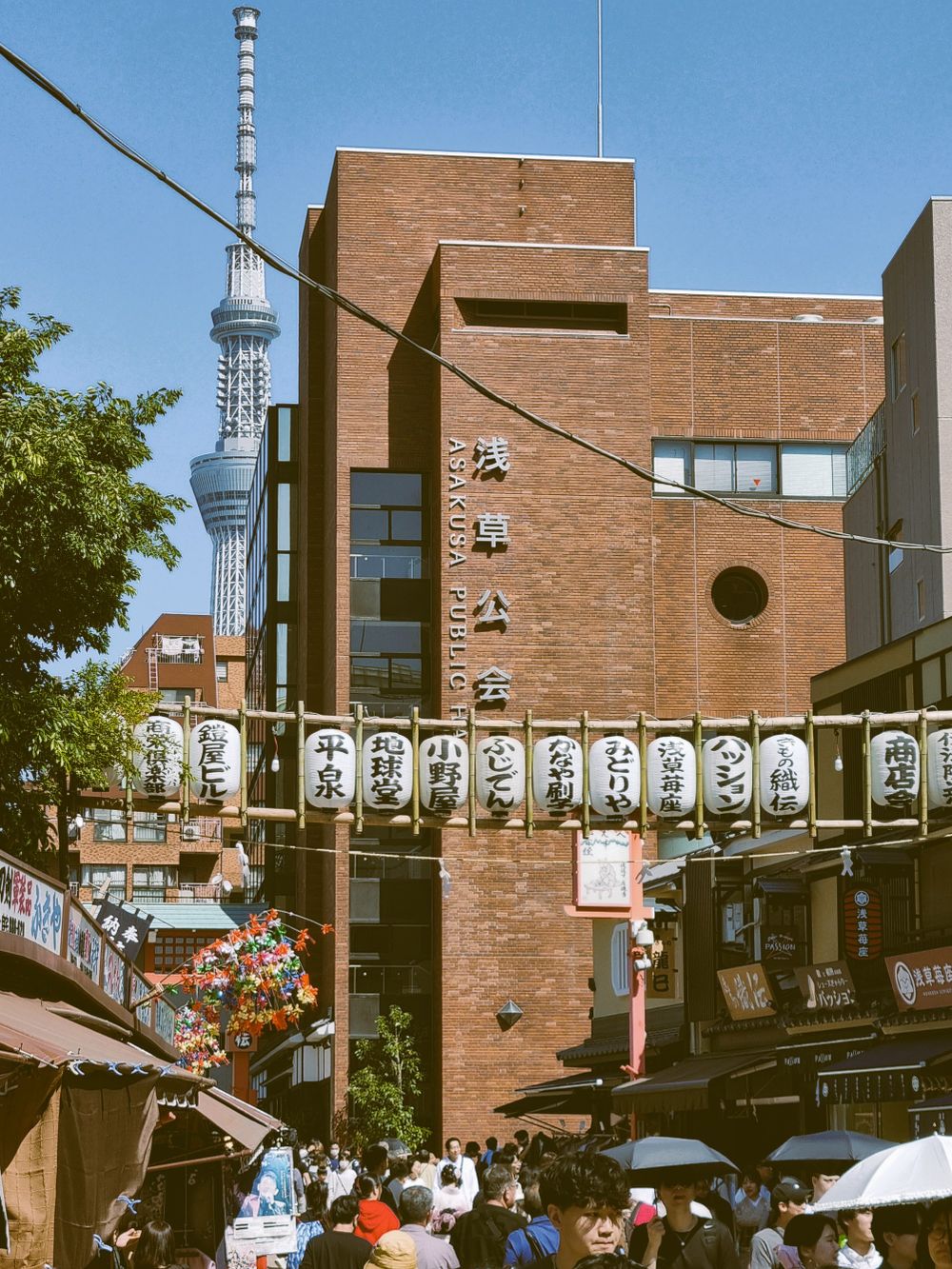
Asakusa is the temple quarter of old Tokyo, built around Senso-ji and approached through the Kaminarimon gate and the shopping street of…
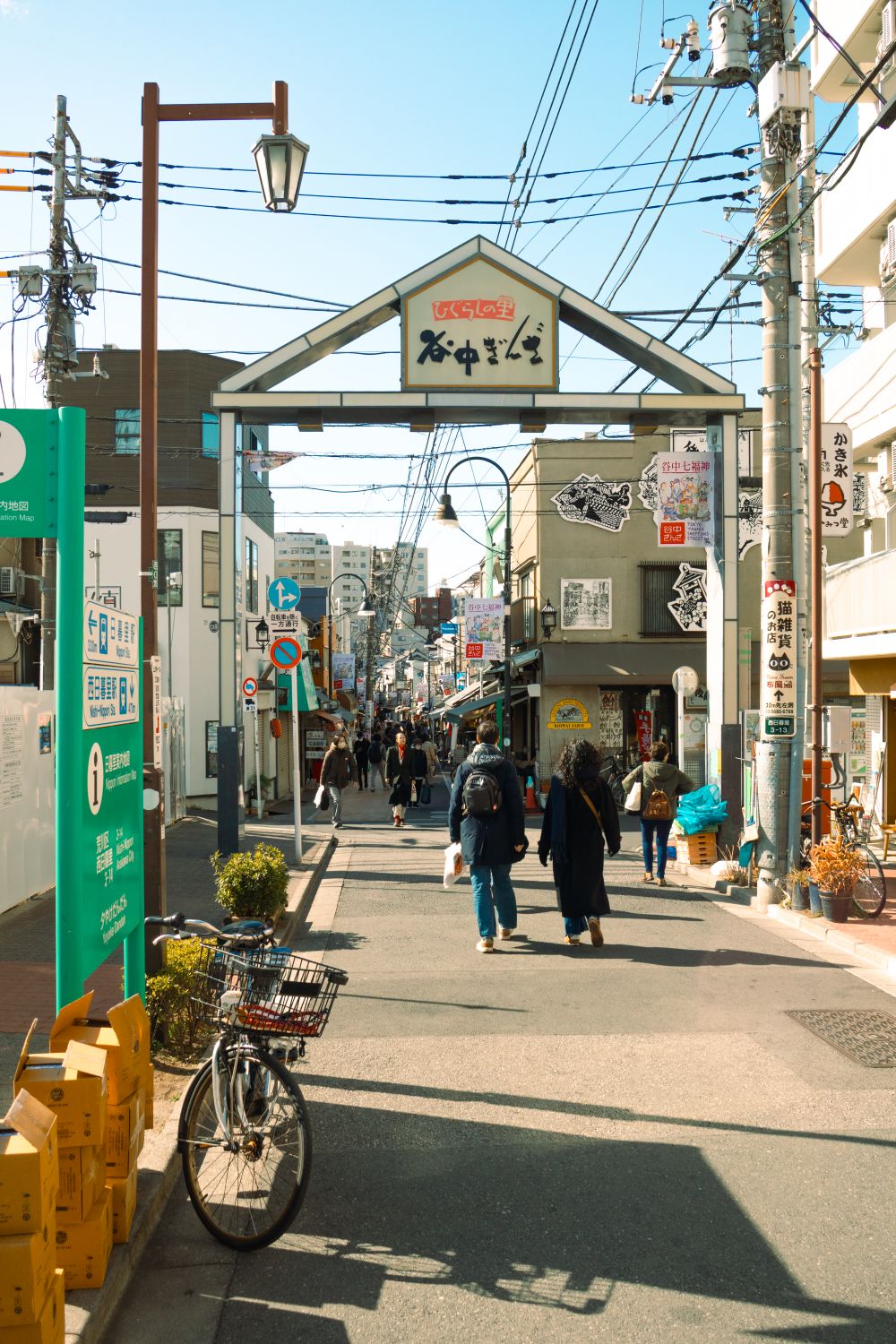
A low-rise shitamachi district that largely escaped both the 1923 earthquake fires and wartime bombing, centred on the Yanaka Ginza…
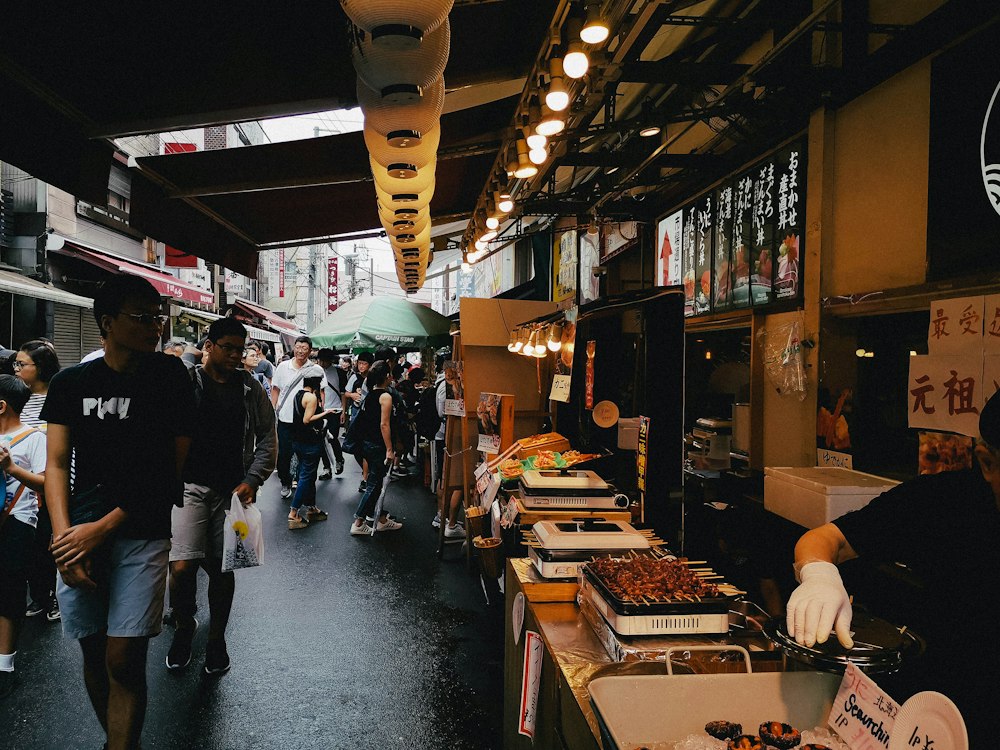
Tsukiji Outer Market is a quarter of more than 400 food and kitchenware shops in central Tokyo, within walking distance of Ginza. It sits…
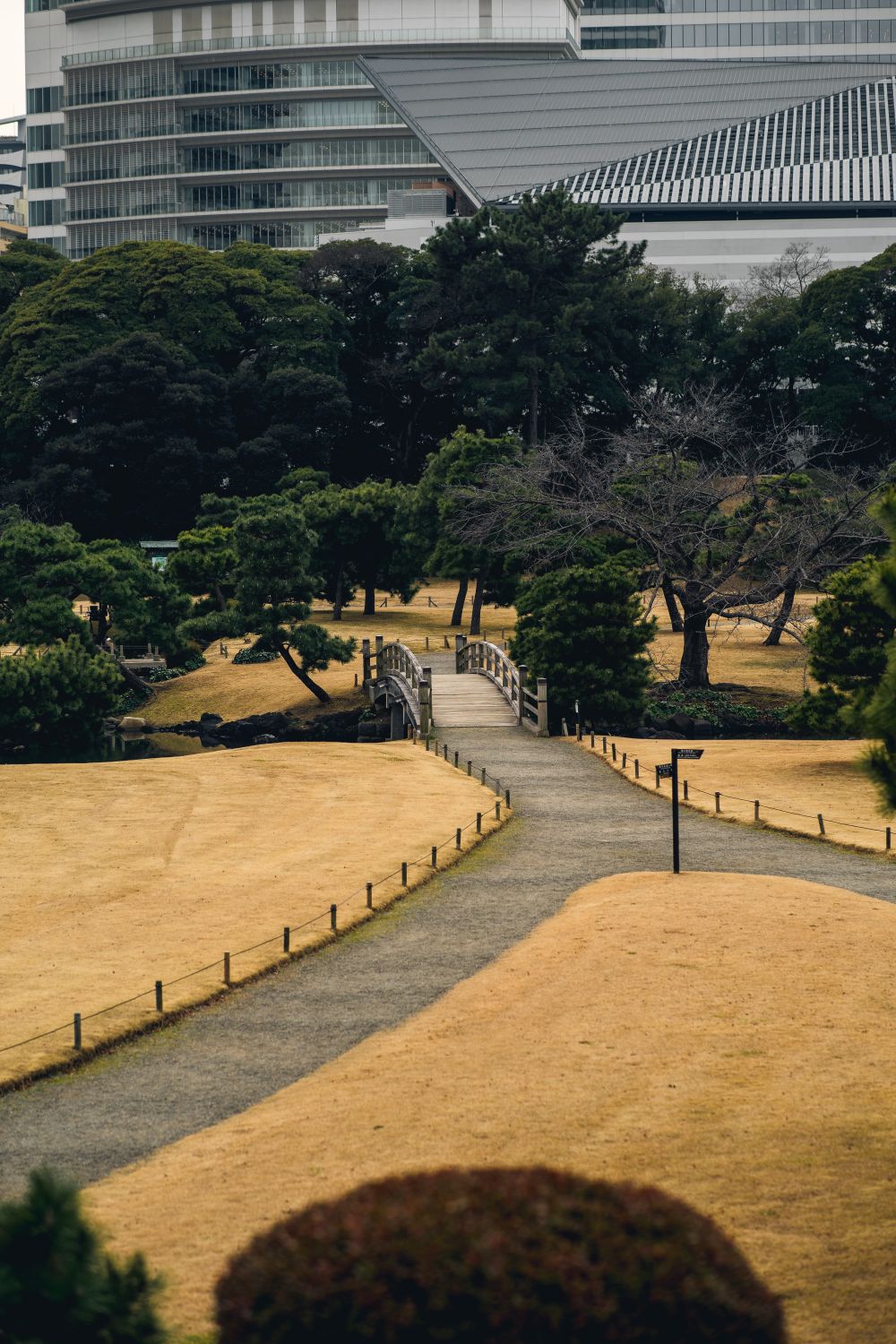
A shogun's duck-hunting ground at the mouth of the Sumida, now ringed by the glass towers of Shiodome. The central pond is filled from…




Save Akihabara to your Japan trip in the Meridian Dispatch app and build the day around it, with the best of Tokyo pinned on one map.
Download on the App StoreLast updated