Things to do
15-
Akihabara
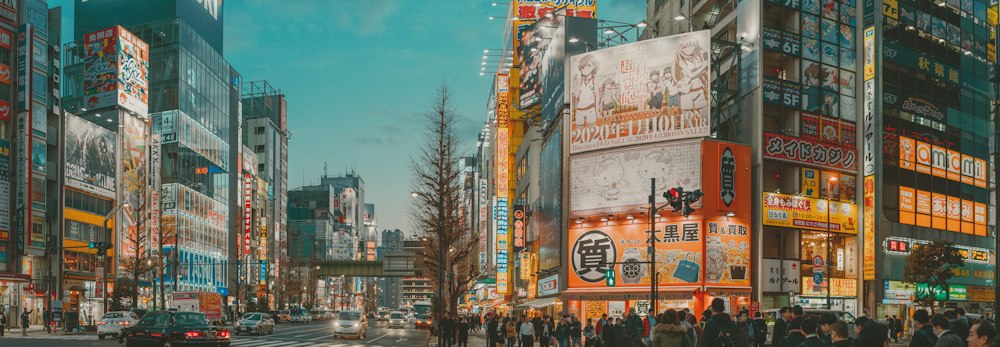
A black market in radio parts grew up under the railway arches here after the war, and those component stalls still trade beneath the tracks. Above them the district turned to home computers in the eighties and then to anime, games and figurines, stacked eight floors high. On Sunday afternoons the main avenue closes to traffic. Retro game shops on the side streets are the better browse.
-
Ghibli Museum
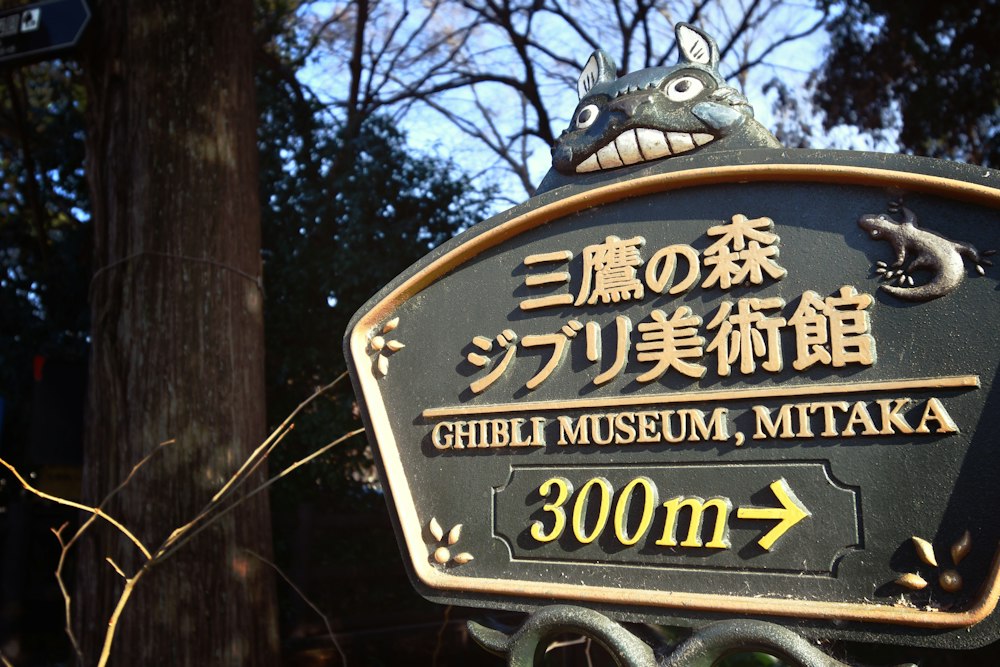
Hayao Miyazaki designed this small museum in Mitaka as a house to get lost in: spiral stairs, low doors, a rooftop robot and a cinema showing shorts made for this room alone. Photography is banned inside. Tickets are sold for a fixed date and entry time, in advance only and never at the door, and each month's batch goes within hours of release.
-
Hamarikyu Gardens
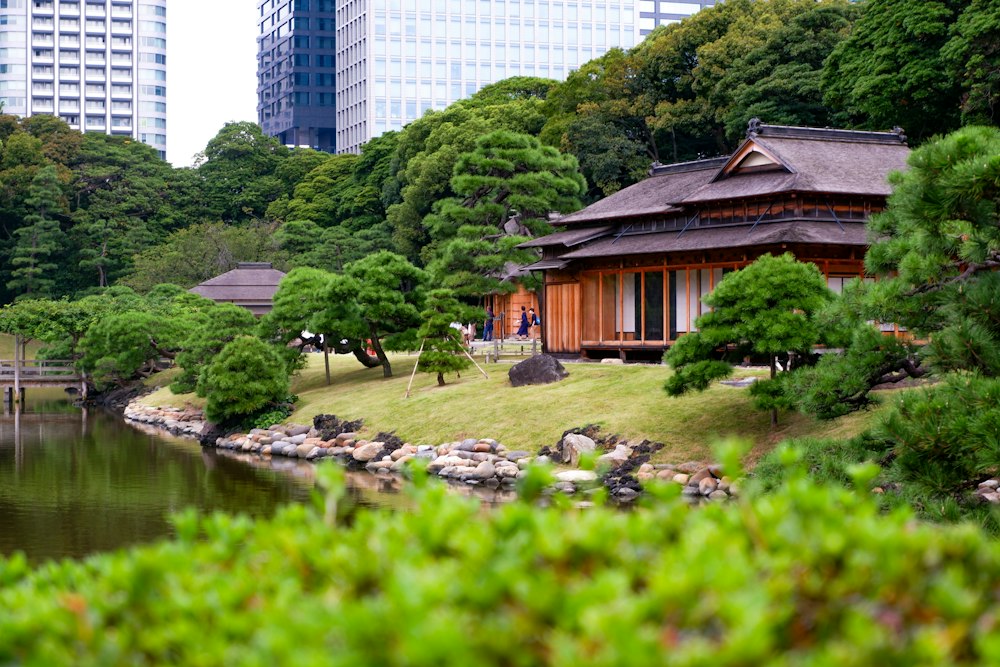
A shogun's duck-hunting ground at the mouth of the Sumida, now ringed by the glass towers of Shiodome. The central pond is filled from Tokyo Bay through a sluice, so it rises and falls with the tide and holds sea fish. A teahouse on an island in the pond serves matcha with a sweet. The water bus to Asakusa leaves from a pier inside the garden.
-
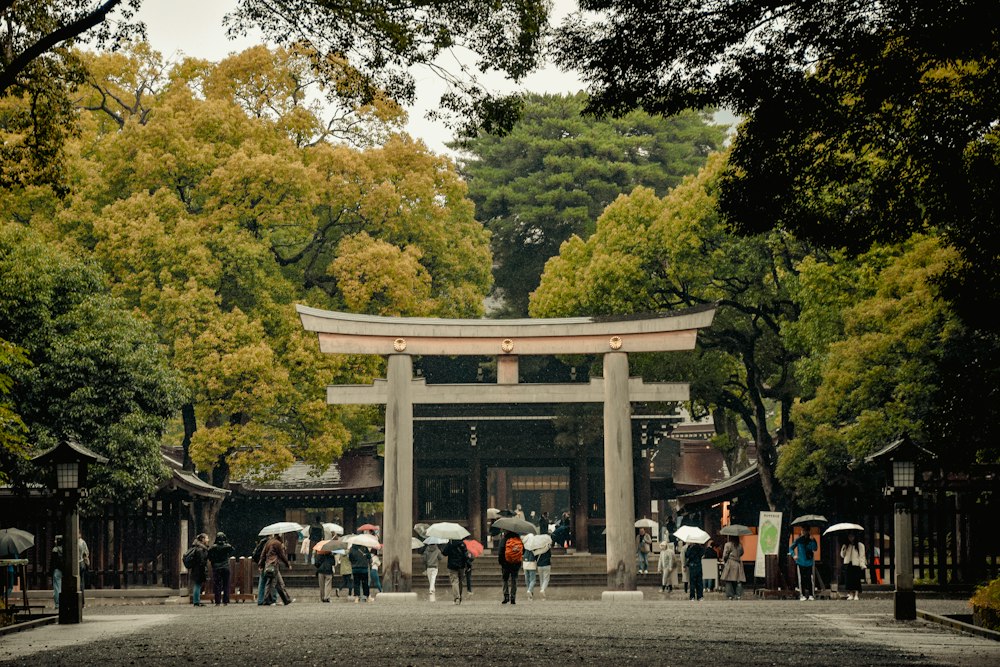
Meiji Shrine
A planted forest of around a hundred thousand trees, donated from every prefecture when the shrine was dedicated in 1920, now hides Harajuku station completely. Gravel paths pass under cypress torii to a courtyard where Shinto weddings cross in procession most weekend mornings. The shrine opens at sunrise and closes at sunset, so the hours move with the season.
-
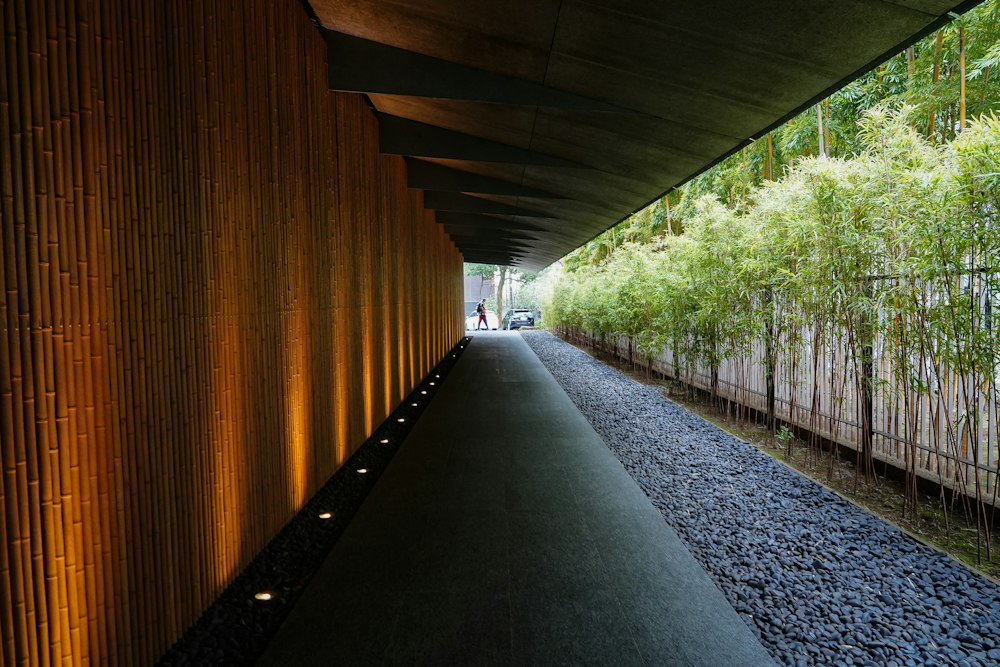
Nezu Museum
A railway magnate's collection of Asian art, rehoused in 2009 in a low building by Kengo Kuma that is entered along a corridor of bamboo. Behind it a steep wooded garden drops to a pond, with teahouses and stone lanterns along the paths. Ogata Kōrin's irises, a pair of gold screens, go on show for a few weeks each spring while the garden's own irises flower.
-
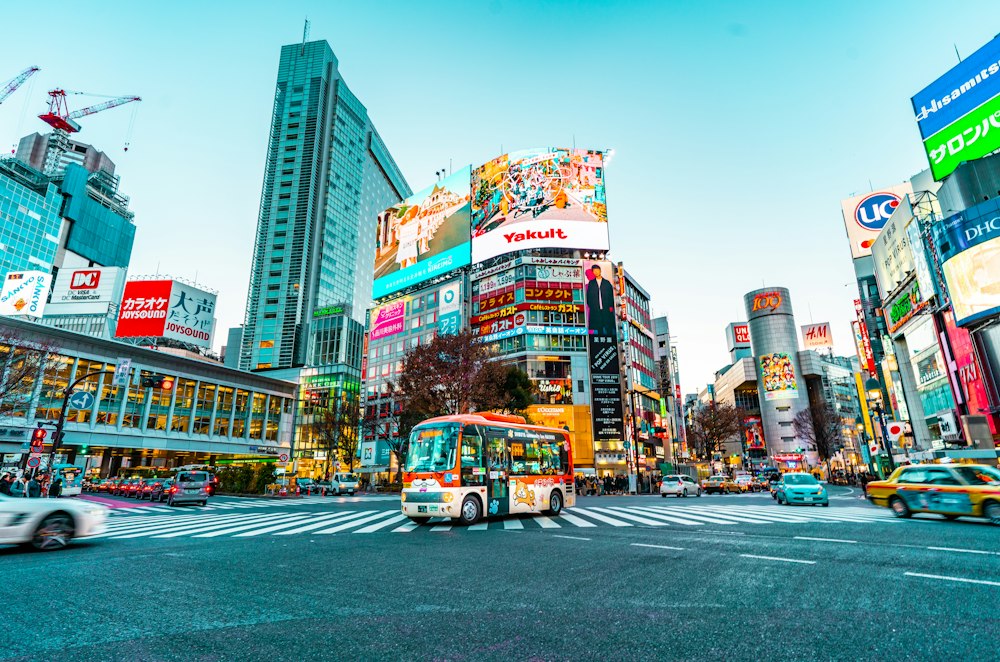
Shibuya Crossing
Every light at this junction turns red together, and for under a minute pedestrians cross in all directions at once, several thousand at the evening peak. The bronze of Hachikō, the dog who waited at the station for a dead owner, stands by the exit named after him and is the standard meeting point. Rain improves it: the view from above becomes a field of umbrellas.
-
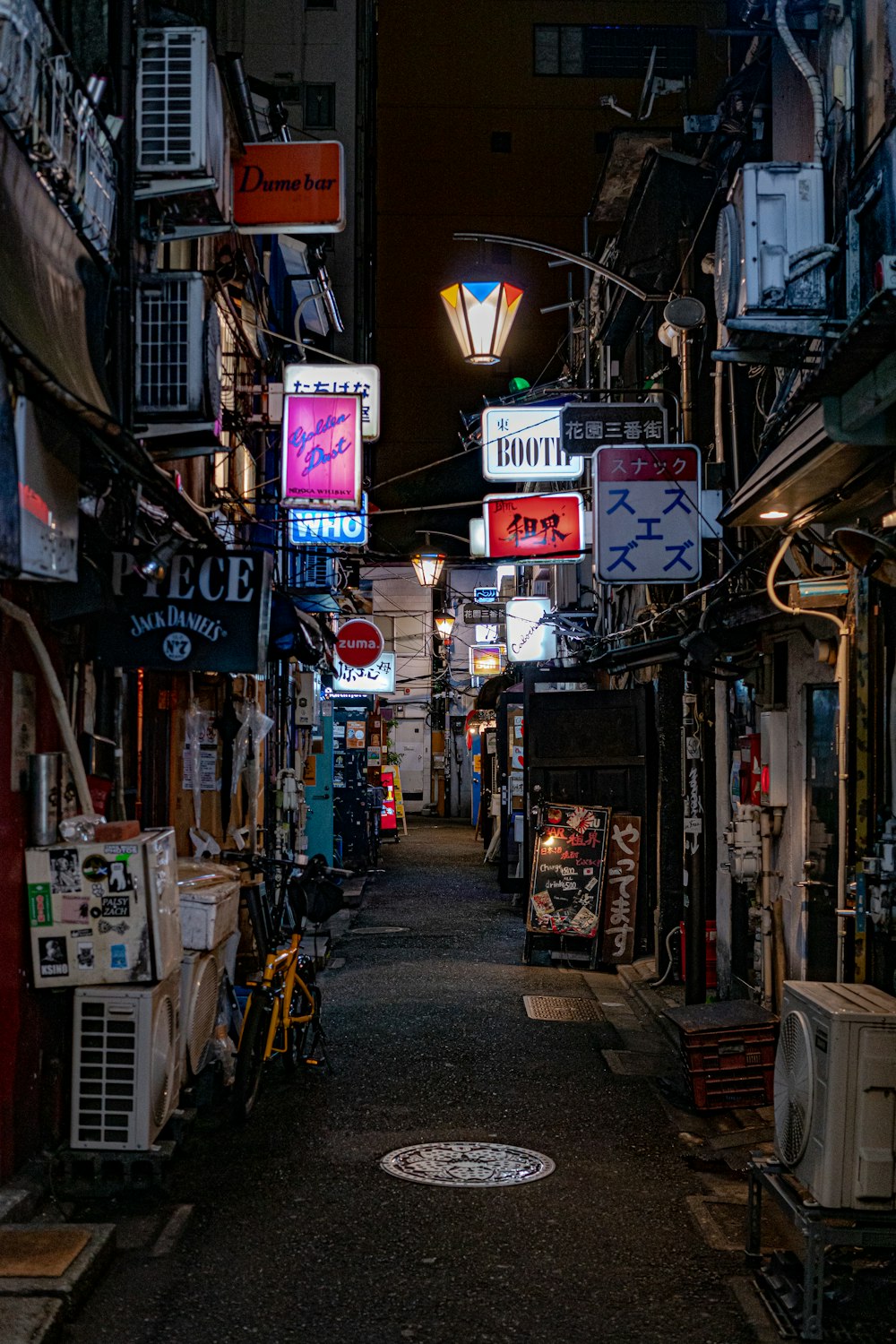
Shinjuku Golden Gai
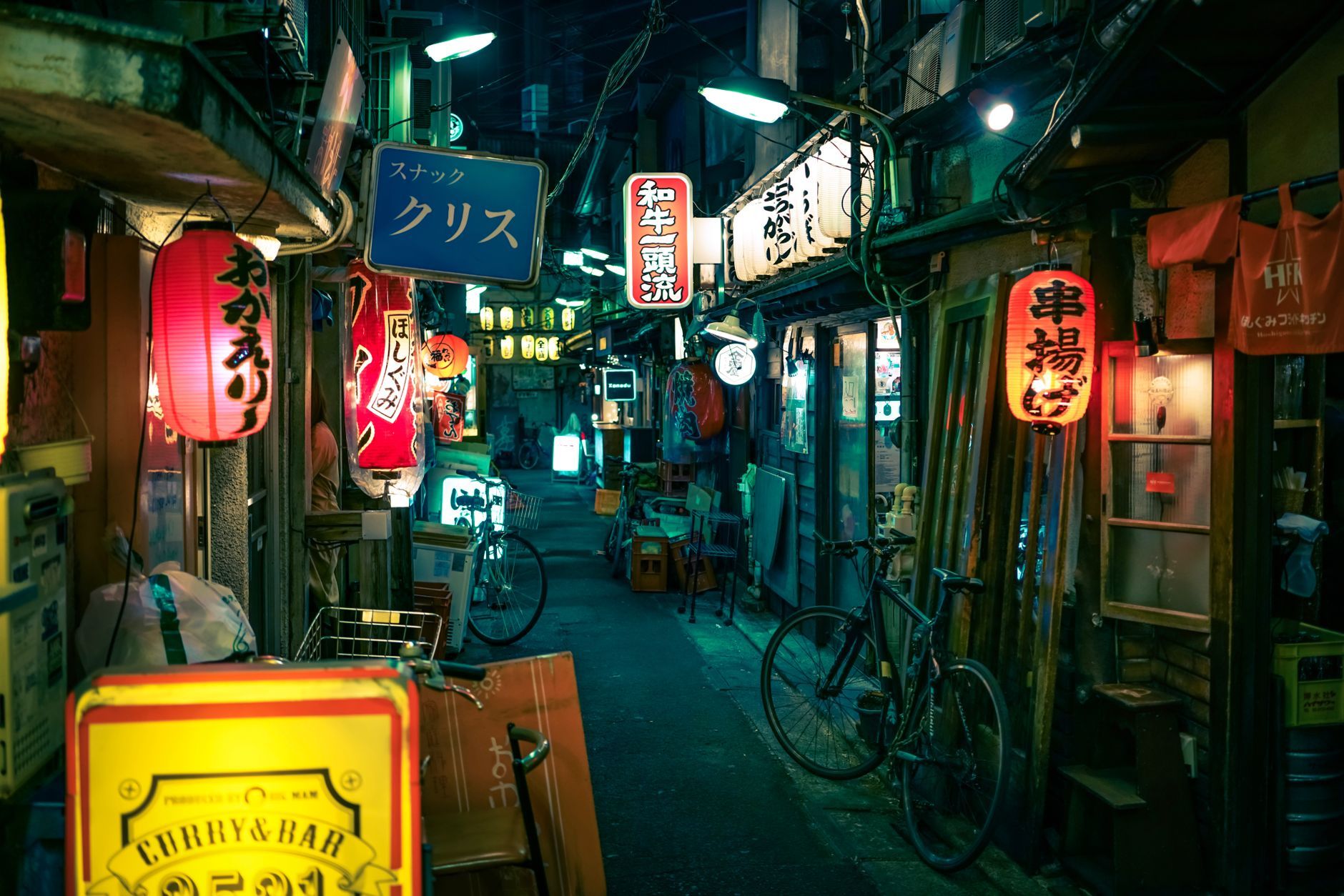
Six alleys of two-storey wooden shacks, a block that survived the redevelopment which flattened everything around it, hold some two hundred bars. Most seat fewer than ten. A number welcome regulars only and say so on the door; others post an English menu and a seating charge outside. Things start late, around nine. Photographing the alleys is discouraged and signed as such.
-
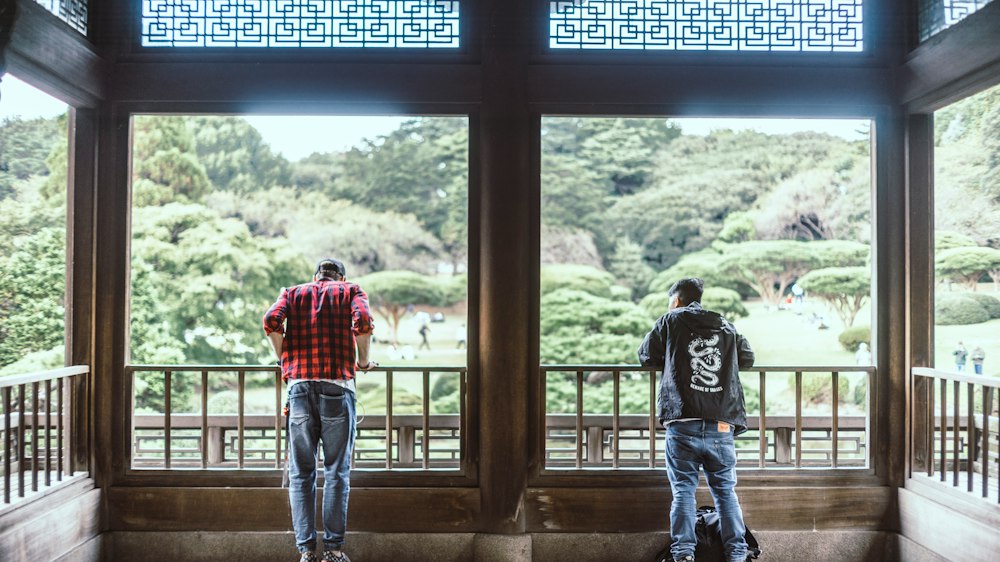
Shinjuku Gyoen
Fifty-eight hectares of former imperial garden, ten minutes on foot from the busiest station on earth. Three styles share the ground: a Japanese stroll garden with teahouses, a formal French avenue of plane trees and an open English lawn. Late-flowering cherries stretch the blossom season well into April. Entry is ticketed, alcohol and ball games are banned, and the gates shut in late afternoon.
-
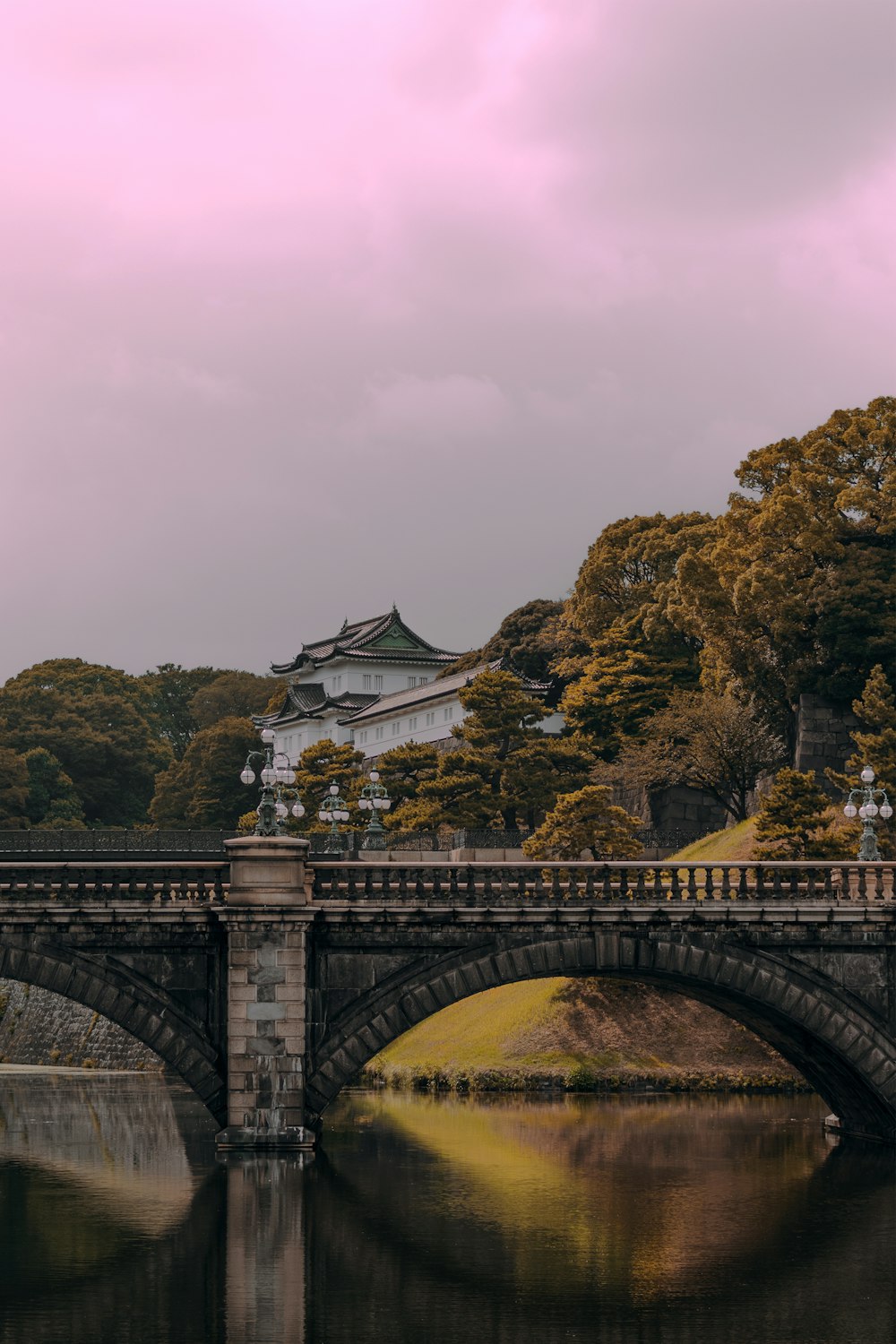
Tokyo Imperial Palace
The emperor's residence occupies the site of Edo Castle, seat of the shoguns until 1868, and the moats and cut-stone walls are the castle's own. The East Gardens are free and contain the foundation of a keep that burned in 1657 and was never rebuilt. They close on Mondays and Fridays. The inner grounds are seen only on a guided walk, reserved online in advance.
-
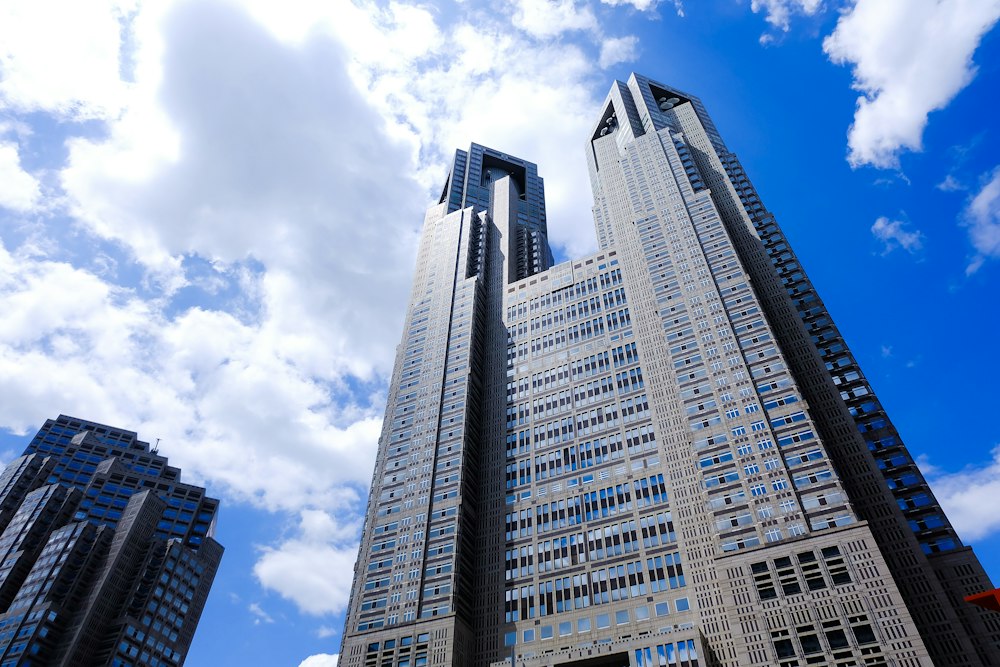
Tokyo Metropolitan Government Building
Kenzo Tange's twin-towered city hall of 1991 carries a free observation room on the forty-fifth floor, about two hundred metres up. The view runs over the Shinjuku towers to the bay one way and toward Fuji the other, on the days the mountain shows. It stays open into the evening. Bags are checked at the ground floor lift, and the queue is shortest before ten.
-
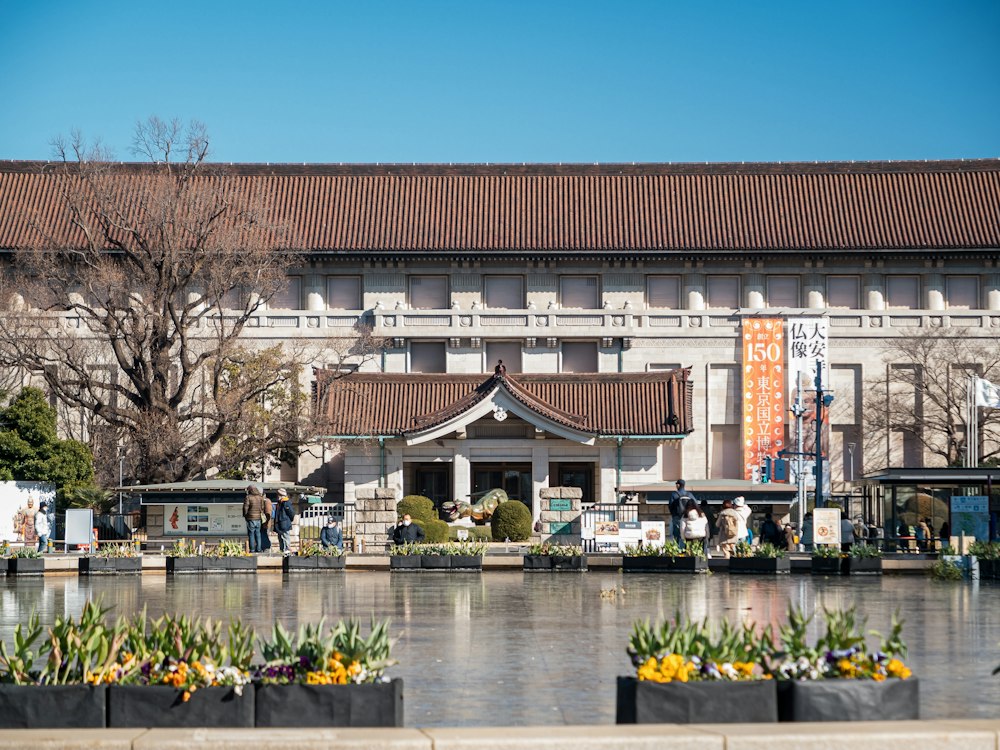
Tokyo National Museum
Japan's first national museum dates to 1872 and holds the country's deepest collection of its own art: swords, lacquer, Buddhist sculpture, screens and court robes, rotated often because light damages most of it. The main hall walks through the periods in order. A separate low building by Yoshio Taniguchi houses seventh century treasures from Hōryū-ji and is usually close to empty.
-
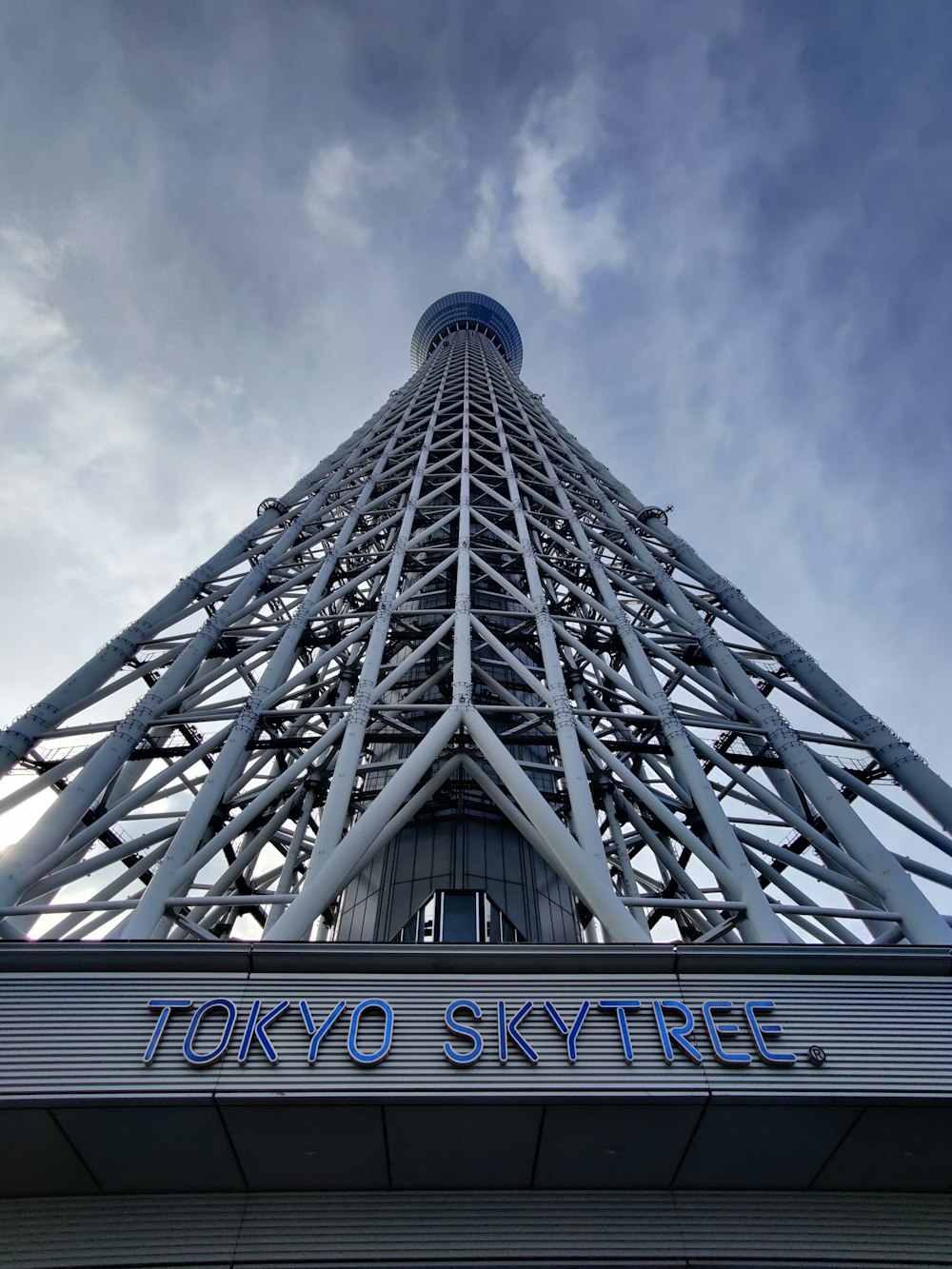
Tokyo Skytree
The broadcasting tower across the Sumida stands 634 metres, a figure chosen because it can be read aloud as Musashi, the old name for this province. Two decks sit at 350 and 450 metres, the upper one a glass ramp that spirals a full turn. Fuji shows on clear winter mornings and almost never in summer haze. Timed tickets sell out at sunset; book that slot ahead.
-
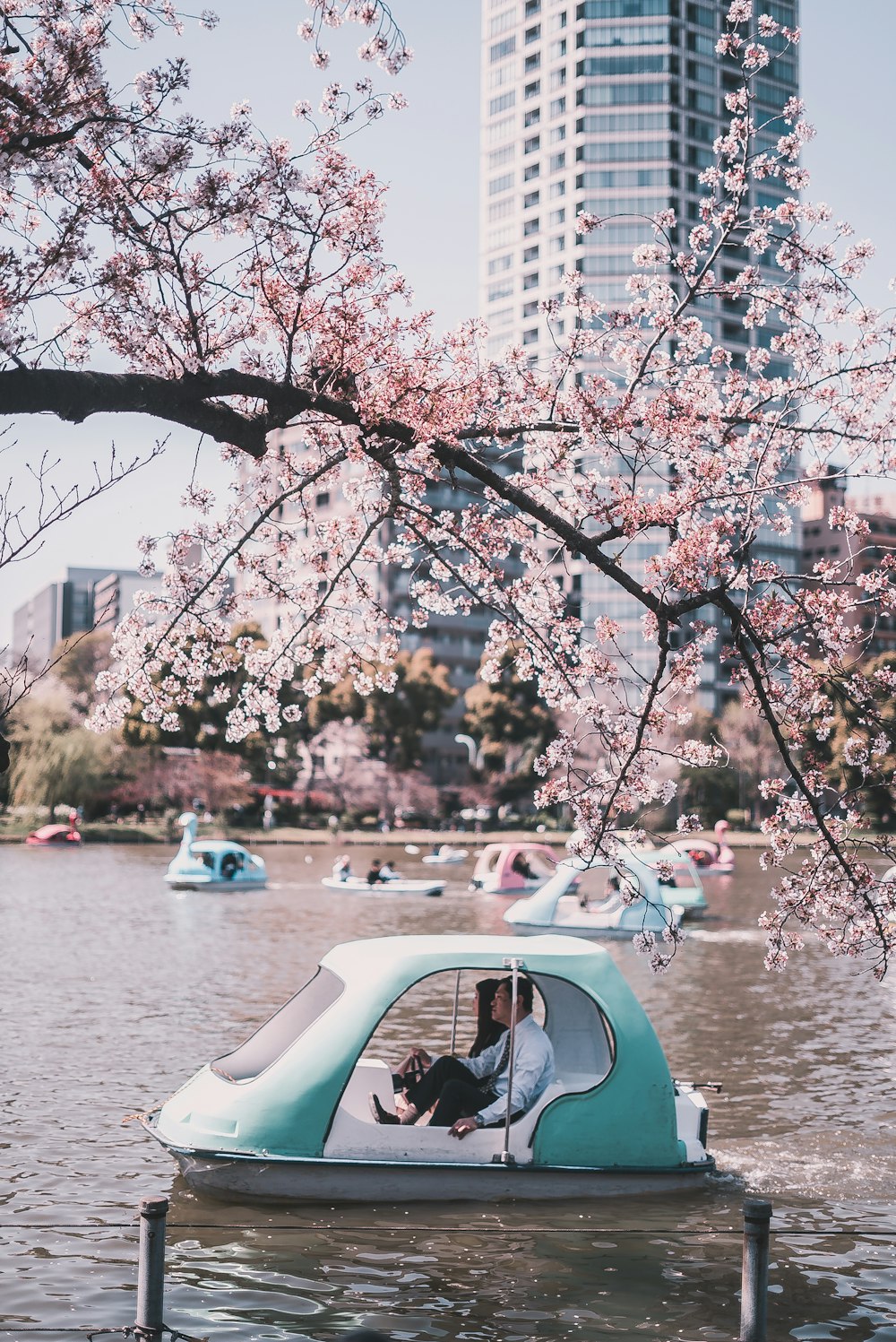
Ueno Park
A temple precinct until a battle in 1868 burned most of it, then one of the country's first public parks. Four major museums, a concert hall and the zoo now stand among the trees. In early April the central avenue of cherries draws picnic parties that stake out ground sheets from dawn. Lotus covers Shinobazu pond through August, flowering in the morning.
-
Sensō-ji
Asakusa's temple claims a founding in 645, which makes it the oldest in the city, though the present main hall is a concrete rebuild after the wartime fires. A red lantern the size of a small car hangs in the Kaminarimon gate, and a lane of stalls selling rice crackers and fans runs from there to the incense burner. The grounds never close; come after dark, when the halls are lit and the stalls are shuttered.
-
Tsukiji Outer Market
The wholesale fish auctions moved to Toyosu in October 2018, and the streets that fed the trade stayed where they were. Several hundred narrow shops sell knives, dried bonito, pickles and tamagoyaki on a stick, beside counters serving sushi for breakfast. Arrive by nine. Most shutters come down in early afternoon, and much of the market is closed on Sundays and some Wednesdays.