Ninety seconds on Nezu Museum
Stepping off Omotesandō, you reach a private collection of Japanese and East Asian art that holds seven National Treasures, with a hillside garden of stone paths and teahouses behind it.
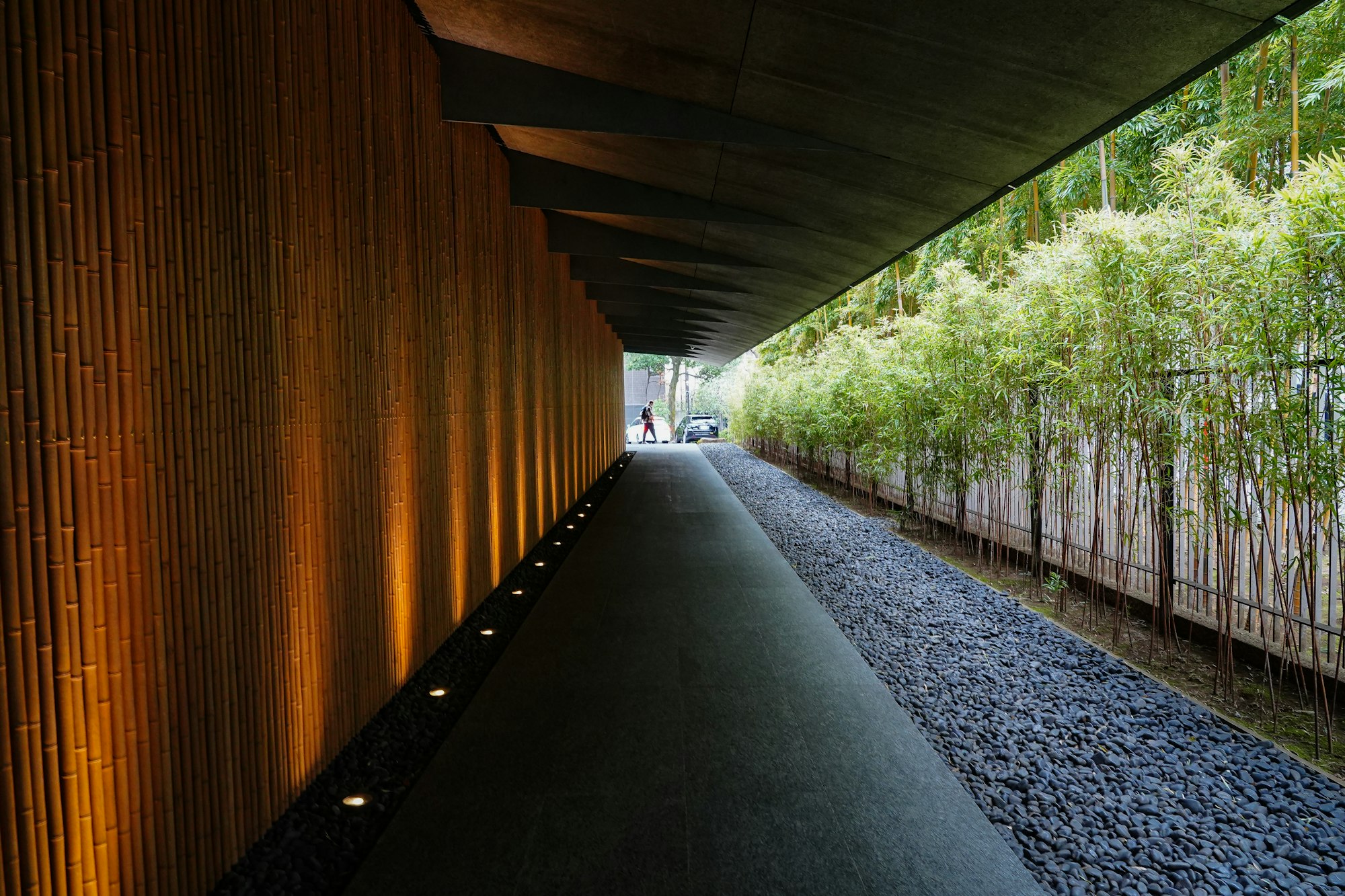
The approach is the first thing to look at. From the street you see a dark building behind thin bamboo, then walk a long bamboo-fenced path under low eaves to the door. Kengo Kuma designed the building, completed in 2009, and its glass entrance hall puts the garden and the museum's Buddhist statues in one view.
The collection runs to about 7,600 works, from painting and calligraphy to metalwork, ceramics, lacquer, textiles and armour, a range unusual for a private collector.
The best known is Ogata Kōrin's Irises, a pair of folding screens. The flowers are painted only in azurite blue and malachite green, in varying strengths, on a gold ground. The screens illustrate a scene from The Tales of Ise, yet show no bridge and no water, and the iris shapes repeat across them as a pattern.
The screens go on show for only about four weeks a year, from mid April to mid May, so at any other time you will not see them.
In Waterfall at Nachi, another painting in the collection, the falls are more than scenery. Displays rotate, so check the exhibition calendar before you go for a particular work. Outside, the garden burned in the bombing of Tokyo in the Second World War; its stone paths have since been restored and made easier to walk.
Worth booking ahead: the museum sells timed-entry tickets online, and same-day tickets at the door. Your ticket also admits you to the garden, the shop and NEZUCAFÉ, which are closed to anyone without one.
Photography is banned in the galleries. An elevator serves every floor.
For the garden, go out by the first-floor Garden Entrance or the ground-floor Teahouse Entrance and follow the stone path into the trees. It climbs and dips over steps and past the pond, so watch your step. The teahouses you pass open only for tea ceremonies and events.
Walk the garden first, before the tour groups arrive, and come on a weekday: on weekends the gallery queue spills out onto the garden path. Light rain is no reason to stay away, so bring an umbrella.
To see the painted irises and the real ones together, come in Golden Week, when several hundred iris plants in the garden are in full bloom. NEZUCAFÉ stops serving food at 3pm, and eating and drinking are banned everywhere else, garden included.
Explore the rest of Tokyo
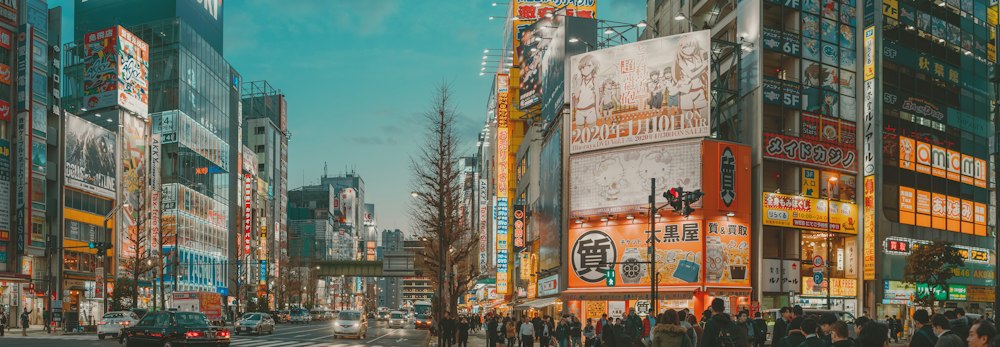
A black market in radio parts grew up under the railway arches here after the war, and those component stalls still trade beneath the…
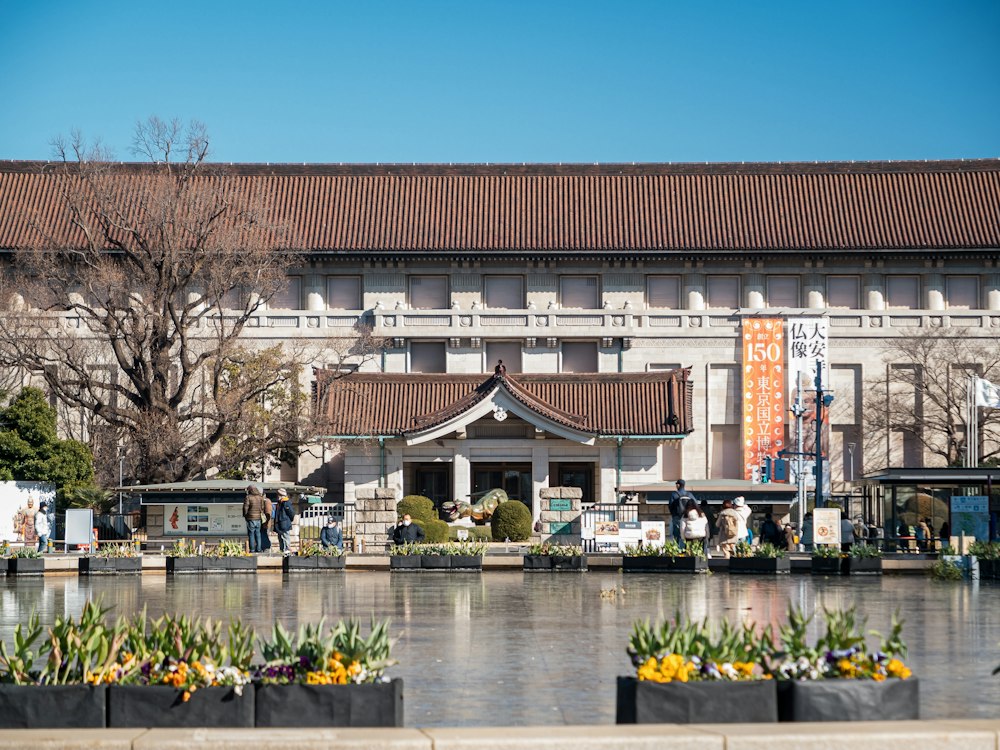
Five buildings of Japanese and Asian art at the north end of Ueno Park, set around a large garden with old teahouses.
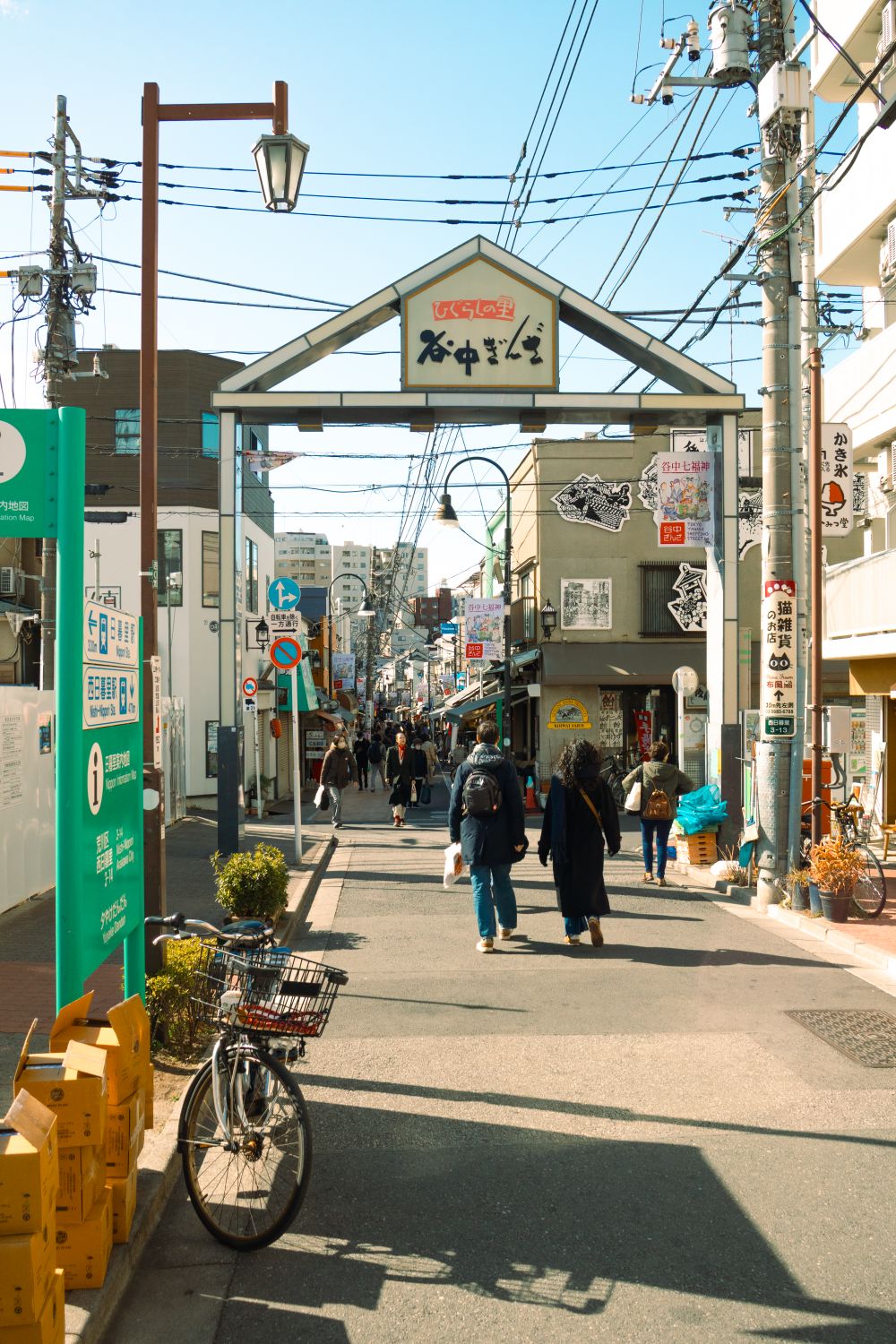
A low-rise shitamachi district that largely escaped both the 1923 earthquake fires and wartime bombing, centred on the Yanaka Ginza…