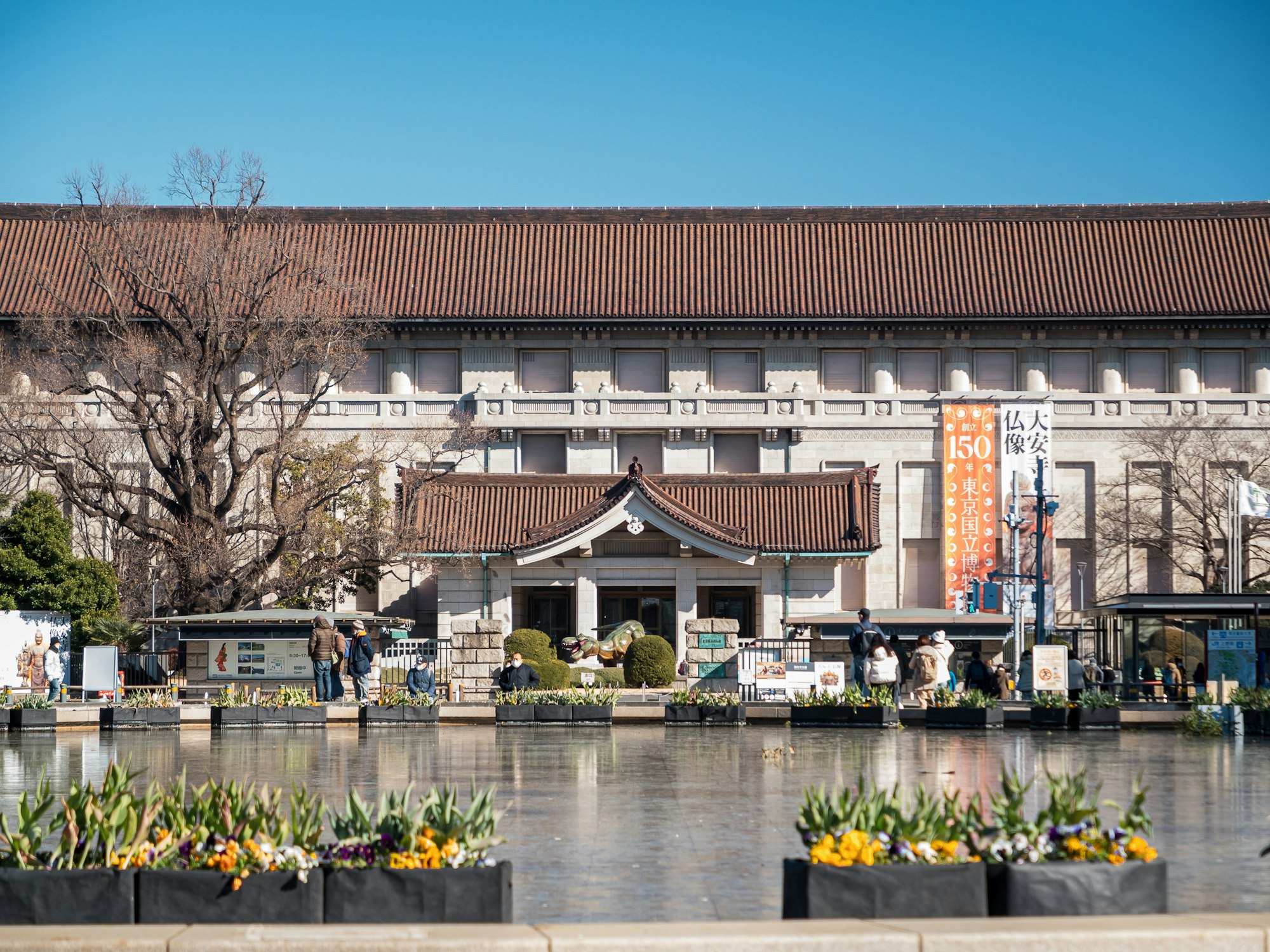
The fastest way into Japanese art is one morning here: a single floor that takes you through it in order, then a spotlit room of small gilt Buddhas from the Horyuji temple.
Museum, Tokyo. Meridian Dispatch.
The museum stands on the northern edge of Ueno Park, with its entrance at the Main Gate. JR Ueno and Uguisudani stations are each about ten minutes away on foot, and Ueno on the Tokyo Metro Ginza and Hibiya lines about a quarter of an hour. There is no visitor parking.
It opens at 9:30 a.m. and closes at 5 p.m., staying open until 8 p.m. on Fridays and Saturdays. It is closed on Mondays, though a Monday public holiday moves the closure to the next day. It also shuts from 26 to 31 December, and last admission comes 30 minutes before closing.
Admission is ticketed, with free entry for visitors under 18 and over 70. Tickets can be bought online on a phone as well as at the Main Gate counters. A special exhibition ticket also admits the holder to the main collection galleries on the same day.
Plan on two to three hours for a first look, or half a day for the whole collection. The buildings are spread across the park, so the walks between them add to the total.
Begin in the Honkan, the main building for Japanese art. Its second floor follows that art in order, from the ancient Jomon era through to Edo. Next comes the Gallery of Horyuji Treasures.
No guide is needed to visit. Labels tend to list only the maker, period and material, and some scrolls lack a full English translation, so an English audio guide or the museum's own app is the practical companion for each room.
The museum holds about 120,000 Cultural Properties, 89 of them National Treasures. Japanese art from prehistory to the late 19th century has its main display in the Honkan, and the Toyokan shows art and artifacts from China and Korea across to India and Egypt.
No, not on an ordinary visit. The Hyokeikan is closed for an indefinite period for maintenance work and opens only for special exhibitions and events, so its interior falls outside the usual tour of the galleries.
The official site of Tokyo National Museum is tnm.jp.
tnm.jp →The Honkan, the Japanese Gallery, is the building to see first, and it is listed as an Important Cultural Property in its own right. Its second floor runs from Jomon times to the Edo period, room by room, so you see the whole of Japanese art on one floor. Samurai armour and old swords stand close enough to look at in detail.
Downstairs, the first floor holds sculpture from the Heian and Kamakura periods, with lacquerware and metalwork beside it.
The Gallery of Horyuji Treasures holds more than 300 pieces from Horyuji temple, most of them from the 7th and 8th centuries: banners, statues, calligraphy, metalwork and lacquer. Inside, dozens of small gilt Buddhas stand under high-contrast spot lighting, and the light picks out how every figure differs from the next.
Two buildings make the best first visit, and they sit at opposite ends of the grounds. Clear the bag check at the Main Gate, walk straight ahead into the Honkan and go up to the second floor. Work through its rooms in order, then come down to the first floor before you leave.
Back outside, keep to the far left, past the Kuromon black gate, for the Gallery of Horyuji Treasures. With time left, the Heiseikan, ahead and slightly left of the gate, shows haniwa and dogu, clay figures from Japan's ancient cultures, with the large special exhibitions upstairs. The Toyokan, on the right of the gate, covers the rest of Asia, Egypt included.
The open lounge on the Heiseikan's first floor serves refreshments between buildings. In spring or autumn the garden behind the Honkan may be open.
Leave the shop, in the Honkan's basement, until the end, when you know which objects you liked. Yanaka or Ameyoko makes a good second stop.
On a Saturday, Sunday or holiday, walk over to the Kuromon black gate on your left from the Main Gate. It opens from ten until four on those days only.
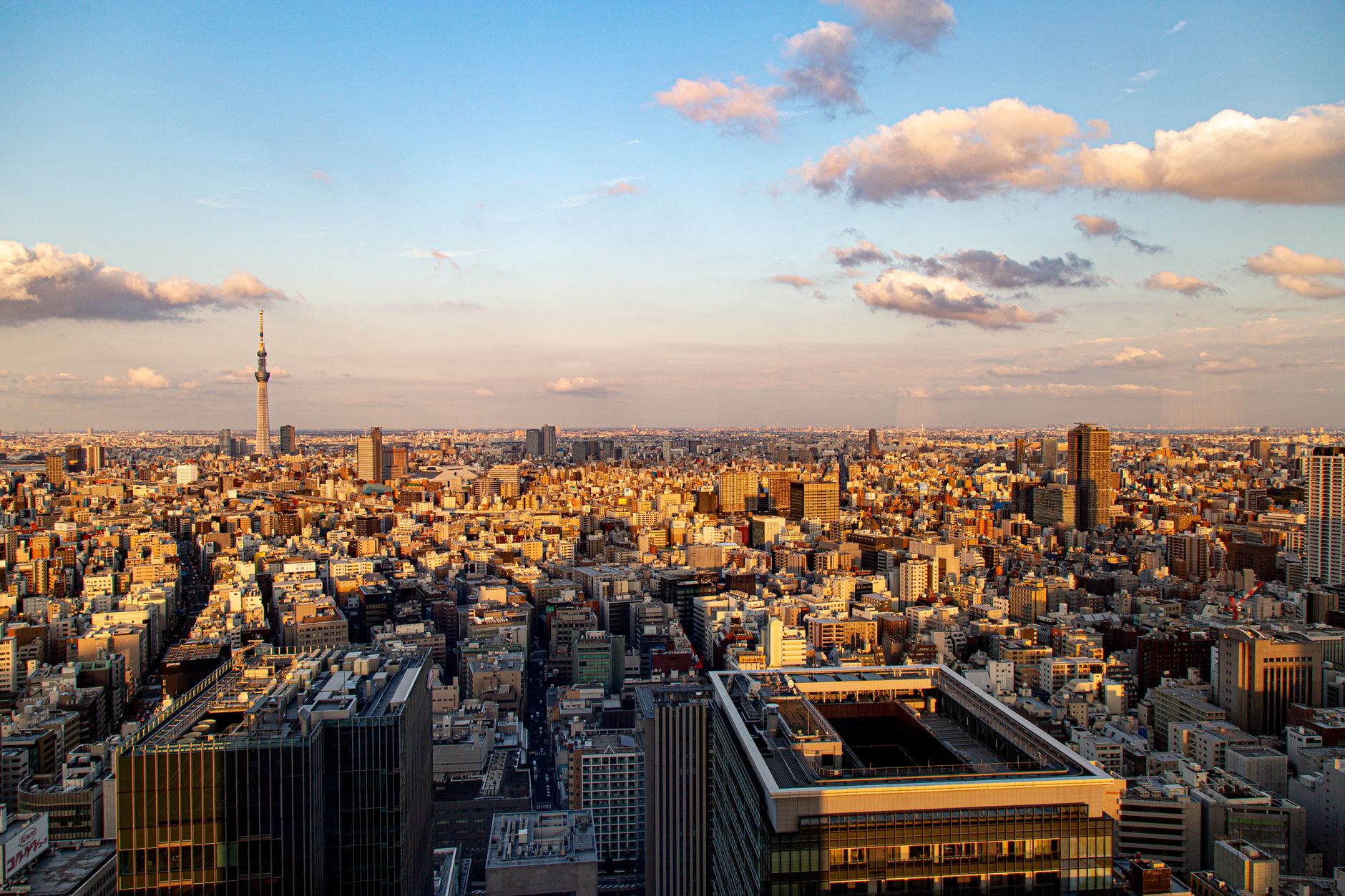
Tokyo, Japan: Thirty-seven million residents share this plain, and the city works because it is really a ring of separate towns on one loop line. Sensō-ji.
Read the Tokyo guideExplore the rest of Tokyo
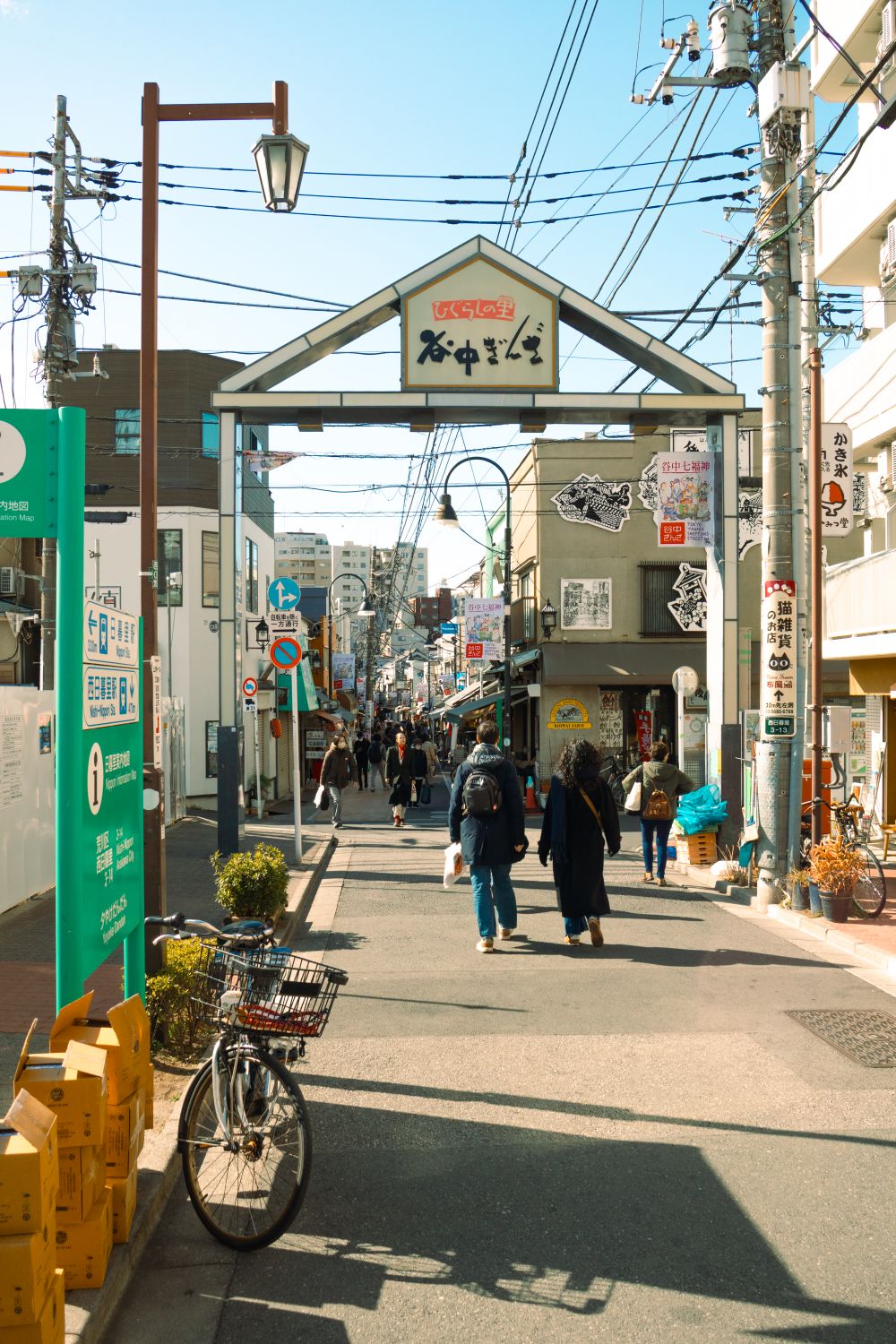
A low-rise shitamachi district that largely escaped both the 1923 earthquake fires and wartime bombing, centred on the Yanaka Ginza…
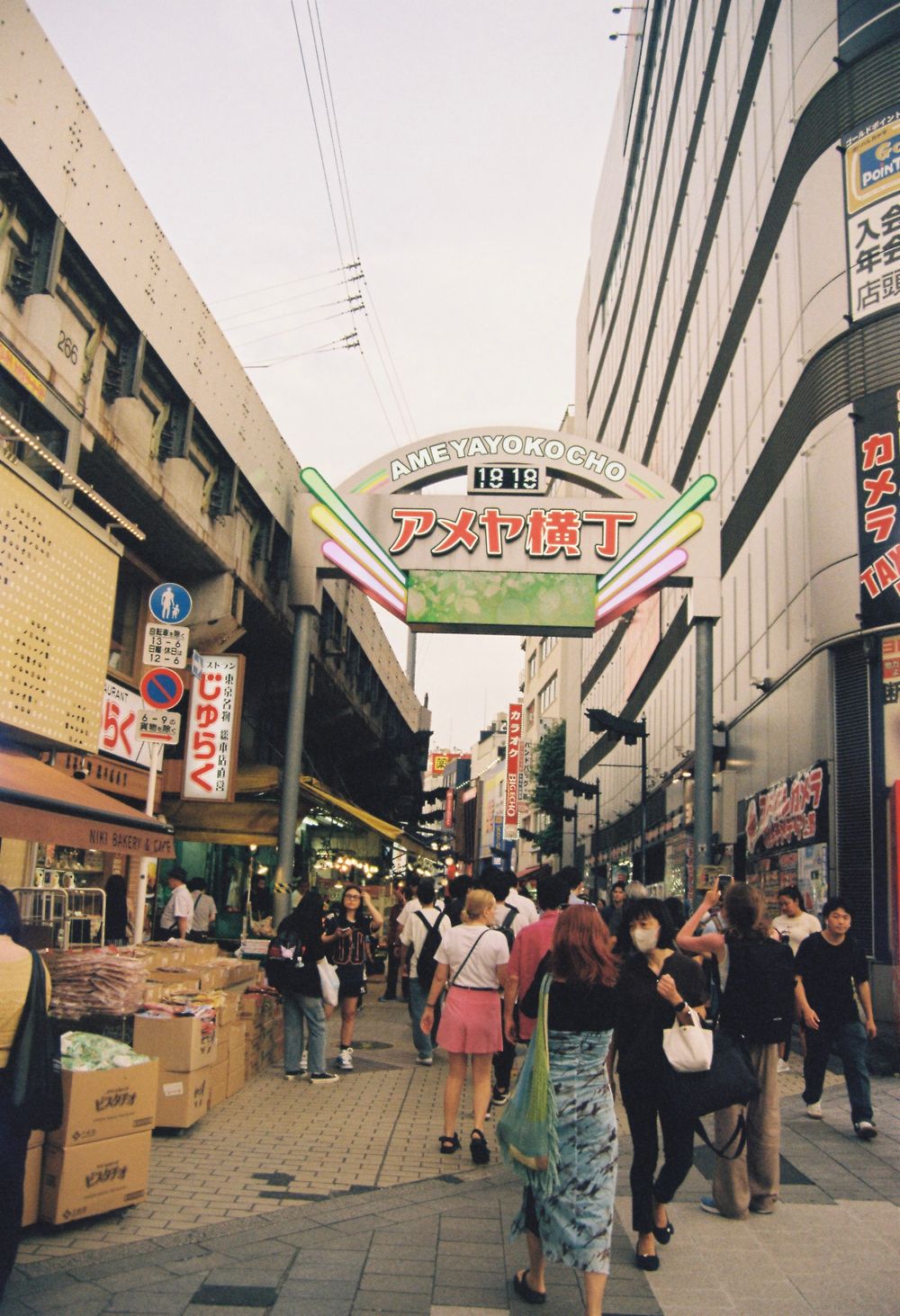
Some four hundred stalls crowd this market street under and beside the elevated tracks between Ueno and Okachimachi stations, selling dried…
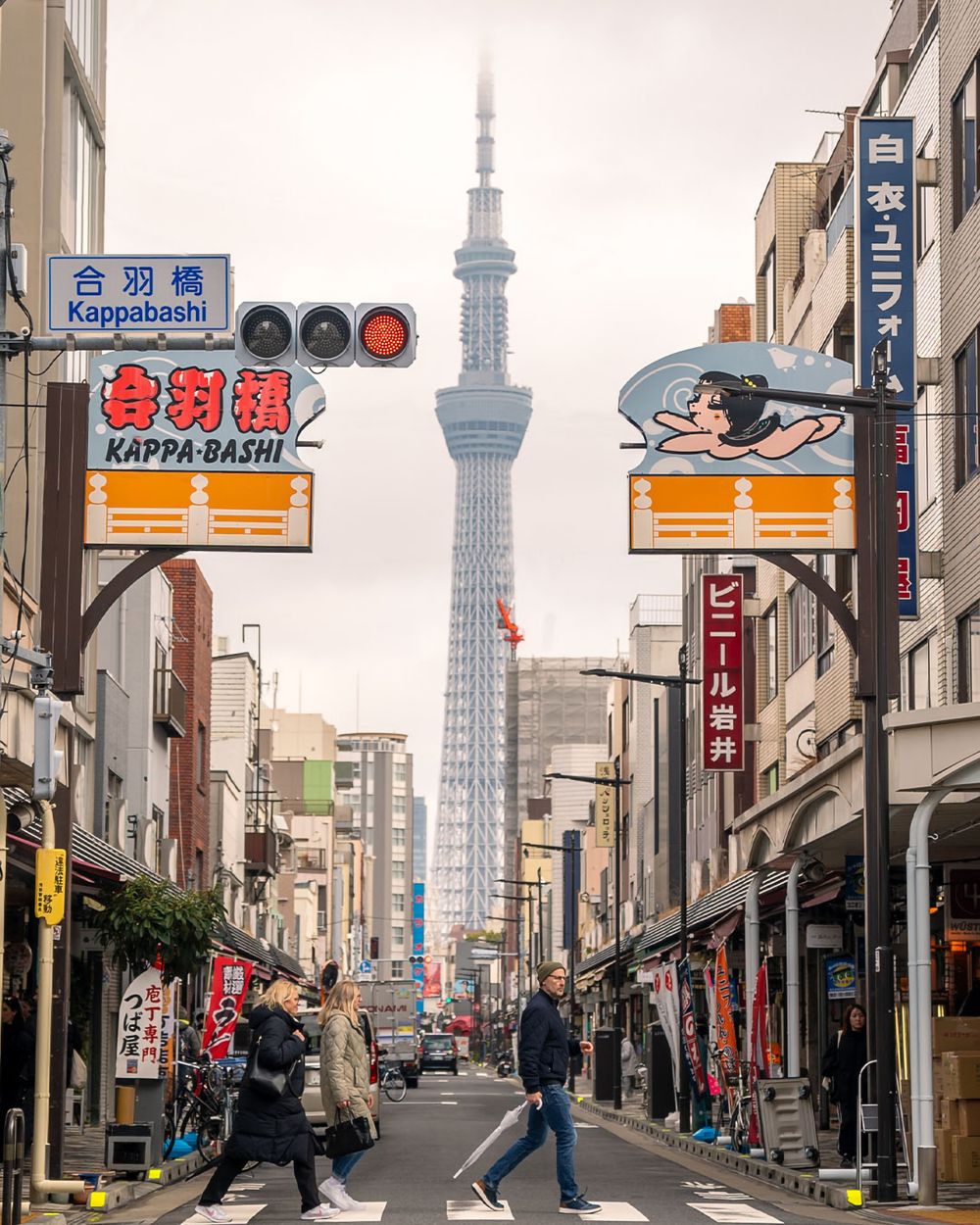
Restaurant suppliers line this street between Ueno and Asakusa, selling knives, lacquer bowls, noren curtains, paper lanterns and the…
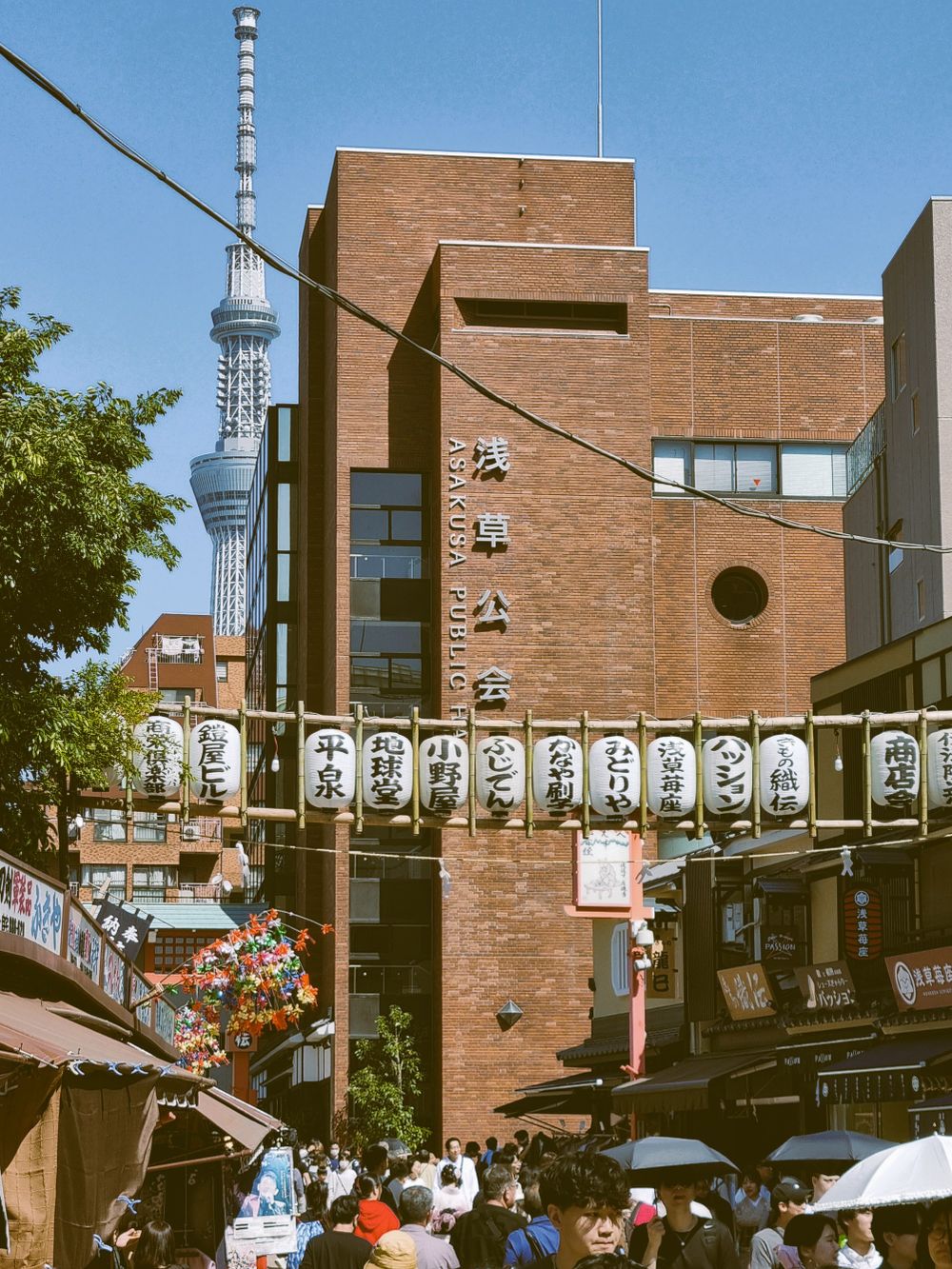
Asakusa is the temple quarter of old Tokyo, built around Senso-ji and approached through the Kaminarimon gate and the shopping street of…
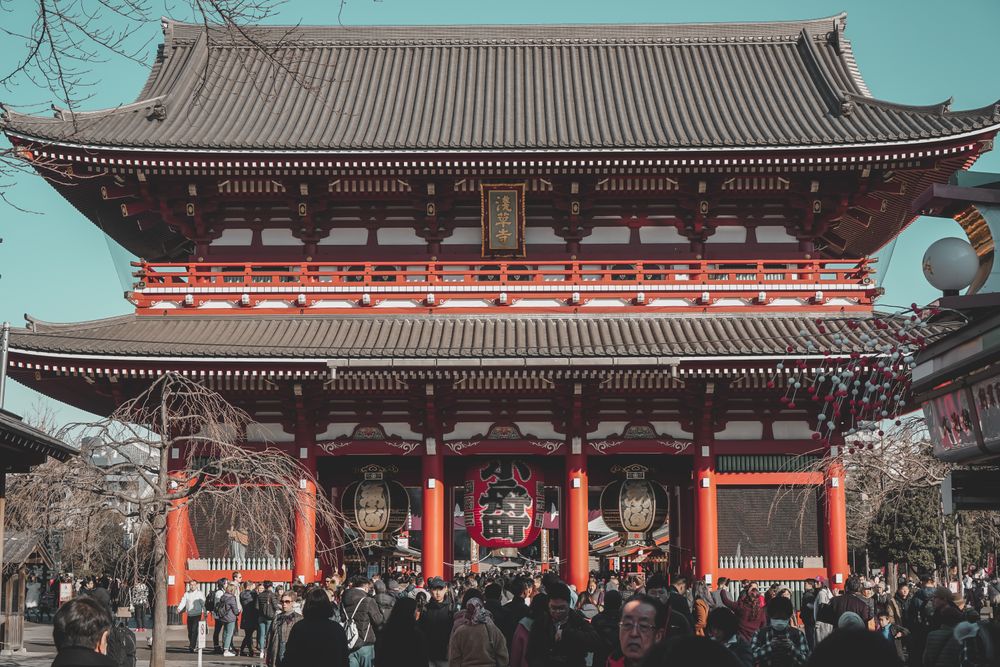
Asakusa's great Buddhist temple, built around a statue of Kannon that tradition says two fishermen pulled from the Sumida River; the main…
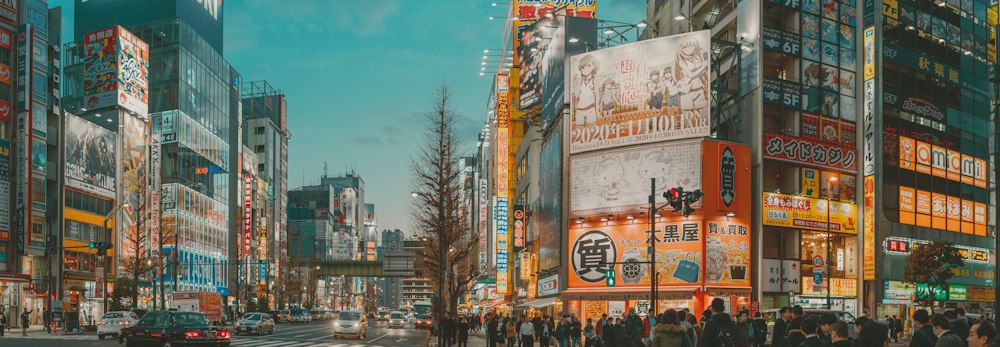
A black market in radio parts grew up under the railway arches here after the war, and those component stalls still trade beneath the…
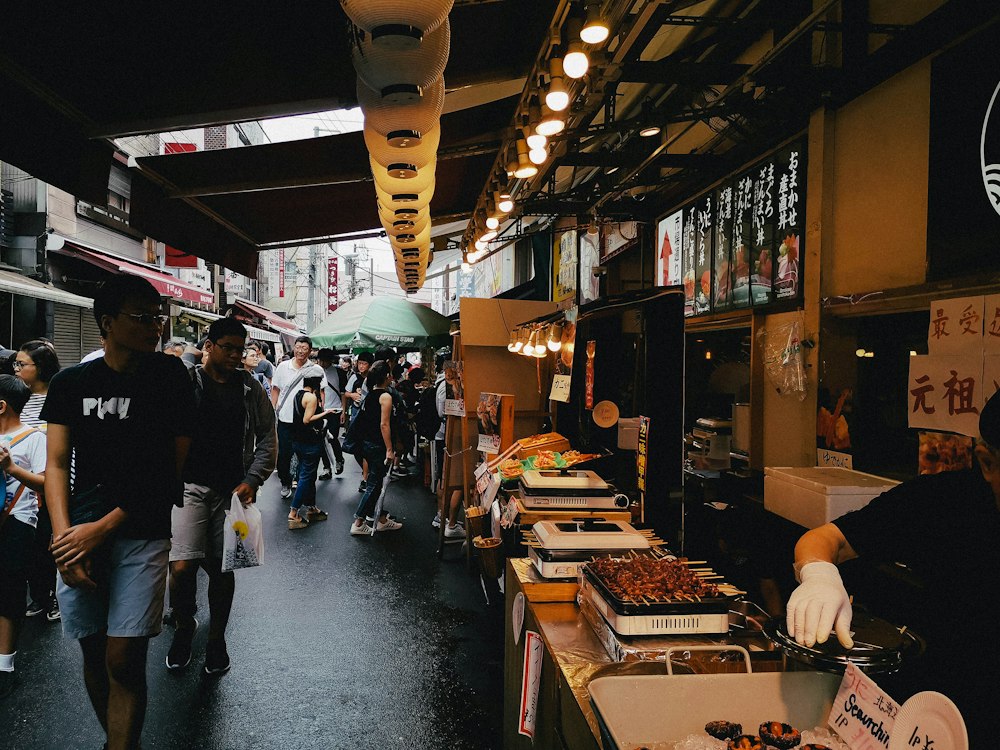

Tsukiji Outer Market is a quarter of more than 400 food and kitchenware shops in central Tokyo, within walking distance of Ginza. It sits…
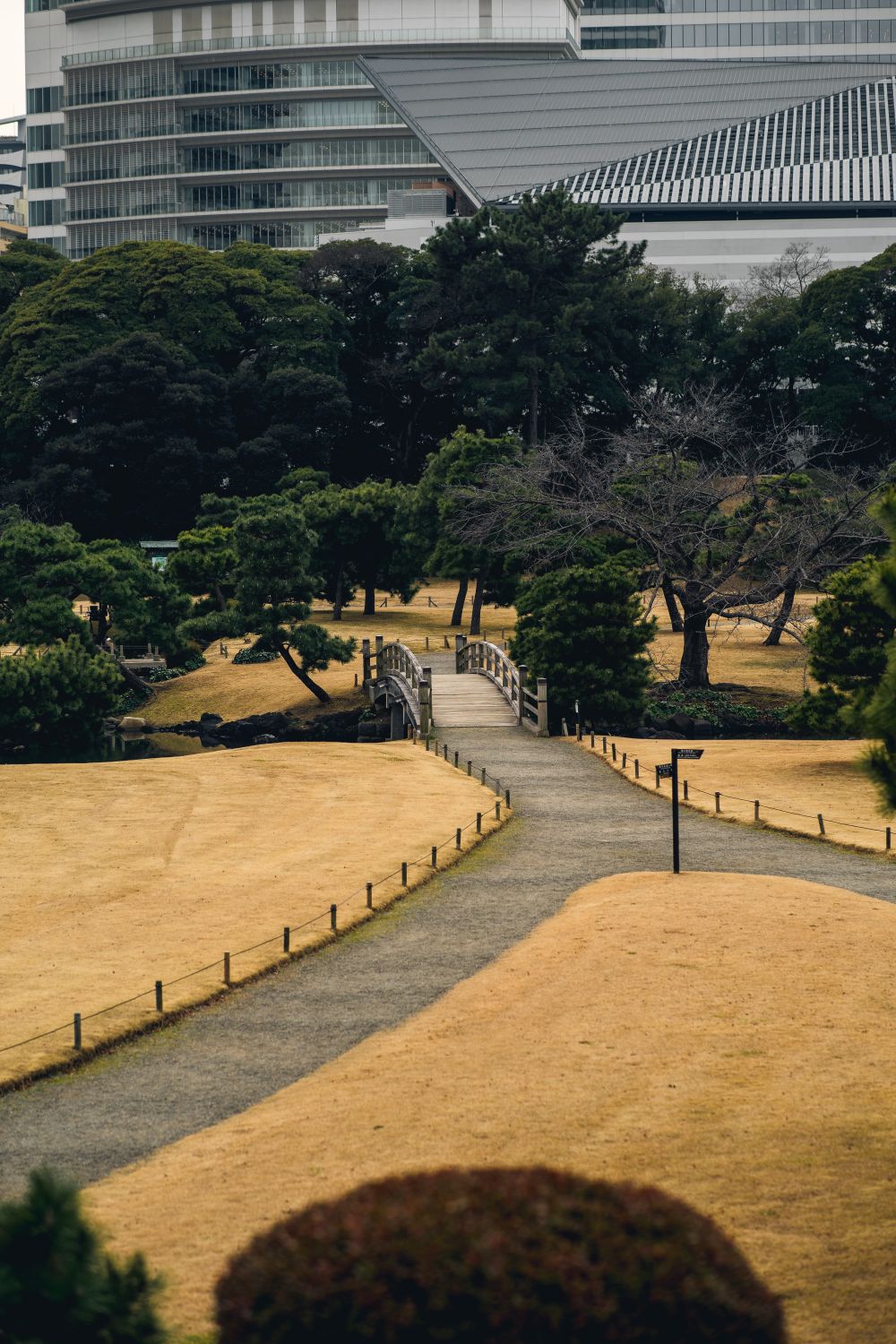
A shogun's duck-hunting ground at the mouth of the Sumida, now ringed by the glass towers of Shiodome. The central pond is filled from…




Save Tokyo National Museum to your Japan trip in the Meridian Dispatch app and build the day around it, with the best of Tokyo pinned on one map.
Download on the App StoreLast updated