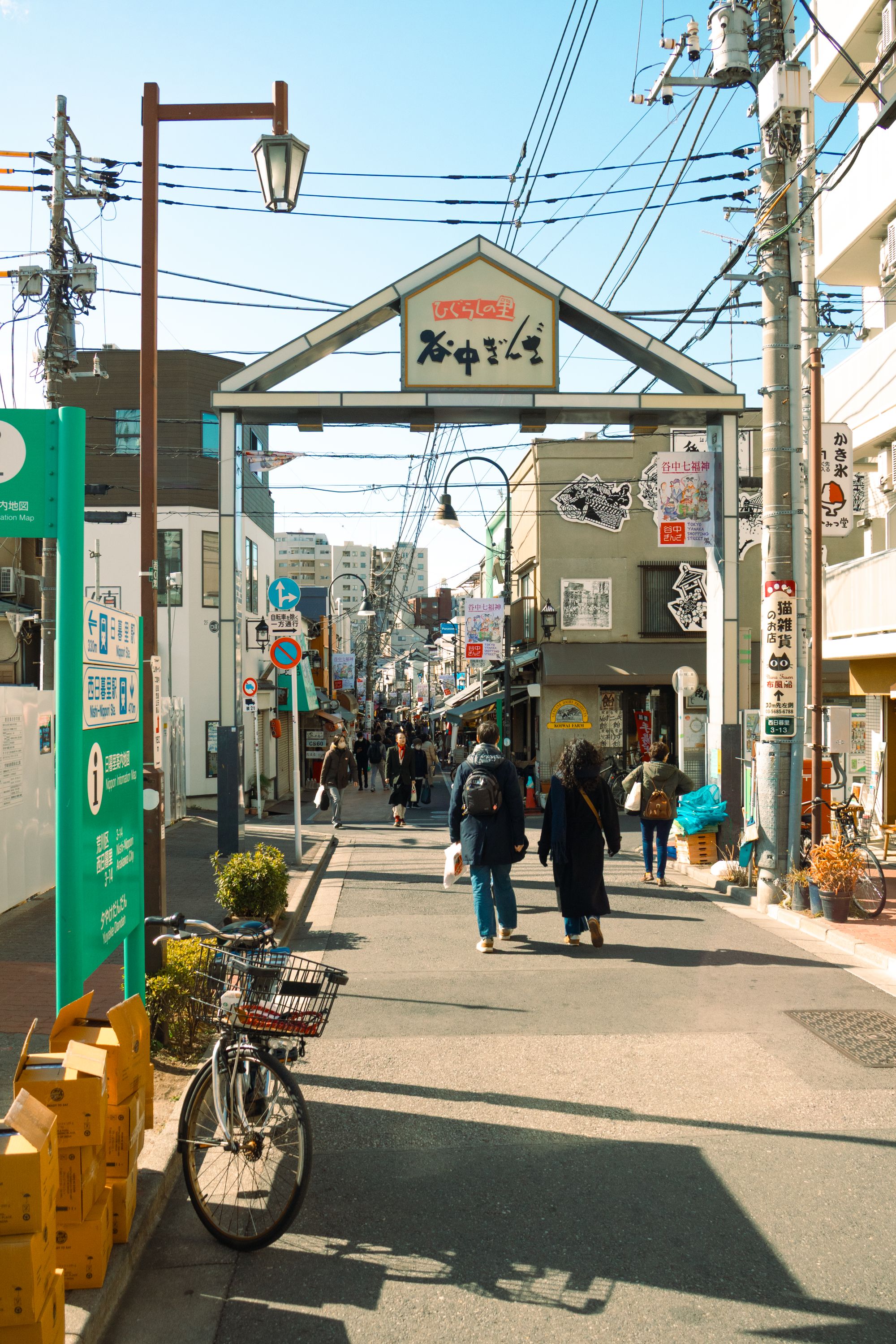
Walking from the cherry trees of Yanaka Cemetery down to a street of fried snacks shows you the old downtown Tokyo of shopfronts, temple walls and quiet lanes.
Neighborhood, Tokyo. Meridian Dispatch.
Leave Nippori Station by the West Exit. Yanaka Cemetery is about three minutes on foot from there, and the Yanaka Ginza shopping street is five to ten minutes. Trains are the way in, since the cemetery has no car park.
Always. The grounds have no gates and never close. The management office counter, where the free maps are handed out, keeps hours of 8:30 to 17:30, so a map has to be picked up within that window.
Most shops and food stalls start trading around 10:00 and shut between 17:00 and 19:00. Shops keep their own rest days, many on a Monday or Tuesday, so a weekday visit can find some shutters down.
The district and its cemetery are free to walk. Spending is the only cost, and the shopping street runs almost entirely on cash, with no ATM on the street itself, so yen needs to be withdrawn beforehand.
It is a park-like metropolitan cemetery of about ten hectares, opened in 1874 and the resting place of many well-known figures. The best known is Tokugawa Yoshinobu, last of the Edo shoguns, whose plain Shinto grave lies in the northeast corner.
No. The cemetery is free and open at all hours, and the lanes are easy to follow alone. Guided walks of the district do run, typically about three and a half hours, starting from Nezu Station on the Tokyo Metro Chiyoda line.
Shitamachi means Tokyo's old downtown of shops and lanes, and Yanaka is the best-preserved piece of it left in the city. What you see is small: shopfronts, a cemetery and the lanes between them.
Yanaka Cemetery is the green heart of it, about ten hectares of paths and trees that work more like a park than a graveyard. Its main road, Sakura-dori, is lined with cherry trees that meet overhead in spring.
In the northeast section lies Tokugawa Yoshinobu, the last shogun of the Edo period, in a relatively modest Shinto grave. The grounds rarely feel crowded.
Yanaka Ginza is the shopping street that sums up the district, about 170 metres of food stalls and small shops with a mid-twentieth-century Showa look. Seven lucky cat statues stand along it, so look out for them as you walk. Cats have long been a feature of the cemetery walls, the Yuyake Dandan stairs and the alleys behind the street, though sightings are less frequent now.
Before the shopping street opens, start in the cemetery. Follow Sakura-dori, the main road, then look for the shogun's grave.
Next, walk to the top of the Yuyake Dandan, the stone stairs that drop from the Nishi-Nippori plateau into the western end of Yanaka Ginza, and come down them into the street.
Walk the street end to end and eat as you go. The menchi-katsu, a fried minced-meat cutlet from the butcher Niku no Suzuki, is the local favourite. On a clear evening, come back to the top of the stairs to watch the sun go down over the street.
Pair the walk with the Tokyo National Museum.
Withdraw yen before you arrive: almost every stall on Yanaka Ginza is cash only, and the street itself has no cash machine. Picnics are not allowed in the cemetery at any time of year, so eat at the stalls or a cafe nearby.
In the cemetery, keep your voice low, stay on the main paths and do not photograph individual graves. Maps are handed out only while the office is staffed, so collect one during office hours. Maps of the lucky cat statues are at the tourist information counter in Nippori Station.
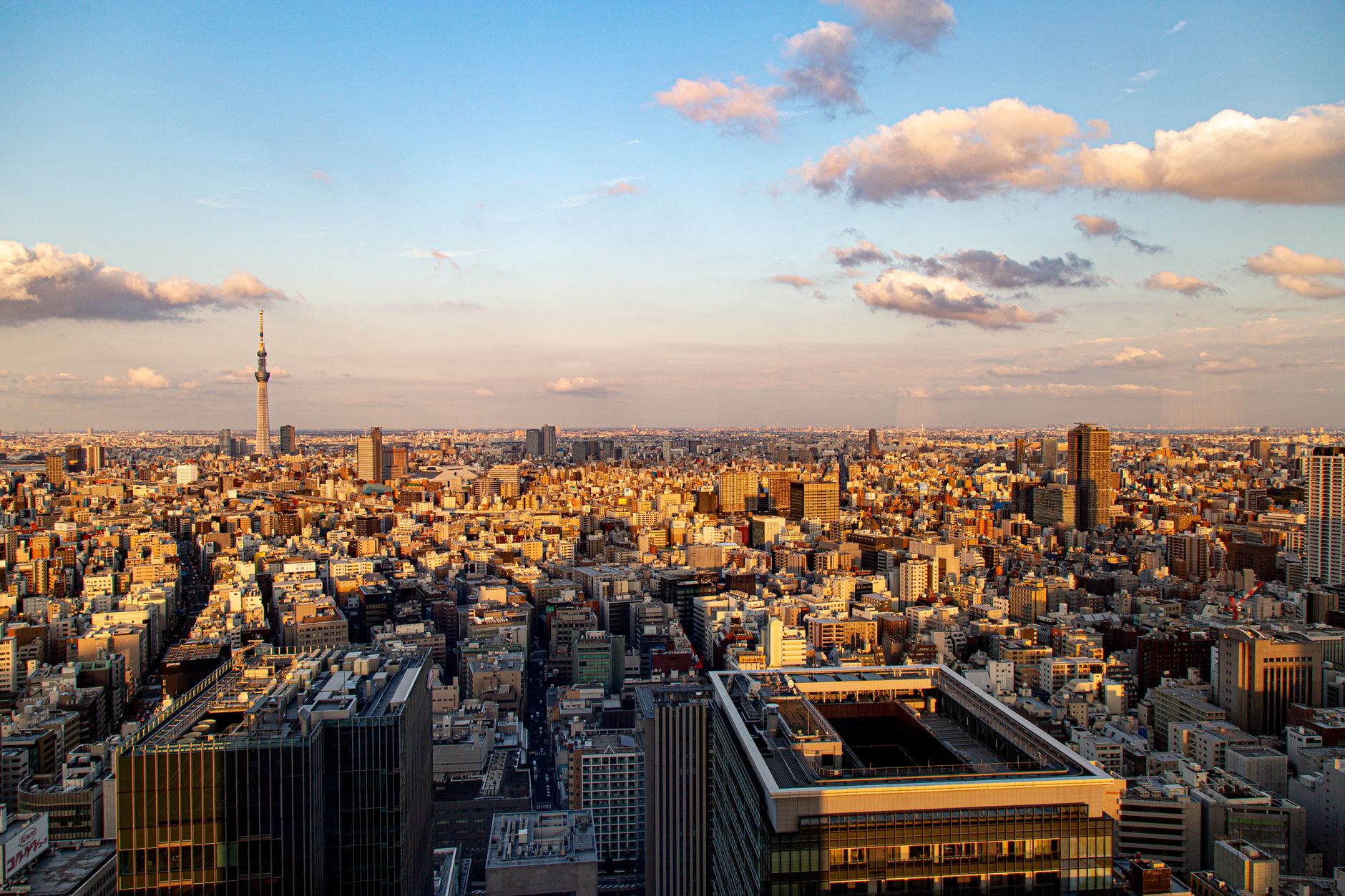
Tokyo, Japan: Thirty-seven million residents share this plain, and the city works because it is really a ring of separate towns on one loop line. Sensō-ji.
Read the Tokyo guideExplore the rest of Tokyo
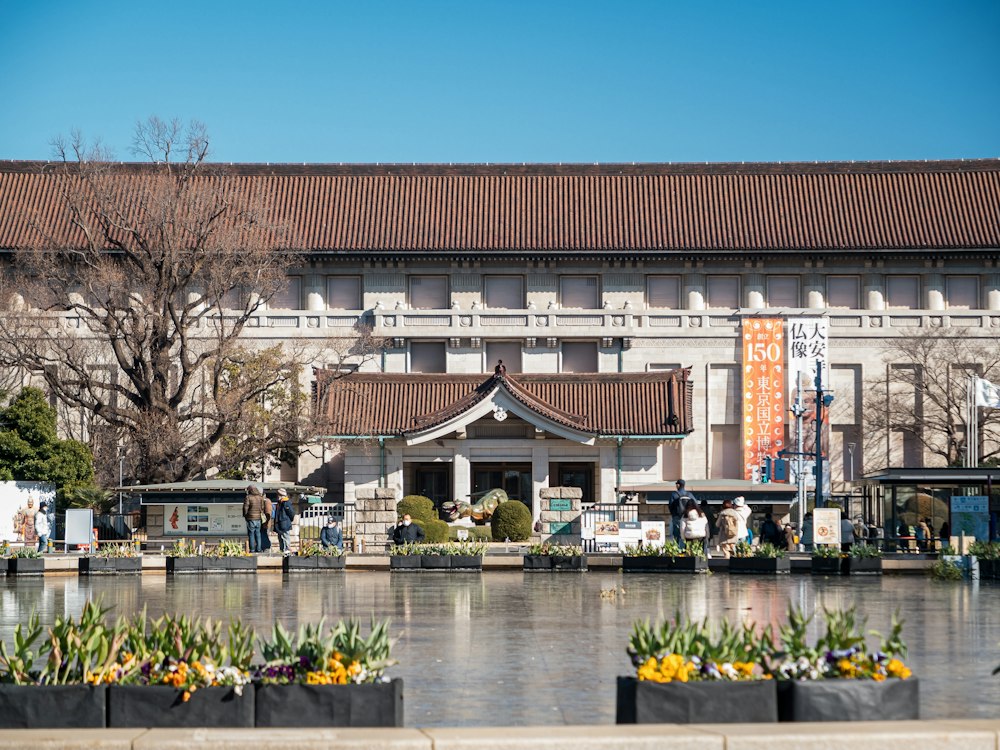

Five buildings of Japanese and Asian art at the north end of Ueno Park, set around a large garden with old teahouses.
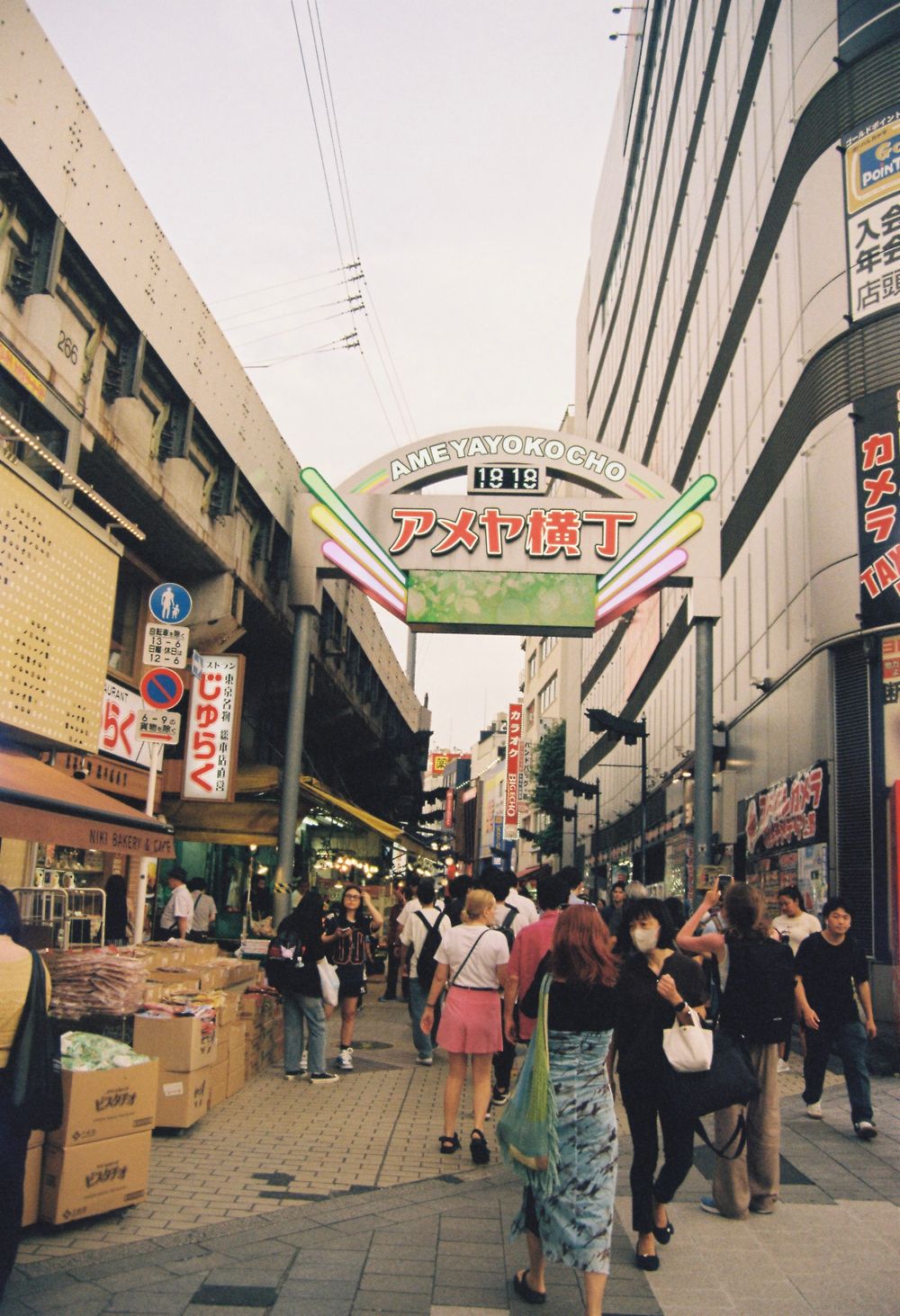
Some four hundred stalls crowd this market street under and beside the elevated tracks between Ueno and Okachimachi stations, selling dried…
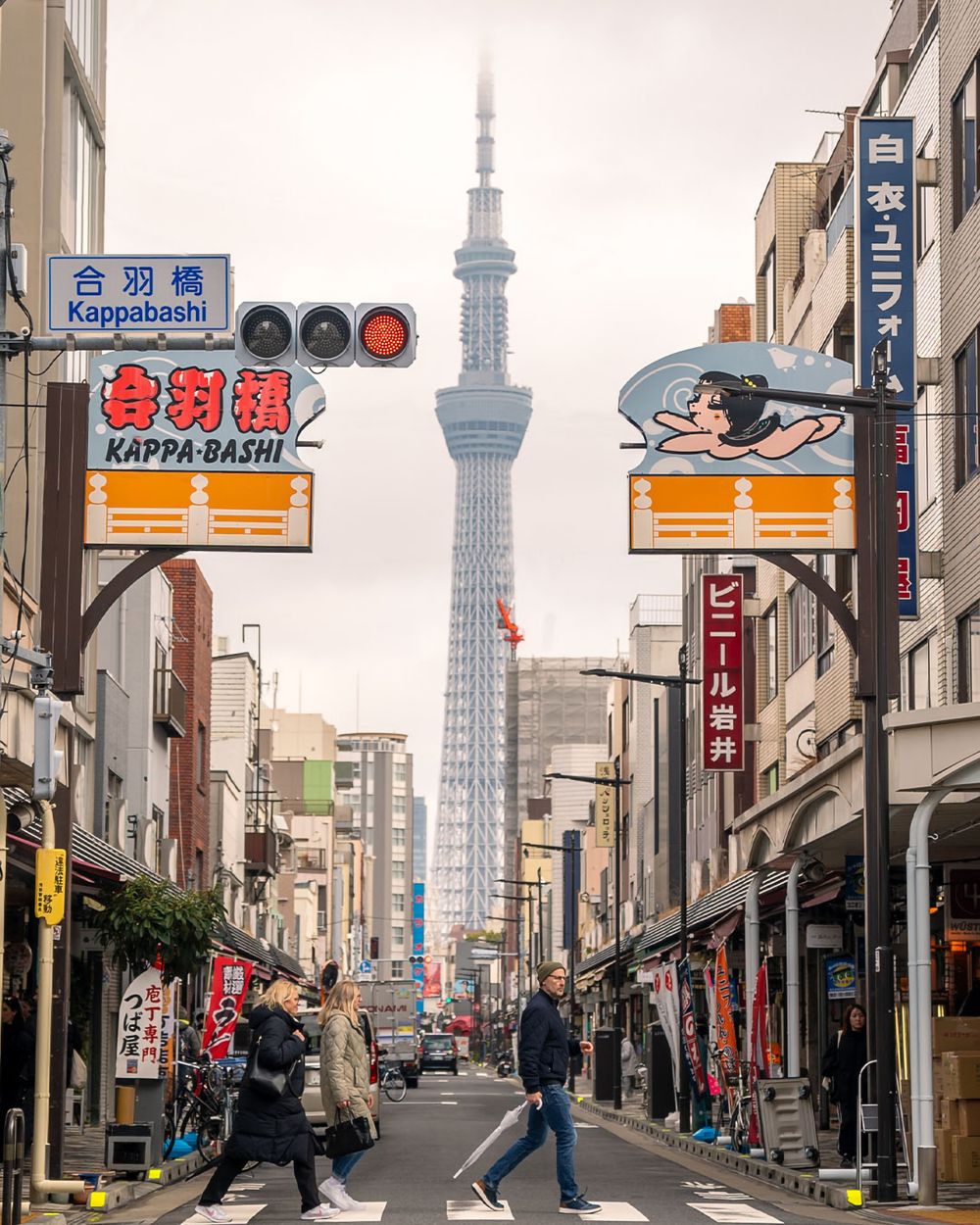
Restaurant suppliers line this street between Ueno and Asakusa, selling knives, lacquer bowls, noren curtains, paper lanterns and the…
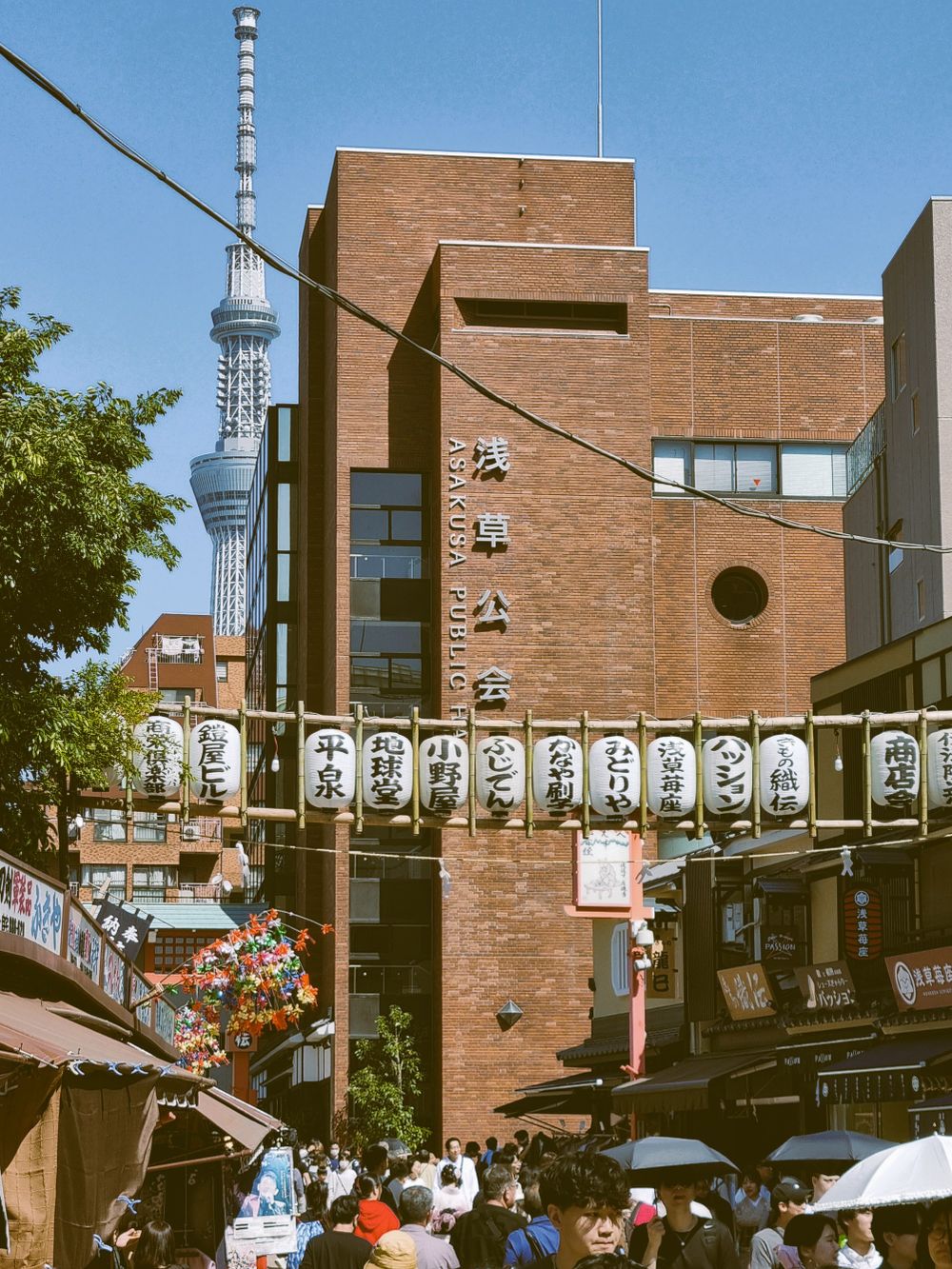
Asakusa is the temple quarter of old Tokyo, built around Senso-ji and approached through the Kaminarimon gate and the shopping street of…
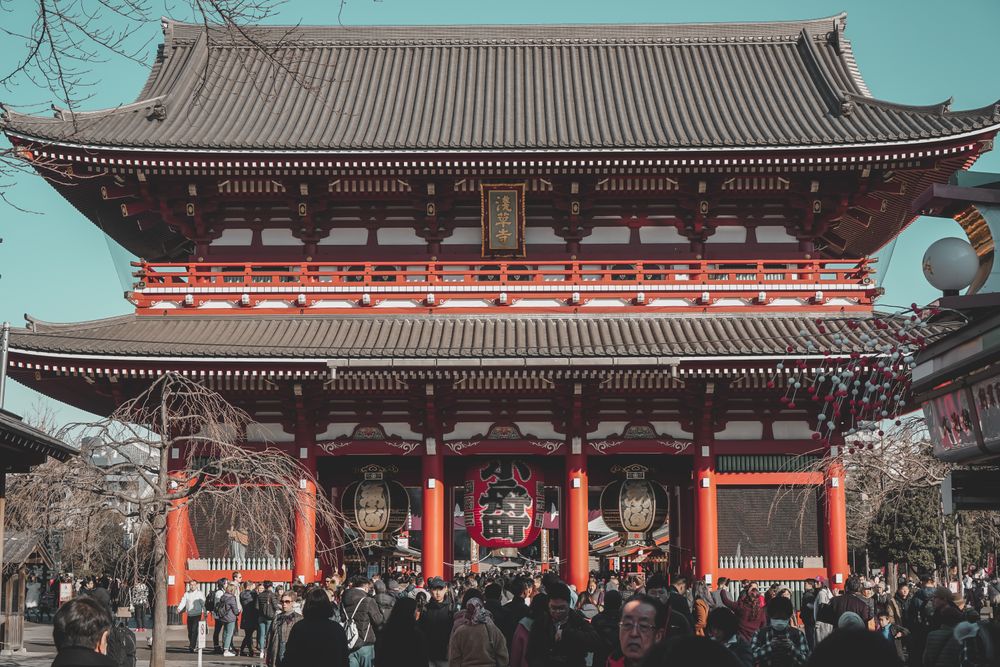
Asakusa's great Buddhist temple, built around a statue of Kannon that tradition says two fishermen pulled from the Sumida River; the main…
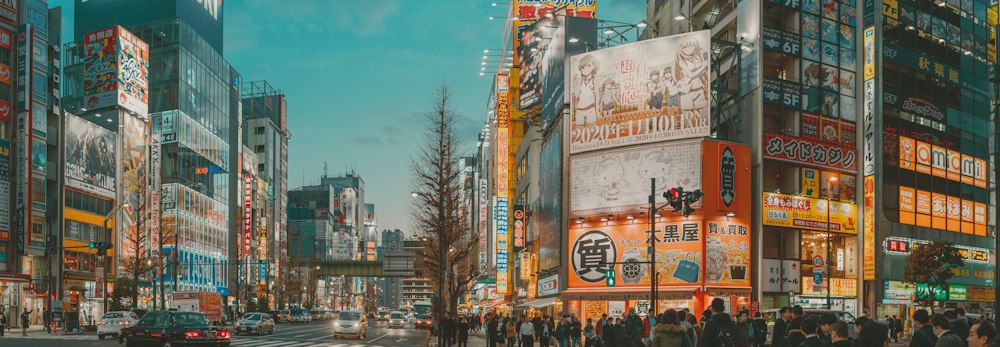
A black market in radio parts grew up under the railway arches here after the war, and those component stalls still trade beneath the…
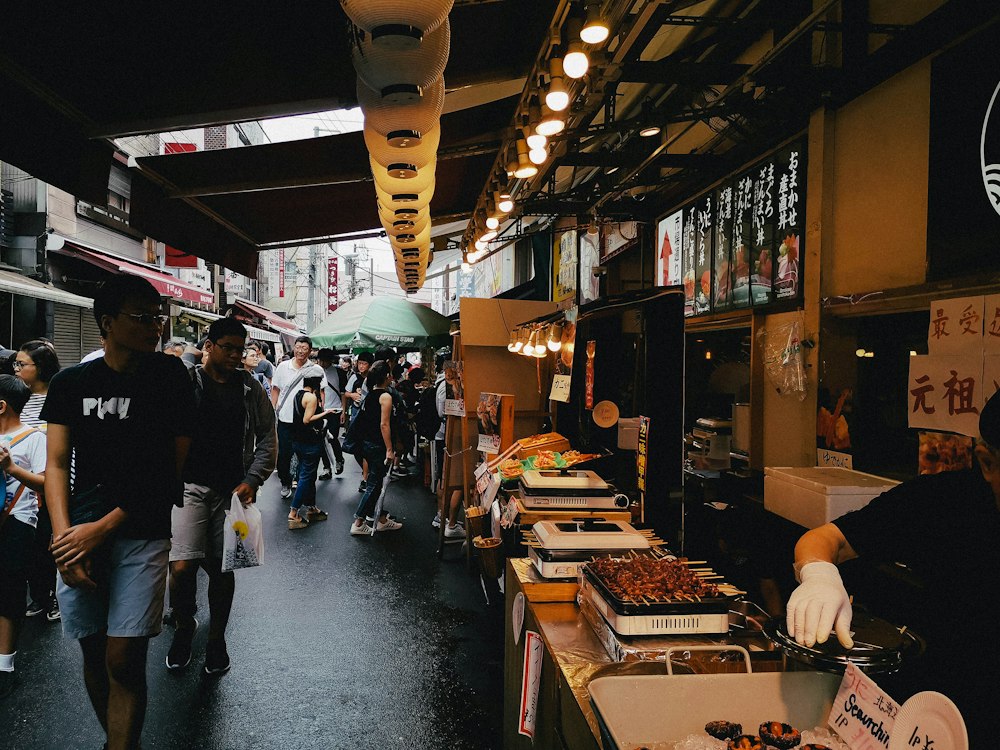
Tsukiji Outer Market is a quarter of more than 400 food and kitchenware shops in central Tokyo, within walking distance of Ginza. It sits…
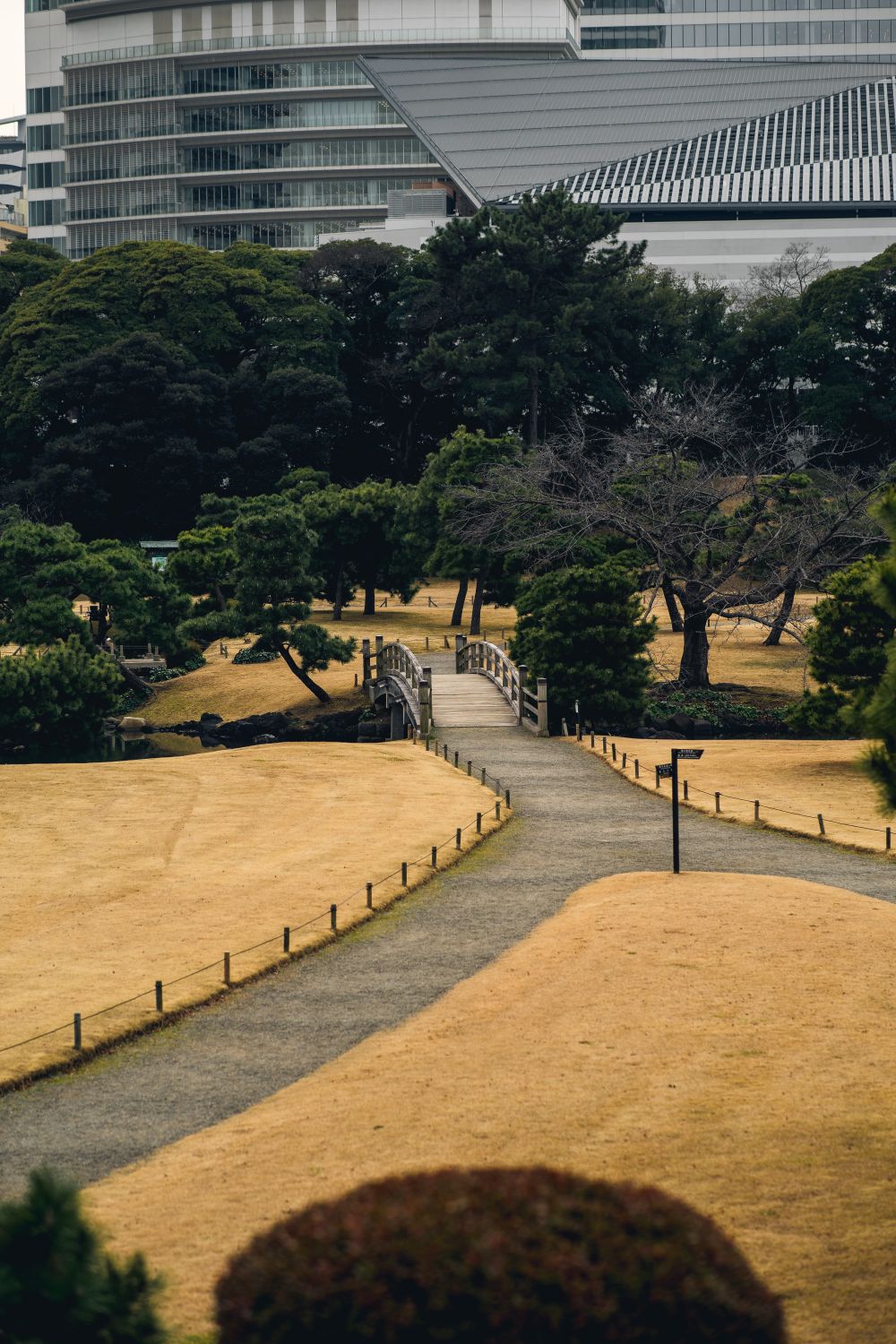
A shogun's duck-hunting ground at the mouth of the Sumida, now ringed by the glass towers of Shiodome. The central pond is filled from…




Save Yanaka to your Japan trip in the Meridian Dispatch app and build the day around it, with the best of Tokyo pinned on one map.
Download on the App StoreLast updated