Ninety seconds on Sensō-ji
Two gates, a long street of stalls and a main hall wreathed in incense smoke: be at the Thunder Gate before half past seven on a weekday and you walk all of it before the crowds thicken at nine.
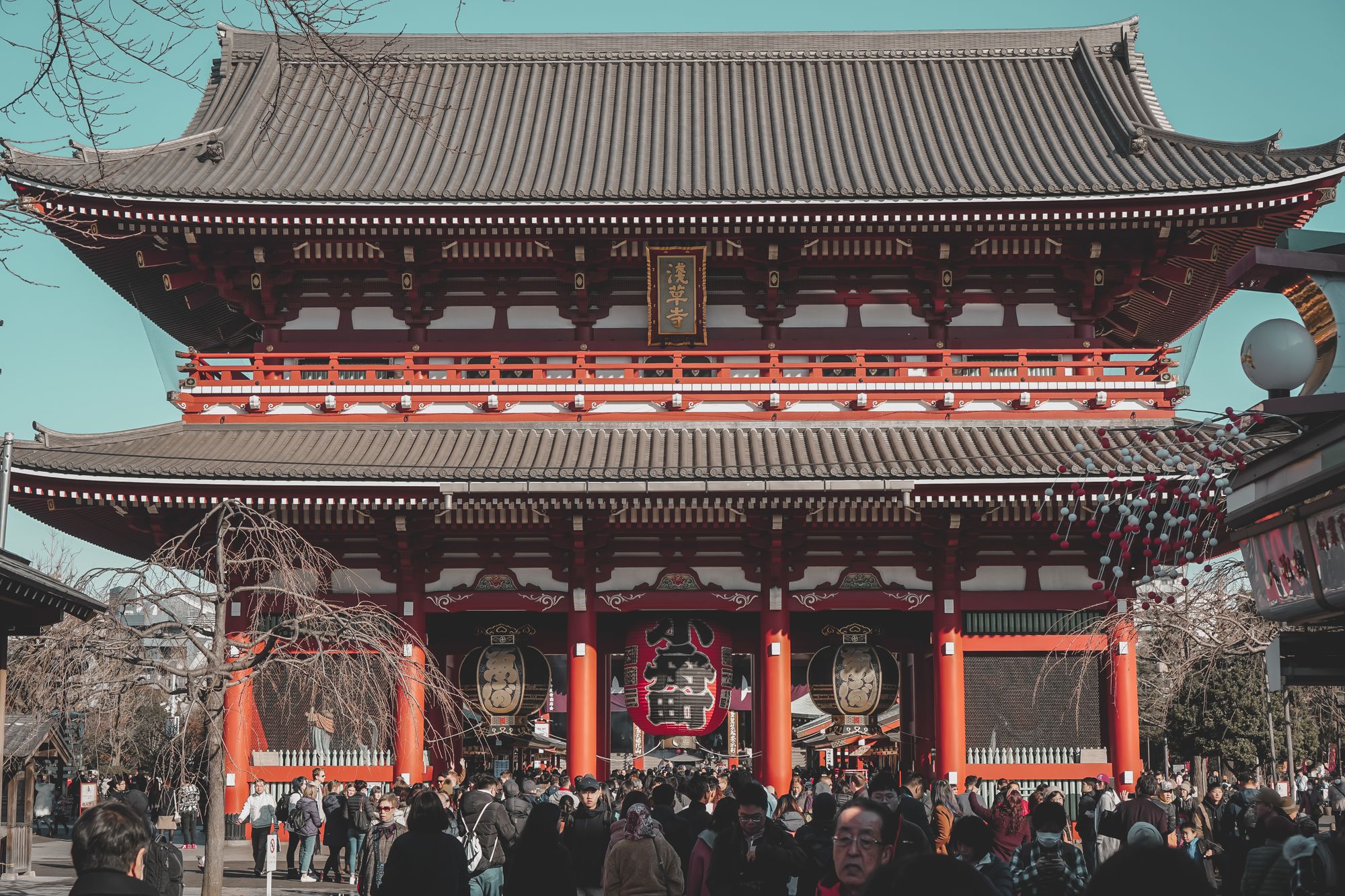
Kaminarimon, the Thunder Gate, marks the southern approach. Guardian figures of wind and thunder stand in it, and a huge red lantern made in Kyoto hangs at its centre.
Beyond it, Nakamise runs about 250 metres to the second gate, Hozomon, between stalls selling everything from cheap keychains to fine traditional crafts. It is one of the oldest shopping streets in Japan, but what you walk today is a working street, not a preserved Edo-period block.
The statue at the heart of the temple is a Kannon that, by tradition, two brothers fishing in the Sumida River found in their net. It was later designated a hibutsu, a hidden image, so the main hall is built around a figure that is kept from view.
Kaminarimon is the way in from the street. Pass through it, then walk north up Nakamise to Hozomon, the inner gate, and leave the shopping for the walk back.
Past Hozomon, a large incense burner stands in front of the hall. Waft its smoke over your face and body, a ritual believed to purify and heal, then go up into the hall. Keep your voice low and your phone silent inside, out of respect for worshippers.
At the fortune stalls you can consult the oracle for a small donation. Tie the slip to the wire rack provided rather than taking it home. Finish with the five-storey pagoda and Asakusa Shrine, both in the same grounds.
Carry cash, because many Nakamise stalls have no card reader. You may take photographs anywhere in the grounds, and the detail to look for is the underside of the Kaminarimon lantern, so look up as you pass beneath it.
A Japan Rail Pass does not cover Tokyo's subway lines, so plan on a separate subway ticket to Asakusa.
Explore the rest of Tokyo
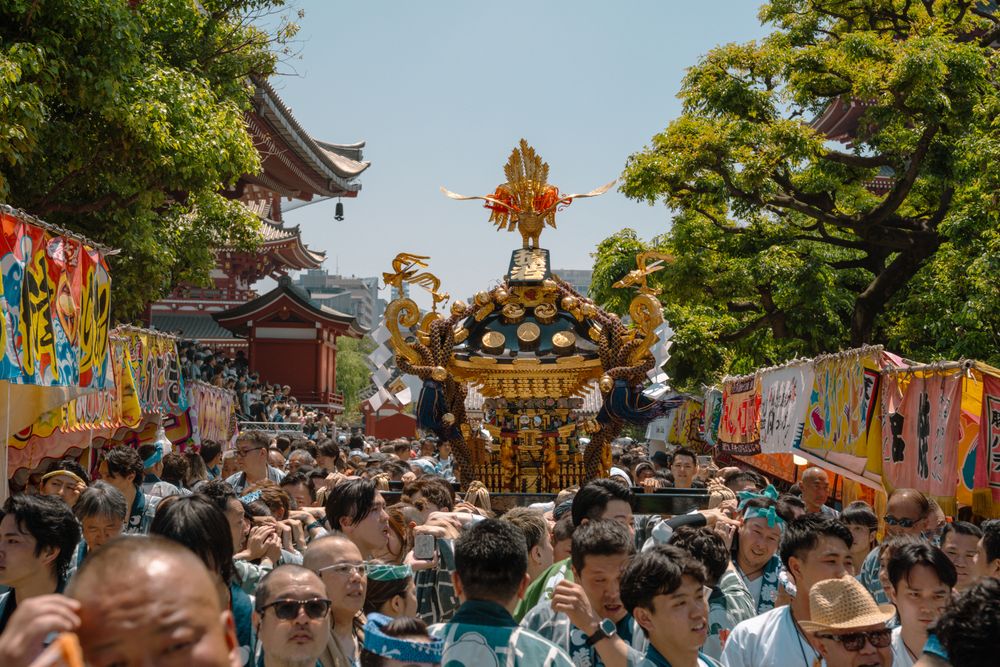
Over a Friday, Saturday and Sunday in mid-May, Asakusa's neighbourhoods carry their portable shrines through the streets round Senso-ji and…
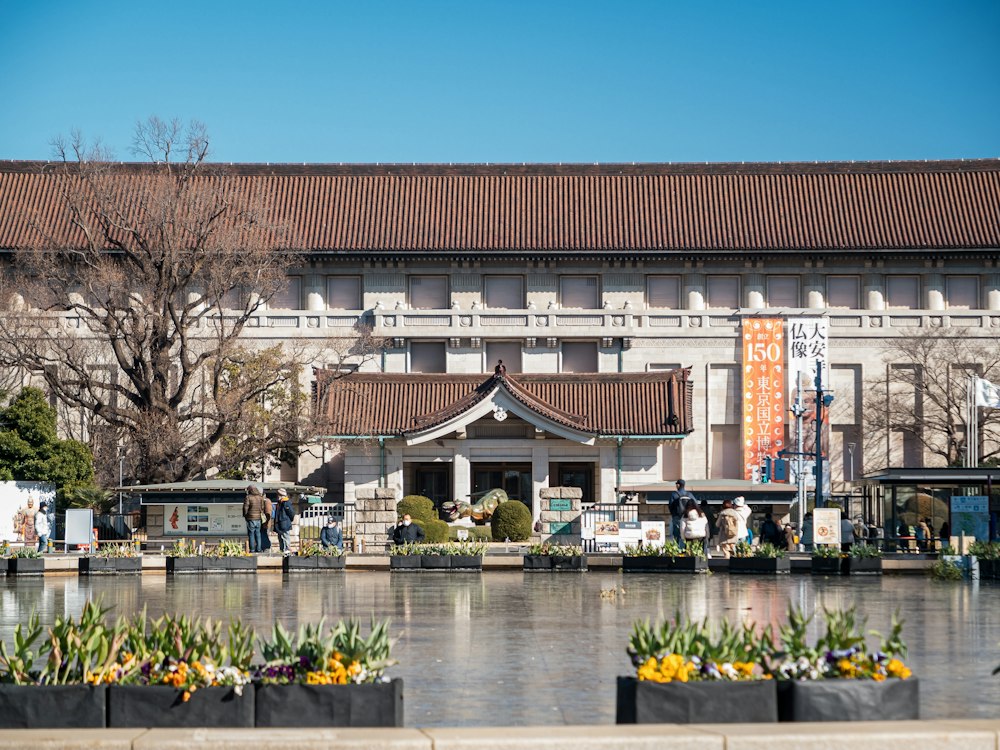
Five buildings of Japanese and Asian art at the north end of Ueno Park, set around a large garden with old teahouses.
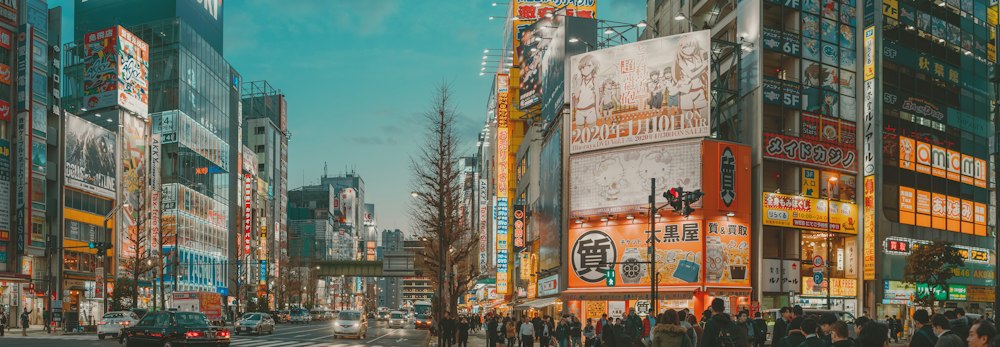
A black market in radio parts grew up under the railway arches here after the war, and those component stalls still trade beneath the…