 Submit a photo
Ninety seconds on Tsukiji Outer Market
As of November 2026, regular retail hours run from 9:00 to 14:00. Until 9:00 the shops serve mainly trade buyers, and after 14:00 each shop opens or closes as it chooses, so many stalls are shut by mid-afternoon.
Many shops do not. They often close on the days Tokyo's central wholesale market is shut, which usually means Wednesdays, Sundays and national holidays. The calendar on the market's website, tsukiji.or.jp, shows the closed days.
The wholesale fish market is not. It moved to Toyosu in October 2018, while the outer market, the retail streets beside the old site, stayed put and still sells fish and food.
Tsukijishijo Station on the Toei Oedo Line is a minute's walk from Exit A1. Tsukiji Station on the Tokyo Metro Hibiya Line is a minute from Exits 1 and 2. Higashi-Ginza Station, on the Hibiya and Toei Asakusa lines, is about five minutes away.
The auction now runs at Toyosu Market, by Shijo-mae Station on the Yurikamome Line, not at Tsukiji. Places for close viewing are applied for in advance on the wholesale market's site, shijou.metro.tokyo.lg.jp, and drawn by lottery, with results sent by email. Without a lottery place, the auction can be watched free from the upper-floor windows.
At many stalls here fish and shellfish are grilled to order in front of you, and a hot skewer of rolled omelette from the shop next door is the snack most visits start with.
Tsukiji Outer Market calls itself Japan's food town. Its shops sell fresh and processed fish, meat and eggs, fruit and vegetables and dried goods, and also stock what a professional kitchen runs on, from cookware and tableware to packaging.
Much of the food at the counters is seafood: scallops in the shell, uni (sea urchin), otoro tuna skewers, oysters and eel, with maguro, the red tuna, served as sushi or sashimi.
Sushi bars and seafood rice bowl shops sit among the fish sellers, with coffee stands and small izakaya in the gaps.
Between the food counters are shops selling professional-grade Japanese knives. Staff will engrave a name onto the blade, even in Japanese.
With any wheeled suitcase already left in a coin locker, walk in from the station exits, which lead straight into the lanes.
Taste as you go: shops put out samples for customers weighing a purchase. Once you have paid, eat inside the shop or at the spot it sets aside, and do not eat as you walk.
Leave the produce on display untouched, and ask the staff before photographing in a shop. Shops that forbid photos post a sign.
Then go to the Uogashi building. Its Uogashi Shokudo food hall opens at 7:00, and the fresh market on its first floor is closed to visitors until 9:00.
Finish at the small Namiyoke Inari Shrine, a short walk from the market.
Buy gifts to take home in the dried-goods shops, which sell their stock in bags.
Walk the lanes in a small party rather than as a group, since the alleys are narrow and the shops tiny, and keep hold of a child's hand. Smoke only at the marked smoking areas.
Hamarikyu Gardens, a tidal garden from the Edo period, is about a ten-minute walk away, close enough to add to the same morning.
Explore the rest of Tokyo
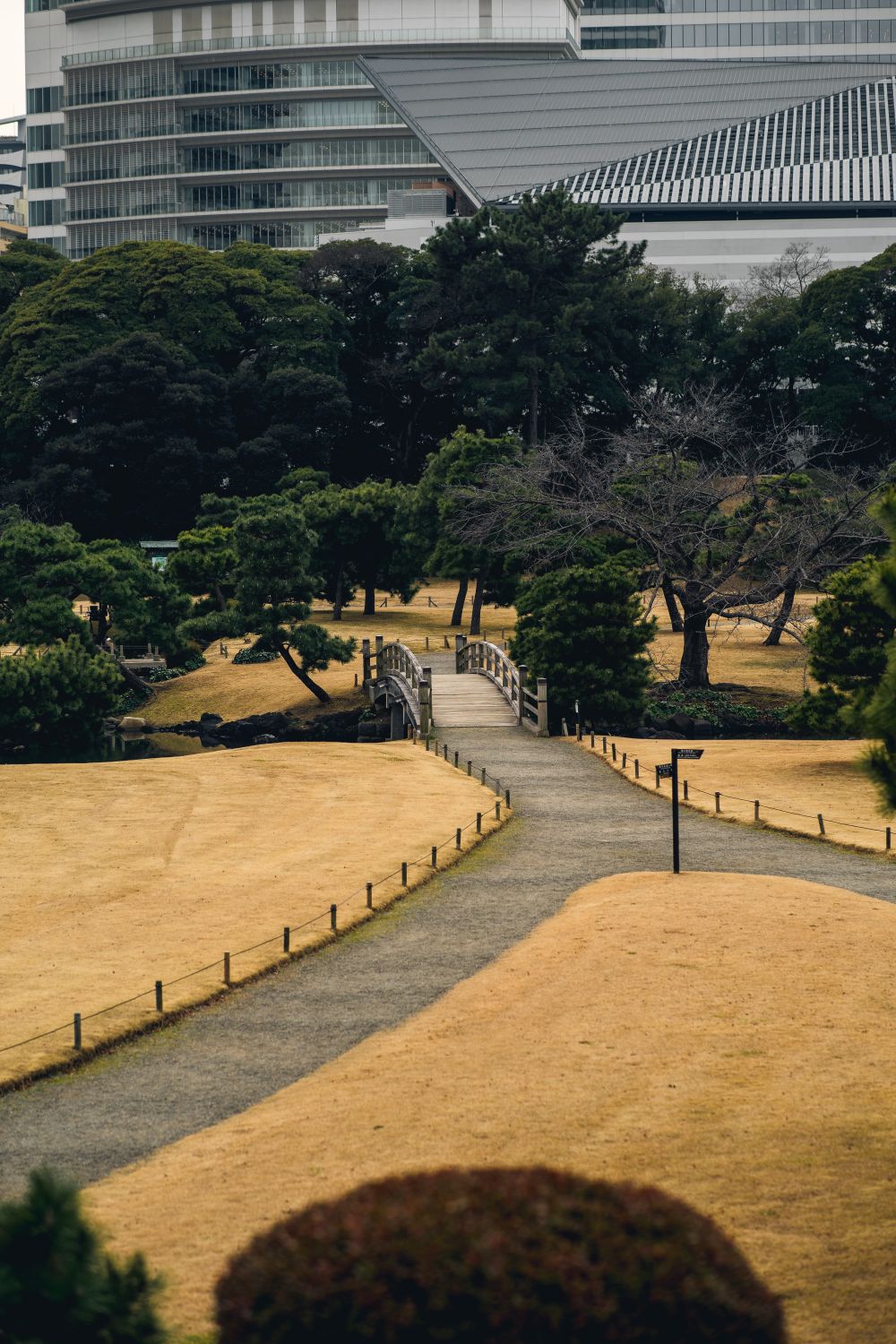
A shogun's duck-hunting ground at the mouth of the Sumida, now ringed by the glass towers of Shiodome. The central pond is filled from…
Kabuki's main stage sits behind a temple-style facade in Ginza, rebuilt in 2013 with an office tower rising behind it. Full programmes run…
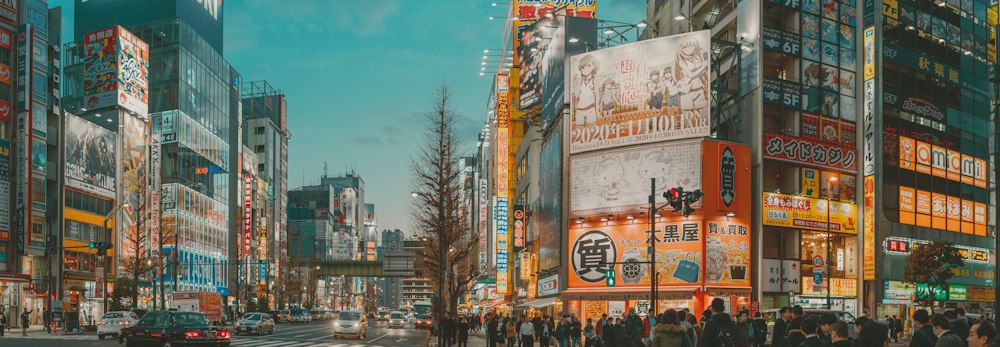
A black market in radio parts grew up under the railway arches here after the war, and those component stalls still trade beneath the…
The official pages this guide was checked against.
Last updated