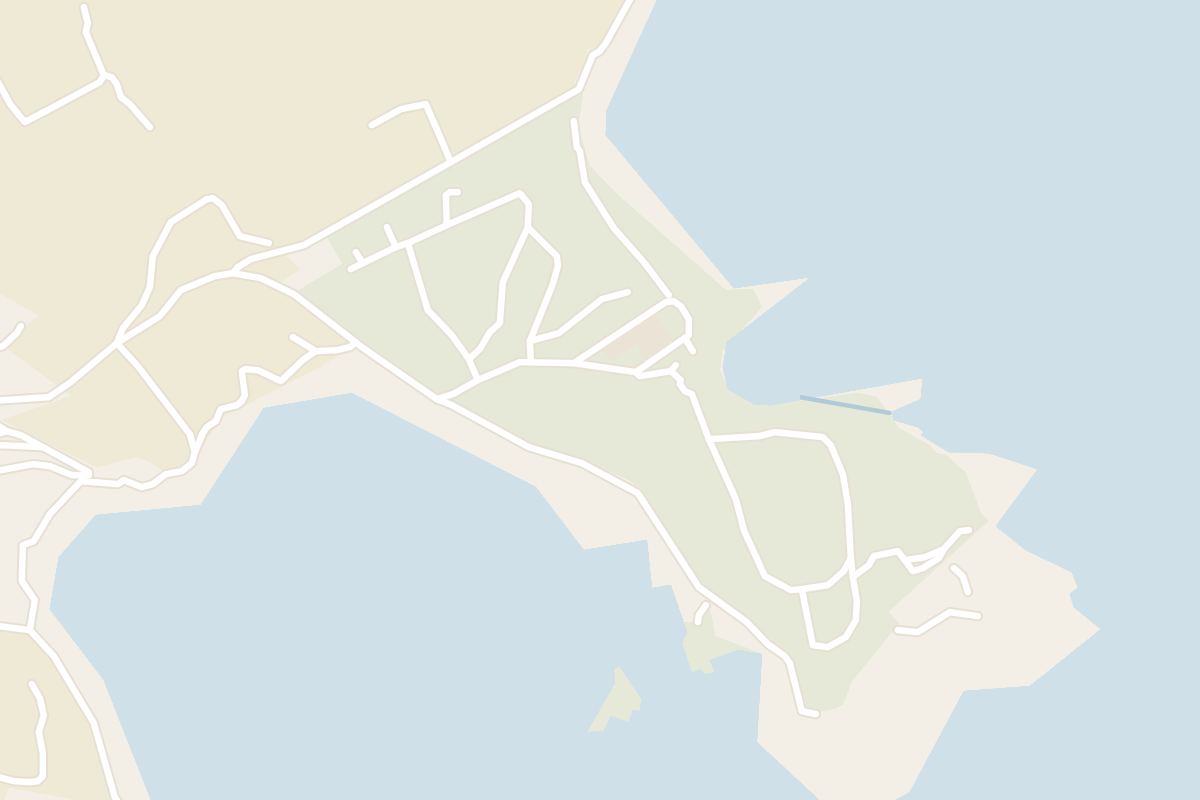
Booking a tour here shows you injured sea turtles and hedgehogs in care, and the walled headland around the centre, on Malta's south-eastern tip, gives you views of the Munxar Cliffs.
Park, Marsaxlokk. Meridian Dispatch.
Yes. The park is open for walks, and the wildlife rehabilitation centre runs booked tours every day of the week. Entrance is free, and donations are welcome.
It is about 10 minutes by car, past Tas-Silġ church. No bus goes to the park itself; the nearest stop is Abdosir, followed by a walk uphill.
Walking paths across garrigue, working salt pans, the base of an old watchtower and the animals in care at the wildlife centre. The prehistoric temple site is backfilled.
Nature Trust Malta. It looks after the park and the native trees and shrubs planted across it, and runs the wildlife rehabilitation centre in the former Deutsche Welle building.
Yes, from the rocks, as there is no beach. Entry is from bare limestone into open, deep water, which suits confident swimmers in water shoes. The peninsula faces south-east, and the sea below it is calmest in westerly, north-westerly, northerly and north-easterly winds.
Three bays are within walking distance. The bay just outside the park is closest, about 3 minutes, St Peter's Pool takes about 20 minutes and Kalanka Bay about half an hour, and all three can also be reached by car or bike.
Xrobb l-Għaġin is a flat-topped peninsula ringed by low cliffs on Malta's south-east coast. Nature Trust Malta manages it as a park of over 155,000 square metres.
The name comes from the sea below. In rough weather the soft rock stirs up the seabed, so the coast fills with bubbles and the water turns creamy. In Marsaxlokk and Marsaskala, pasta water is called xrobb l-għaġin.
A wall runs around the park. Its southern half is left wild, with steppe grass and patches of low shrubs, while the northern half has been planted with maquis, carob, Aleppo pine and holm oak.
In spring the park fills with violet and pink wildflowers, and hoopoes and turtle doves visit. Bottlenose dolphins are often seen offshore, feeding on scraps from the fish farms.
The building at the centre was a Deutsche Welle radio relay station from 1974 to 1995 and now houses a wildlife rehabilitation centre. On a tour you see the animals in care that day and the real entanglements some rescued turtles were found in. The talk covers turtle nesting and the hazards local wildlife faces.
Out at the cliff edge, a prehistoric temple has largely collapsed into the sea. Heritage Malta has moved six large stones inland from the receding cliff.
Driving out of Marsaxlokk, turn at Tas-Silġ church and take the road down towards the sea. Keep left where it splits and carry on to the park, then leave the car outside the park and walk in.
Without a car, take bus 119 to the Abdosir stop in Marsaxlokk and walk uphill through the countryside.
Inside, paths with information boards cross the plateau and pass salt pans that are still worked. Walk them before or after the wildlife centre tour.
Wildlife centre tours run on weekends and public holidays as well as weekdays, unless already fully booked. Book ahead, as tours can be full, and give the number of adults and children and a mobile number with your booking. Then walk to the main building and wait in front of its entrance.
Bring water and food, because nothing is sold inside the park, and plan any picnic out of the summer midday sun: there is no shade at all on the rocks.
The wildlife centre is fully accessible. Give notice when you book if anyone in your group needs special arrangements.
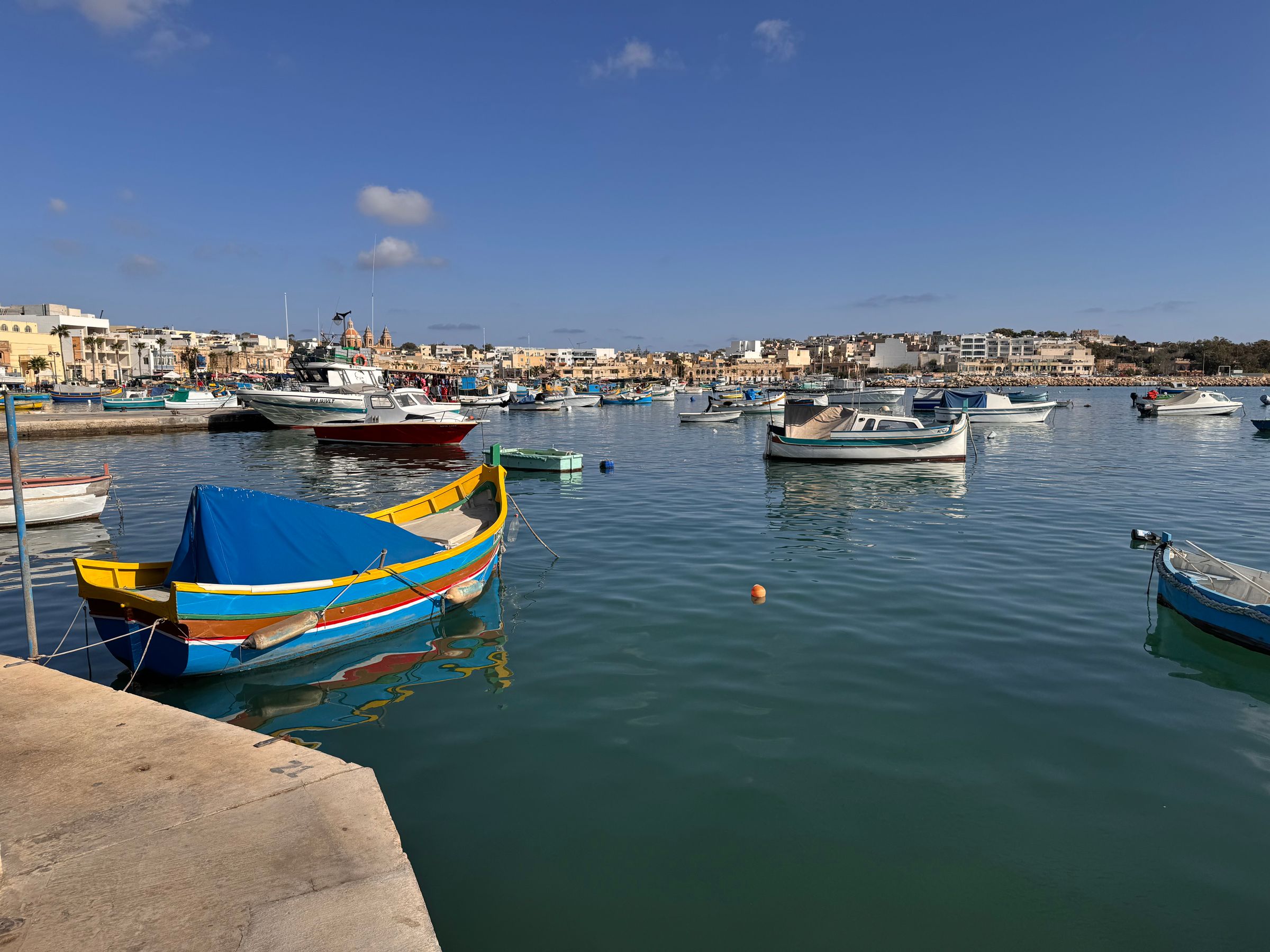
Marsaxlokk sells the night's catch on its quay, among the painted luzzu boats. After lunch on the harbour, you can swim off the rock ledges at St Peter's Pool, a walk along the Delimara road.
Read the Marsaxlokk guideExplore the rest of Marsaxlokk
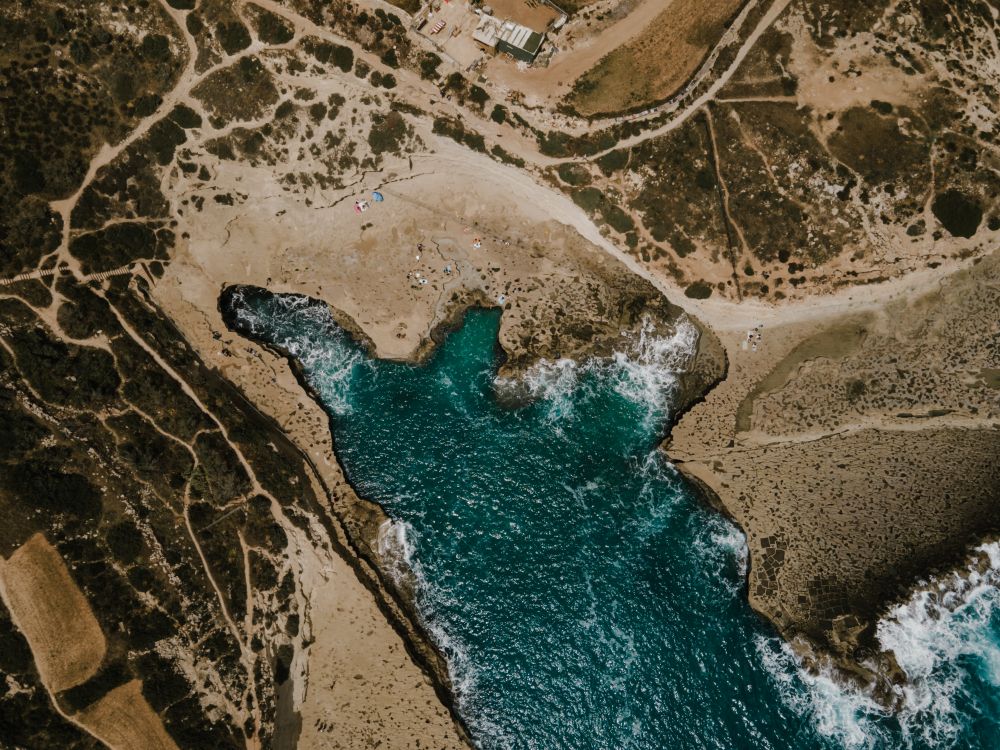
On the Delimara peninsula, St Peter's Pool is a natural rock pool of clear water ringed by flat limestone shelves. Swimmers jump from the…
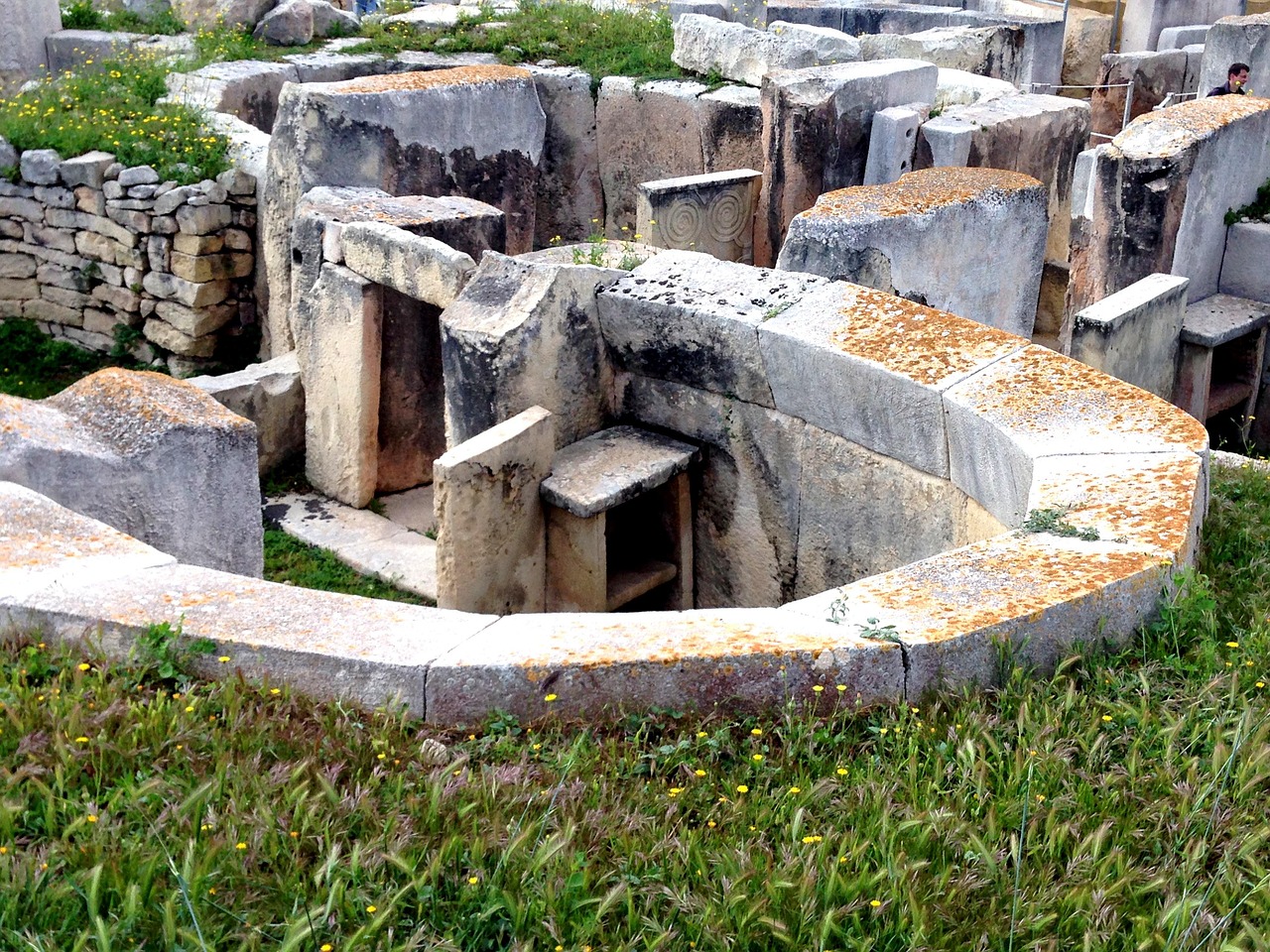
Four connected megalithic temples sit under a protective canopy among the houses of Tarxien, a short walk from the Hypogeum. Raised…
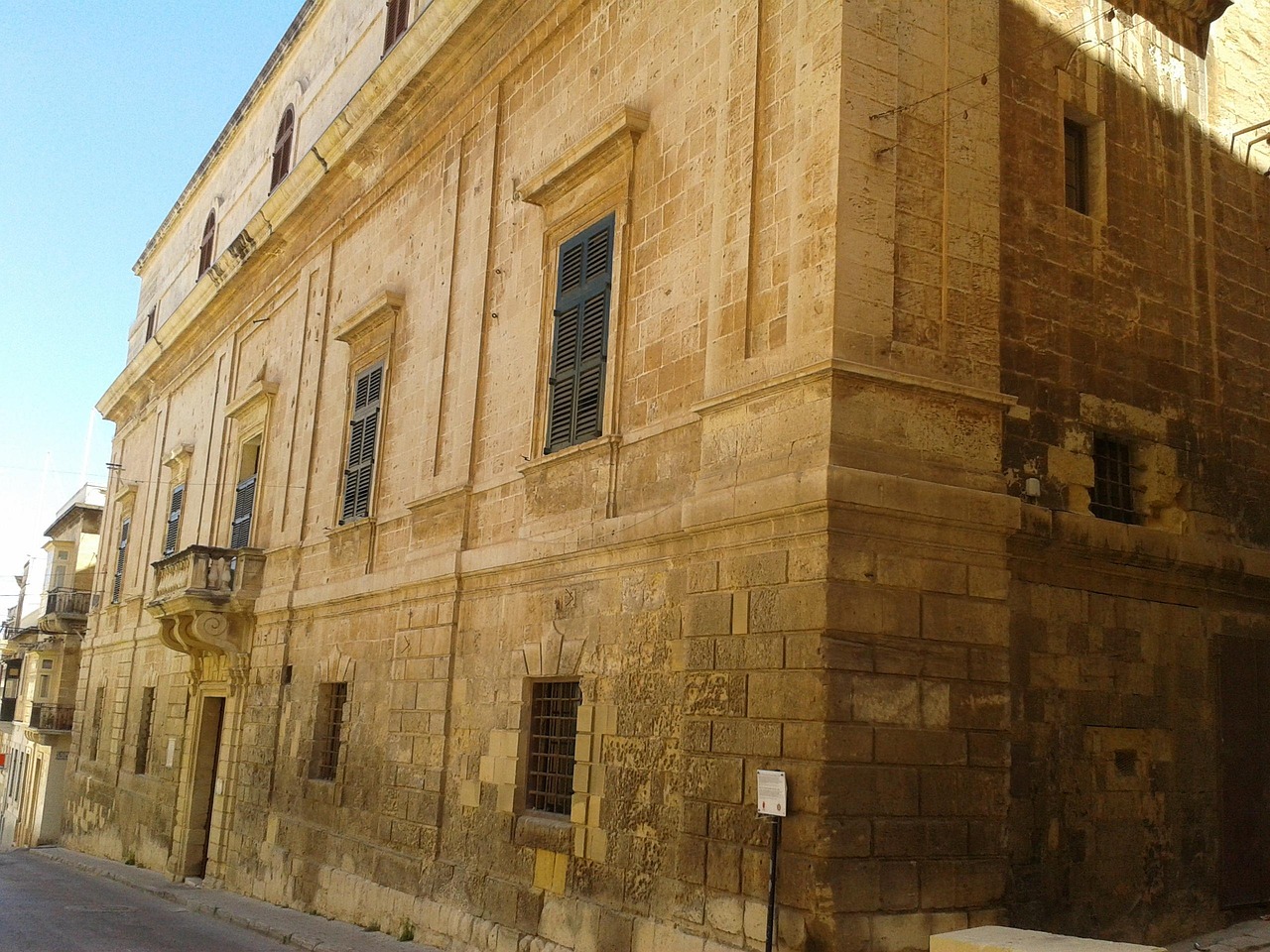
Rooms around a cloistered courtyard in the centre of Birgu show how the Roman Inquisition worked in Malta: the tribunal room, prison cells…
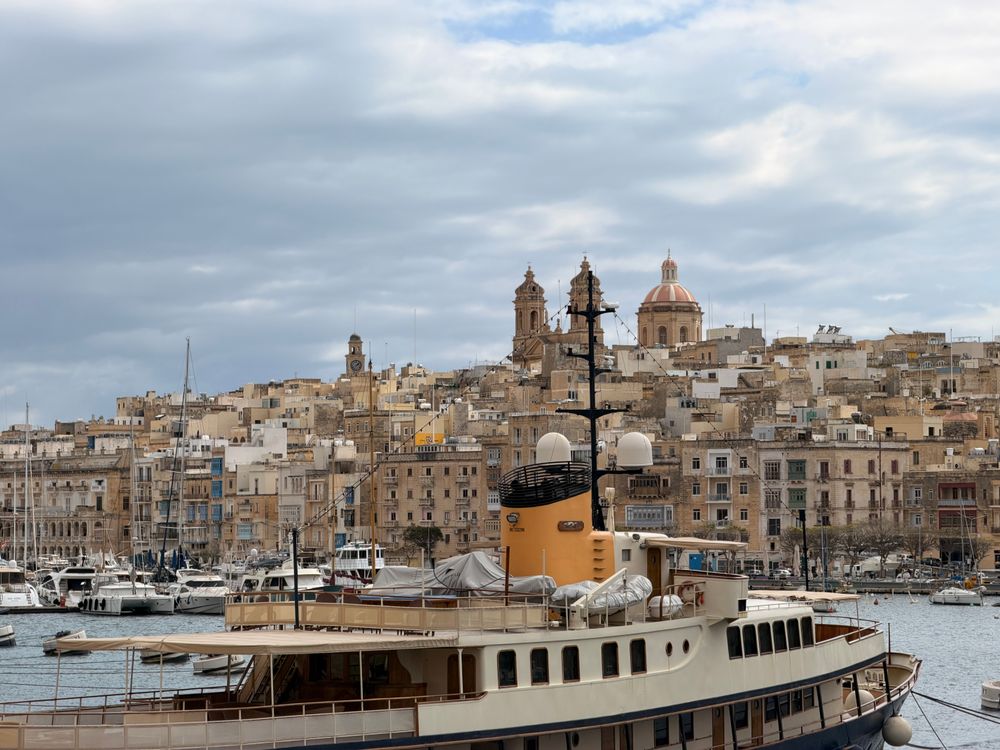
Three walled towns face Valletta across the Grand Harbour, and Birgu is the one to stay in: quiet stone lanes, Fort St Angelo at its tip…
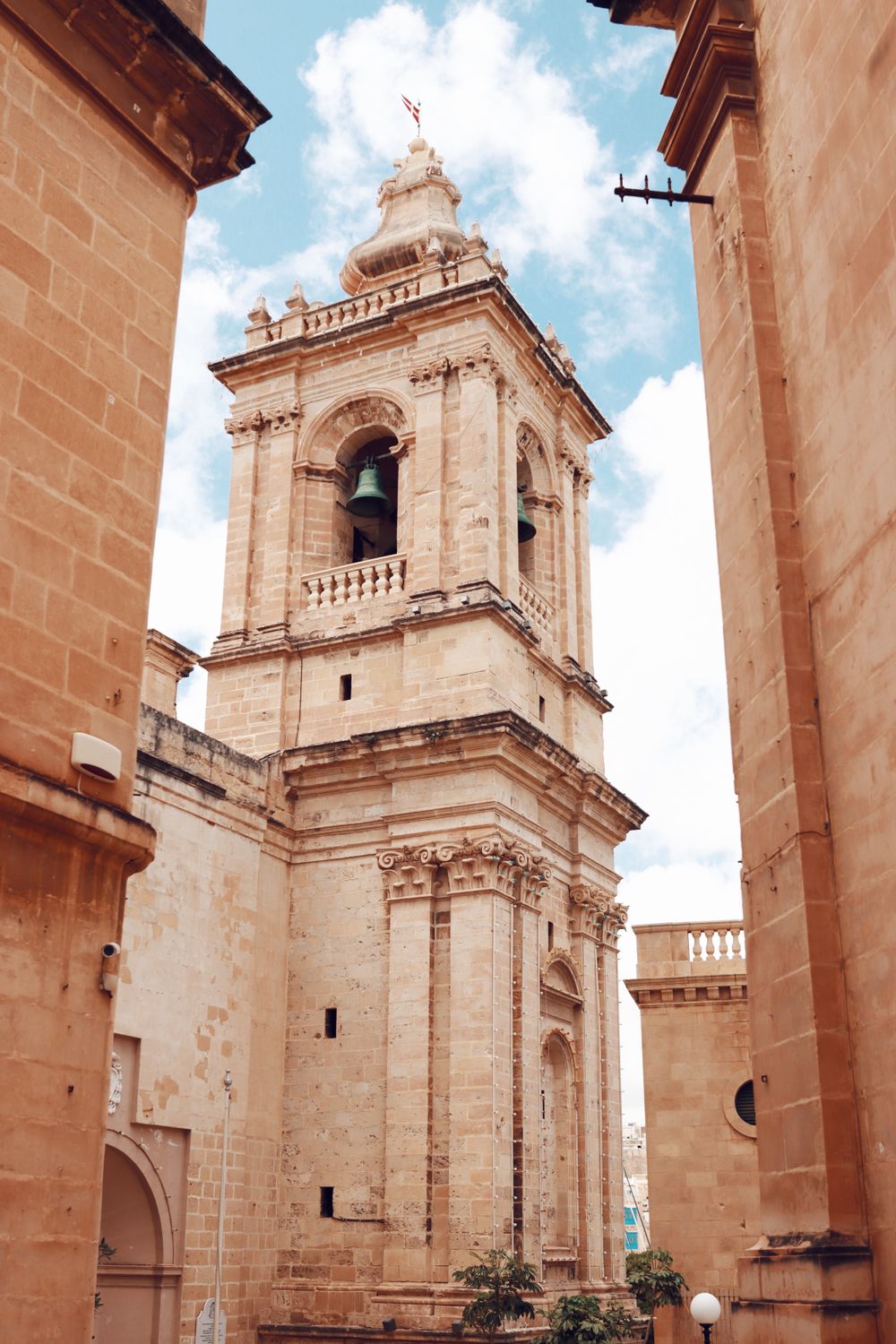
Facing the Birgu marina, St Lawrence served as the Knights' conventual church before St John's in Valletta was built. The interior has a…
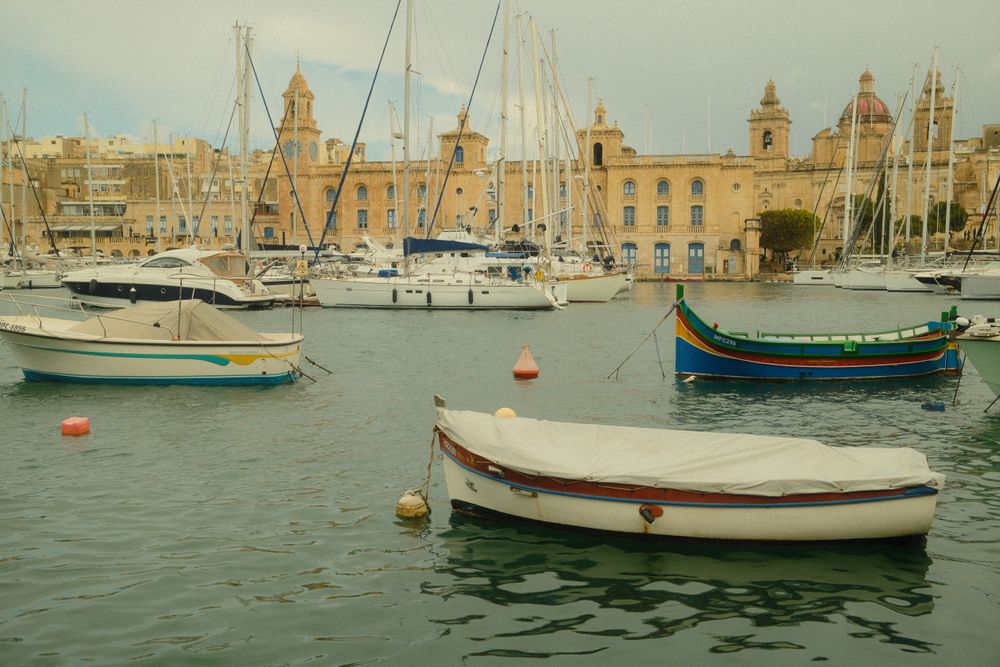
Yachts fill the marina below Birgu's old town, and the water taxis from Valletta tie up along it. Walk the length of the quay, then turn up…
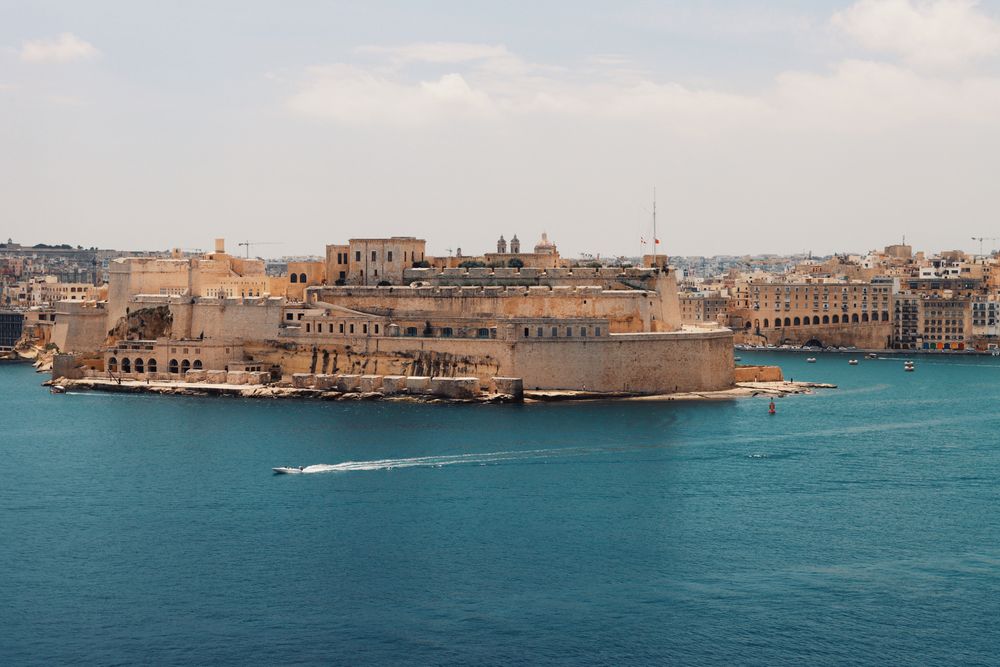
At the tip of the Birgu peninsula, Fort St Angelo guards the harbour mouth opposite Valletta. A ramped route climbs through restored…
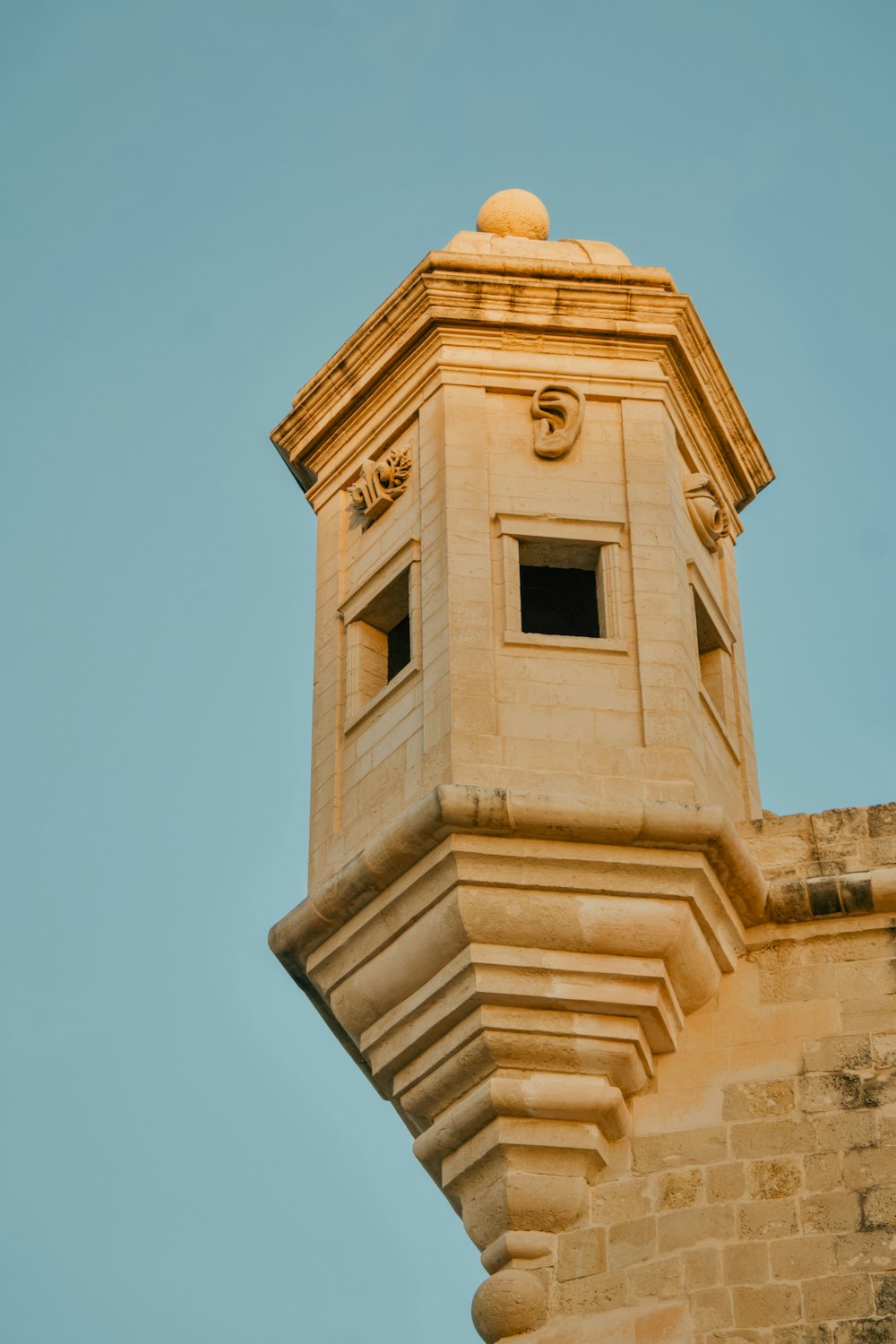
A small garden at the tip of Senglea ends at the Gardjola, a stone lookout carved with an eye and an ear as a sign of watchfulness over the…
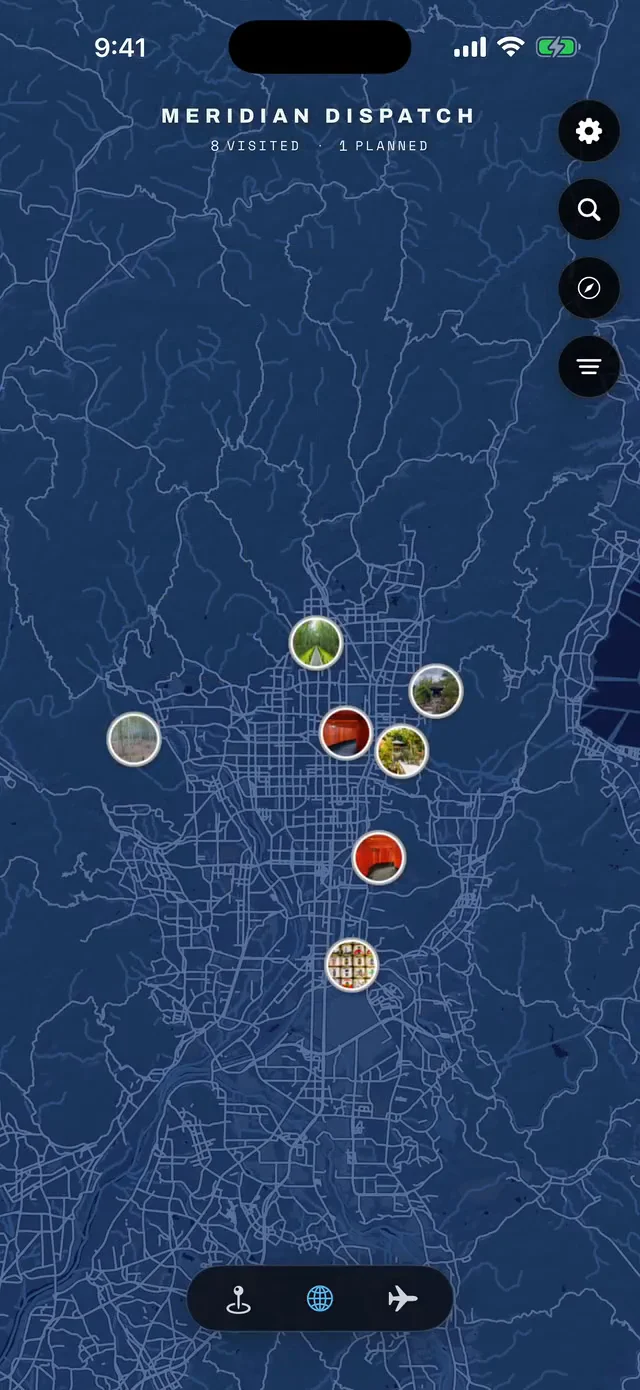
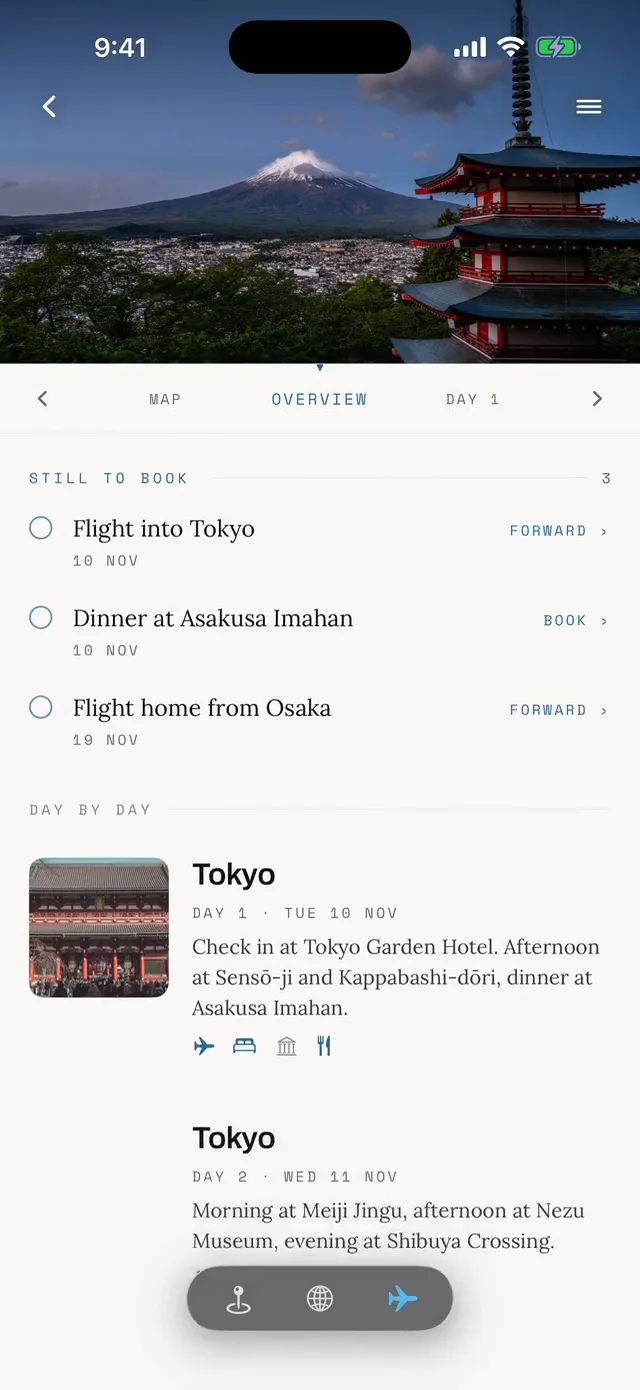

Save Xrobb l-Għaġin Nature Park to your Malta trip in the Meridian Dispatch app and build the day around it, with the best of Marsaxlokk pinned on one map.
Download on the App StoreThe official pages this guide was checked against.
Last updated