 Submit a photo
Ninety seconds on Wignacourt Museum
Parish Square, College Street, Rabat RBT 1400, next to St Paul's Basilica. The museum entrance is on the right-hand side of the small alley that runs beside the basilica.
Yes. The museum contains St Paul's Grotto and the Punic, Roman and early Christian rock-cut tombs around it, reached by an underground passage inside the building.
As of November 2026, the museum opens from 09:30 to 17:00, Monday to Sunday. Last admission is at 16:00, an hour before the doors close.
By bus, routes 50, 51, 52 and 53 all call at the Rabat Saqqajja stop. Route 50 also stops at Rebha, and routes 51, 52 and 53 stop at Saura and Inguanez.
The shelters hold about 50 rooms, and around 350 people took refuge in them during air raids. Each family had its own room dug by pick axe, and the room numbers can still be seen.
The first-floor gallery has works by Mattia Preti, Antoine Favray and Francesco Zahra, alongside other Maltese and European artists. The same floor holds a wooden altar used for Mass on the galleys of the Order of the Knights of Malta.
One museum in Rabat takes you from a gallery of religious art down to St Paul's Grotto, Roman tombs and the air raid shelters Maltese families dug in World War II.
The museum fills the former baroque residence of the chaplains of the Order of Malta. Its core collection is religious art gathered by the Order, shown in a picture gallery alongside a chapel and several smaller collections.
Under the house is St Paul's Grotto, where the apostle is believed to have stayed after he was shipwrecked on Malta. Museum and grotto form one Pauline complex, physically linked to each other.
Around the grotto runs a maze of hypogea, rock-cut tombs from Punic, Roman and early Christian times. They connect with a complex of World War II air raid shelters, laid out as two main corridors with fifty rooms off them.
The building has an upper floor and an underground section. From the museum you can also step into St Paul's Basilica, the Collegiate Church of Saint Paul.
An underground passage leads down into St Paul's Grotto, which is kept plain. The Roman-era catacombs and hypogea spread out around it, and the war shelters sit further below them.
Visitors describe climbing steps back up from the grotto, so keep some energy in reserve for the way out after the deepest rooms of the shelters.
Wear a light layer even on a hot day, because the underground section is noticeably cooler than the street above.
The museum has its own restaurant inside, so you can stop for a break between the galleries and the underground without leaving the building.
Explore the rest of Rabat
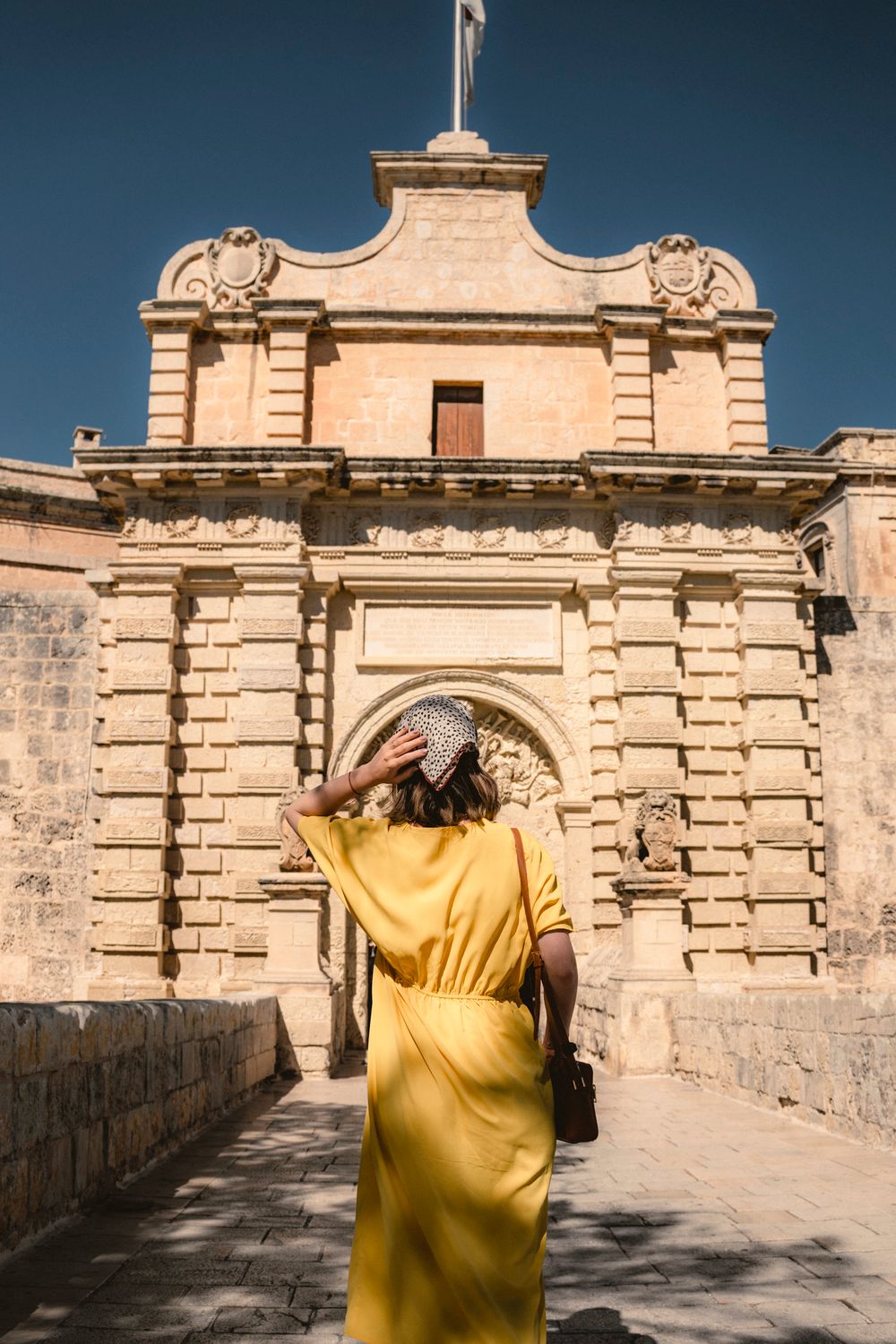
A stone bridge over the dry moat leads to Mdina's main gate, a baroque archway built in 1724 and carved with the arms of Grand Master…
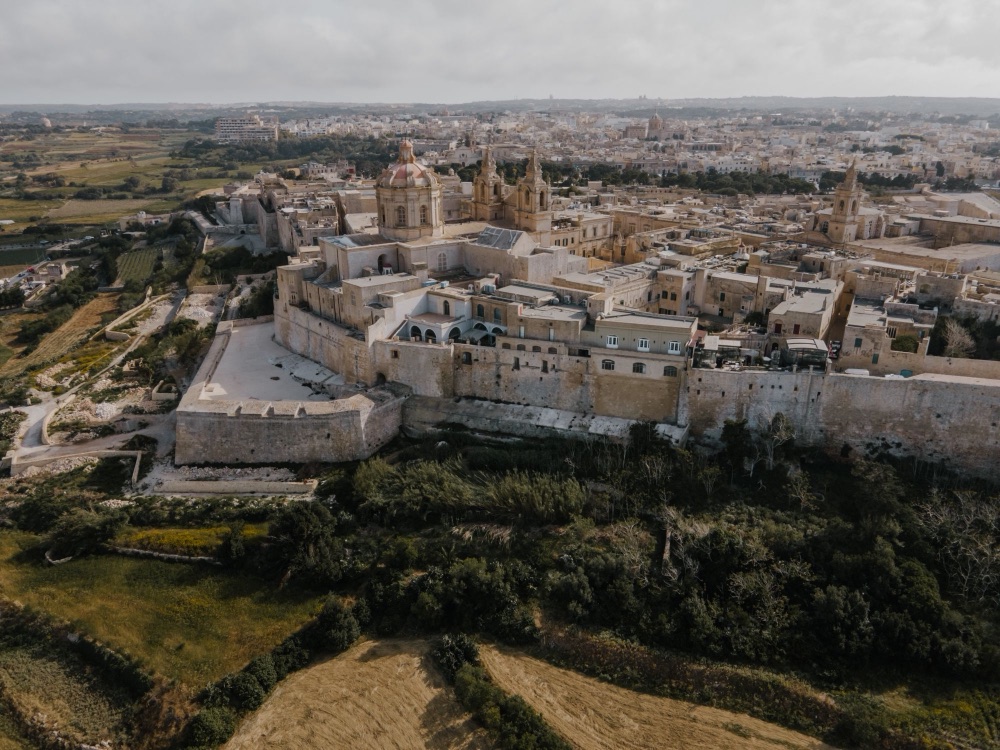
Inside a ring of bastions on a hill at the centre of Malta, the old capital is a quiet walled city of palazzi, churches and narrow lanes. A…
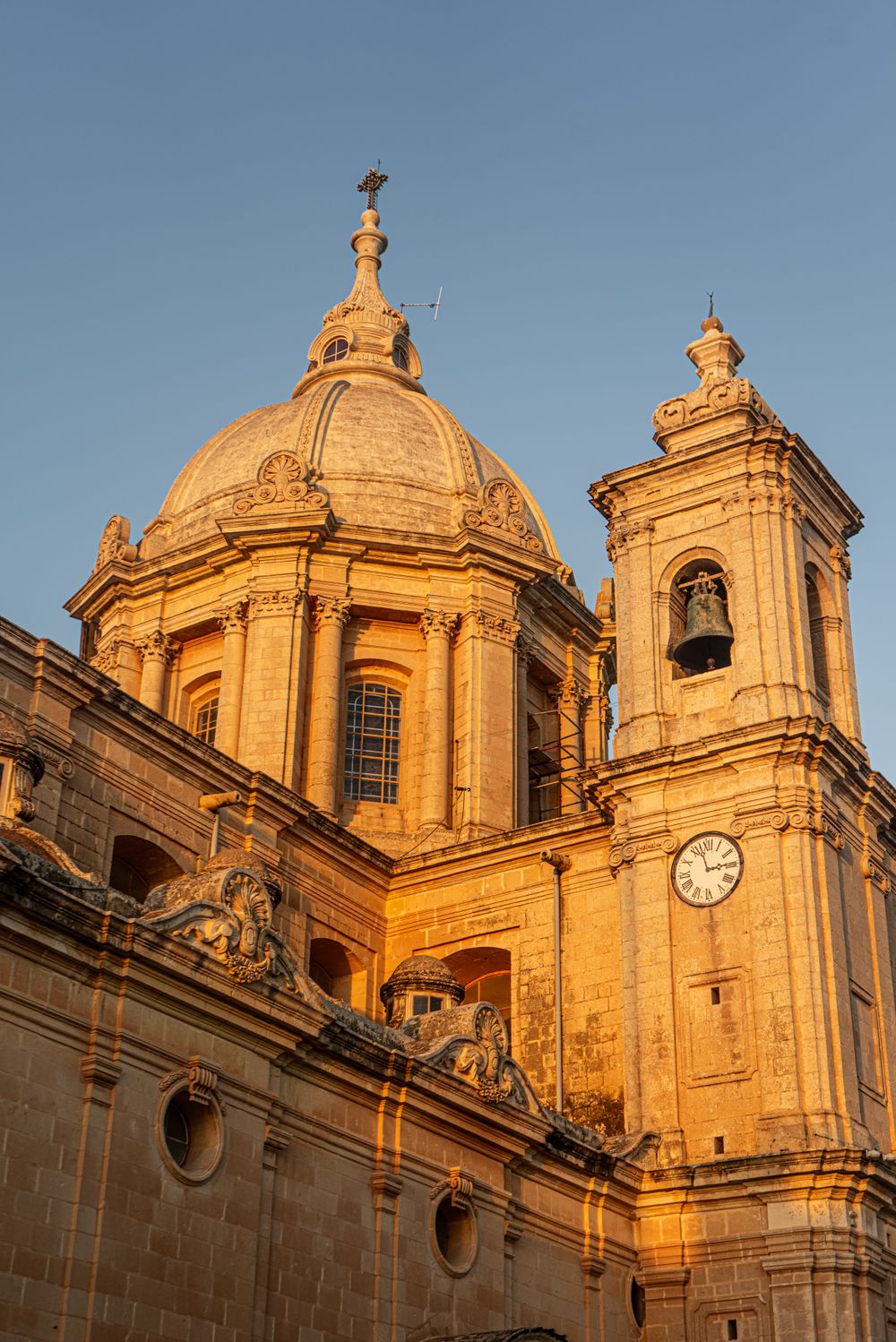
Baroque architecture and a floor of inlaid marble tombstones fill Mdina's cathedral, rebuilt by Lorenzo Gafà after the 1693 earthquake.…
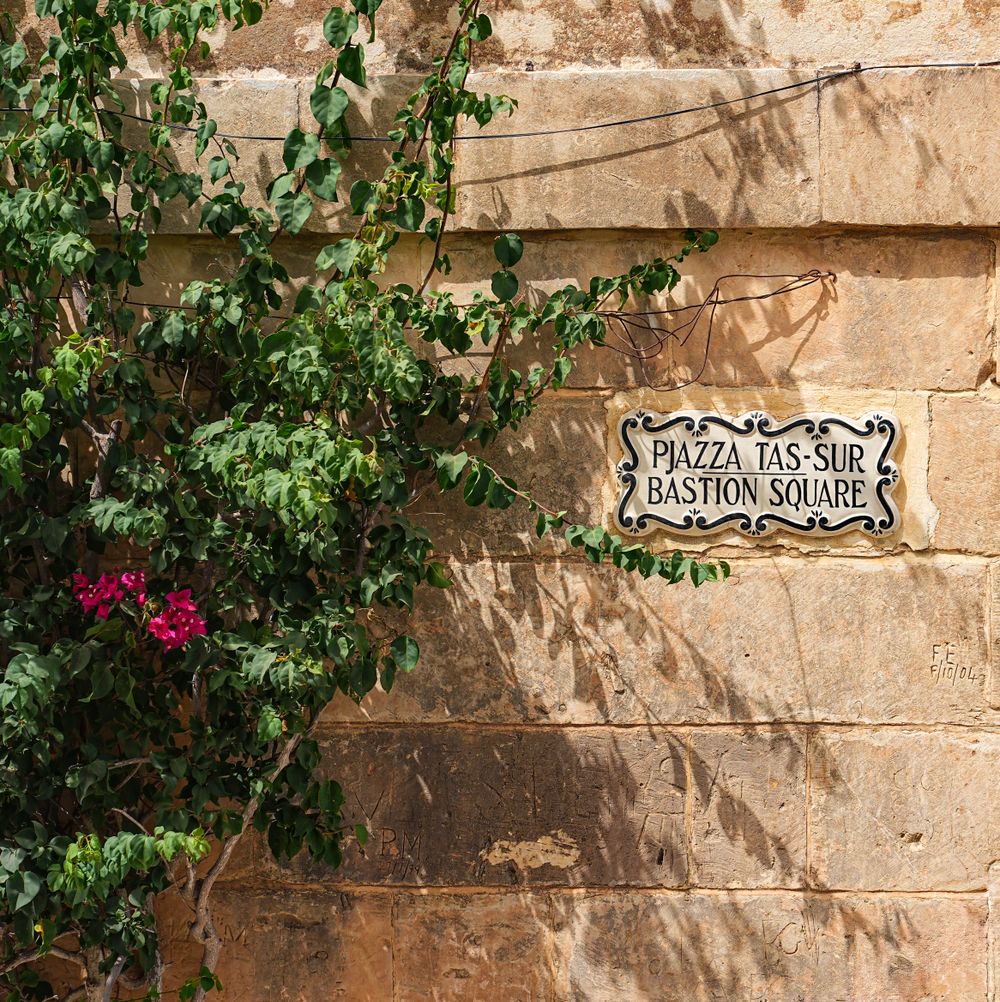
From the ramparts at the northern tip of Mdina, the view runs across central Malta to the Mosta dome and on to the sea at St Paul's Bay.…
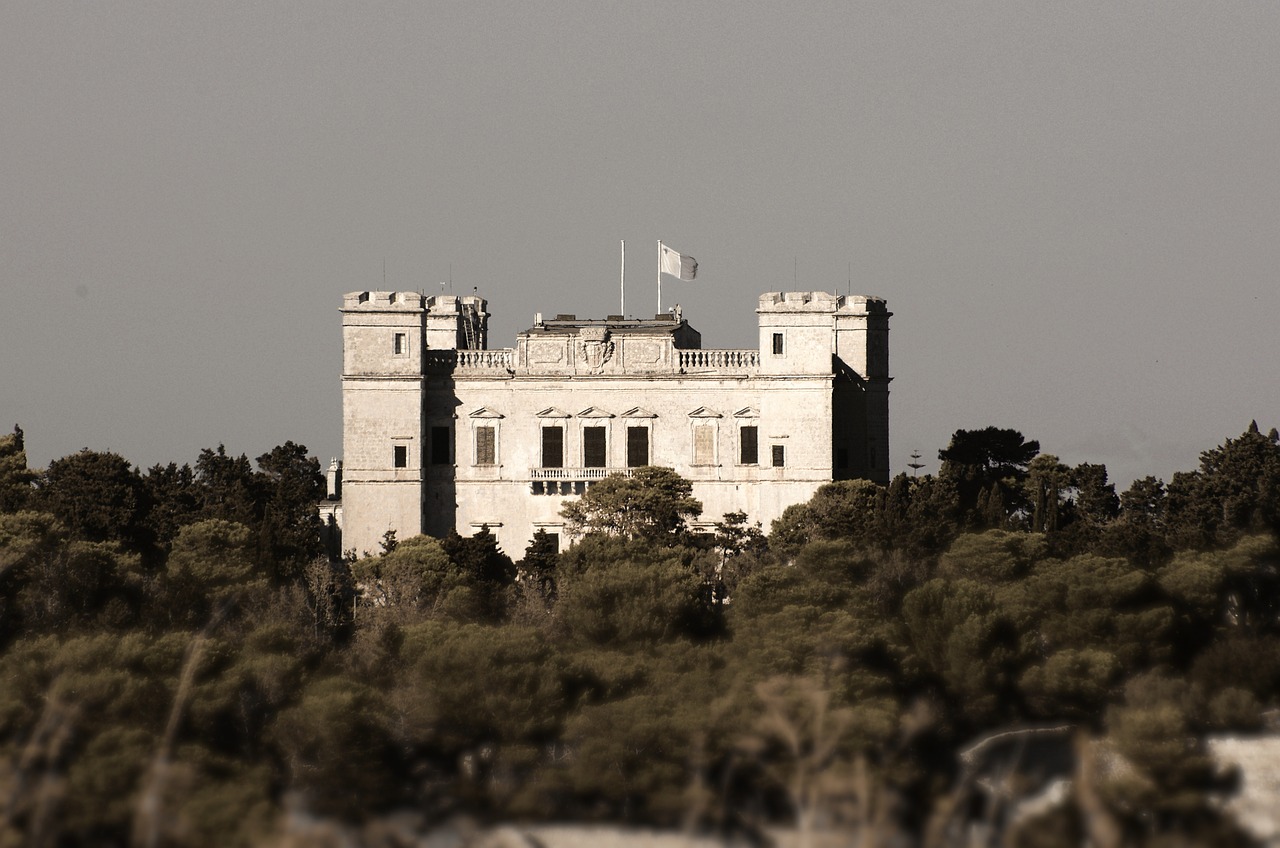
Malta's largest woodland fills a valley below Verdala Palace, with Aleppo pines, oaks, citrus groves and a stream that runs in winter.…
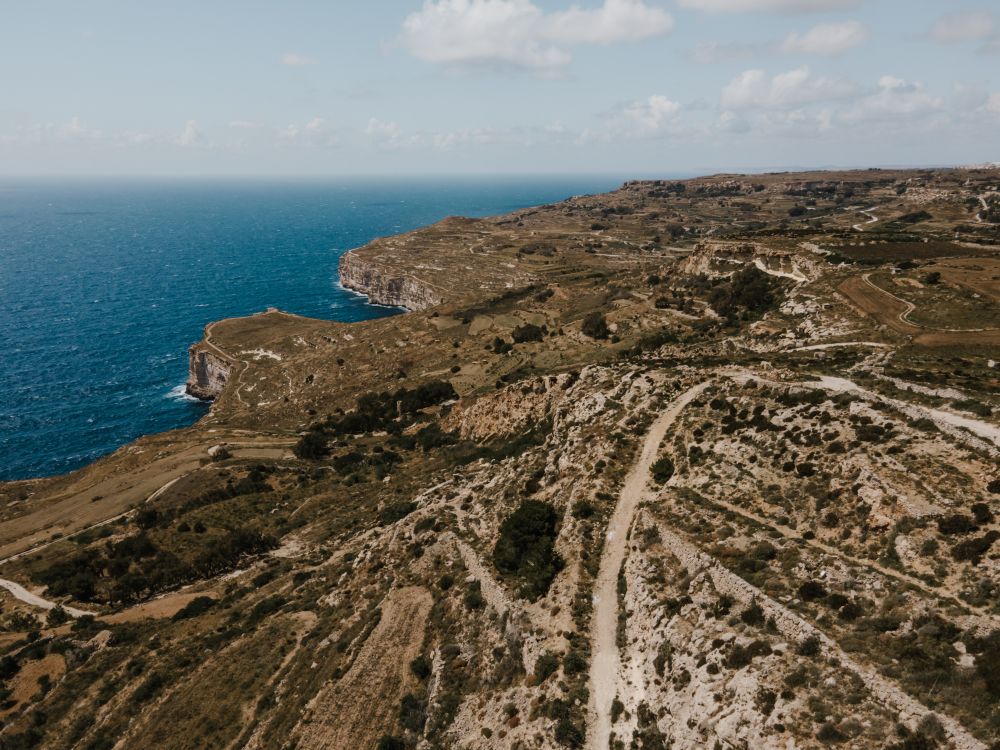
Sea cliffs drop around 250 m to the water along Malta's southwest edge at Dingli, the highest point on the island. A road and a footpath…
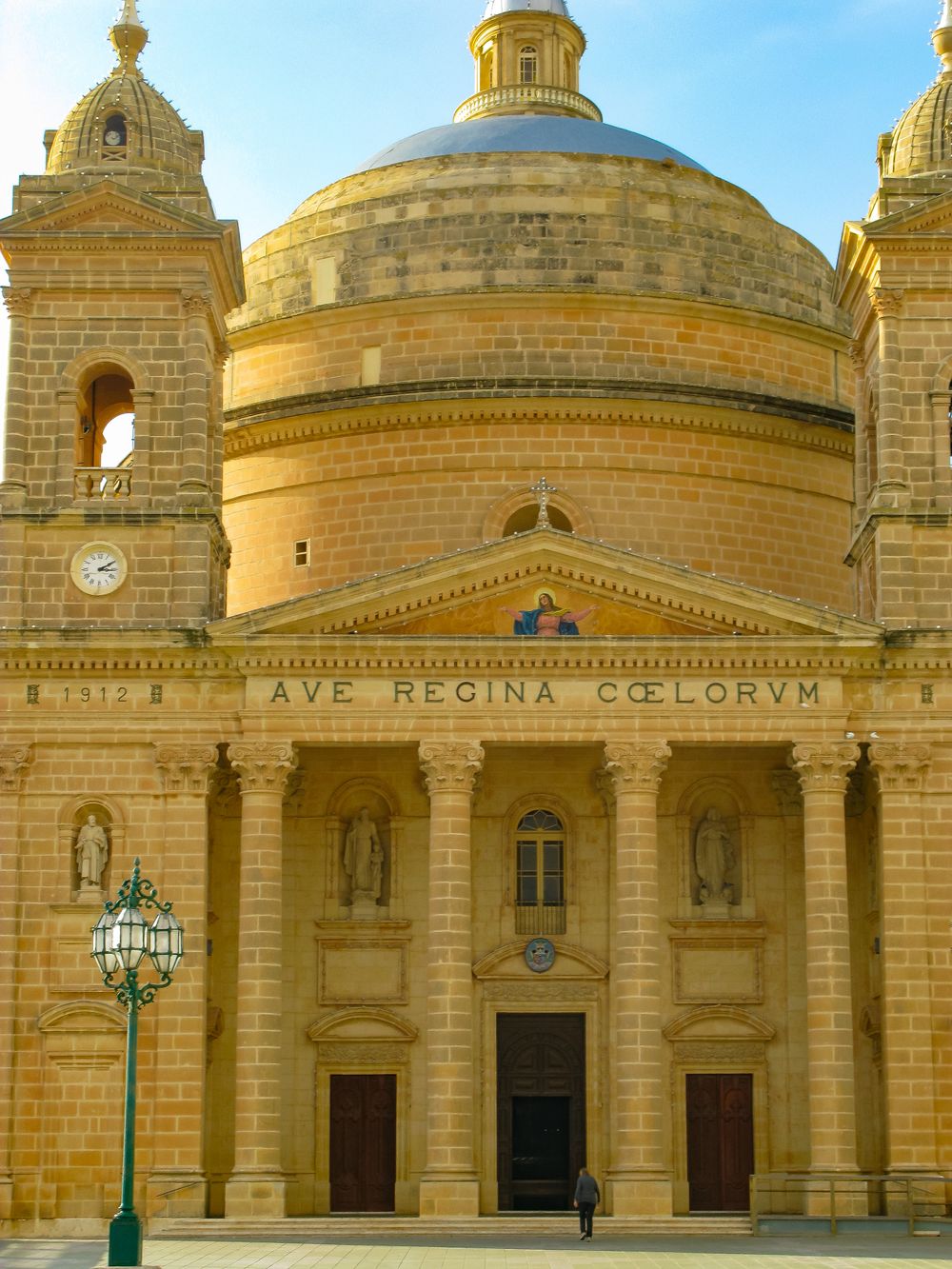
A dome among the largest unsupported church domes in Europe crowns Mosta's parish church, modelled on the Pantheon in Rome. In April 1942 a…
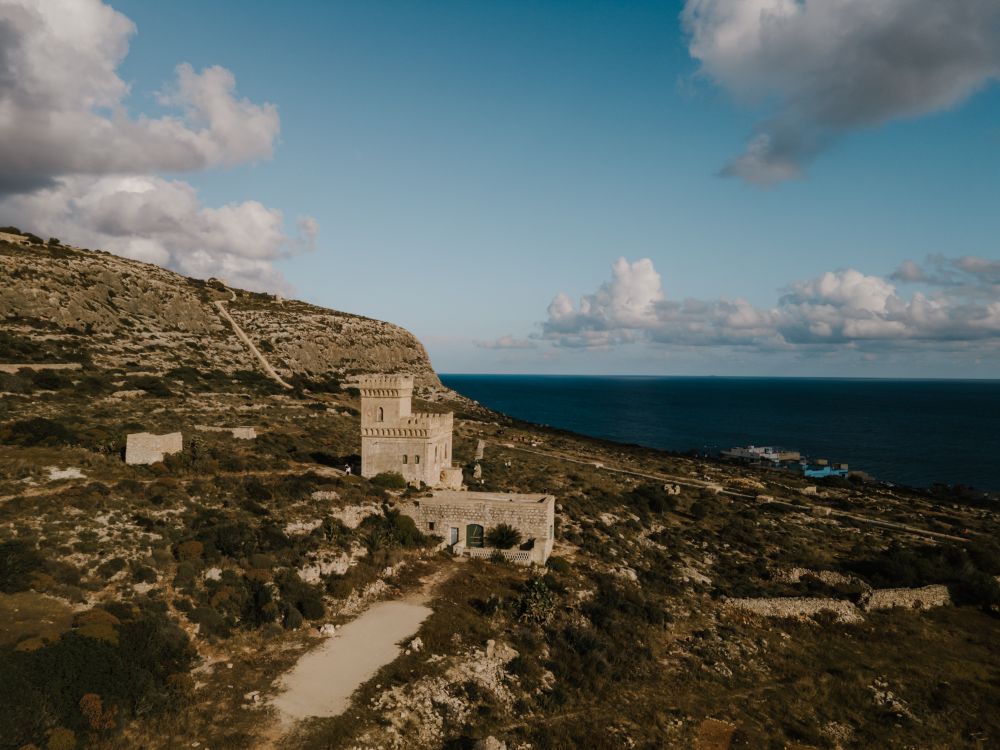
Cliffs shelter this rocky inlet of clear, deep water below Siġġiewi, once a favourite with snorkellers and divers for the caves near the…
Last updated