 Submit a photo
Ninety seconds on Salina Nature Reserve
Yes. Entrance to the reserve and the Salt Museum is free of charge, and donations are welcome. BirdLife Malta runs the reserve, and slots at its birdwatching hide are booked in advance.
Part of the park is open to walk freely every day, from 7am to 8pm between April and September and from 7am to 6pm between October and March. BirdLife Malta gives 8am to 4pm for the Visitors' Reception Centre and the Salt Museum; before a late visit, call the reserve on 2750 4265.
Get off at the Għasfur or Salini stop, both on the Coast Road beside the reserve. Routes 49, 212, 222, 225, X1 and X1B serve them, and so do the night routes N11 and N212. The ride from Valletta takes roughly 45 to 60 minutes, depending on traffic.
Yes. Malta's first salt museum opened at Salina in July 2024 and tells the history of salt production on the islands. A staff member is on site to answer questions.
Yes. The pans are still harvested by hand in summer, which is the best season to see the harvest. Summer is a quieter time for birds at the reserve, and spring brings the migration.
Gulls gather on the salt pans regularly, among them Black-headed, Mediterranean and Audouin's. Sandwich Terns can be seen almost every day, and rarer terns such as Gull-billed and Caspian turn up from time to time.
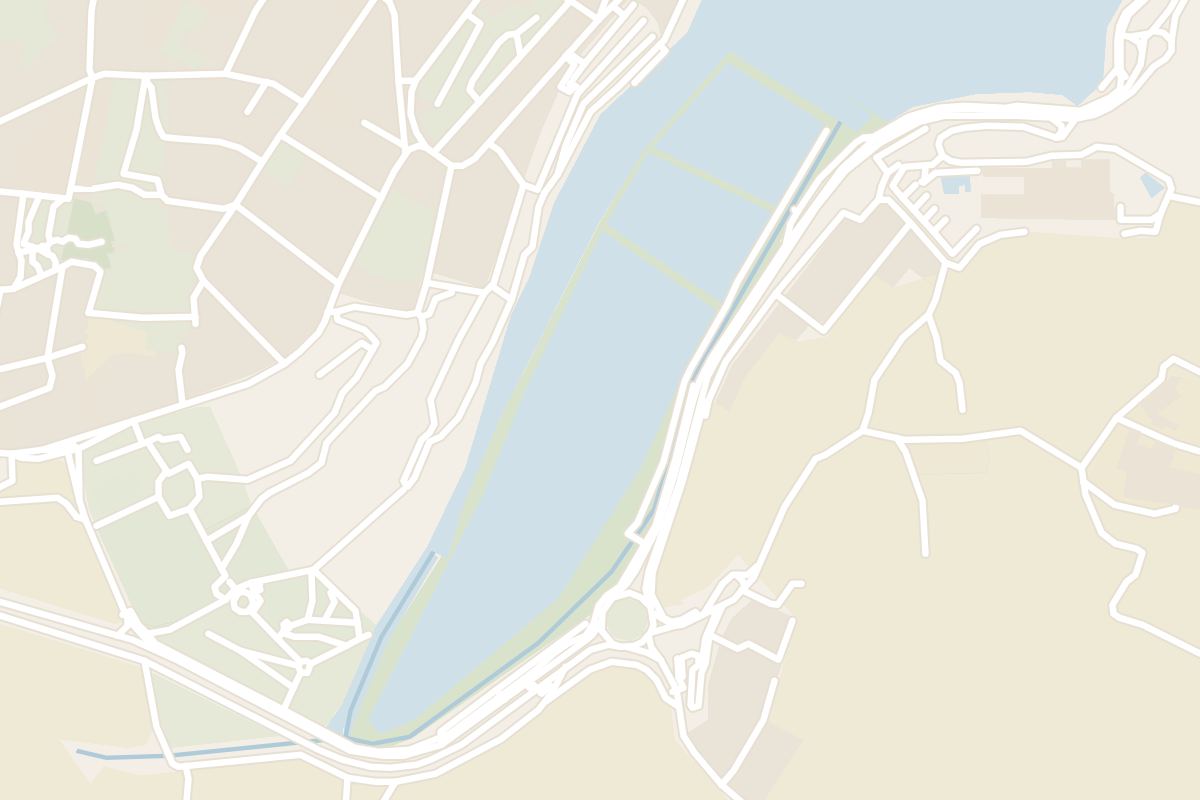
Rectangular salt pans at the head of Salina Bay that birds on migration use as a resting stop. You walk the open part of the park on your own, after a stop in Malta's first Salt Museum.
The reserve covers 154,000 square metres of saline marsh and salt pans, laid out on a reclaimed island of clay. Low garrigue scrub surrounds it, and the rectangular basins are what you look across from the path.
The Knights of St John built the pans in the 16th century. Three timber huts stand among them, rebuilt in the style of the originals that served the salt works, and one of them is now the visitors' centre.
The birds change with the season. In winter, Common Sandpipers feed around the reserve, while migration brings herons and egrets and, very rarely, a Greater Flamingo.
The whole site is a Natura 2000 Special Area of Conservation, protected for its endemic plants and animals.
From the entrance on the Coast Road, where there is parking, go first to the visitors' centre. It and the Salt Museum keep shorter hours than the grounds, so step inside before you walk.
A walking path then leads through aromatic plants and between the salt pans. The walks are short and have no named trails: you follow the pan edges, then a level path along the water that links the reserve to the seafront.
The restored wetland on the Kennedy Grove side of Salina has a birdwatching and photography hide. Slots at the hide are booked through BirdLife Malta.
There is almost no shade on the salt pans. Bring a hat, sunscreen and water, and skip the middle of the day in summer.
If you are staying in Buġibba, the reserve is about 1 km away, roughly a 15-minute walk.
Explore the rest of St. Paul's Bay
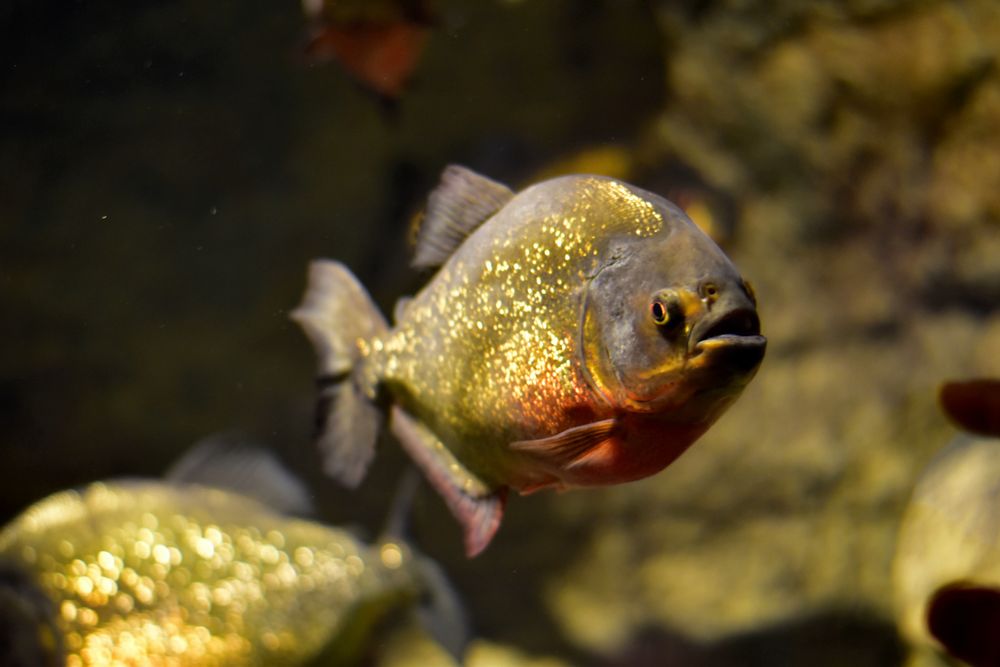
Shaped like a starfish on the tip of Qawra Point, the aquarium holds tanks of Mediterranean species, a walk-through tunnel with sharks and…
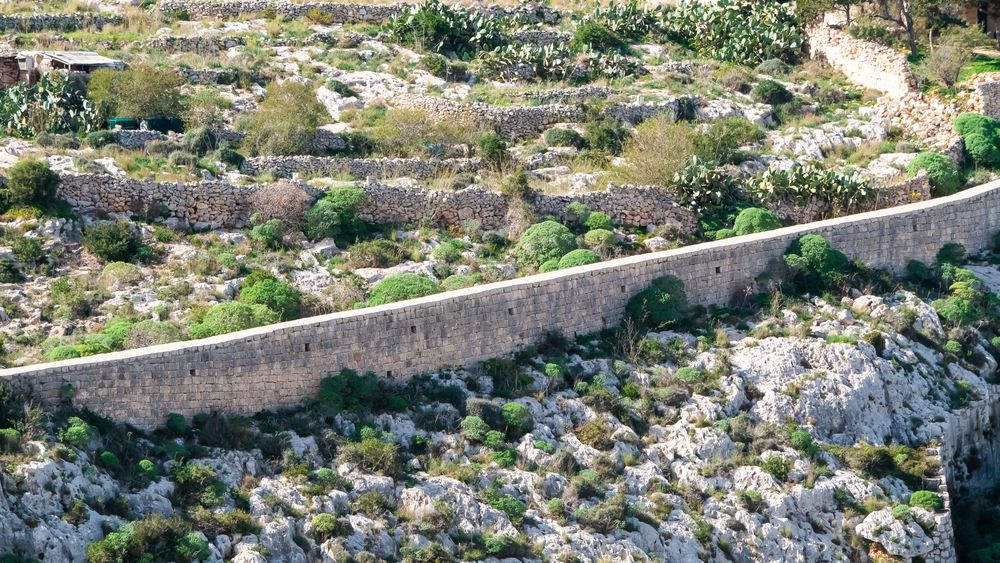
A British defensive wall follows the Great Fault escarpment for about 12 km across Malta, from Madliena in the east to Fomm ir-Riħ in the…

A dome among the largest unsupported church domes in Europe crowns Mosta's parish church, modelled on the Pantheon in Rome. In April 1942 a…
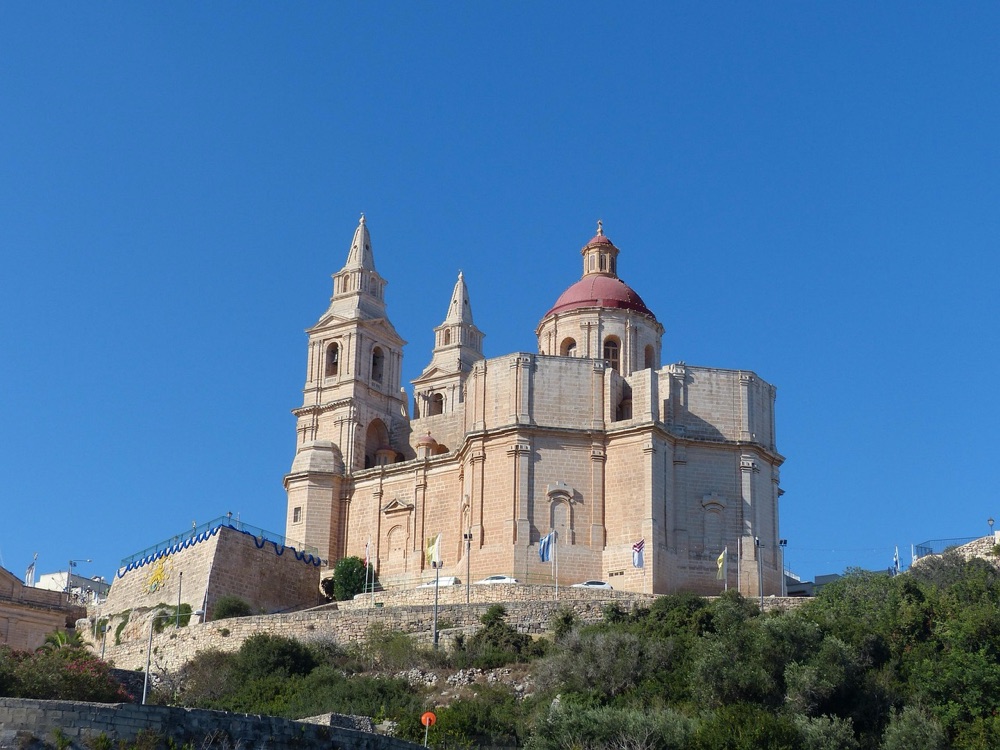
On a ridge above a sandy bay, this hilltop town is the base for the northern beaches, the boats to Comino and the Gozo ferry at Ċirkewwa.…
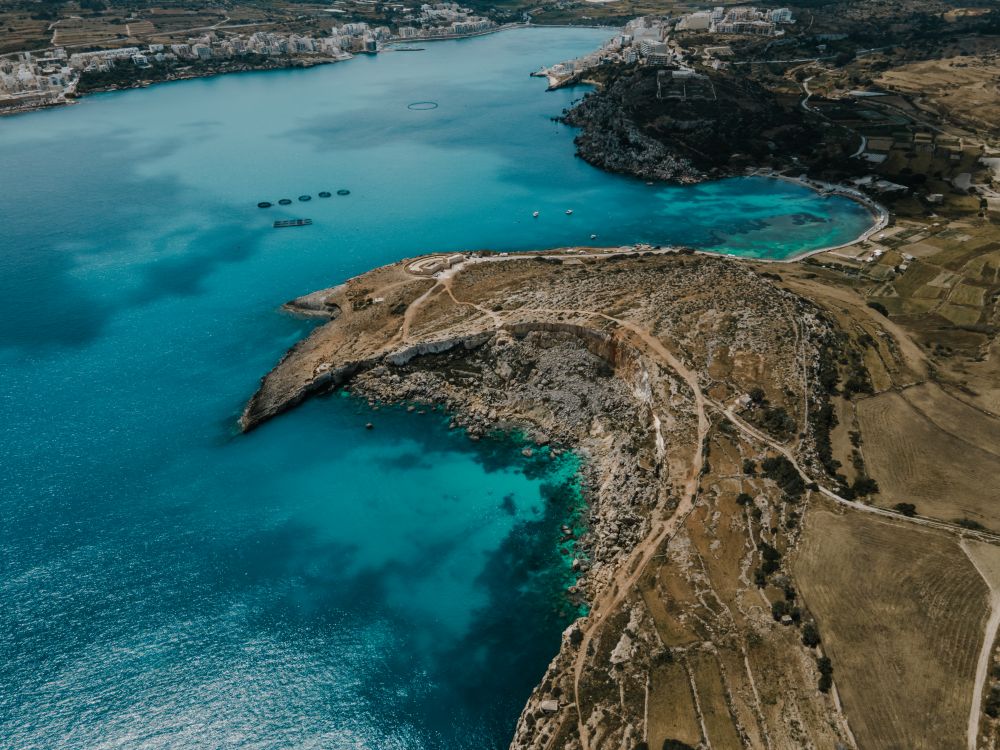
The longest sandy beach on Malta runs along Għadira, at the foot of the Mellieħa ridge. Shallow, calm water stays waist-deep a long way…
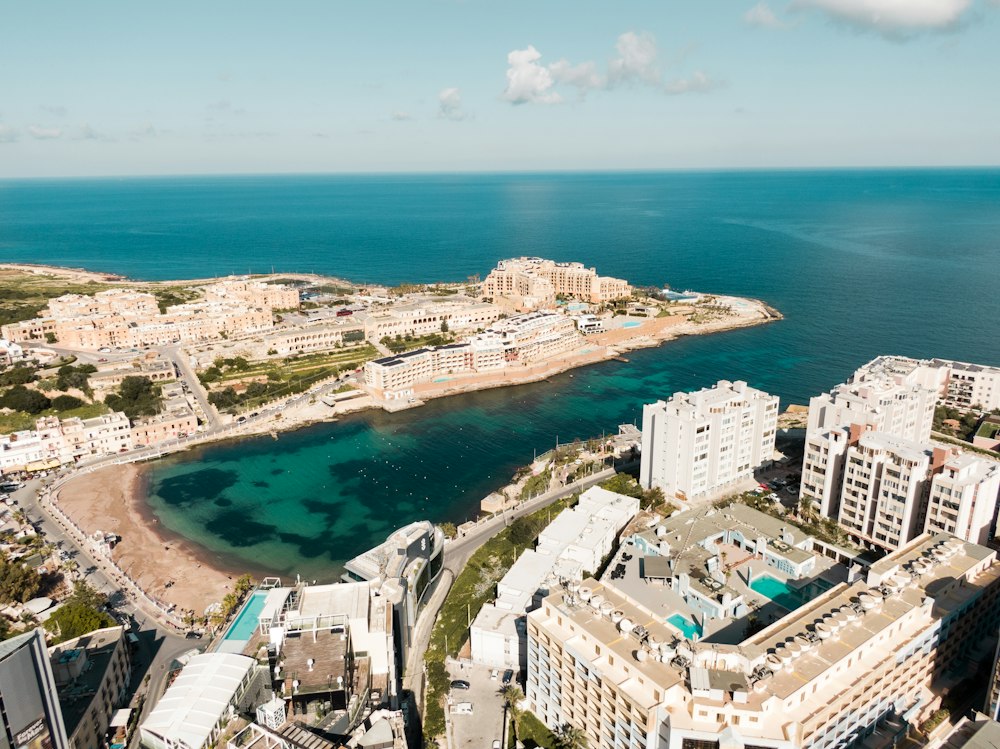
The one real sandy beach in the Sliema and St Julian's area lies at the foot of Paceville, framed by hotels and Dragonara Point. The sand…
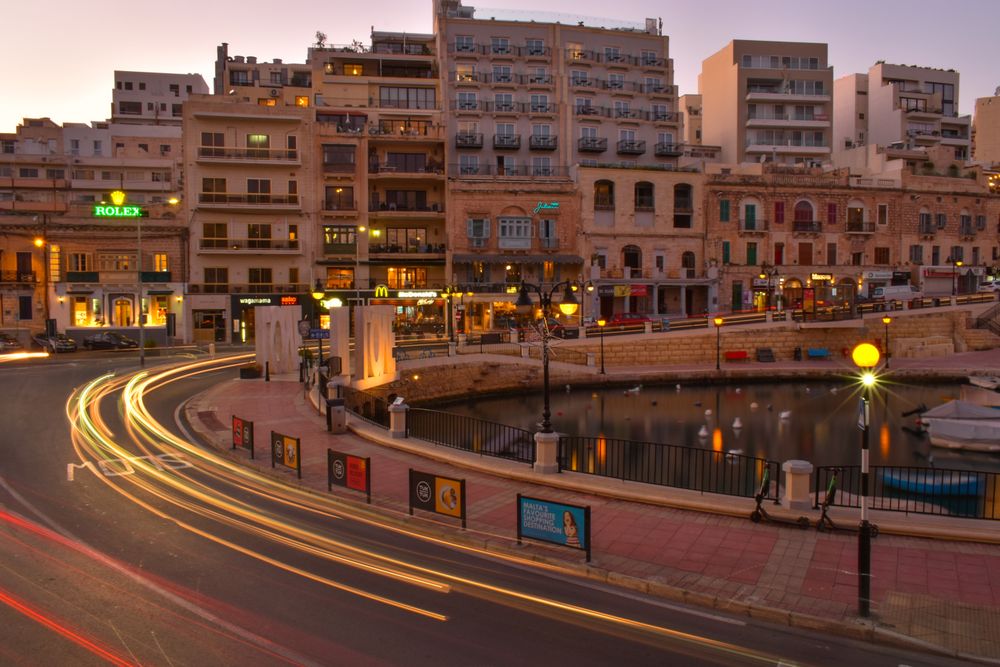
North of Sliema, the shore runs round two small bays and on to a strip of sand: Balluta first, then Spinola, with fishing boats moored…
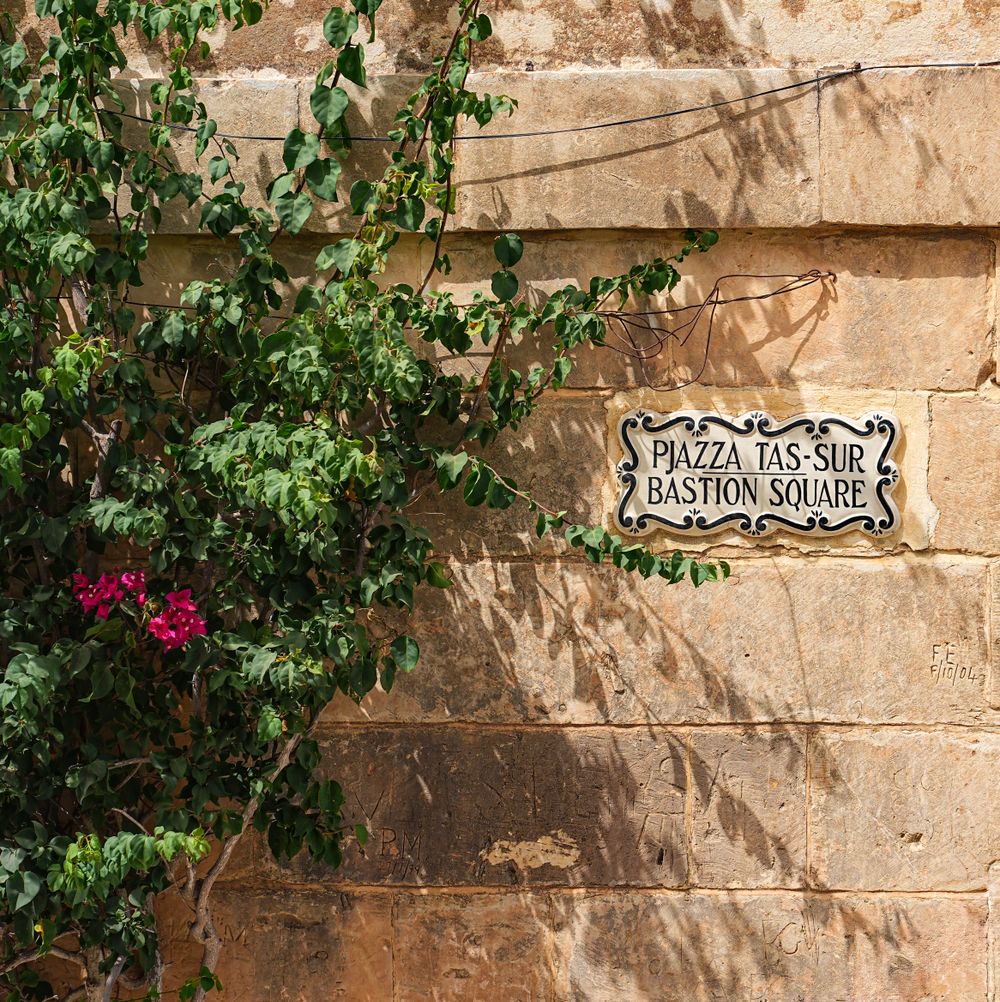
From the ramparts at the northern tip of Mdina, the view runs across central Malta to the Mosta dome and on to the sea at St Paul's Bay.…
Last updated