Bring a picnic: a short walk from Gusinje, icy water rises under a cliff into a turquoise pool that becomes a river.
Landmark, Gusinje. Meridian Dispatch.
Travel to Gusinje first. The town is about 10 km by road from Plav, and about 180 km from Podgorica via Kolašin, Andrijevica and Plav, roughly three and a half hours. From the town centre the springs are a walk.
Spring, when the water is at its fullest and flows towards the Vruja. The flow in that season can be up to three times the drought-summer rate.
Yes, a small seasonal one beside the springs, open roughly from June to September. It serves grilled trout often caught in the river that morning, with kajmak and bread baked under hot embers.
Yes. Although they sit on the edge of Gusinje, a short walk from the town centre, the springs lie inside Prokletije National Park, about 10 km from Plav Lake.
Yes, the springs can be reached in every season of the year. The road out of town can turn muddy in winter, but it is usually still passable.
Yes. The hiking route from Gusinje to Gerani turns off the road towards Ćosovići and reaches the springs soon after its start, so the pool is the first stop on that walk.
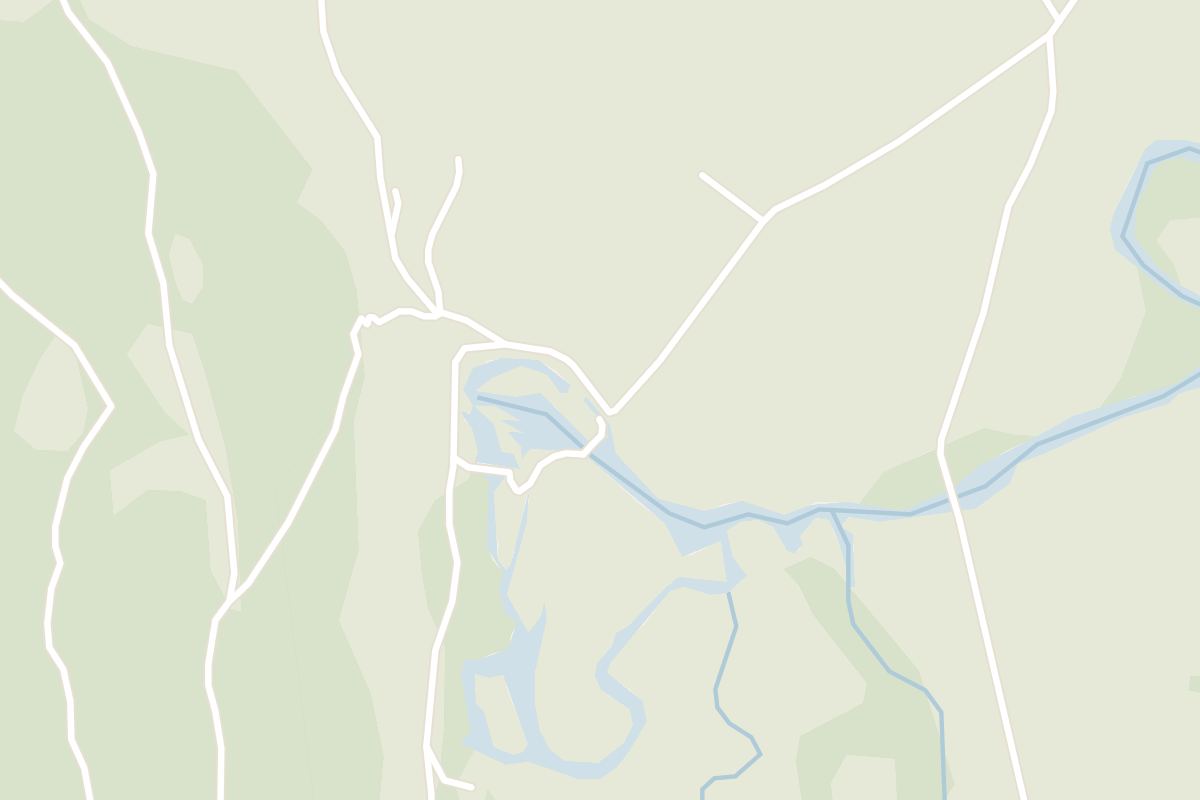
Watch the surface for a moment. The water comes up from underneath as bubbles first, then as a steady flow, and the separate springs join to form the Vruja river, which runs on to Plav Lake.
The springs break out of the ground across almost 300 square metres at the base of the Prokletije mountains, about 925 metres above sea level. Even in a summer drought they release about 1.5 cubic metres of water a second.
Local belief holds that the water keeps the body young, and that a marriage concluded at the springs will be long and happy.
The springs take their name from Ali Pasha Gusinjski. In Montenegrin they are called Ali-Pašini Izvori.
From the centre of Gusinje, follow the road towards Ćosovići and turn right off it. The springs come into sight soon after the turn.
Start at the edge of the pool, then follow the bank downstream as the flow gathers into the Vruja. Spread your picnic in the shade beside the water, or sit down at the restaurant next to the pool in summer.
In spring the water spreads widely over the ground around the pool, so expect wet ground at its edges.
Bring an empty bottle and fill it where the water rises; it is clean enough to drink straight from the springs. If you plan to eat at the restaurant beside the pool, carry cash, because it does not take cards.
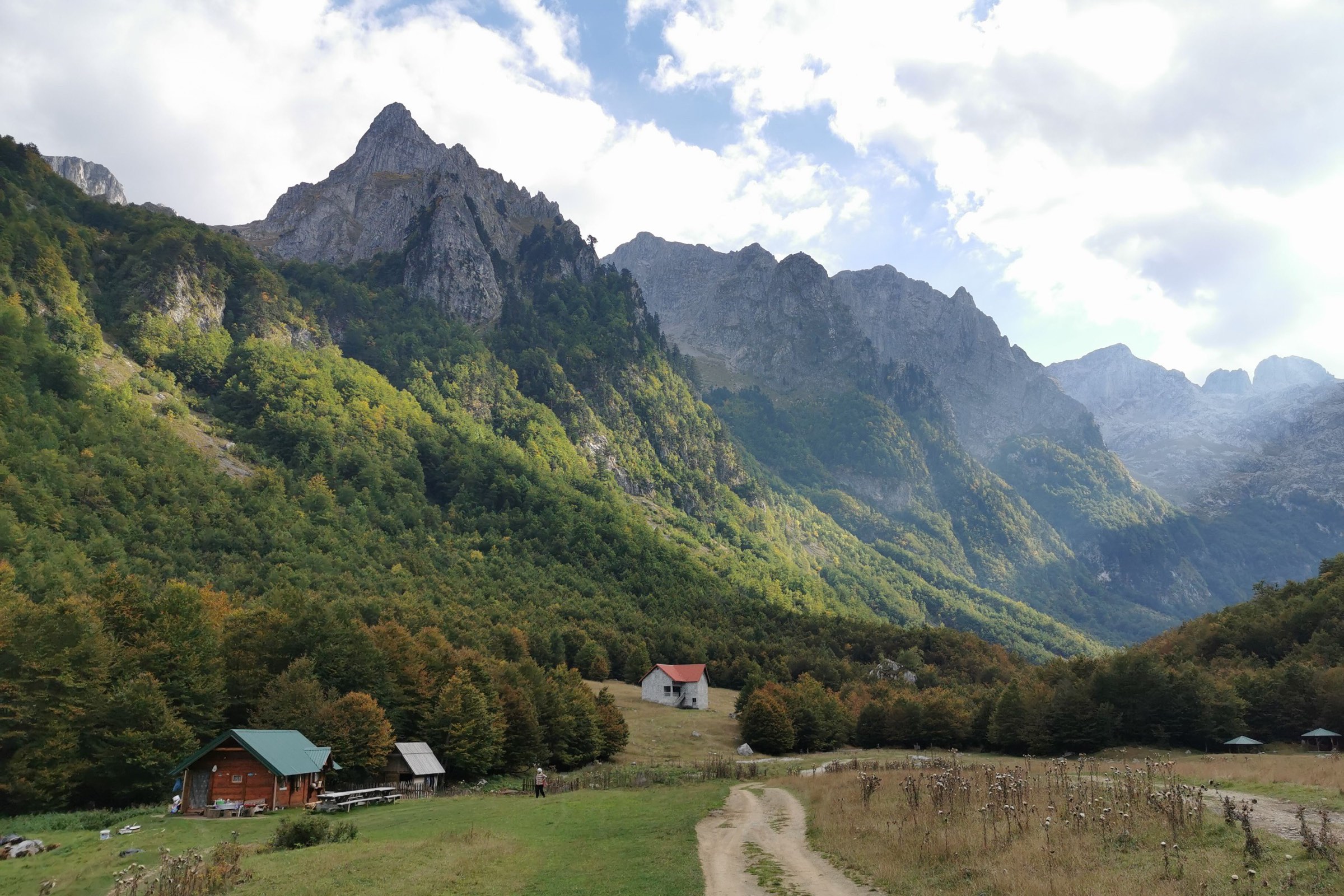
Stay in Gusinje and a river rising out of the ground is a walk from your door. The Karanfili walls at Grebaje and a waterfall dropping into a gorge at Vusanje are short drives.
Read the Gusinje guideExplore the rest of Gusinje
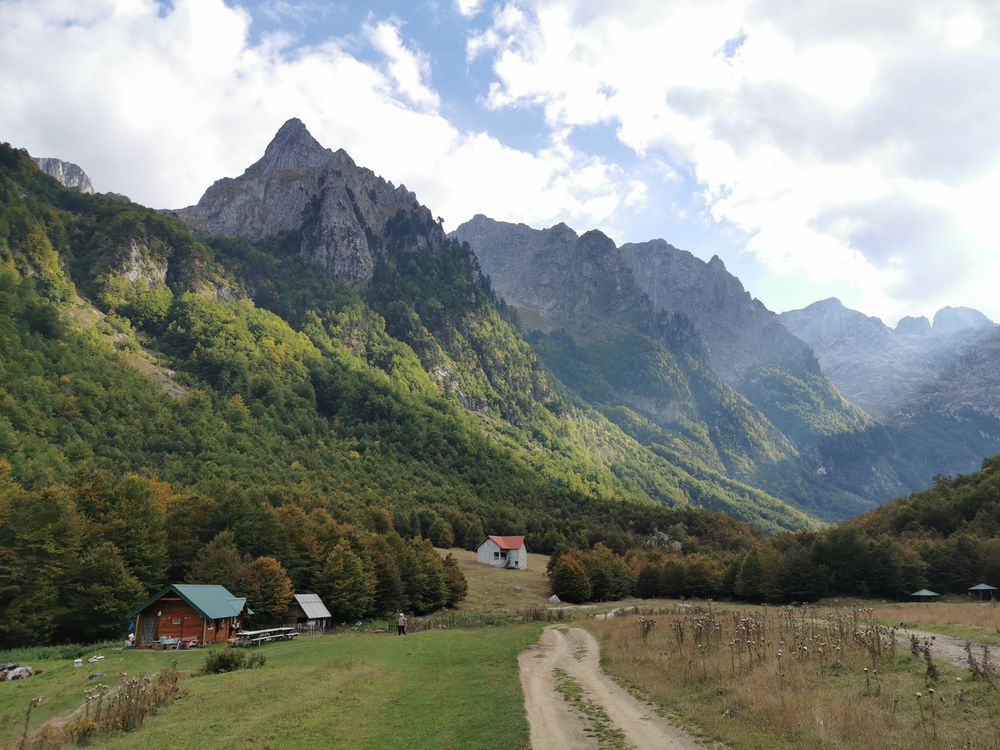
The last town before the Albanian border, in a green basin at the foot of the Prokletije, with minarets, a few cafés and guesthouses that…
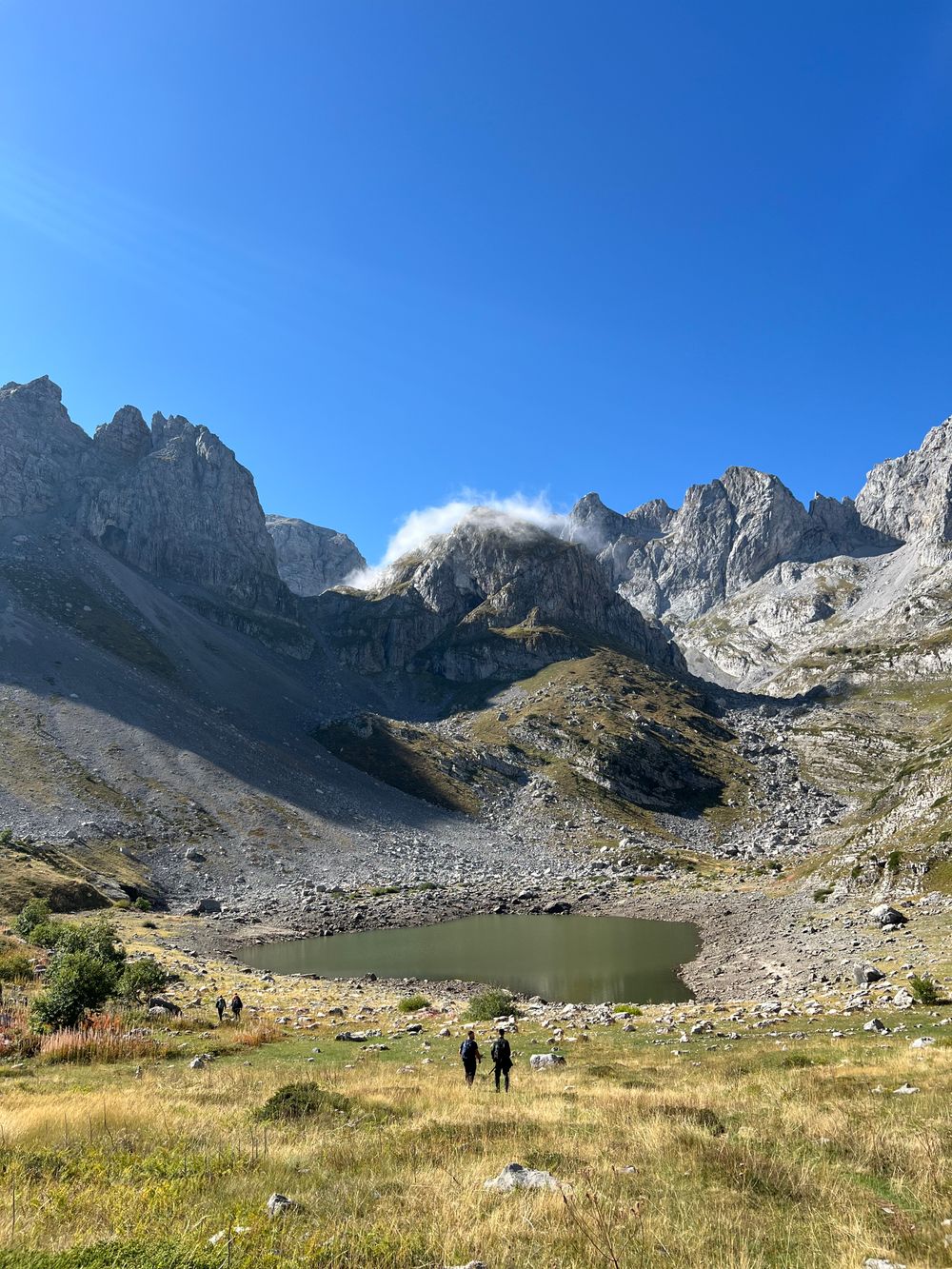
The Accursed Mountains along the Albanian border are the wildest range in the country, with the highest Montenegrin summit, Zla Kolata, on…
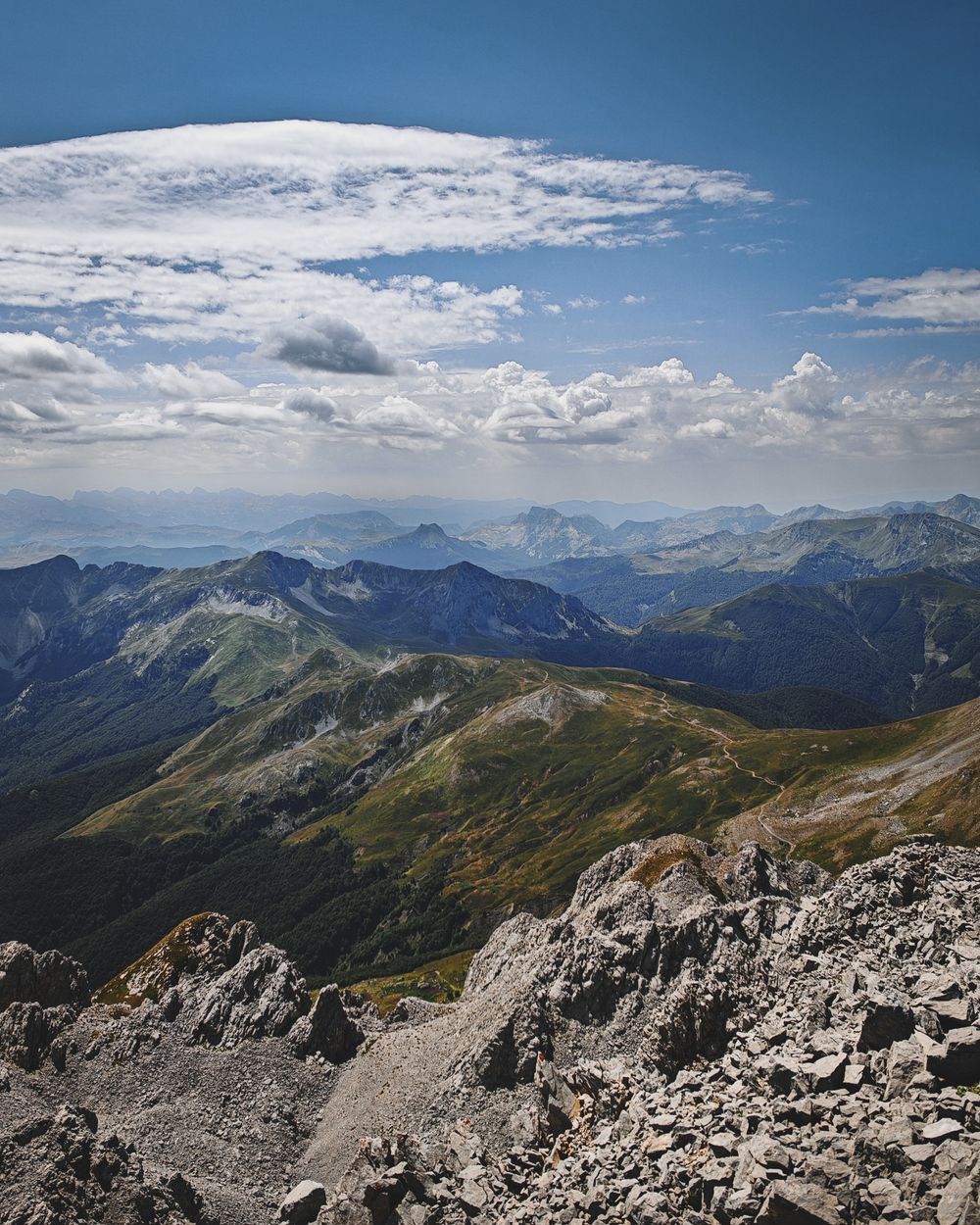
A rough mountain road climbs to the summer shepherd pastures at Štavna, where the routes onto the Komovi peaks start and a growing number…
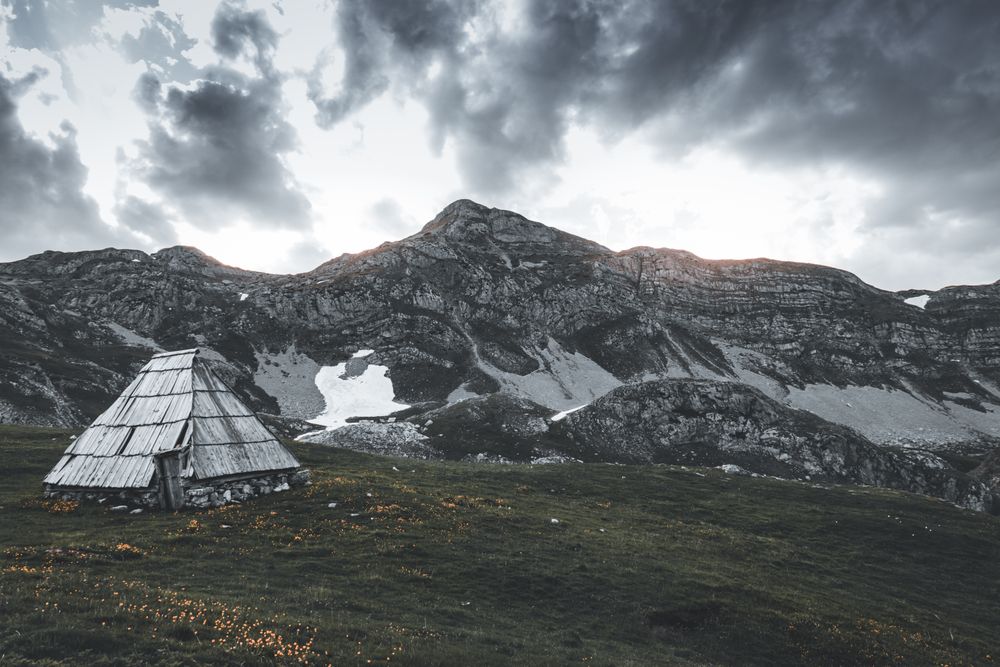
Ski slopes in winter and one of Europe's last primeval forests in summer both lie a short drive from this mountain town, 954 metres up at…
At the entrance to Vusanje, a short drive south of Gusinje, the Grlja river drops into a narrow gorge just below the road. Park at the…
Ten kilometres from Gusinje, below the town of Plav, the largest glacial lake in Montenegro spreads across the valley floor with the…
Rounded grassy ridges and small glacial lakes rise straight behind Kolašin, and in summer shepherds still move up to wooden huts on the…
The hilltop fortress of Meteon, capital of the Illyrian Labeatae, built in the fourth to third century BC and taken by Rome in 167 BC. It…
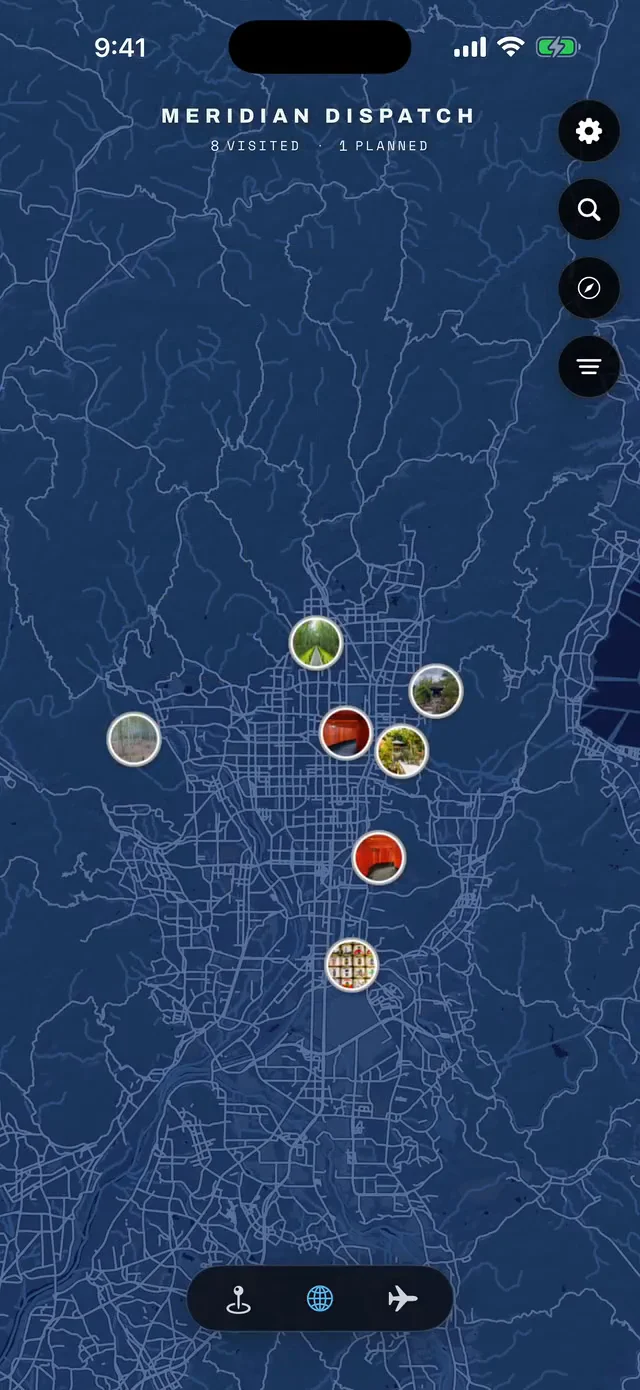
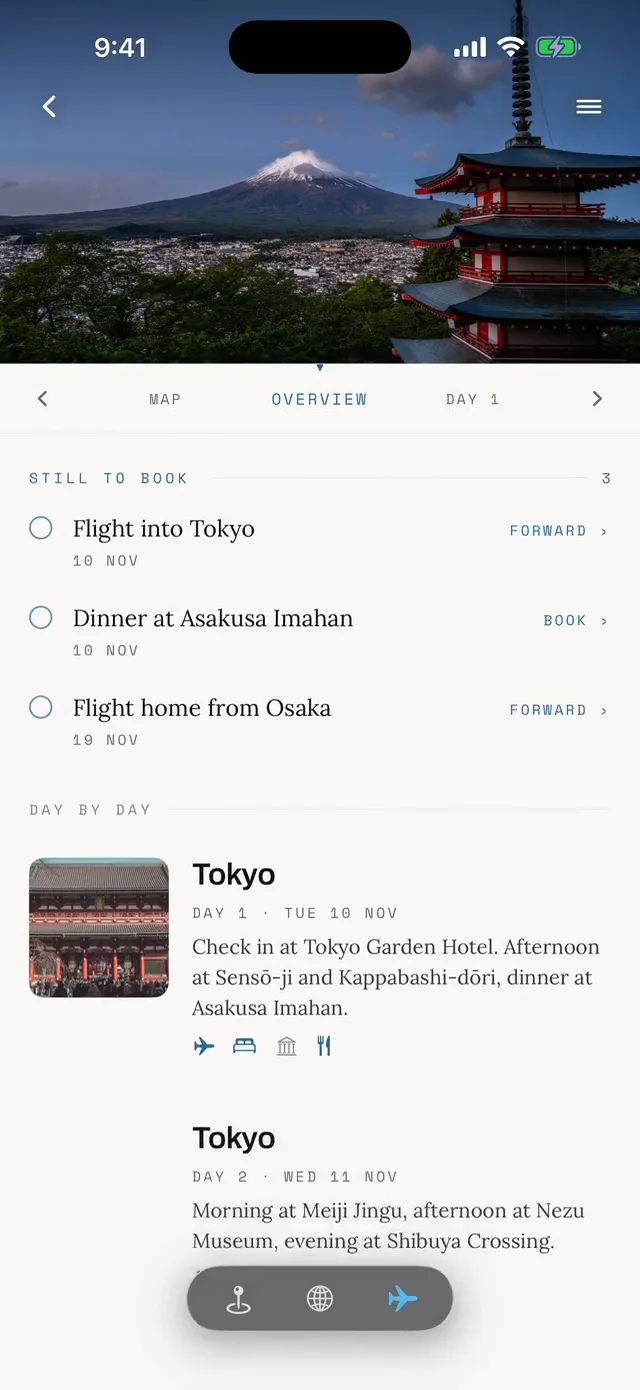

Save Ali Pasha Springs to your Montenegro trip in the Meridian Dispatch app and build the day around it, with the best of Gusinje pinned on one map.
Download on the App StoreLast updated