 Submit a photo
Inti Raymi 2027 falls on Thursday 24 June, the date Cusco stages it every year to mark the start of the southern winter. The ceremony fills that single day, from the Qorikancha in the morning to Sacsayhuamán in the afternoon, and the afternoon act on the esplanade is the one that matters most. The day is also a regional holiday in Cusco.
At about nine in the morning, going by the 2026 programme. The salute to the sun at the Qorikancha lasts around 45 minutes, then the cast walks to the main square for the coca ritual, which takes about an hour. The main ceremony at Sacsayhuamán follows from about 1:30 in the afternoon, and there the sacrifice of a llama is only acted out.
In three places, one after another. The morning act is at the Qorikancha, the Inca Temple of the Sun, and the second is in the Plaza Mayor, called Hawkaypata in Quechua. The third and longest plays out on the esplanade below the walls of Sacsayhuamán, uphill from the centre, and with traffic kept out of the historic centre the route between them is walked.
Partly. Watching from the Plaza Mayor is free, and so is the open hillside facing the Sacsayhuamán esplanade, but the stands at the Qorikancha and Sacsayhuamán are ticketed. Seats are sold only through Teleticket, the official platform. Fake websites have been used to sell bogus tickets, so payment through any other link is best avoided.
Yes. In 2026 every seat at Sacsayhuamán and the Qorikancha was gone before the day, and in an earlier edition three quarters of the Sacsayhuamán tickets had sold well ahead of it. Seats for 2027 are best bought as soon as sales open, together with a room in the historic centre, since this is the busiest week of the year in Cusco.
One day for the ceremony itself, 24 June, though the city celebrates through the whole week around it. Arriving two or three days early is the official advice: Cusco sits at high altitude, Sacsayhuamán higher still, and a long day on foot goes far better once the body has adjusted.
Cold in the morning, sunny in the afternoon. The official range for the festival is about 1°C at the low to 20°C at the high, so the early act at the Qorikancha is the chilly part of the day. By the afternoon at Sacsayhuamán the sun at altitude is strong enough to burn.
Warm layers for the cold start, then cover against the sun: sunscreen, a hat, sunglasses and even a parasol for the long afternoon on the esplanade. A camera, a small backpack and cash are worth carrying. For the free hillside at Sacsayhuamán, water, food and something to sit on make the wait bearable.
Both, but they are not the same event. The staged reenactment at Sacsayhuamán belongs to Cusco and takes place on 24 June. Indigenous communities across the Andes still keep their own Inti Raymi, and in Ecuador it is celebrated on 22 June as a community festival rather than a performance for an audience.
Inti Raymi is Quechua for the festival of Inti, the sun. It was the Inca ceremony honouring the sun at the June solstice, later banned under Spanish rule. Since 1944 Cusco has restaged it every 24 June as theatre, with actors in the roles of the Inca and his nobles, all speaking Quechua.
Inti Raymi was the Inca festival of the sun, held at the June solstice, the shortest day of the southern year. It honoured the sun and asked for its return. The Spanish banned it, and Cusco revived it in 1944 as a staged reenactment, now performed every 24 June.
It is theatre rather than worship. A cast plays the Inca ruler and his court, speaks in Quechua, and moves the ceremony across the city in three acts.
24 Jun 2027
Give the whole of 24 June to it and save your strength for the afternoon at Sacsayhuamán, where the full ceremony plays out. Take a ticketed seat if you can get one, or claim the free hillside by late morning.
24 Jun 2027. Times are approximate and can change from year to year.
The Inca greets the sun at the Temple of the Sun. Under an hour; watch free from Avenida El Sol or from a ticketed stand.
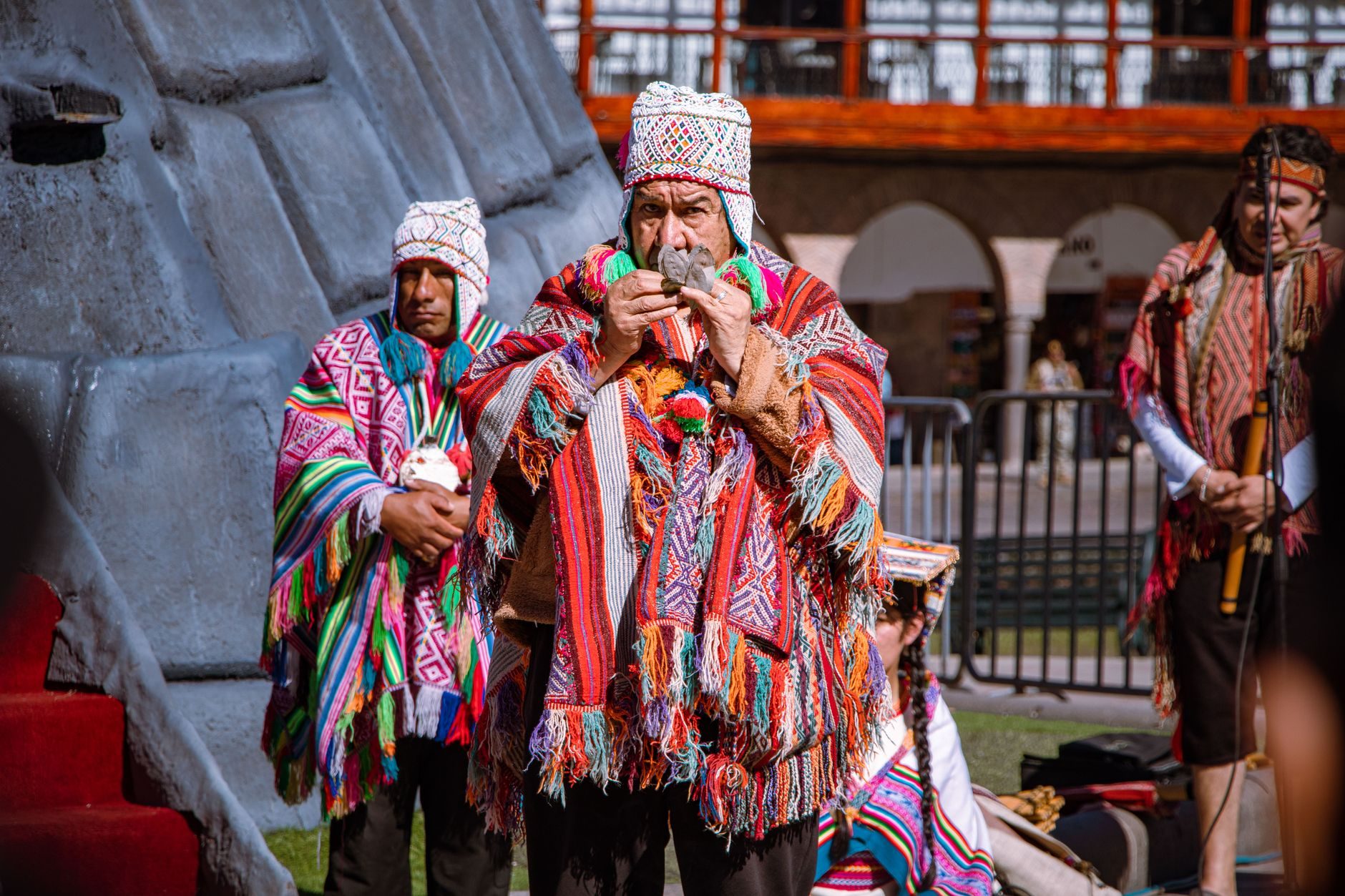
The coca ritual and the meeting with the city's authorities, watched standing and free.
The main ceremony on the esplanade, the longest act of the day. Grandstands are ticketed; the hillside opposite is not.
A cast of hundreds dressed as the Inca court performs through the day. It starts at the Temple of the Sun in the morning, crosses the main square, and climbs to the zigzag walls of Sacsayhuamán for the afternoon.
You follow it on foot, and much of it costs nothing to watch. The catch is time: the unticketed places at every act are taken hours before it starts, so choose the one you care about most.
The morning opens at the Qorikancha, where the Inca greets the sun in under an hour. The best spots on Avenida El Sol are taken before dawn. The cast of hundreds then walks with pututus and drums across to the main square, where the next act is staged, watched standing.
At Sacsayhuamán the envoys of the four regions report, fire is lit and chicha is offered; the llama sacrifice is only mimed. It is all in Quechua.
Dress in layers and bring a hat, sunscreen, water, food and, for the hillside, something to sit on. Stay behind the barriers, keep off the Inca walls and turn your flash off.
The historic centre puts you within walking distance of all three acts, which matters on a day when traffic is kept out. Book early: it is the busiest week of Cusco's year.
Explore the rest of Cusco
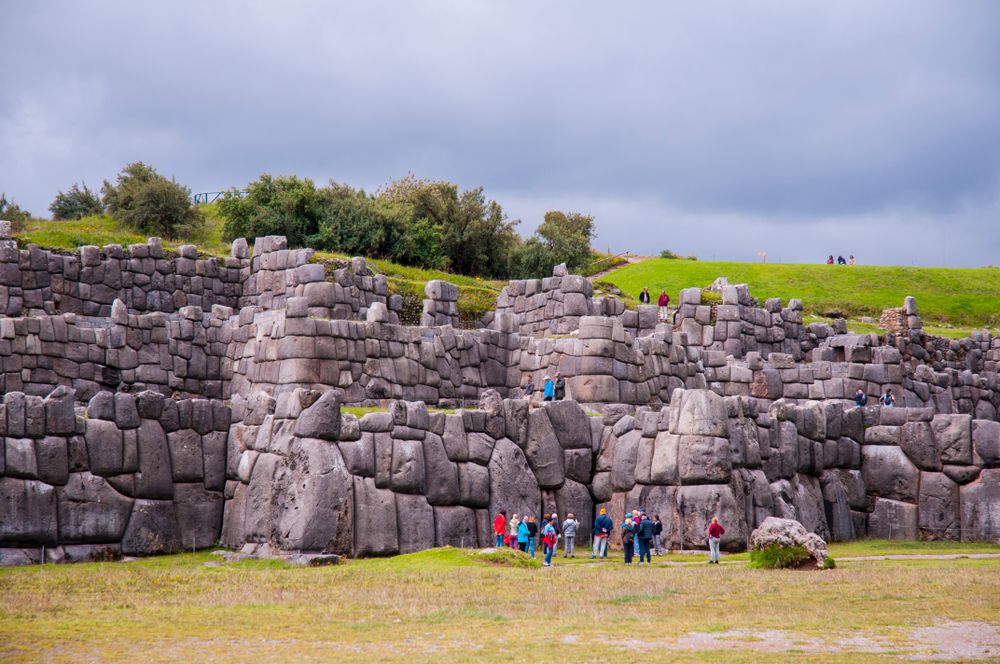
Massive Incan fortress complex built in the 1400s on a hilltop 2 kilometres north of Cusco. Features enormous precisely-fitted stone walls…
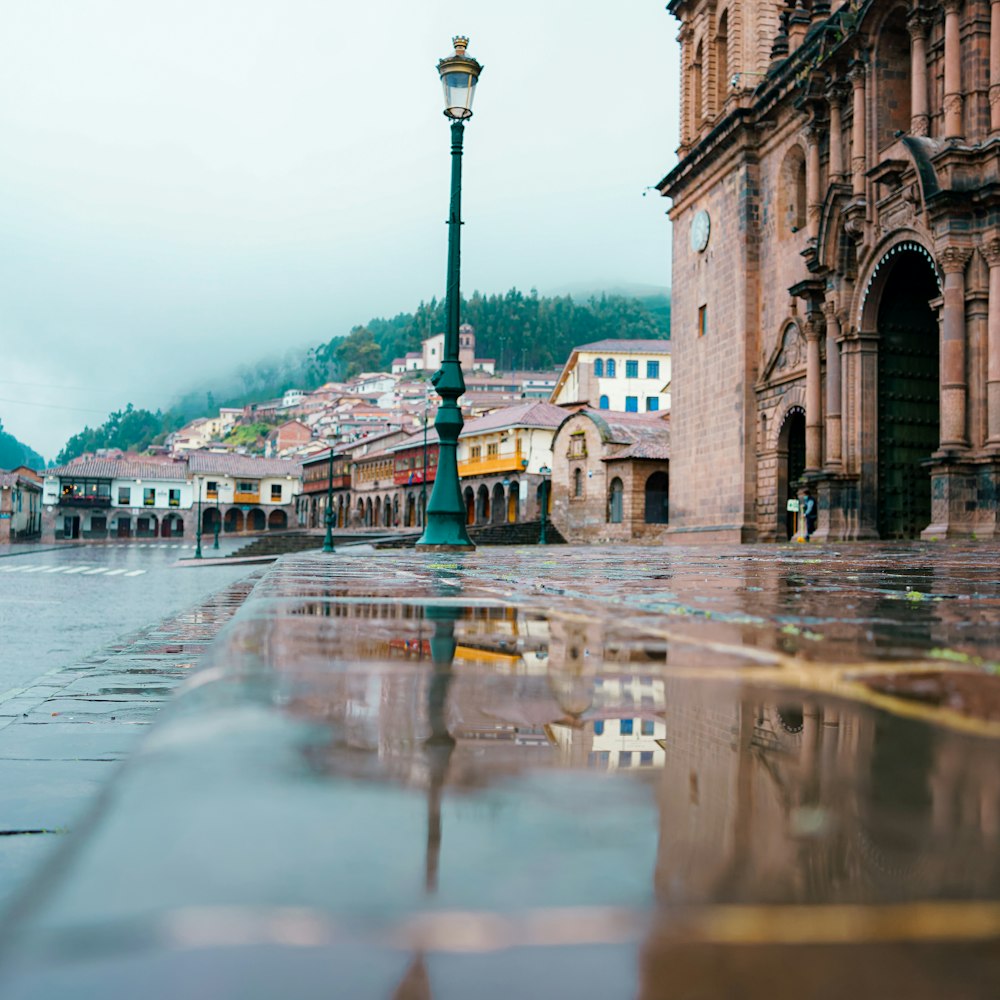
Cusco's main church stands on the north side of the Plaza de Armas, raised on an Inca site with red granite reused from Sacsayhuamán.…
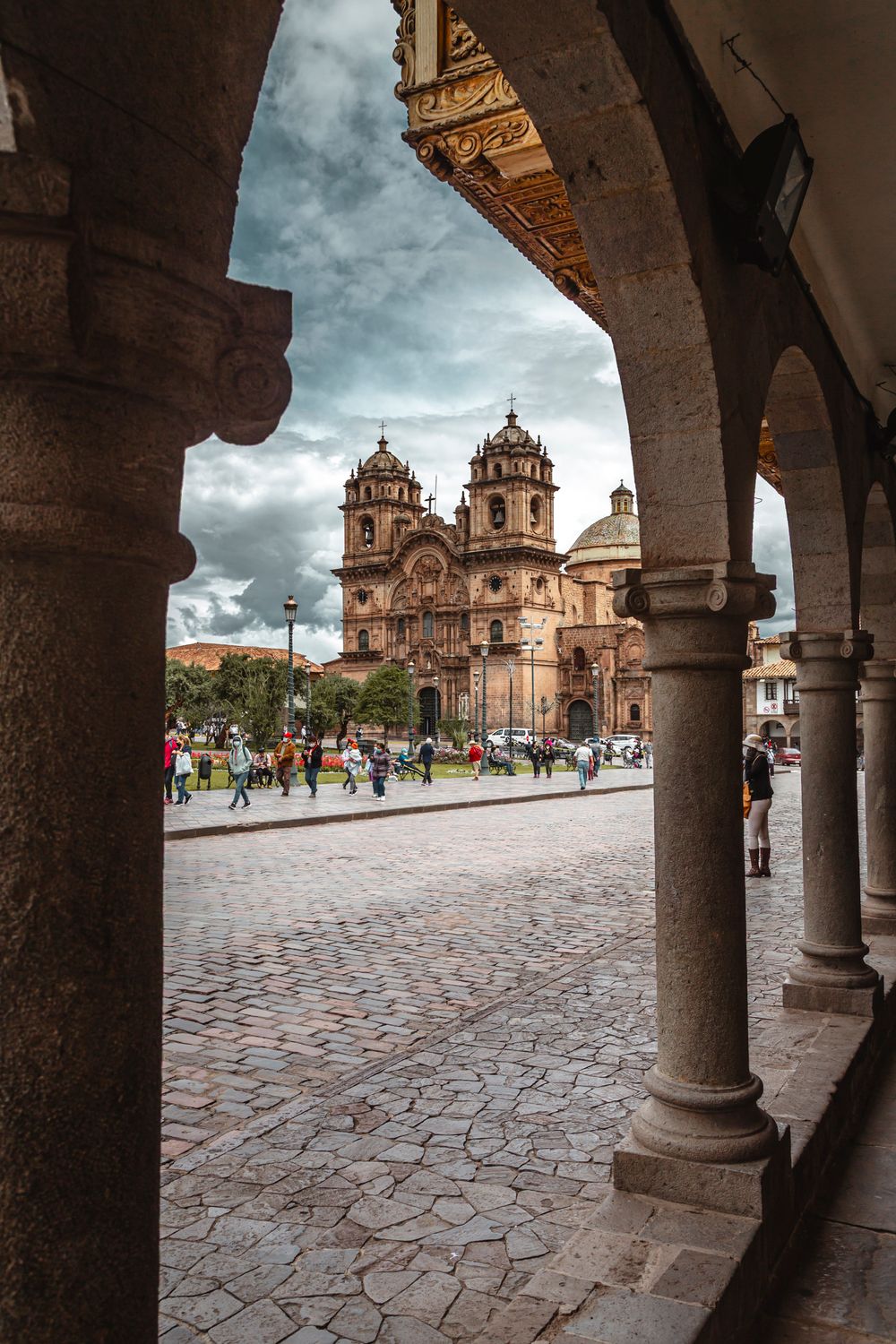
Cusco's main square, open day and night on the site of the Inca capital's ceremonial centre. The cathedral and the Jesuit church of La…
Last updated