Things to do
22-
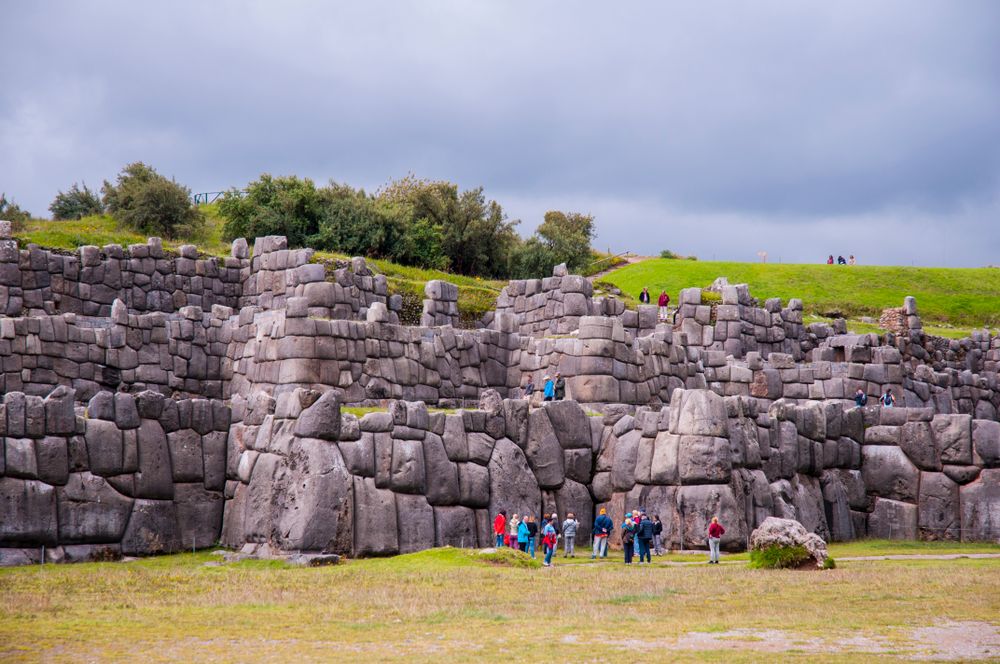
Sacsayhuamán
Massive Incan fortress complex built in the 1400s on a hilltop 2 kilometres north of Cusco. Features enormous precisely-fitted stone walls built without mortar, arranged in three parallel terraces.
-
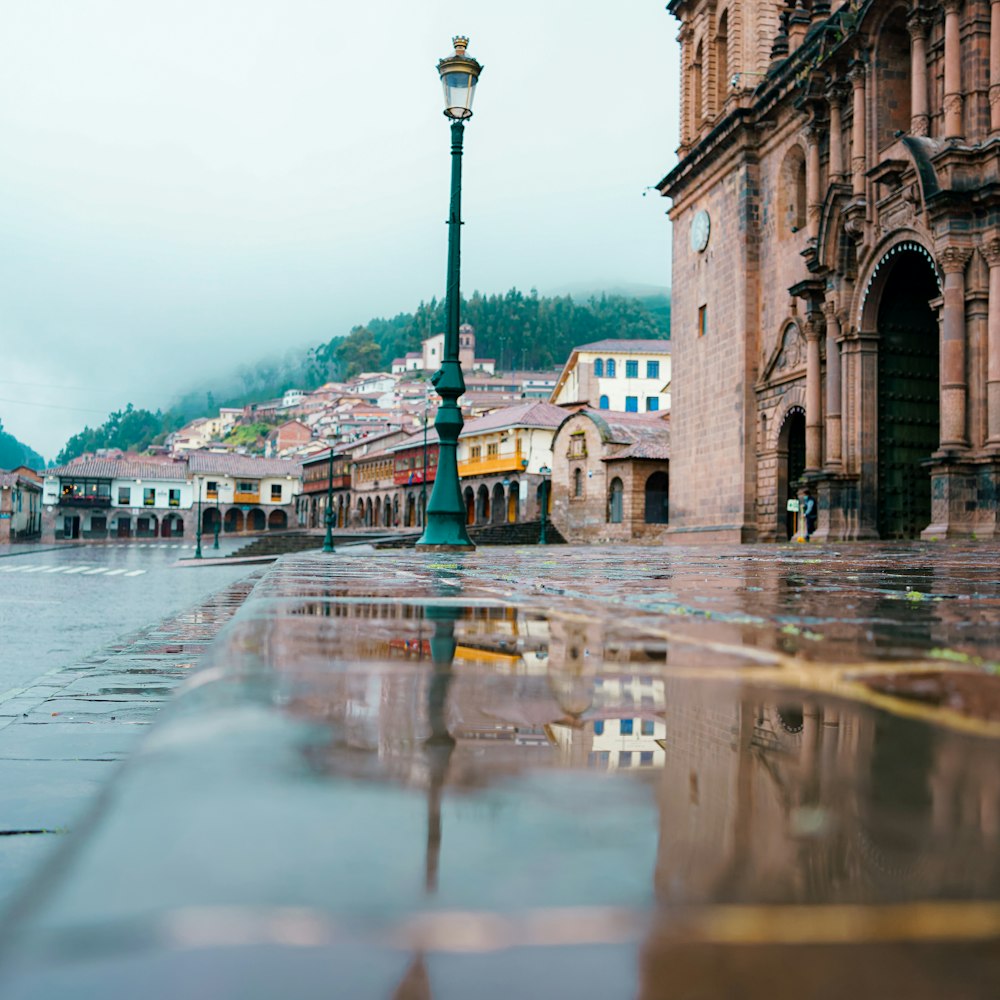
Cusco Cathedral
Built between 1559 and 1654 using stone from a nearby Incan temple. Contains 16th and 17th-century oil paintings, including works depicting the Last Supper with local foods, and a famous wooden altar.
-
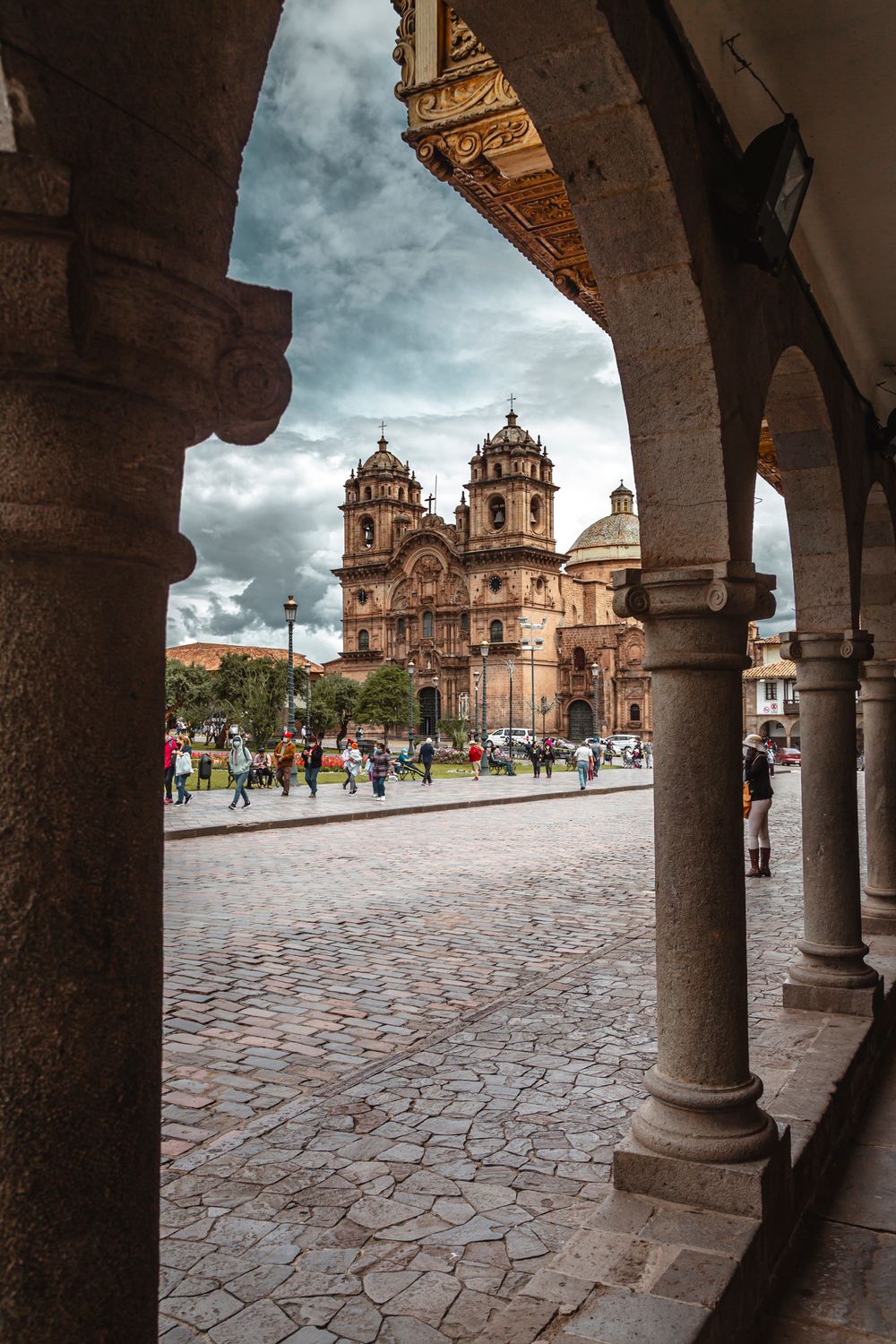
Plaza de Armas
Central square of Cusco surrounded by colonial arcades, built on the foundations of the Incan Aucaypata. The Cathedral and Church of the Society of Jesus frame two sides; shops and restaurants occupy the colonnaded perimeter.
-
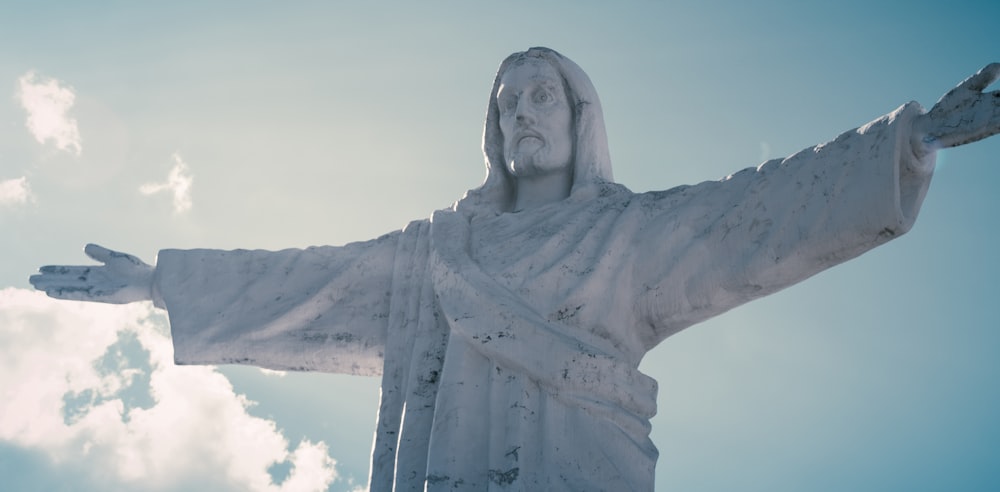
Cristo Blanco
A white statue of Christ erected in 1945 on a hilltop overlooking Cusco from the south-east. The monument stands 10 metres tall and is visible from much of the city.
-
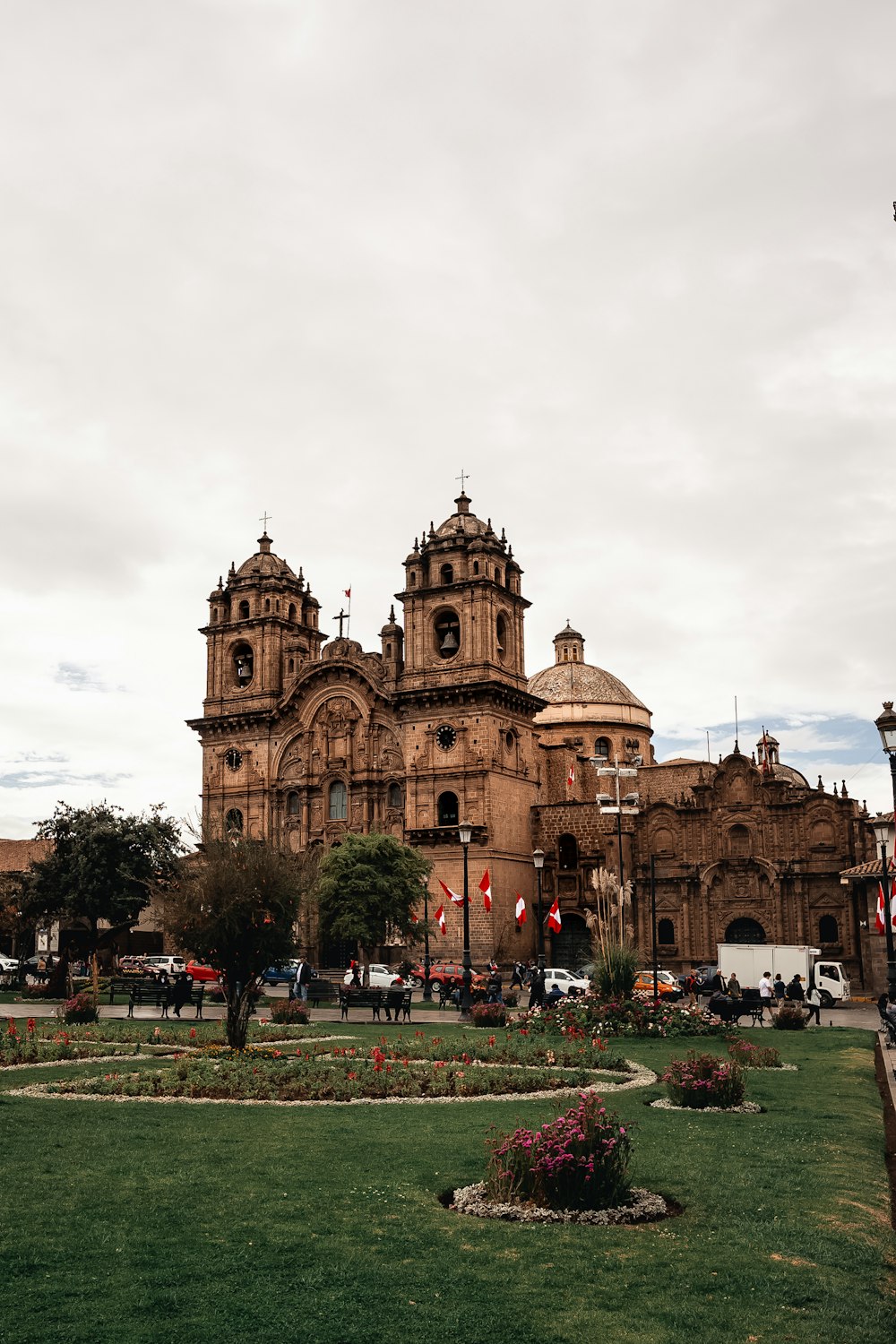
Cusco Museum
The pre-Columbian art museum housed in the Admiral's Palace, a colonial mansion containing pottery, textiles, and stone sculptures from Inca and earlier Andean cultures.
-
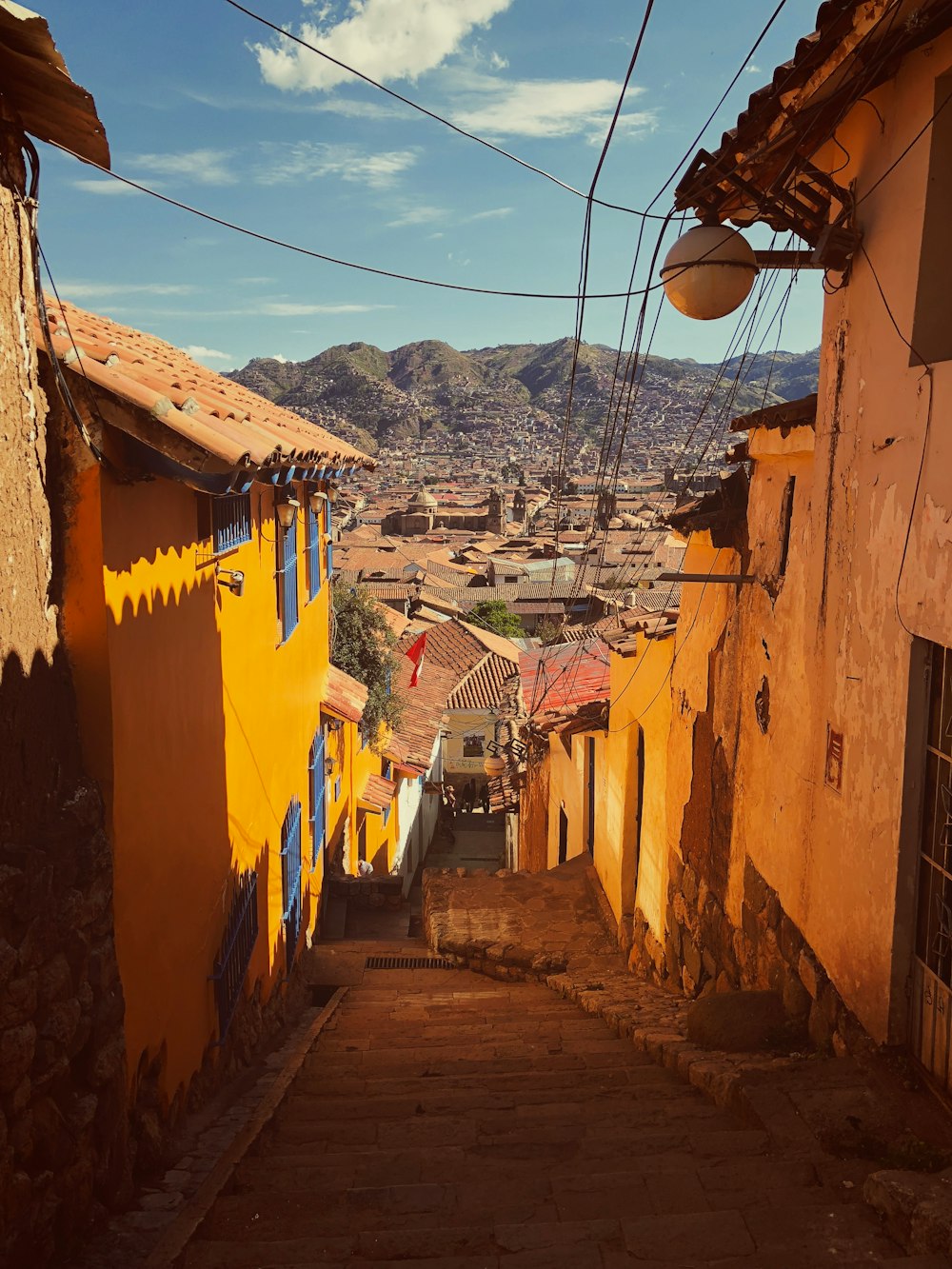
Feria Artesanal
Permanent outdoor market occupying several blocks north of the Plaza de Armas, with hundreds of stalls selling alpaca goods, ceramics, masks, and textiles aimed at both tourists and local buyers.
-
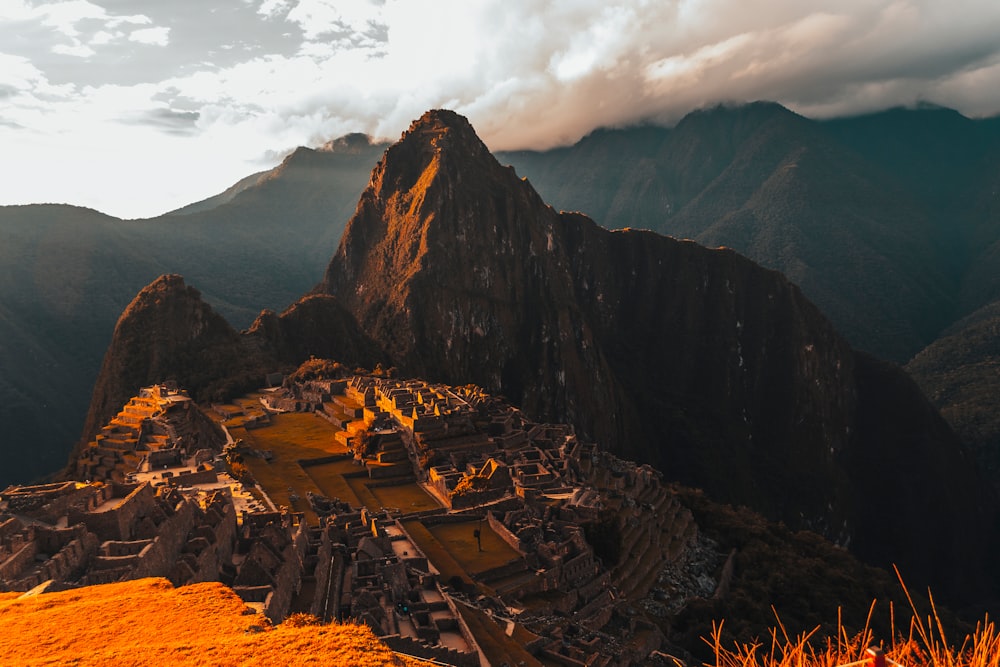
Qorikancha
The most important religious structure of the Inca Empire, built in the mid-fifteenth century in Cusco and dedicated to the sun god Inti. The site features precisely cut granite walls; colonial Spanish buildings were later built atop the Inca stonework.
-
Museo Inka
Houses the largest collection of Inca artifacts in the world, including textiles, ceramics, and metalwork spanning pre-Columbian to colonial periods. Occupies the 16th-century Palacio Almirante (Admiral's Palace), a colonial mansion built atop Inca foundations.
-
San Blas Neighborhood
A historic quarter uphill from Plaza de Armas featuring narrow cobbled streets, colonial mansions, artist workshops, and the Church of San Blas. The neighbourhood preserves Inca street layout beneath Spanish colonial buildings.
-
Convento de Santo Domingo
A 16th-century Spanish Dominican convent built directly atop the Qorikancha (Inca Temple of the Sun), preserving and displaying Inca stone foundations and architectural precision beneath colonial structures. Contains religious art and colonial-era furnishings.
-
Museo de Arte Precolombino
Specialized collection of pre-Columbian art from across the Andean region, with emphasis on Inca, Nazca, and Moche cultures. Housed in a 17th-century colonial mansion with thematic, well-curated galleries.
-
Museo del Sitio de Qorikancha
An on-site museum at the Qorikancha archaeological complex, 5 miles south of the city centre, displaying artifacts discovered during excavations of the Inca Temple of the Sun and its surrounding structures. Features metalwork, stone tools, and contextual displays explaining the site's ritual and astronomical significance.
-
Museo Machu Picchu
Houses the largest collection of artefacts from Machu Picchu, including ceramics, textiles, and stone tools excavated by Hiram Bingham's 1911 expedition. The museum occupies a restored colonial mansion in the historic centre.
-
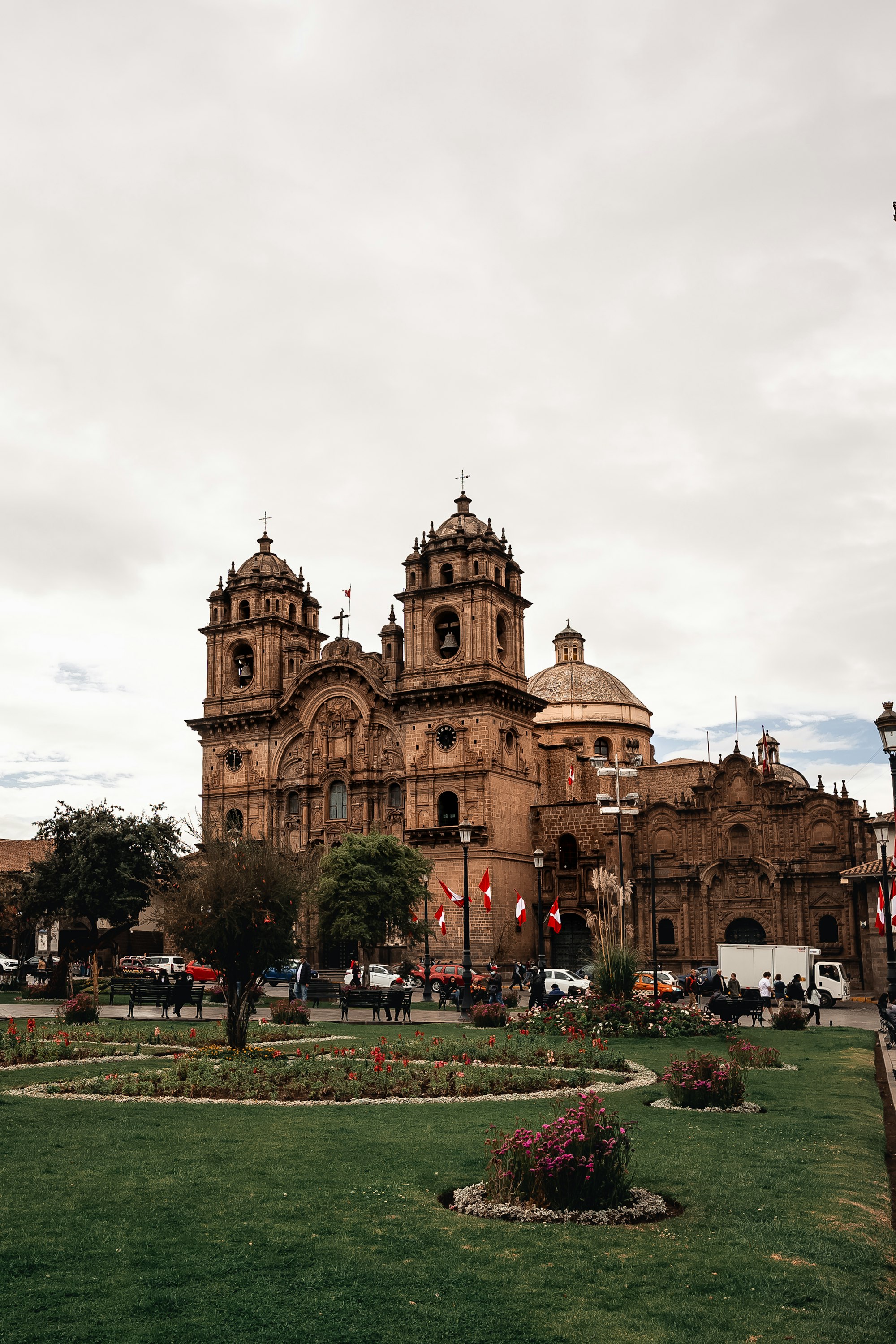
Iglesia de la Compañía de Jesús
A Baroque church completed in 1668, renowned for its ornate interior with gold-leafed altars, indigenous-influenced carvings, and the Cusco School paintings that blend Christian iconography with Andean symbols. The exterior Baroque facade is one of Peru's most photographed colonial buildings.
-
Museo de Arte Religioso
Occupies the 16th-century Archbishop's Palace and displays colonial religious art, vestments, and liturgical objects from Cusco's Archdiocese, with particular strength in Cusco School paintings and indigenous interpretations of Christian imagery.
-
Museo de la Coca
A small, privately curated museum documenting the history of coca cultivation, its ritual and medicinal use in Andean cultures, and its role in colonial and modern Peru. Includes leaf specimens, textiles, and ethnographic objects.
-
San Blas Church
Small colonial church in Cusco's San Blas neighborhood, built in the 16th century with a single nave and gilt baroque altar. The pulpit is carved from a single block of wood.
-
Kenko
Limestone shrine and ceremonial center three kilometers from central Cusco, featuring carved channels and a small underground temple. Likely used for water rituals and astronomical observations.
-
Twelve Angled Stone on Hatun Rumiyoc Street
Halfway along Hatun Rumiyoc, one block of green diorite in an Inca wall carries twelve worked angles and sits without mortar against its neighbours, a demonstration of the masonry that carried the palace of Inca Roca. The wall now belongs to the archbishop's palace. The spot is small, crowded and watched by costumed guides who expect a tip for a photograph.
-
Viewpoint
Ausangate
The sacred 6,384 metre mountain southeast of Cusco, circled by a four to six day trek over passes above 5,000 metres, past turquoise lakes and herds of alpaca. It is the hardest walk in the region and the emptiest. The circuit passes the striped hills on its southern side, and camps sit high enough for nights well below freezing.
-
Huchuy Qosqo
A small Inca town on a shelf 600 metres above the Sacred Valley, reached only on foot: a day's walk from Tambomachay over a 4,400 metre pass, or a steep climb from Lamay below. The great hall and the terraces have no crowd at all.
-
Q'eswachaka
The last Inca rope bridge, spun from grass across the Apurímac gorge and rebuilt by four communities every June in a three-day ceremony. It is three hours south of Cusco and a rite before it is a crossing. The deck can be walked at any time of year, and it sags underfoot above a long drop to the water.