 Submit a photo
Ninety seconds on Sacsayhuamán
Sacsayhuamán's three terrace walls stand on the hill above Cusco, built from some of the largest stones in pre-Hispanic America and cut to fit together without mortar. You can stand beside them and run your hand along the seams.
The lower part of the site is the one to see: a great open plaza and, beside it, the massive walls set in three parallel terraces. The stones in these walls are among the largest used in any building in pre-Hispanic America.
Each boulder was cut to sit tight against its neighbours, with no mortar between them. The walls have come through earthquake after earthquake, like the Inca stonework across the region.
Look at the upper courses as well. The rougher stones there are missing from photographs of the early 1900s, and some have modern dates etched into them.
In the colonial period, part of the stone was reused to build Cusco's churches and mansions. The park itself is far larger than the walls, with 96 archaeological sites inside it.
Its wide esplanade is also the stage for Inti Raymi, the festival of the sun, held here on 24 June. Cusco and Sacsayhuamán share one UNESCO World Heritage listing.
From the entrance, which sits on level ground, a well-kept network of paths runs through the complex, and it is easy to find your way. A short circuit is marked if you want a quicker loop. Head for the lower section first, where the plaza and the terrace walls are.
Climbing on the walls or marking them is forbidden, and so is bringing food in. Drones need authorisation from the regional culture office, the DDC-Cusco.
Along the paths, vendors sell local crafts. Locals in traditional dress, often with llamas, offer to pose for photographs.
You can see the site well without a guide, because the paths are clear and the signage is good. A guide does bring the stones and their story to life. If you hire one, ask to see the carnet: in Cusco an official guide must carry this identity card, the only valid credential, and be listed on the regional tourism register.
Read up on the site before you go, because there are no interpretive panels at the walls to explain what you are looking at.
Bring water and sunscreen, since the sun is strong at this height. Wear comfortable shoes, as some paths are uneven. If the altitude is getting to you, take it slow and save your energy for the walls.
Explore the rest of Cusco
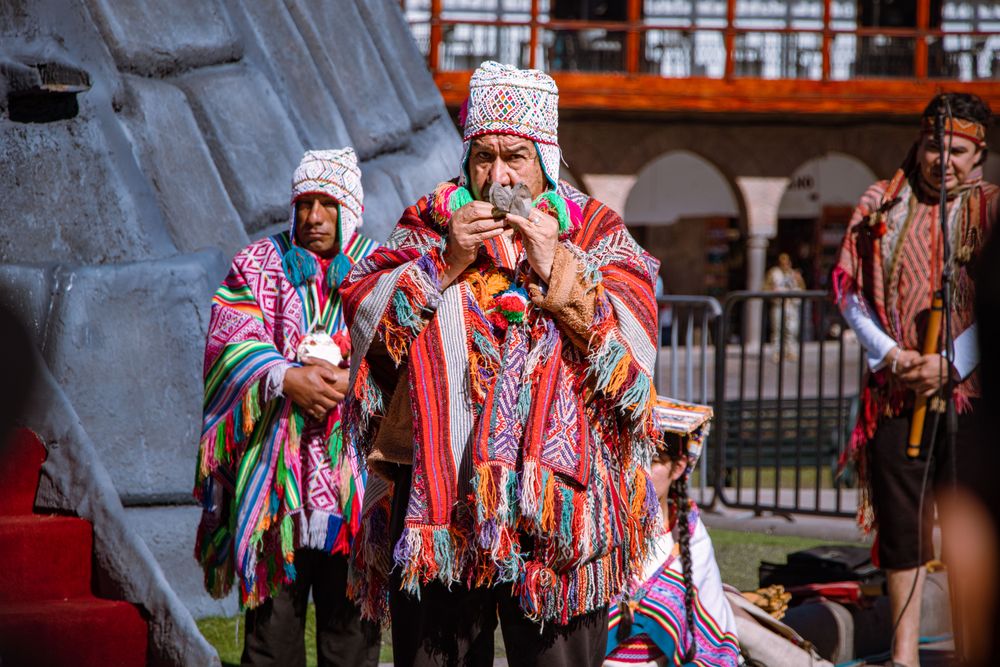
Every 24 June Cusco stages the Inca festival of the sun in three acts, in Quechua. It opens at the Qorikancha in the morning, moves to the…
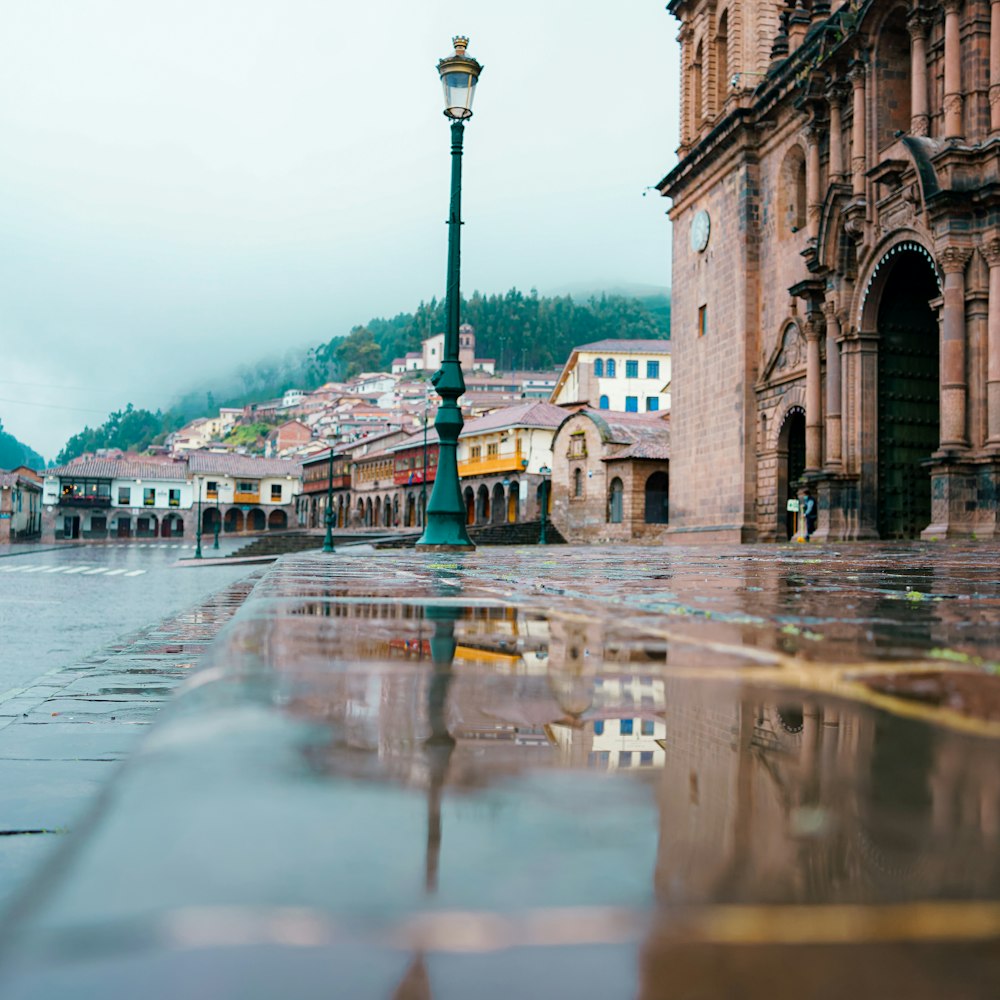
Cusco's main church stands on the north side of the Plaza de Armas, raised on an Inca site with red granite reused from Sacsayhuamán.…
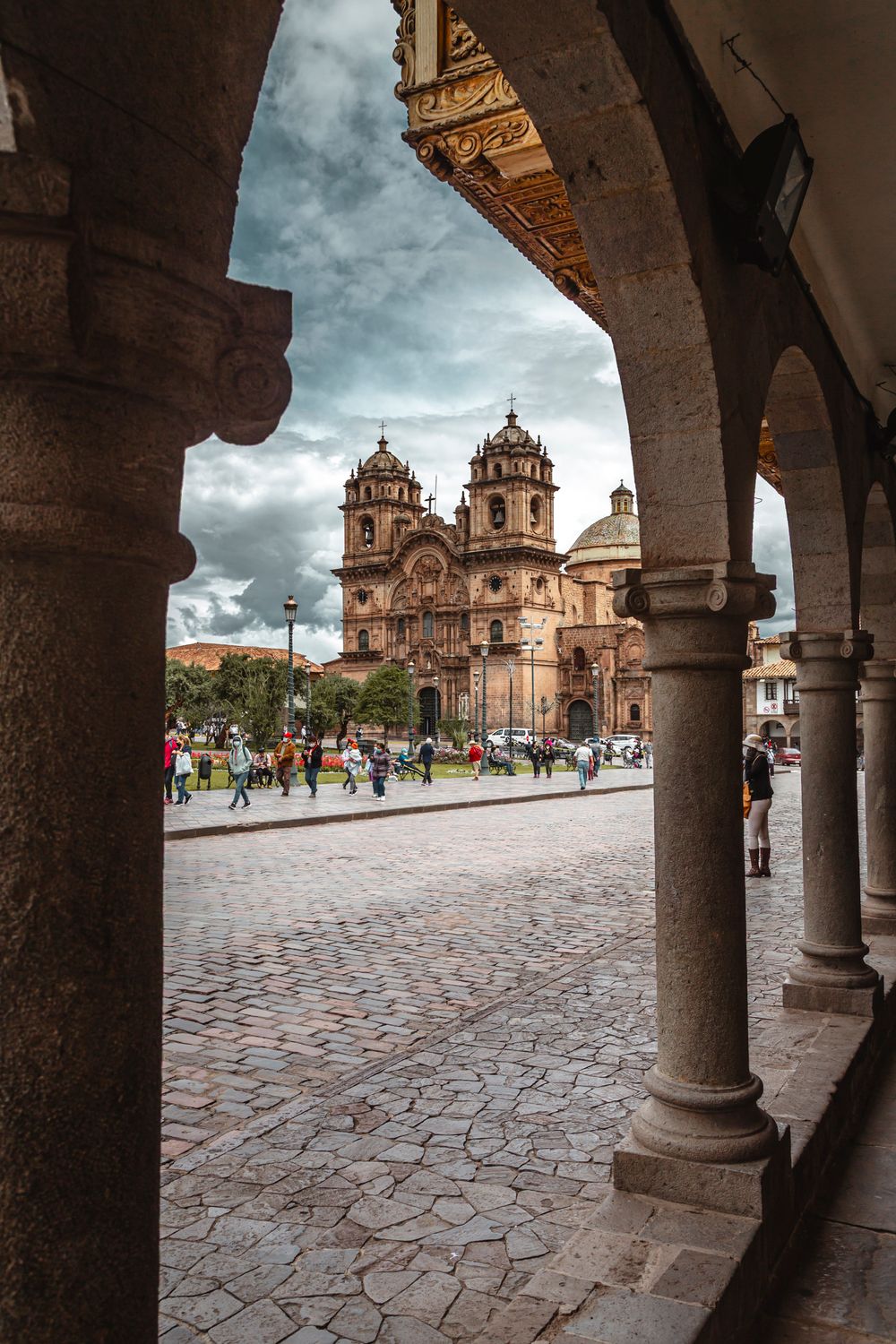
Cusco's main square, open day and night on the site of the Inca capital's ceremonial centre. The cathedral and the Jesuit church of La…
Last updated