 Submit a photo
Ninety seconds on Mount Pilatus
Trains leave Lucerne station for Alpnachstad on the S5 line, a run of about 17 minutes, and the cogwheel railway starts there. For the Kriens gondolas, bus 1 leaves the station from platform A and needs around 15 minutes.
Yes, though in 2026 by one route only. Cogwheel trains from Alpnachstad run until 29 November 2026, while the Kriens cable cars are shut for maintenance until 27 November 2026 and reopen the next day. The lake boat to Alpnachstad ended its season in mid-October.
Partly. The cogwheel railway does not run in winter, which leaves the Kriens cable cars as the only way up. From 28 November to 31 December 2026 they run from 08:30 to 16:45, and the last ascent from Kriens leaves at 4pm in winter.
The ride to the summit takes about 27 minutes, and the ride back down about 33 minutes. A return trip therefore fills about an hour of travel before any time spent at the top.
Tickets for the cogwheel railway, the panorama gondolas and the aerial cableway are all sold online through the Pilatus ticket shop. A round trip that uses all three can be bought there in a single booking.
Making a loop of it is how to do Pilatus: from May to mid-October, take the boat from Lucerne to Alpnachstad, the cogwheel railway up, then cable cars down to Kriens.
The railway climbs at up to 48 per cent, the steepest of any cogwheel railway in the world. Its cogwheels turn sideways and grip a rack in the middle of the track from both sides.
At the top are two peaks, the Esel and the Tomlishorn, which at 2,132 metres is the highest point on Pilatus. The marked Dragon Walk joins them, and an easy path leads out to the Tomlishorn. From the Esel you look out over lakes, rolling farmland and distant alpine ranges.
The summit's weather often differs from Lucerne's: it can be clear above a grey town, or in cloud on a bright day, so do not judge the day from the lakefront.
The classic loop begins at Alpnachstad. From the boat landing an underground path leads straight to the cogwheel railway's valley station, and the climb takes about half an hour. On the way up, take a seat facing up the mountain, where you see the steepness best.
Reserve the railway at weekends, on fine days and at lunchtime during the week. Booking is not obligatory, but without it you may wait at the valley station. Pair it with Lake Lucerne or Stanserhorn.
Coming down, the aerial cableway takes three and a half minutes from the summit to Fräkmüntegg, and the panorama cabins carry on to Kriens. You can get off at Fräkmüntegg or Krienseregg and board again later. The loop also runs the other way, and in winter the Kriens route is the only way up.
Go on the first clear day you get, because a clear summit is hard to plan for. If you dislike heights, keep your eyes on the mountain rather than the drop on the way up.
For the summit paths, good shoes, weatherproof clothing and water are enough. Walking up the mountain from the valley is only advised from mid-June, and bicycles are not carried. If you go up from Kriens, the last ascent leaves at 5pm in summer and 4pm in winter.
Explore the rest of Lucerne
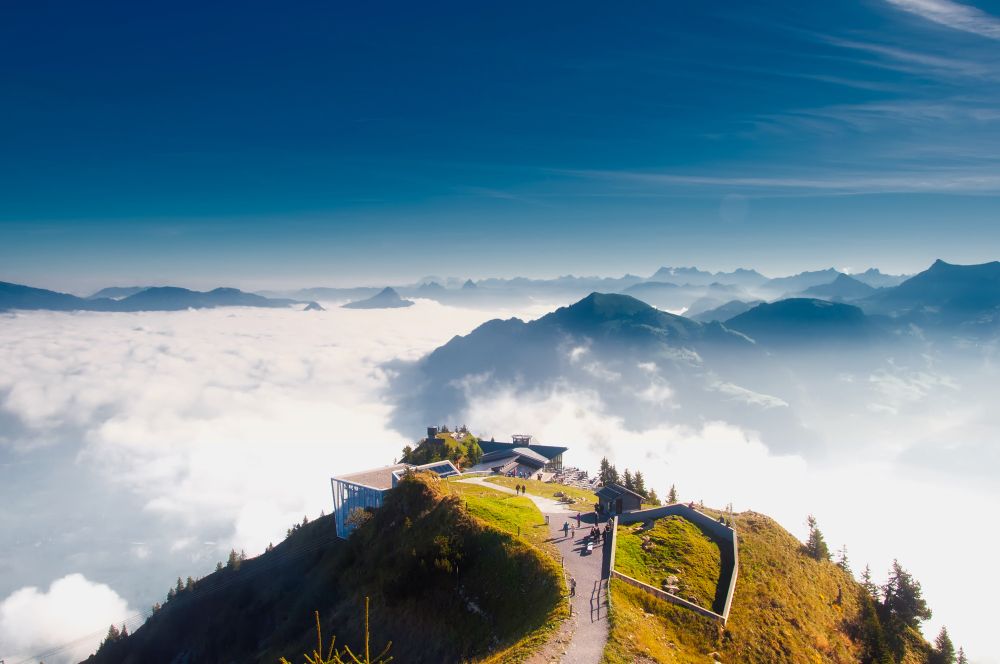
From Stans, a short train ride from Lucerne, a funicular and then the CabriO cable car climb to a 1,898 metre summit. A short loop path…
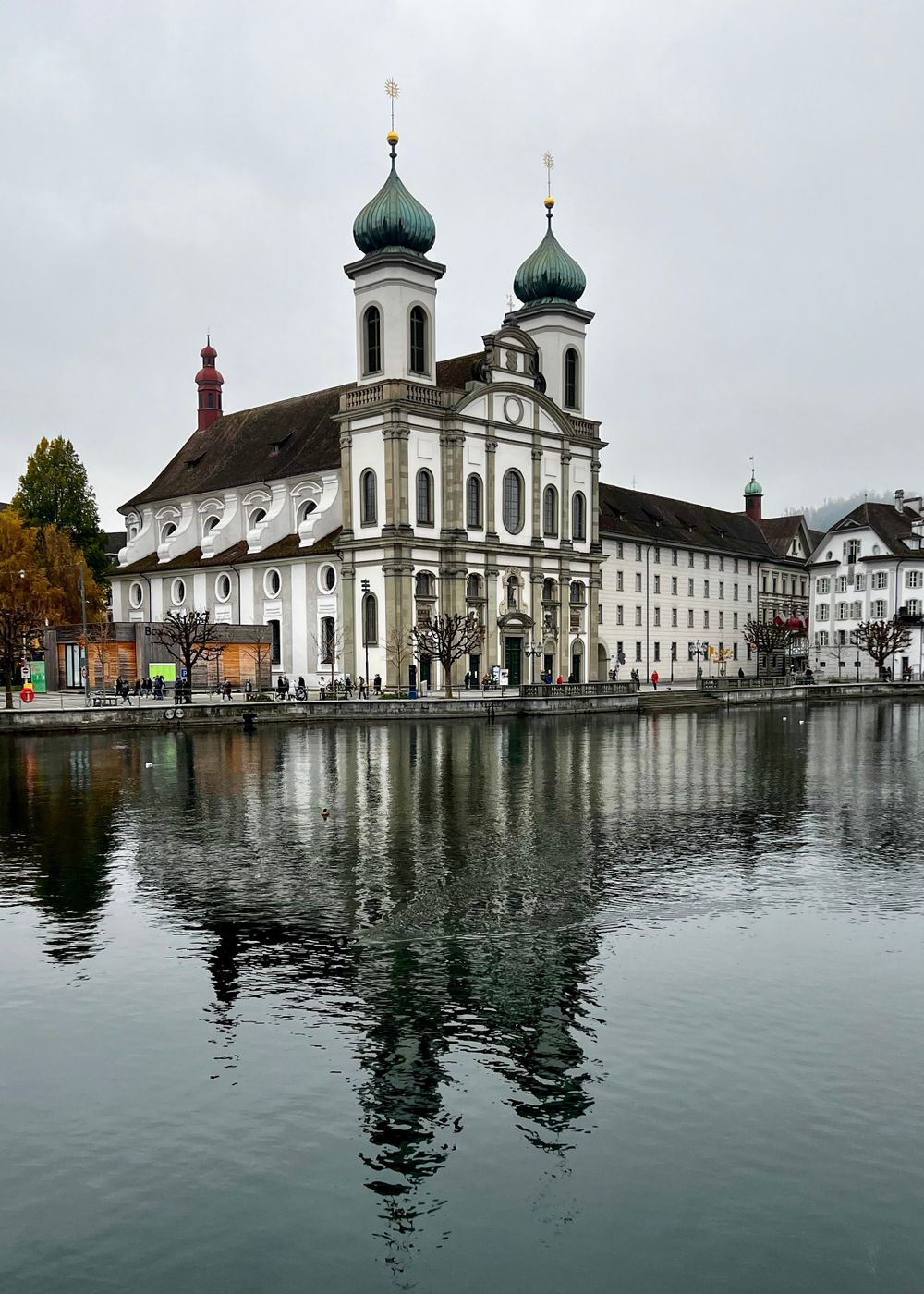
On the left bank of the Reuss, a twin-towered church opens into a bright baroque hall of white and gold stucco under a painted ceiling. It…
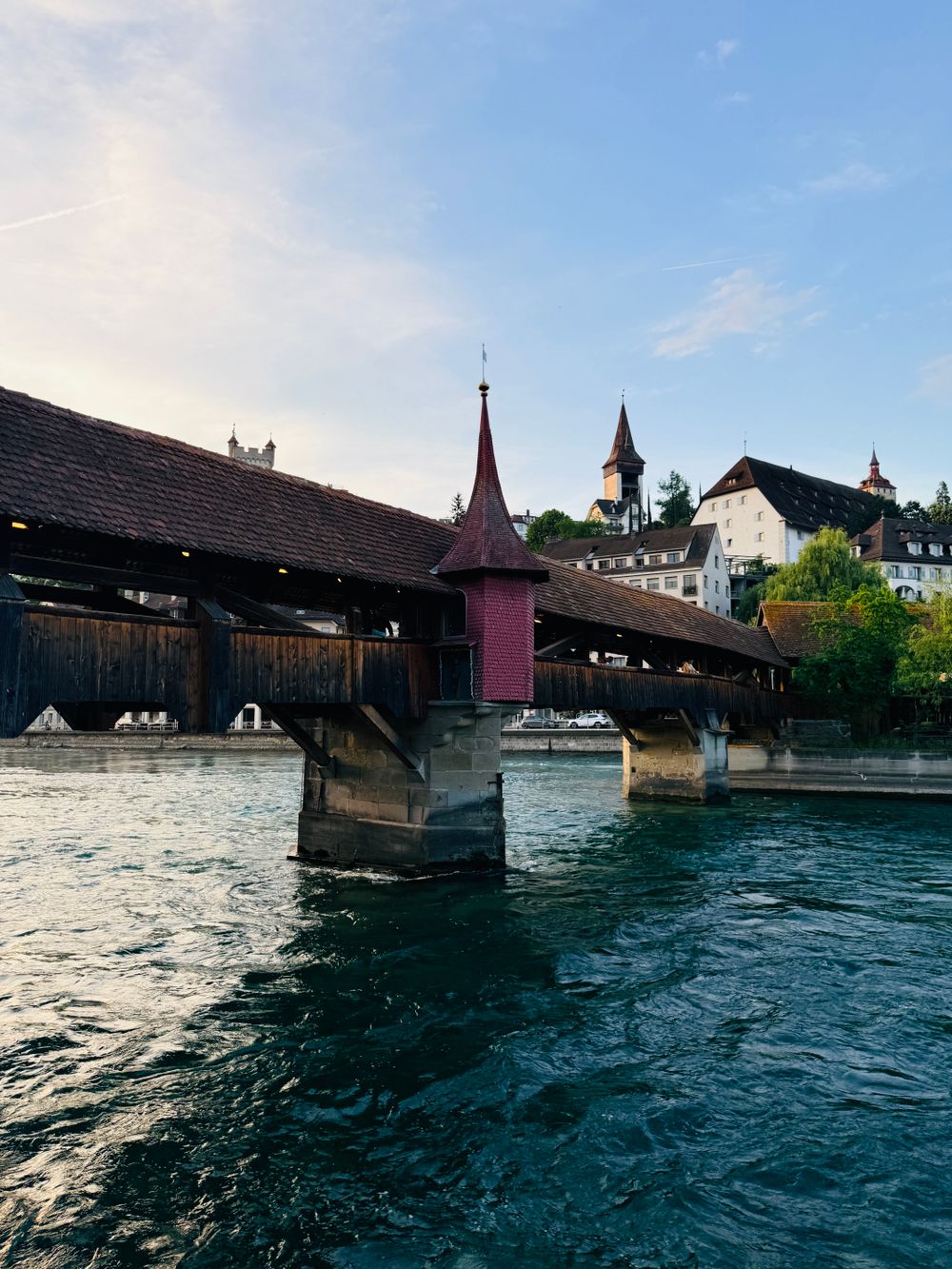
Downstream from the Chapel Bridge, Lucerne's second covered wooden bridge crosses the Reuss within sight of the old needle weir, with…
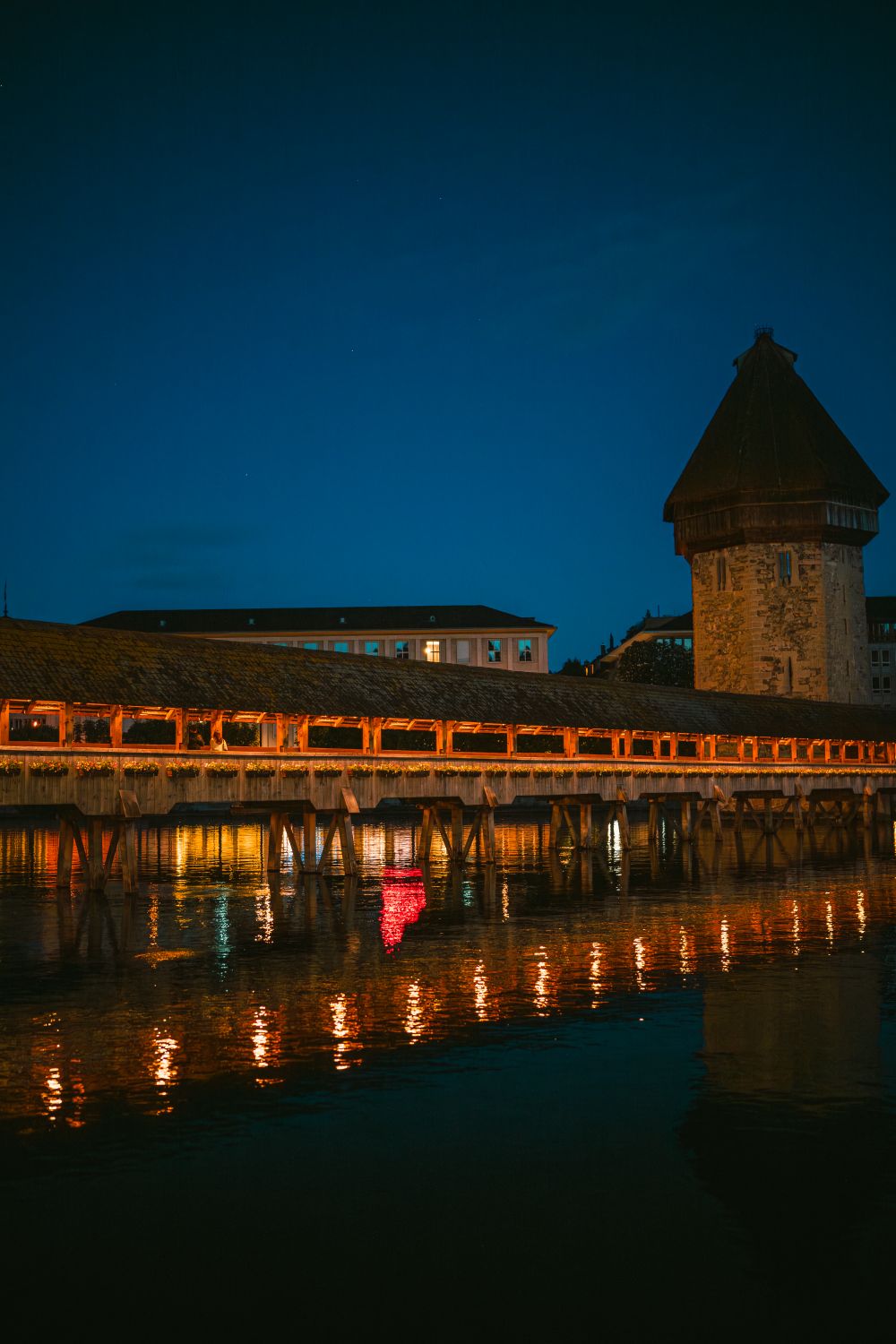
A covered wooden footbridge of about 1365 crossing the Reuss at an angle, with a water tower beside it and painted panels in the roof…
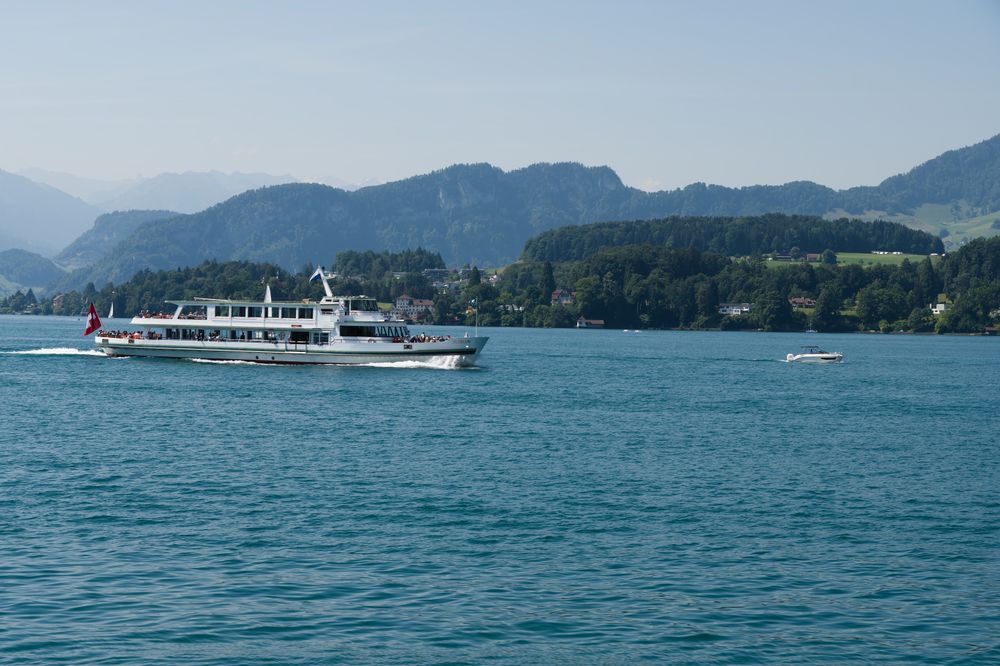
Boats leave from the quay outside the station for every arm of the lake, from short loops past the lakeside villas to the long run to…
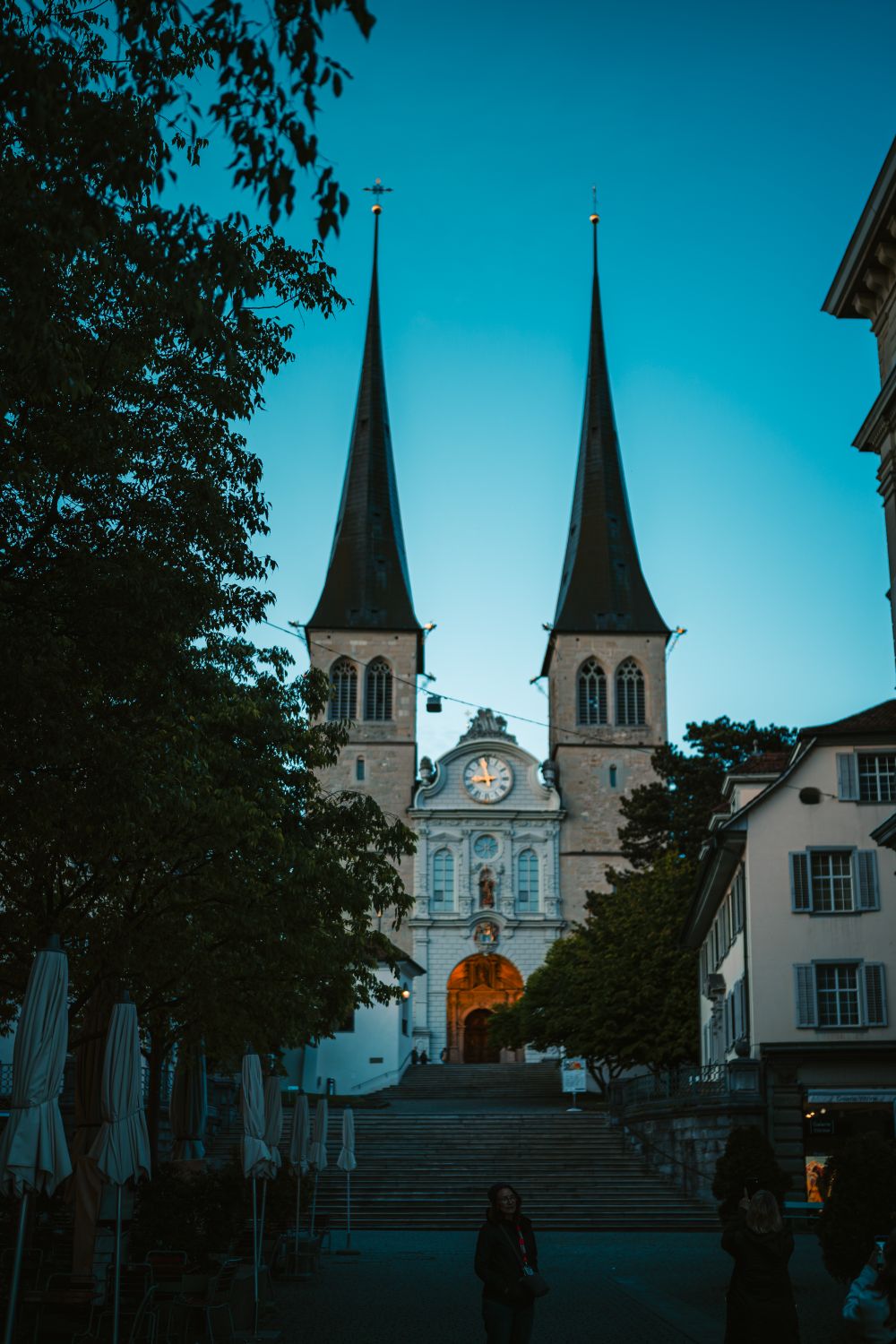
Above a staircase from the lakefront, the twin-towered Hofkirche is Lucerne's mother church. Its great organ plays summer storm concerts,…
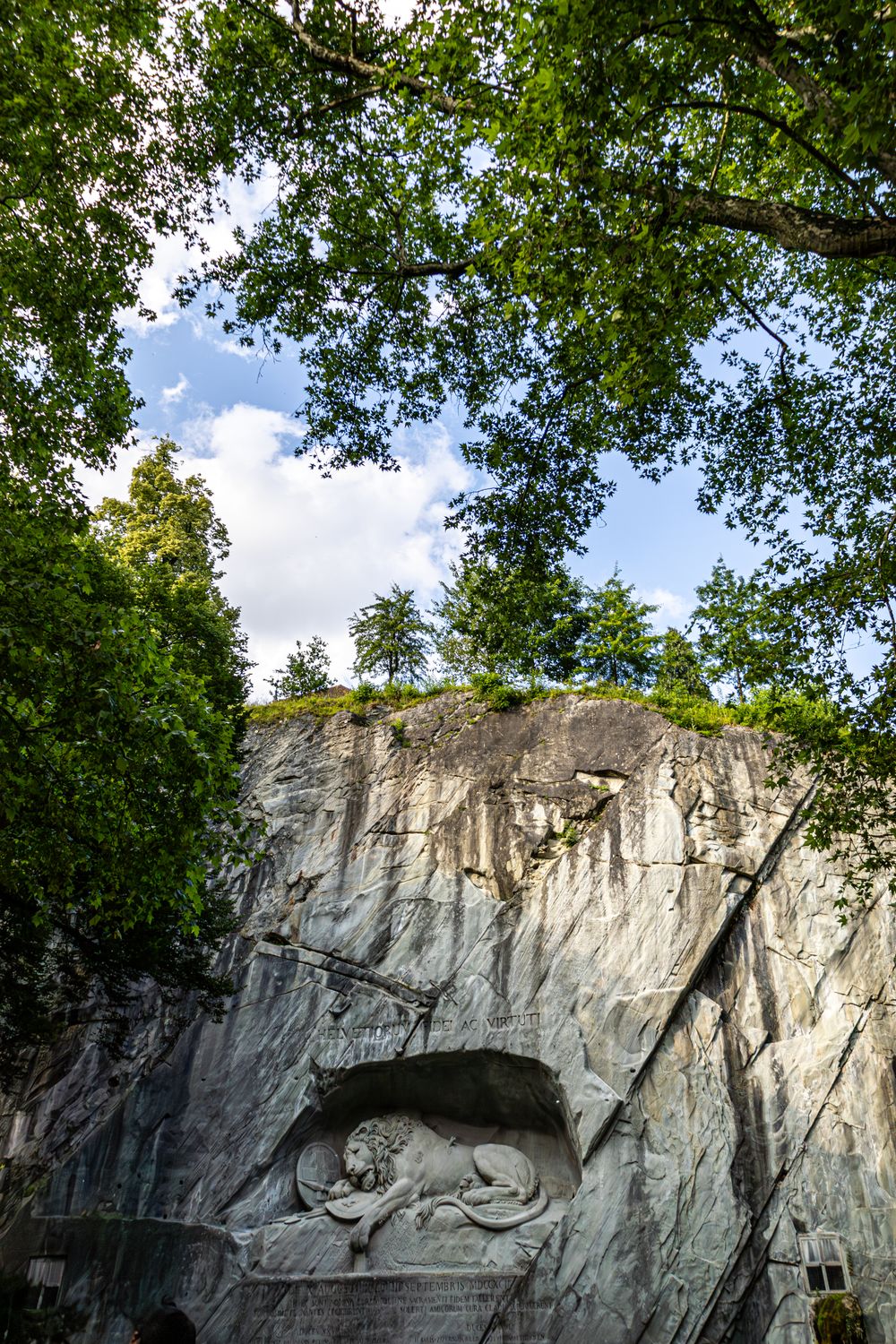
A dying lion carved into a rock face in 1821 for the Swiss Guards killed defending the Tuileries in 1792, ten metres long above a quiet…
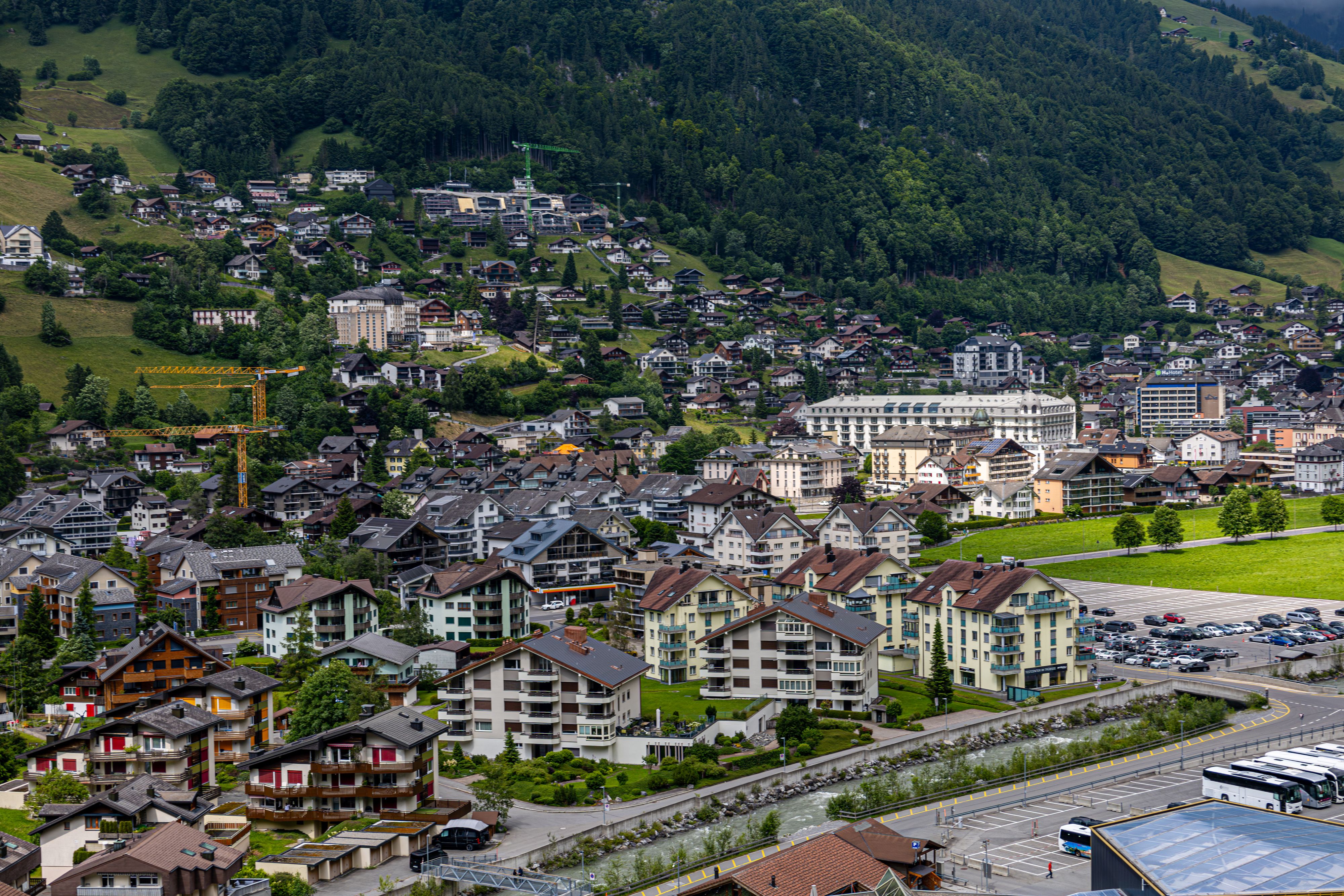
A valley village an hour from Lucerne, built around a Benedictine abbey that still runs a school and a cheese dairy. The name means angel…
The official pages this guide was checked against.
Last updated