Things to do
19-
Chapel Bridge
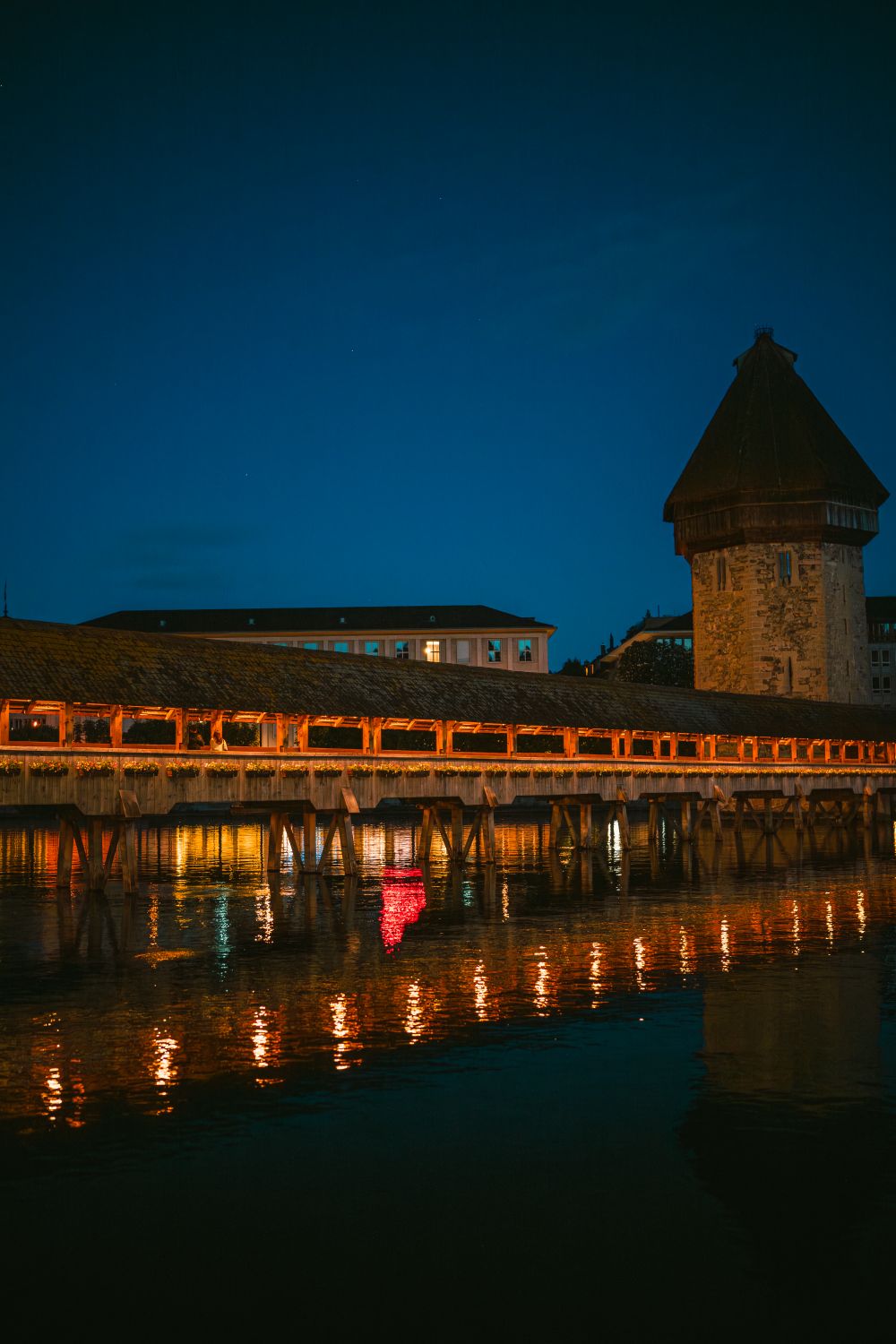
After dark, once the day-trippers have gone, the bridge and the Water Tower are lit up over the Reuss, and that is the photograph of Lucerne to take. The bridge is free and never shuts, so come back after dinner.
View more → -
KKL Luzern
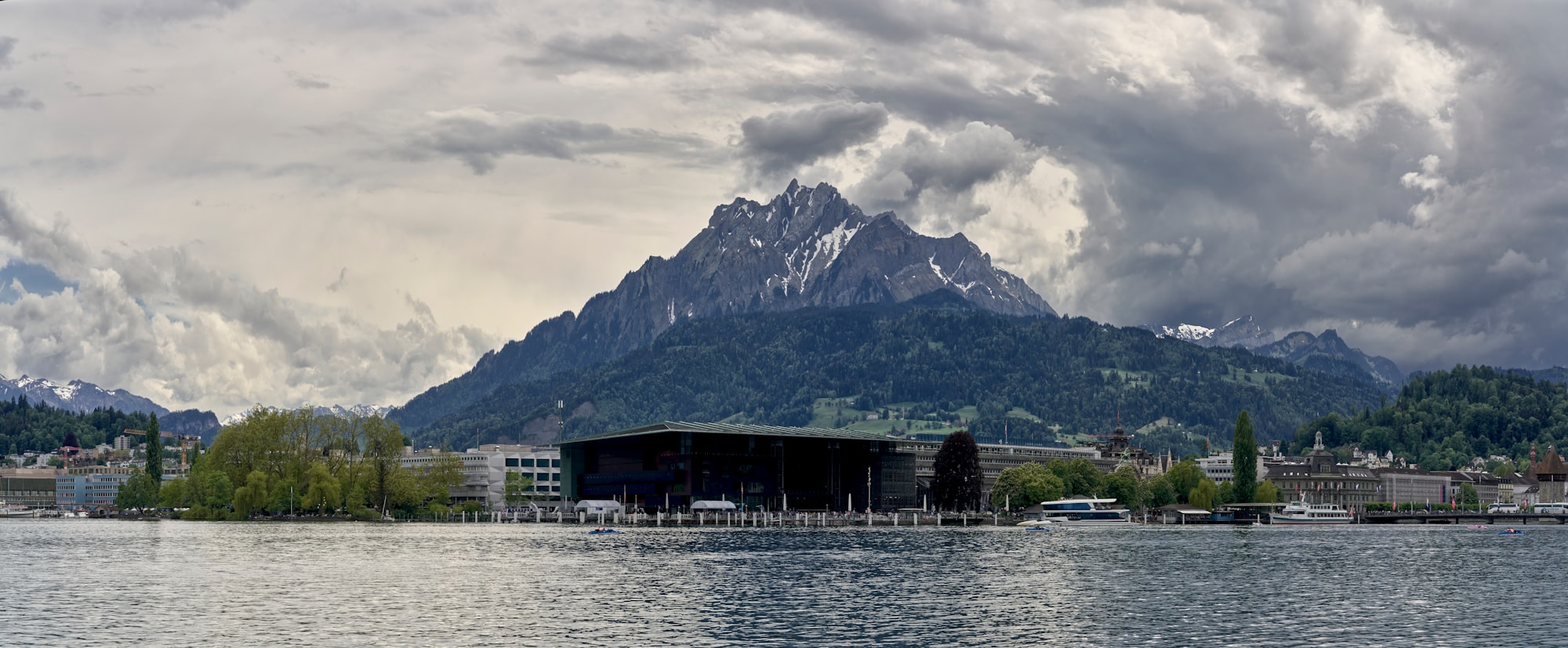
Beside Lucerne station, Jean Nouvel's culture centre sits under a flat roof a hundred metres square reaching out towards the lake. Its concert hall opened in 1998, built with close attention to acoustics, and it is the main venue of the Lucerne Festival. An art museum on the upper floor and lakeside restaurants fill a visit between concerts.
-
Lion Monument
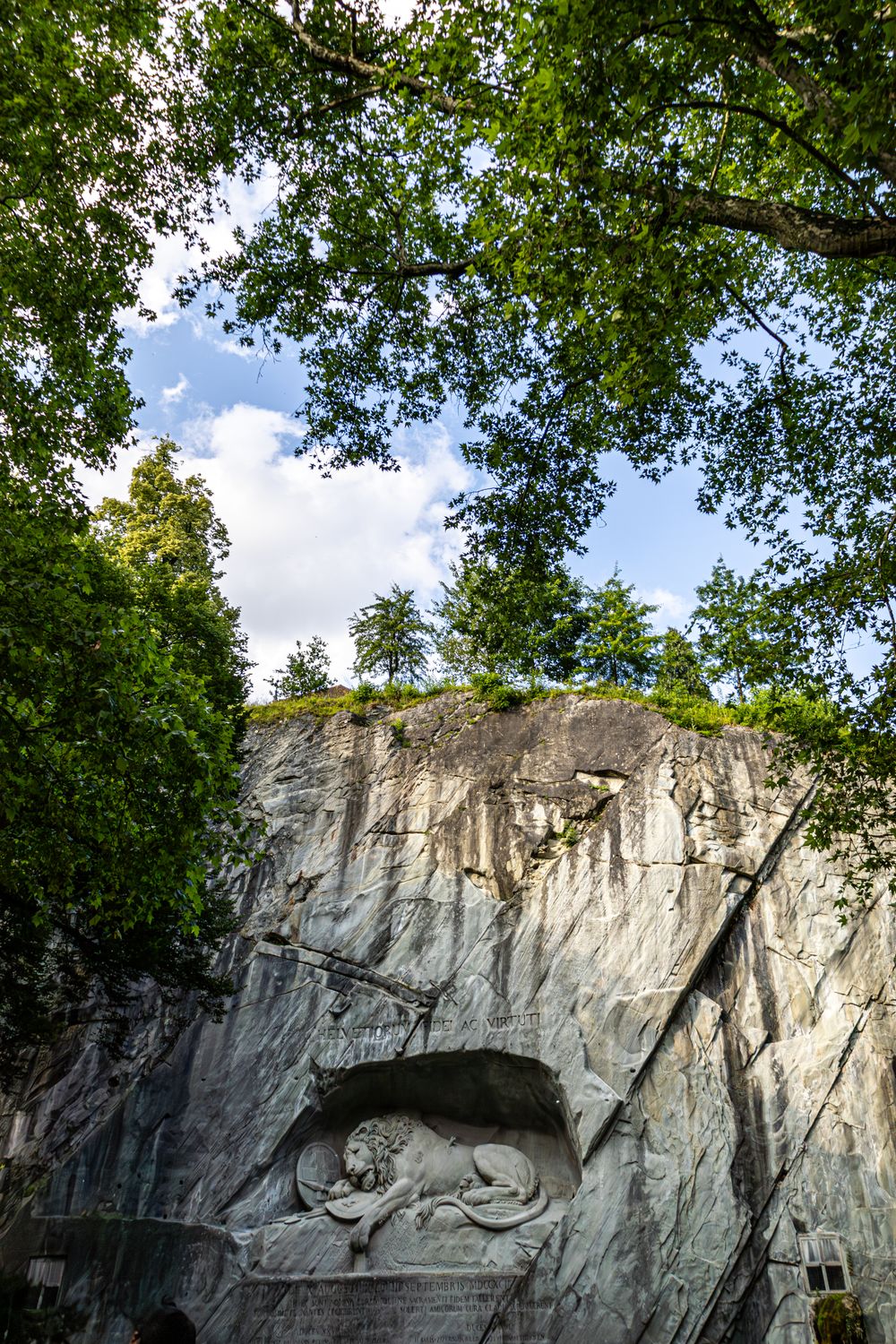
Go early, before the tour groups, and give it a quarter of an hour. The dying lion cut into the cliff over a still pool is best seen while the park is quiet, because about 1.4 million visitors a year make it one of the busiest stops in town.
View more → -
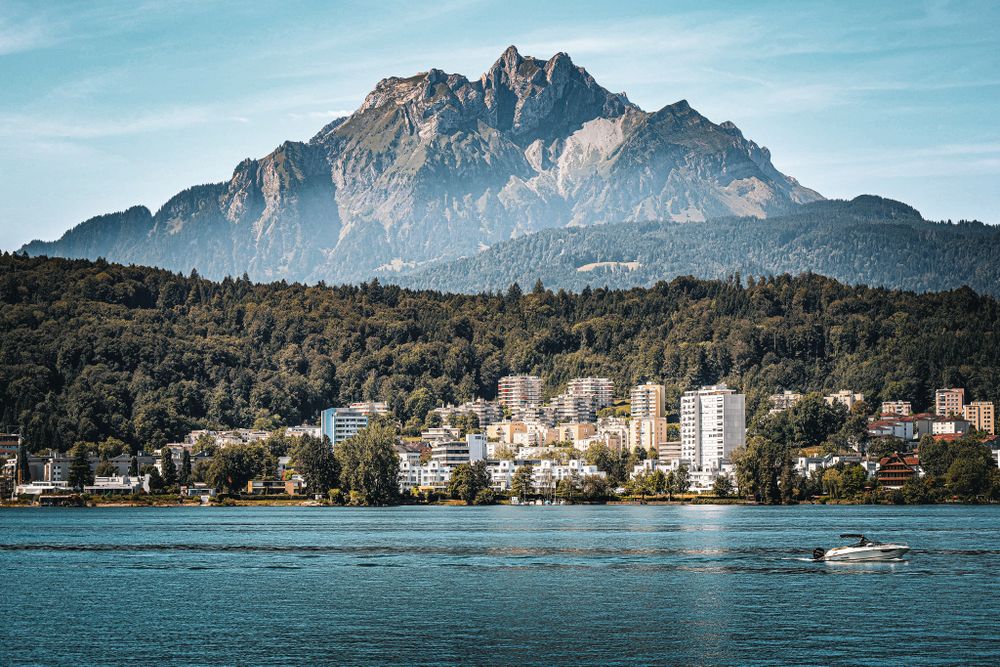
Mount Pilatus
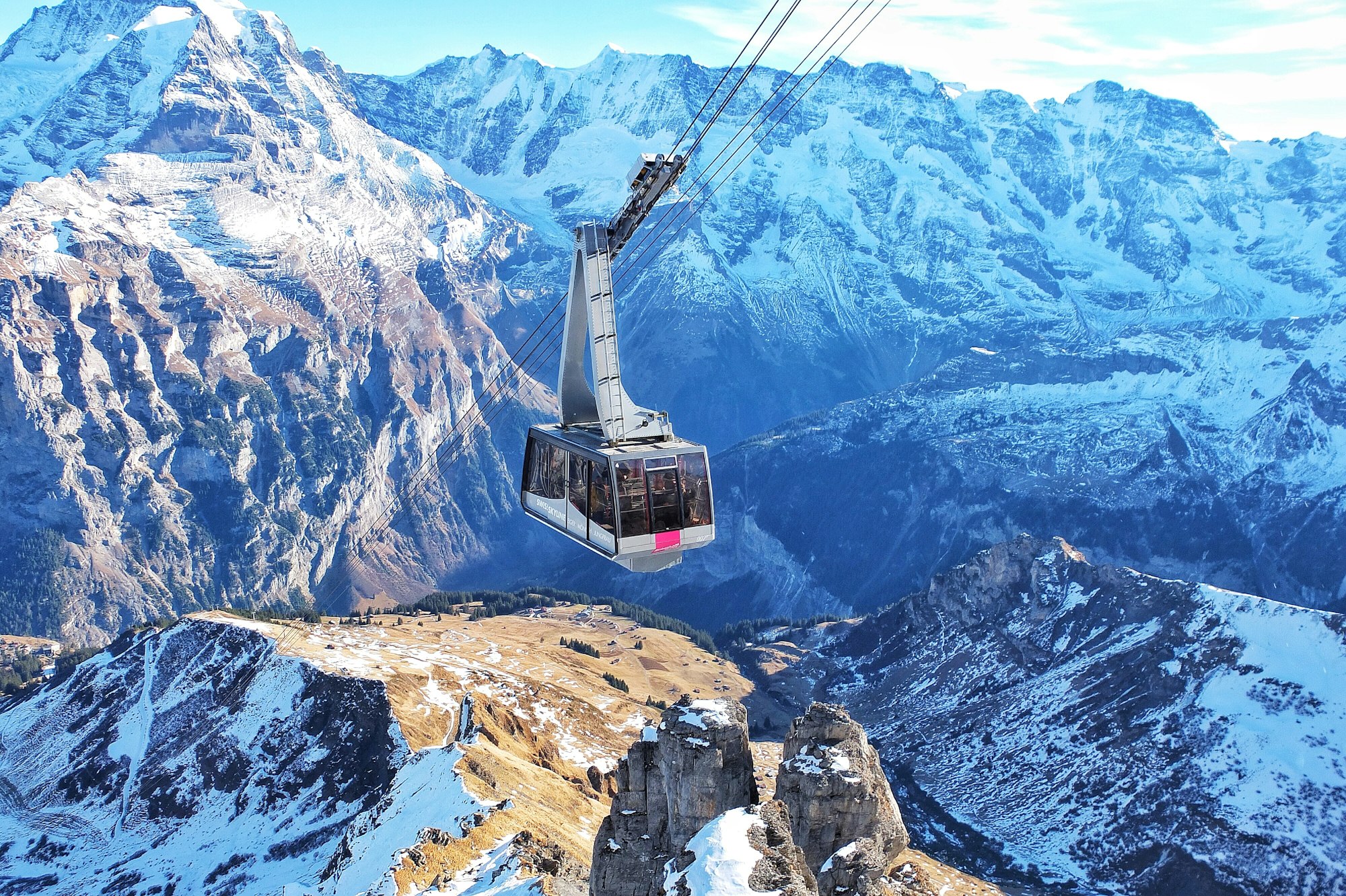
Come in summer or early autumn and you can ride a loop: boat from Lucerne, cogwheel railway up, cableway and gondolas down to Kriens. Once the boat stops, it is a there-and-back trip.
View more → -
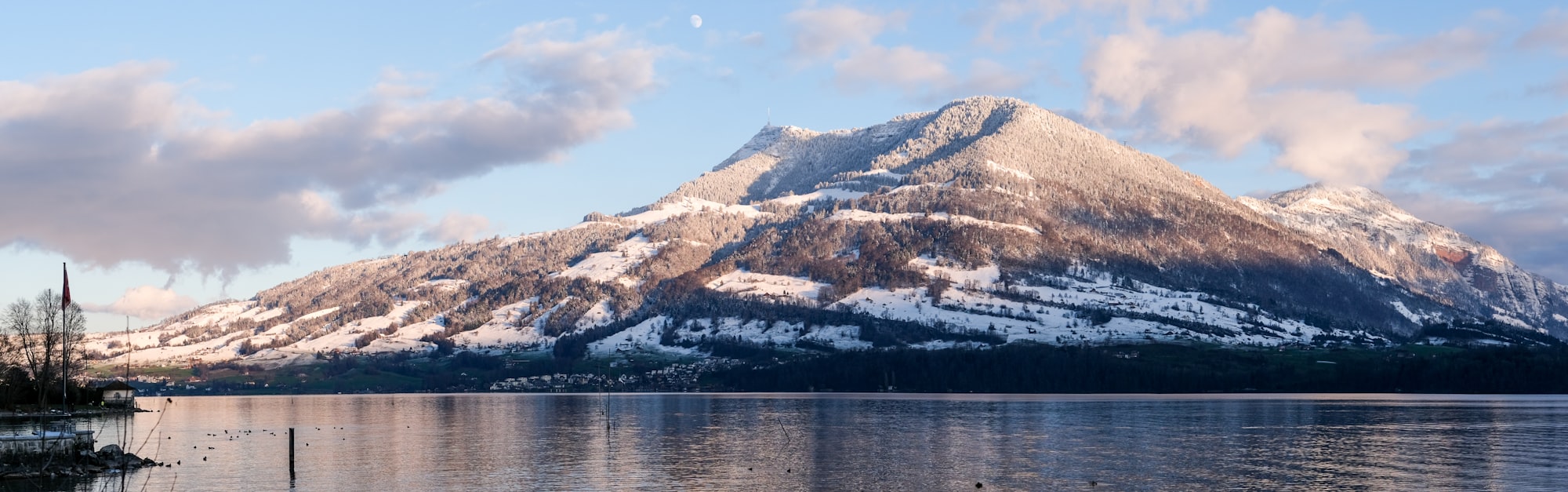
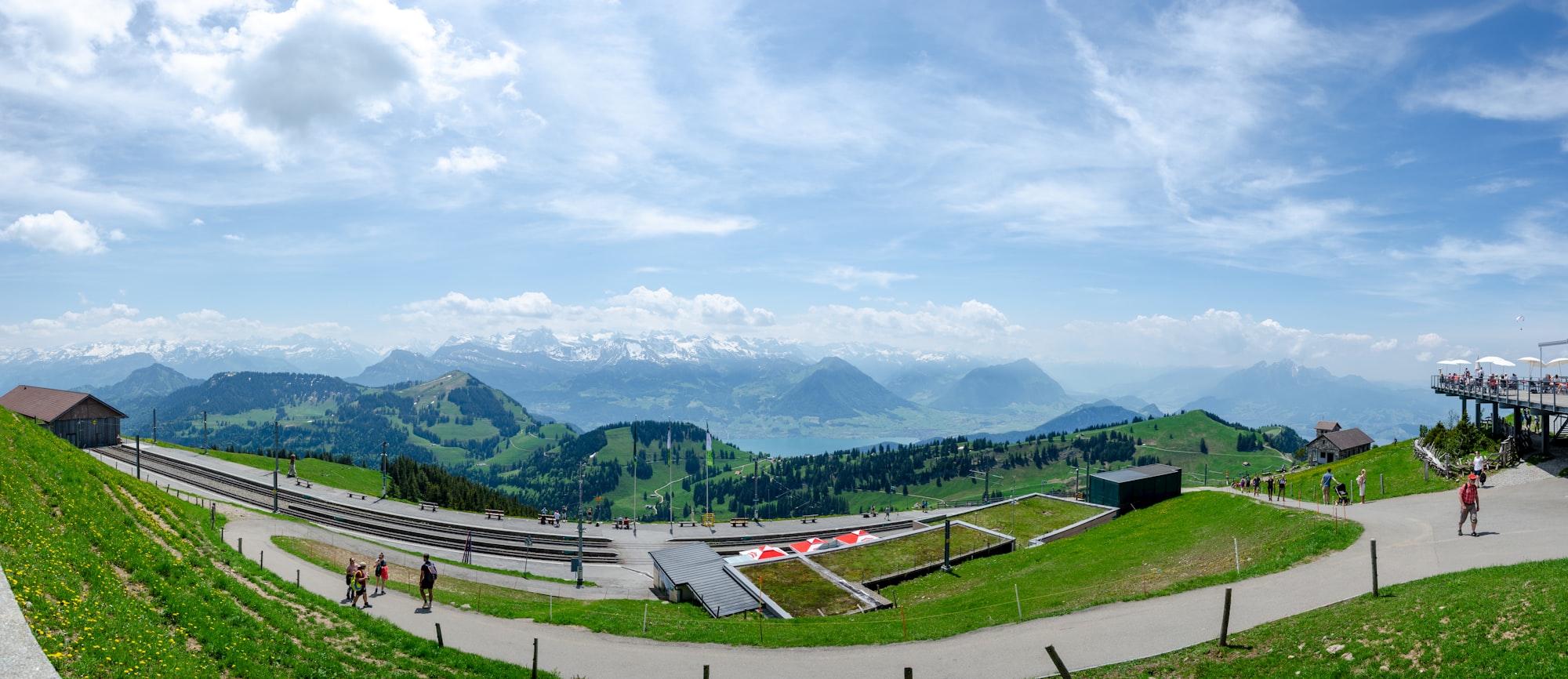
Rigi
The mountain on the other side of the lake at 1,798 metres, served by Europe's first mountain railway, opened in 1871. It is a broad grassy summit rather than a peak, which is why the view runs the full circle from the Alps to the Black Forest.
-
Swiss Museum of Transport
Switzerland's most visited museum fills a lakeside site at Lido, east of the centre, with real locomotives, cars, ships and aircraft. A planetarium, a giant format cinema and an aerial photograph of the whole country add to the halls. The Luzern Verkehrshaus station sits outside, or a lake boat stops nearby. Plan a full day.
-
Museum
Bourbaki Panorama
A circular painting 112 metres long wraps the inside of a glass rotunda near the Lion Monument, showing a defeated French army crossing into Switzerland in the winter of 1871 to be disarmed and sheltered. From the central platform the painted snow, wagons and soldiers blend into real objects on the floor below. A soundtrack and a museum floor explain the scene, and an hour is enough.
-
Château Gütsch
A turreted hotel of 1888 on the Gütsch hill west of the old town, with the town and the lake laid out below its terrace. Two small inclined lifts climb from Baselstrasse to the door and run late into the night on a city bus ticket. It reopened in 2014 after years shut, and the terrace has one of the widest views over the town and lake.
-
Museum
Glacier Garden
Next door to the Lion Monument, a set of glacial potholes uncovered in 1872 sits under a protective roof, with a museum on the Ice Age and the warm sea that covered the region long before it. The mirror maze in a pavilion on the same site is the part children remember. Allow an hour or two and pair it with the Lion on one walk.
-
Viewpoint
Hammetschwand Elevator
On the cliff of the Bürgenstock, a glass and steel lift climbs 153 metres up the rock face to a viewpoint high above Lake Lucerne. The outing starts with a boat to Kehrsiten, the funicular up to the resort, then the Felsenweg cliff path to the foot of the lift. The funicular runs all year, but the lift and the cliff path close over the winter and reopen in April.
-
Church
Hofkirche St. Leodegar
Up a broad flight of steps above the lakefront promenade, the twin-spired Hofkirche was rebuilt in the 1630s after a fire, and its great organ has about 6,000 pipes. Arcaded walkways around the churchyard hold old family graves with a view over the water. Twenty minutes is enough outside service times.
-
Church
Jesuit Church
On the left bank of the Reuss, a plain twin-towered front hides a bright baroque interior of white stucco, gilding and a painted ceiling, completed in the 1670s. Entry is free and modest dress is expected. A short visit fits between the station and the Chapel Bridge, a few minutes' walk in either direction, and the river steps outside are a good place to sit afterwards.
-
Lake
Lake Lucerne
Boats leave from the quay outside the station for every arm of the lake, from short loops past the lakeside villas to the long run to Flüelen at the far end, with paddle steamers on many summer sailings. The Swiss Travel Pass covers them, and winter brings a shorter timetable. The boats are also the way to the Rigi at Vitznau and to Pilatus at Alpnachstad.
-
Museggmauer
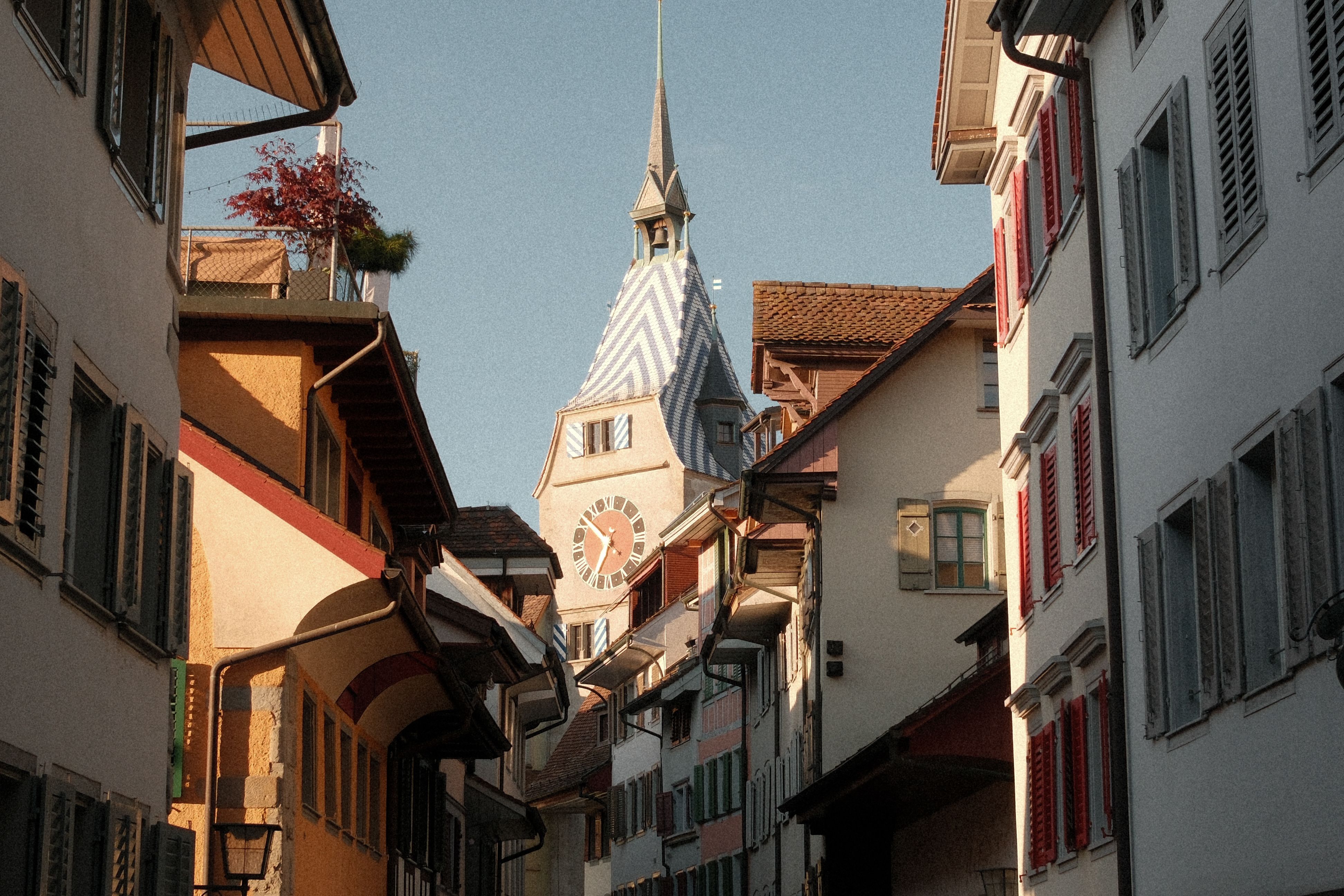
Eight hundred and seventy metres of fourteenth-century town wall with nine towers standing on the hill above the old town. Four towers can be climbed in season, and one holds the city clock, which is allowed to strike a minute before all the others.
-
Museum
Richard Wagner Museum
At Tribschen, on a meadow peninsula south of the station, the villa where Richard Wagner lived from 1866 to 1872 keeps his rooms, letters and instruments, with lawns running down to the lake. The walk along the shore from the KKL takes about half an hour, or a city bus stops at Wartegg nearby. The house closes over the winter, so plan it for spring to autumn.
-
Gallery
Rosengart Collection
In a former bank building on Pilatusstrasse, a few minutes' walk from the station, a private collection holds about 125 works by Paul Klee and a large group by Picasso, alongside Cézanne, Monet, Matisse and Chagall. The rooms are small and seldom crowded. Photographs of Picasso at home by David Douglas Duncan fill one floor, and an hour and a half covers the whole house.
-
Bridge
Spreuer Bridge
Downstream from the Chapel Bridge, the city's second covered wooden bridge crosses the Reuss beside the old needle dam, with seventeenth-century Dance of Death panels painted under its roof. It draws a fraction of its neighbour's crowd. Walk it slowly to see the paintings: 45 of the original 67 survive.
-
Viewpoint
Stanserhorn
From Stans, a short train ride from Lucerne, a vintage funicular and then the CabriO cable car, whose upper deck rides open to the sky, climb to a 1,898 metre summit with a view over the lakes. A loop path around the top takes about forty minutes, and marmots live in an enclosure by the top station. The cable car closes in winter and reopens in April.
-
Beach
Ufschötti
A free public lawn on reclaimed land by the Alpenquai, ten minutes on foot from the KKL, with ladders and a small shore for swimming straight off the grass. On hot weekends and summer evenings it fills with picnics and barbecues, and the view runs across the water to Pilatus. There is no gate and no fee, so a towel and a picnic are all it takes.