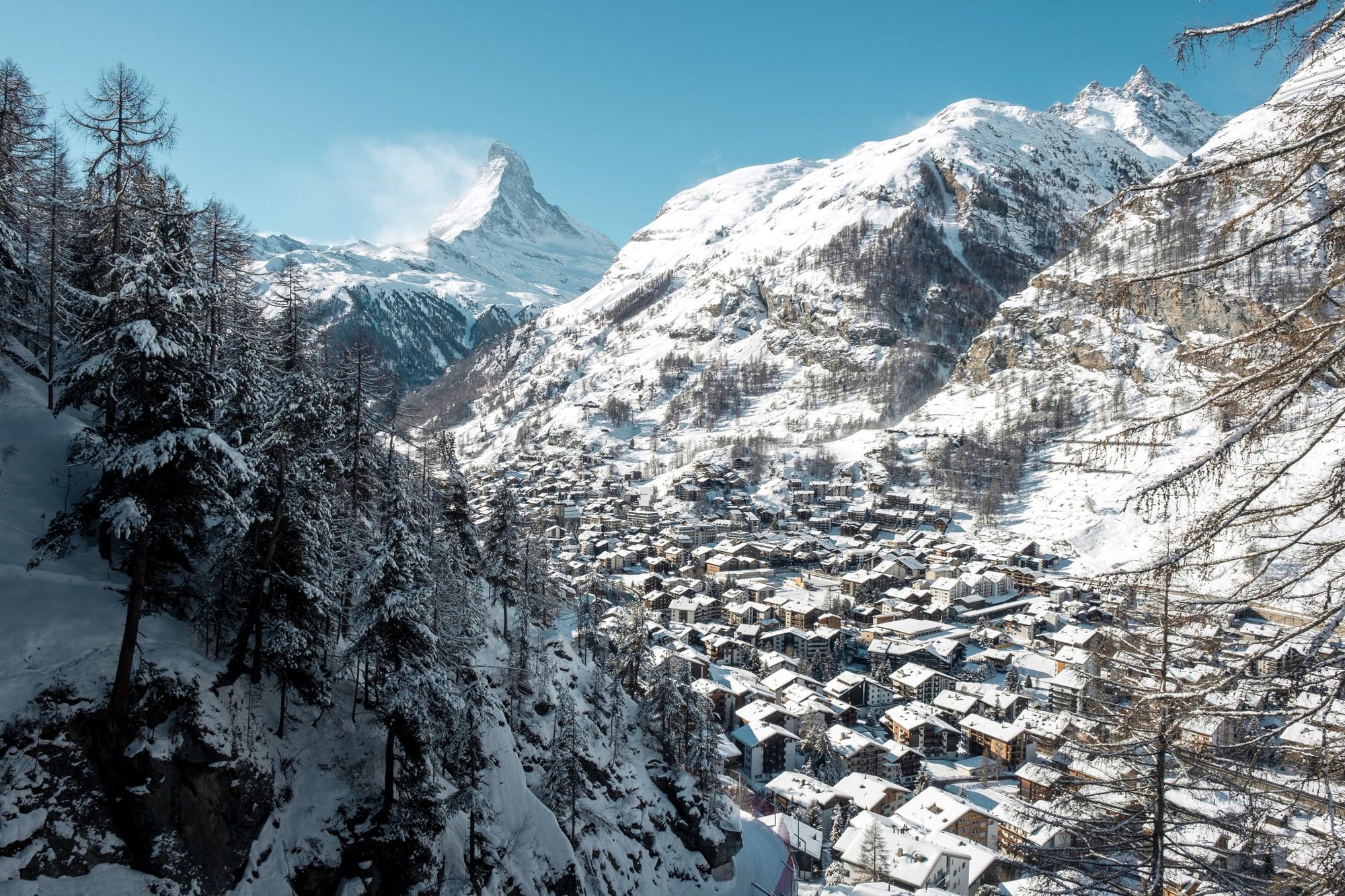
On one international pass you can ski from Zermatt over the glacier into Italy, eat lunch in Cervinia and ski home the same day, as long as the wind lets the link open.
Ski resort, Zermatt, Switzerland. Meridian Dispatch.
The mountain at a glance
Zermatt and Cervinia on one glacier, under the Matterhorn
Top
3,899 mLifts reach about 3,870
Base
1,562 mLowest point, Italian side
Vertical
2,337 mGlacier to valley
Slopes
322 kmAcross two countries
Lifts
51Cable cars to T-bars
Season
Nov to early MayGlacier open in summer
Lift pass
Buy onlineOr at the lift stations
Italy
Can you ski from Zermatt to Cervinia?
Yes, on the international pass. The pistes run from the glacier below Klein Matterhorn down into Breuil-Cervinia and on to Valtournenche. Wind can close the link, and the final lifts out of Italy stop in mid-afternoon, so plan the return for the early afternoon.
Lift pass
Which lift pass do you need for Zermatt?
The Zermatt pass covers Sunnegga, Gornergrat and the glacier on the Swiss side, and the international pass adds Cervinia and Valtournenche. A half-day pass is Swiss side only. The price can rise as the dates get closer, so buying online early pays. The Ikon Pass gives seven days in Zermatt and the Ikon Base Pass five; crossing into Italy also uses an Aosta Valley day.
Beginners
Is Zermatt good for beginners?
It has no green runs. The gentlest start is Wolli Park at Sunnegga, free to enter but needing a pass for the Sunnegga funicular and the park lift, before moving straight onto blue runs. The blues from Plan Maison above Cervinia are the other easy terrain. Lessons for late December and February fill up, so book them ahead.
Skill level
Is Zermatt good for intermediate and advanced skiers?
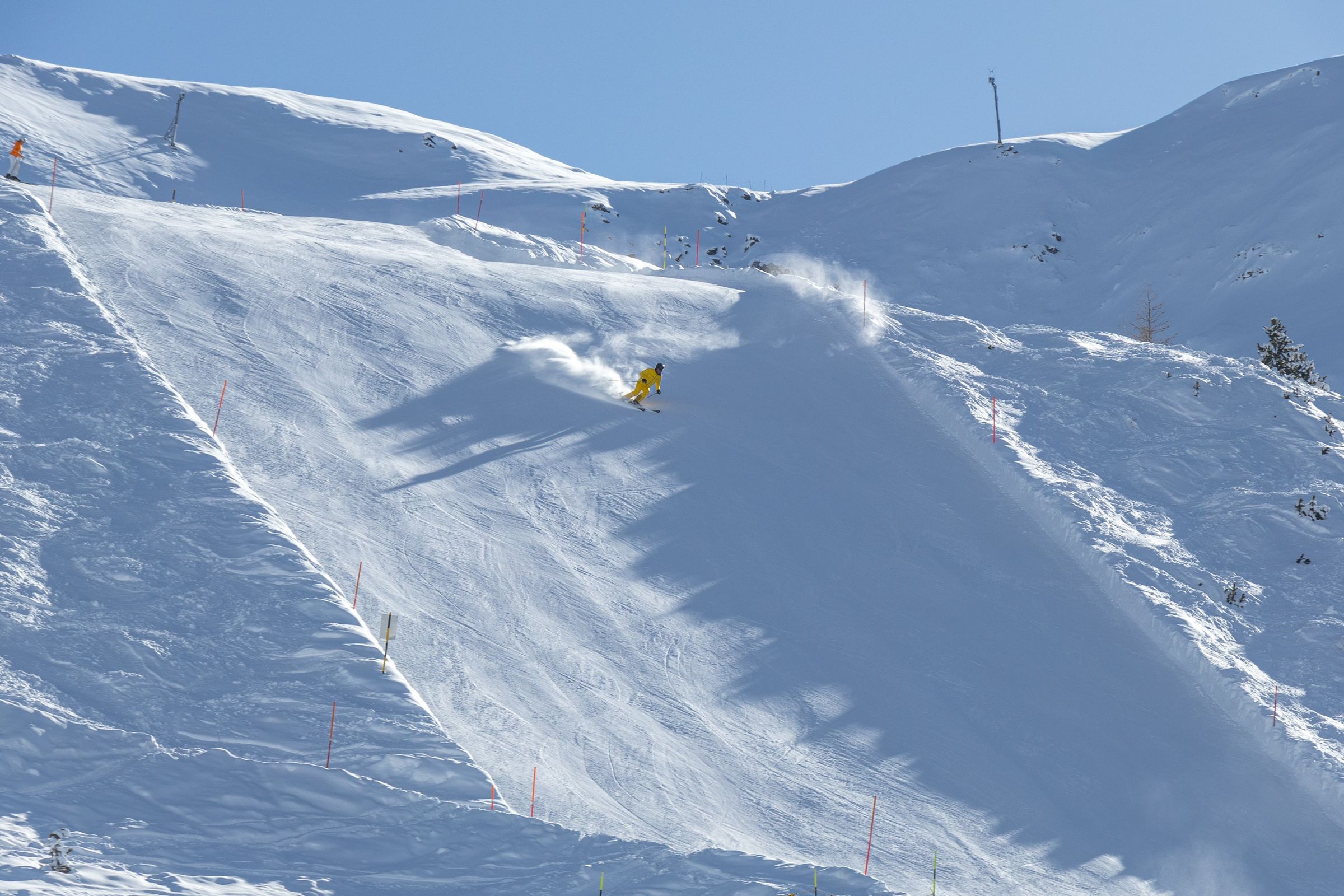
Intermediates get the most from it: the long red runs are the heart of the area, on both sides of the border. Experts have a handful of black runs and the yellow freeride runs when they open. Off the marked runs, go only with a mountain guide.
When to go
When is the best time to ski in Zermatt?
January has the best snow and fewer people. Christmas, New Year and the February holidays are the busiest weeks. March and April bring sun, longer days and softer snow, though the Easter school holidays are worth avoiding. For 2026 to 2027 the glacier opens on 1 November, Sunnegga, Rothorn and Gornergrat on 28 November, and the season ends on 3 May 2027.
Summer
Can you ski in Zermatt in summer?
Yes. The glacier ski area above Trockener Steg stays open through the summer, mornings only, with up to 21 kilometres of pistes; the lift company calls it the highest and biggest glacier ski area in Europe. The Summer Snow Park on Plateau Rosa is one of the highest freestyle areas in the Alps. Sunnegga, Rothorn and Gornergrat run only in winter.
Children
Do children ski free in Zermatt?
Children up to the age of nine get the Wolli Card, valid for a year from November to the end of October. It gives free travel on all the lifts and trains, free accommodation in many hotels and holiday apartments, and exemption from the visitor's tax. The card is booked online with the lift company.
Getting there
How do you get to the Zermatt ski area?
Zermatt is car-free. The train takes about three and a half hours from Zurich Airport and four from Geneva. Drivers park at Täsch and ride the shuttle train for 12 minutes. Once in Zermatt, the underground Sunnegga funicular station is an easy level stroll from the north end; the Matterhorn Express station has a free local bus.
Rental
Where can you rent and store skis in Zermatt?
Rent at the end of the village where you will start skiing: the shops cluster opposite the Sunnegga station, on the station square and beside the Matterhorn Express valley station. Zermatt has no cars, so leave your skis at the lift overnight. The lift company has lockers for skis, boots and helmets at Sunnegga, and the self-service lockers beside the Matterhorn Express run out, so reserve one.
What makes it special
The lifts climb to almost 3,900 metres, and the pistes run down both sides of a border.
Rothorn, Tufternkumme and the Hirli runs
The Matterhorn in view
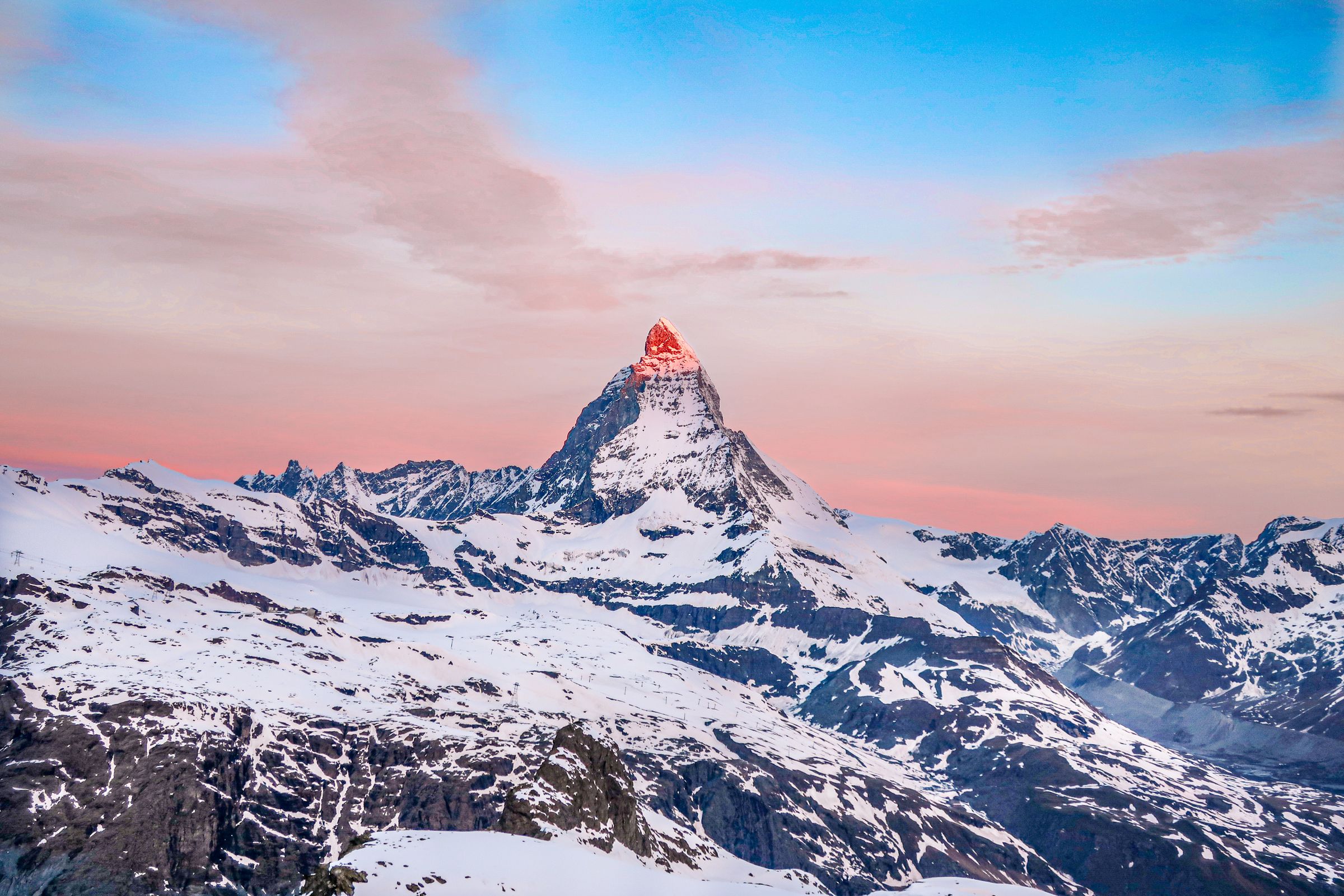
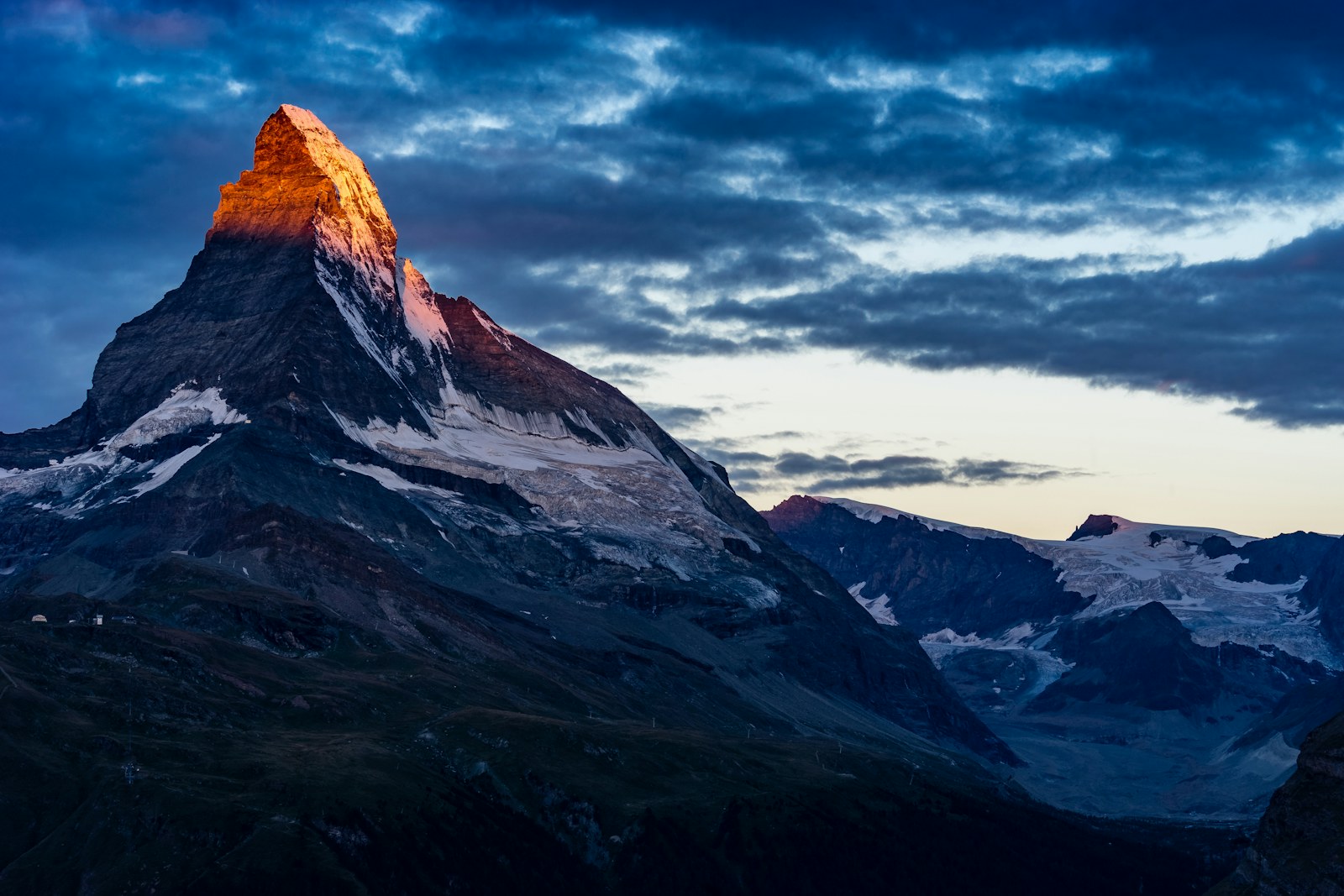
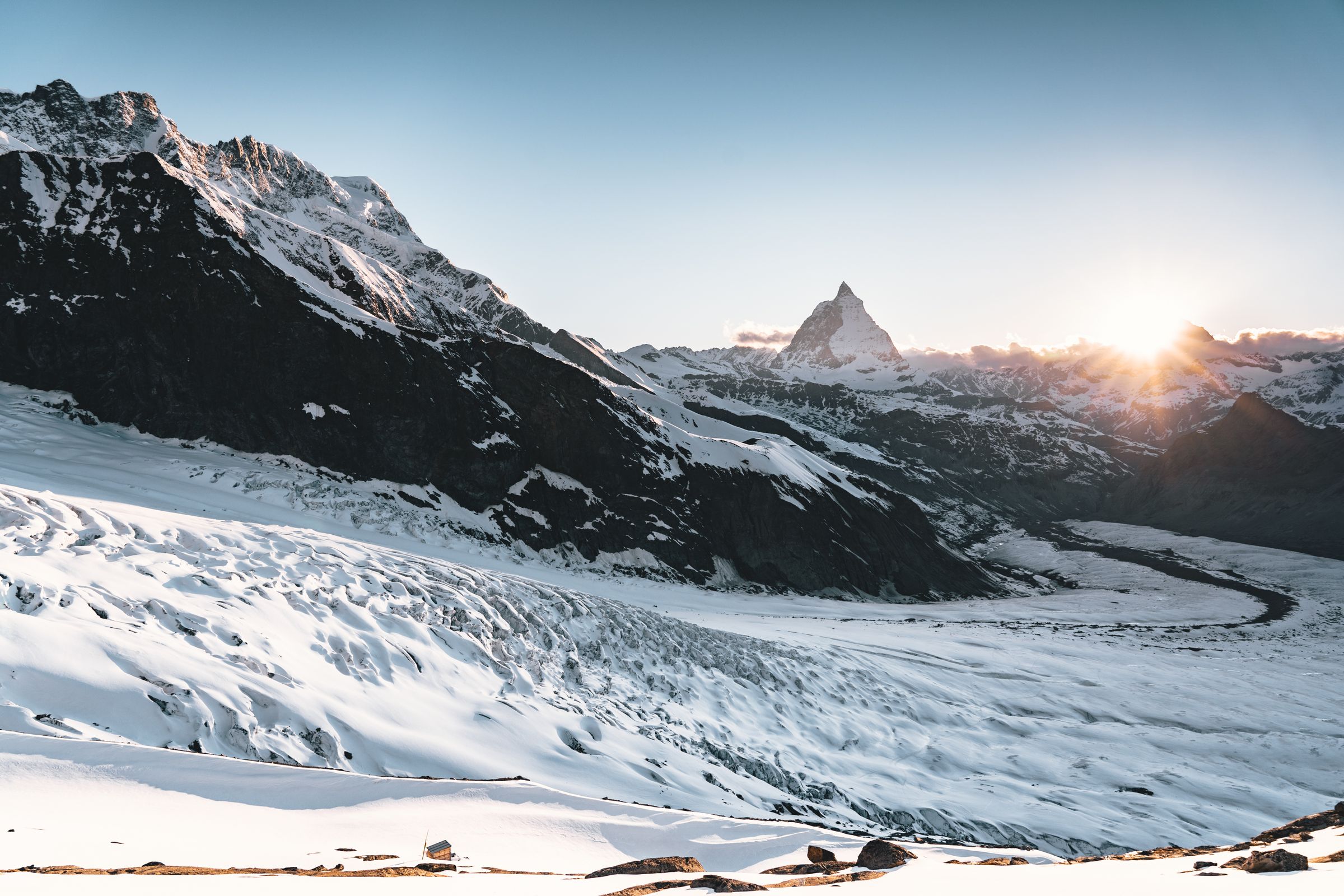
The Matterhorn stands alone at the head of the valley, and a good part of the skiing faces it.
The best views are on the runs from Rothorn down to Sunnegga, on Tufternkumme and on the Hirli runs.
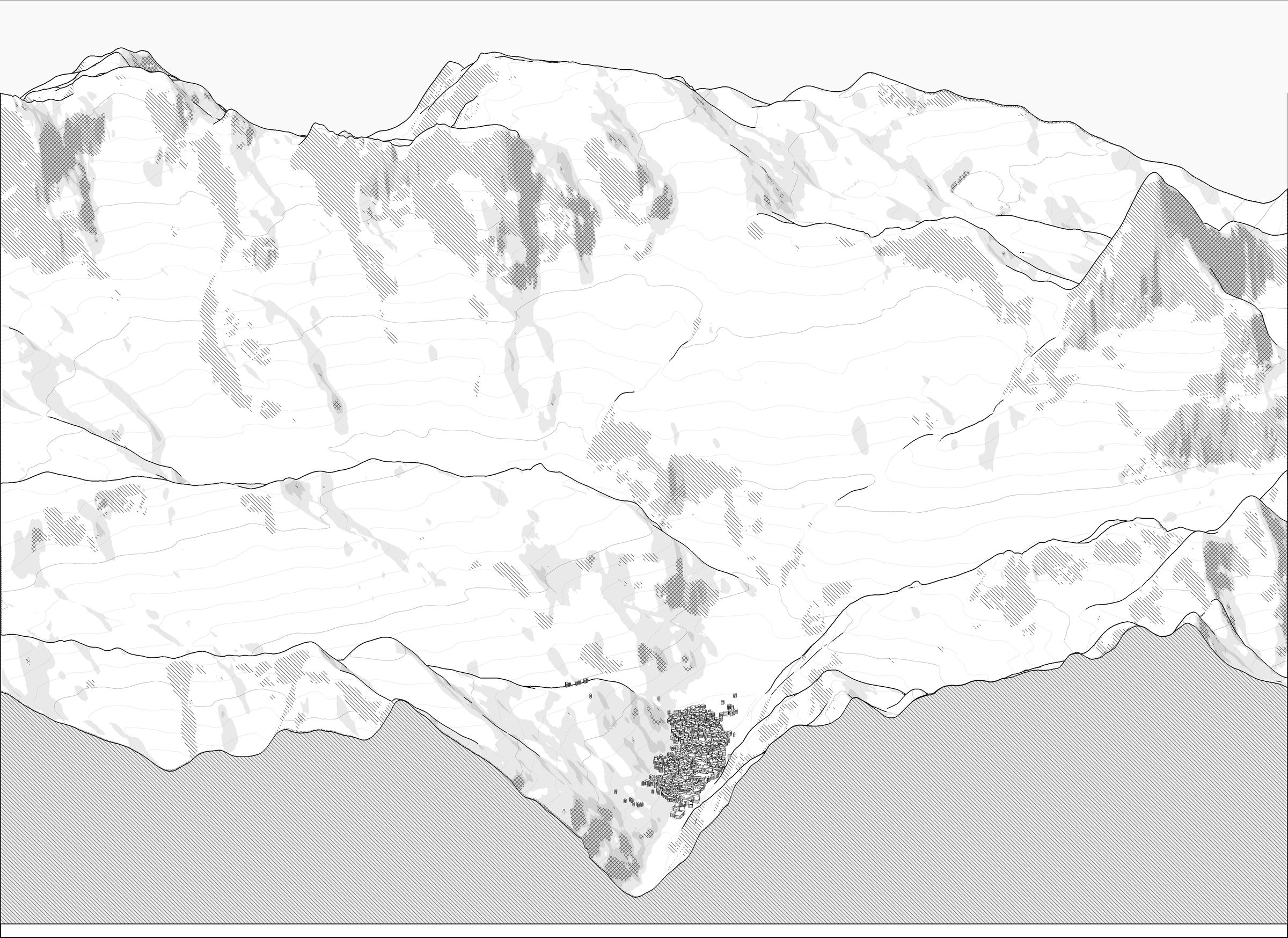
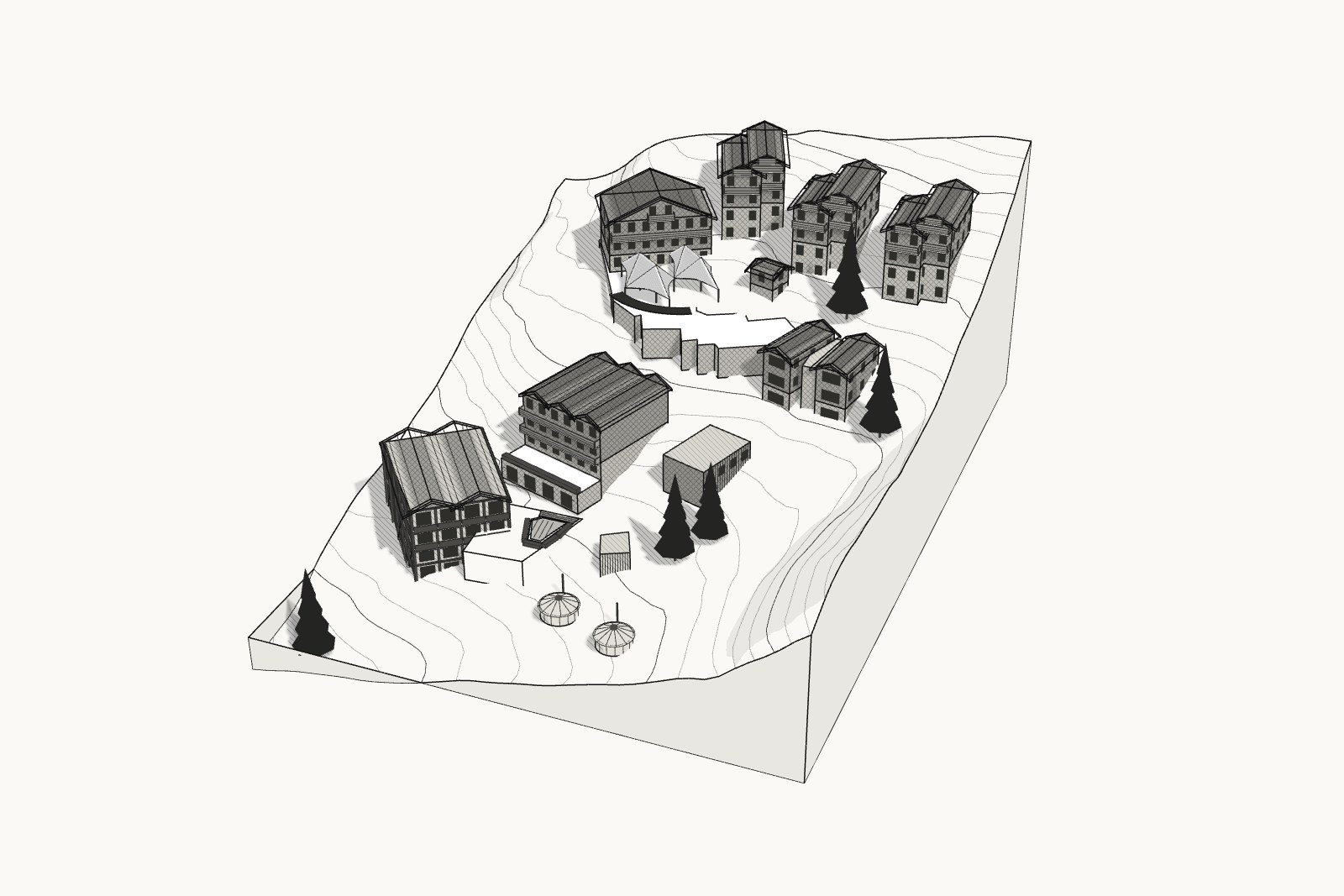
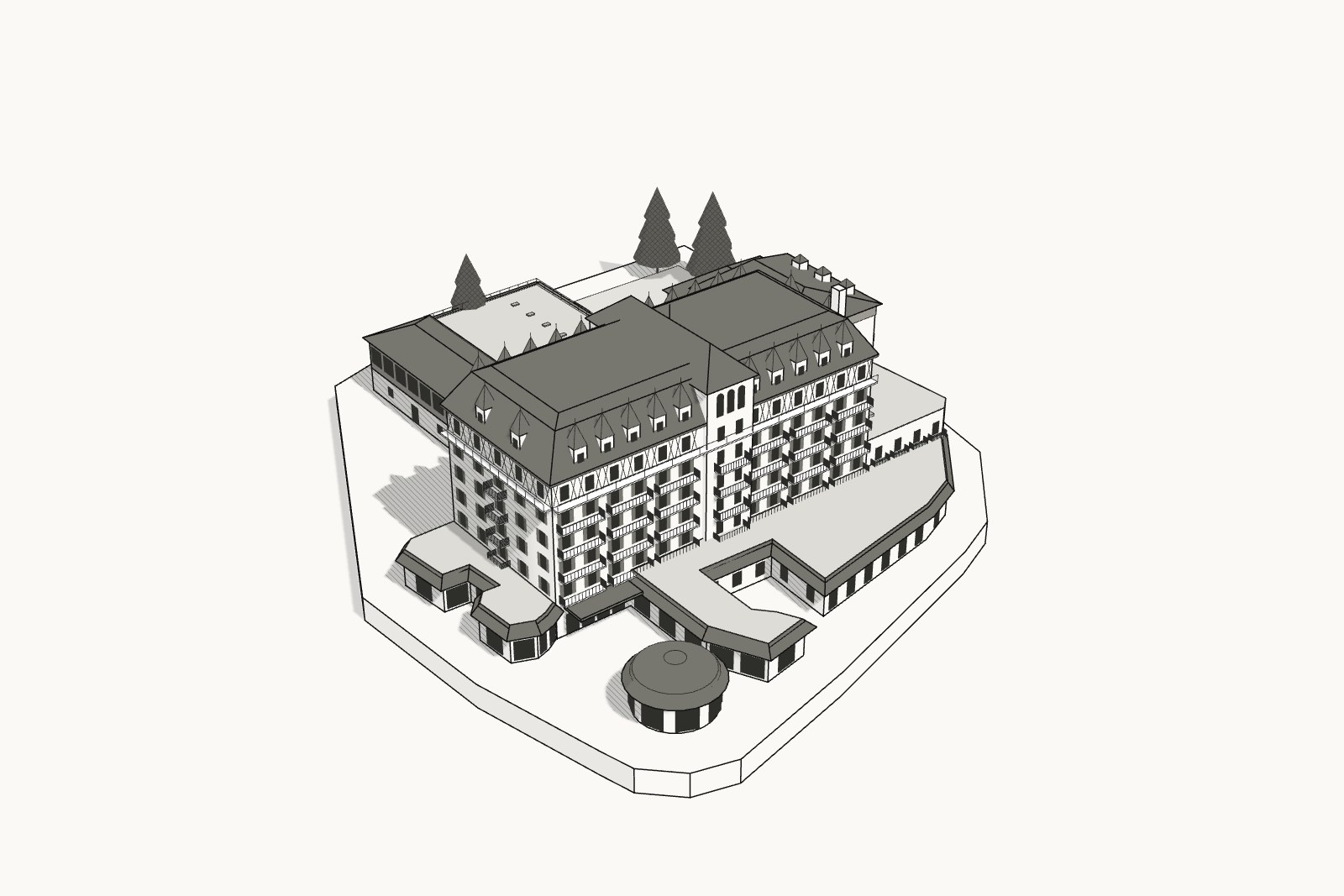
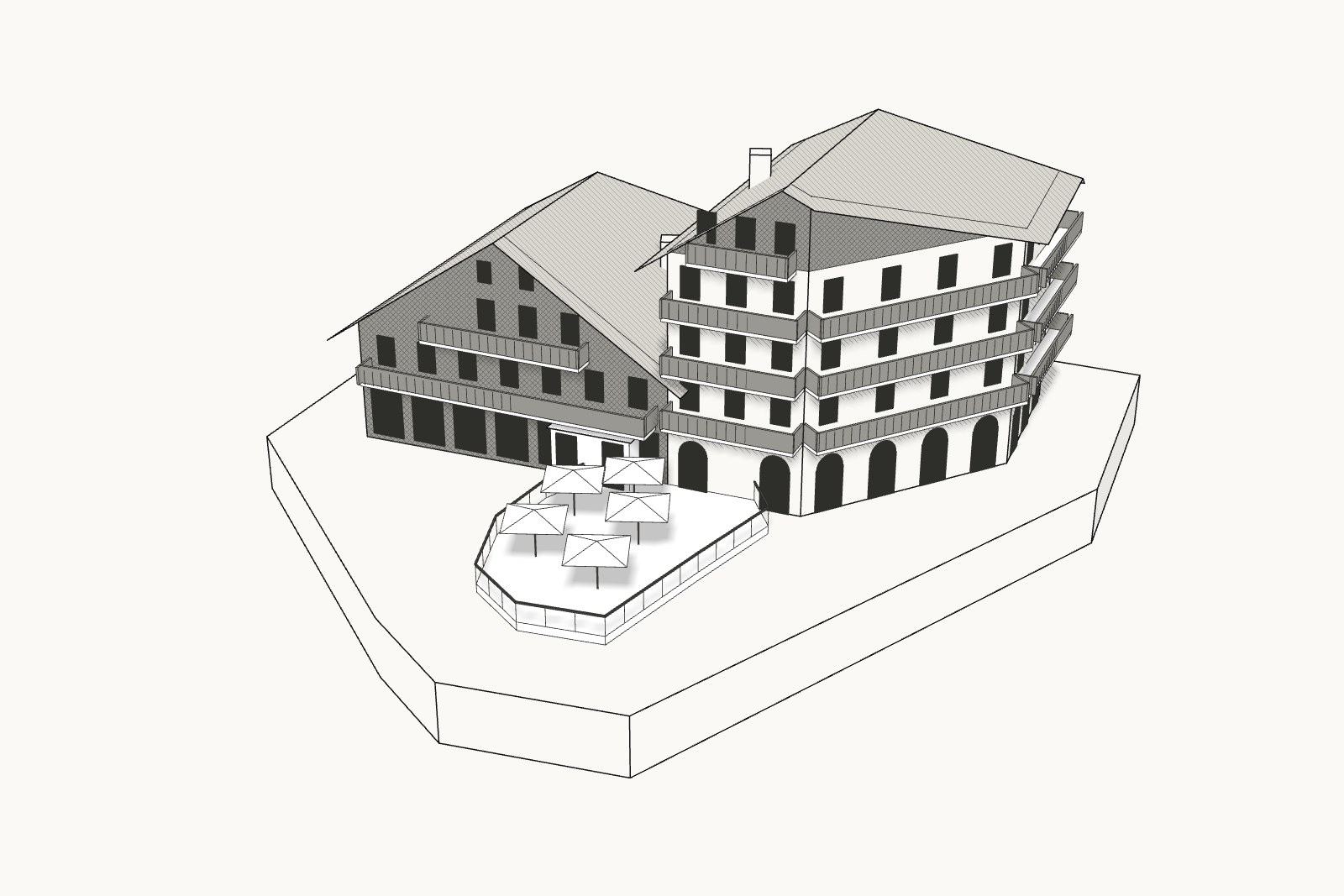
Zermatt and Cervinia on one model. Drag to turn the mountain, and tap a run or a lift to see where it starts, where it ends and how far it drops.
Drag to turn the mountain
Run numbers are the ones on the piste markers. Share of mapped run length. Map data: OpenStreetMap. Terrain: Mapzen, AWS Open Data. The drawing is an artist's rendition by Meridian Dispatch, not the resort's own map.
VillageLift station: where lifts start, end and connectPeakBorder, Switzerland and Italy
19%
Easy, marked blue
Wolli Park at Sunnegga, then the blue runs from Plan Maison above Cervinia.
63%
Intermediate, marked red
Most of the mountain: long red runs on both sides of the border.
7%
Advanced, marked black
Only a handful of black runs; strong skiers move on to the yellow runs.
11%
Freeride, marked yellow
Yellow runs, marked but not groomed, open only when conditions allow.
Skiing it
Three ways up from the village. Pick your base by the one you will use most.
Underground funicular, from the north end
Sunnegga and Rothorn
Wolli Park at Sunnegga is built for children and learners, and the runs from Rothorn down to Sunnegga face the Matterhorn. On a windy morning, start here.
Cogwheel railway, from the centre by the station
Gornergrat
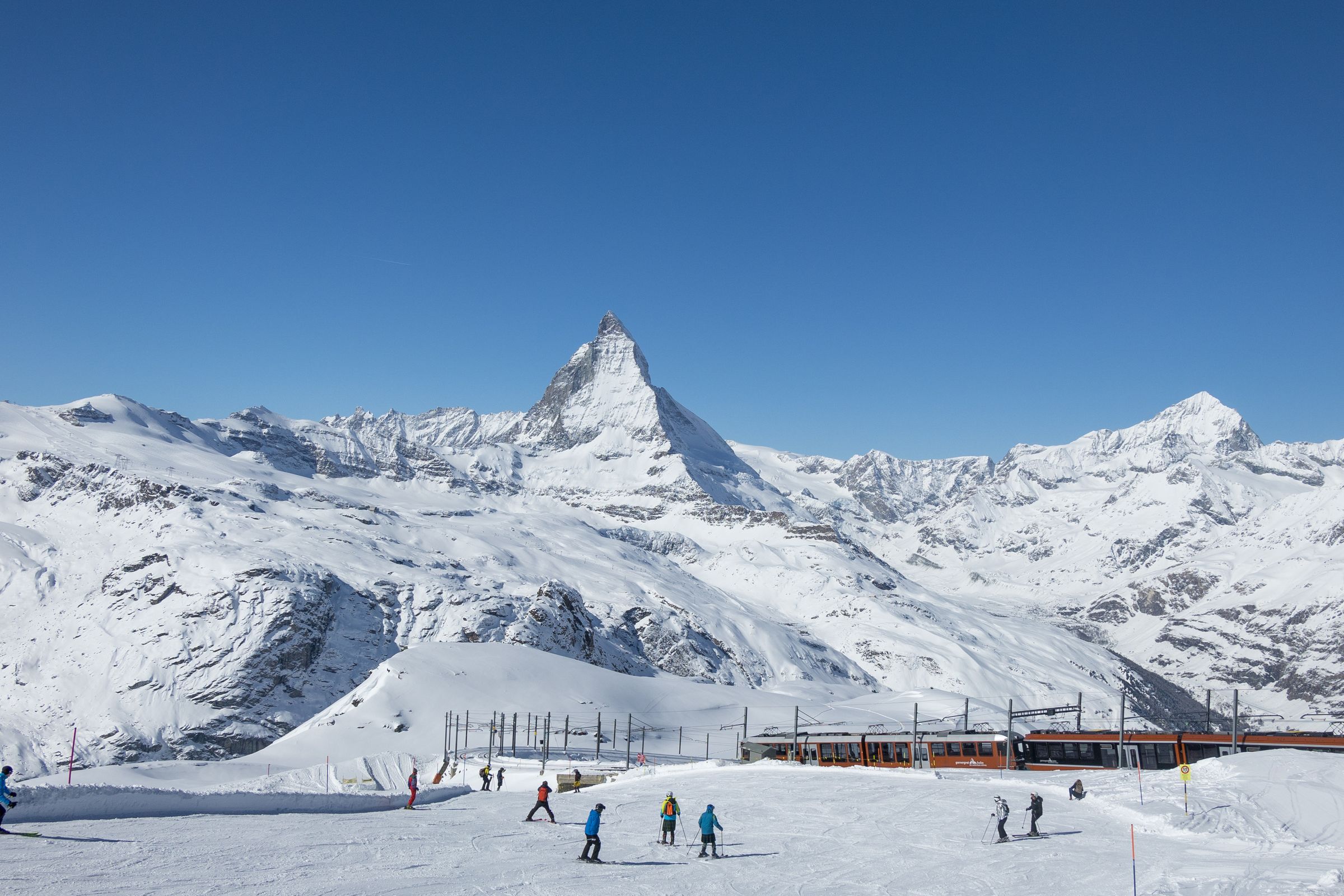
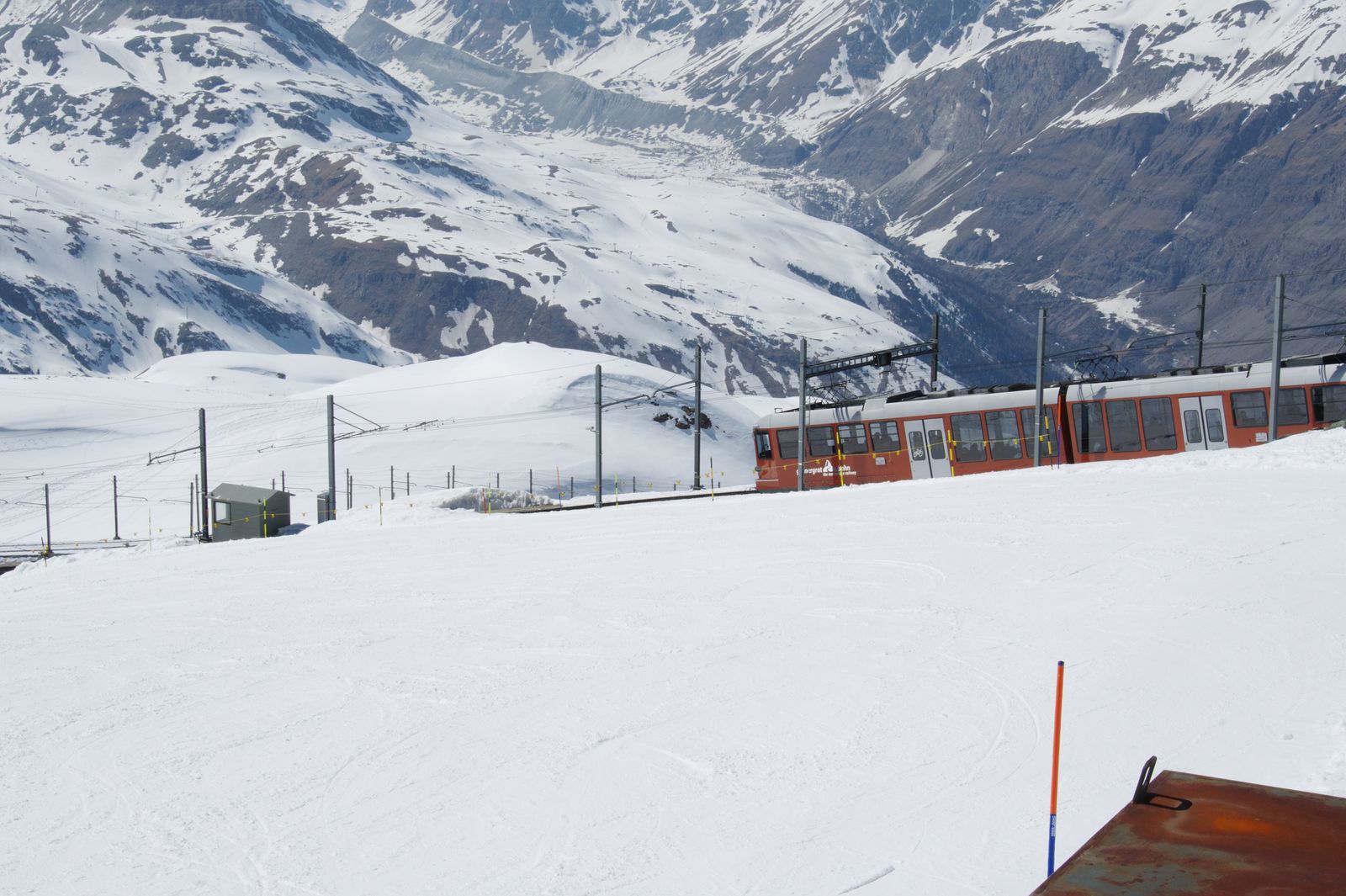
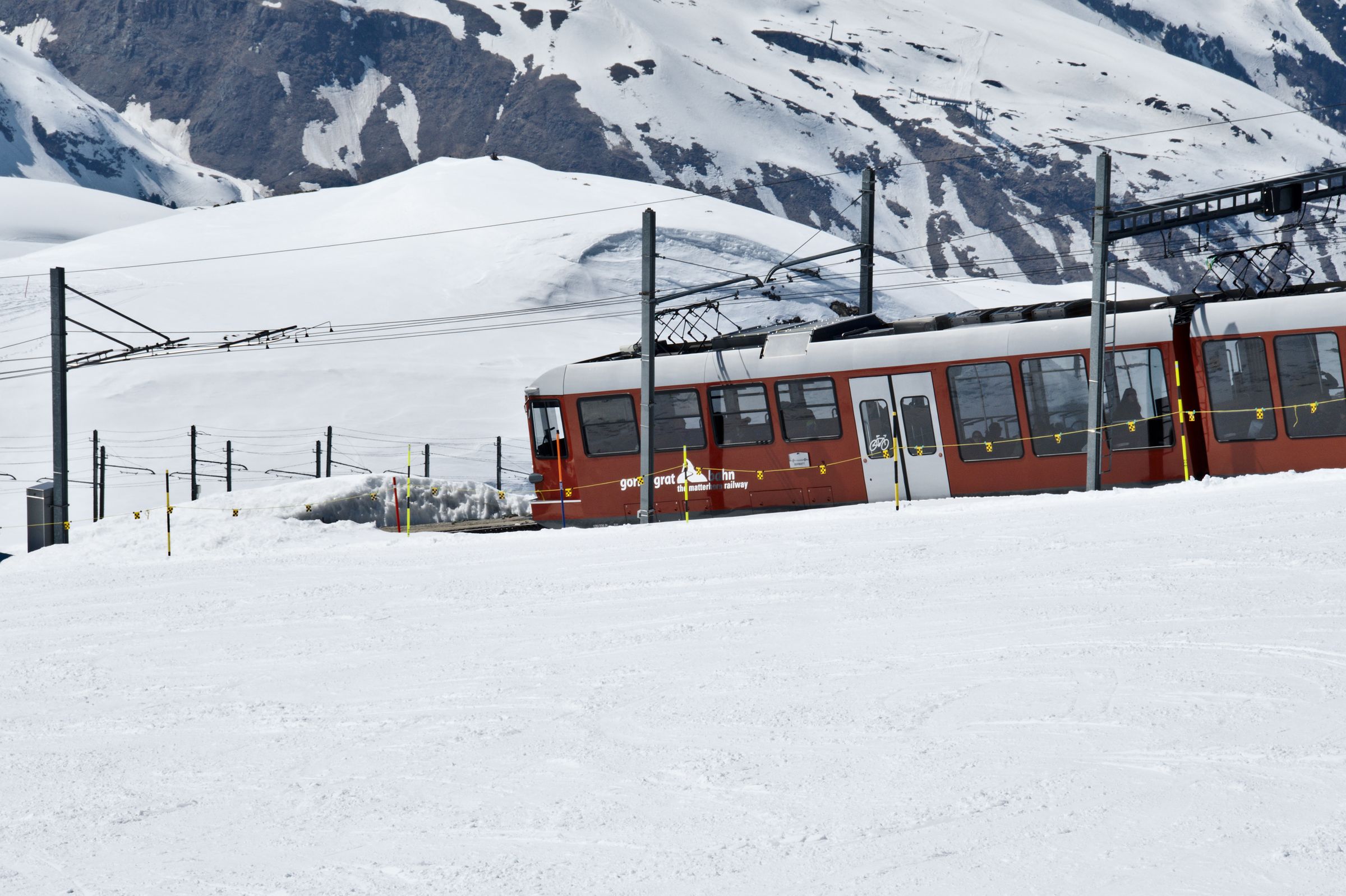
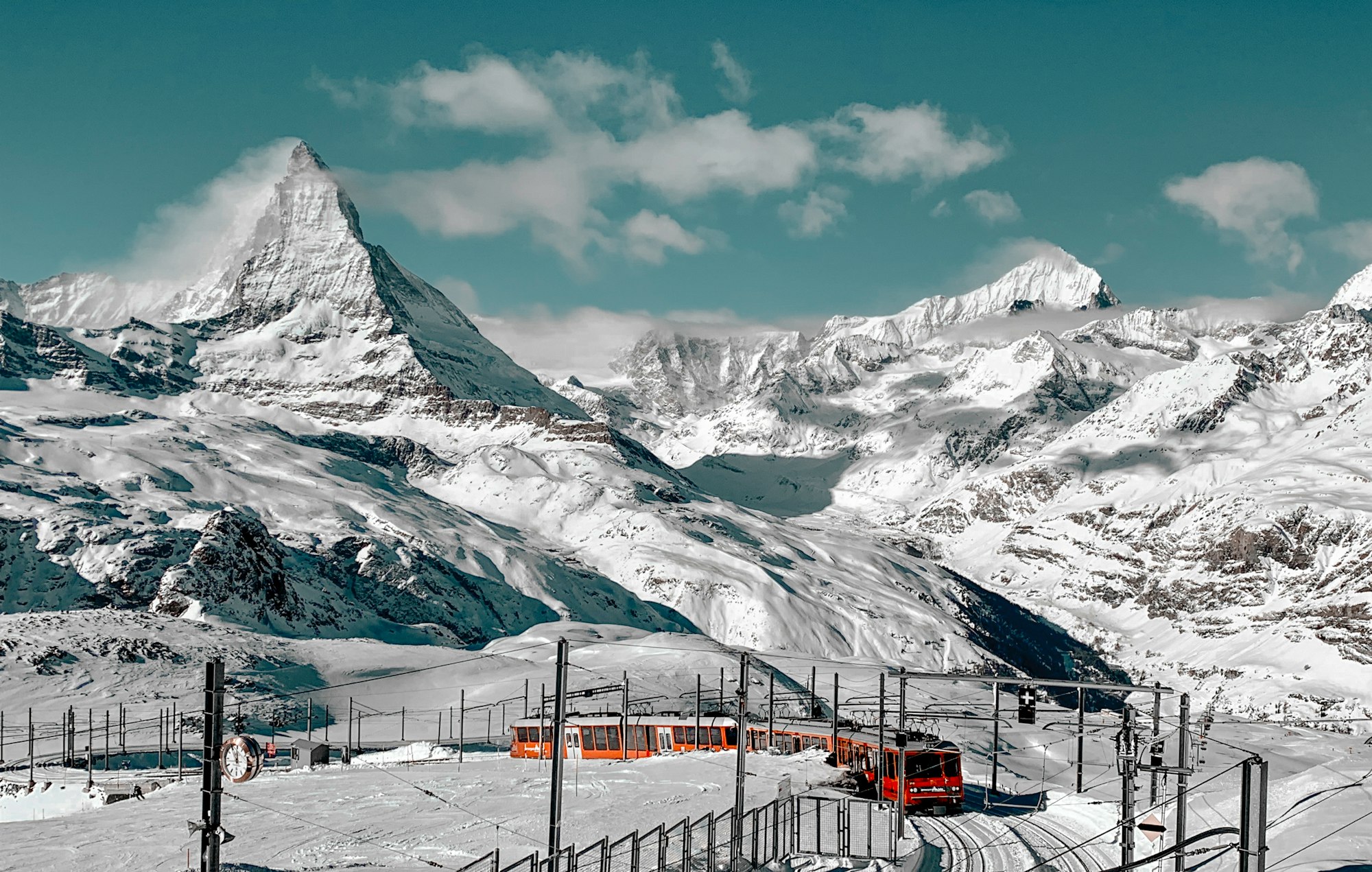
The train climbs to a ridge facing the Matterhorn across the glacier, and the pistes run down beside the line.
Matterhorn Express, by free village bus
The glacier and Italy
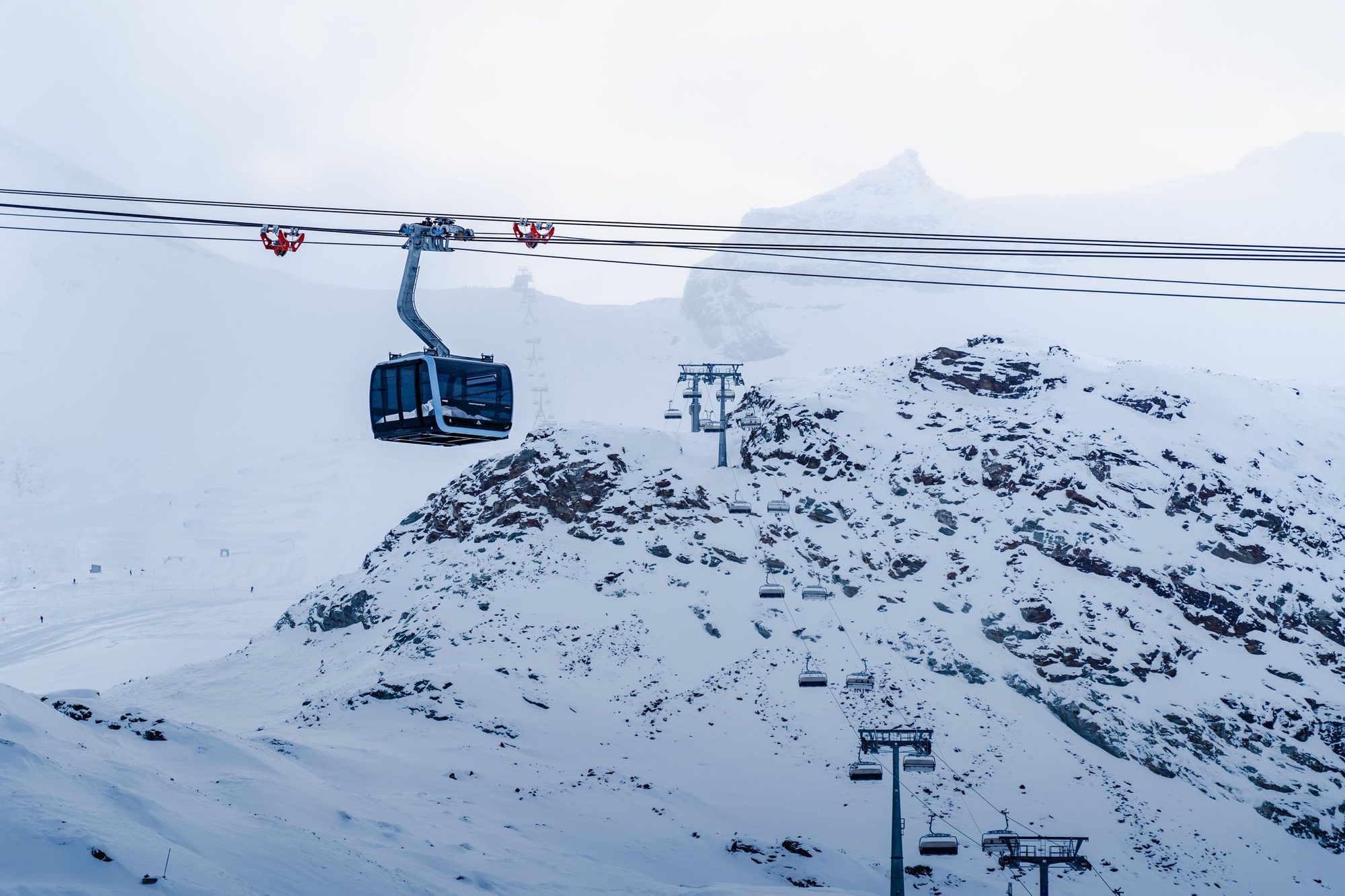
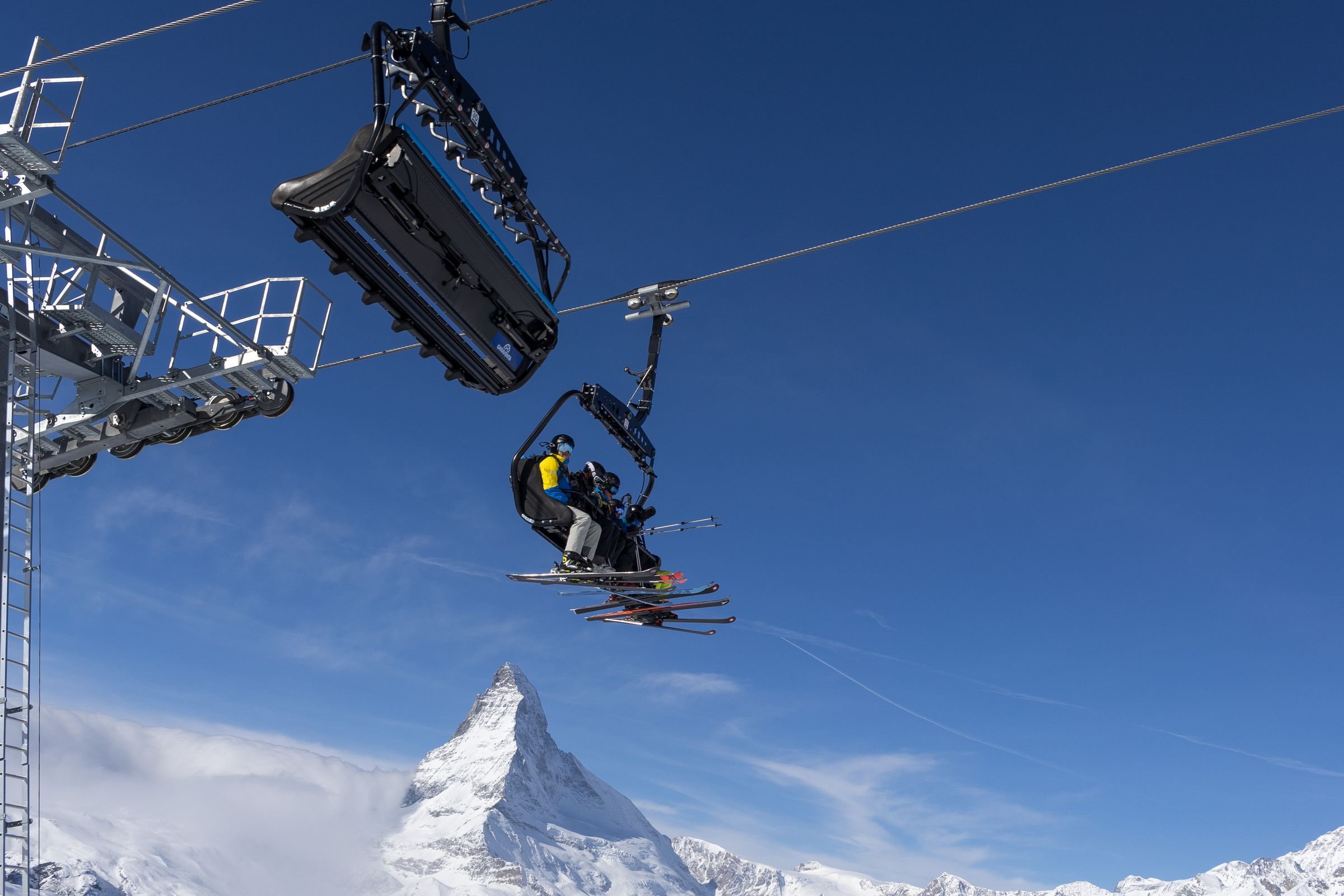
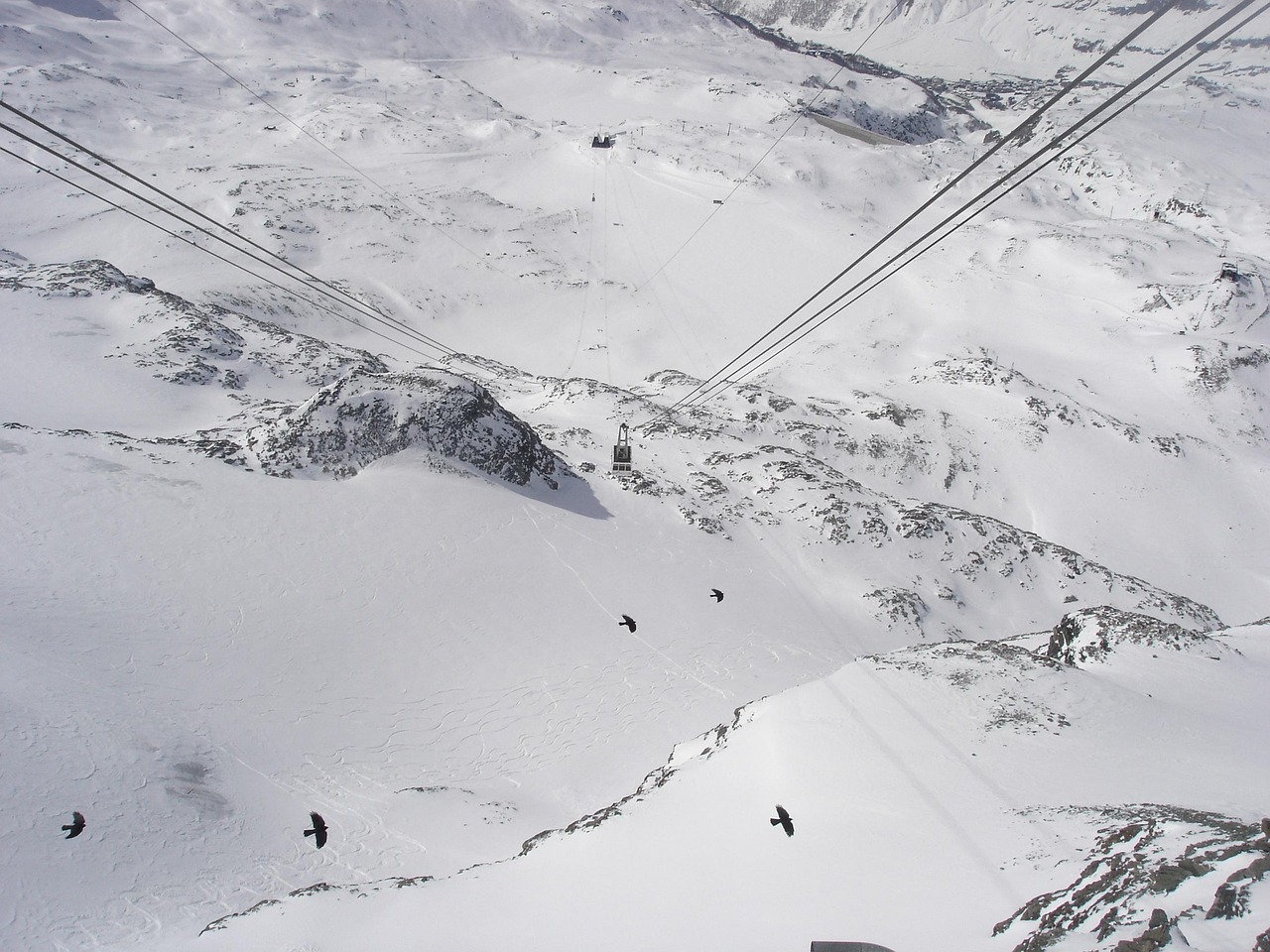
It climbs past Furi and Trockener Steg to the glacier, the highest lifts in the Alps, and on over the border to Cervinia.
Wind
The glacier lifts and the link to Italy close first. On a gusty morning start low at Sunnegga, and check the lift status again after mid-morning.
Italy
Make it the plan for the day, not an afternoon extra. Cross early and start back by mid-afternoon, because the last lifts to Switzerland do not wait.
Peaks over 4,000 metres in view from the platform at Klein Matterhorn, the highest mountain station in Europe
Getting there
The nearest airports, and the train, the transfer or the drive from each. Cars stop at Täsch.
From Zurich Airport
By train3 hr 30 min
Trains leave from the station under the airport. Change at Visp for the narrow-gauge line up to Zermatt; trains to Zermatt run every half hour.
TransferTo Täsch
Private taxi and limousine firms drive you to Täsch or the Matterhorn Terminal, where cars must stop.
By car4 hr 20 min
354 km by road, round by Bern, Lausanne and the Rhône valley to Täsch.
From Geneva Airport
By train4 hr
Trains leave from the airport station along Lake Geneva and up the Rhône valley. Change at Visp for the line up to Zermatt.
TransferTo Täsch
Private taxi and limousine firms drive you to Täsch or the Matterhorn Terminal, where cars must stop.
By car3 hr 5 min
231 km by road along Lake Geneva and up the Rhône valley, through Martigny and Visp to Täsch.
From Basel EuroAirport
By train4 hr
Take the airport bus to Basel SBB station, then a train to Visp and the line up to Zermatt.
TransferTo Täsch
Private taxi and limousine firms drive you to Täsch or the Matterhorn Terminal, where cars must stop.
By car4 hr 5 min
328 km by road, through Bern and down the Rhône valley to Täsch.
From Milan Malpensa
By trainTwo changes or more
There is no direct train. The rail route runs through Domodossola and Brig to the line up to Zermatt.
By car3 hr 5 min
199 km by road over the Simplon Pass to Visp and Täsch. Check the pass is open before you set off in winter.
From Turin Airport
By trainTrain and bus
No train reaches Breuil-Cervinia. Take a train to Châtillon/Saint-Vincent and the bus up the valley; buses also run from Turin.
TransferBus or taxi
Buses run from Turin to Breuil-Cervinia, and taxis go from the airport.
By car1 hr 40 min
118 km on the A5 motorway towards Aosta. Leave at Châtillon/Saint-Vincent and climb 28 km to the lifts.
The last 5 km Cars stop at Täsch. Park at the Matterhorn Terminal, which has 2,100 covered spaces, and ride the shuttle train: one every 20 minutes, 12 minutes up to Zermatt.
Where should you stay?
Pick a village by the lift you will ride first each morning.
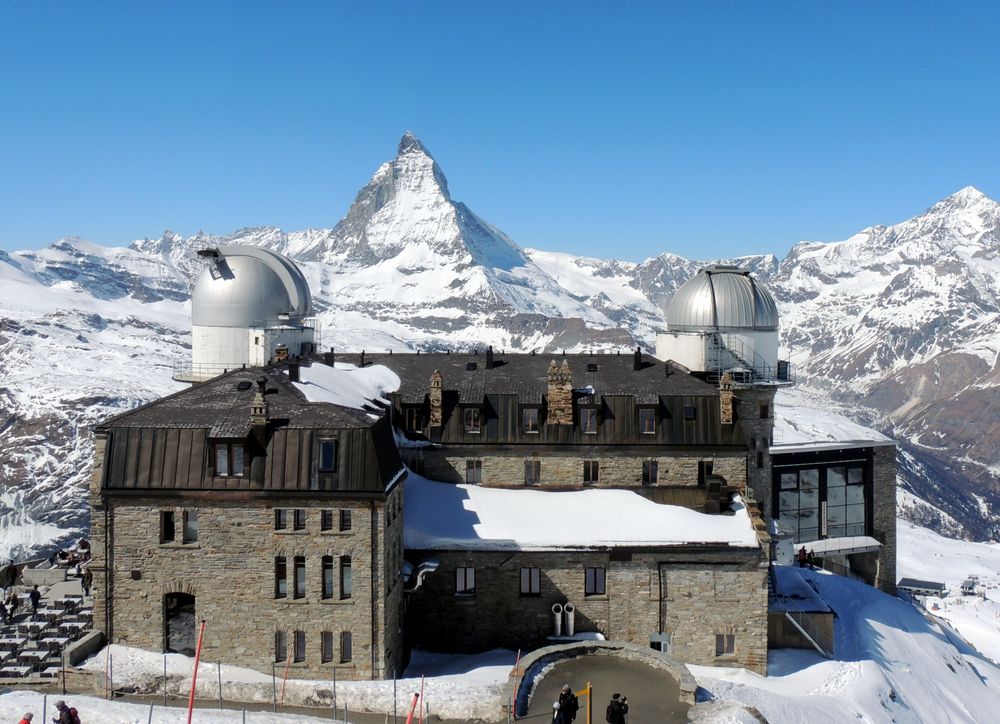
The cogwheel train takes 33 minutes from the village to a platform facing the Matterhorn, the Gorner Glacier and 29 peaks over 4,000 metres. The Zooom exhibition at the top is included in most train tickets.
Ride the Gornergrat railway up early in the morning, when the Matterhorn is at its clearest. From the top it stands alone across the Gorner Glacier, with nothing between you and the peak.
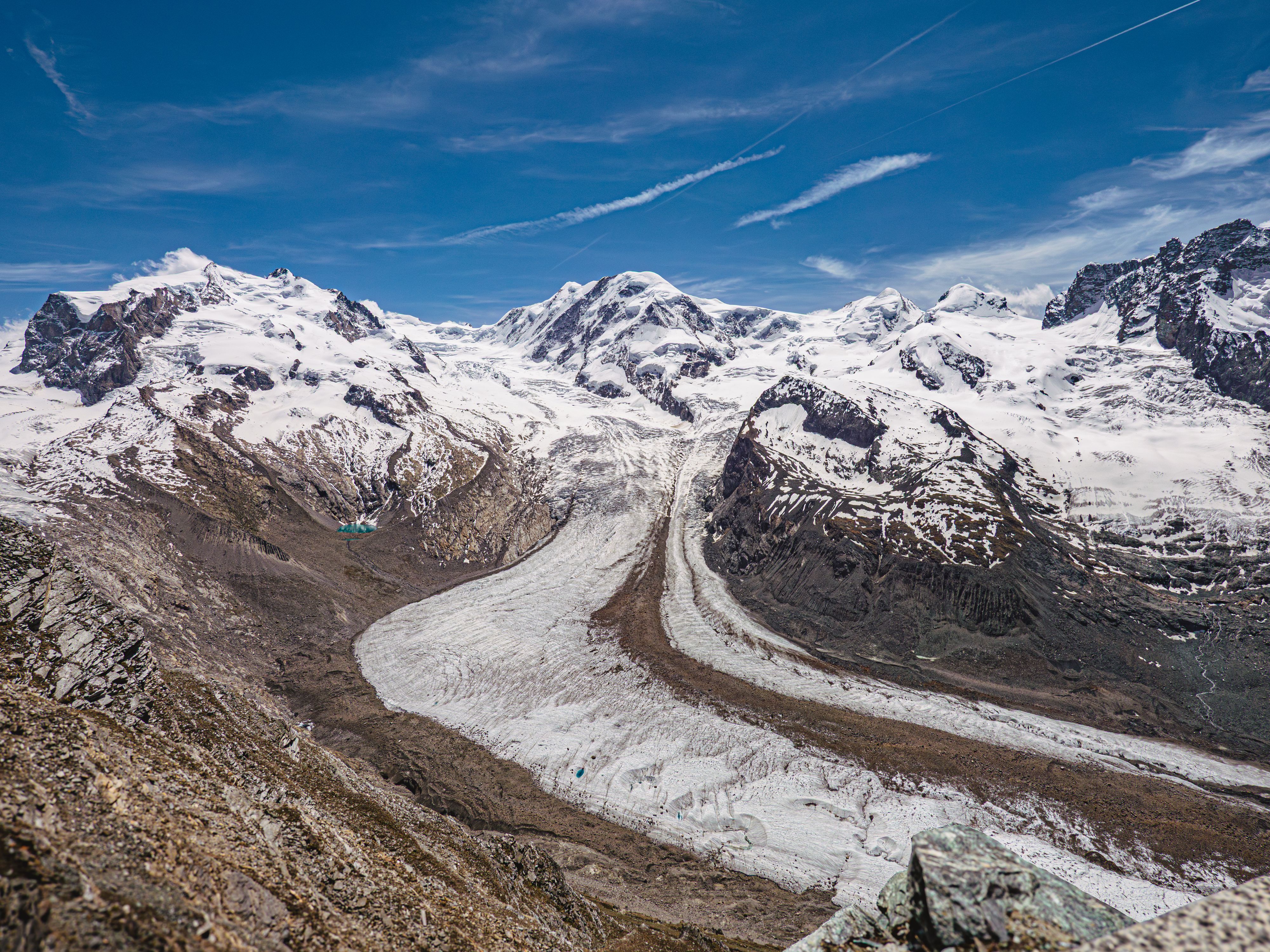
Below the Gornergrat, ice from the 4,000 metre summits of Monte Rosa fills the valley for about 12.9 km. You see the third longest glacier in the Alps whole from the railway's top station, and a marked trail from Furi takes you to its tongue.
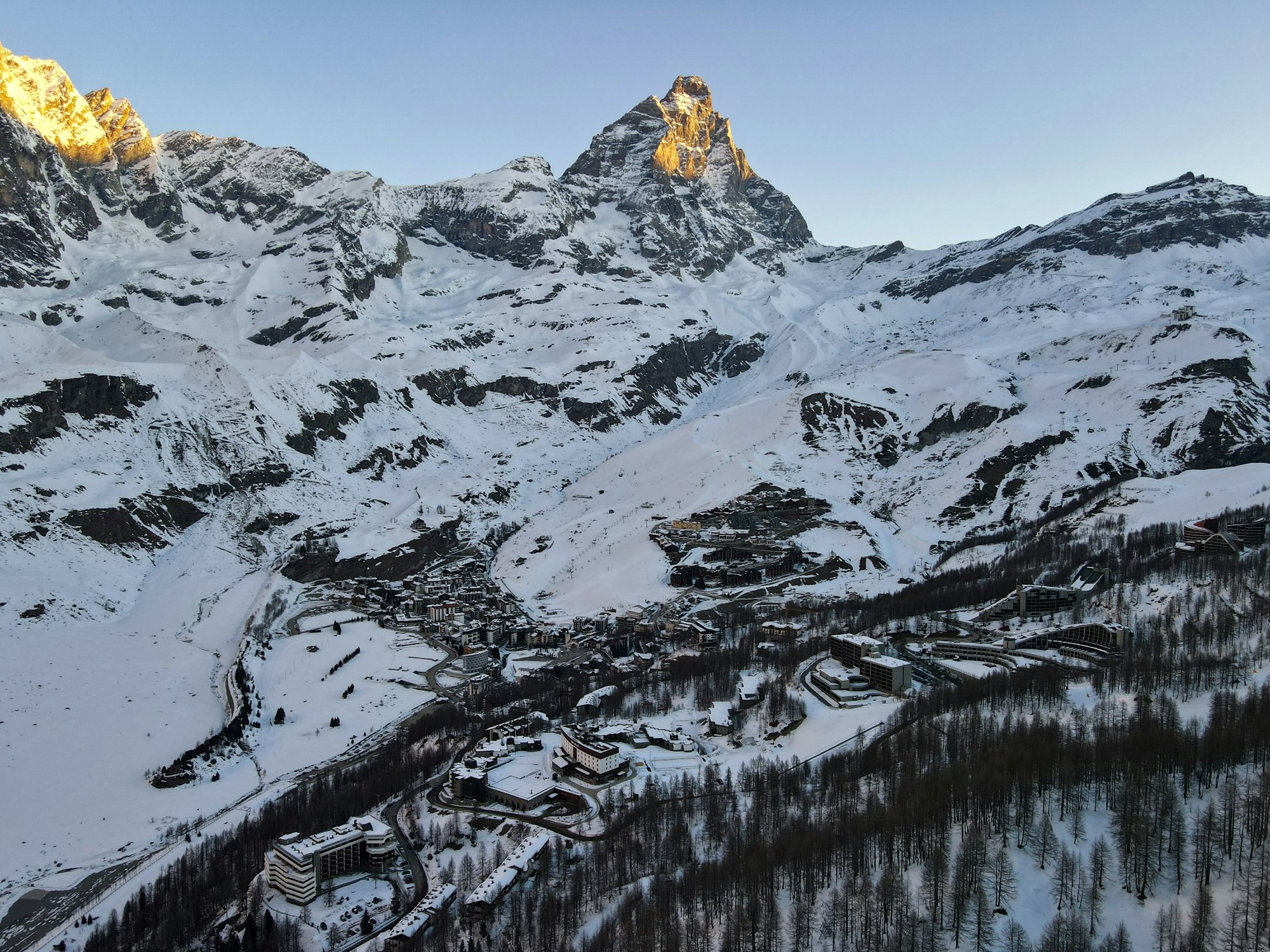
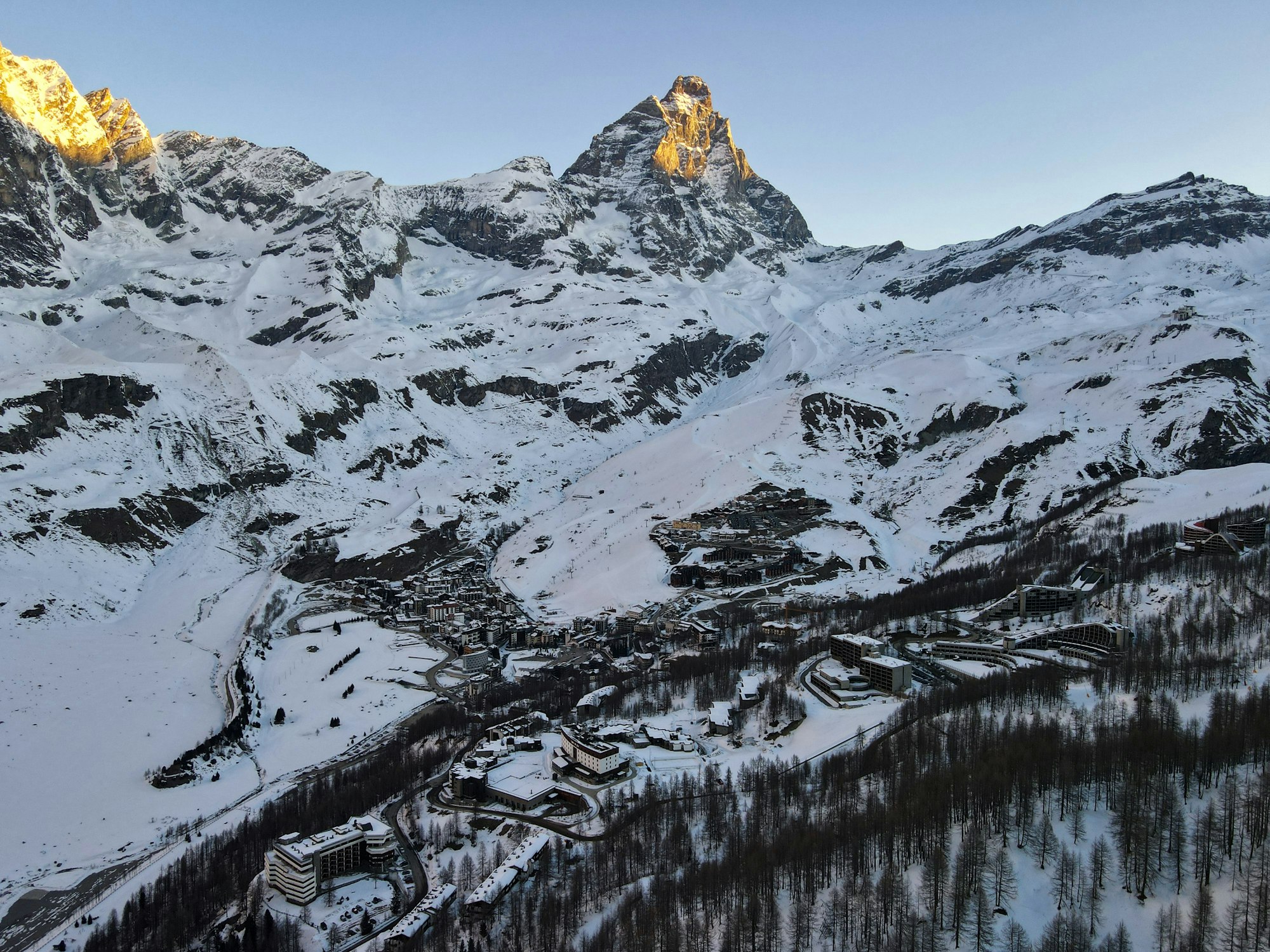
Monte Cervino, the Italian name for the Matterhorn, shows you its south face straight above the resort street, and a lift ride puts you on the glacier at its base without any climbing.
A winter path follows the stream 2.7 kilometres from the village, about 1 hour 20 each way, to a hamlet more than 500 years old with a white chapel and the Matterhorn's north face ahead.
Ride up from the resort street to a glacier on the Swiss border at 3,458 metres, where the Matterhorn stands close and a cable car carries you over the highest pass in the Alps into Zermatt.
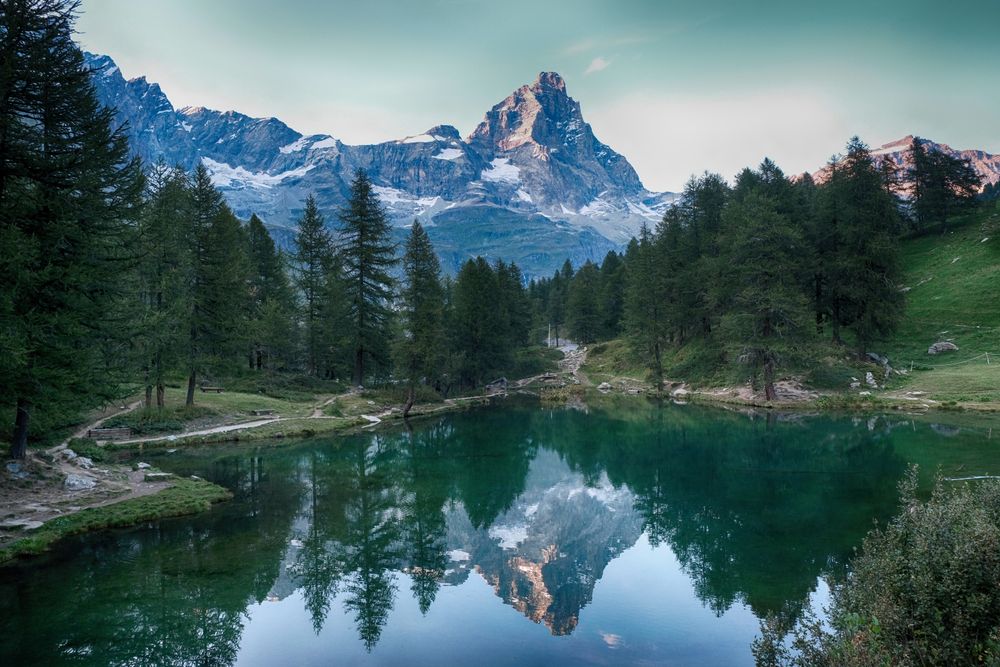
You get the Matterhorn twice at this pool: once above the trees and once upside down in spring water, a level half hour on foot from the resort bus terminal and free to visit.
About 45 minutes by gondola and cable car to the highest viewing platform in Europe, at 3,883 metres. Below it the Glacier Palace runs 15 metres under the ice, with sculptures, a crevasse to walk along and an ice slide.
Unterrothorn
Viewpoint · 2 hr 30 min
Reached from Zermatt by the underground funicular to Sunnegga and two cable cars beyond it, this summit station at 3,103 metres looks across the valley straight at the Matterhorn's east face.
Matterhorn Museum
Museum · 1 hr 15 minIn the village, no lift needed
Underground on Kirchplatz: the snapped rope from the first ascent in 1865, old village houses and a relief of the summit routes.
Hinterdorf
Old Town · 30 minIn the village, no lift needed
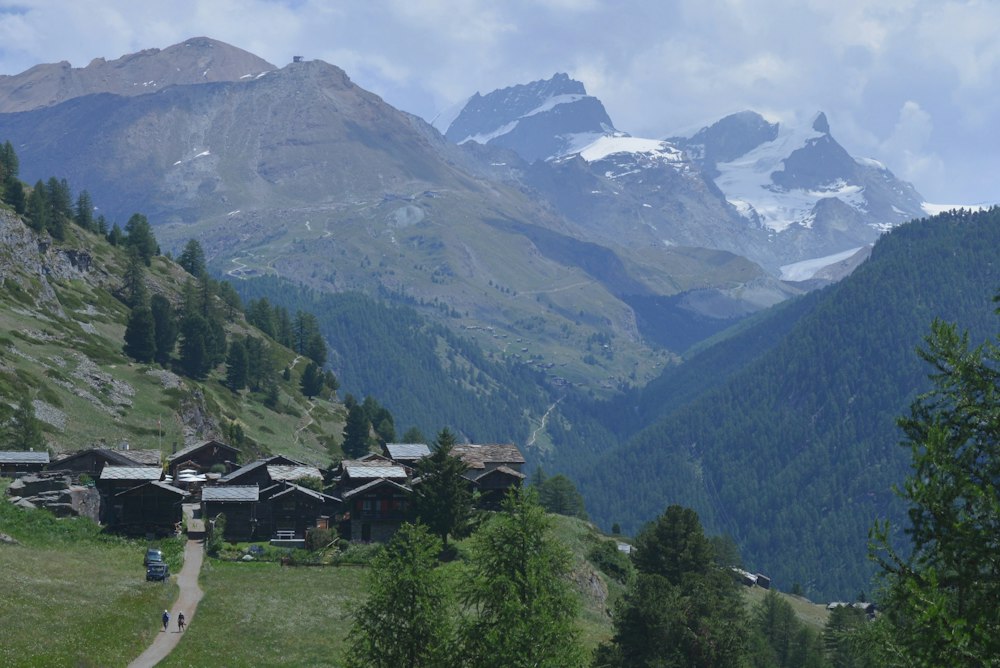
Zermatt's oldest lanes, a few minutes from Bahnhofstrasse, still hold the dark larch barns and granaries that farming families built between the sixteenth and eighteenth centuries.
Mountaineers' Cemetery
Landmark · 15 minIn the village, no lift needed
By the parish church. The Grave of the Unknown Climber recalls more than 500 deaths on the Matterhorn since 1865.
Kirchbrücke
BridgeIn the village, no lift needed
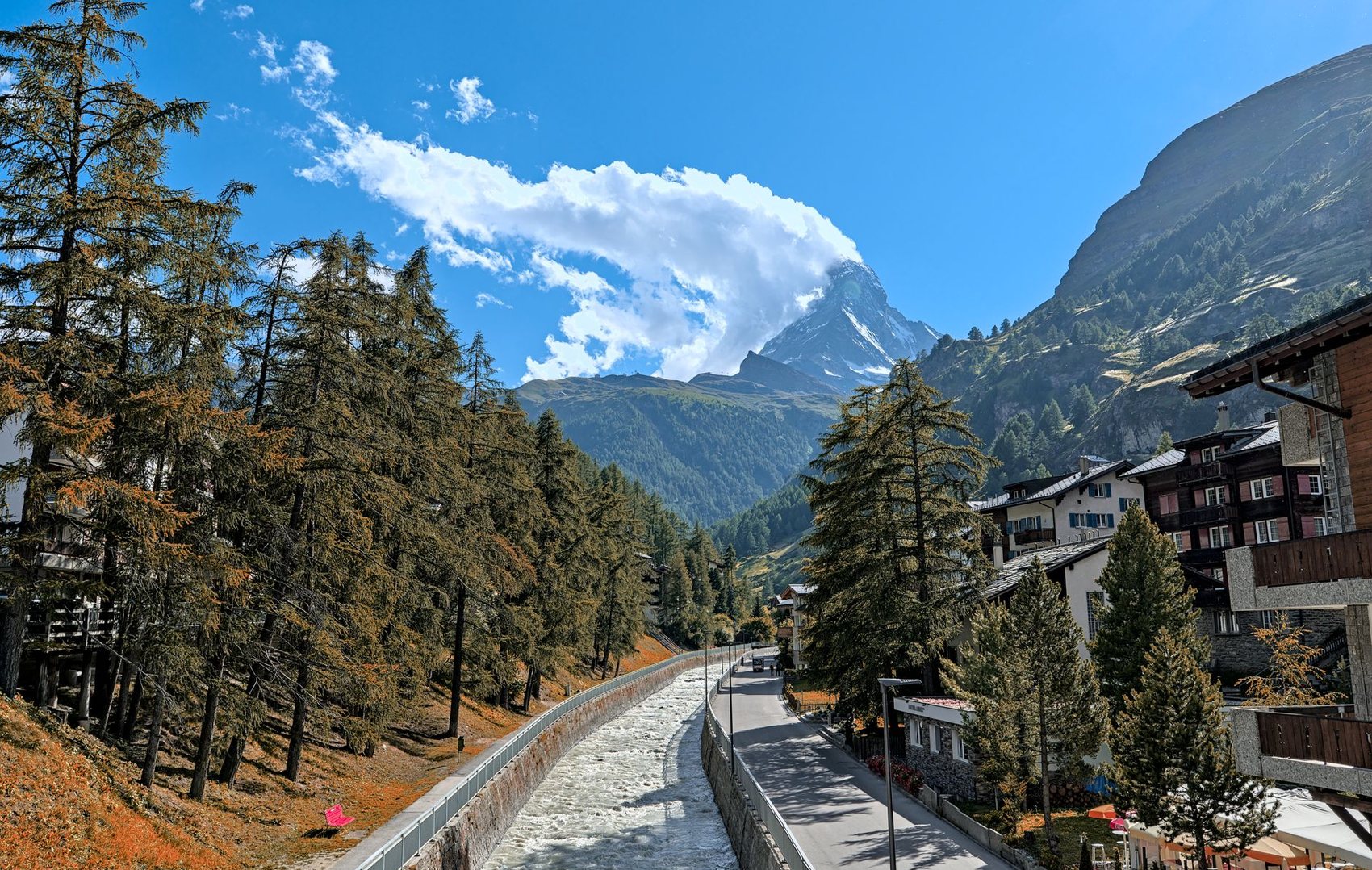
Crossing the Vispa beside the parish church, this footbridge gives the classic village view of the Matterhorn, framed by larches and hotel roofs at the head of the valley.
Findeln
Village · 1 hr 30 min
A cluster of old larch barns, chalets and a white chapel on a sunny shelf between Sunnegga and the village, at about 2,050 metres.
Shut all ski season: Gorner Gorge, open June to October only, and the Charles Kuonen Suspension Bridge at Randa. The lakes above Sunnegga and Riffelsee lie under snow.
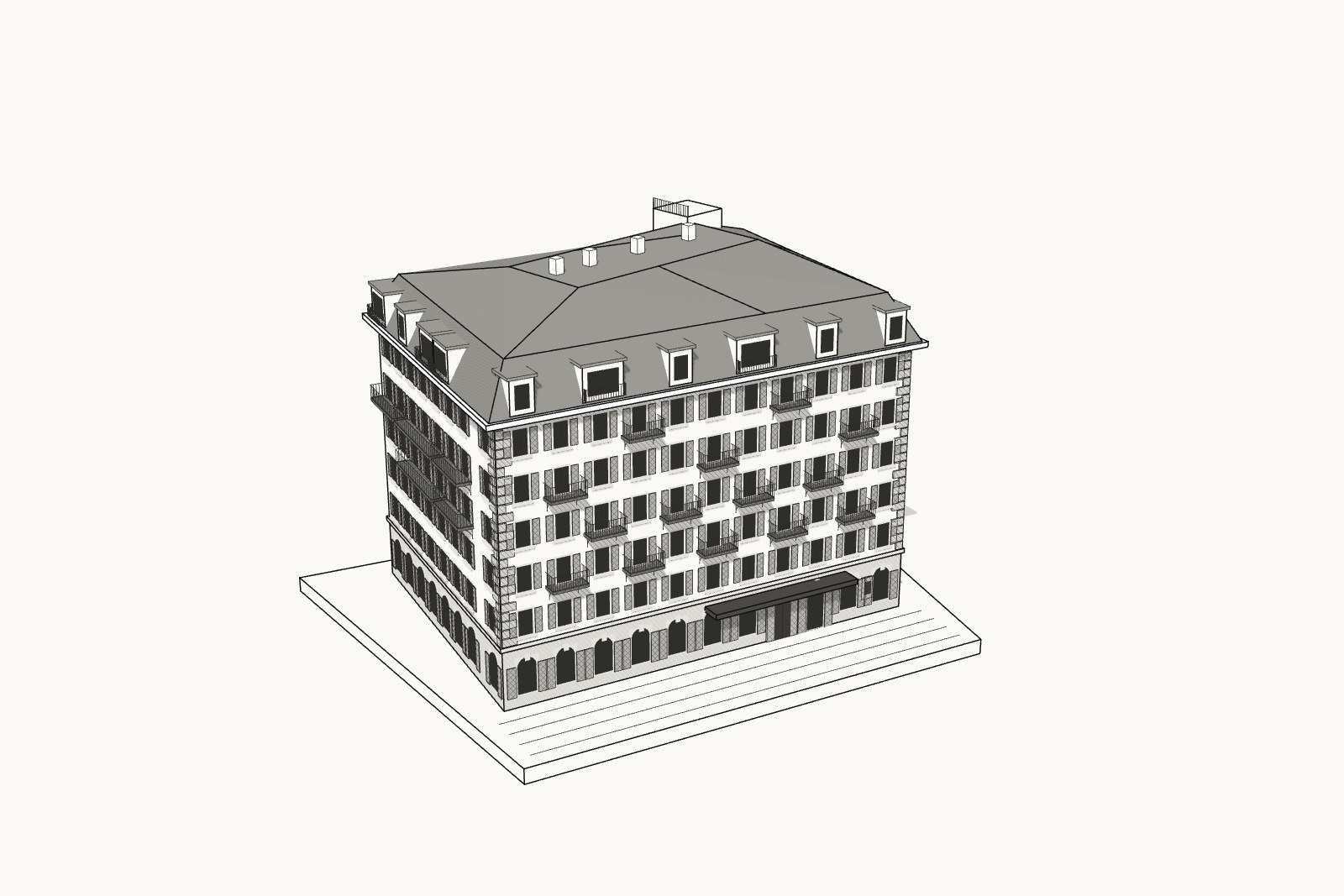
Save Matterhorn Ski Paradise to your Switzerland trip in the Meridian Dispatch app and build the day around it, with the best of Zermatt pinned on one map.