Ninety seconds on Konya Archaeological Museum
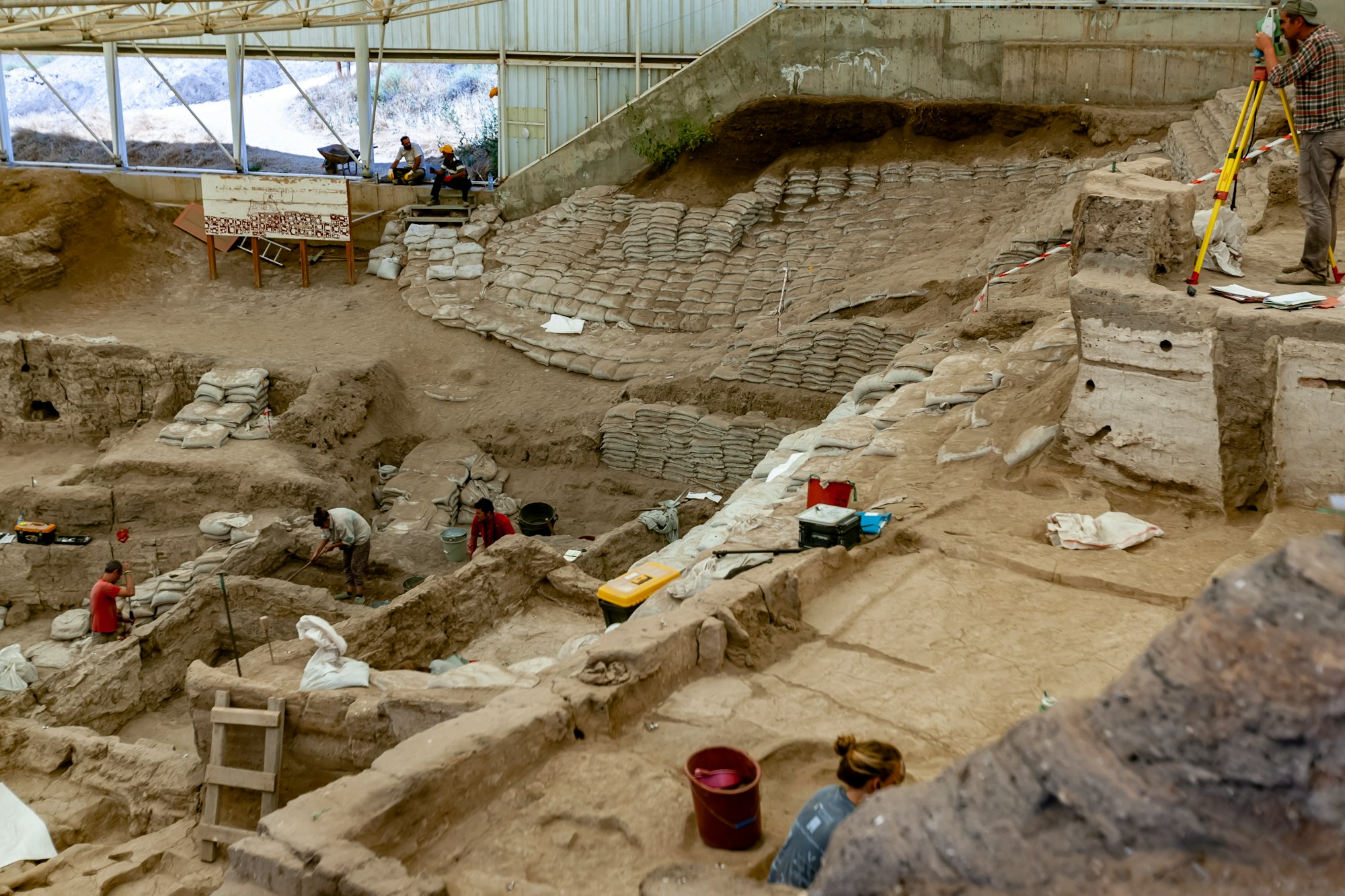
After a day at the Çatalhöyük mound, come here to see what was dug from it, then walk into the Roman Age Hall for a marble sarcophagus carved with the labours of Hercules.
The piece to find is in the Roman Age Hall: a third-century marble sarcophagus carved in relief with the labours of Hercules. It was found at Yunuslar, a village in the Beyşehir district, and carved columns run along it beside the figures.
Other marble sarcophagi from the Iconium necropolis share the hall, some carved with columns and some hung with garlands. A statue of Poseidon is also on display.
The Prehistoric Age Section holds Neolithic finds from Erbaba, Süberde and Çatalhöyük. A floor mosaic from the Tatköy Church, about six metres long and dated to the sixth century, is also on show.
The front garden is laid out with Roman sculpture, sarcophagi, grave steles, ash boxes, grave lions and column capitals in stone and marble. Look among them for the inscriptions from Iconium, Derbe and Lystra, three of the cities St Paul visited.
Walk through the front garden first, where the Roman sculpture and inscriptions stand in the open. Then go straight to the Roman Age Hall and the Hercules sarcophagus while the halls are still quiet.
After that, work through the rest of the collection. Go to the Prehistoric Age Section for the Neolithic finds, then look for the Tatköy floor mosaic.
Leave the other Roman sarcophagi and the Poseidon statue for a second pass on the way out, once you know which carving you want to see again.
Some exhibits carry little explanation beside them, so keep a translation app open on your phone or read up on the collection before you come.
Photography is allowed without flash; stay behind the marked edges of each display. If you want a guide, ask at the museum desk or arrange one in advance.
Explore the rest of Konya
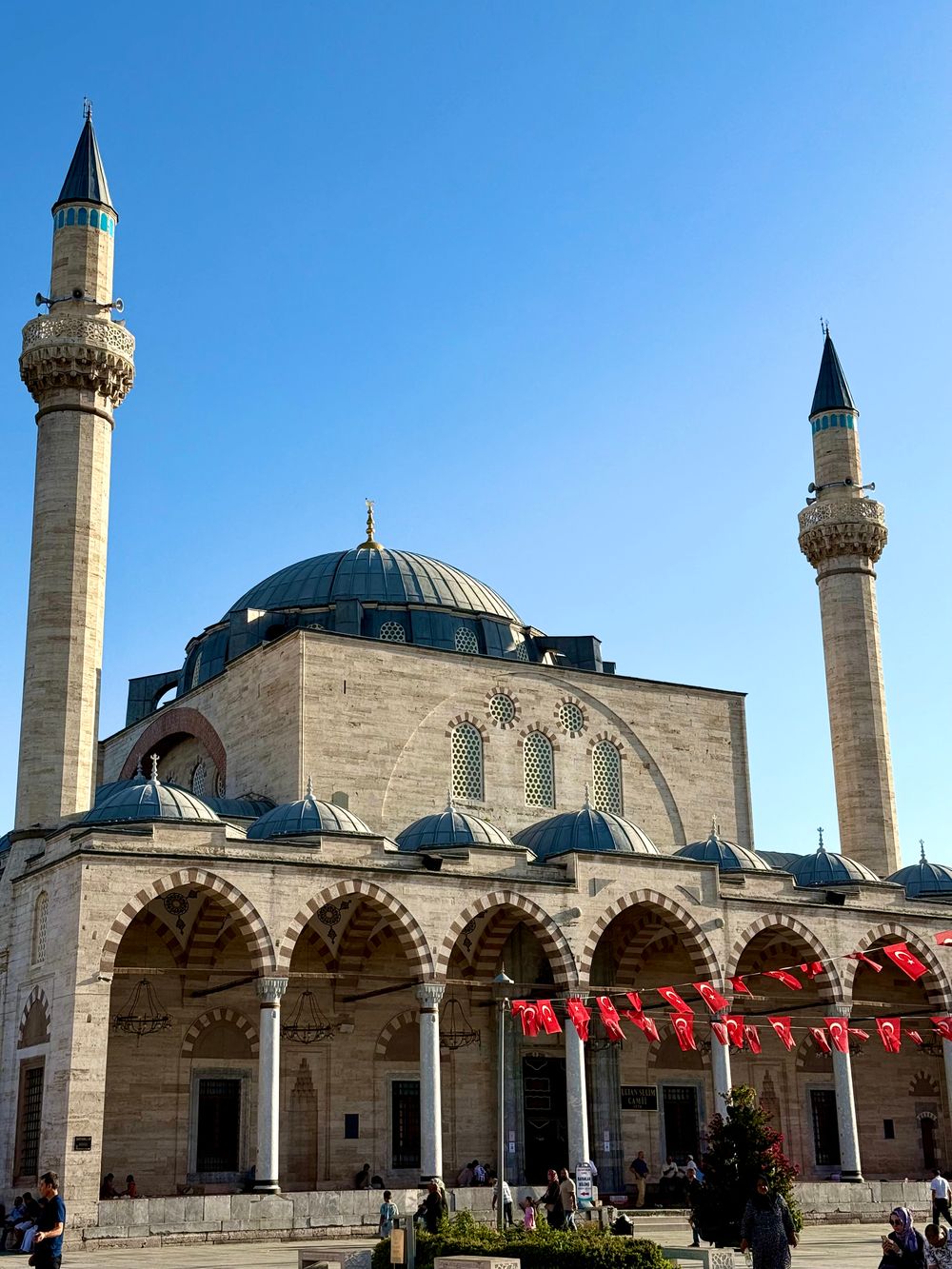
An Ottoman mosque beside the Mevlâna Museum, and a place to compare Ottoman work with the Seljuk buildings around it. It is a working…
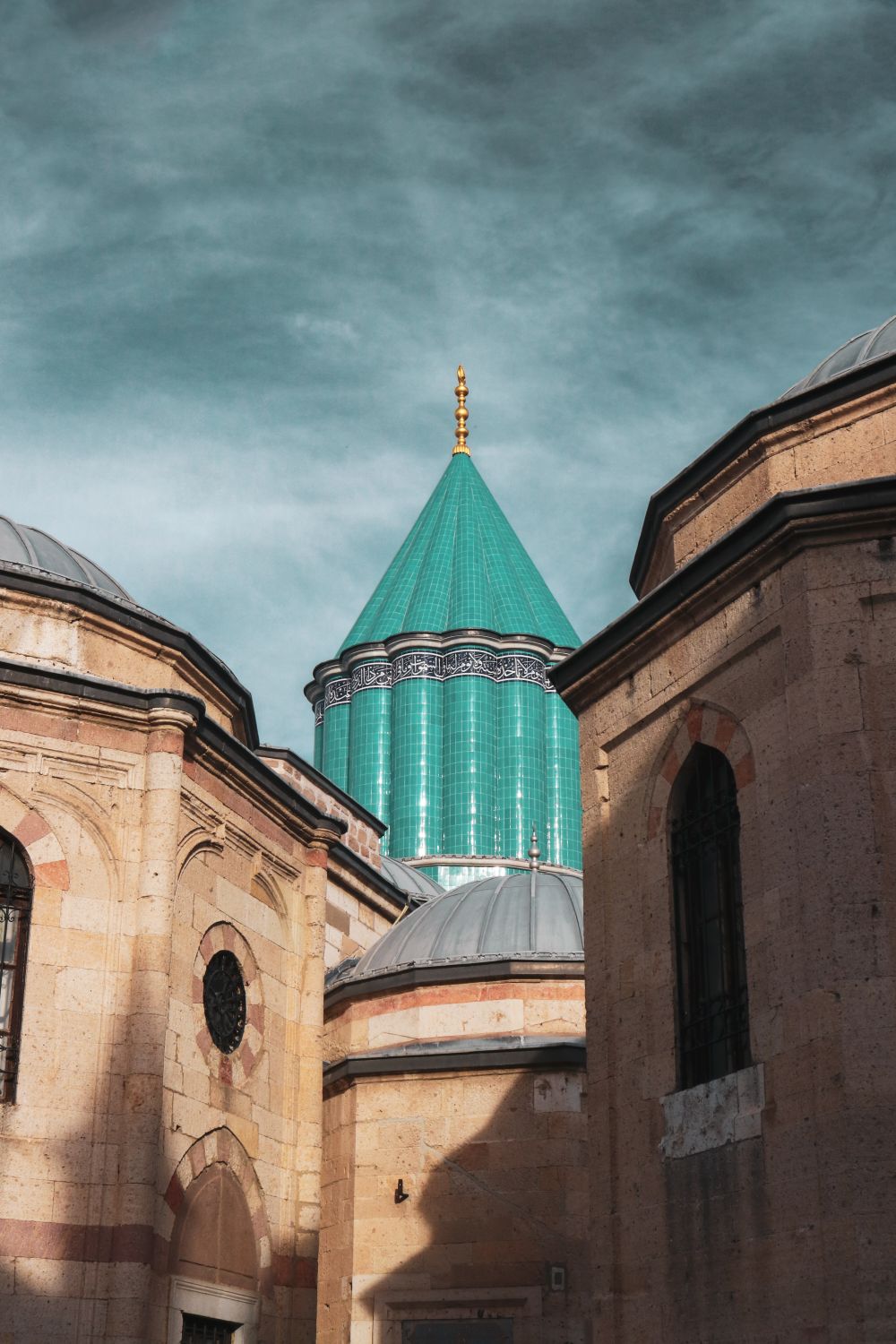
The lodge of the whirling dervishes, built around the green-domed tomb of Rumi and visited as a shrine as much as a museum. The tomb is…
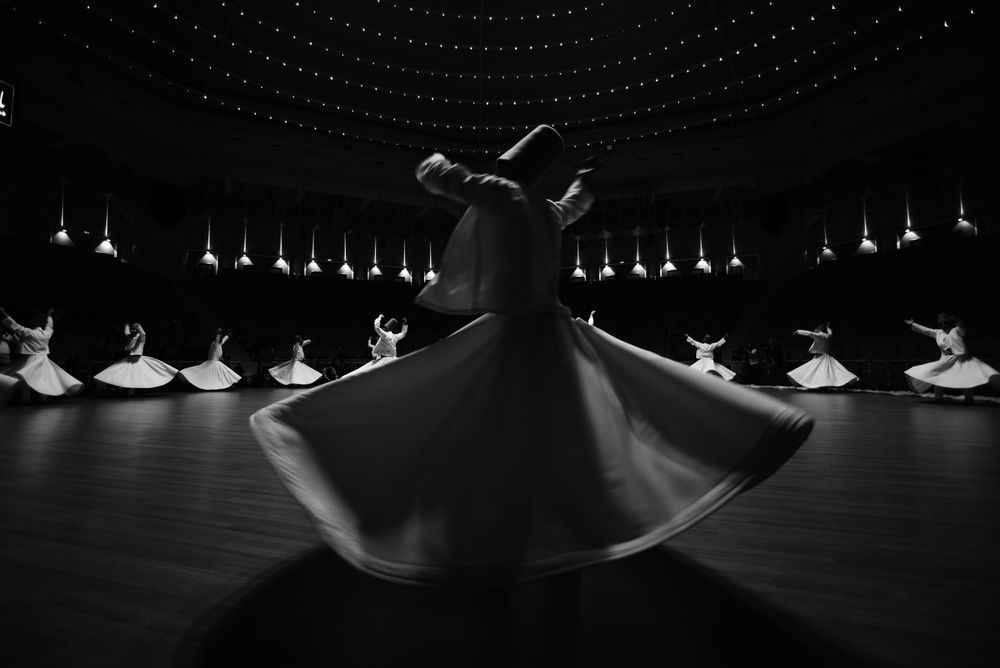
Every year from 7 to 17 December the whirling dervishes turn in the great Sema Hall of the Mevlâna Cultural Centre, ending on the…