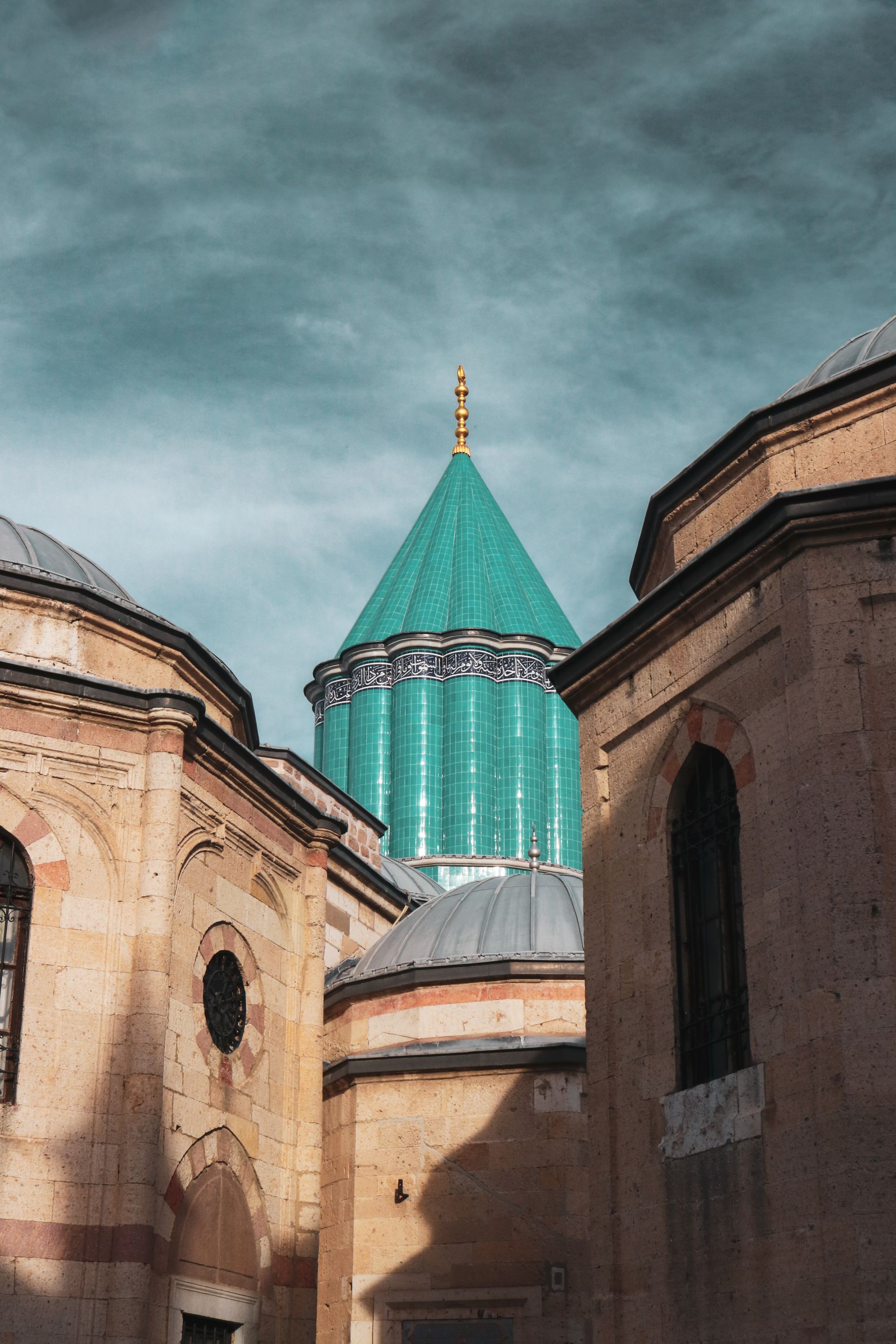
Ninety seconds on Mevlâna Museum
Three tombs under the green dome in Konya hold Rumi, his son and his father, and you visit them among pilgrims who still come to pray, in the lodge where the whirling dervishes lived and trained until 1926.
The conical turquoise dome over the tomb, known as the Green Dome, marks the shrine. Inside, the tomb chamber stands on four great pillars.
The two sarcophagi at the front, both carved with turbans, belong to Rumi and his son Veled. The one standing behind them, with a single turban, belongs to Rumi's father, Bahaeddin Veled.
In the museum's cases, find the April Bowl, bronze inlaid with silver and gold. It takes its name from the April rain once collected in it and handed to visitors as a cure. Close by is a copy of the Mesnevi, Rumi's long poem, written in 1278, five years after his death.
The Semahane, the hall where the dervishes turned in the sema, now shows their instruments, costumes and manuscripts. Across the courtyard, the dervish cells hold their clothing, textiles and calligraphy. A novice spent 1001 days studying music, poetry and ritual before he was given a cell and the title Dede.
Dervişan Gate takes you into the courtyard, and you can pick up a free brochure with a map at the entrance. The main building, with the tomb and the Semahane beside it, stands on the east side of the courtyard.
At its door, pull plastic covers over your shoes before you step inside. A corridor runs to Rumi's tomb at the far end, where most visitors gather and some stop to pray, so keep your voice low and give them room.
From the tomb, carry on into the Semahane, then cross the courtyard to the dervish cells. The rose garden is part of the grounds too, and worth a slow loop if you have time left.
An audio guide is available at the museum, and it is the easiest way to follow the exhibits on your own. Staff speak little English and only some labels are translated, so without it the cases in the Semahane and the cells say little.
If you would rather skip it, read about the April Bowl, the Mesnevi and the dervish cells before you come, and spend your time at the tomb instead.
Keep the flash off at the tomb, and take photographs from the edge of the room, not among those praying. If staff object to a camera in the chamber, put it away.
Cover your shoulders and knees, and women should carry a light scarf in case they are asked to cover their hair. Toilets and a small shop are inside the complex, and the streets around it are full of local places to eat.
On a Saturday, stay in town for the evening: a public Mevlevi sema usually runs at 7pm in the Mevlâna Cultural Centre, about a 15-minute walk away. The place, the time and the ticket rule can change, so ask at your hotel which applies that week.
Explore the rest of Konya
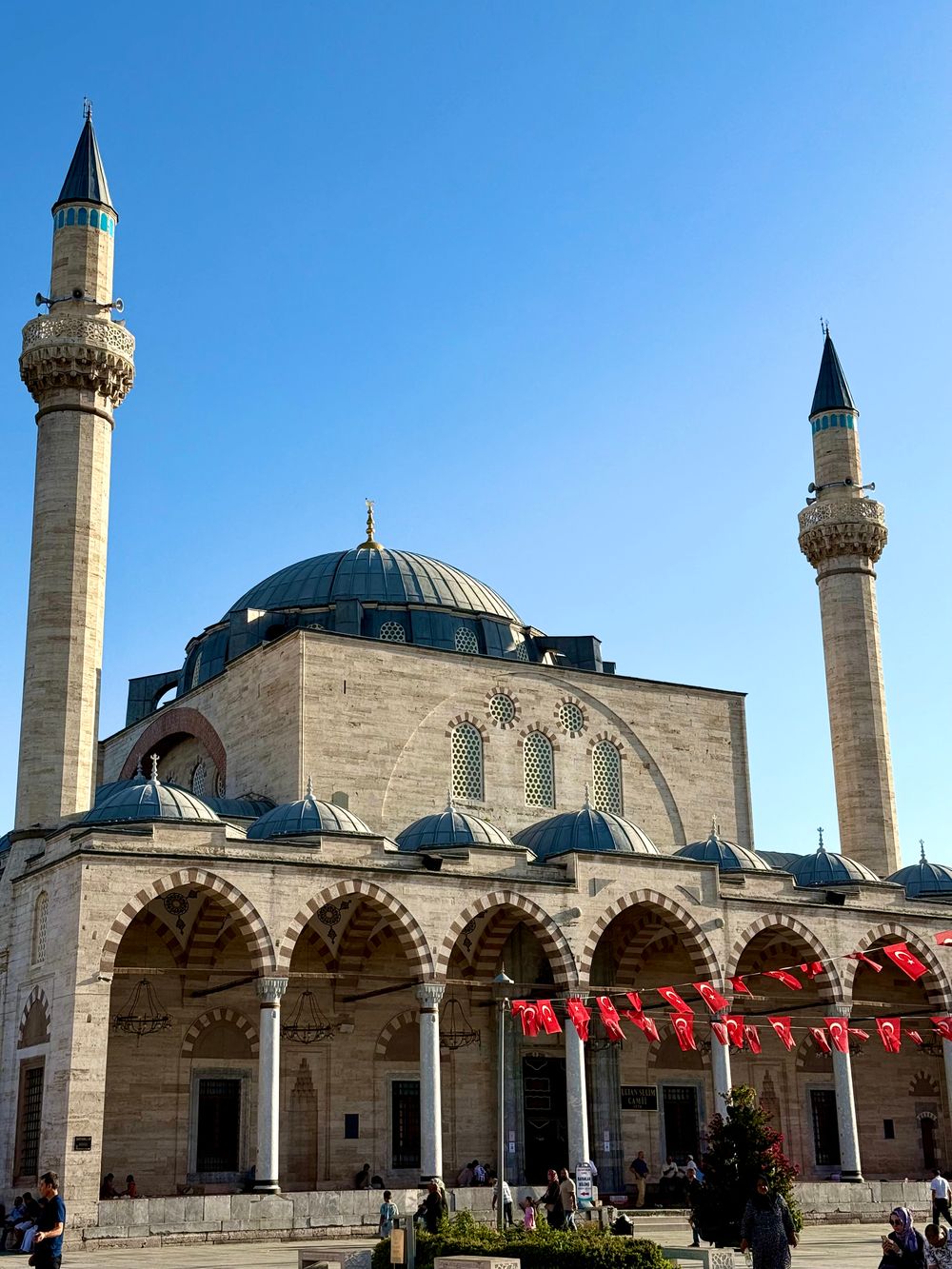
An Ottoman mosque beside the Mevlâna Museum, and a place to compare Ottoman work with the Seljuk buildings around it. It is a working…
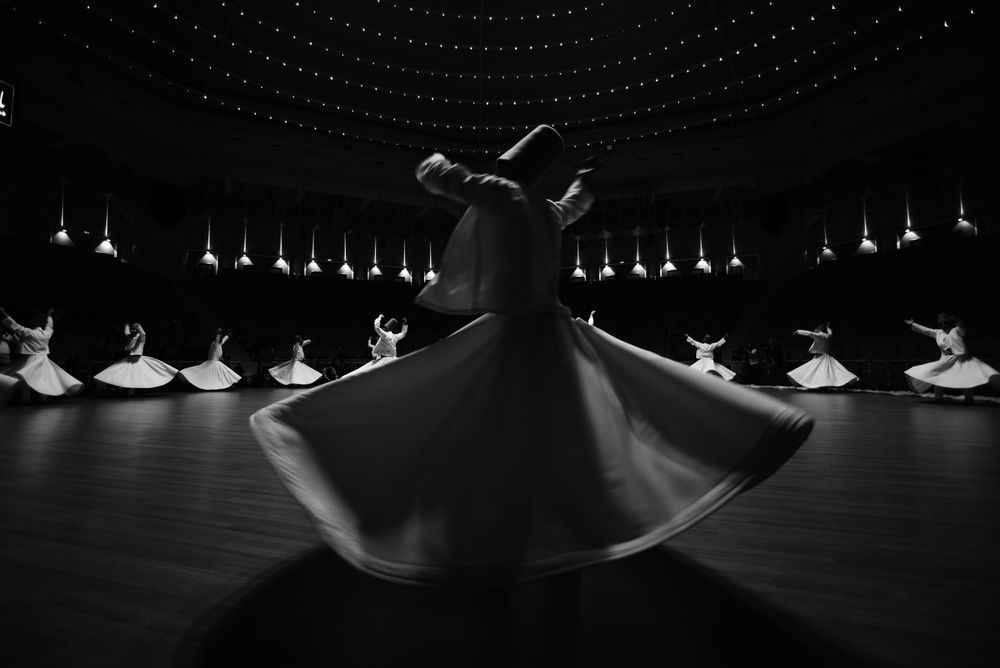
Every year from 7 to 17 December the whirling dervishes turn in the great Sema Hall of the Mevlâna Cultural Centre, ending on the…
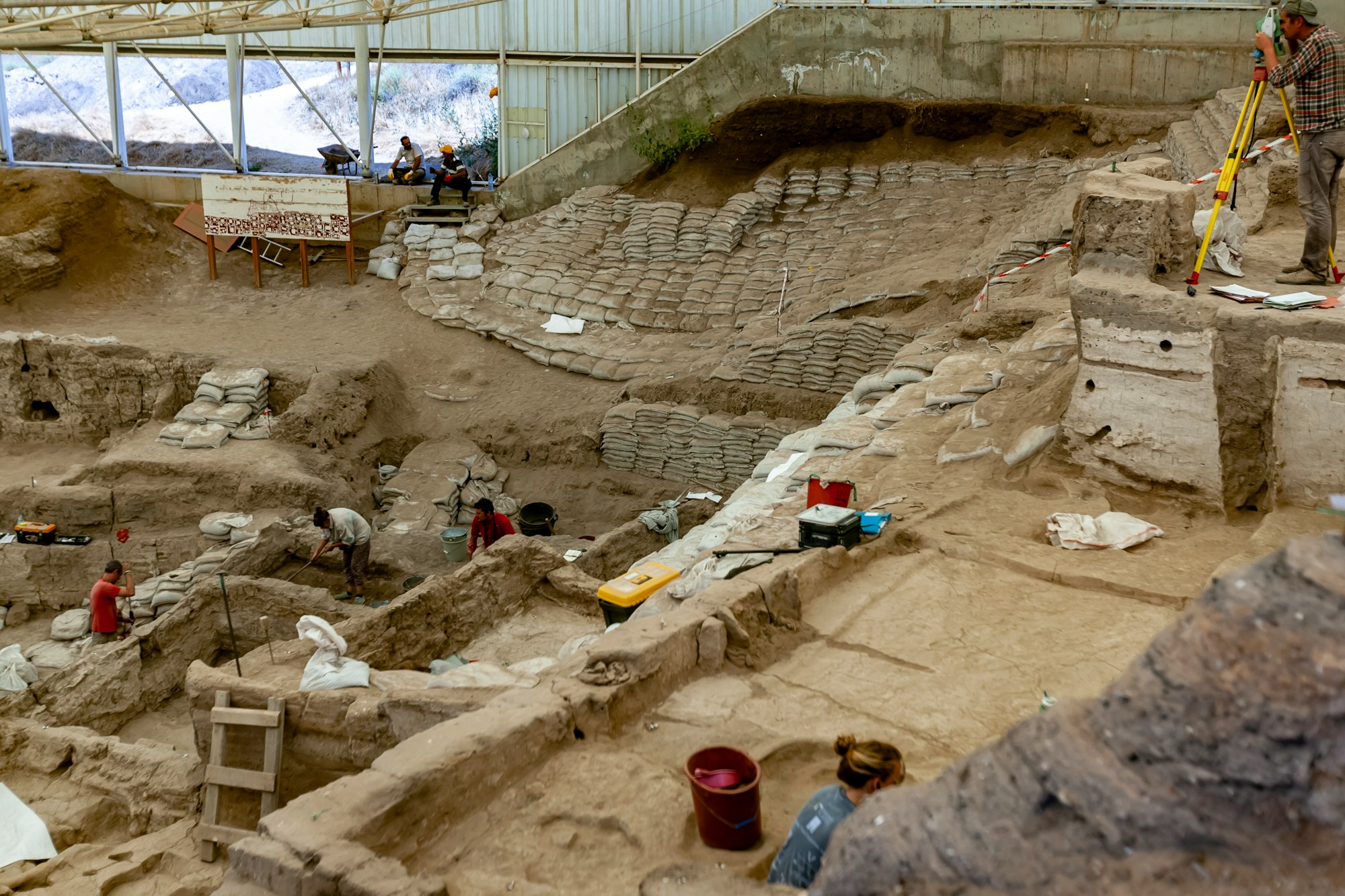
Roman marble sarcophagi headline this state museum on Sahibata Caddesi, led by a third-century piece carved with the labours of Hercules.…