 Submit a photo
Ninety seconds on the Hierapolis Theatre
No. The theatre stands inside the Hierapolis Pamukkale archaeological site, and the site ticket covers it. Tickets are sold online through the Ministry of Culture and Tourism and at the ticket office, which closes at 17:00. An audio guide service is available on site.
As of 2026 the site opens at 08:00 and the ticket office closes at 17:00. The South and North gates stay open until 18:00, but the pedestrian entrance on the village footpath shuts at 17:00, an hour earlier. Anyone walking up the travertines from the village needs to be through that gate by then.
About 15,000. The auditorium was built as stacked seating, cut across by a main aisle into upper and lower sections. Today only the upper part can be walked, since the lower rows and the stage are closed.
The Romans built it in 129, for a visit by the emperor Hadrian. Early in the 3rd century, under Septimius Severus, the old stage front gave way to a grander one on three storeys, flanked by two large side entrance buildings. Restoration work between 2004 and 2014 put much of it back together.
Hierapolis's theatre is the best-kept building on the hill, and the ruins around it see far fewer visitors than the terraces below. You walk in at the top of the seating, so your first view is straight down onto the stage.
The carved figures on the stage front are copies. The originals are in the Hierapolis Archaeology Museum, in the old Roman baths beside the Antique Pool, and the site ticket includes the museum. From October to mid-April the museum closes well before the site does, so leave time for it on your way back down.
You can walk about halfway down the rows, no further. There is no shade on the slope up from the pool, so carry water, and in summer avoid midday.
Explore the rest of Pamukkale
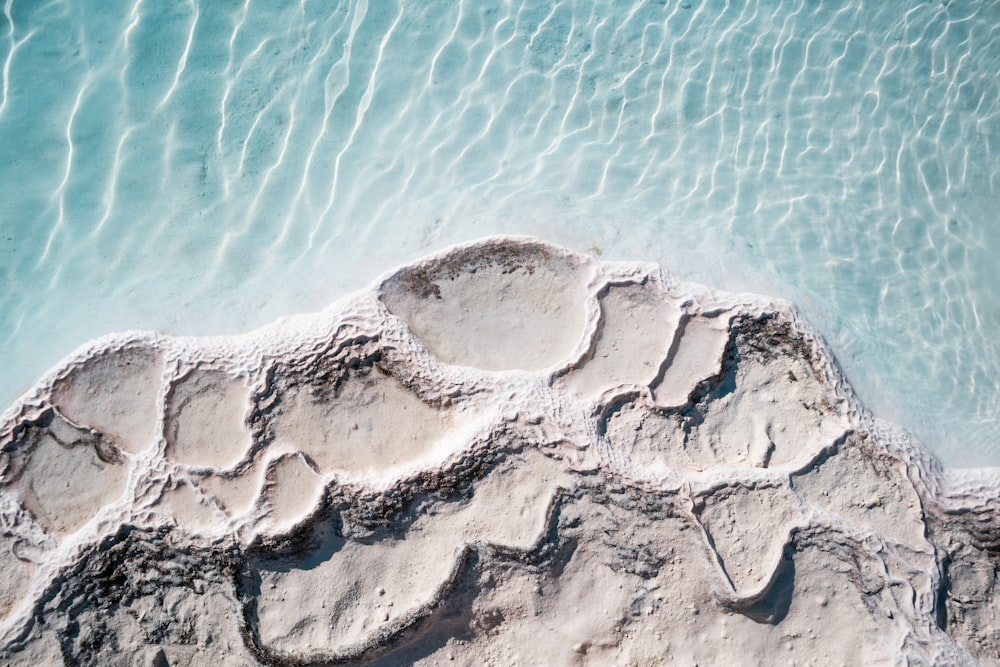
A village in the Menderes valley below a hillside of white travertine, terraces of warm spring water that have drawn bathers since the…
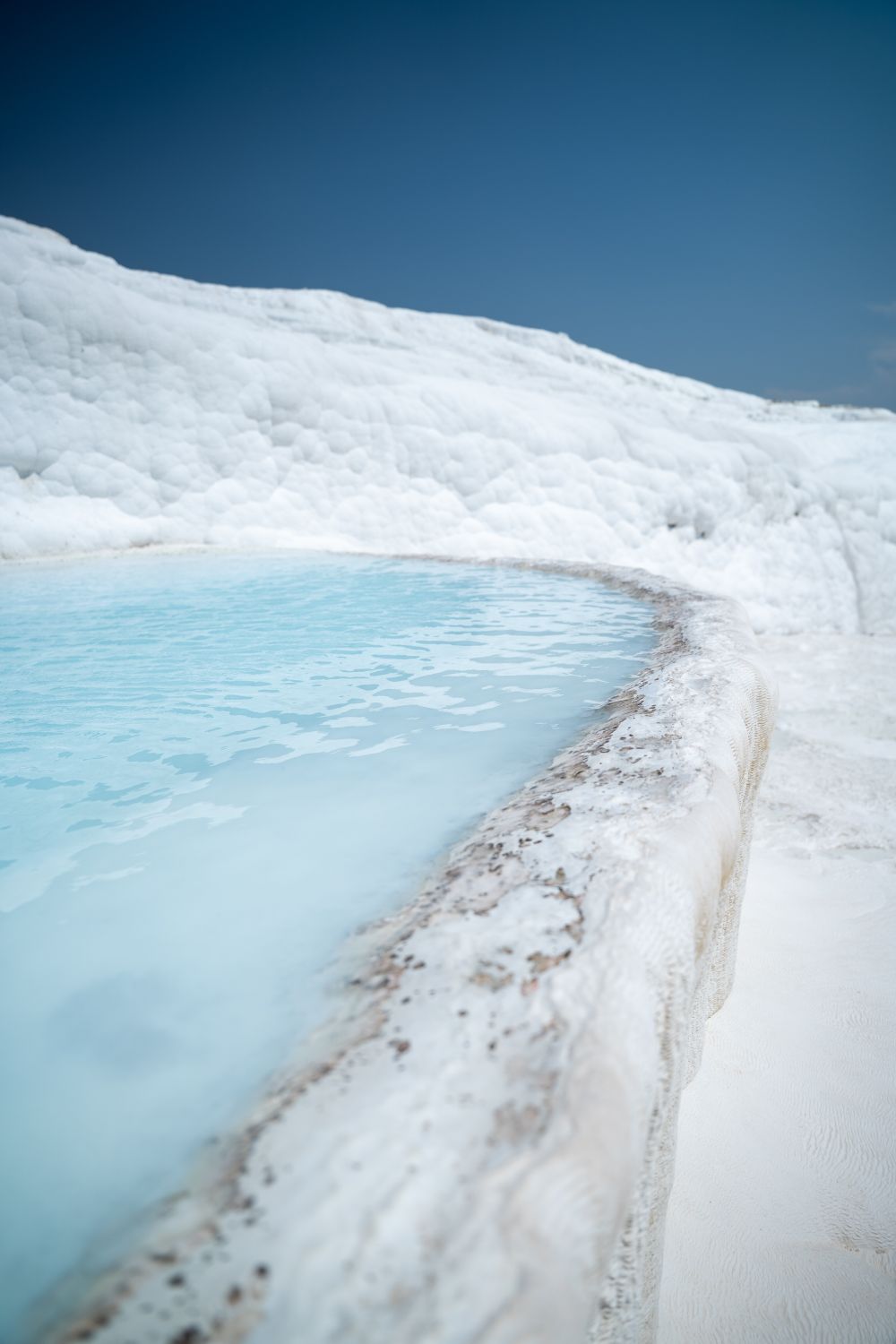
A hillside of white calcium terraces laid down by hot springs over thousands of years, warm mineral water pooling in scalloped basins down…
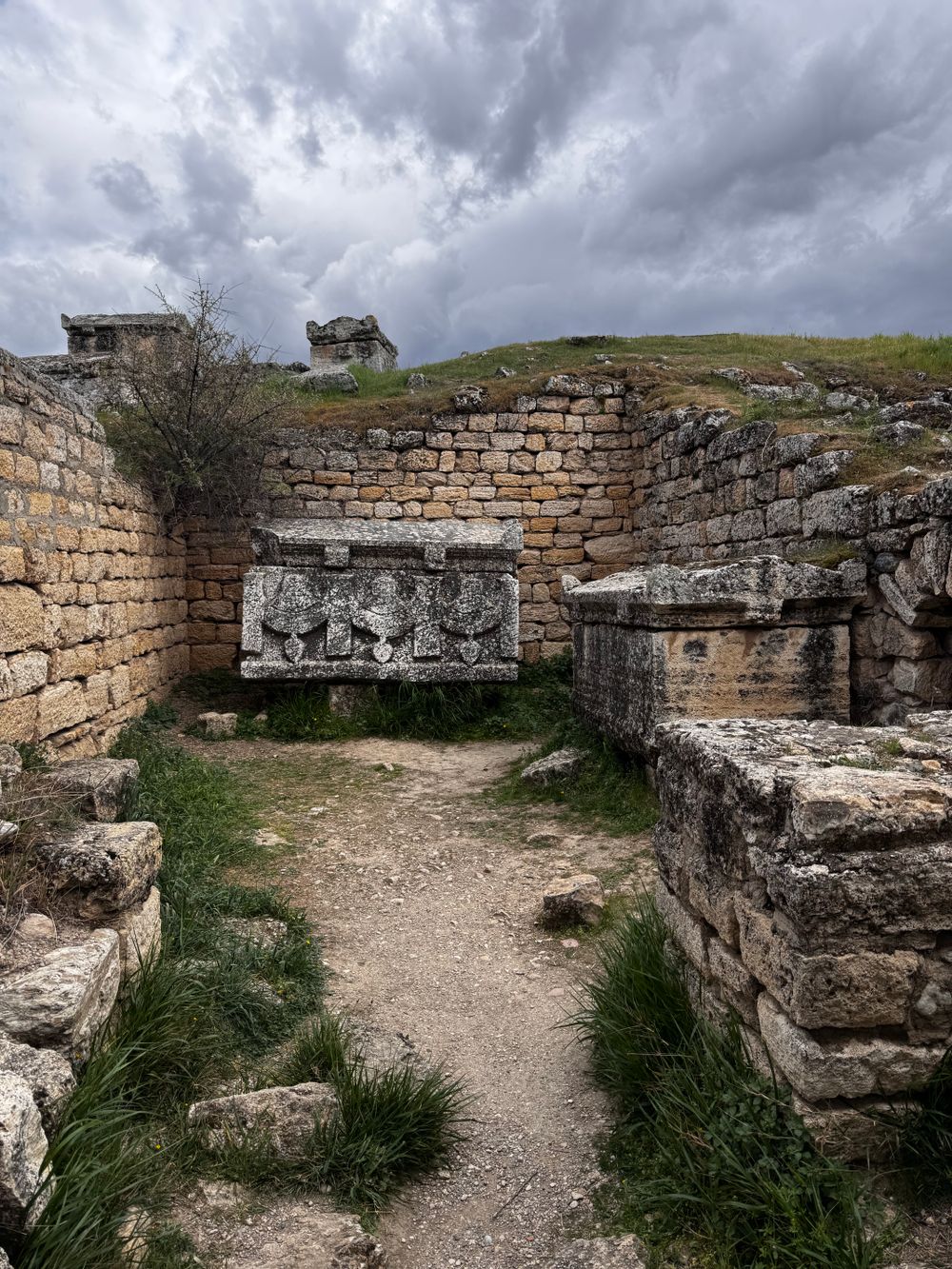
The largest of Hierapolis's burial grounds, stretching along the road north of the city with more than a thousand tombs, from stone tumuli…
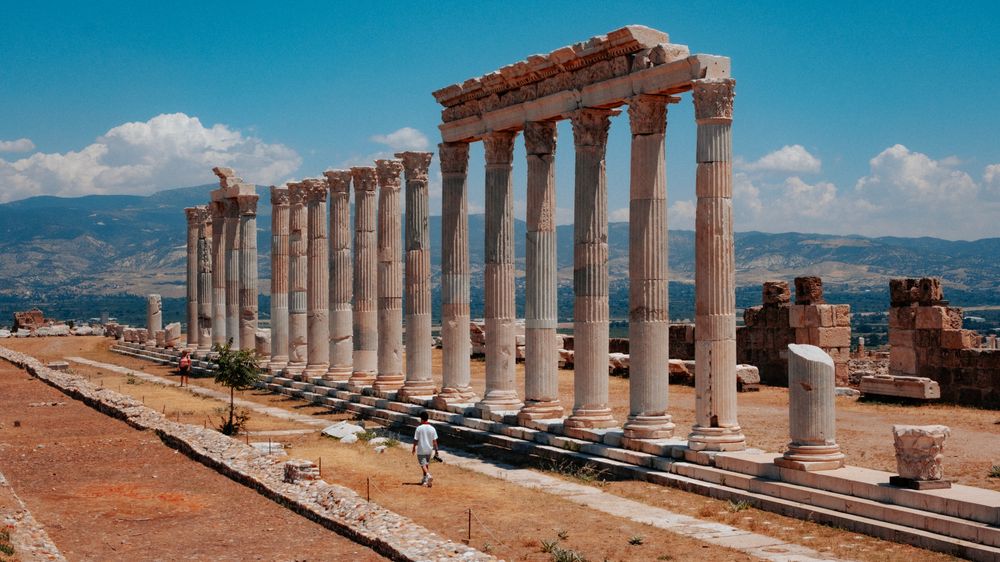
A Hellenistic and Roman city ten minutes south of Pamukkale, one of the Seven Churches of Revelation, with two theatres, a stadium and…
A warm spring-fed pool scattered with fluted marble columns that an earthquake toppled centuries ago, widely known as Cleopatra's Pool.…
Last updated