Things to do
11-
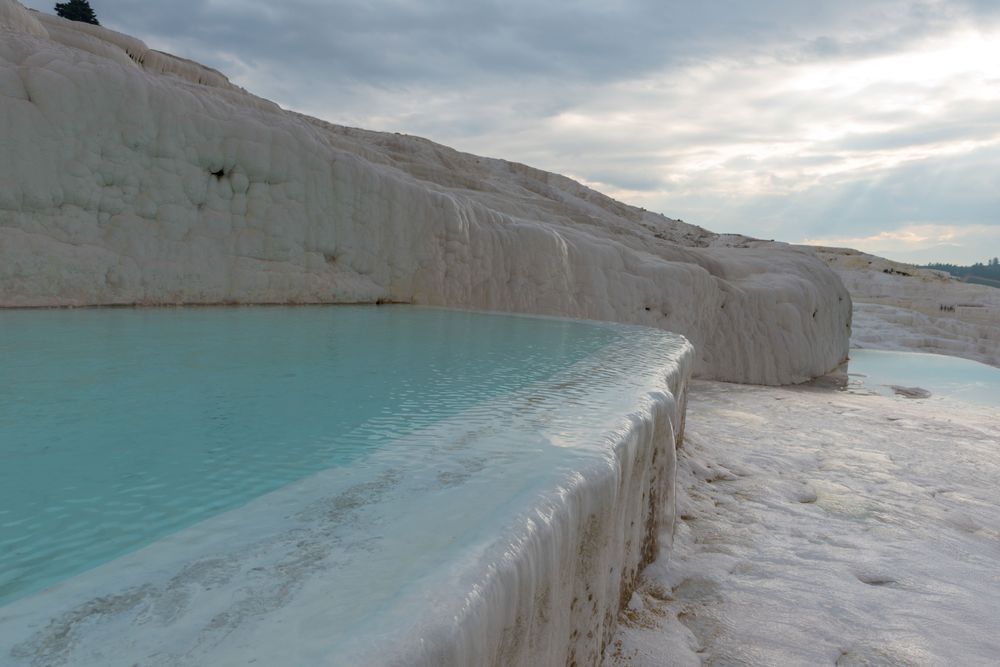
Antique Pool
The swim is a separate ticket on top of site entry, and the fee is what thins the crowd; bring a towel and expect basic changing rooms.
View more → -
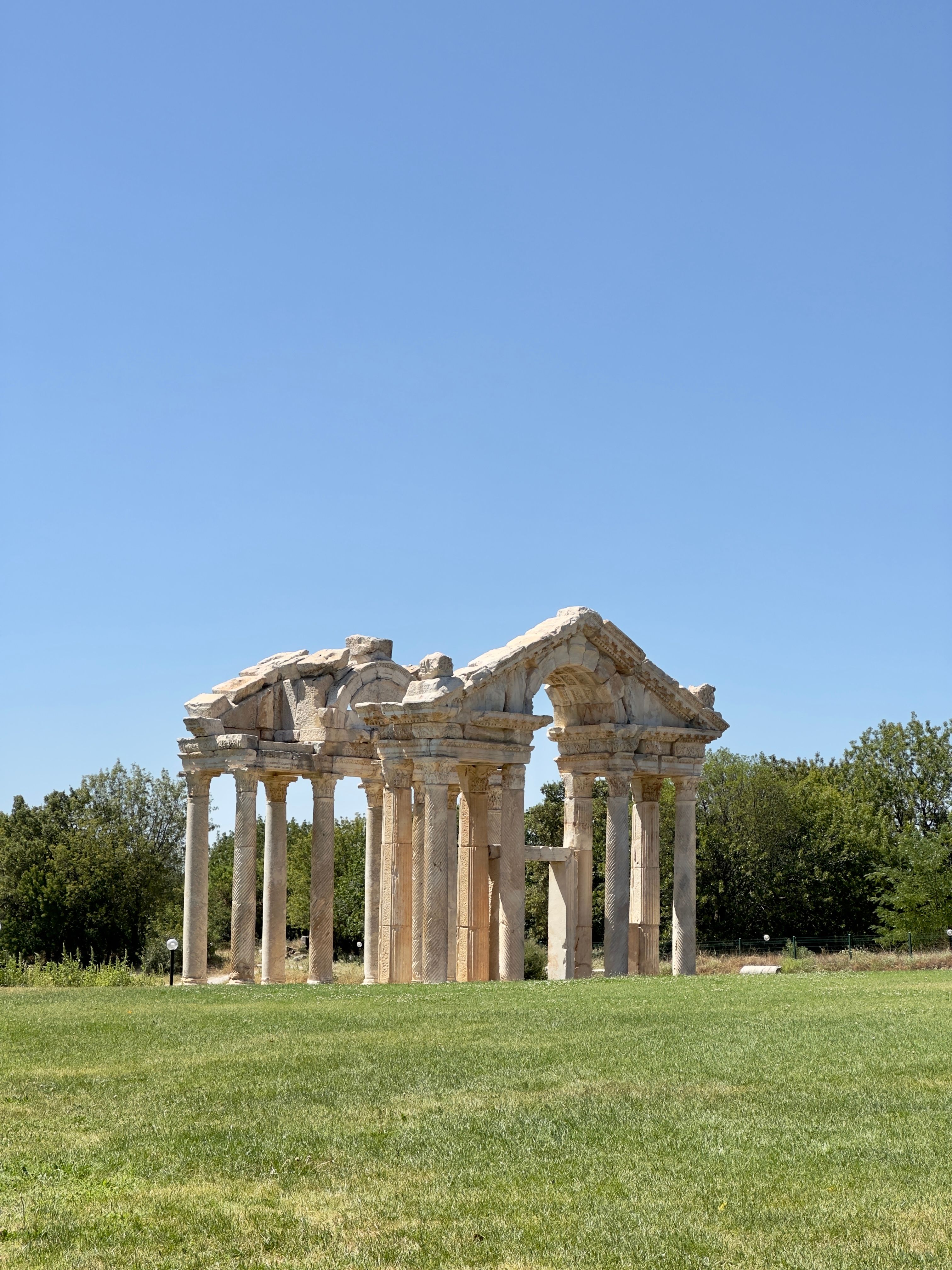
Aphrodisias
A Roman marble city in the hills west of Denizli, with a stadium seating thirty thousand that is the best preserved in the ancient world, and a museum of sculpture from the school that worked here. It is a long drive from Pamukkale and is never crowded.
-
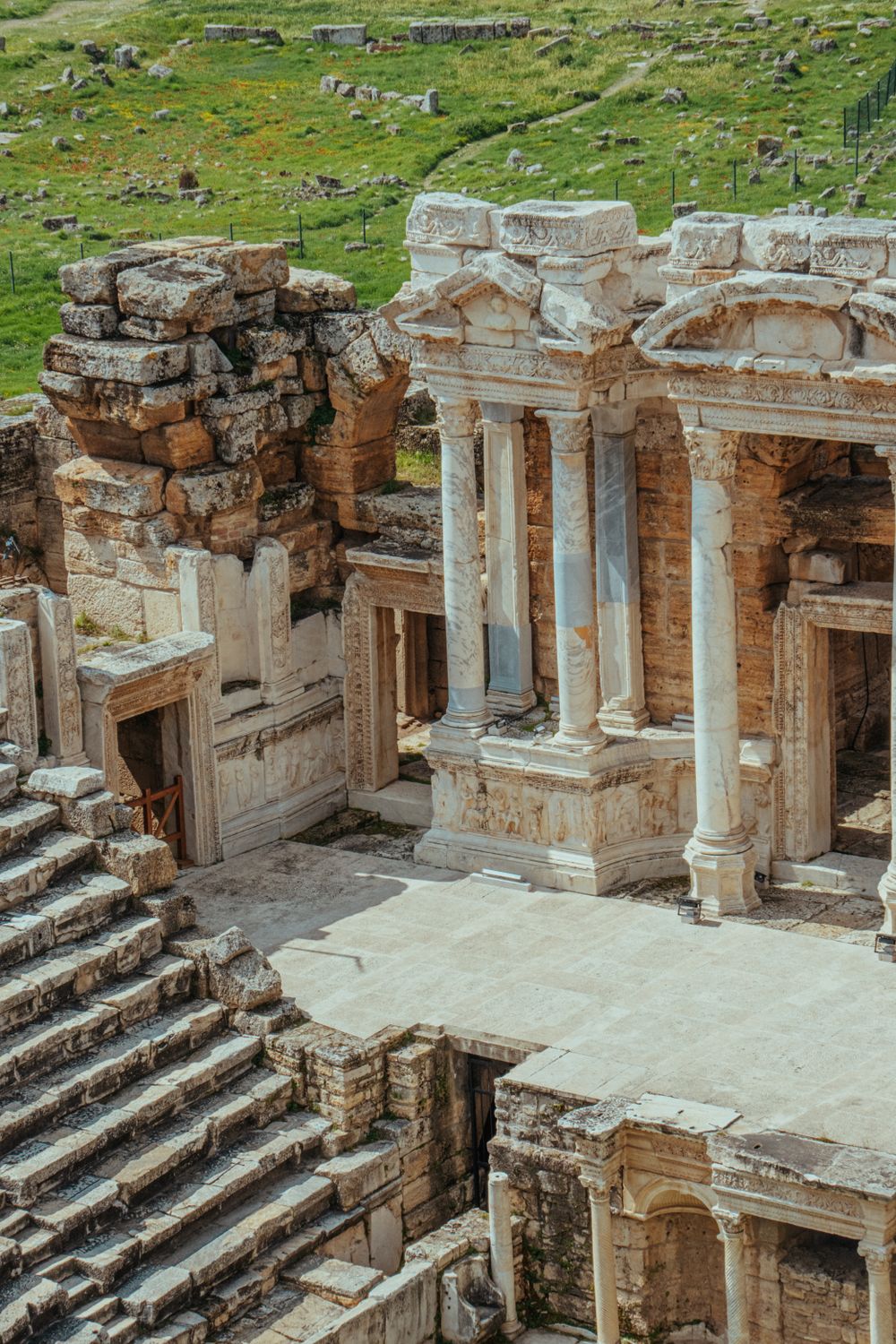
Hierapolis Archaeology Museum
The site museum of Hierapolis, housed in the restored Roman bath complex, holding sarcophagi, statuary and small finds from the city and the surrounding ancient towns of the Lycus valley.
-
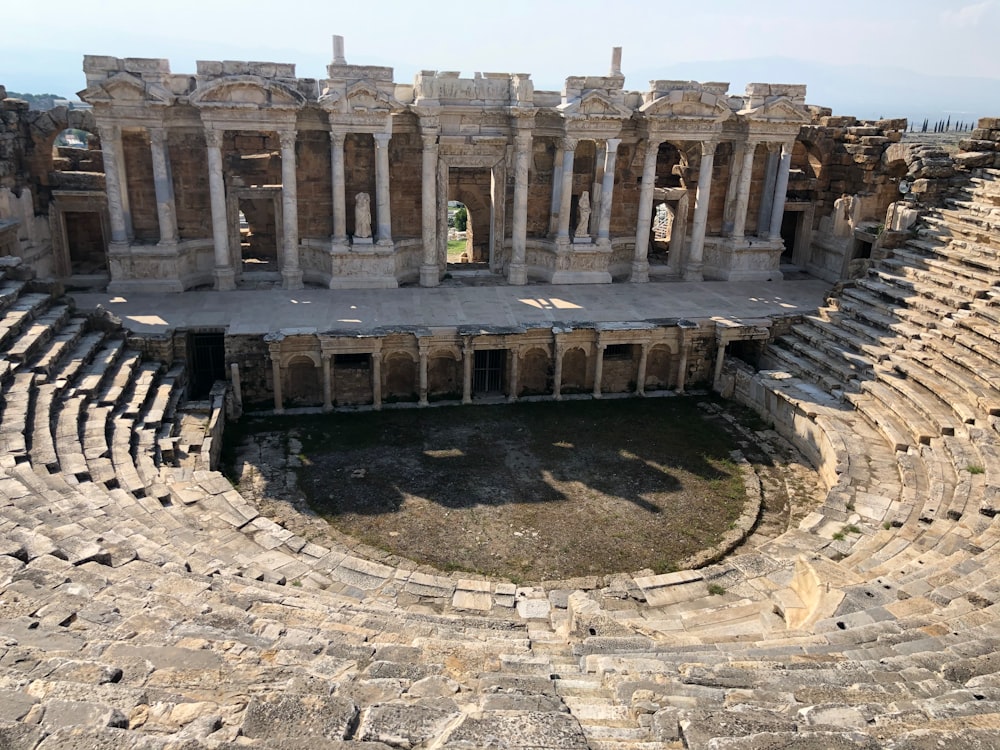
Hierapolis Theatre
Climb to the top rows; the sweep over the stage building and out across the plain is the best single view in Hierapolis, and most groups never make it past the lowest tiers.
View more → -
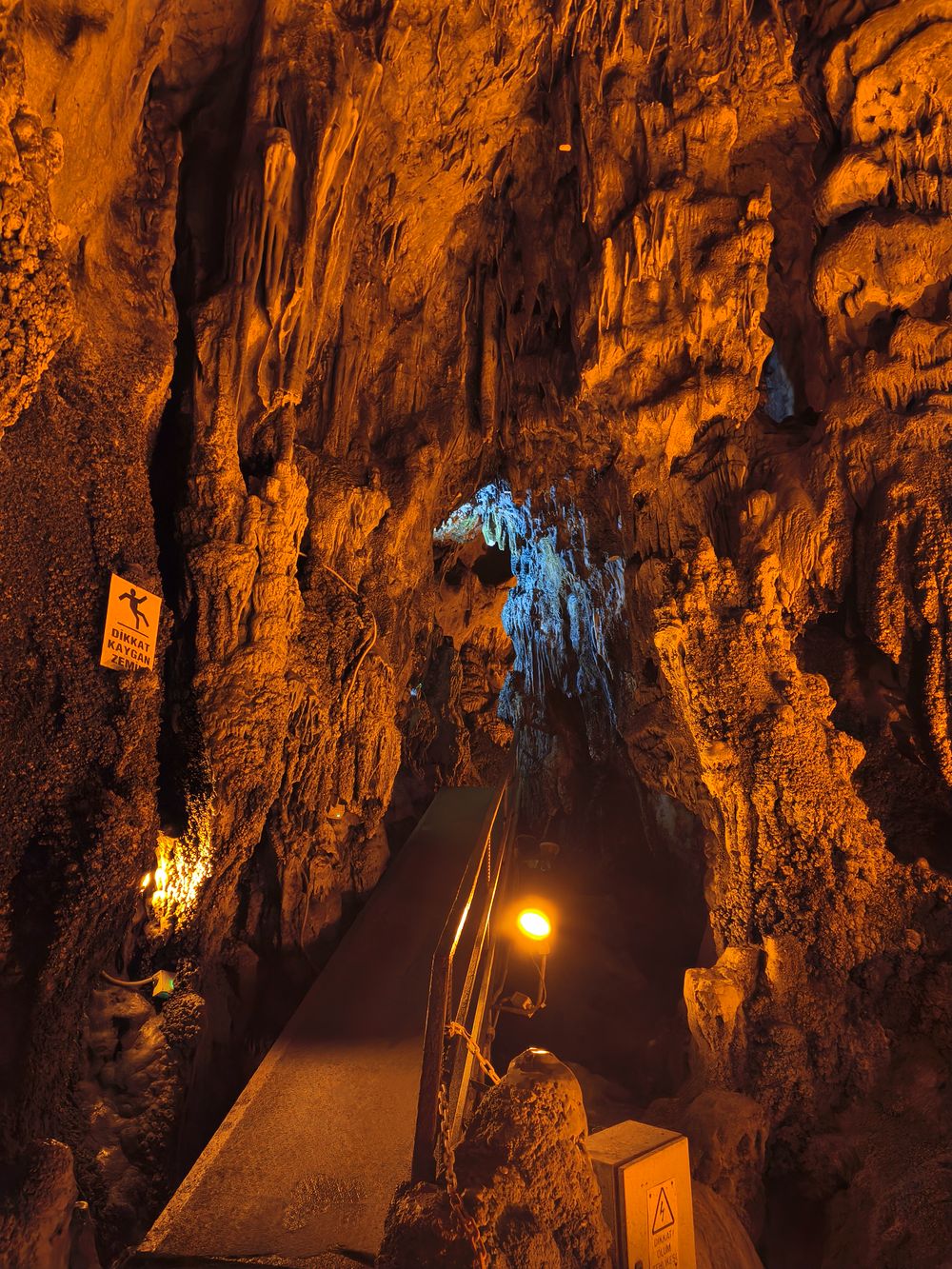
Kaklık Cave
A sinkhole cave half an hour east of Denizli that does underground what Pamukkale does in the open: warm, mineral-heavy water laying down white travertine basins beneath a rock roof. Walkways circle the pools, and the sulphur on the air is part of the visit.
-
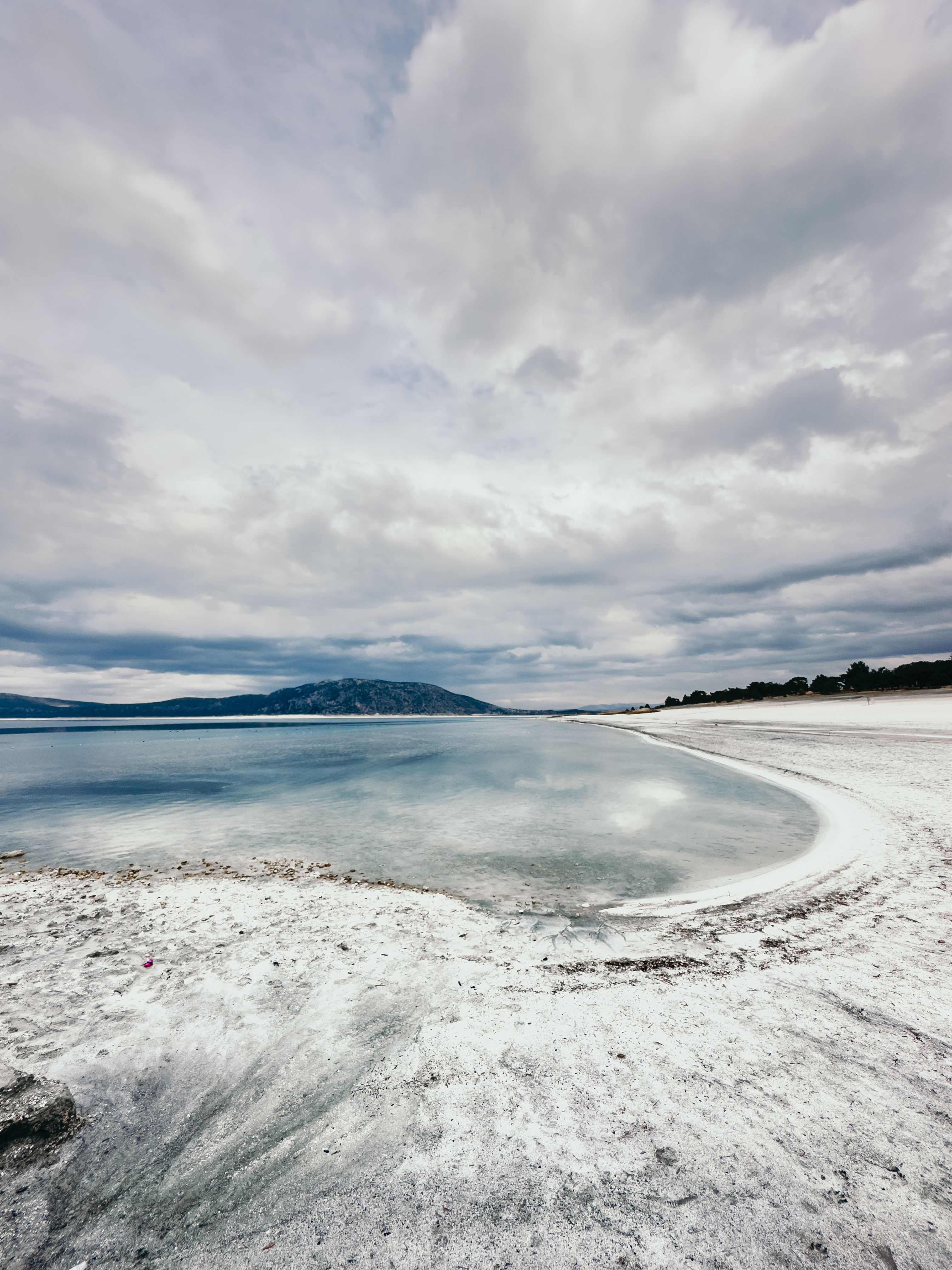
Lake Salda
A deep crater lake ringed by white magnesium sand and shallow turquoise water, about two hours south of Pamukkale. Its shoreline is a protected area and swimming is restricted to marked beaches.
-
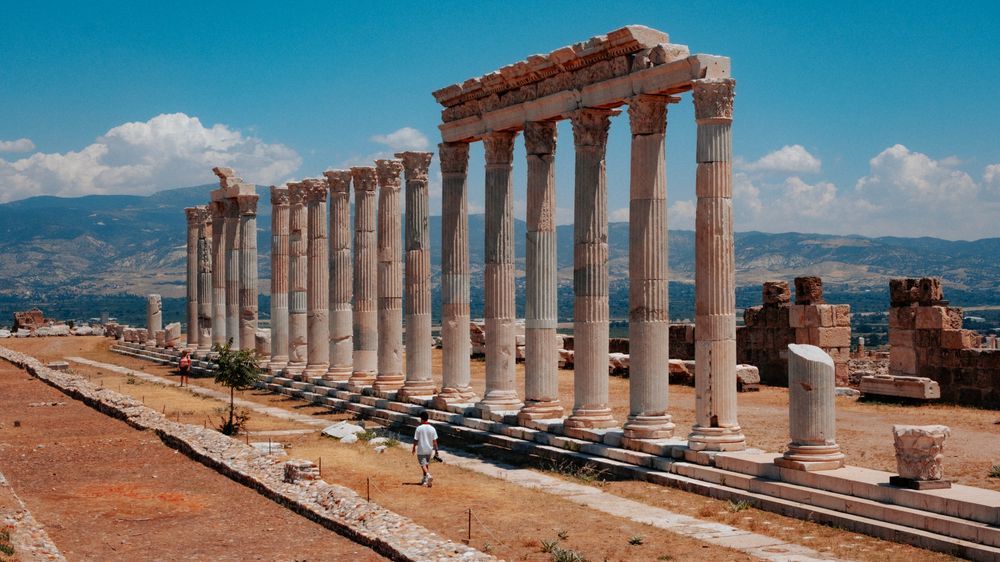
Laodicea on the Lycus
A Hellenistic and Roman city ten minutes south of Pamukkale, one of the Seven Churches of Revelation, with two theatres, a stadium and colonnaded streets under active excavation. Far quieter than Hierapolis, and the view across the valley ends at the white hill.
-
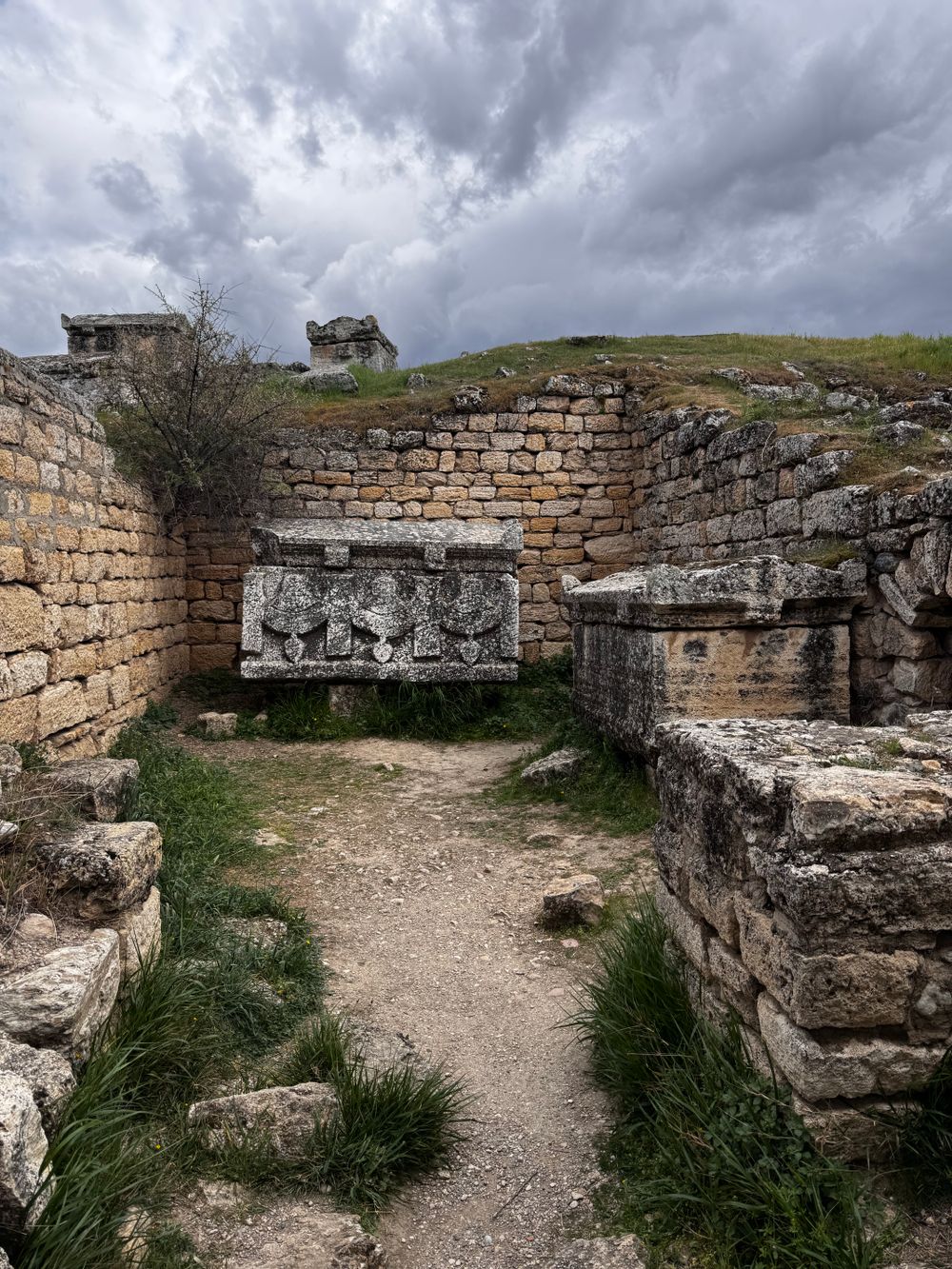
Northern Necropolis of Hierapolis
Most tour groups never reach it, so the tomb road is walked in near silence; several sarcophagi still carry carved fines against tomb reuse, worth hunting for among the inscriptions.
View more → -
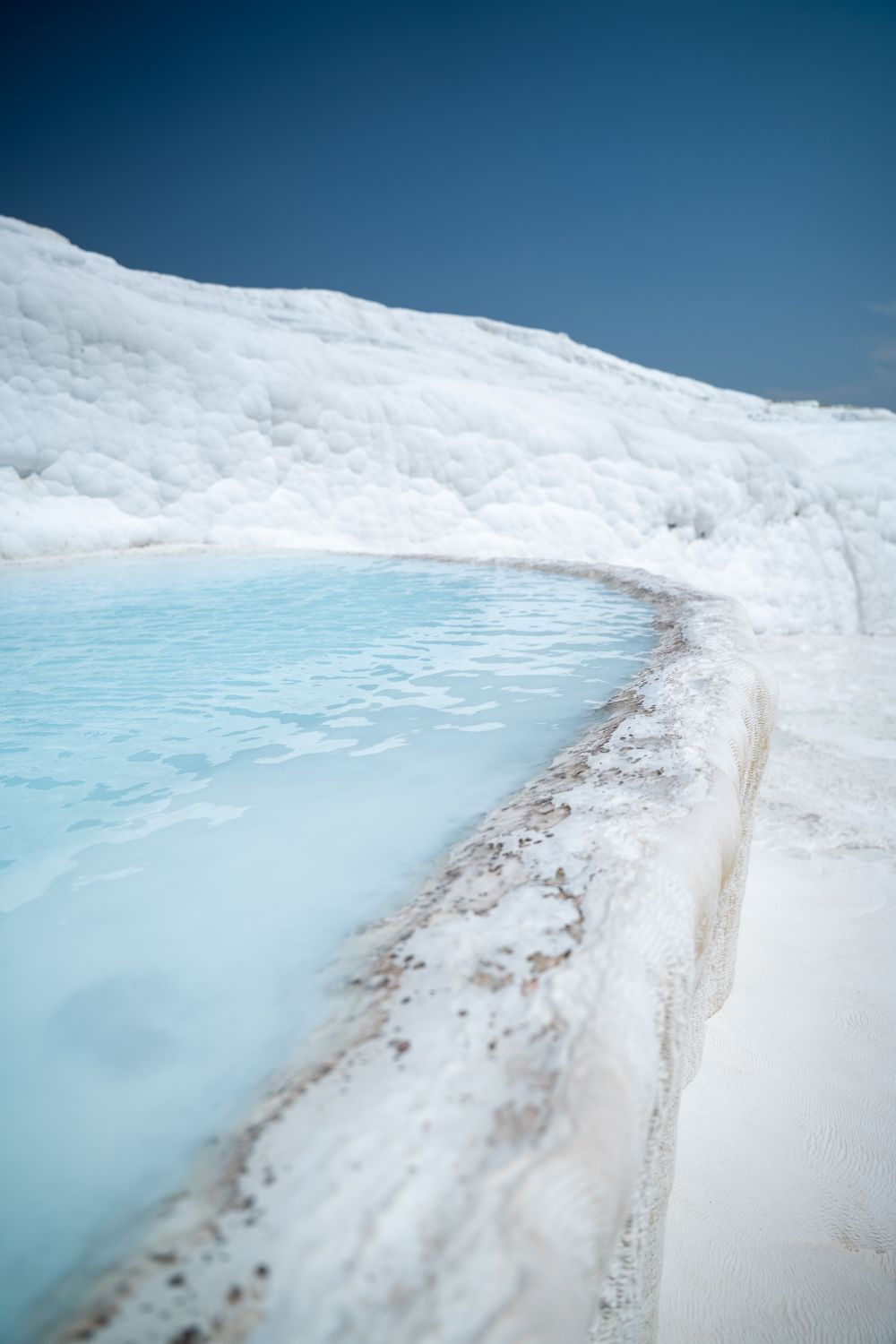
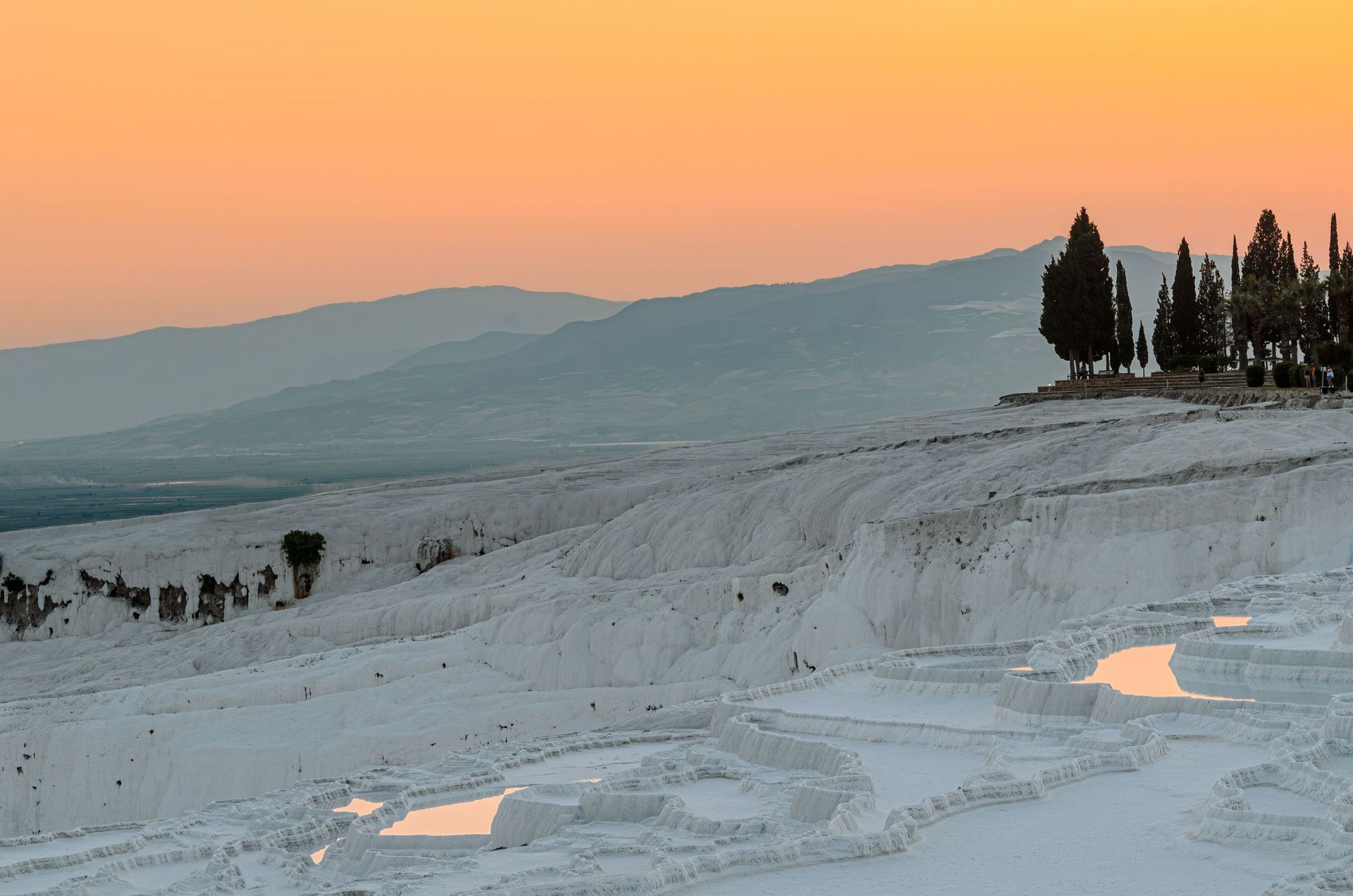
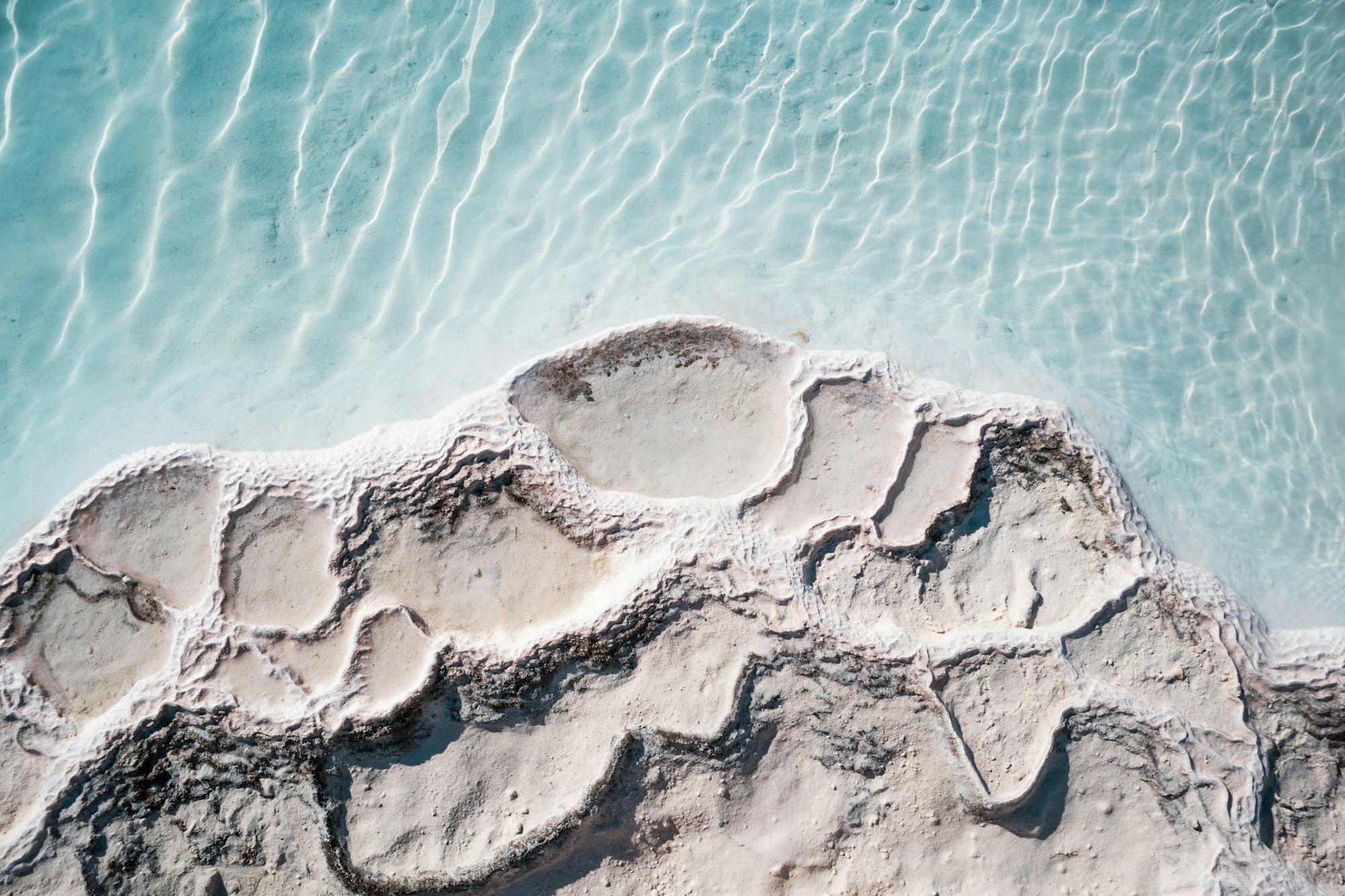
Pamukkale Travertines
Wading clothes and a bag for the shoes are the two things to bring; the water cools as it slides downhill, so the warmest basins are near the top of the ridge.
View more → -
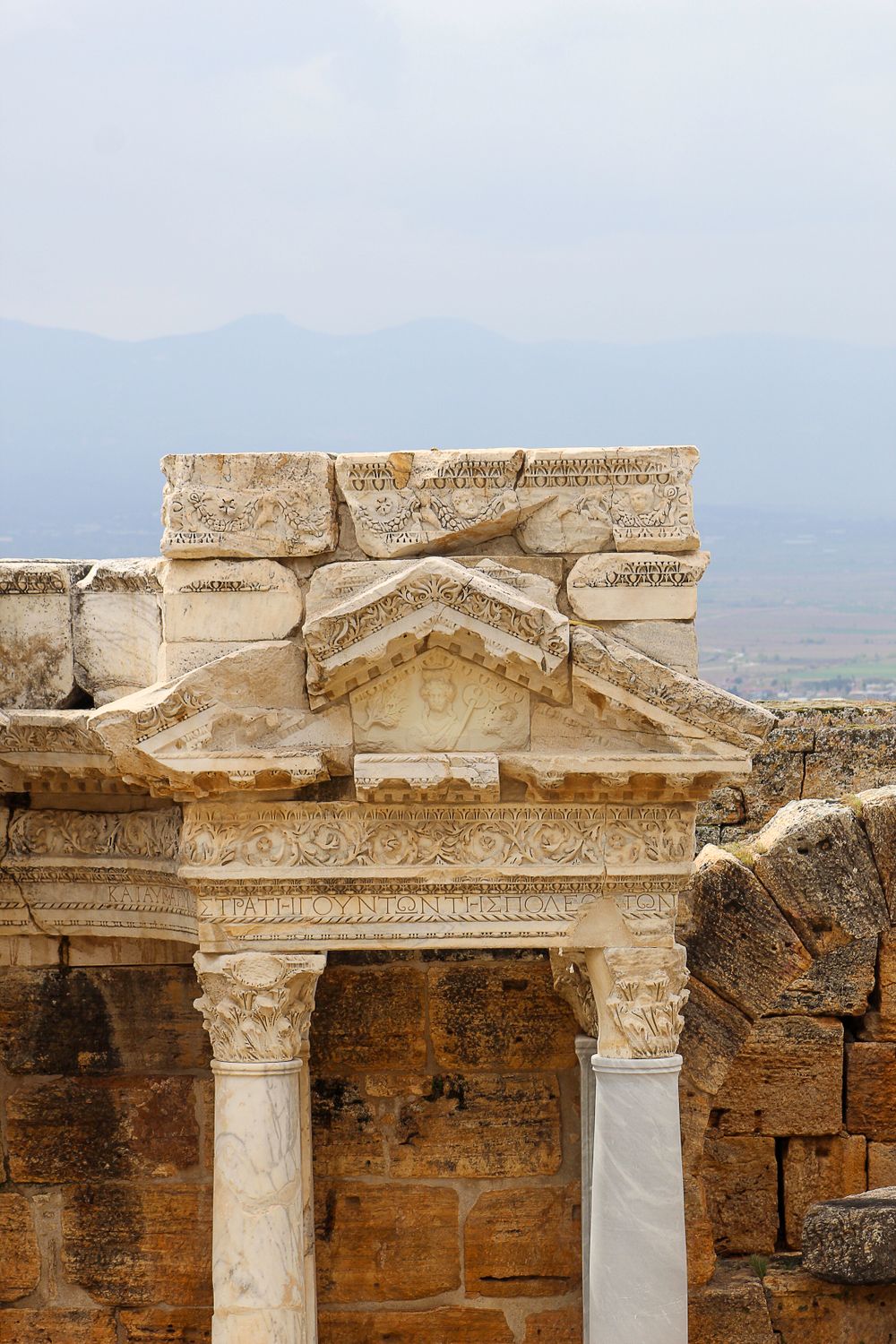
Ploutonion at Hierapolis
A shrine to Pluto built over a cave that breathes volcanic carbon dioxide, lethal to the sacrificial animals led in, which the priests of Hierapolis presented as the gate to the underworld. Identified by excavators in 2013 beside the Temple of Apollo, it is viewed today from a platform above the vent.
-
Karahayıt Red Springs
A village five kilometres north of the travertines where the spring water surfaces iron-rich and much hotter, staining its small terraces red and ochre instead of white. The source pool steams at over 50 degrees, thermal hotels ring the village, and it stays lively in the evening after the main site empties.