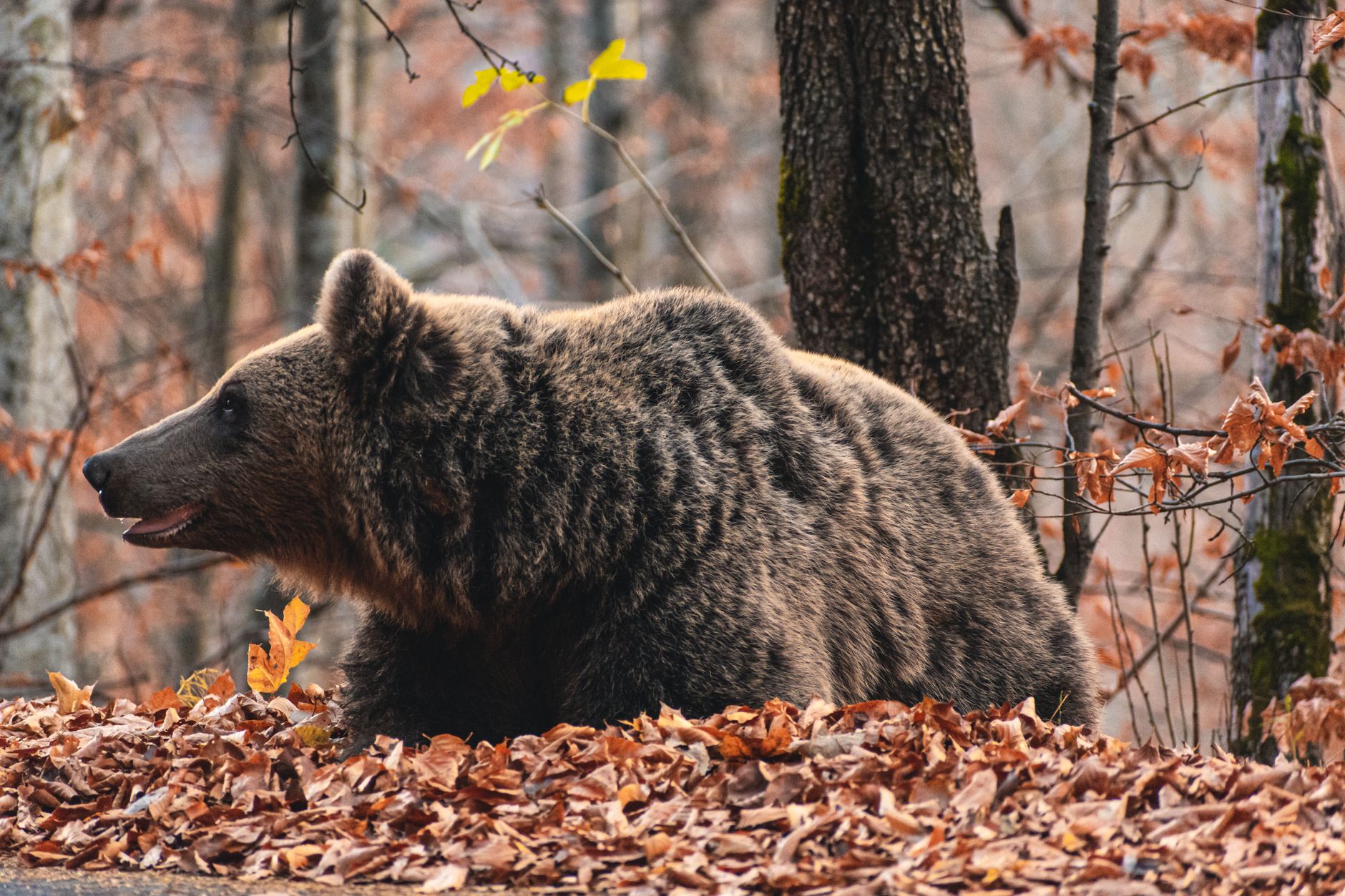
In April 2025 the Romanian environment ministry published the first genetic count of the country’s brown bears. The samples returned a population of between 10,419 and 12,770 animals. The figure the country had been working from was about 8,000, and it had never been a count at all. It was an estimate assembled from field observation, and national policy had been resting on it for years.
The same forests hold wolves and lynx. Romania’s wolves run into the low thousands and its lynx are the largest national population in Europe. Outside Russia, no country on the continent has more of any of them.
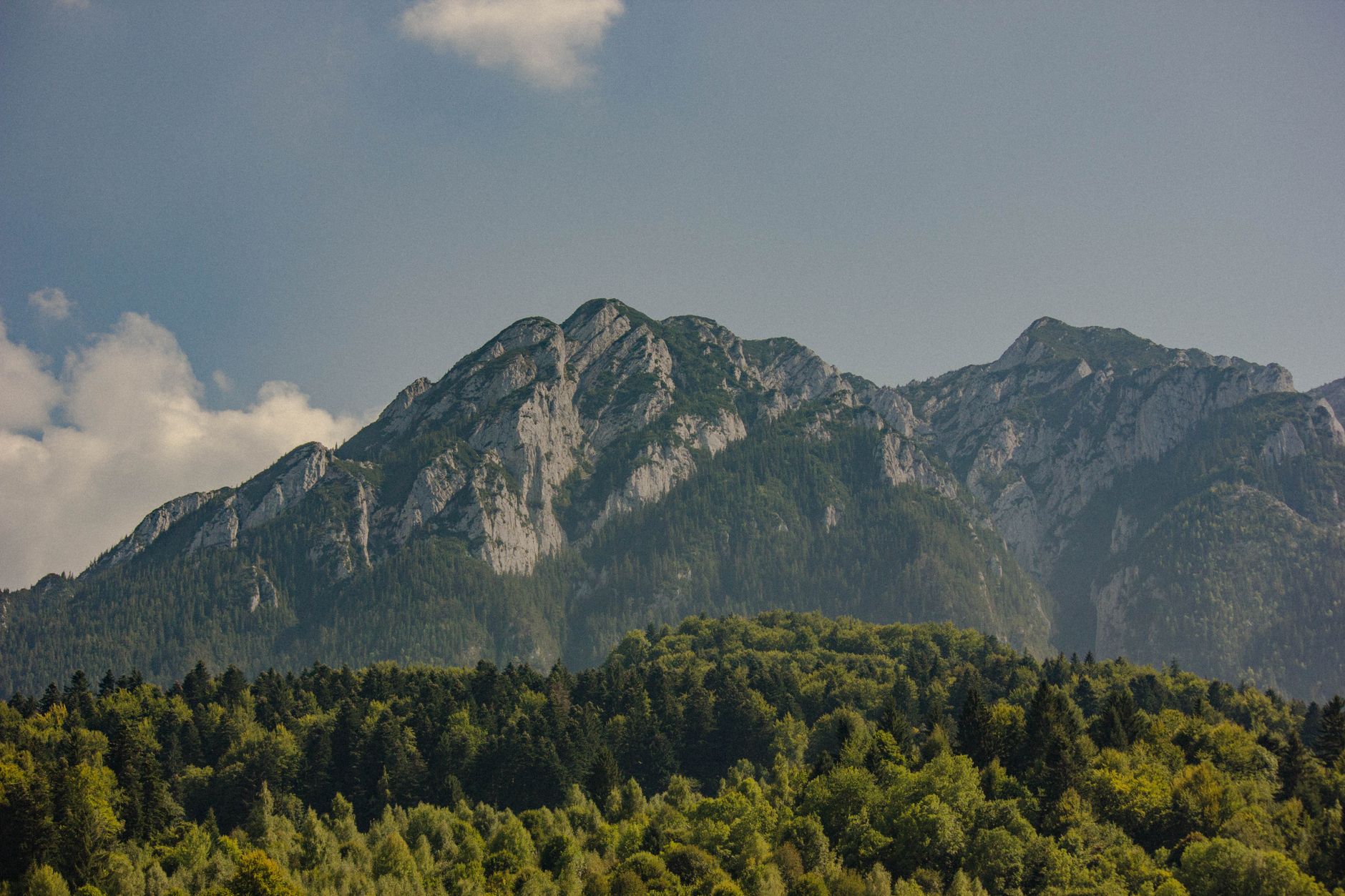
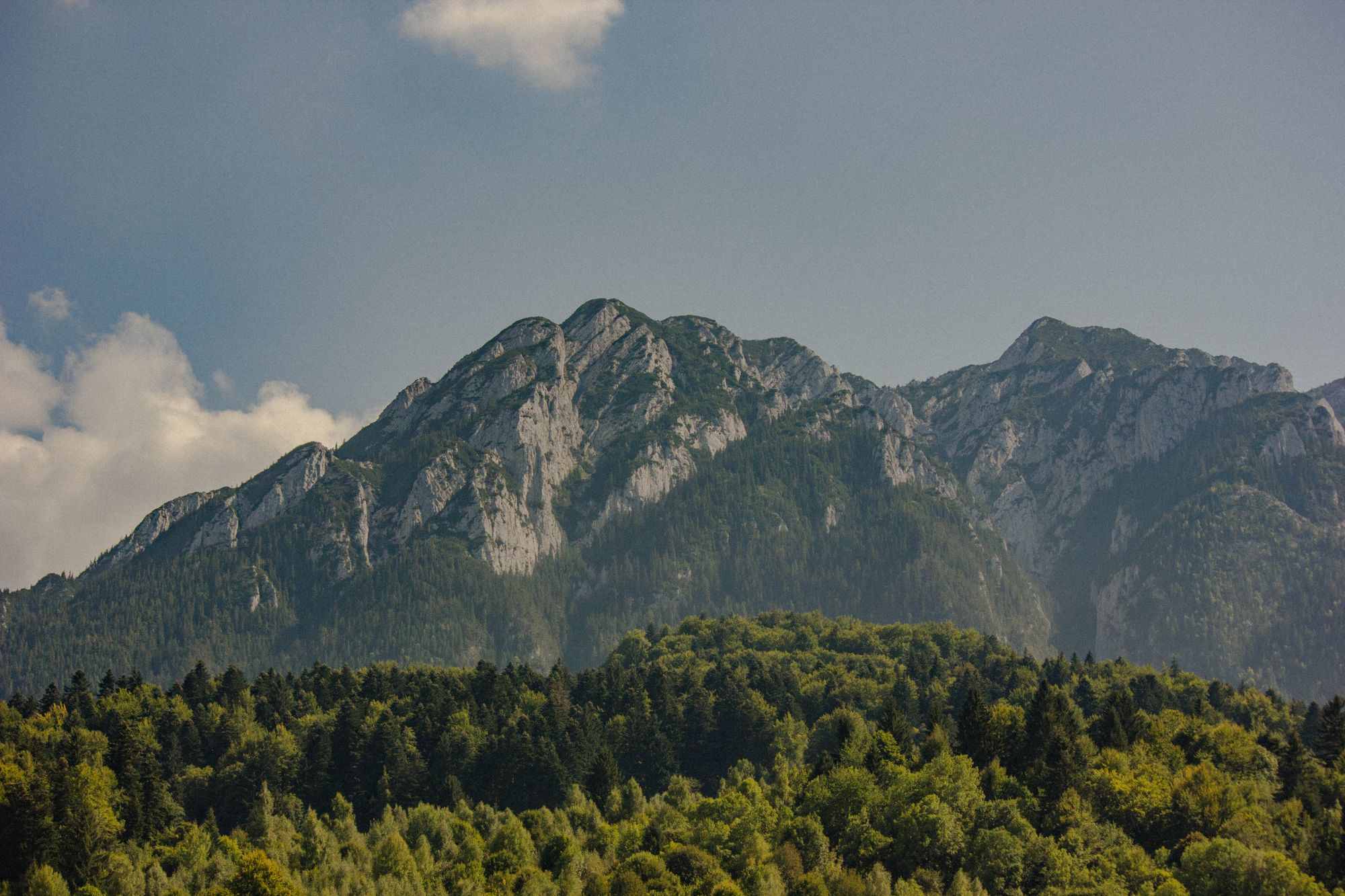
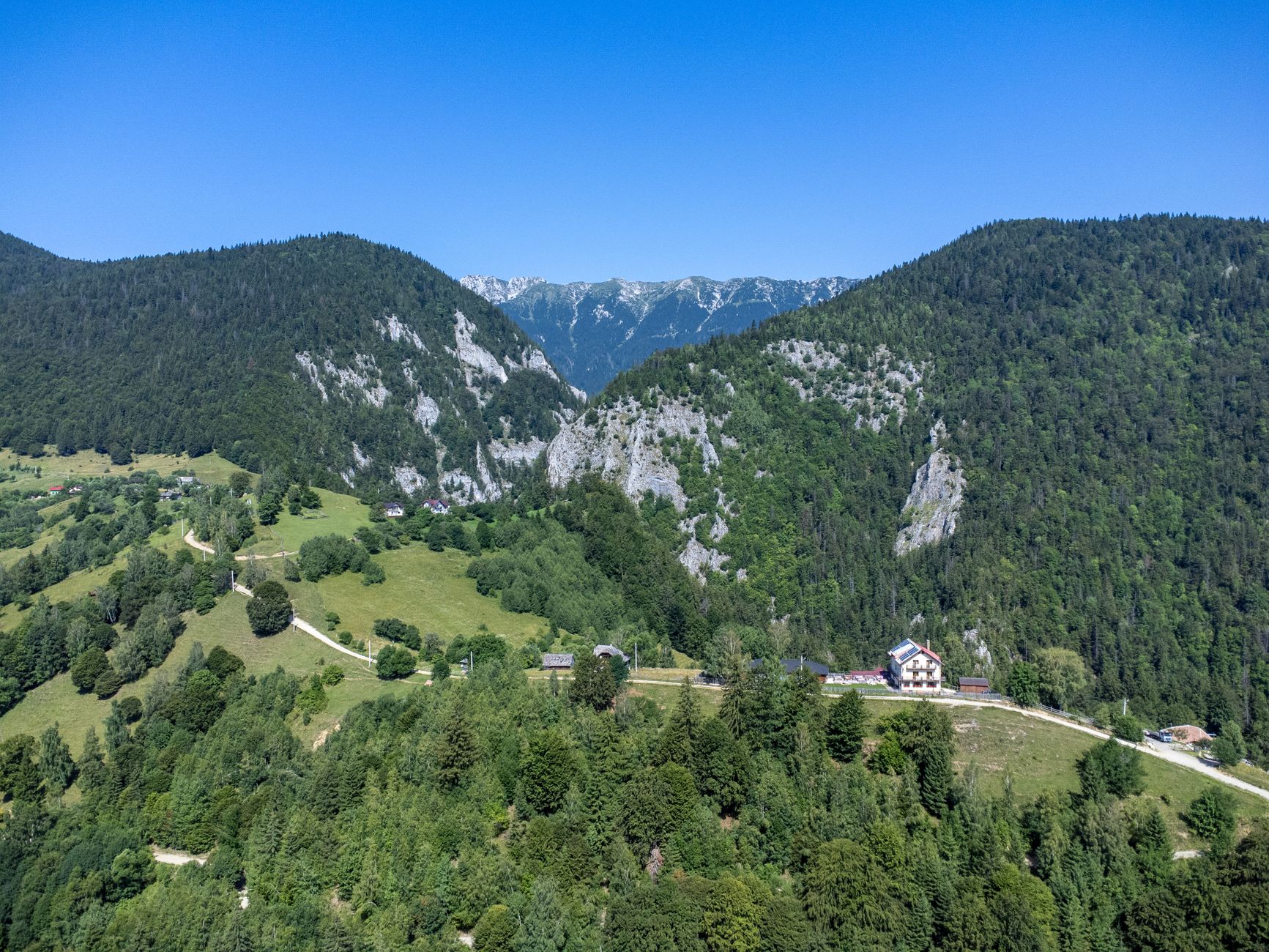
Romania kept a belt of unbroken forest along the Carpathian arc through the century in which most of Europe cut and fragmented its own, and the animals stayed because the ground did. The Piatra Craiului is the sharpest edge of it, a limestone ridge narrow enough in places to straddle, with beech and spruce running down both flanks and the town of Zărnești at the northern foot.
The policy was already set. In 2024, after a hiker was killed on a Carpathian trail, the government doubled the annual cull quota to nearly 500 bears, calculated as a share of the population it believed it had. The census has since raised that population by half.
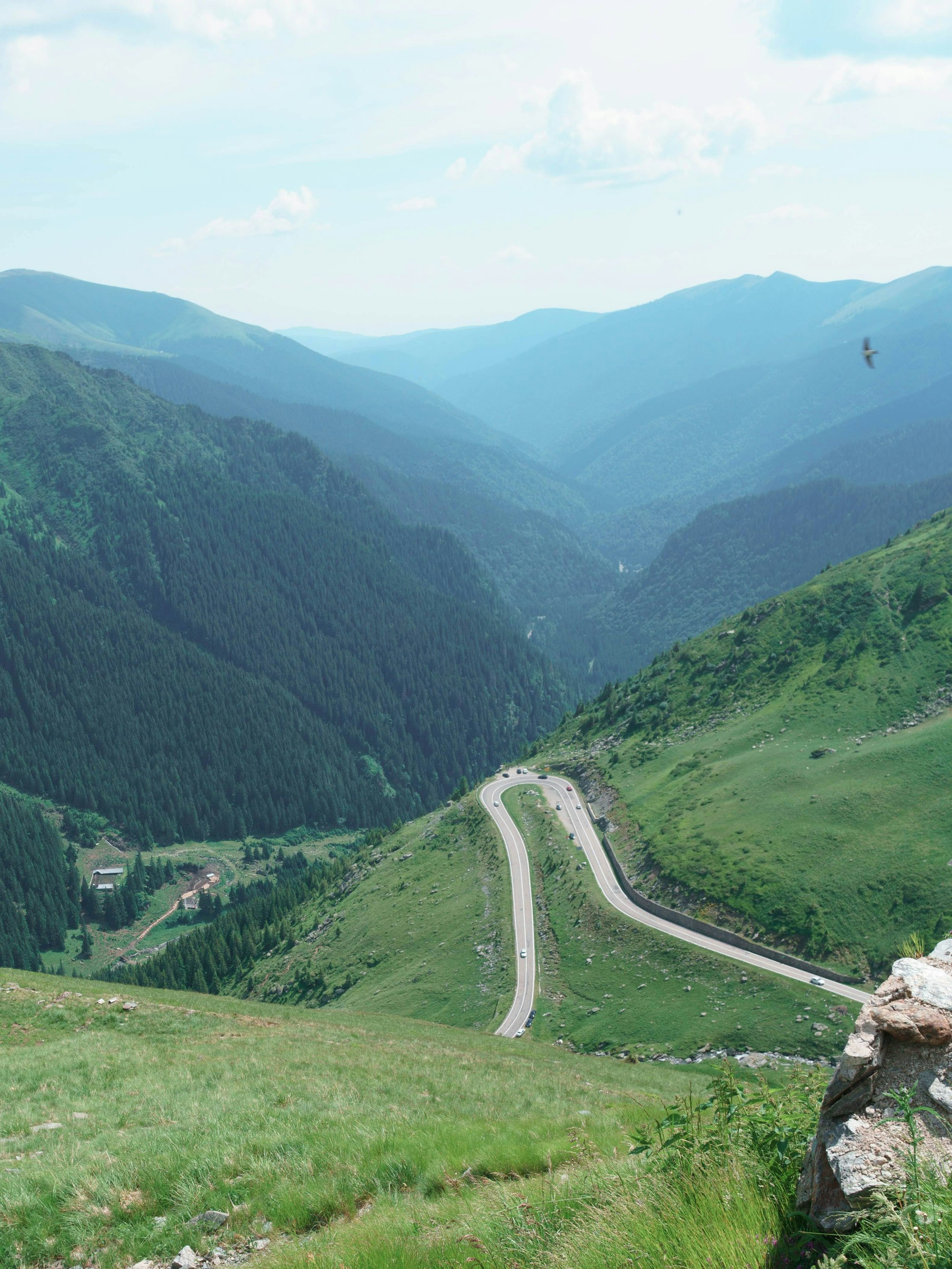
The harm is not in dispute. Over two decades bears have killed 26 people in Romania and seriously injured 274. Most of it happens where bears and cars meet, and the concentration is the Transfăgărășan, the high road over the Făgăraș, where animals have learned that stopped traffic produces food. A motorcyclist was killed near the Vidraru dam in July 2025, and the investigation established that he had got off his bike to feed and photograph the bear. More were hurt on the same road the following summer.
Feeding a roadside bear is illegal in Romania and it is the mechanism behind most of these incidents. An animal that learns to associate stopped cars with food stops avoiding people, and it is the animal that is destroyed afterwards. Do not stop on the Transfăgărășan to photograph a bear from a car window, and do not leave food at a picnic place or a bin.
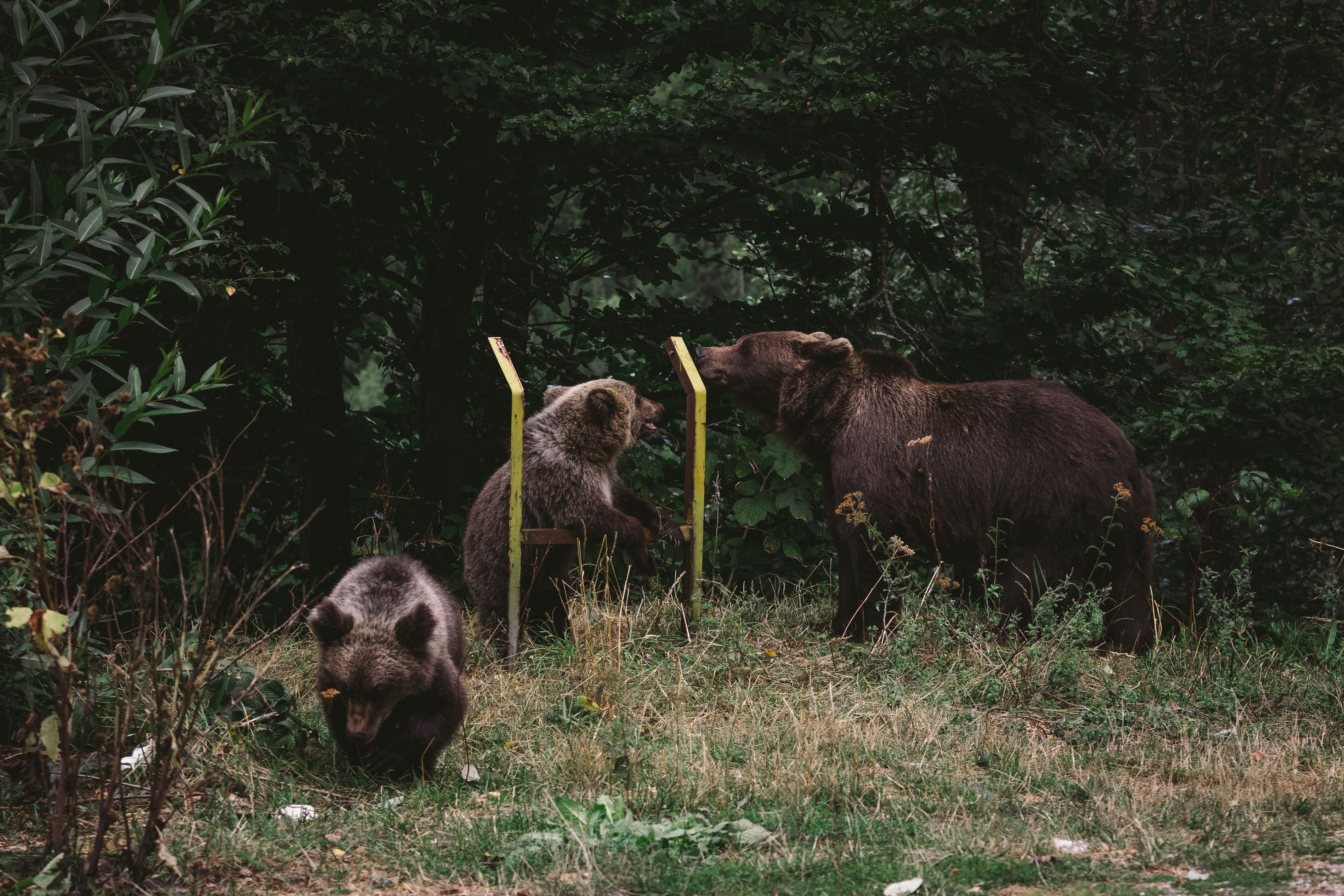
On foot the advice is narrow and worth knowing before setting out. Bears here are not hunting anyone and almost every incident begins with surprise or with food. Walk noisily on blind forest track, keep dogs on a lead because a loose dog brings a bear back to its owner, and if one appears, back away while facing it and do not run. A female with cubs is the animal to be furthest from, and the cubs stay with her for a second summer, so a small bear alone is rarely alone.
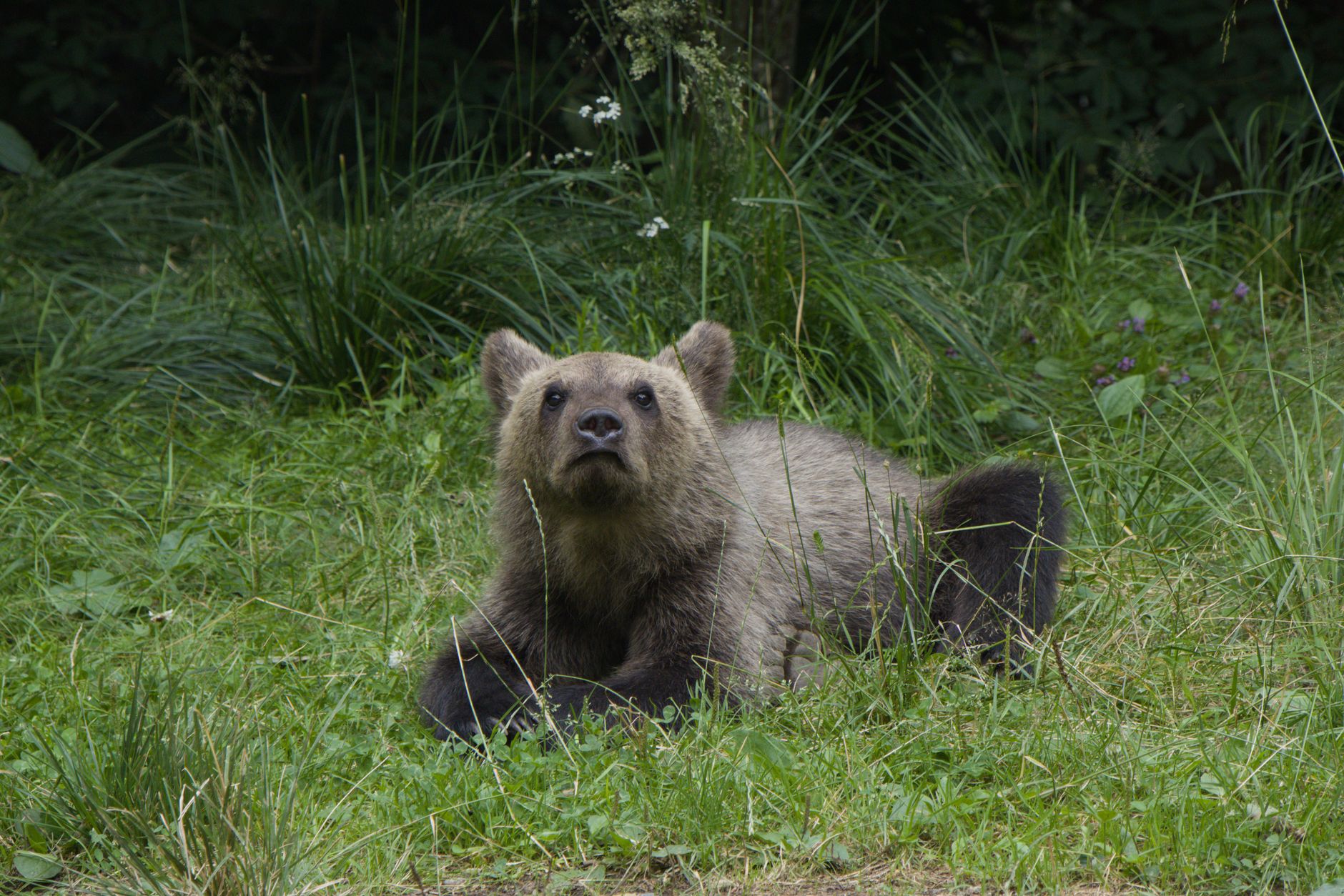
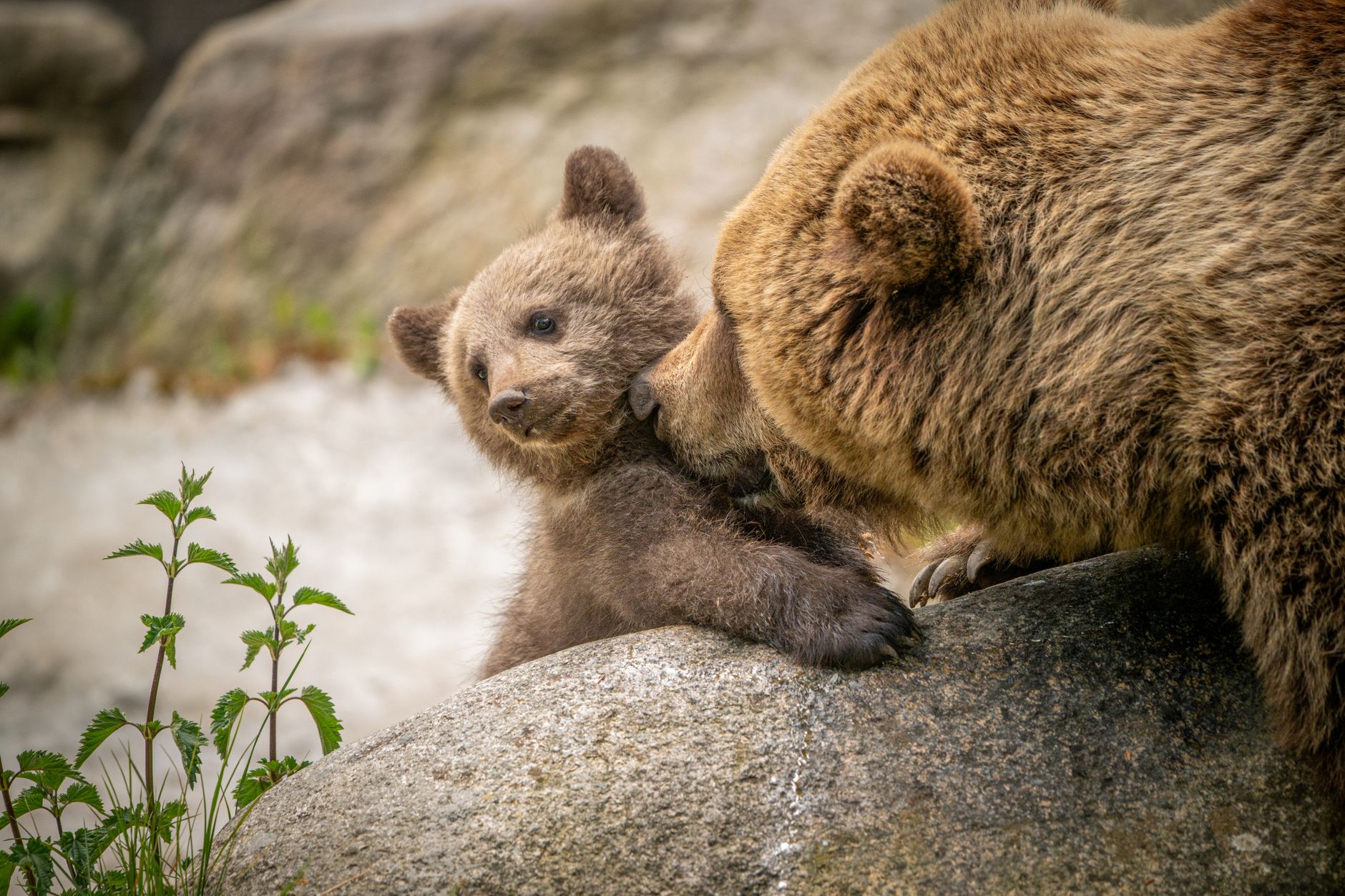
The most dependable way to see a bear near Zărnești is also the least wild, and it is honest about that. Libearty occupies 69 hectares of oak and hazel forest on the hill above the town and holds more than 130 animals, almost none of them born there. They came out of cages: enclosures kept outside restaurants to draw customers, circus wagons, roadside zoos. Cristina Lapis started the project after finding bears caged outside a restaurant, and the sanctuary opened in 2005 with World Animal Protection and the town hall behind it.
It is not a zoo and it does not run like one. Entry is on a guided tour or not at all, the tours run in the morning, it closes on Mondays for maintenance, and children under five are not admitted. Places are limited and worth booking before travelling rather than on the day. The walk follows the fence line through the forest, which means the animals are where they choose to be and some of the enclosures will be empty when a group passes.
The guides talk less about the animals in front of a group than about how each one arrived, and the detail that recurs is how small the cages were and how long some of them stood in one. Several of the bears rock or pace, which is what a decade on concrete leaves behind and does not go away in a forest. The sanctuary is careful to say that these animals could not be released, and that the point of showing them is to make the cages harder to open again.
The policy was built on a number nobody had ever counted.
The wild version is a hide, and there are several in the hills around Zărnești and Brașov. The usual shape of it is an afternoon: a short walk in from the parking, a wooden cabin with a window onto a clearing, and a wait until it is almost too dark to see. They run from March to late November, depending on when the snow goes and when it returns, and they are used with a guide rather than alone.
The hides do not offer certainty, and the good ones say so before taking a booking. The clearing is baited, which is what makes an evening viable at all, and the bears may still decide to come only after the light has gone. An evening can produce a single young bear working at a rotting log, or a female with cubs at the treeline, or nothing whatever. The operators who promise a sighting are the ones baiting hardest, and that is the trade being made.
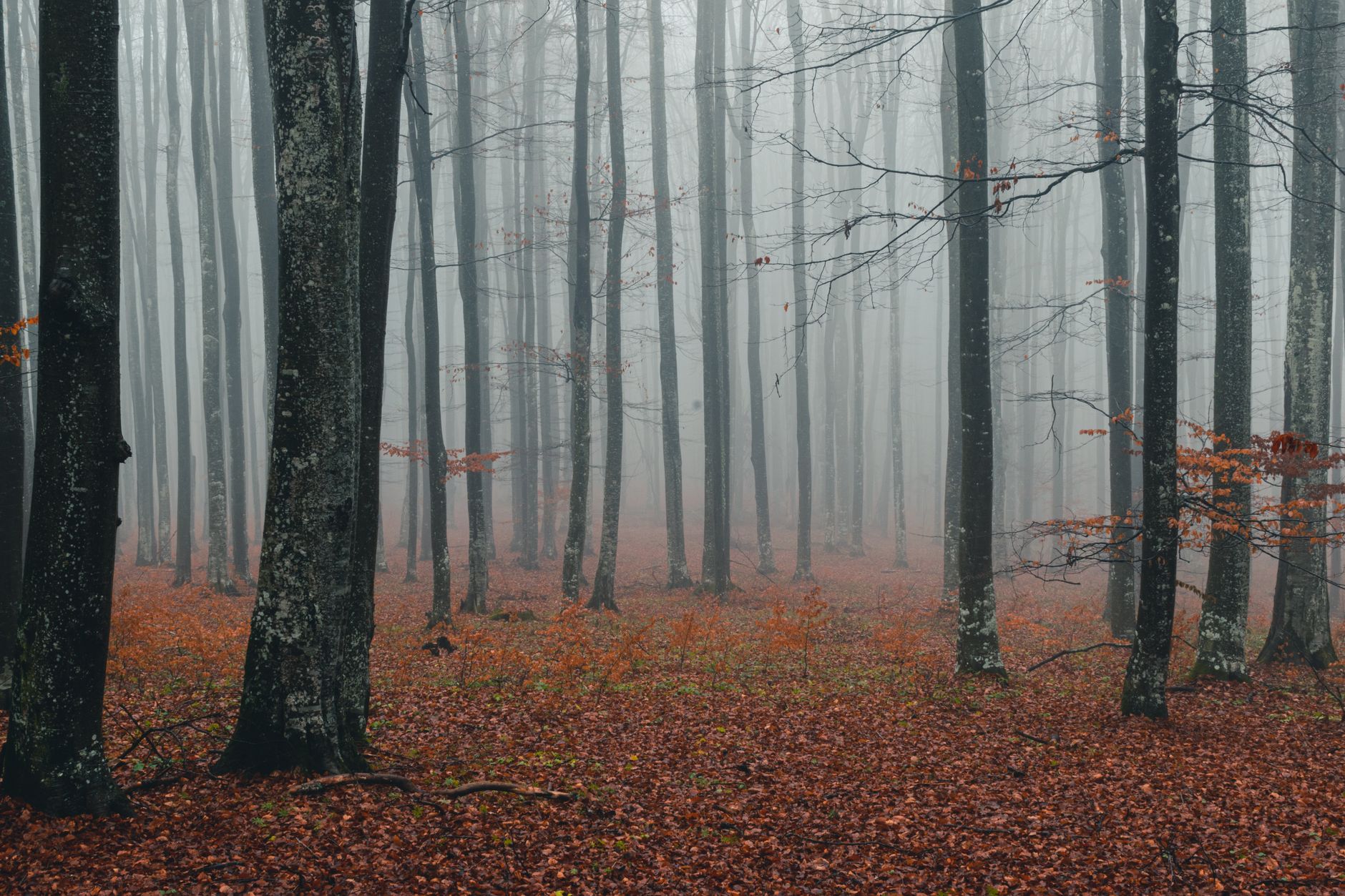
Tracking on foot is the slowest option and the one least likely to end with a bear in front of anyone. What it reliably produces is sign: prints in soft ground along the forest roads, claw marks up the smooth bark of a beech, scat full of undigested plum stones in autumn, a wallow. A guide who works the same valleys reads the ground as a record of the week, which is a different and slower pleasure than a sighting, and it is the version that leaves the animals alone.
Most of the conflict is rural. Bears come down to villages because bins, windfall fruit and unfenced stock are easier than a forest, and the households living inside the range are the ones who carry the cost. Electric fencing and guard dogs work where they are funded. Compensation for lost stock is slow enough that many farmers do not bother claiming it, and a visitor who books a hide is a small part of the economy that makes the animals worth keeping.
Zărnești is the base for all of them and it is a plain working town rather than a resort, twenty eight kilometres from Brașov, and the branch railway from the city runs there in about three quarters of an hour. Guest houses in the town and in the villages on the shoulder above it, Măgura and Peștera, are within reach of the park gate. Bring boots and something warm enough to sit still in after sundown, because the wait is the activity and the cabins are not heated. May and June are the richest months for a hide, September and October the best for walking, and the high ridge is a separate undertaking that needs a full day and settled weather.