 Submit a photo
Ninety seconds on Catedral de Ancud
The cathedral faces the Plaza de Armas, the civic heart of Ancud on Chiloé. The town tourist office is on the same square, at Libertad 660, and sculptures of figures from Chilote mythology stand across from the church.
It is in the middle of Ancud, so the walk from anywhere in the centre is short. The Costanera, the promenade along the bay, runs just below the square, so the two fit easily into one stroll.
The cathedral is open Monday to Friday, from 8.30am to 1pm and again from 2pm to 5.30pm. At weekends, the way in is to attend a Mass, since there are no set visiting hours then.
Mass times are not fixed from year to year, so the cathedral's parish, El Sagrario, is the place to ask for the current ones. Its office is at Errázuriz 507 and takes enquiries on weekday mornings and afternoons.
The porch at the foot of the tower is built of cancagua, a local stone. The galvanised iron tower rises about 25 metres, cross included, and holds two large bells saved from the 1907 cathedral, alongside a smaller recast one.
This working cathedral, finished in 2014, gives you a first look at the island's church style with nothing to book. Step in from the Plaza de Armas on any walk round the centre.
Look at the front first. One tower stands over the door, as on the island's wooden churches, and the porch at its foot is cancagua, a stone from the area. The tower itself is galvanised iron, about 25 metres to the tip of the cross, with its corners sheathed against the damp, salty air.
Two of its bells hang on from the stone cathedral the 1960 earthquake destroyed. They share the tower with a smaller bell, recast for it. Combine the visit with Costanera de Ancud or Mercado Municipal de Ancud.
Behind the tower, the church follows the plan the island's heritage churches share: a tower on the facade, a long body like a barn, three naves. It is plain on purpose, built in timber to an austere design rather than rebuilt in stone.
It is not one of the sixteen churches on the UNESCO list. What it gives you is their shape in a new building, so you know what to look for when you reach the listed ones.
Quick to see: in from the plaza, a few minutes in the nave, and out again. It is a working cathedral and the seat of the diocese, so if a mass is under way, stand at the back or come back once it ends.
Then give the square ten minutes. The sculptures facing the cathedral are figures from Chilote mythology, among them the Trauco, the Invunche, the Pincoya, Ten-Ten Vilu and Cai-Cai Vilu. The costanera runs close below the square, so the plaza and the cathedral fit easily into a walk along the bay.
If your dates are loose, time the visit to the church year. The Virgen del Carmen is the cathedral's patron, and her feast brings special liturgies and celebrations in town. Holy Week, Corpus Christi and Christmas bring solemn masses and processions that draw people in from other parts of the archipelago.
To hear the building in use on an ordinary week, come to a weekend mass. Sit towards the back, and keep the camera in your bag until it ends.
Explore the rest of Ancud
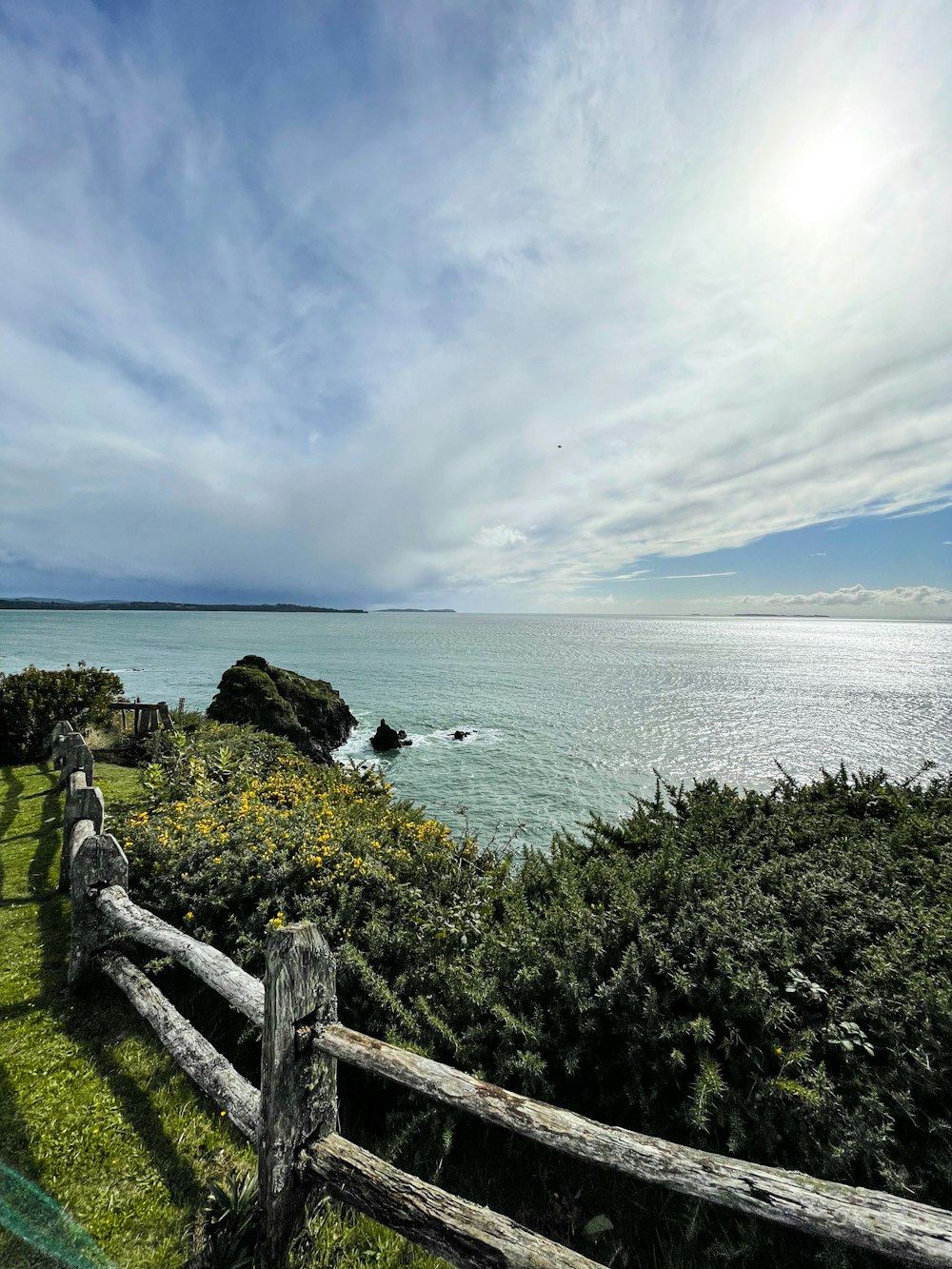
A promenade of about three quarters of a kilometre follows the bay below the centre, past fishing boats pulled up on the shingle and a…
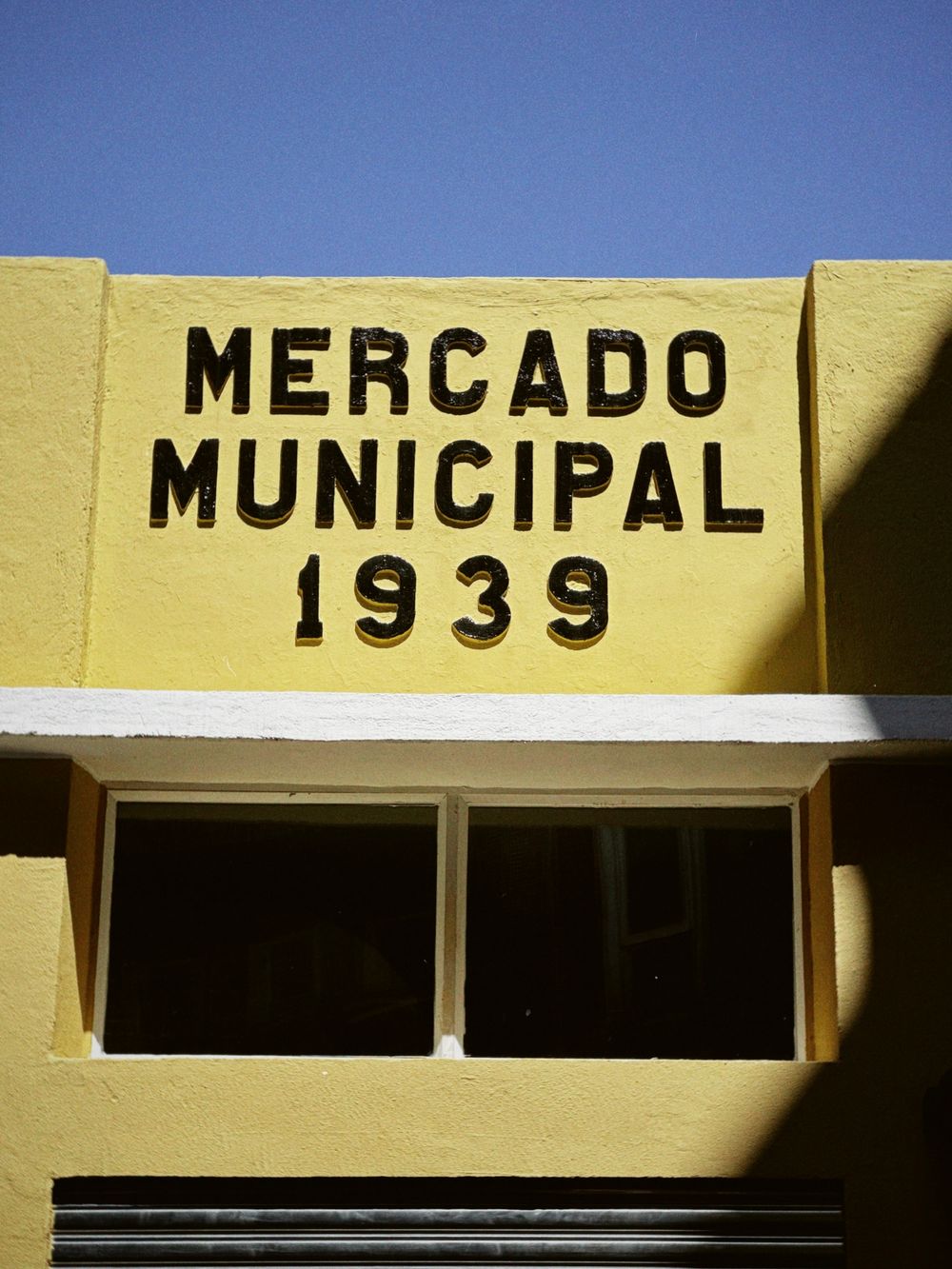
Ancud's craft market: two floors of stalls at the corner of Arturo Prat and Libertad selling knitwear in Chilote wool, baskets and carved…
Opened in 1976 beside the main square, with rooms on the Chono and Huilliche peoples, island mythology, shingled building and the 1960…
In a former convent and school of 1875, a foundation for the island's wooden churches keeps scale models of the UNESCO-listed buildings,…
A battery from the 1770s on the hill above the harbour, rearmed in 1820 for the last royalist defence of Chiloé and held until the Chilean…
Stone walls and gun platforms from the 1770s still stand on a point of the Lacuy peninsula, where the Castillo San Miguel de Agüi guarded…
Lit in 1859 as the second lighthouse commissioned in Chile, this short tower at the tip of the Lacuy peninsula marks the western mouth of…
A long, open Pacific beach on the road out to Puñihuil, named for its rough surf and scoured by the westerly wind. Dunes and pasture run…
Last updated