Globe Countries Cities Itineraries World's Best Events Get the App
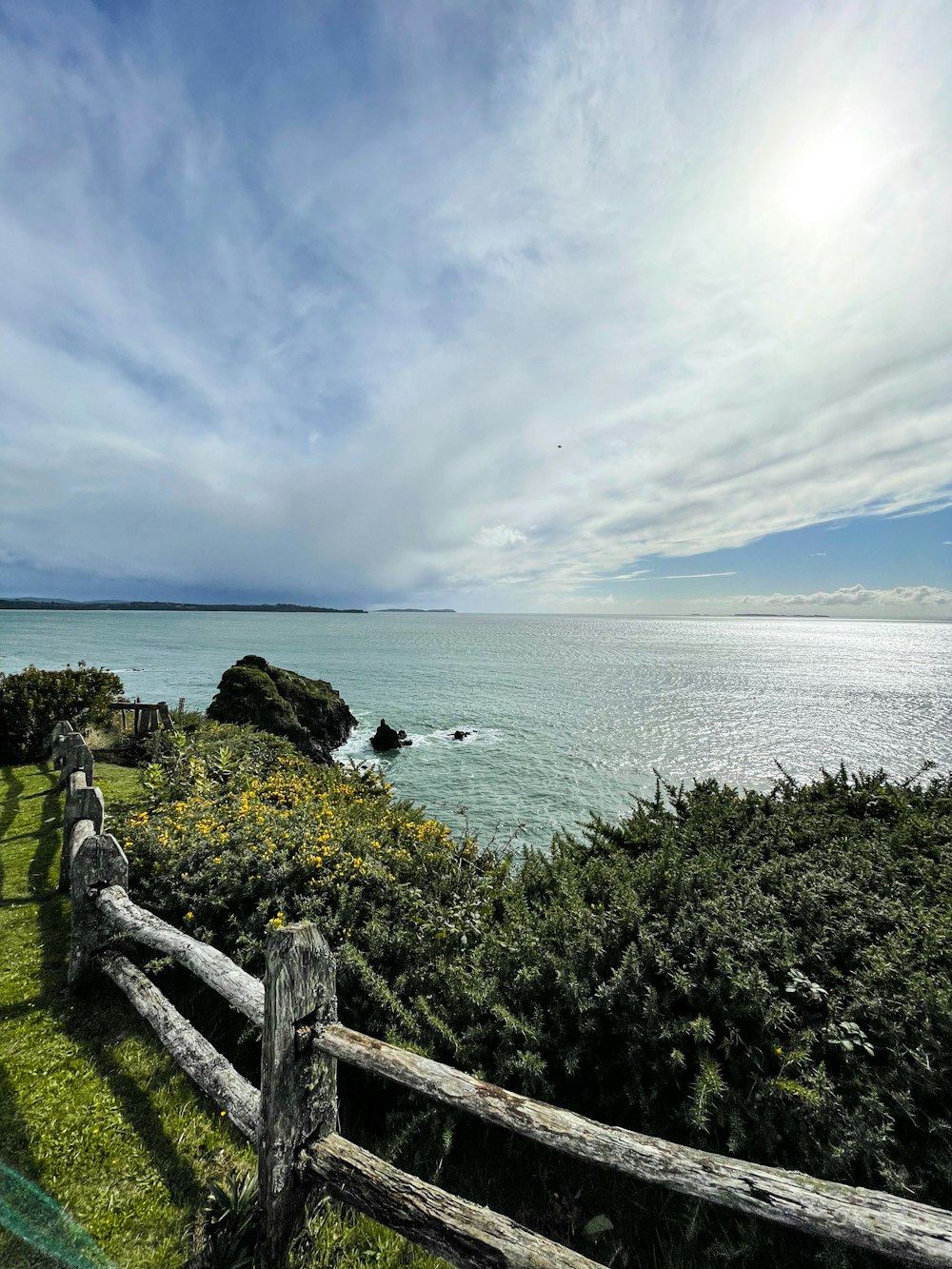
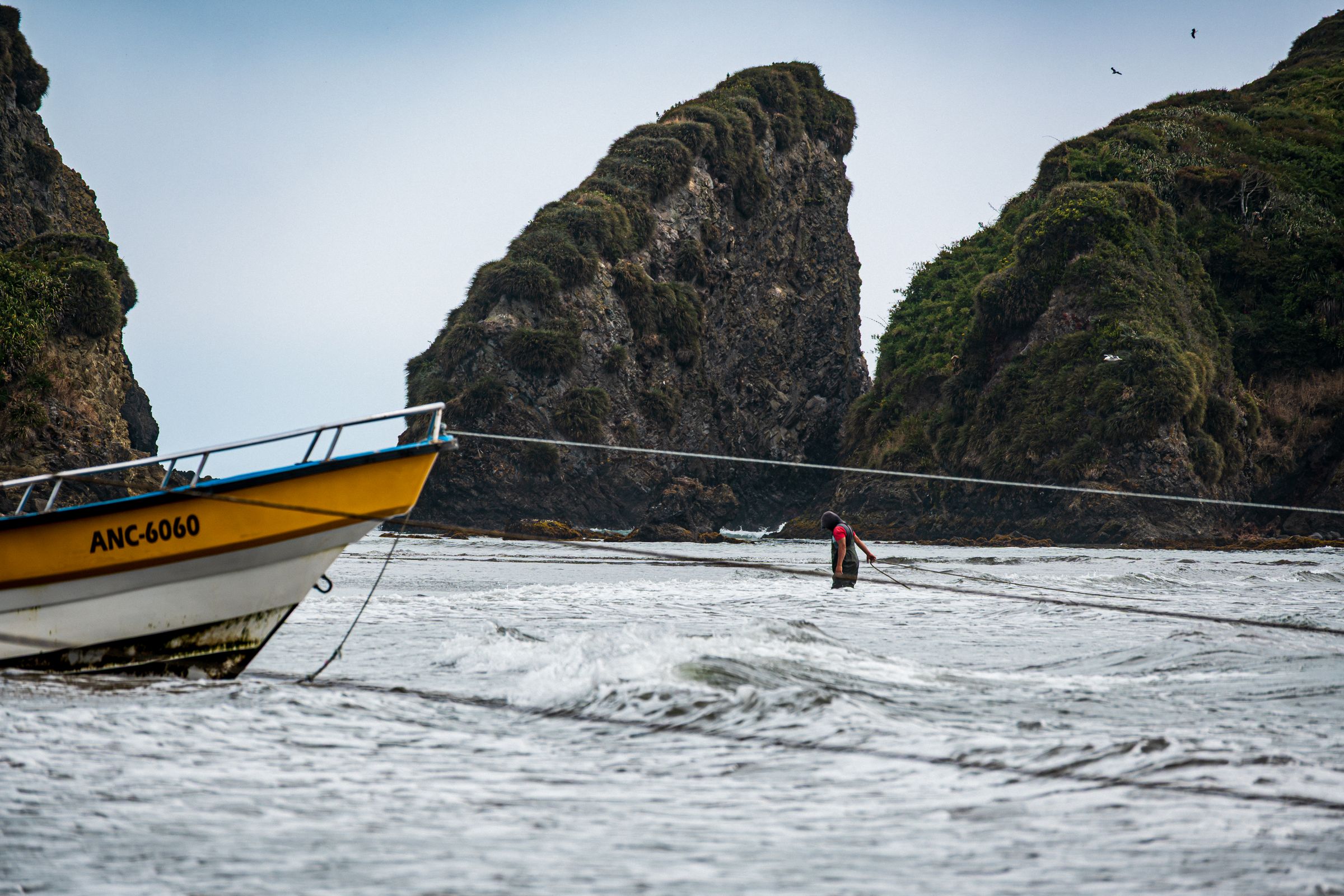
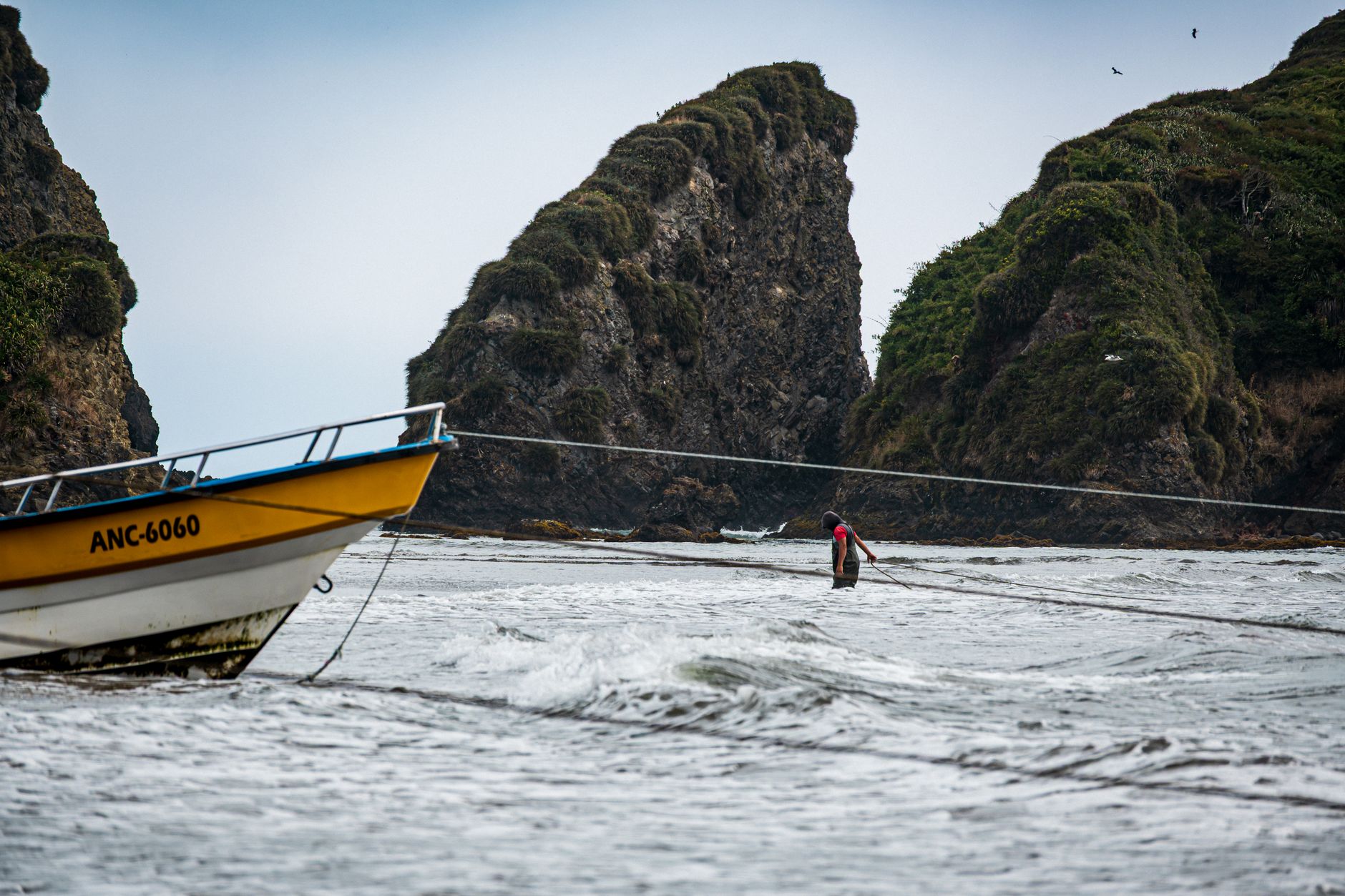
A yellow fishing boat registered in Ancud moored in the surf below the green sea stacks at Puñihuil, with a fisherman wading out on the line
The sea stacks at Puñihuil · the penguin boats leave from this beach
Town brief · 41.8690°S 73.8260°W

Ancud

If the penguins are why you came to Chiloé, sleep in Ancud and not Castro: the boats at Puñihuil are under an hour away, and the town itself fills the day you are not on the water.

View on globe

Why you should go

Ninety seconds on Ancud

How long
Two nightsone for the town, one for the penguin coast
Getting around
On foot in town, by car beyondthe bus to the coast runs mainly in summer
When
December to Februarythe colony is fullest; rain falls all year
Language
Spanishmany place names come from Huilliche
Money
The Chilean pesocash for the markets and the buses
Airports
Puerto Montt PMCtwo and a half hours with the ferry; Mocopulli MHC is nearer
How long

How many days do you need in Ancud?

Two nights: one day covers the regional museum, the churches museum, the market and Fuerte San Antonio at sunset. The other goes to the penguin boats at Puñihuil and the Pacific beaches on the same road. A third night adds a full day on the Lacuy peninsula.

Getting around

Do you need a car in Ancud?

Not in the town, where the museums, the market, the waterfront and the fort are all within walking distance. For the north coast a car helps: the bus to Puñihuil runs mainly in high season, and the Lacuy peninsula has little or no public transport. Taxis and tours from town fill the gap.

When

When is the best time to visit Ancud?

December to February, when the penguin colony at Puñihuil is fullest and the days are long. The boats operate from September to March, but early spring and late March can show only a few pairs. Rain falls in every month, summer included, so a waterproof belongs in any bag.

Language

What language is spoken in Ancud?

Spanish. Many place names on Chiloé come from Veliche, the language of the island's Huilliche people. English is spoken at some hostels and tour desks but not widely elsewhere, so a little Spanish helps at the market and on the buses.

Money

What currency is used in Ancud?

The Chilean peso. Hotels, supermarkets and most restaurants take cards, but market stalls and rural buses usually want cash, so carry pesos before heading out to the coast.

Airports

Which airport do you fly into for Ancud?

Puerto Montt El Tepual, PMC, has the most flights from Santiago and is about two and a half hours from Ancud by road, including the ferry across the Chacao channel. Mocopulli, MHC, near Dalcahue on Chiloé itself, is around an hour south by car, with direct flights from Santiago.

Plan the penguin boats first and build the rest round them. They leave from the beach at Puñihuil and circle the islets for half an hour, and a wheeled cart usually takes you out through the shallows so your feet stay dry. A heavy swell stops them, so keep a second morning free in case the first is lost.

Hire a car, take a taxi for the morning or join a tour from town, because buses to the coast are few outside summer. On the drive back, stop at Playa Mar Brava for the surf and at Piedra Run for the view along the coast.

In town, start at the regional museum on the square, then walk on to the Centro de Visitantes Inmaculada Concepción, where scale models show how the island's wooden churches are built. For lunch, eat curanto, shellfish, meat and potatoes cooked together, at the cocinerías upstairs in the Mercado Municipal.

Then follow the waterfront up to Fuerte San Antonio for sunset. Out of season the site is deserted after dark, so walk back while it is still light.

Give a full day to the Lacuy peninsula across the bay, by car or as a long day by bicycle, for the mussel farms of Quetalmahue, the fort at Ahui and the lighthouse at Punta Corona. The roads to the fort and the lighthouse end on gravel. If you can start before dawn, take a kayak into the drowned forest at Chepu instead.

The simplest way in is the direct bus from Puerto Montt, which drives onto the ferry at Pargua with the crossing included. Check which station you need: the Cruz del Sur buses to the mainland use their own terminal on Los Carrera, and local buses leave from the rural terminal.

Things to do

20
  1. Catedral de Ancud

    Catedral de Ancud

    Cathedral

    This working cathedral, finished in 2014, gives you a first look at the island's church style with nothing to book. Step in from the Plaza de Armas on any walk round the centre.

    View more →
  2. Costanera de Ancud

    Costanera de Ancud

    Waterfront · 30 min

    For the one high view over the bay, climb the lookout tower at the schooner plaza, then walk the seafront with the fishing boats at your side.

    View more →
  3. Mercado Municipal

    Mercado Municipal

    Market · 30 min

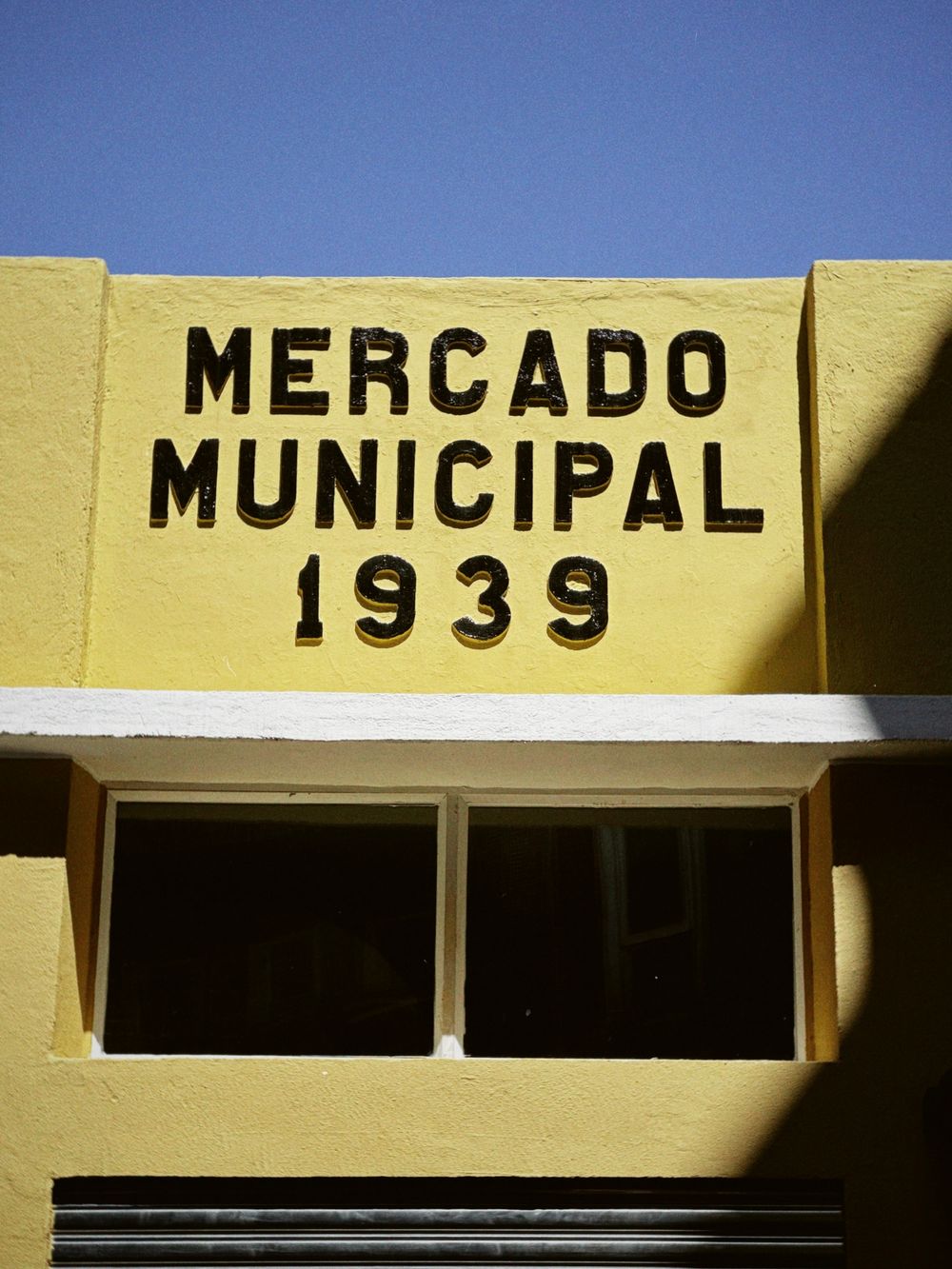
    Best for knitwear in Chilote wool, with baskets and carved wood on the stalls beside it, and for a curanto lunch at the kitchen counters in the same building.

    View more →
  4. Centro de Visitantes Inmaculada Concepción

    Museum · 30 min

    The foundation that restores the island's wooden churches works from this building, and carpenters train in a school here. Come before you drive south to see the churches themselves.

  5. Chacao

    Village · 30 min

    Chacao is where the ferry from Pargua lands on Chiloé, a small village older than Ancud itself. Most arrivals from the mainland come ashore here. Beyond the ramp, a small square, a church and the towers of the unfinished Chacao bridge are the sights.

  6. Chepu

    Park · 4 hr

    The 1960 earthquake dropped the valley of the Río Chepu below the tide, and the grey trunks of the drowned forest still stand in its channels and lagoons. The estuary has been a nature sanctuary since 2020, and the classic way to see it is by kayak at dawn, on still water. It lies about 30 km southwest of Ancud, so plan on most of a morning.

  7. Faro Punta Corona

    Landmark · 1 hr

    Worth driving out even when the compound is shut: the light stands 66 m above the sea and still flashes every ten seconds. The last stretch of road runs along the open Pacific.

  8. Fuerte Ahui

    Fortress · 1.5 hr

    Start in the small site museum. Its finds, dug from this ground, show how the garrison lived, so the cannons and powder magazine outside make more sense afterwards.

  9. Fuerte San Antonio

    Fortress · 30 min

    Under the cliff, a side path off the esplanade drops to a small beach of calm water. It is the quietest place in town to watch the bay at dusk, and the guns are a short climb back up.

  10. Humedal de Caulín

    Park · 1.5 hr

    Both Chilean flamingos and swans feed on this shore, and the restaurants along it serve oysters farmed off the same beach.

  11. Islotes de Puñihuil

    Island · 1.5 hr

    Come in December or January, when the colony is fullest. Pack a zoom lens, because the boats must keep well back from the penguins, and a warm layer for the wind on the water.

  12. Mirador Cerro Hueihuén

    Viewpoint · 30 min

    A hill just over 100 metres high, 2.3 km on foot from the Plaza de Armas, gives the widest view in Ancud. The summit takes in the town, the Chacao channel, the Cochinos islet and, across the water, the mainland coast toward Carelmapu.

  13. Museo Regional

    Museum · 1 hr

    Before you head out to the coast, give it an hour on your first day. The blue whale in the courtyard stranded at Pumillahue, on the road to the penguins, and the earthquake room explains how the drowned forest at Chepu was made.

  14. Península de Lacuy

    Peninsula · 6 hr

    An hour or two past the fort and the lighthouse takes in the Chaicura and Balcacura gun batteries, with trails and lookouts over the water on both sides. At Balcacura you can see mounds of shells from early indigenous settlements.

  15. Piedra Run

    Landmark · 30 min

    An outcrop on the Mar Brava shore that local legend says hums when wind and waves pass through it, with a story of buried pirate treasure attached. A viewpoint on the road above looks down on the rock and along the coast. It is a short stop on the way to or from the Puñihuil boats.

  16. Playa Arena Gruesa

    Beach · 30 min

    A curve of coarse sand faces the Gulf of Quetalmahue below a bluff on the north side of town, about a kilometre on foot from the main square. A campsite and a hotel sit on the headland above it. The water is cold all year, so come for a walk at low tide or for the sunset from the top of the bluff.

  17. Playa Lechagua

    Beach · 1 hr

    Lechagua is a long beach about 5 km west of Ancud, and in summer a stretch of it was the first on the island officially opened for swimming, with lifeguards on duty. It is a few minutes by car, with free parking behind the sand. The water is cold even in January, so most visits are a long walk at low tide.

  18. Playa Mar Brava

    Beach · 1 hr

    From the fishing cove of Polocué to Piedra Run, walk the whole beach on a windy afternoon. On a big day the surf breaks white right across the bay.

  19. Pumillahue

    Village · 30 min

    A fishing settlement on a bay of blue water and green headland on the Pacific side, a few kilometres short of the Puñihuil cove. The blue whale skeleton now in the Ancud museum came from an animal stranded here in 2005. Lodgings and cafés open mainly in summer, and the road in is partly gravel.

  20. Quetalmahue

    Village · 30 min

    Quetalmahue is a mussel-farming village on the inner shore of the gulf, on the road from Ancud to the Lacuy peninsula. Boats work the long rows of floats in the bay below the houses, and seaweed dries beside the road. The forts lie further along the same road.
Basemap Meridian · data © OpenStreetMap

Dispatches

1
Sleep in Ancud, Not Castro, for the Wild North of Chiloé
Ancud

Sleep in Ancud, Not Castro, for the Wild North of Chiloé

The Puñihuil penguin boats, the island's Pacific beaches and a sunset fort above the harbour are all within an hour of Ancud.

Explore

More of Chile

Chile
Country

Chile

Every Chile town, place and dispatch, on one map.

Castro
Town

Castro

Museo Histórico de Puerto Montt Juan Pablo II
Museum · Puerto Montt

Museo Histórico de Puerto Montt Juan Pablo II

Use the hour before a bus south here: the museum is free and a few steps from the bus terminal.

Puerto Montt
Town

Puerto Montt

The Panamerican highway gives out at the head of the Reloncaví sound and the archipelago begins.

Costanera de Puerto Varas
Waterfront · Puerto Varas

Costanera de Puerto Varas

Sources 2

The official pages this guide was checked against.

Last updated