 Submit a photo
Ninety seconds on Museo Regional de Ancud
Before you head out to the coast, give it an hour on your first day. The blue whale in the courtyard stranded at Pumillahue, on the road to the penguins, and the earthquake room explains how the drowned forest at Chepu was made.
The permanent display covers the island's whole human history, from Puente Quilo, the oldest hunter-gatherer site known on Chiloé, past the Dutch corsairs and the Jesuits to the Ancud to Castro railway. Two ethnographic rooms with interactive displays cover religion and craft, and the route ends on the island's traditional trades.
Crafts are on sale in both open courtyards. Photographs are allowed without flash. Leave food, drink and pets outside; guide and assistance animals are welcome.
Explore the rest of Ancud
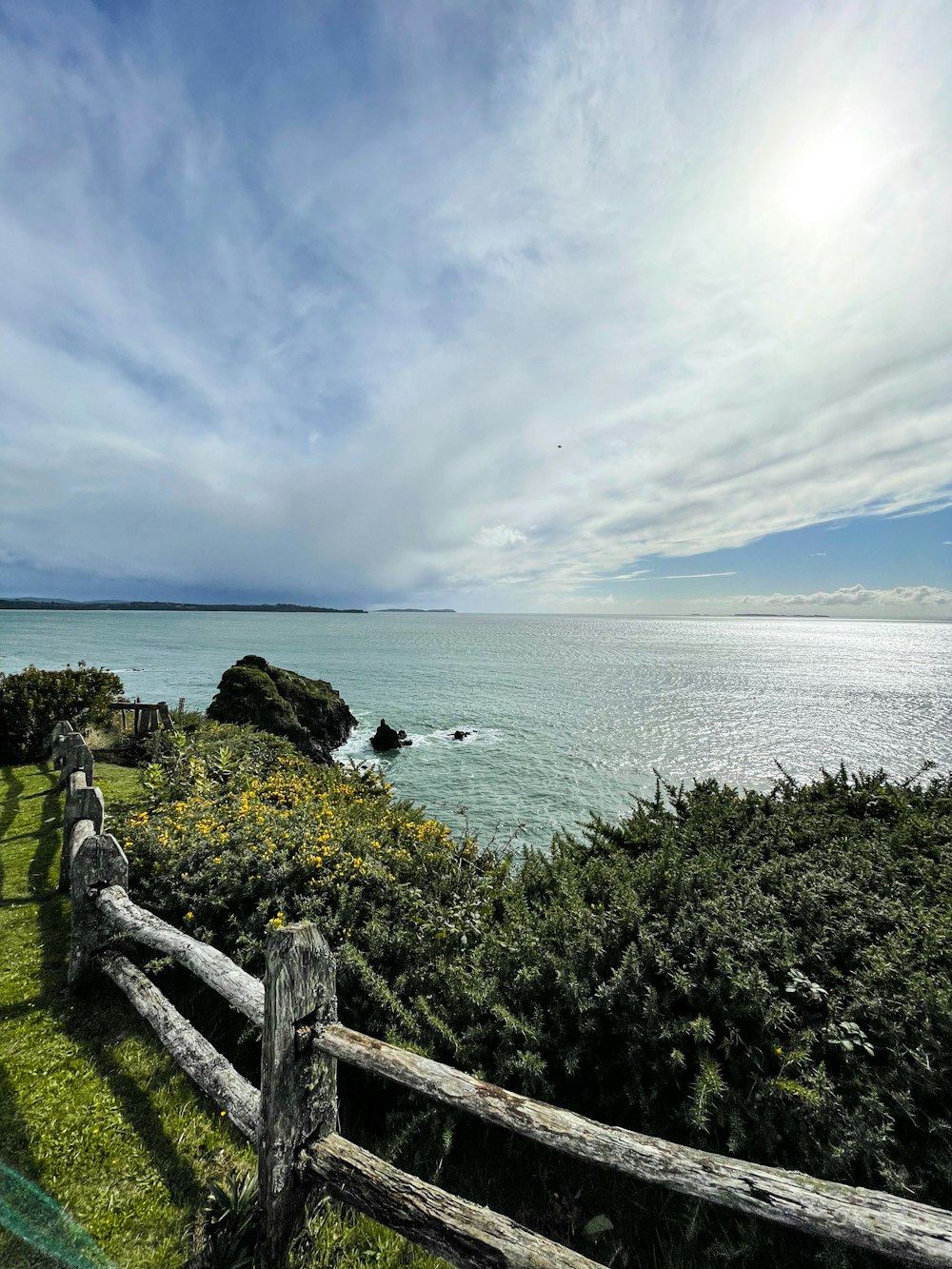
A promenade of about three quarters of a kilometre follows the bay below the centre, past fishing boats pulled up on the shingle and a…
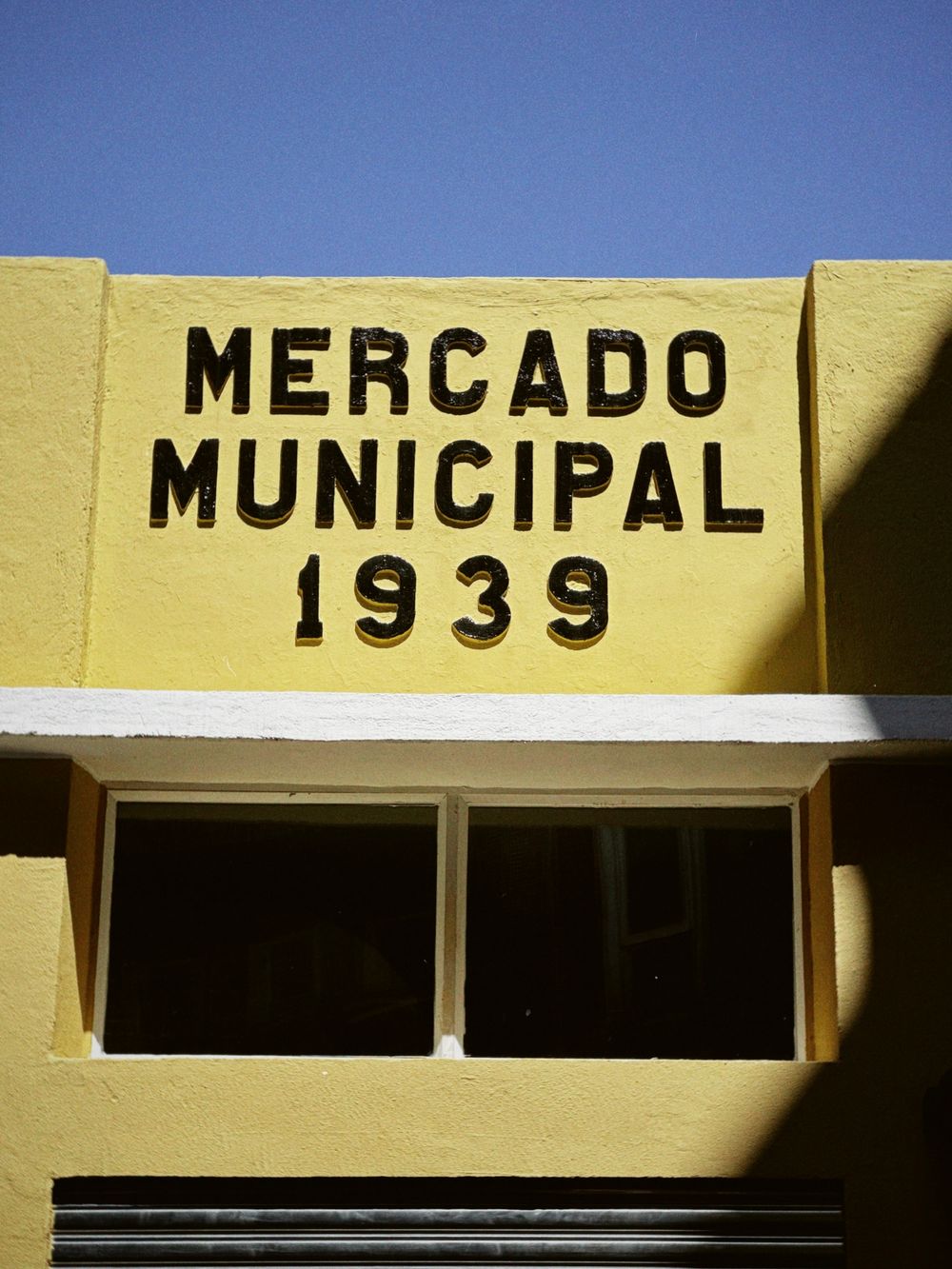
Ancud's craft market: two floors of stalls at the corner of Arturo Prat and Libertad selling knitwear in Chilote wool, baskets and carved…
Ancud's stone cathedral, finished in 1907, was left unsafe by the 1960 earthquake and dynamited. The timber church on the main square that…
In a former convent and school of 1875, a foundation for the island's wooden churches keeps scale models of the UNESCO-listed buildings,…
A battery from the 1770s on the hill above the harbour, rearmed in 1820 for the last royalist defence of Chiloé and held until the Chilean…
Stone walls and gun platforms from the 1770s still stand on a point of the Lacuy peninsula, where the Castillo San Miguel de Agüi guarded…
Lit in 1859 as the second lighthouse commissioned in Chile, this short tower at the tip of the Lacuy peninsula marks the western mouth of…
A long, open Pacific beach on the road out to Puñihuil, named for its rough surf and scoured by the westerly wind. Dunes and pasture run…
Last updated