 Submit a photo
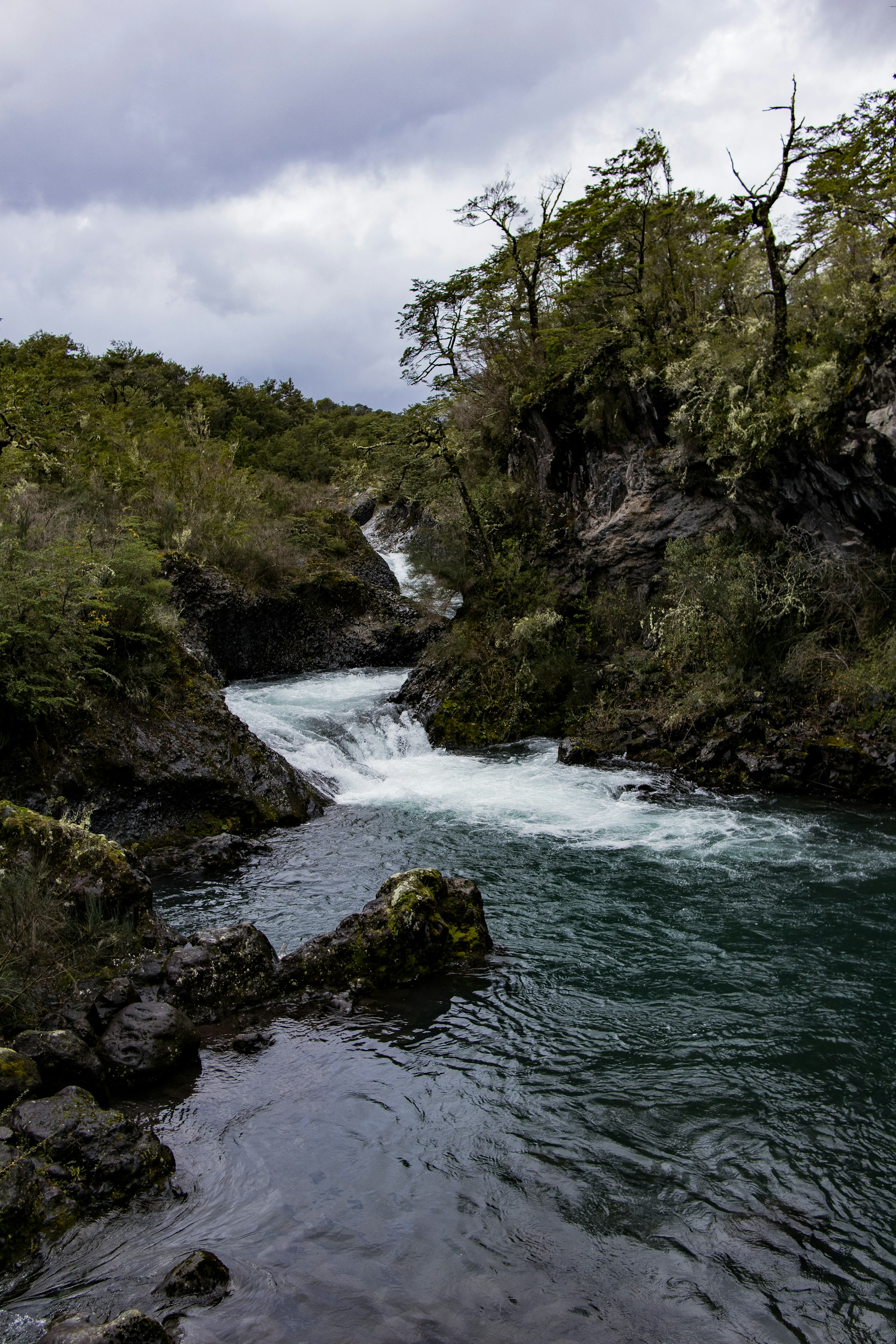
Ninety seconds on Saltos de Petrohué
From Puerto Varas the falls are about 50 kilometres away: Ruta 225 towards Ensenada, then the signed detour, roughly 53 minutes by car. Without a car, minibuses leave from the corner of San Bernardo and Walker Martínez every 30 to 45 minutes.
Yes. Visitors book entry in advance on the Pases Parques portal, which CONAF runs for the parks. Nothing is bought at the gate, and the booking's QR code is shown at the entrance on the day.
The park opens every day at 09:00. From March to November, the winter season that covers November, it closes at 17:00. From December to March the summer schedule keeps it open until 18:00.
The walk runs on a paved, cobbled path from the parking to a raised walkway about 32 metres long. The walkway ends at a lookout of about 12 square metres above the water.
The river leaves Lago Todos los Santos, and its clear water scatters the blue and green wavelengths of light, which gives the turquoise colour. When lahars come down from the volcano, sand and silt can load the water at the falls and change how it looks.
The river runs largest in the rainy season, when the surface of Lago Todos los Santos rises by up to 3 metres. At that time the flow can be much larger than its average.
Few short walks in the Lake District give you this much for so little effort: the turquoise Petrohué breaking white across lava from Osorno, with the volcano itself in view when the cloud lifts.
The Petrohué leaves Lago Todos los Santos at the landing of the same name and, a short way downstream and still inside the national park, runs into a flow of lava from Osorno. The lava hems the river in, so instead of one clean drop it breaks into chutes and channels across the rock.
Look closely at the stone beside the walkway. It is polished smooth by the sand and grit the current carries over it. The turquoise comes from the way the clear water scatters light.
That colour is not fixed. When mud flows are running off the volcano, the river at the falls turns heavy with sand and silt. The lake that feeds it can also rise by up to 3 metres, so the falls look different from one visit to the next.
The park around the falls was created in 1926, and this is still its most famous walk. The falls also mark the way in to Lago Todos los Santos, upstream.
Tickets are sold online only, through Pases Parques, the national parks' booking site, so buy yours before you leave town and keep the QR code on your phone to show at the entrance.
From the parking, walk in along the marked, cobbled path, then out along a short raised walkway to a lookout with a small rest area.
From the lookout the river breaks across the lava below you, and on a clear day the peak of Osorno stands over the trees. A small bridge takes you closer to the water itself. If you want more, paths lead off through the woodland around the falls.
Expect company at the lookout, because the falls are one of the most popular day trips in the region. If there is time, add Río Petrohué or Volcán Osorno.
The rock near the water is slippery, so wear shoes with grip and stay on the marked paths, as the park requires. Bees can gather around the falls, so if you are allergic, carry your medication. Bring water and sun protection, and leave the drone at home: drones are banned throughout the park.
Explore the rest of Puerto Varas
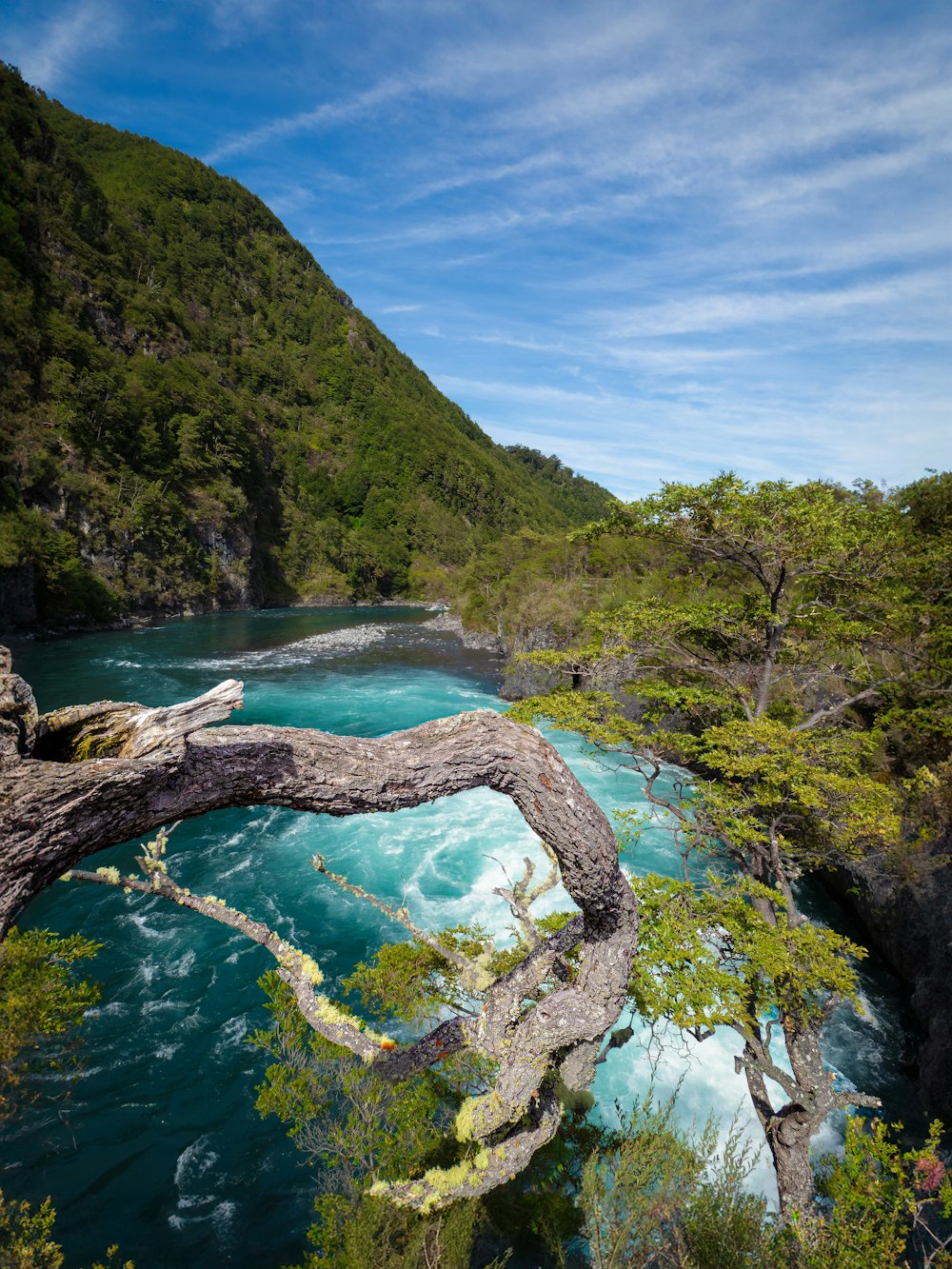
The Petrohué leaves Lago Todos los Santos and runs green and fast past the Saltos de Petrohué, below the Osorno cone. Operators from Puerto…
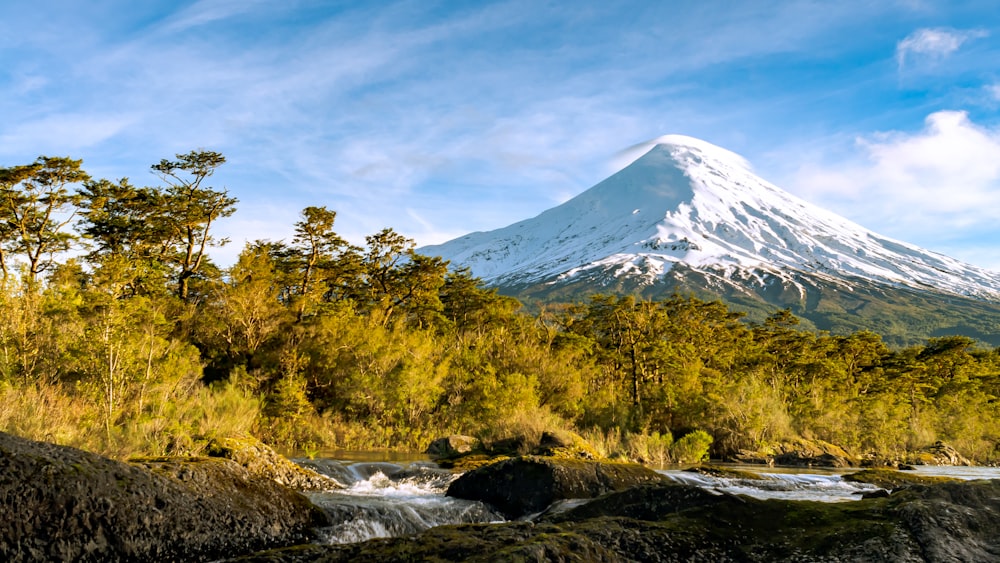
A near-symmetrical cone of 2,652 metres on the southeastern shore of Lago Llanquihue, glaciated on its upper slopes and last in eruption in…
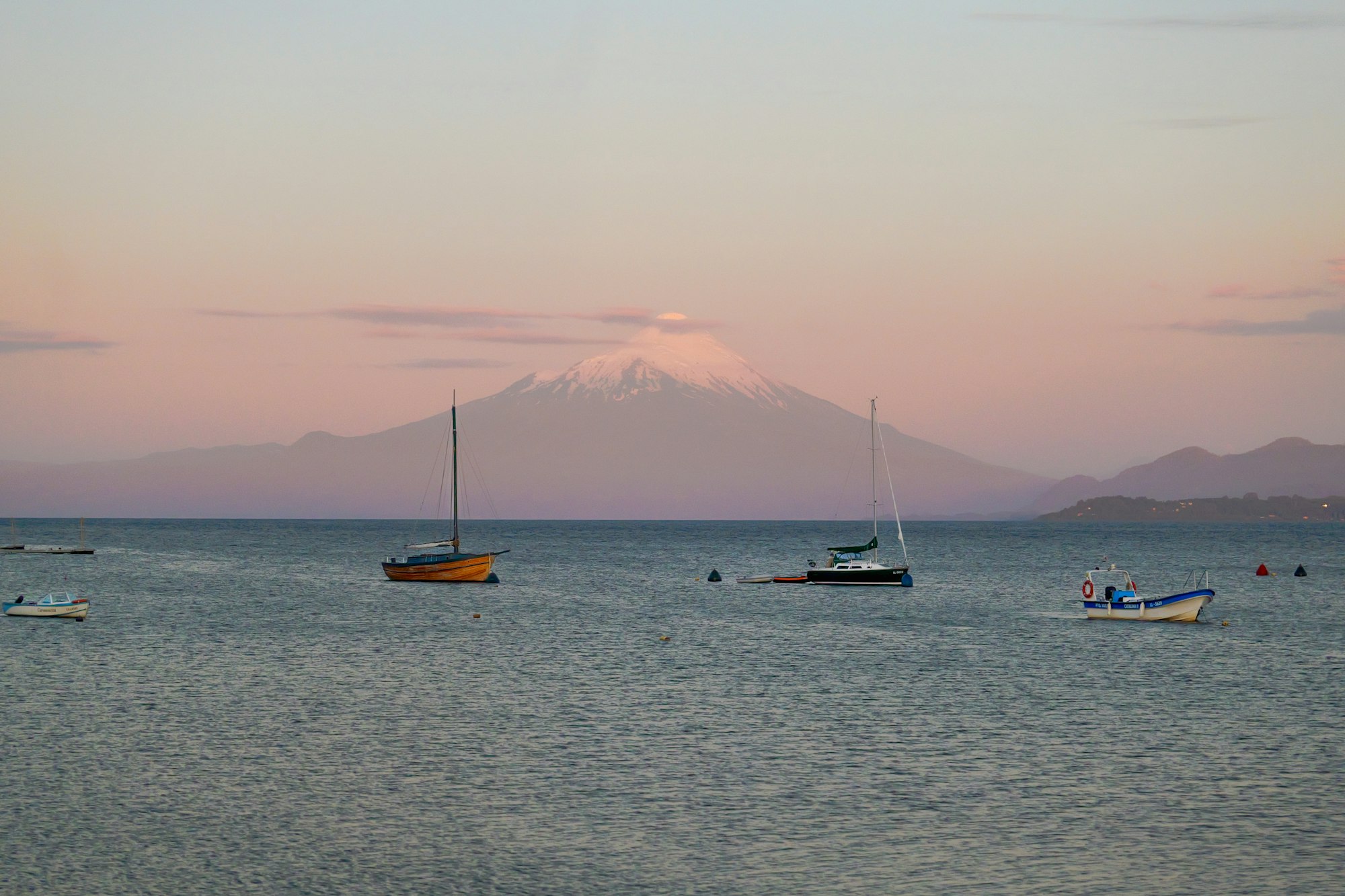
Two volcanoes fill the view across Lago Llanquihue from its southern shore, Osorno to the northeast and Calbuco to the east. German…
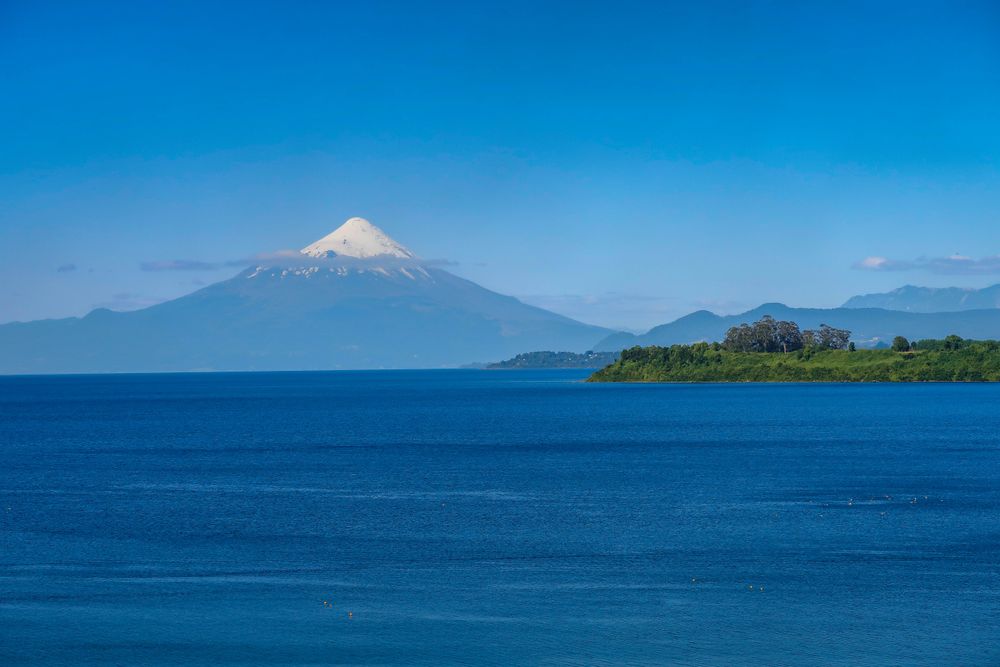
A glacial lake of about 871 square kilometres below the Osorno, Calbuco and Puntiagudo volcanoes, ringed by a shore road that links Puerto…
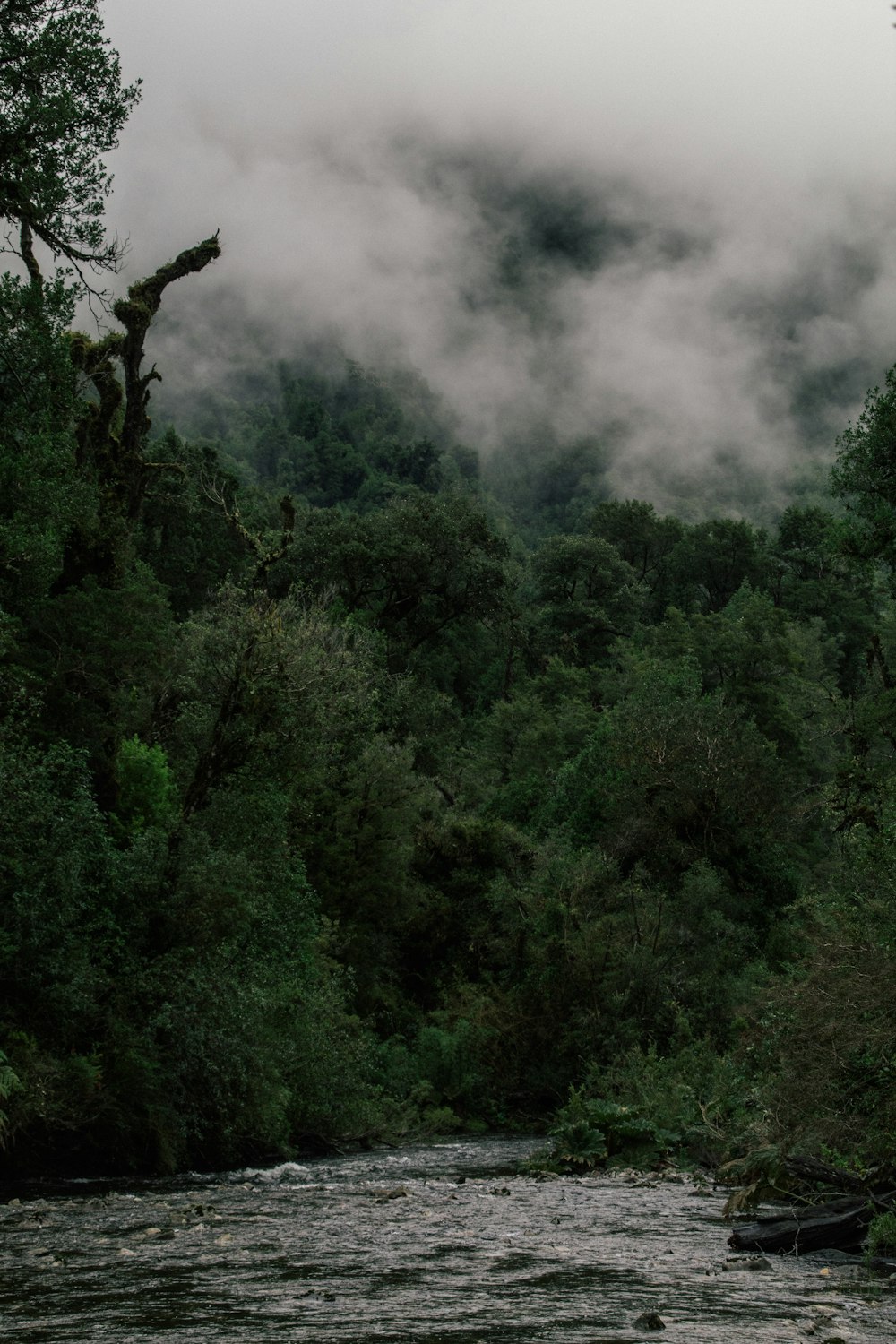
Close to forty thousand hectares of temperate rainforest east of the city, protecting alerce stands in which the oldest trees approach…
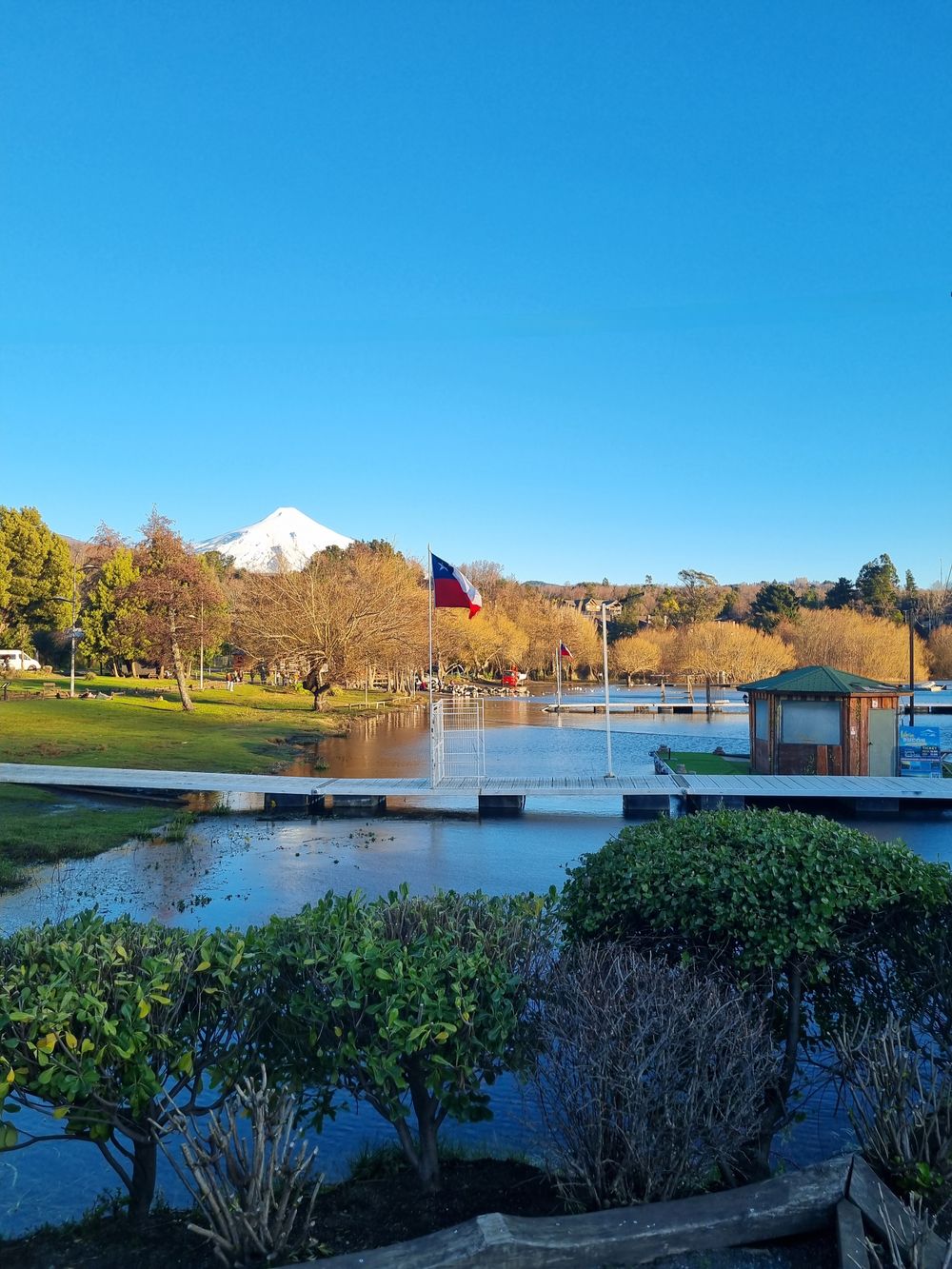
A lakefront promenade along the Llanquihue shore from the Plaza de Armas and the town pier, with the La Puntilla lookout and its iron…
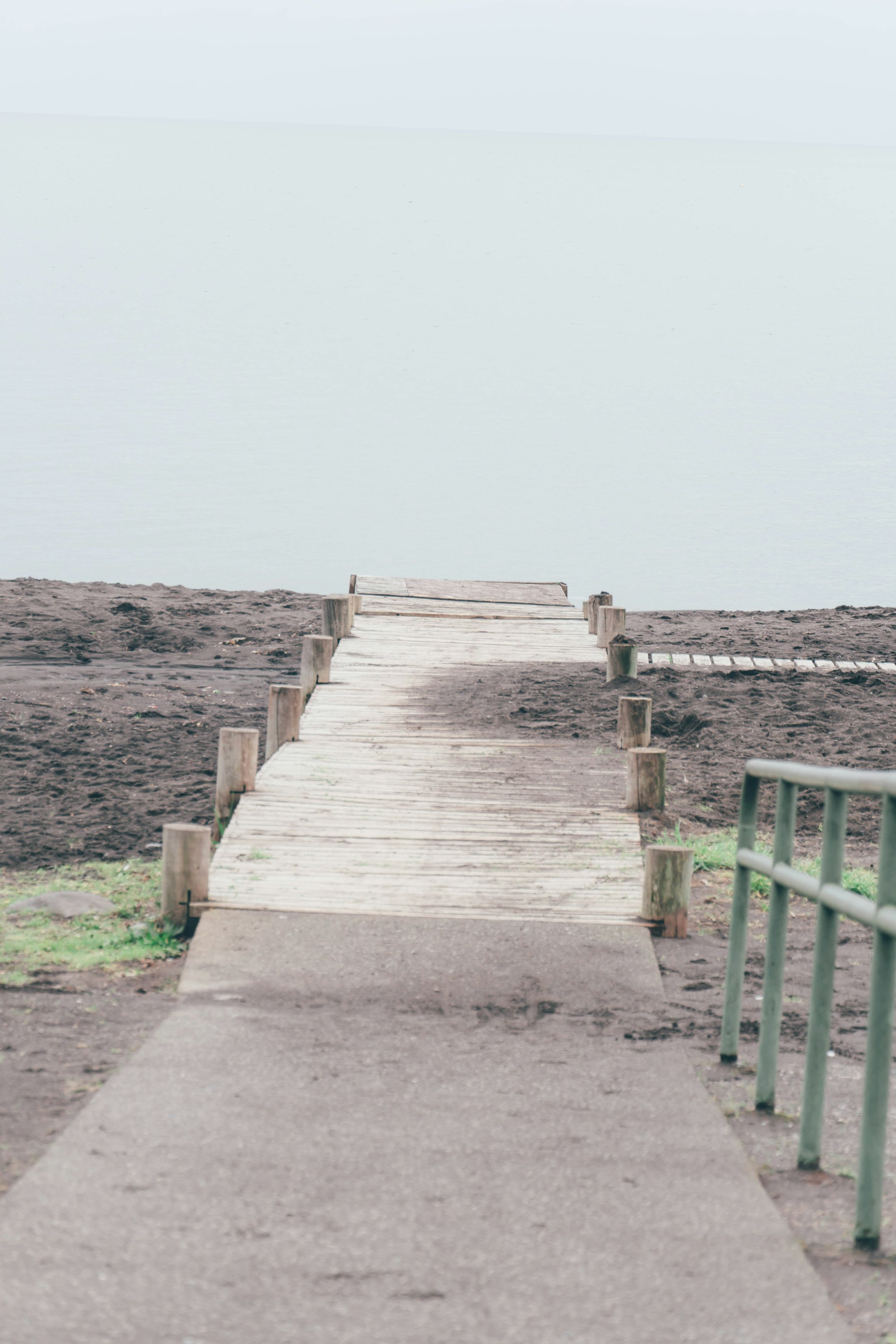
A timber pedestrian pier on the Frutillar Bajo waterfront, built in 2008 as a promenade and lookout over Lago Llanquihue. The lake…
A board-clad timber Lutheran church on the Frutillar Bajo lakefront, built by the German settler congregation, with a bell tower over a…
The official pages this guide was checked against.
Last updated