 Submit a photo
Ninety seconds on Río Petrohué
Class III to IV. That is the grade the main rafting trips run on the Petrohué. Some shorter half-day trips keep to Class III water, with expert guides on board.
About an hour to an hour and a half on the water, depending on the operator. The shorter run keeps to Class III rapids, and the longer one takes in Class III to IV. One operator lists the full trip at three hours.
It depends on the season and the operator. One operator takes children from 8 years old in summer. In spring, autumn and winter the same operator's minimum rises to 14.
East of Puerto Varas, beyond Ensenada. By car, Ruta 225 leads from Puerto Varas towards Ensenada, and the Saltos de Petrohué lie about 55 kilometres from town. Playa Petrohué sits 16 kilometres past Ensenada. One rafting operator meets its groups at its agency in Ensenada.
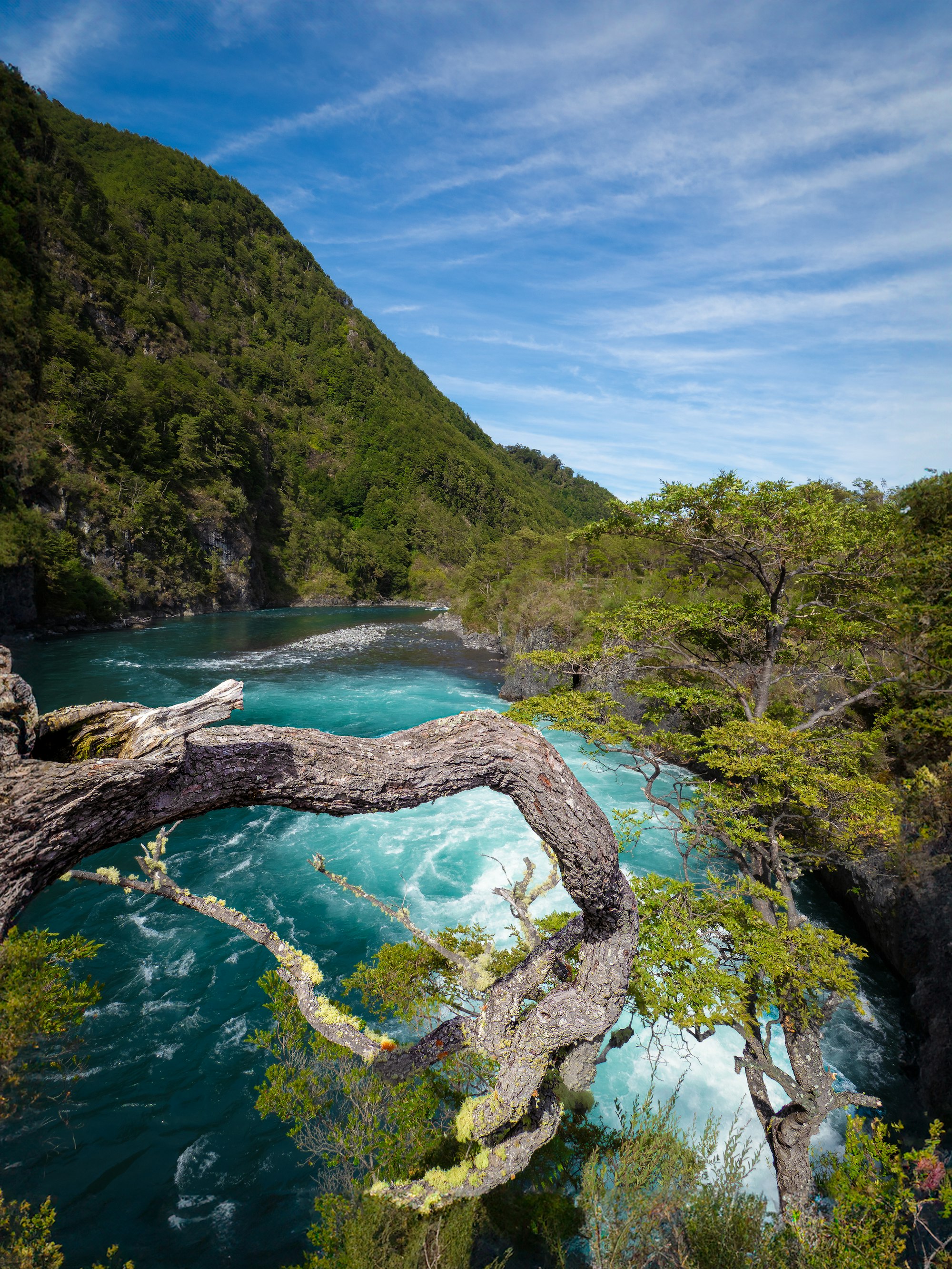
Because the river rises in Lago Todos los Santos, where the water settles before it flows out. That gives it its usual clear, green colour. When lahars descend from Osorno, sand and silt can cloud it.
A swimsuit, under the dry suit and booties that the operator supplies. A towel goes in the bag too. A waterproof layer and warm layers are essential for the briefing on the riverbank, even in summer. The climate here is rainy.
Book a half-day raft trip and you run Class III to IV rapids on clear green water, with a guide steering each raft.
The rapids come as a series rather than one big drop. The river forces itself through narrow channels of old lava from Osorno, so you work through one chute, catch your breath, then line up for the next.
Between chutes the water usually runs clear with a green tint. That colour is not guaranteed: when mudflows come down off the volcano, the river can run loaded with sand and silt.
The river carries most water in the rainy season, when Lago Todos los Santos can rise by up to 3 metres and the extra volume pours through the same lava channels. The rapids you raft then are fuller and pushier than in a dry spell.
Look up as well as ahead between rapids. Osorno's cone fills the view, with Puntiagudo further off.
Two stages make up the trip: a briefing on the bank, then the river. Operators differ on where they collect you, in Puerto Varas or at their base in Ensenada, so confirm the pick-up point when you book.
At the base you change into the kit the operator hands out: a neoprene or dry suit, booties, a helmet and a life jacket. Certified guides then go through the safety rules before you get in the raft.
On the river a guide steers each raft through the rapids, for a run whose length depends on the operator. Some trips end with a snack, and the whole outing fills a morning or an afternoon. The falls lookout at Saltos de Petrohué is a separate stop on the same road.
Wear a swimsuit under the suit and bring a towel and a dry change of clothes for the ride back. Pack a waterproof layer for the bank, because the weather here changes in every season.
In December and January biting horseflies, the tábanos and colihuachos, are at their worst, so cover up while you wait on the bank. Carry Chilean pesos in cash: the kiosks and rural shops along the road do not take cards.
Explore the rest of Puerto Varas
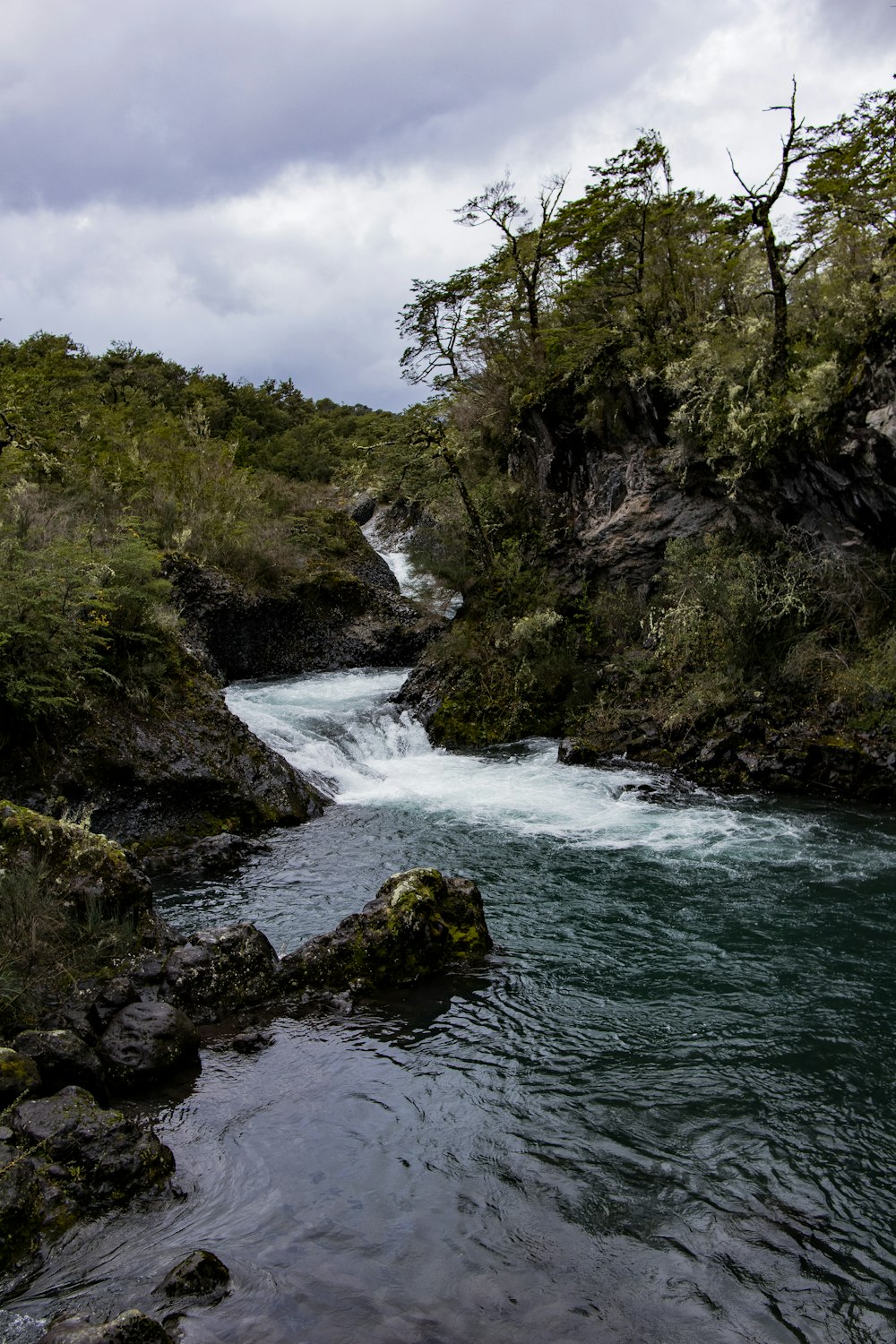
Turquoise chutes where the Petrohué river, just below its outlet from Lago Todos los Santos, breaks across a flow of lava from Osorno, with…
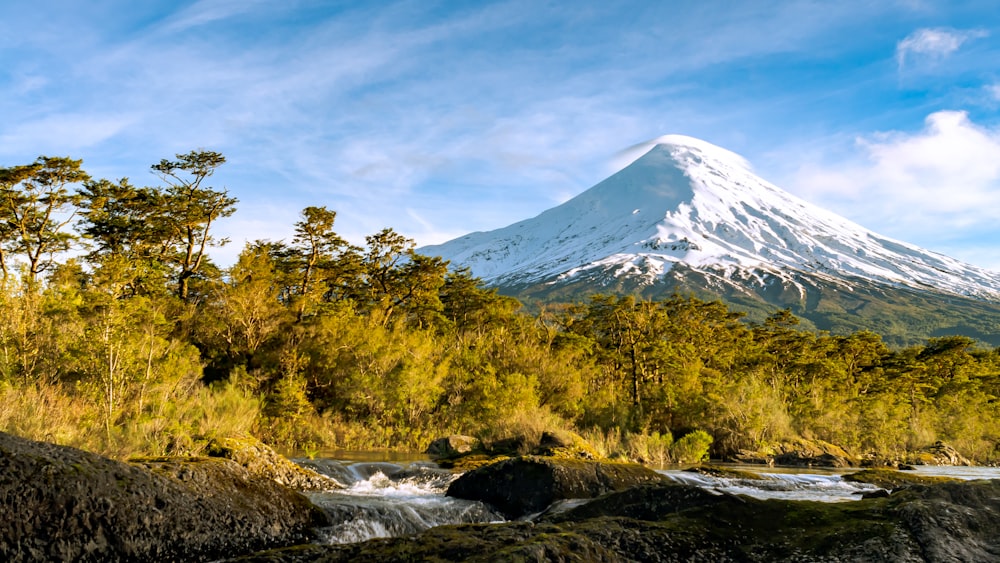
A near-symmetrical cone of 2,652 metres on the southeastern shore of Lago Llanquihue, glaciated on its upper slopes and last in eruption in…
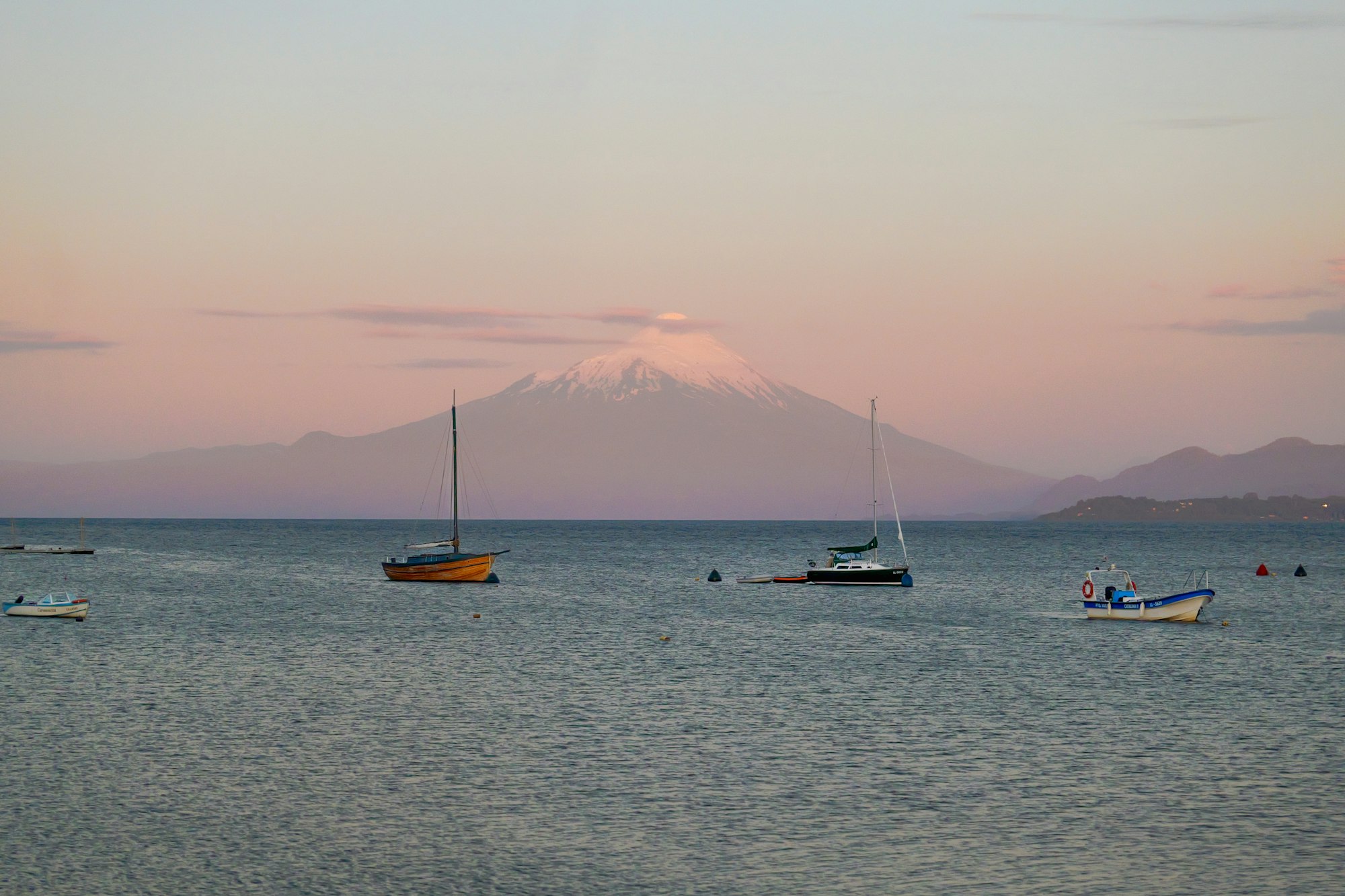
Two volcanoes fill the view across Lago Llanquihue from its southern shore, Osorno to the northeast and Calbuco to the east. German…
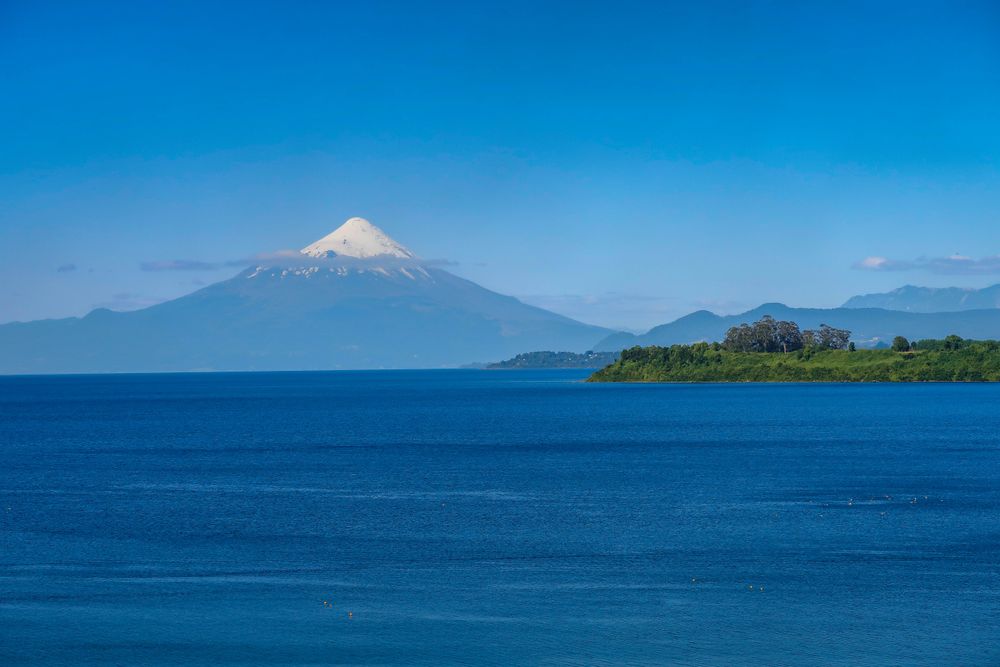
A glacial lake of about 871 square kilometres below the Osorno, Calbuco and Puntiagudo volcanoes, ringed by a shore road that links Puerto…
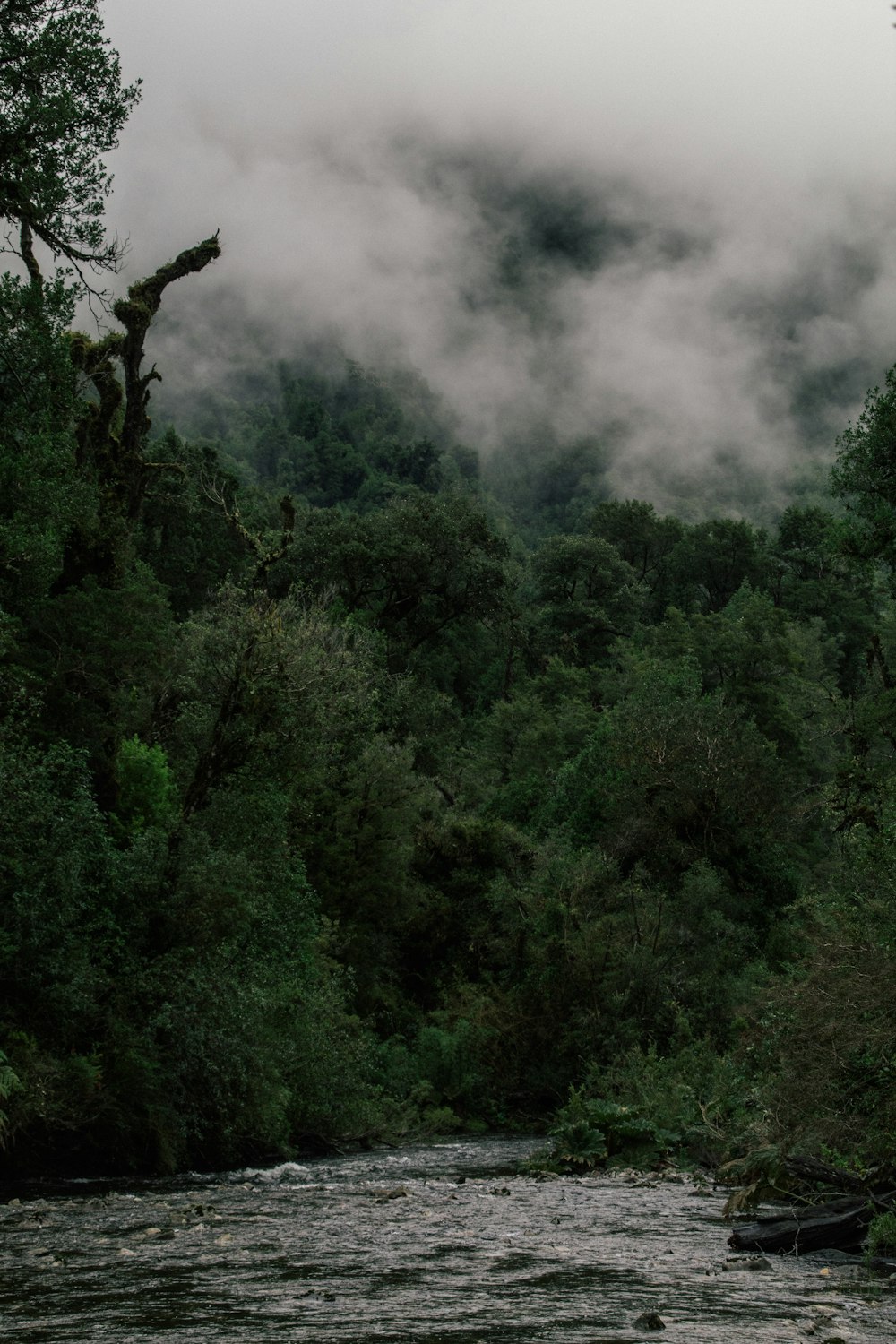
Close to forty thousand hectares of temperate rainforest east of the city, protecting alerce stands in which the oldest trees approach…
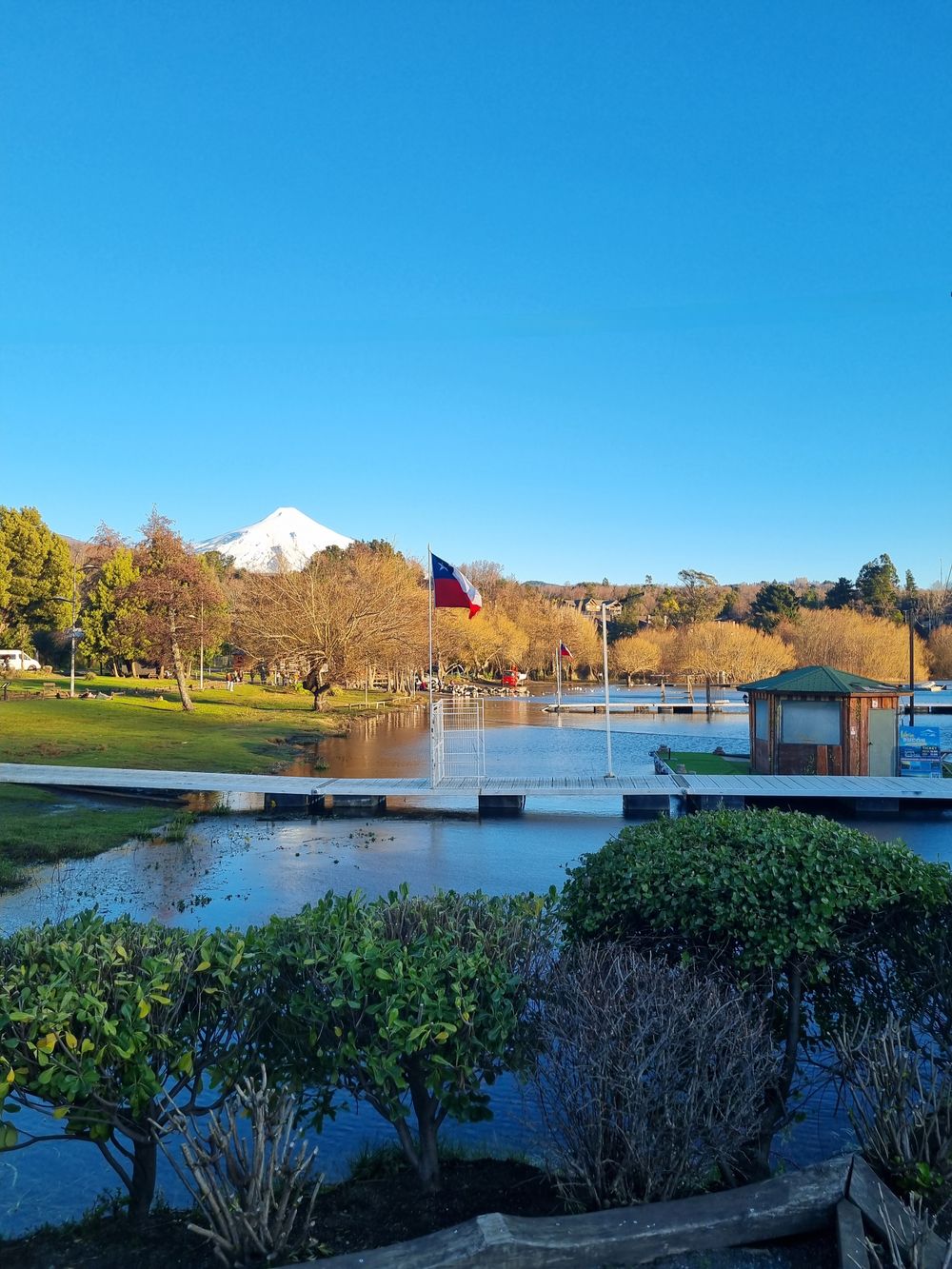
A lakefront promenade along the Llanquihue shore from the Plaza de Armas and the town pier, with the La Puntilla lookout and its iron…
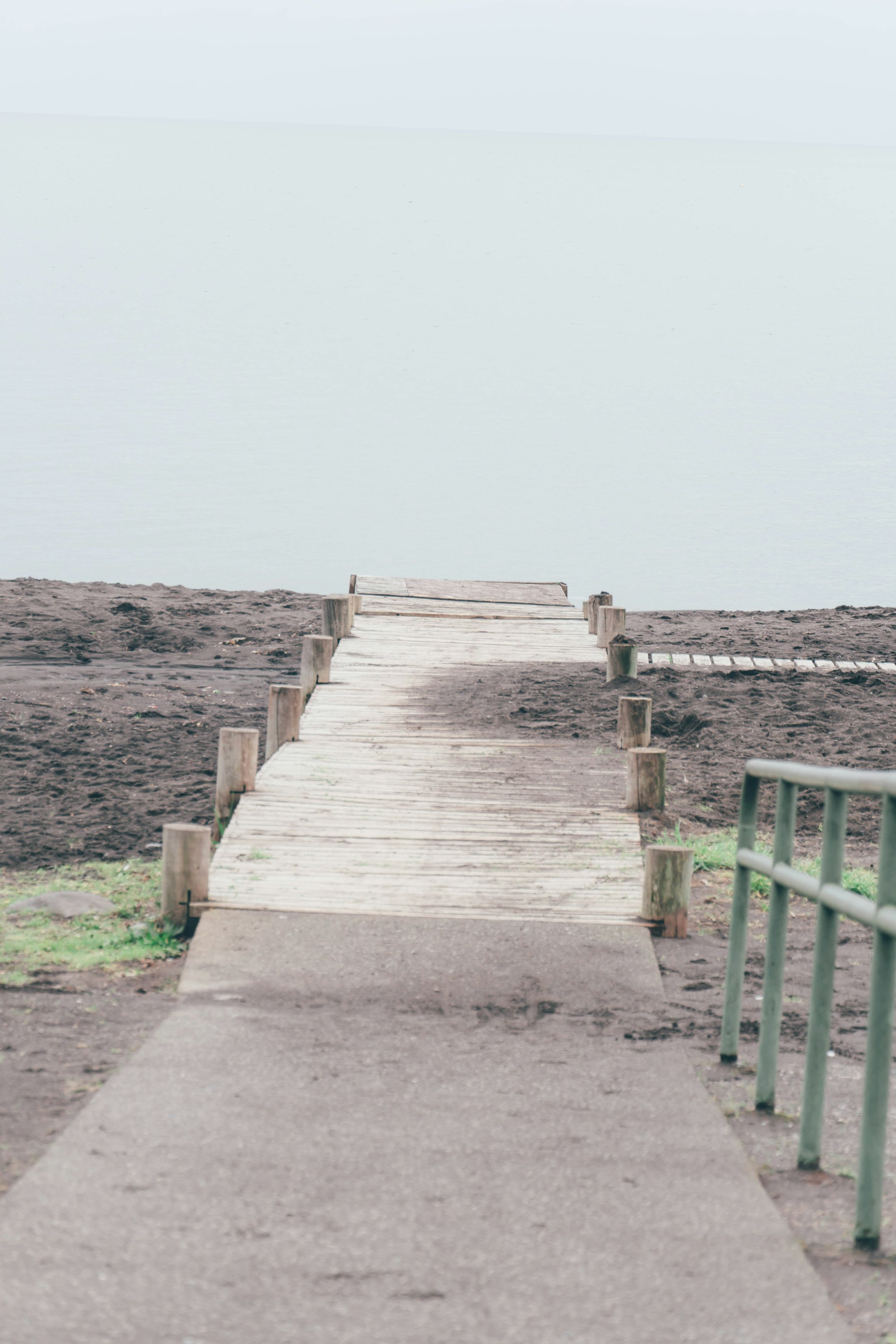
A timber pedestrian pier on the Frutillar Bajo waterfront, built in 2008 as a promenade and lookout over Lago Llanquihue. The lake…
A board-clad timber Lutheran church on the Frutillar Bajo lakefront, built by the German settler congregation, with a bell tower over a…
Last updated