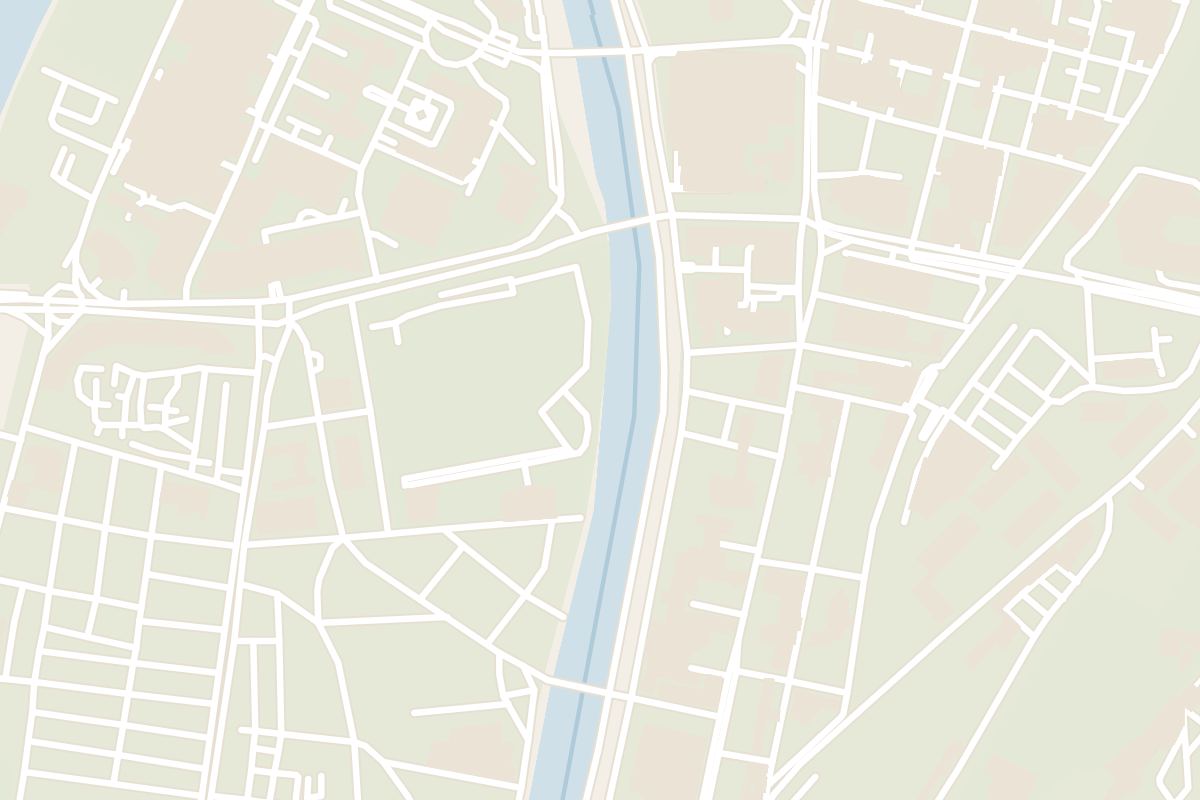
A wall on Roda Island encloses the tiled and gilded estate of a prince who stood next in line three times and never reigned. You see the rooms he lived in, and the gold throne hall he built.
Palace, Cairo. Meridian Dispatch.
As of November 2026, Manial Palace opens from 09:00 to 17:00 all week, Tuesday included, and the ticket window closes at 16:00. During Ramadan it shuts at 15:00, and the last ticket is sold between 14:00 and 15:00, so arrive before 14:00.
Foreign visitors pay a higher rate than Egyptians, and the current rate is on the official ticket site. Students up to age 24 get a reduction on showing a valid card. Children under six enter free.
A taxi or ride-hailing car takes 20 to 30 minutes from downtown, depending on traffic; the app lists it as Prince Mohamed Ali Palace. By metro, the nearest station is Sayyida Zeinab, followed by a short walk across to Roda Island.
The reception and residence buildings take longest, at 30 to 45 minutes each. The mosque needs 15 to 20 minutes, and the hunting gallery 20 to 30. The Throne Hall and clock tower together take another 20 to 30.
Yes. Phone photography is free. Flash, tripods and monopods are not allowed, and visitors are asked not to photograph staff or other visitors. Commercial filming needs permission from the authorities.
The official site of Manial Palace is egymonuments.gov.eg.
egymonuments.gov.eg →The complex is a set of separate buildings inside one wall, each decorated in its own way. Prince Mohamed Ali Tawfik designed the buildings and their decoration himself, mixing Persian and Mamluk work with Syrian, Moroccan, Andalusian and Ottoman motifs.
The Throne Hall is the best-known room. Gilded sofas and large portraits of Egypt's former royal family line the sides, and an enormous golden sun disk sends its rays down the ceiling. Upstairs is the Aubusson Room, covered wall to wall in French weaving.
The Golden Hall stands empty of furniture. Every surface carries floral and geometric ornament in gold, and the columns are shaped like palm trees. The prince had the room moved here from his grandfather's house.
His own home was the first building on the site. Turkish ceramics cover it, and its rooms include a blue salon, a mother-of-pearl salon, and his office and library.
Two collections sit apart from the living quarters. The Private Museum holds manuscripts, calligraphy, swords, silver and carpets. The Hunting Museum is a long gallery of 1,180 preserved animals, birds and butterflies from royal hunts.
There is an inscription at the gate naming the prince and his master builder. Keep your ticket on you, since the route runs between separate pavilions.
The Reception Pavilion comes first. Its upper floor has two contrasting rooms: a Moroccan one of mirrors, and a Syrian one lined with painted wood and poetry. Outside, check the clock tower, where the hands are shaped like snakes.
Next is the mosque, with its ceiling of small yellow glass domes. Carry on to the Residence Pavilion, then the Throne Pavilion and the Golden Hall.
The manuscripts and carpets are on the southern side, around a small courtyard. The animal gallery runs along the northern wall; leave it out if taxidermy bothers you.
To reach the Private Museum, go past the garden and through an arched gate to its enormous doors. In Hall 12, look for marble lion heads that once spouted water.
Appropriate clothing is requested.
With half a day, add the Rawda Island Nilometer, at the southern tip of the same island. It is open daily from 09:00 to 17:00.
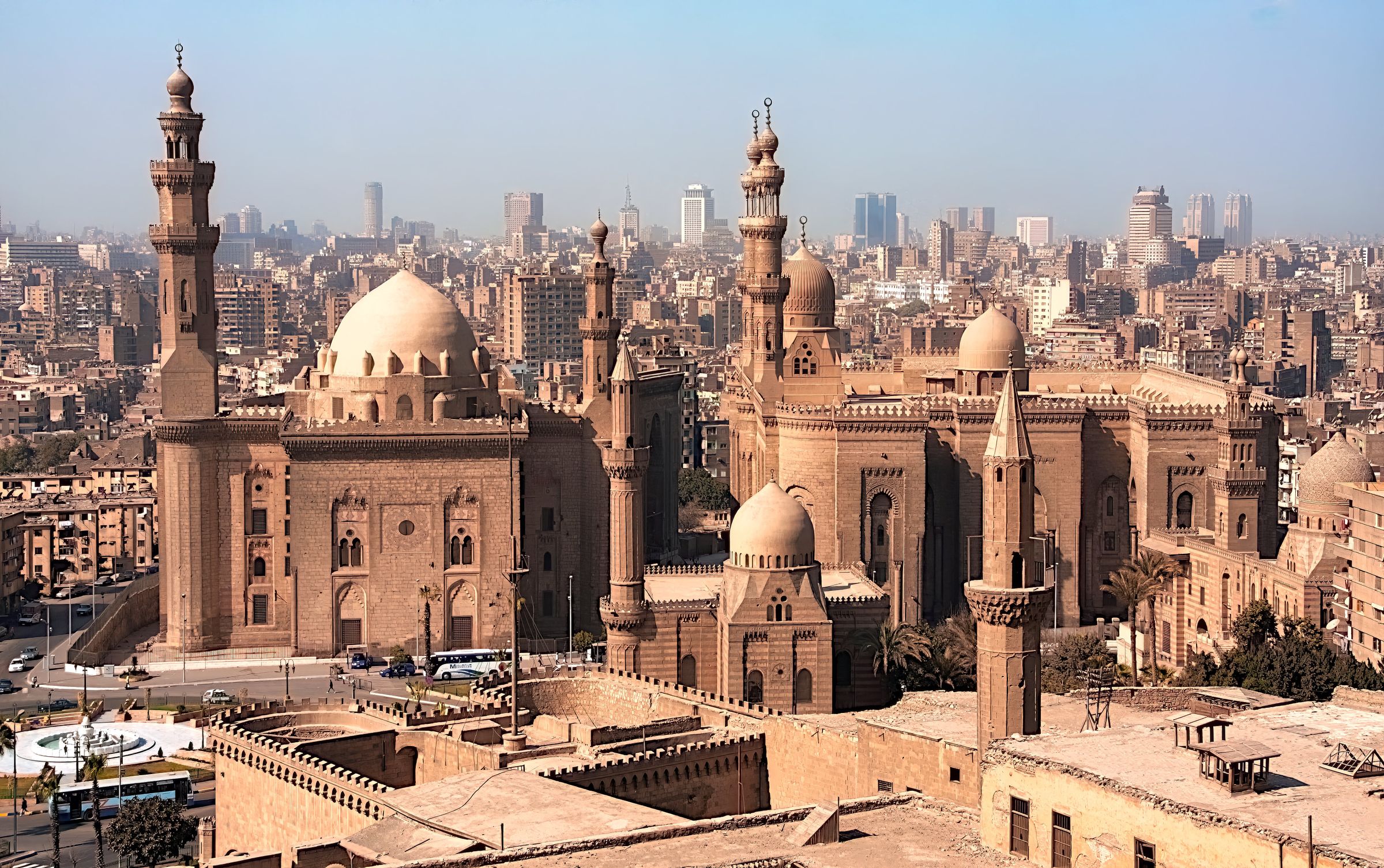
Book four days in Cairo and spend three of them in the old city, staying downtown or in Zamalek, because the pyramids at Giza need the fourth to themselves. On the Citadel day, climb the minaret of Ibn Tulun for the view.
Read the Cairo guideExplore the rest of Cairo
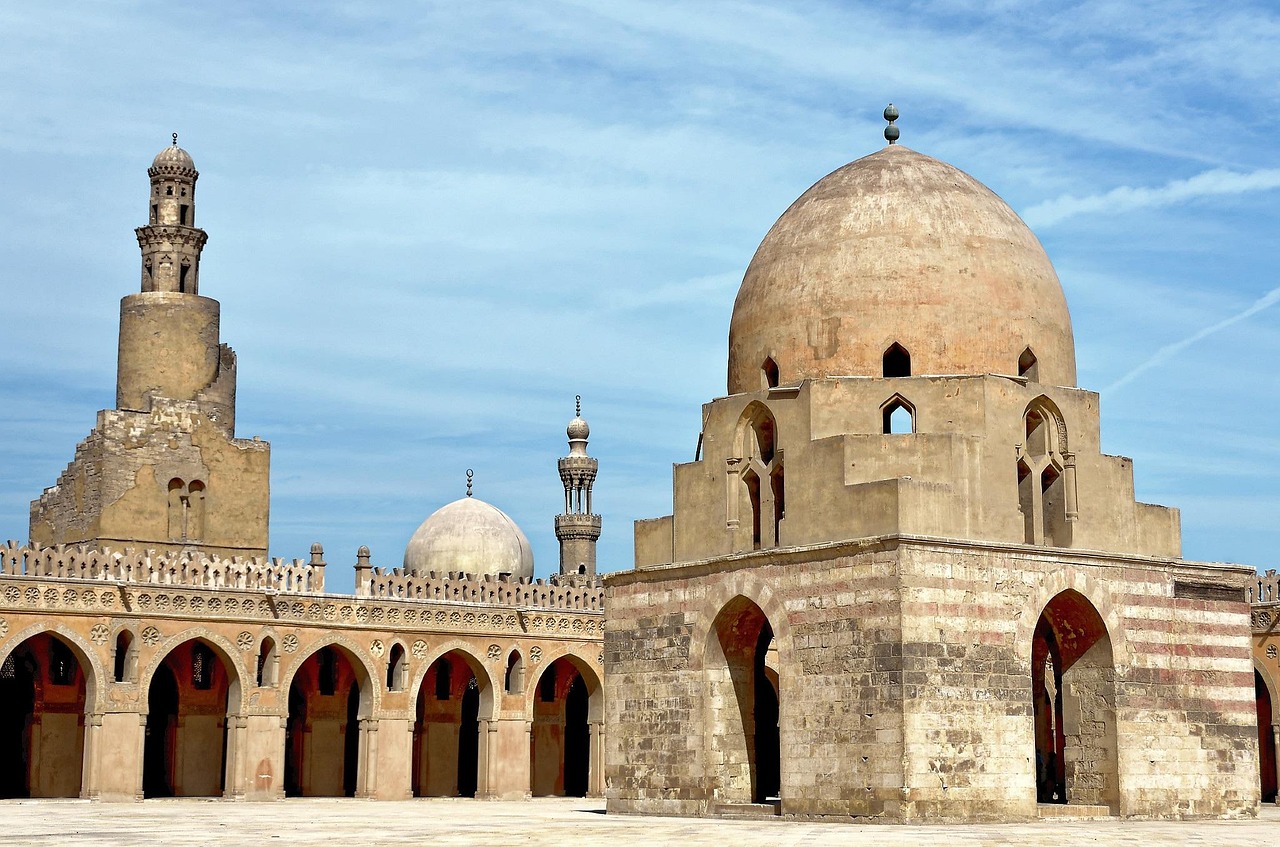
Completed in 879, this is the oldest mosque in the city still in its original form: a huge brick courtyard ringed by pointed arcades, built…
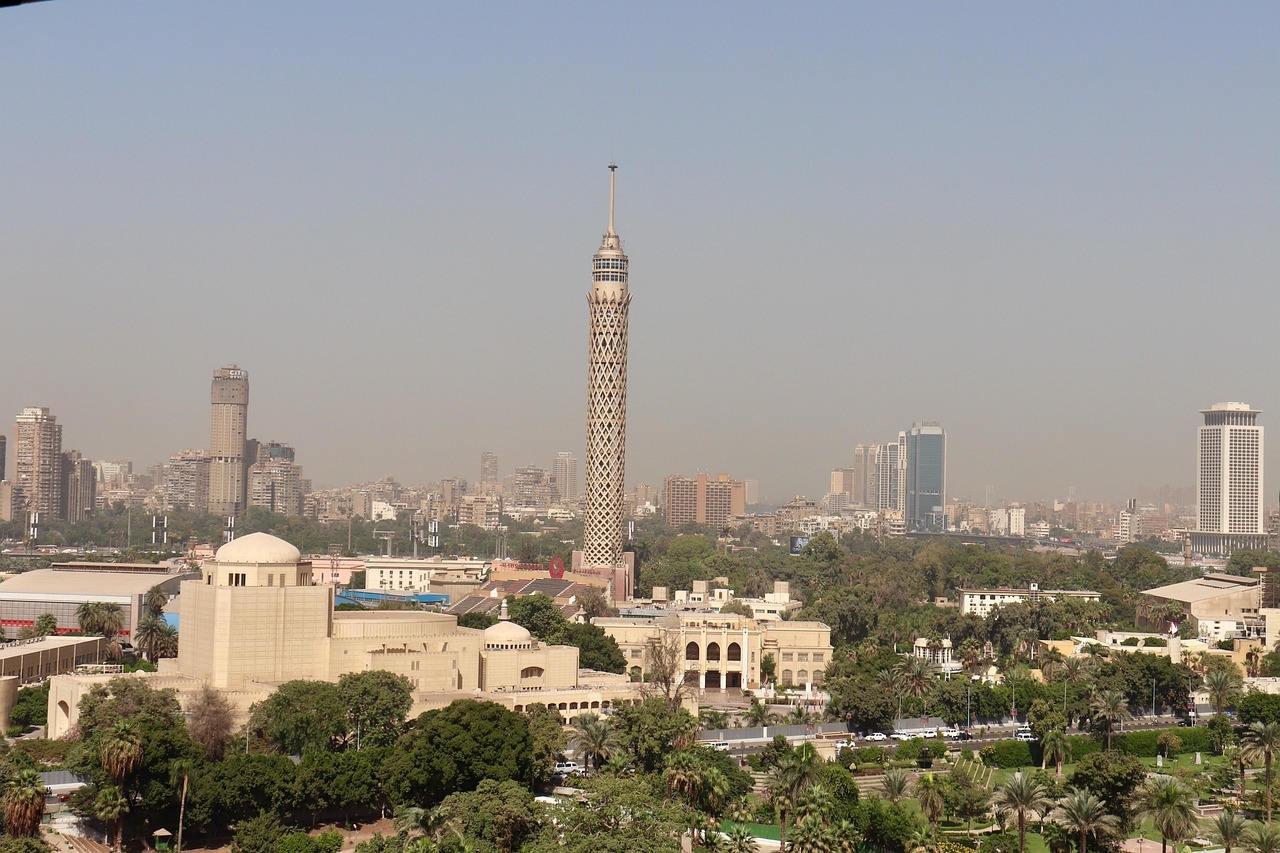
Naoum Shebib's concrete lattice on Gezira Island went up between 1956 and 1961, its open latticework shaped to suggest a lotus stalk. A…
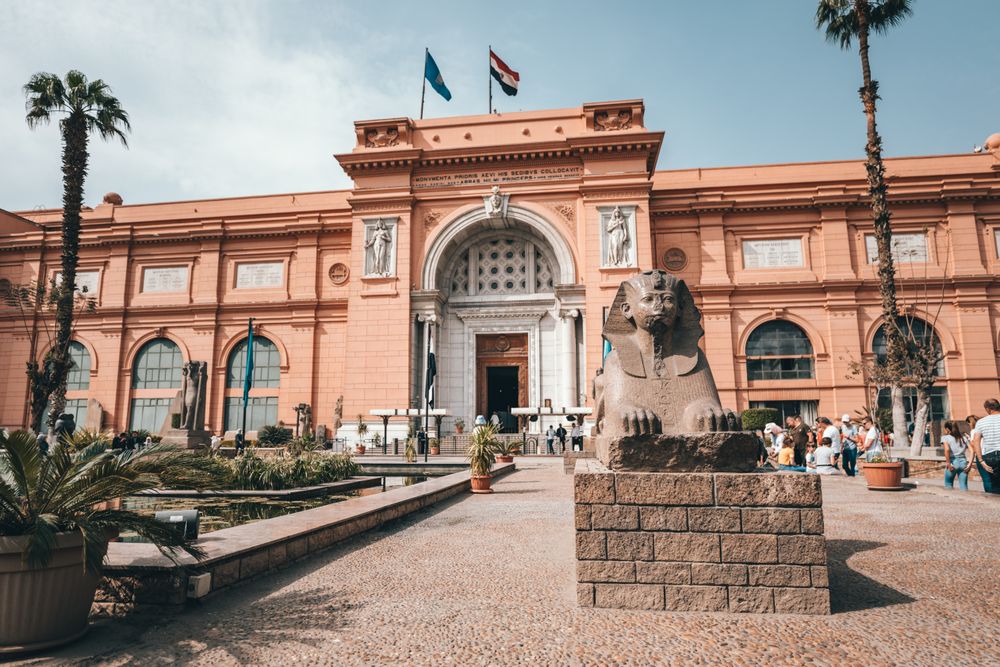
Two floors of the pink building on Tahrir Square hold the Narmer Palette, the treasures of Tanis and the complete burials of Yuya and…
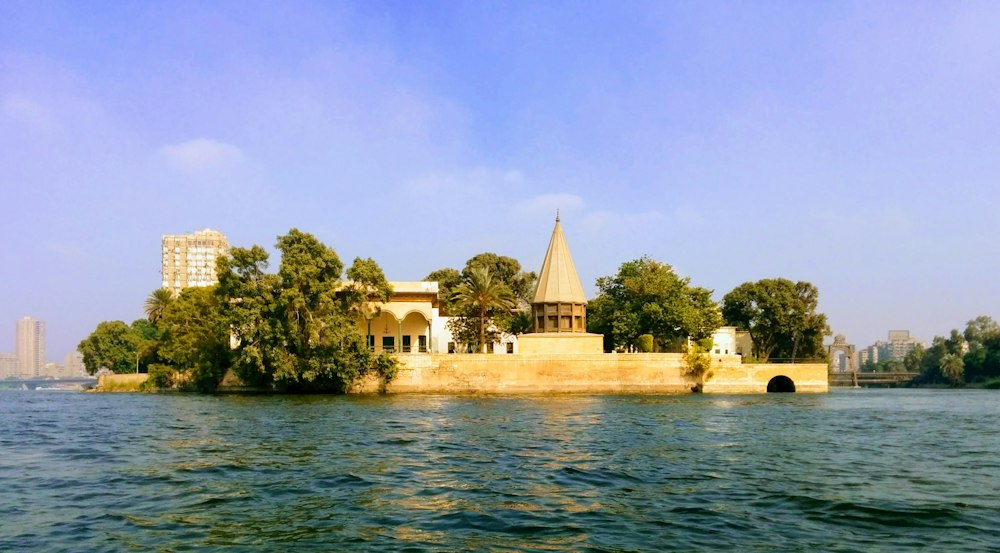
On the southern tip of Roda Island, a stone well sheltered by a conical roof holds a marked octagonal column that measured the rise of the…
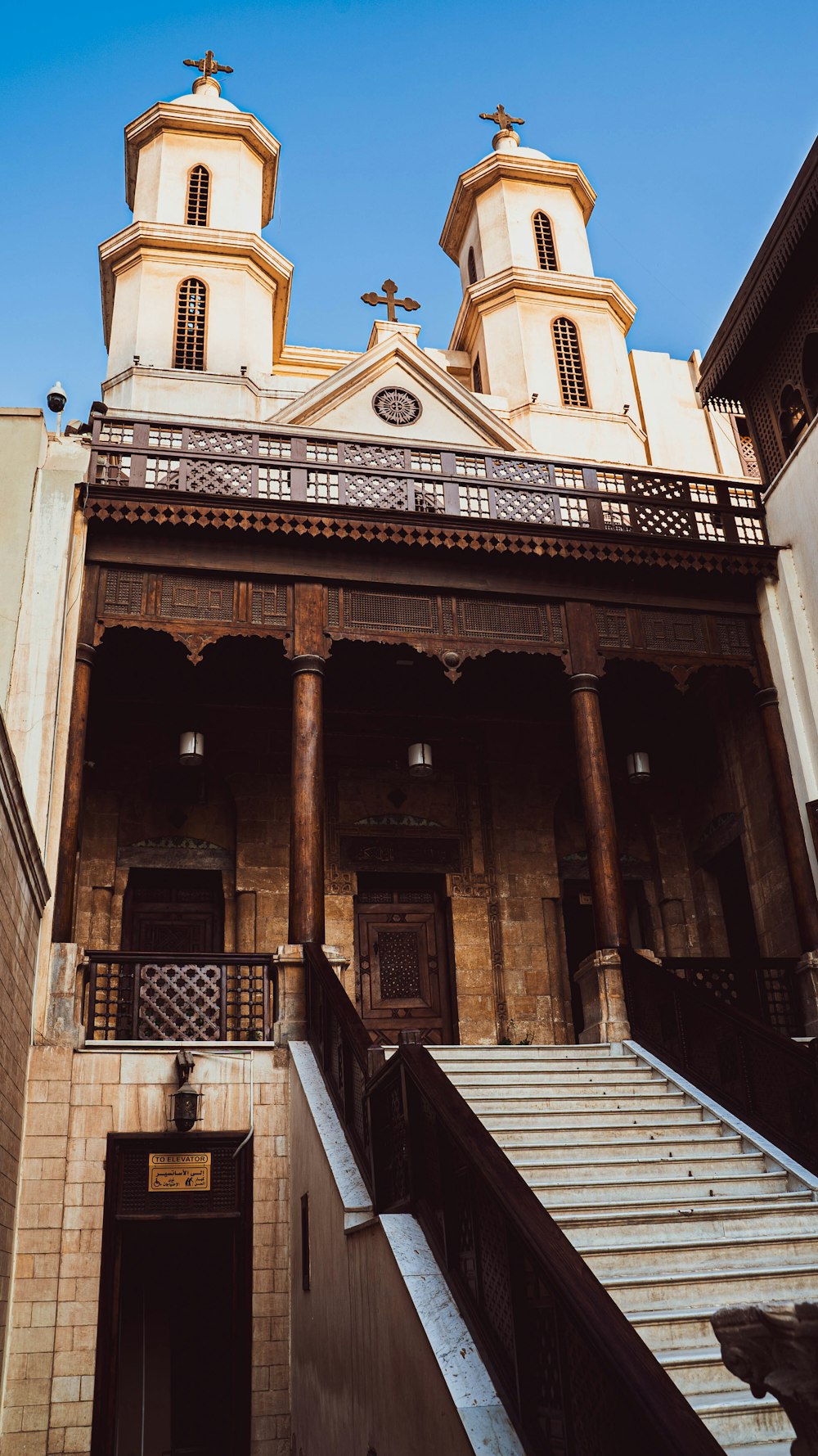
Named because its nave was built across the top of a Roman gatehouse, with palm logs and stone spanning the passage below; a glass panel in…
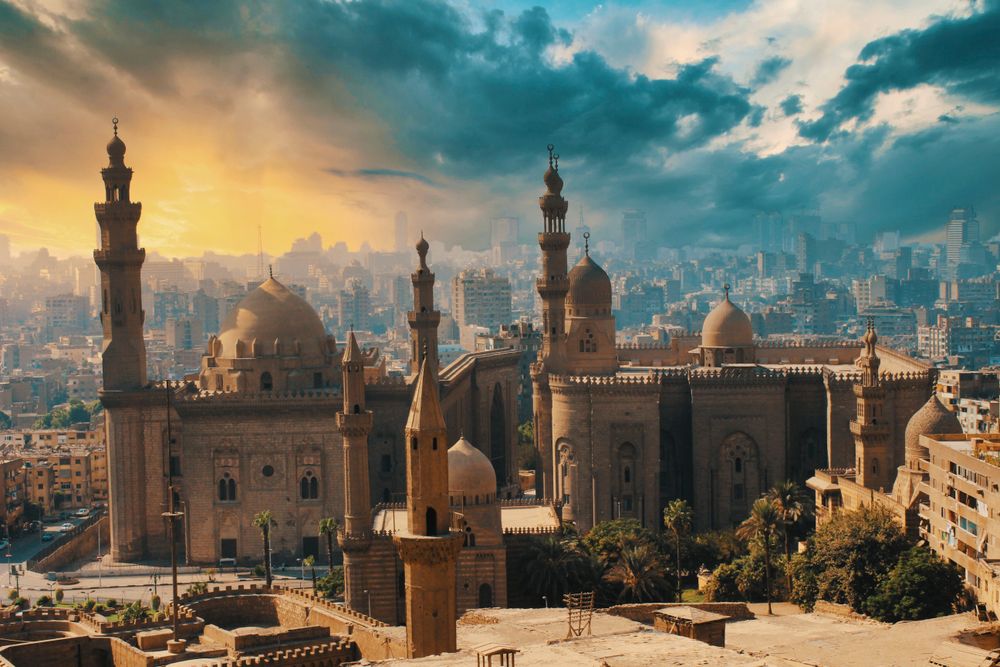
A Mamluk sultan began this colossal school-mosque in 1356, paid for in part with estates left ownerless by the Black Death, and was…
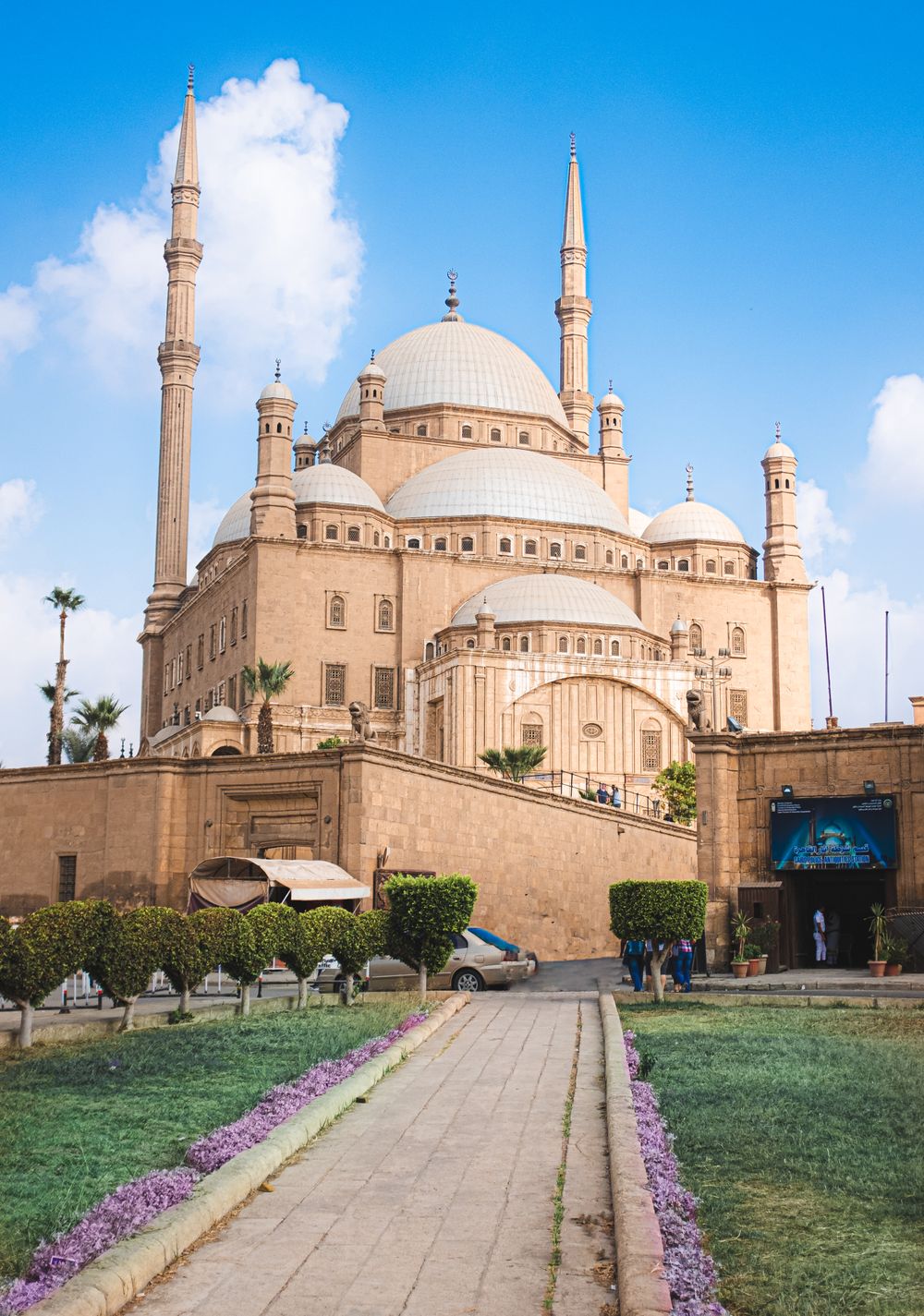
The Ottoman silhouette on top of the Citadel, domes and two pencil minarets, was finished in 1848 for the Albanian-born governor who…
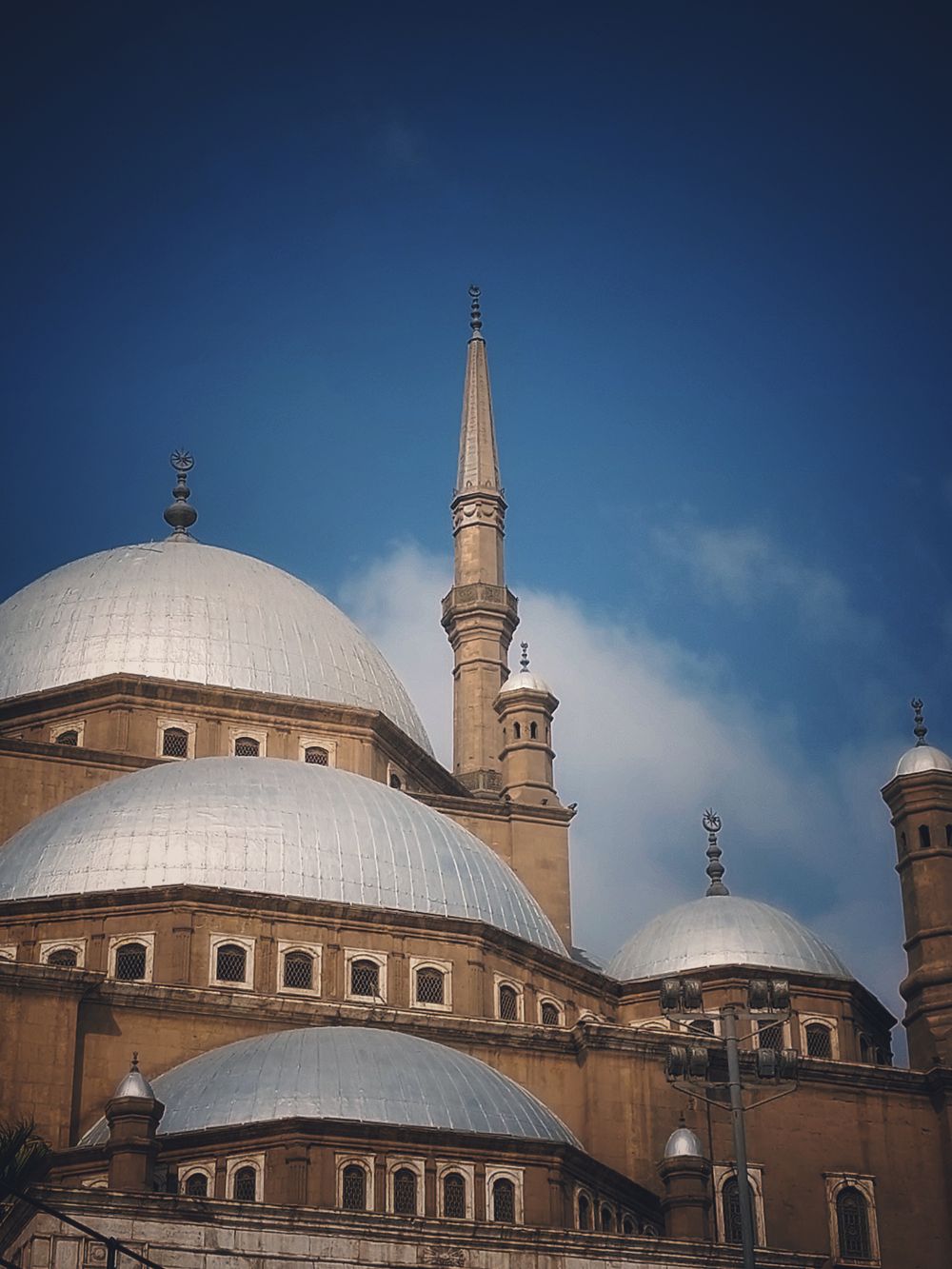
Saladin began these walls in 1176 on a spur of the Muqattam hills, and Egypt was ruled from inside them for nearly seven hundred years. The…




Save Manial Palace to your Egypt trip in the Meridian Dispatch app and build the day around it, with the best of Cairo pinned on one map.
Download on the App StoreLast updated