
You stand under a painted dome 52 metres high, with rings of glass lamps hung low over the prayer hall, then walk out to a terrace with Cairo laid out below. This is the Alabaster Mosque, the most visible building on the city's skyline.
Landmark, Cairo. Meridian Dispatch.
As of November 2026, the Citadel opens daily from 08:00, although its ticket site lists 09:00 in summer, so plan on the later time then. Last entry is at 16:00, or 15:30 in Ramadan. The mosque itself may also pause visits during prayers.
There is no separate ticket. Entry is included in Citadel admission, which also covers the site's other mosques and its museums. Students get a lower rate, and children under six go in free.
Yes. Mobile phone photography is free, and pictures are allowed in both the courtyard and the prayer hall, without flash in the hall. Do not photograph worshippers without asking. A tripod or professional equipment may need a permit.
Allow 60 to 90 minutes for the courtyard, the prayer hall, the tomb and the terrace. Seeing the rest of the Citadel as well brings the whole visit to two or three hours.
Clothes need to cover the shoulders and knees. Women should also cover their hair before going into the prayer hall, and shawls are lent at the entrance. Shoes come off before the hall.
The official site of Mosque of Muhammad Ali is egymonuments.gov.eg.
egymonuments.gov.eg →Two slim minarets mark the mosque from far across the city. The layout follows the great imperial mosques of Istanbul. An open courtyard leads to a square prayer hall under a main dome, four half domes and four smaller domes at the corners.
The nickname comes from the cladding. Pale, faintly translucent alabaster covers the lower walls and pillars inside to about 11 metres, over a limestone structure.
Inside, six large medallions ring the dome with the names of God, the Prophet Muhammad and the first four caliphs. The decoration around them is European in style. There are two pulpits: the large original in wood decorated in green, and a smaller alabaster one given by King Farouk.
Out in the courtyard, the clock tower was a present from King Louis Philippe of France. Muhammad Ali gave an obelisk from Luxor Temple in return, and it now stands in the Place de la Concorde in Paris.
For the visitor entrance, give your driver the name Bab al-Gabal, on the Salah Salem road side of the Citadel. The drive takes 20 to 30 minutes from central Cairo. Some drivers stop at the historic Bab al-Azab below the walls, which visitors cannot use.
Buy the Cairo Citadel ticket and walk up to the mosque. Visitors usually come in by the northeastern gate. In the courtyard, look at the carved marble fountain under its wooden roof in the middle, then go through to the prayer hall.
Stand beneath the main dome and look straight up at its gold and dark green patterns. Muhammad Ali's tomb is to the right of the entrance, behind a bronze screen.
End on the terrace outside the western wall. The Sultan Hassan Mosque is directly below, and on a clear day the Pyramids show to the west.
Bring your own scarf, because the loan supply can run short in peak season. A light bag lets you carry your shoes with you, and thick socks help on courtyard stone that heats up at midday.
Afterwards, see the Sultan Hassan and al-Rifai mosques in the square beneath the walls, or take a car to Khan el-Khalili.
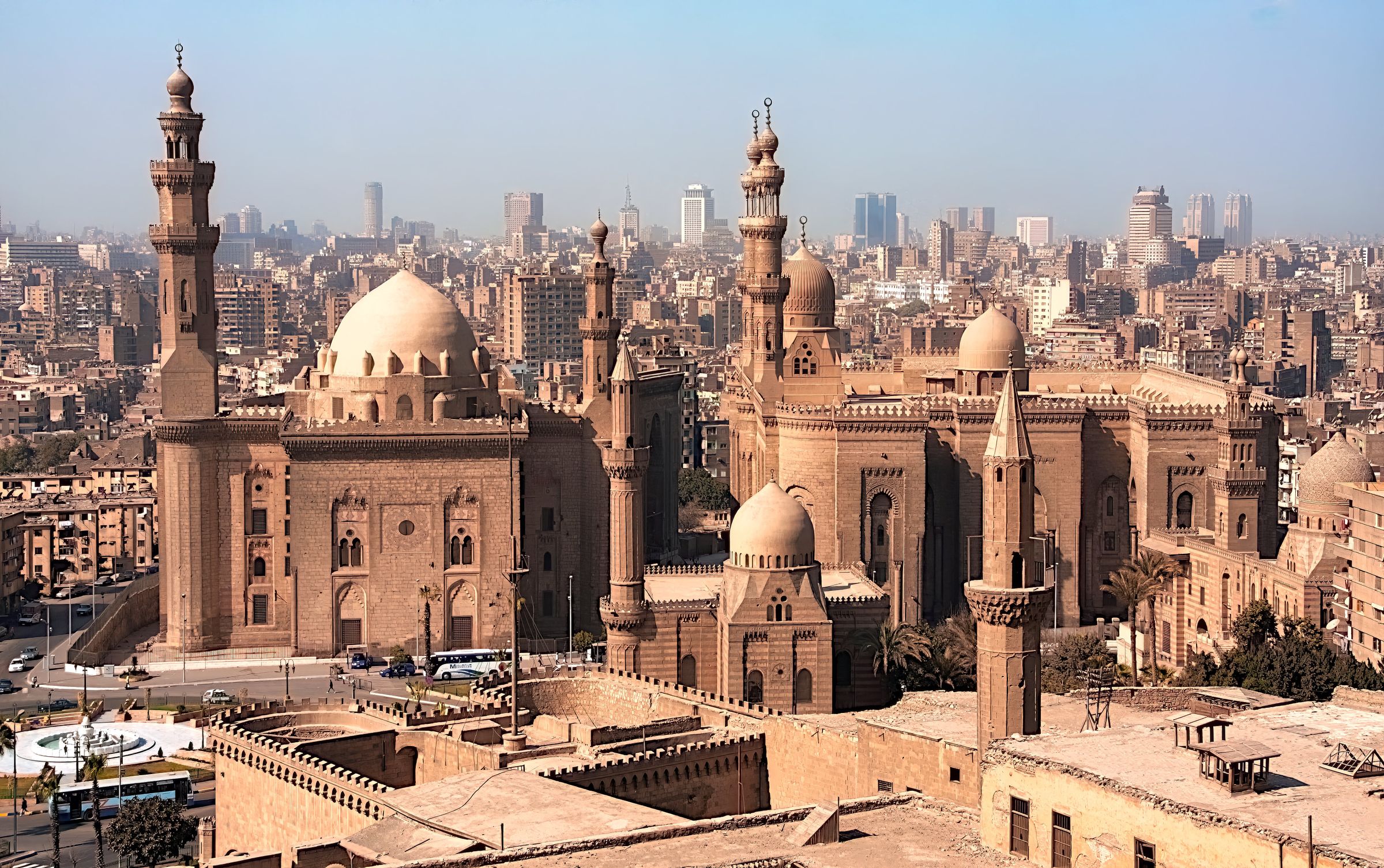
Book four days in Cairo and spend three of them in the old city, staying downtown or in Zamalek, because the pyramids at Giza need the fourth to themselves. On the Citadel day, climb the minaret of Ibn Tulun for the view.
Read the Cairo guideExplore the rest of Cairo
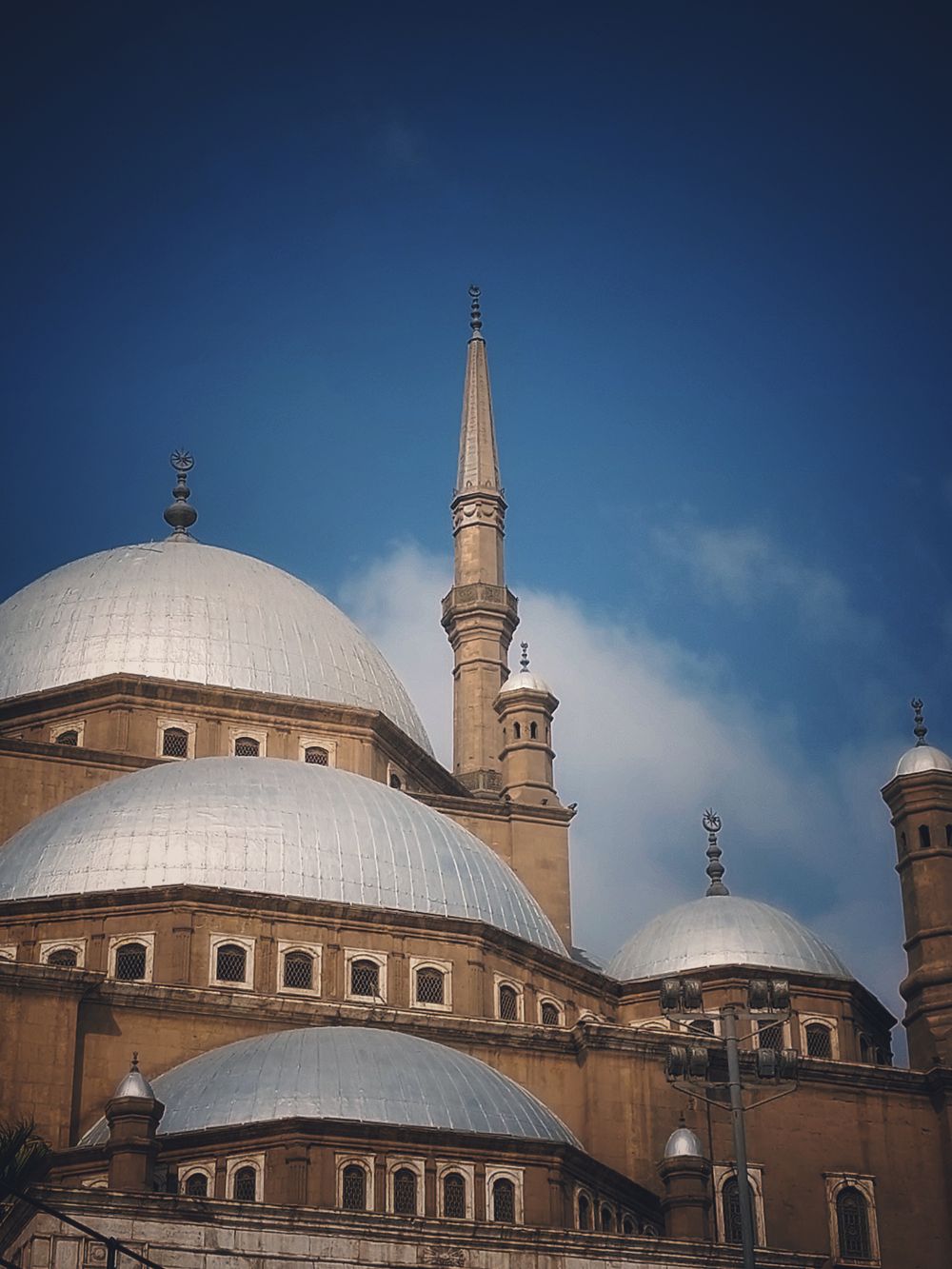
Saladin began these walls in 1176 on a spur of the Muqattam hills, and Egypt was ruled from inside them for nearly seven hundred years. The…
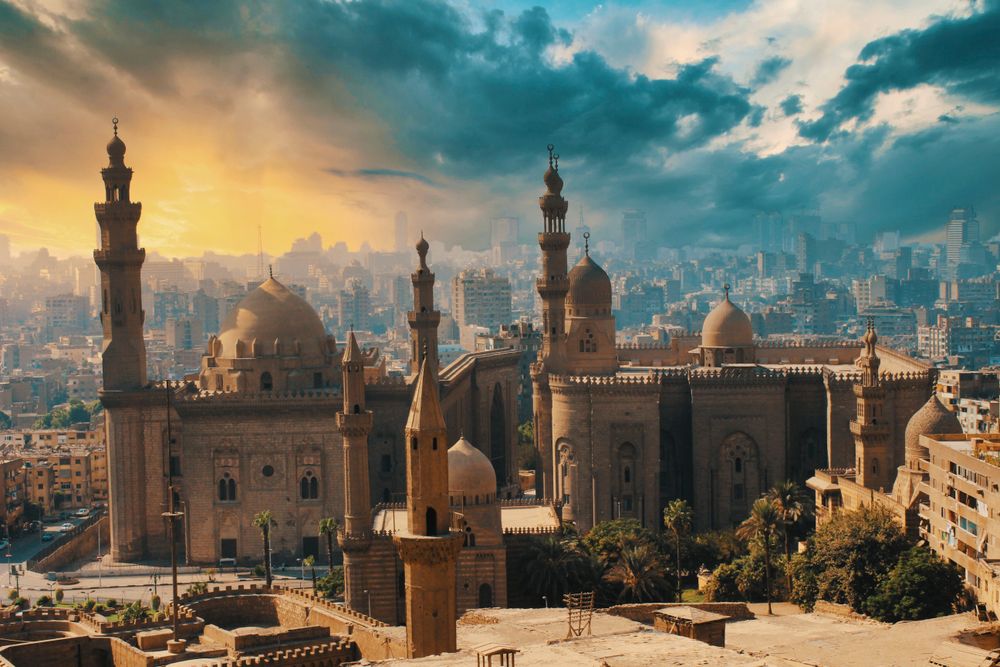
A Mamluk sultan began this colossal school-mosque in 1356, paid for in part with estates left ownerless by the Black Death, and was…
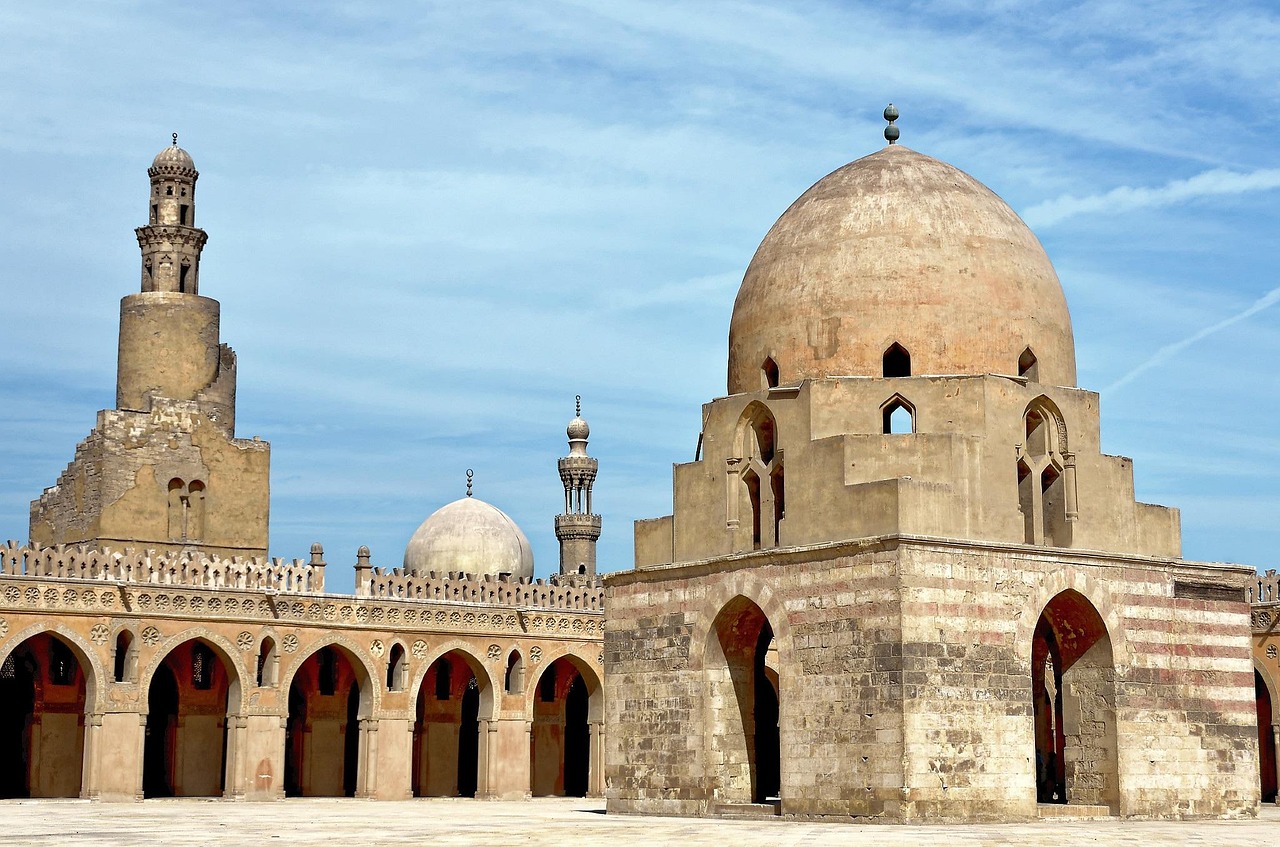
Completed in 879, this is the oldest mosque in the city still in its original form: a huge brick courtyard ringed by pointed arcades, built…
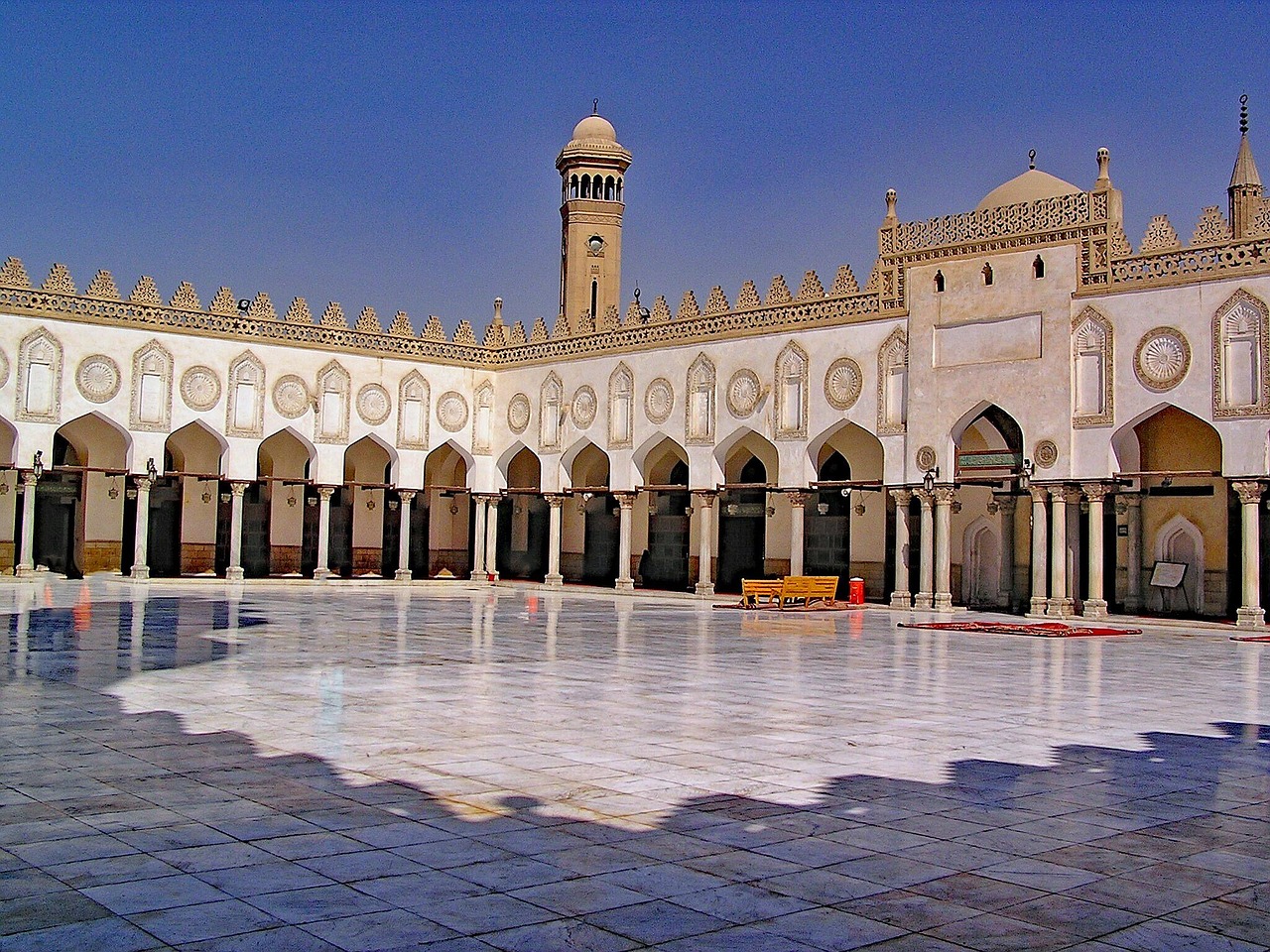
Founded in 970 as the new Fatimid city's congregational mosque, with a school attached that grew into one of the oldest universities in the…
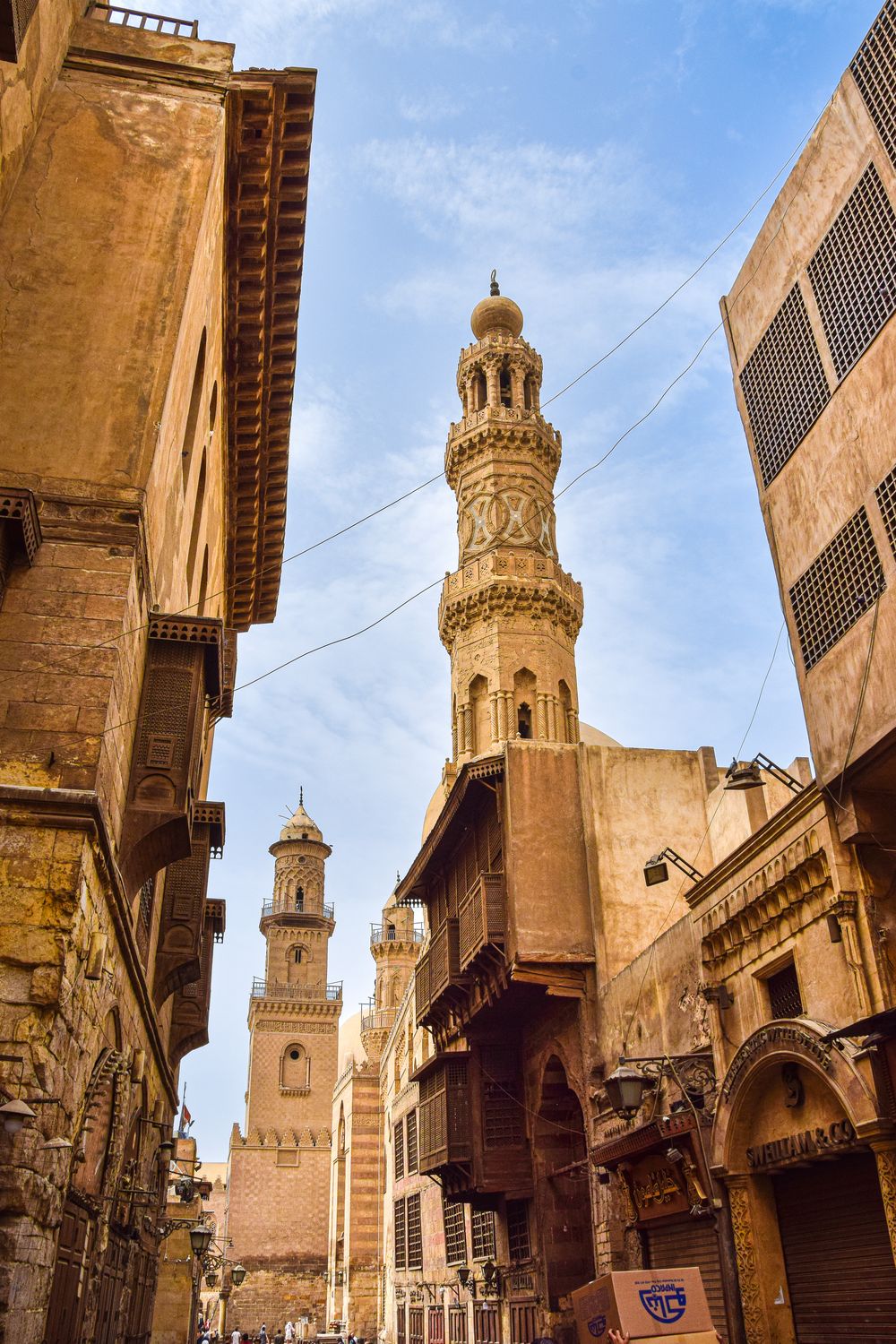
The spine of the Fatimid city, running a kilometre from the northern gate of Bab al-Futuh to Bab Zuweila in the south, with the densest run…
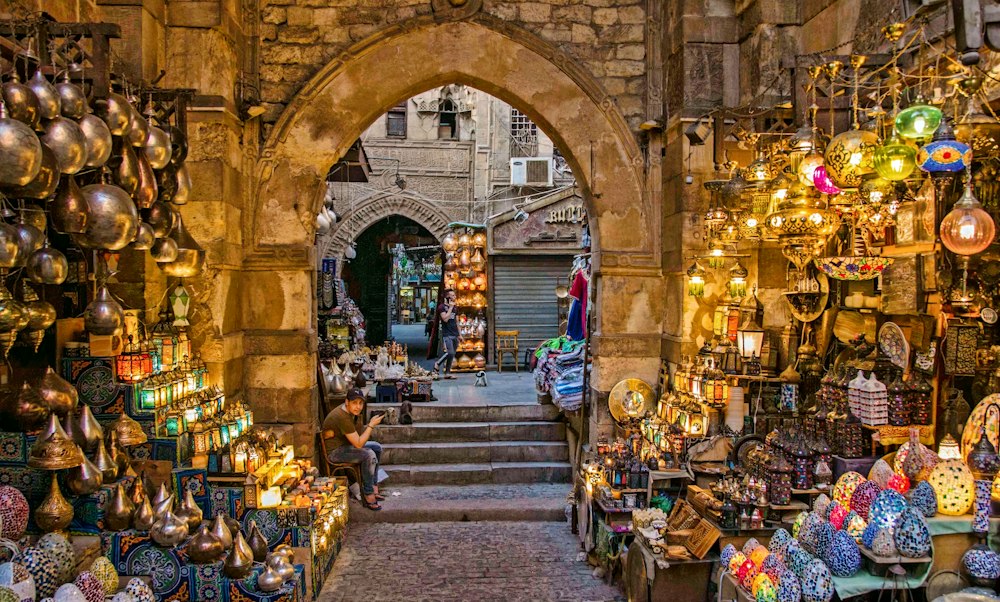
A trading quarter since a Mamluk emir built a caravanserai here in 1382. The lanes nearest the Hussein mosque sell souvenirs; a few turns…
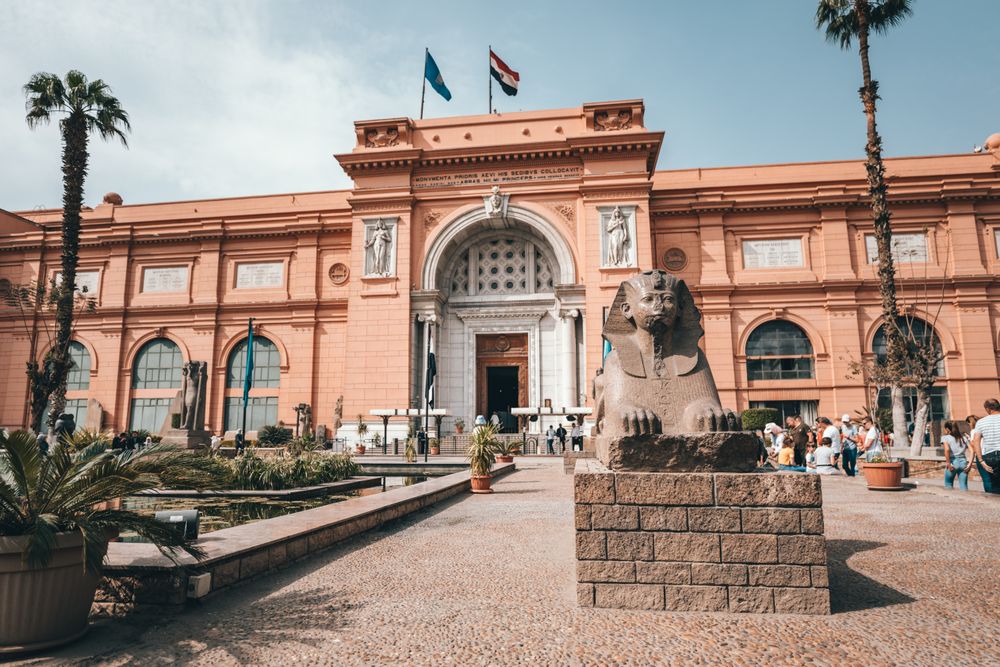
Two floors of the pink building on Tahrir Square hold the Narmer Palette, the treasures of Tanis and the complete burials of Yuya and…
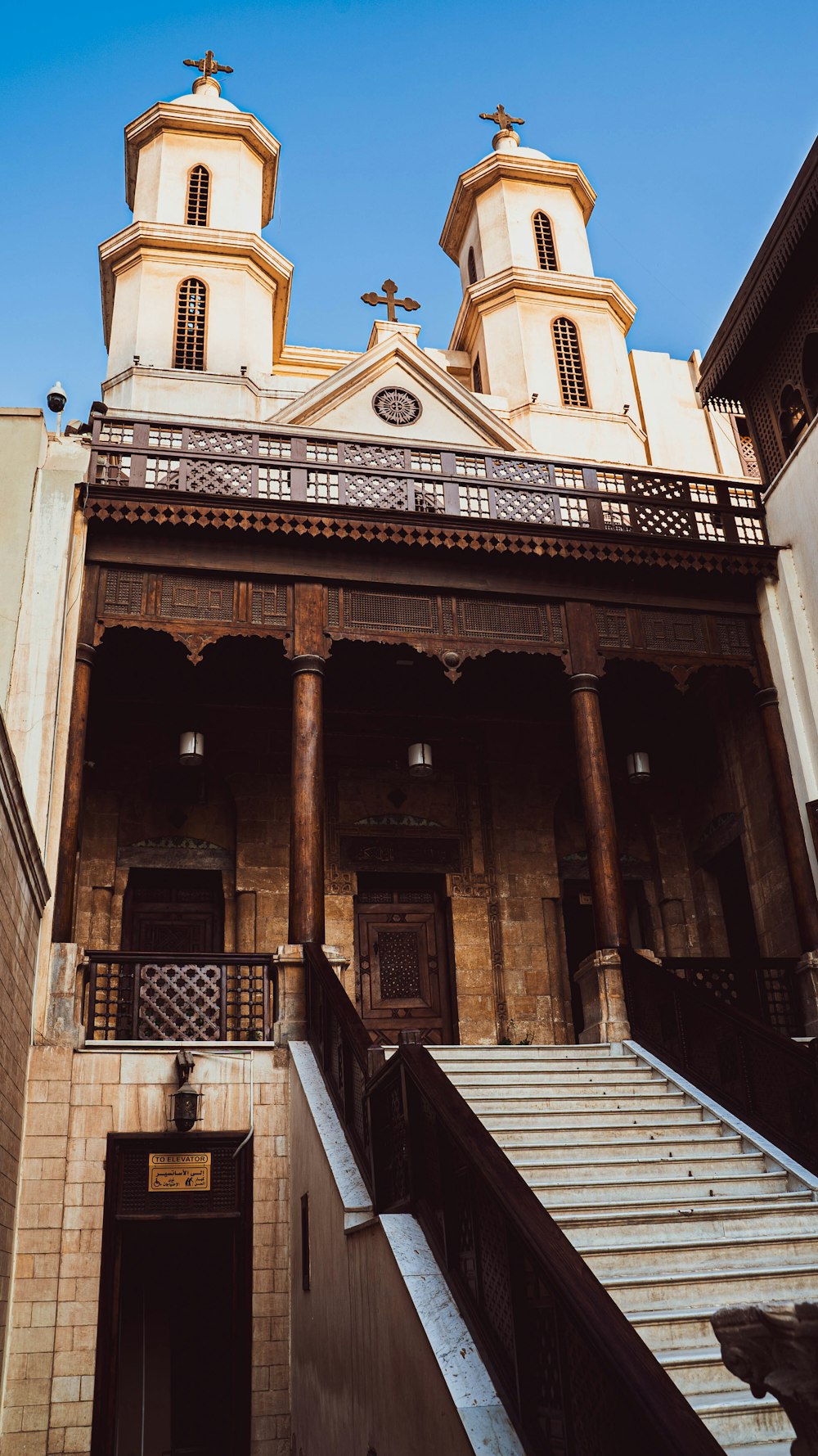
Named because its nave was built across the top of a Roman gatehouse, with palm logs and stone spanning the passage below; a glass panel in…




Save Mosque of Muhammad Ali to your Egypt trip in the Meridian Dispatch app and build the day around it, with the best of Cairo pinned on one map.
Download on the App StoreLast updated