
Climb the staircase that winds around the outside of the minaret, if its door is open, for a view over Cairo. Below, pointed brick arches surround a wide courtyard. This is the oldest mosque in Egypt to keep most of its original form.
Landmark, Cairo. Meridian Dispatch.
As of November 2026, the mosque opens daily from 09:00 to 17:00, and the ministry lists the same times for all seven days. Opening hours differ during Ramadan.
Often, but access is not certain on a given day. The door at the bottom may be closed, in which case the guardian can be asked to open it. The steps are steep and call for care.
Dress modestly, in loose clothing that covers the arms and legs, with a scarf for the hair. Trousers and a shirt that covers the shoulders and elbows are a safe choice. Socks are useful as well.
A taxi or ride-hailing car goes straight to Ahmad Ibn Tulun Square in the Sayyida Zeinab district. By metro, Sayyida Zeinab and Saad Zaghloul stations are each a 15 to 20 minute walk away.
Yes, the museum sells its own ticket. As of November 2026 the window closes at 16:00, and last entry in Ramadan is 14:00. Phone photography inside is free of charge.
The official site of Mosque of Ibn Tulun is egymonuments.gov.eg.
egymonuments.gov.eg →The spiral minaret is the part you will recognise. Most mosques put the stair inside the tower. The design echoes a mosque at Samarra in Iraq.
The courtyard is about 92 metres on each side, with a domed fountain at its centre. Roofed galleries run around all four sides, and their arches rest on solid piers of brick. Builders at the time usually reused marble columns from older buildings.
Look up at the windows. There are 128 of them, filled with pierced stucco, and each has its own pattern. Three or four survive from the first building, and those carry the simplest designs.
Below the ceiling runs a wooden frieze carved with Quran verses in Kufic letters, nearly two kilometres of them in total. Much of it has gone, so you follow it in fragments. Along the top of the outer walls, the openwork battlements look like a row of paper dolls.
One entrance is in use, on Saliba Street. Guardians there usually hand out covers to wear over your shoes. The open strip between the outer wall and the mosque itself is the ziyada.
Walk through to the courtyard and out to the fountain in the middle, then continue into the prayer hall, which is five aisles deep.
On its far wall, find the main mihrab, the hollow decorated niche that shows the direction of Mecca, and the wooden pulpit beside it. Five more niches are set around the hall.
Return to the outer strip and walk to its northwest side for the minaret. If it is open, Sultan Hassan Mosque and Coptic Cairo are both in sight from the top. Finish next door, at the southeastern corner, in the two Ottoman houses that form the Gayer-Anderson Museum.
Carry small change, as a tip is often expected for the covers, and again if the minaret door is opened for you.
Bring water and sun protection. Toilets on site are basic.
If you are touring the old city in one day, see Sultan Hassan first and keep this mosque as the last stop. The Cairo Citadel is better left for another day.
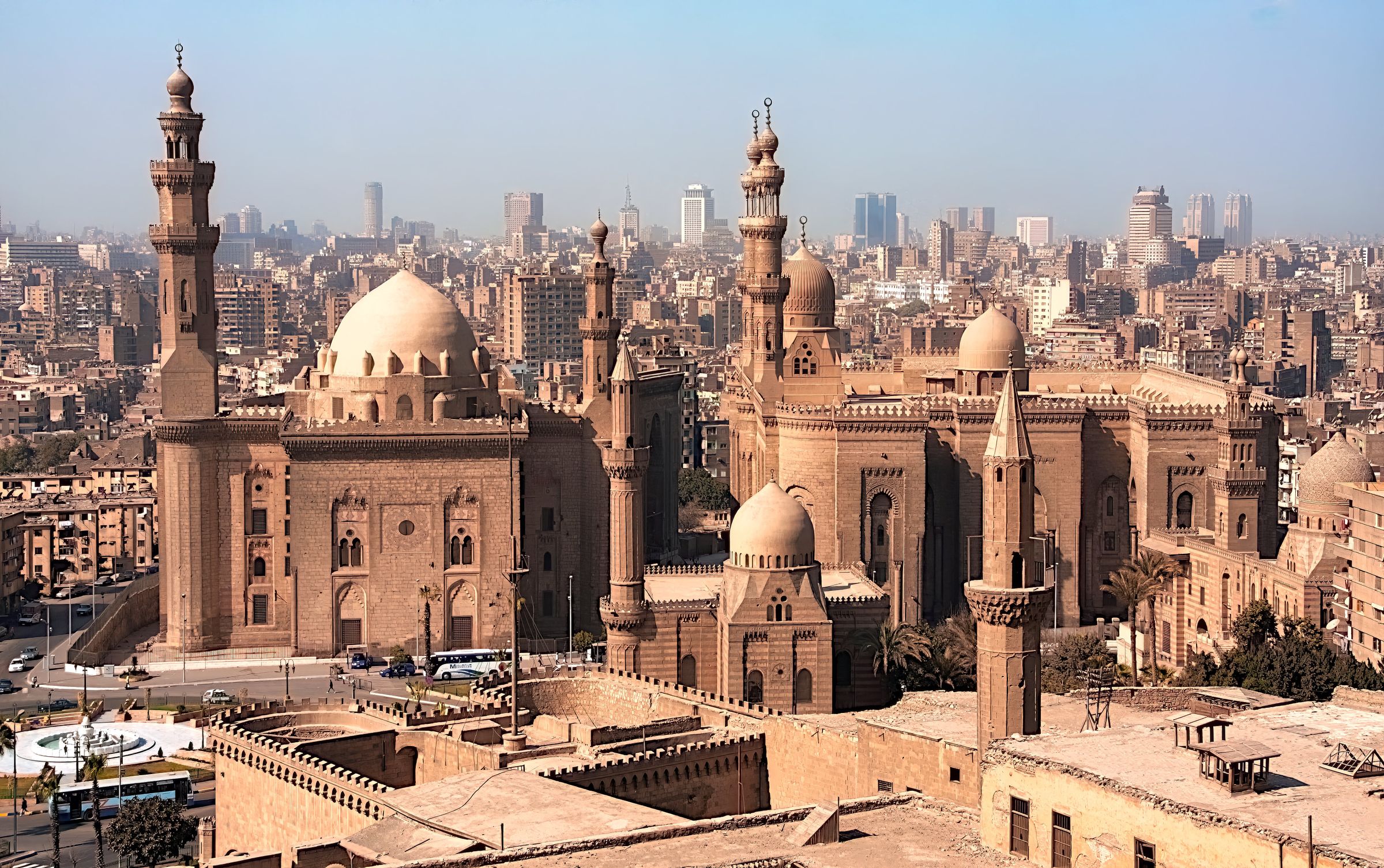
Book four days in Cairo and spend three of them in the old city, staying downtown or in Zamalek, because the pyramids at Giza need the fourth to themselves. On the Citadel day, climb the minaret of Ibn Tulun for the view.
Read the Cairo guideExplore the rest of Cairo
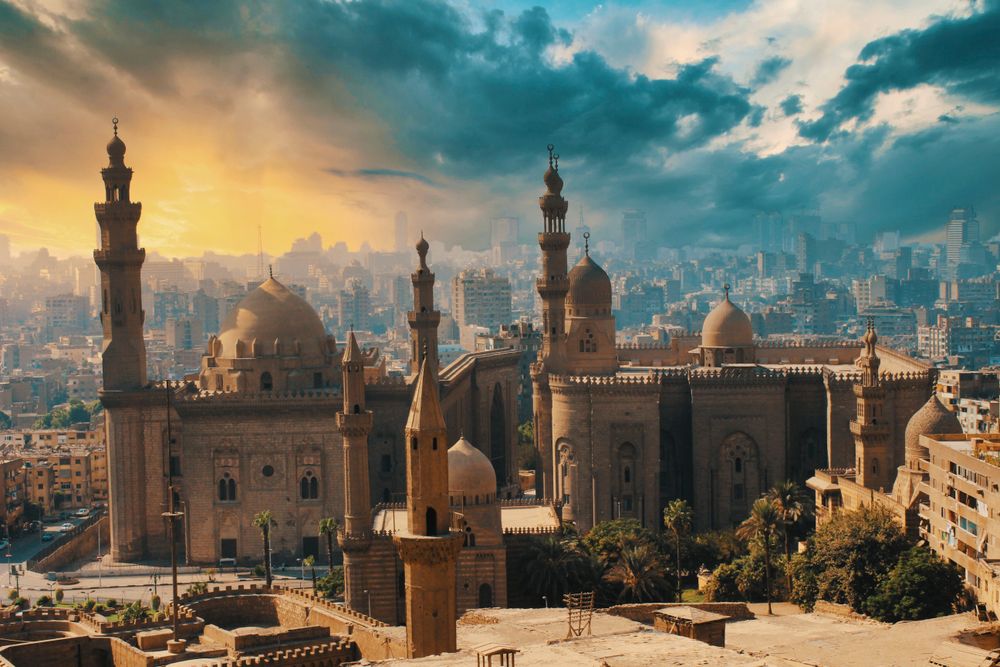
A Mamluk sultan began this colossal school-mosque in 1356, paid for in part with estates left ownerless by the Black Death, and was…
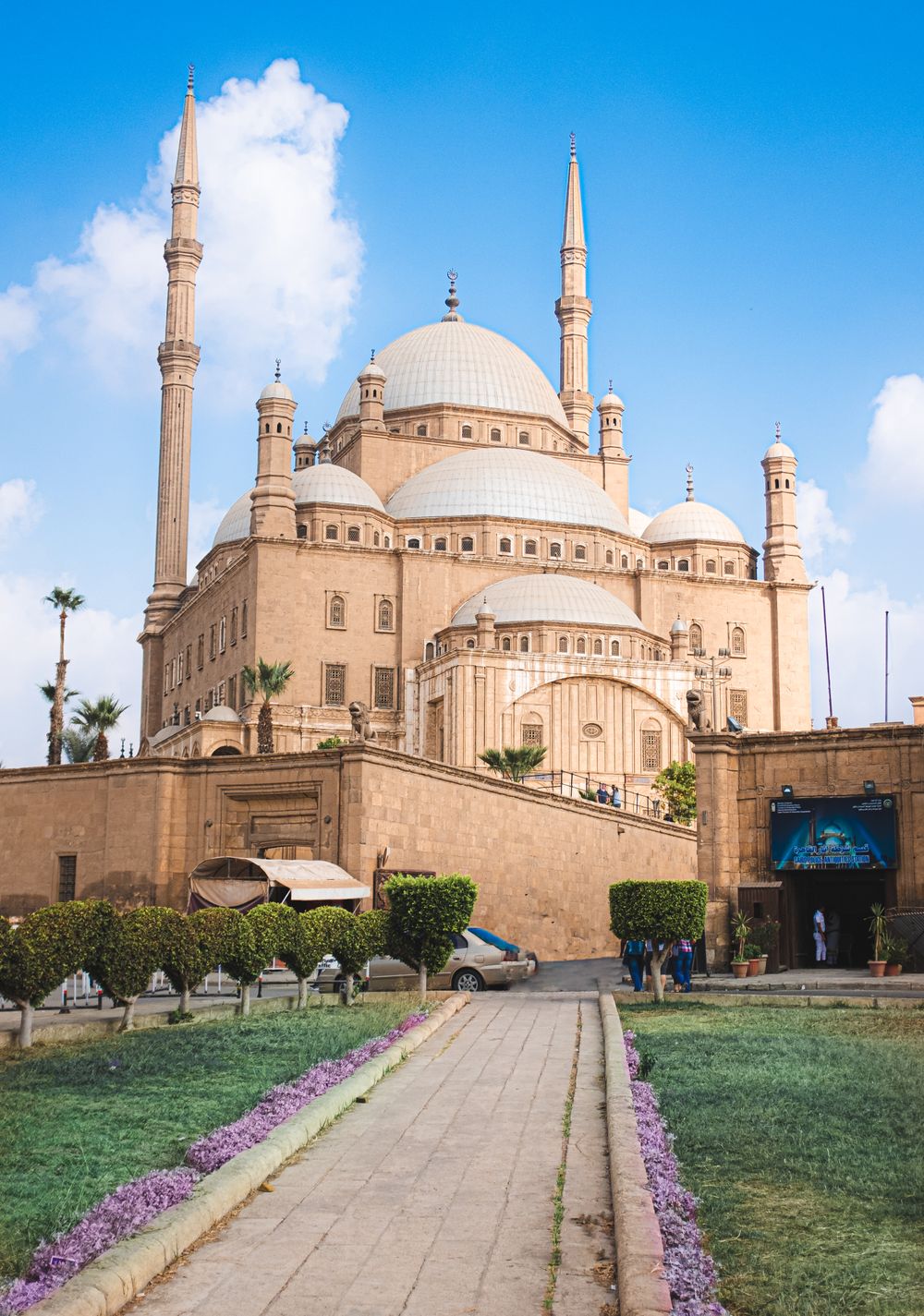
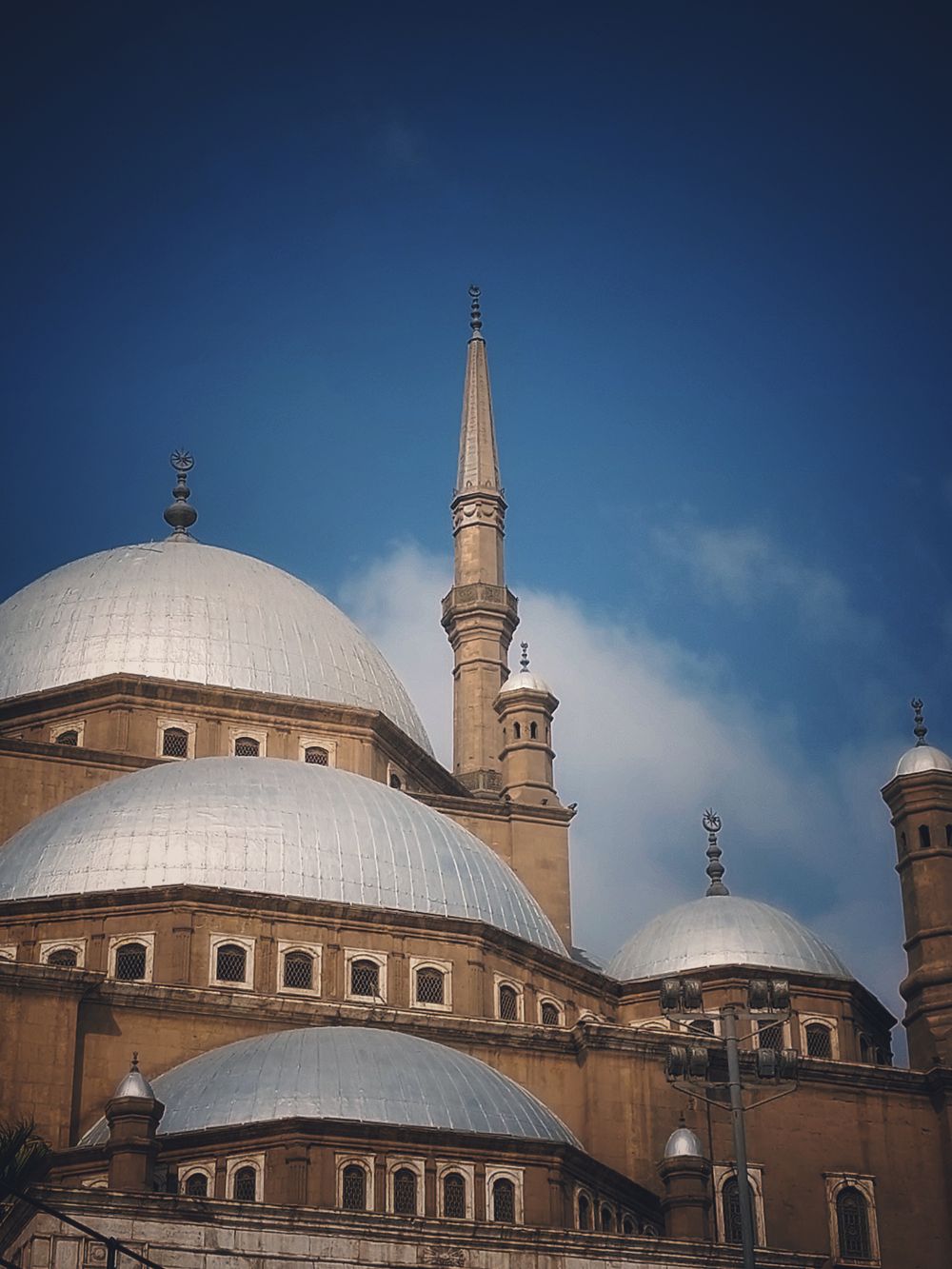
The Ottoman silhouette on top of the Citadel, domes and two pencil minarets, was finished in 1848 for the Albanian-born governor who…
Saladin began these walls in 1176 on a spur of the Muqattam hills, and Egypt was ruled from inside them for nearly seven hundred years. The…
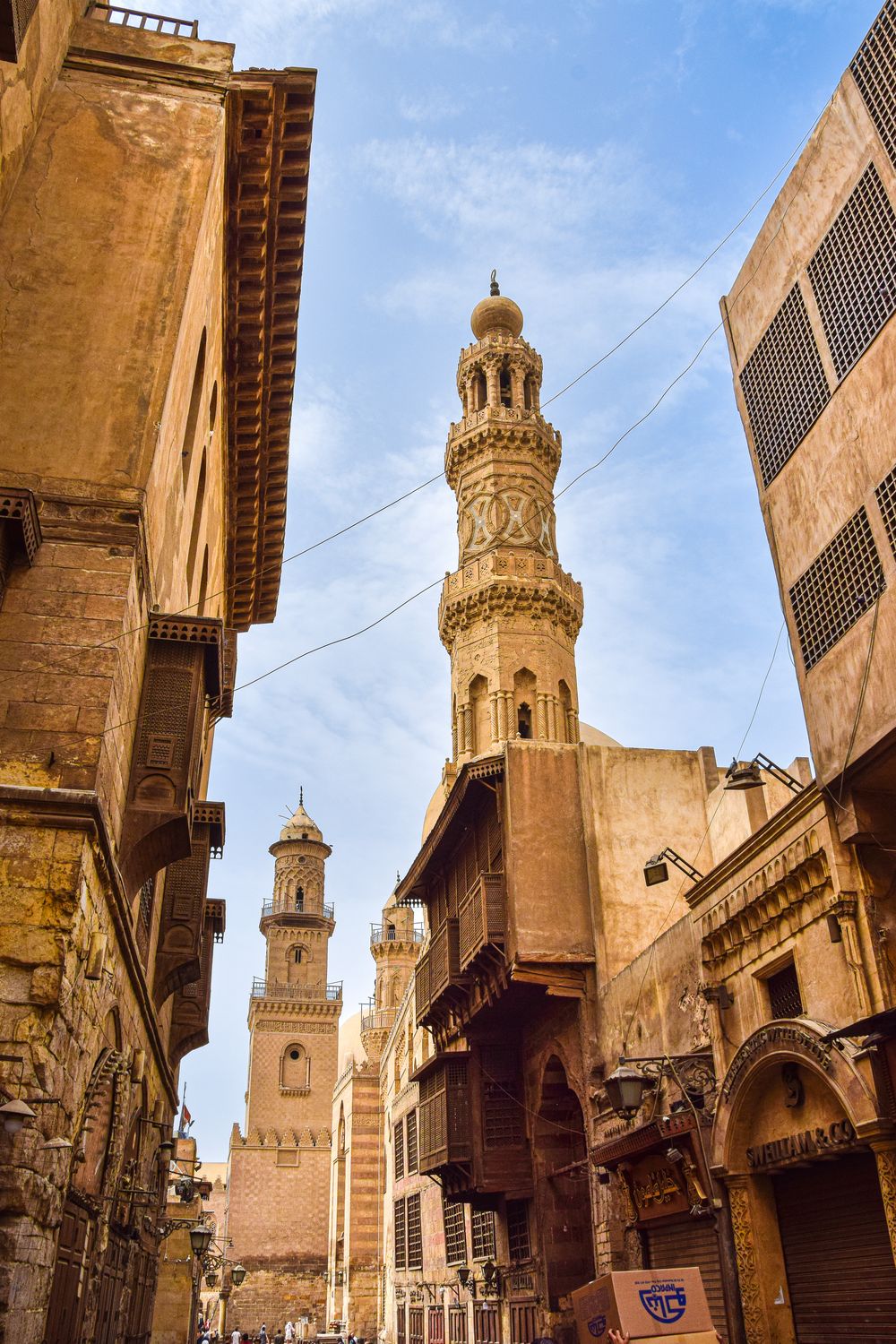
The spine of the Fatimid city, running a kilometre from the northern gate of Bab al-Futuh to Bab Zuweila in the south, with the densest run…
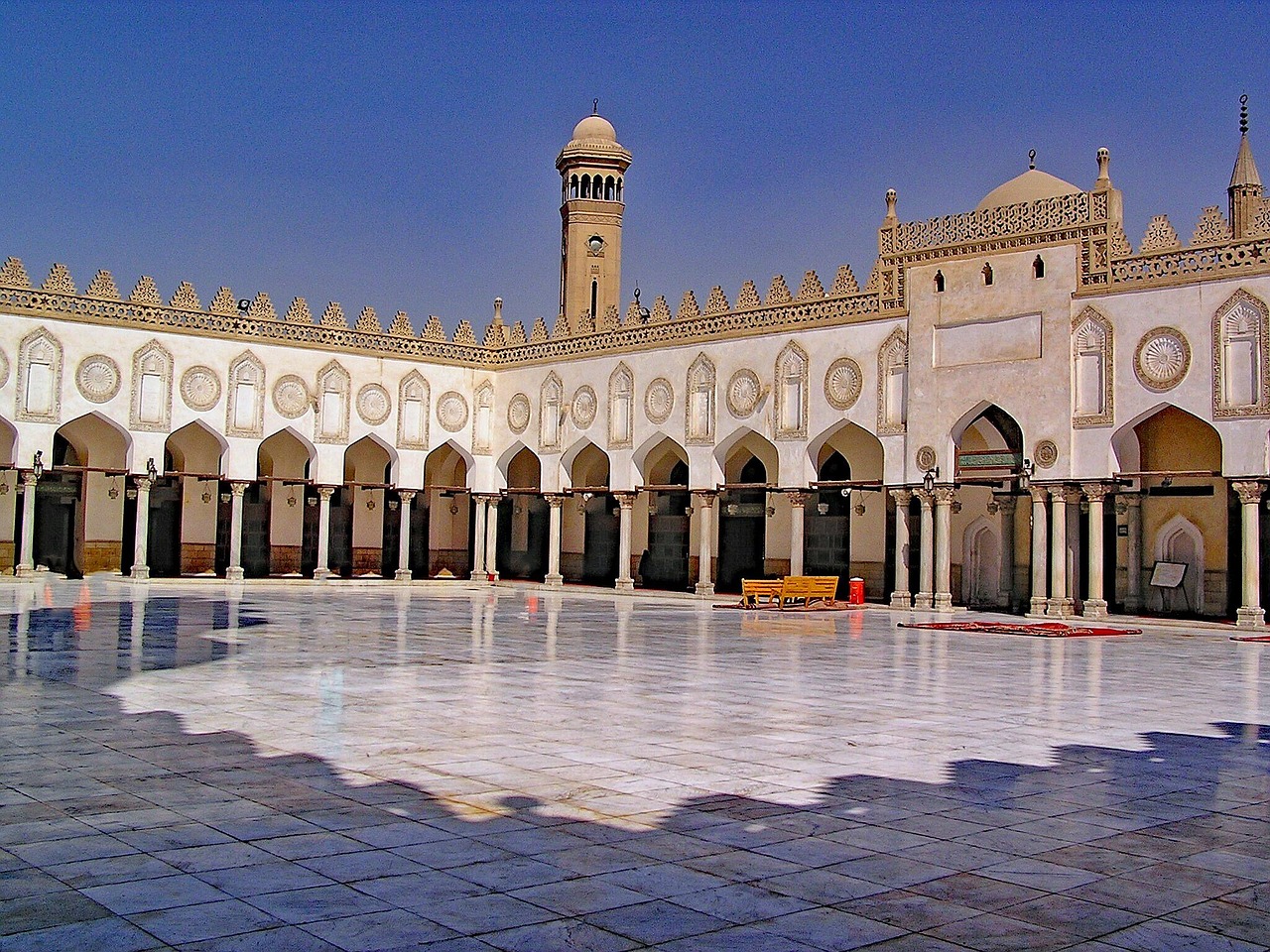
Founded in 970 as the new Fatimid city's congregational mosque, with a school attached that grew into one of the oldest universities in the…
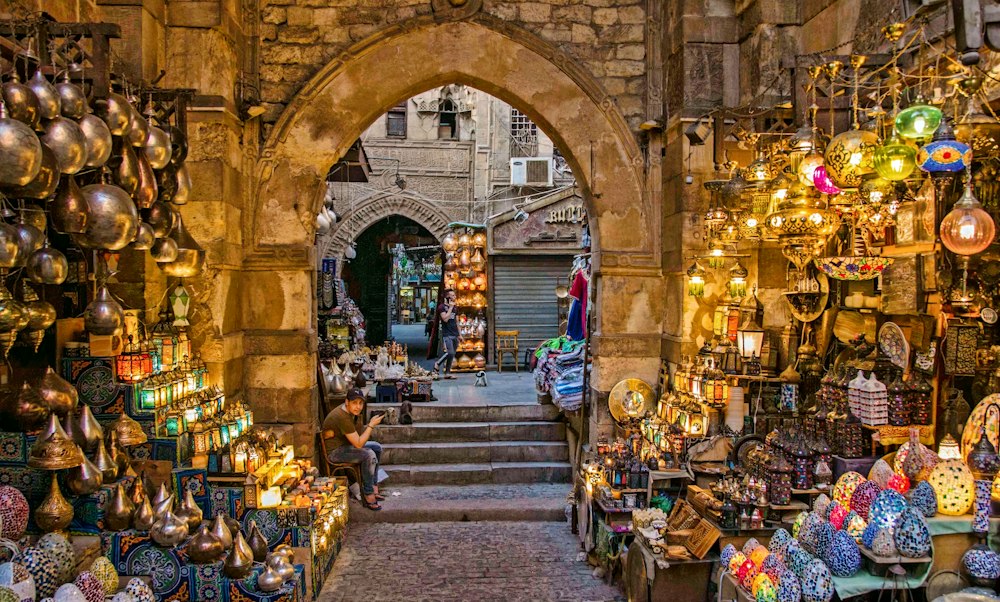
A trading quarter since a Mamluk emir built a caravanserai here in 1382. The lanes nearest the Hussein mosque sell souvenirs; a few turns…
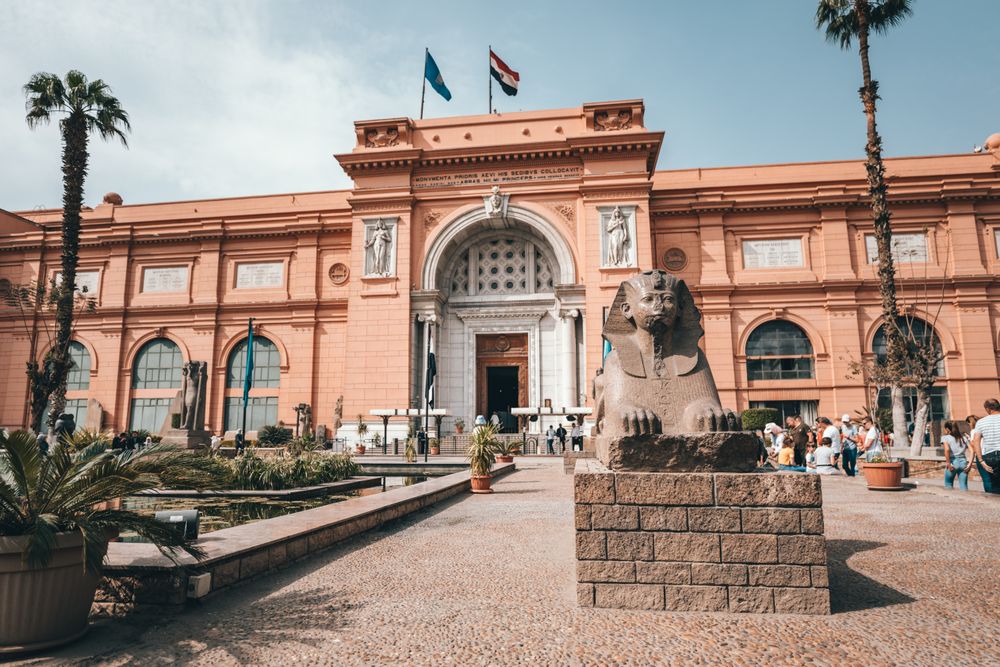
Two floors of the pink building on Tahrir Square hold the Narmer Palette, the treasures of Tanis and the complete burials of Yuya and…
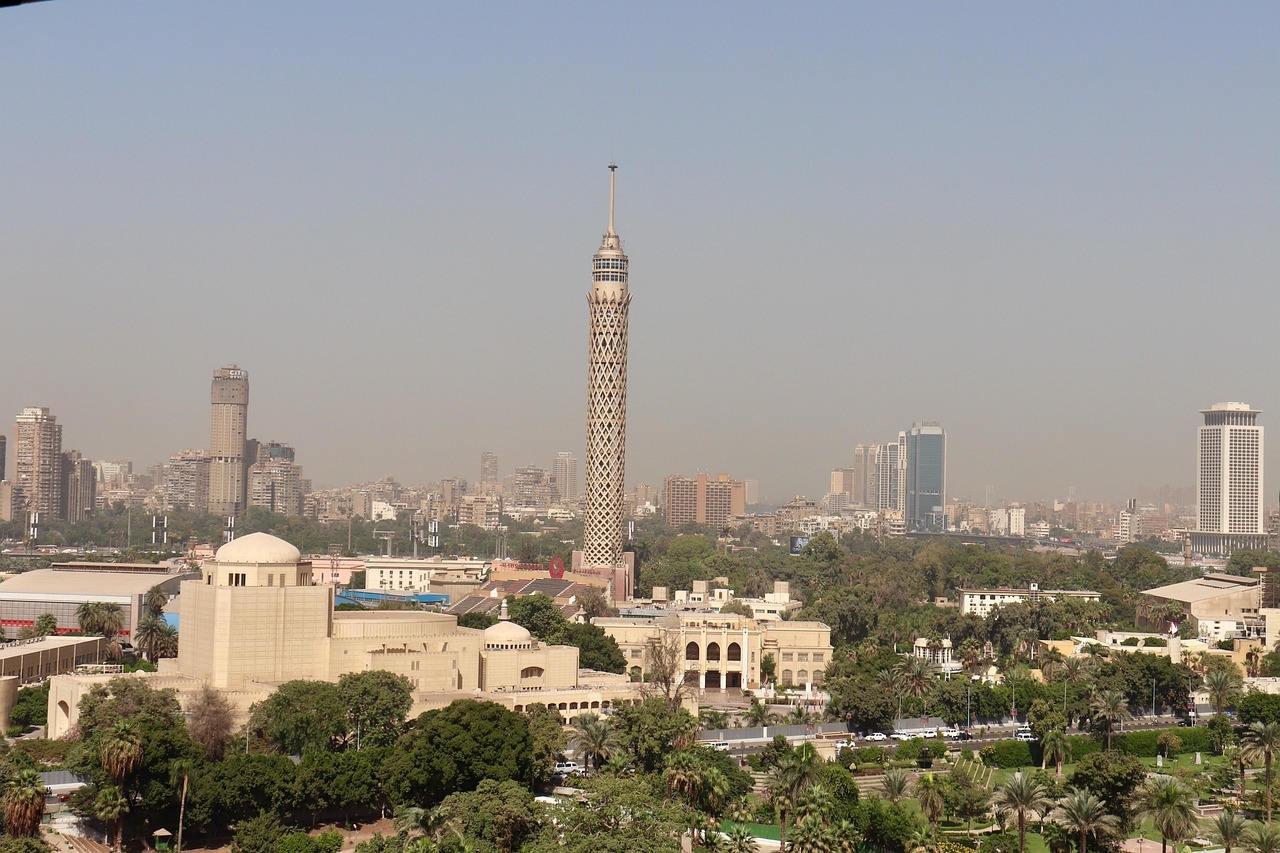
Naoum Shebib's concrete lattice on Gezira Island went up between 1956 and 1961, its open latticework shaped to suggest a lotus stalk. A…




Save Mosque of Ibn Tulun to your Egypt trip in the Meridian Dispatch app and build the day around it, with the best of Cairo pinned on one map.
Download on the App StoreLast updated