
Above the gatehouse of a Roman fortress, you stand in a church whose nave hangs over the old passage. Look through the floor panels to the stones beneath, then up at a ceiling made to look like Noah's Ark.
Church, Cairo. Meridian Dispatch.
As of November 2026, the hours are 09:00 to 16:00 on all seven days of the week. Prayers can limit what visitors see within those times, most often on Fridays and Sundays.
Yes. Entry to the church is free, with no admission charge to see the interior, and donations are welcome. The Coptic Museum nearby charges its own admission.
Yes, personal photography is generally allowed, but flash is forbidden because it damages the pigments. Staff can restrict it, and clergy and worshippers should be asked before they are photographed.
Yes. Clothing should cover shoulders and knees, with no shorts or tank tops, and women should bring a headscarf. Shoes come off where visitors are told to remove them.
Saint George Church, the church of Saints Sergius and Bacchus, and Ben Ezra Synagogue are all close by. The entrance to the other main sights of the Coptic quarter is a small staircase down from the street, about 200 metres left of the metro exit. It is easy to miss.
The official site of Hanging Church is egymonuments.gov.eg.
egymonuments.gov.eg →The Arabic name, Al-Muallaqa, means "the suspended". To carry the church, builders laid palm logs and layers of stone across the ruins of the southern gate. The street has risen since, so the drop looks smaller today than it once did.
Three rows of marble columns divide the main hall. A carved marble pulpit rests on a set of slender supports decorated with mosaic.
The screen in front of the central sanctuary is worked in geometric patterns and crosses in ebony and ivory. A row of icons runs along its top, with the enthroned Christ in the centre, the Virgin Mary on the left and John the Baptist on the right. Behind it, wooden domes stand over the altars.
About 110 icons are kept in the building, most of them from the eighteenth century. One group of 15 follows the life and torture of St George, and seven tell the story of John the Baptist.
Coptic is still heard in the services, beside Arabic. The language descends from the one the ancient Egyptians spoke.
Take metro Line 1 to Mar Girgis, the nearest stop. Leave the station on its east side, onto pedestrian Mar Girgis Street. With the Coptic Museum straight ahead, turn right and the entrance is about 100 metres along.
No tour booking is needed. Climb the stair to a small courtyard and the old outer porch. Inside, start under the ceiling and the pulpit, looking for the floor panels as you walk.
Move east to the sanctuary screens, then find St Mark on the southern wall.
Next, look for the door in the south-eastern corner. It leads to the oldest part of the building. Beside the sanctuaries there is a baptistery, and the eastern wall of the chapel carries a fresco of the Nativity.
Keep some small cash for a donation, and wear comfortable shoes, because the neighbourhood has stairs and uneven ground. The interior is dim, so a phone or camera that copes with low light helps.
Allow two to three hours if you plan to see the other churches too. If you want to hear the chanting, come during a service and stand quietly at the back.
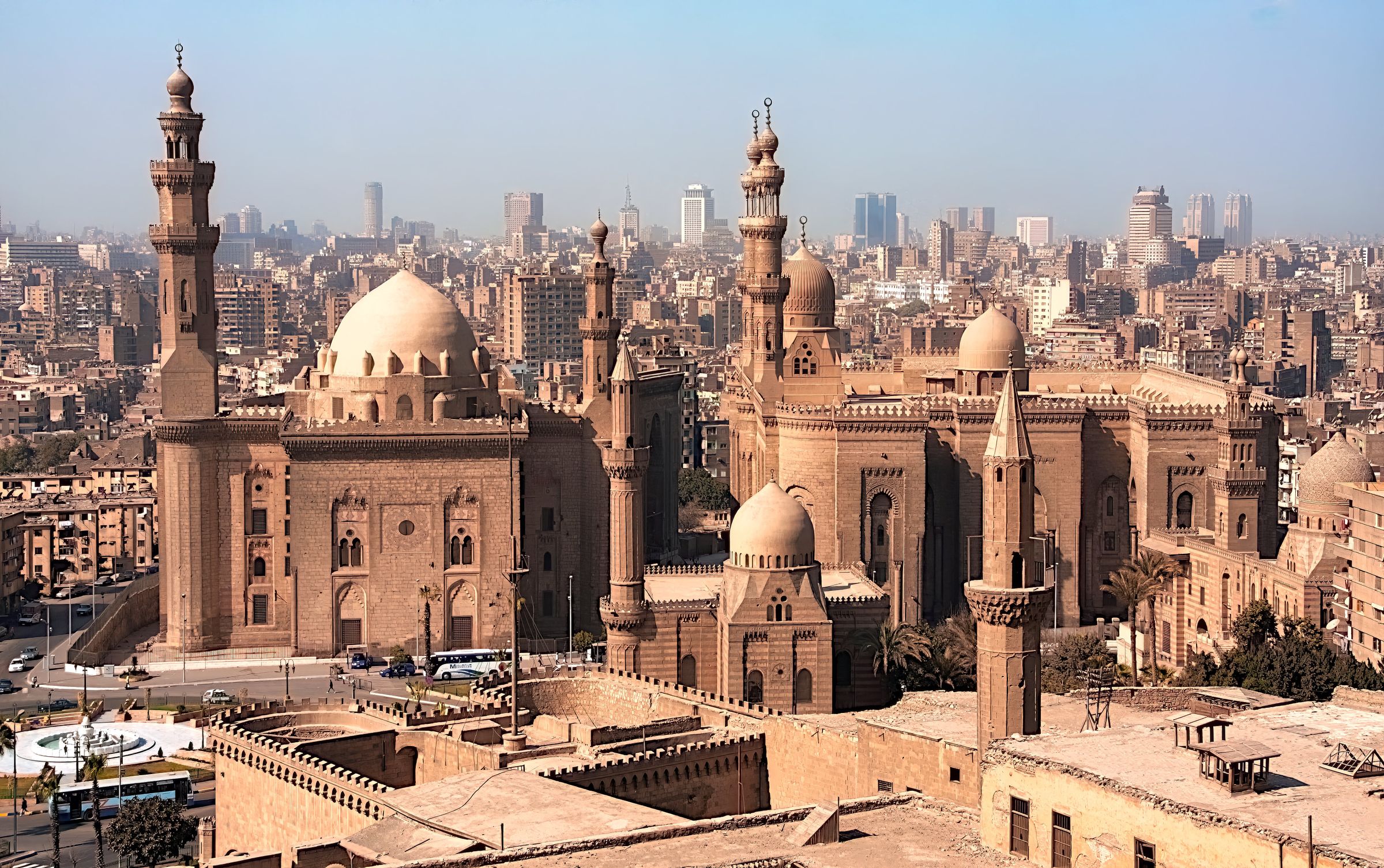
Book four days in Cairo and spend three of them in the old city, staying downtown or in Zamalek, because the pyramids at Giza need the fourth to themselves. On the Citadel day, climb the minaret of Ibn Tulun for the view.
Read the Cairo guideExplore the rest of Cairo
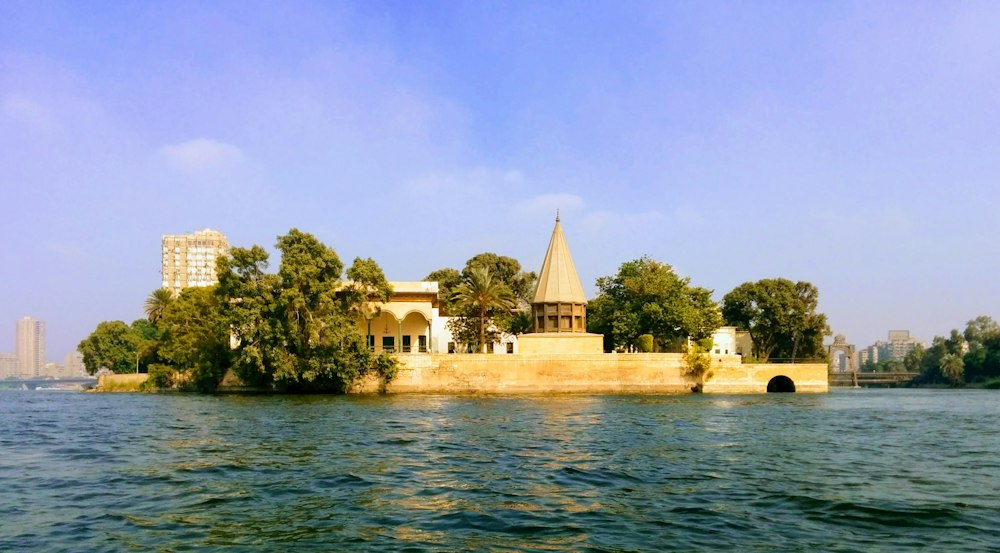
On the southern tip of Roda Island, a stone well sheltered by a conical roof holds a marked octagonal column that measured the rise of the…
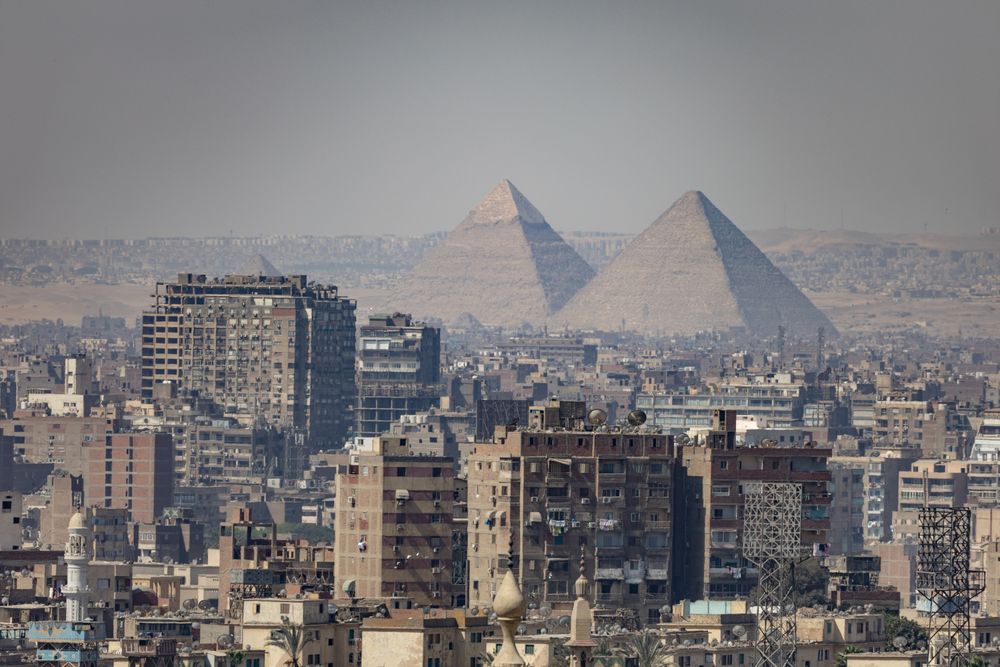
Giza is a city of several million on the west bank of the Nile, continuous with Cairo, and its last apartment blocks stop at the foot of a…
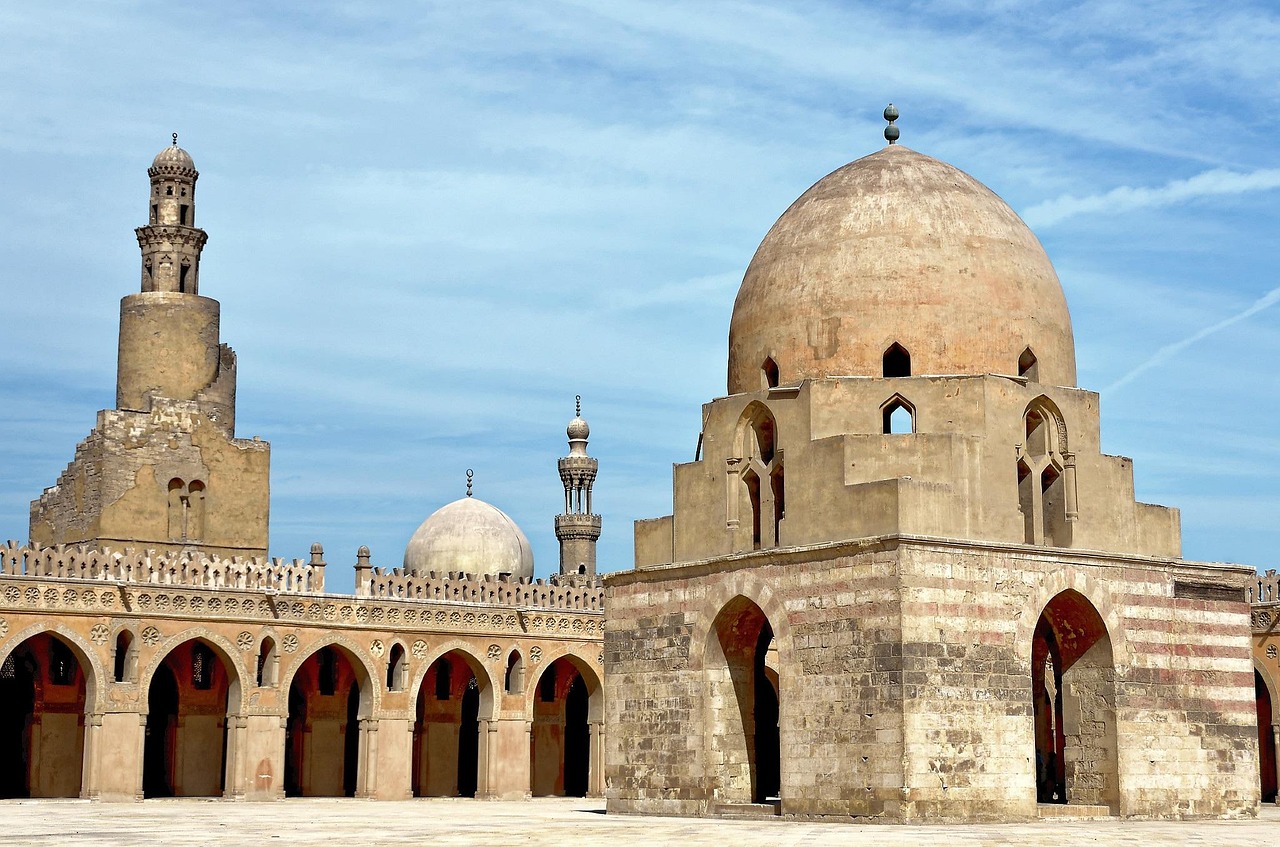
Completed in 879, this is the oldest mosque in the city still in its original form: a huge brick courtyard ringed by pointed arcades, built…
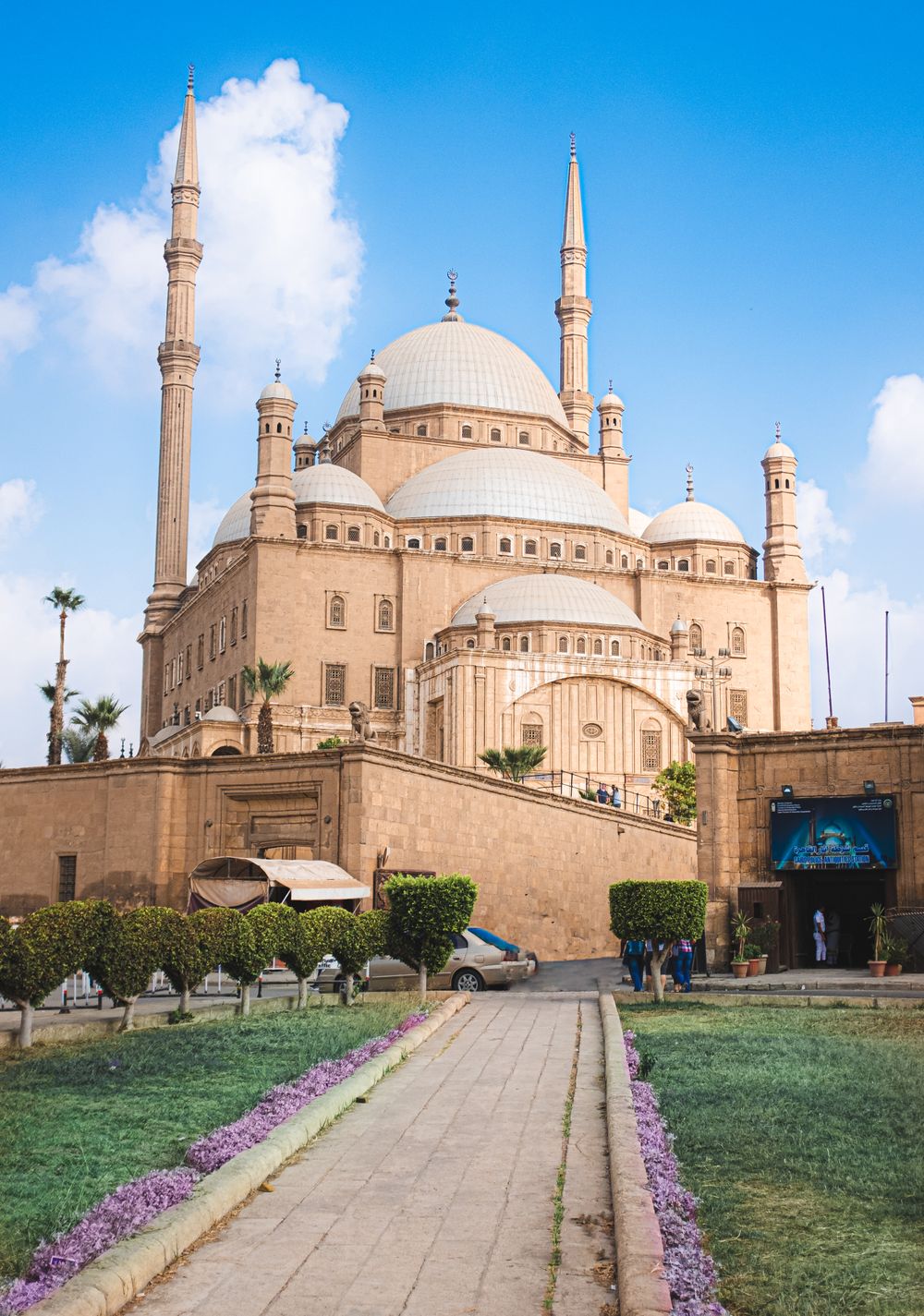
The Ottoman silhouette on top of the Citadel, domes and two pencil minarets, was finished in 1848 for the Albanian-born governor who…
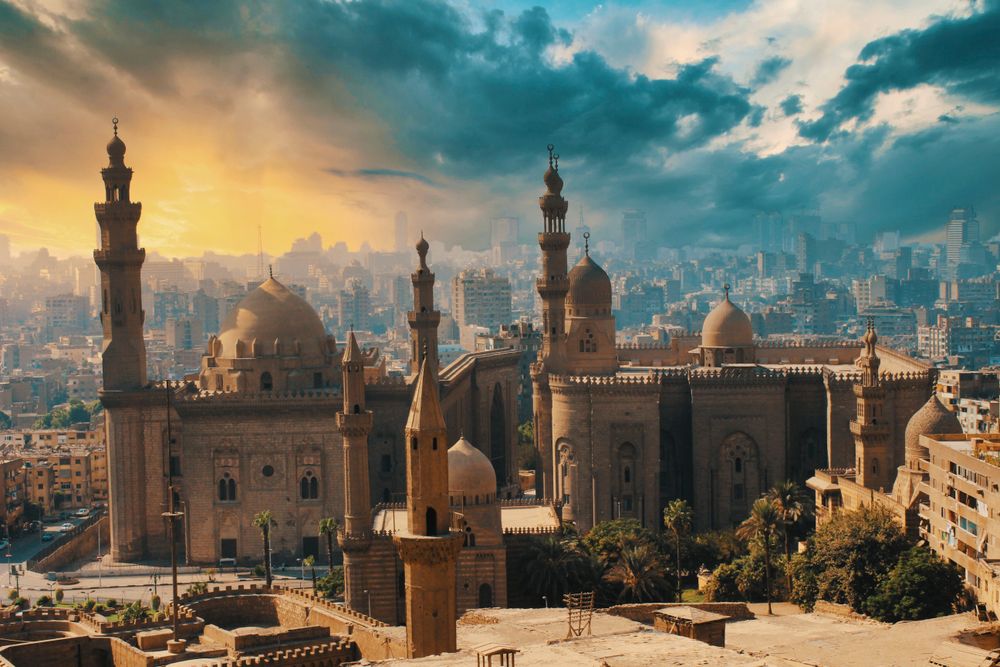
A Mamluk sultan began this colossal school-mosque in 1356, paid for in part with estates left ownerless by the Black Death, and was…
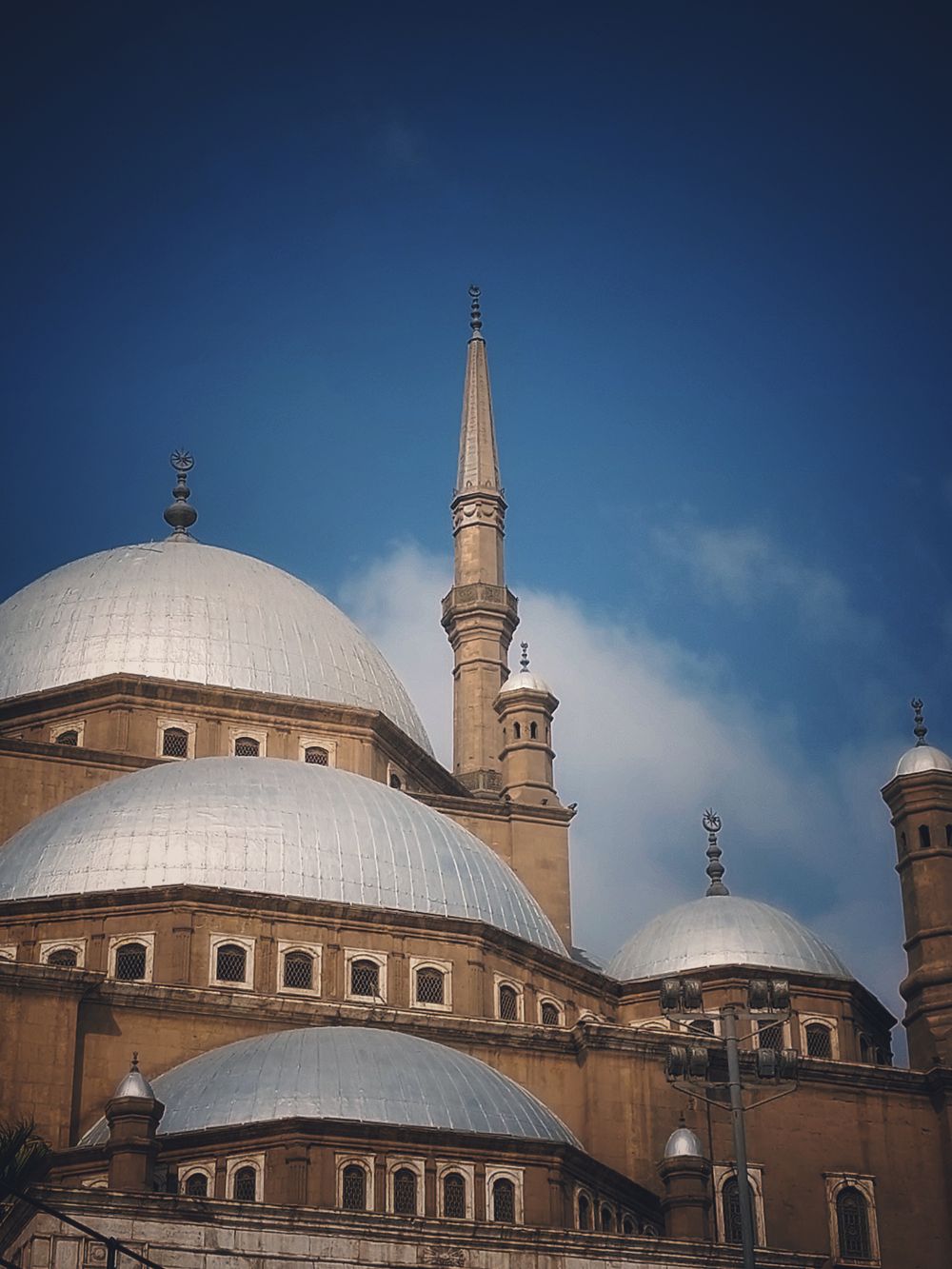
Saladin began these walls in 1176 on a spur of the Muqattam hills, and Egypt was ruled from inside them for nearly seven hundred years. The…
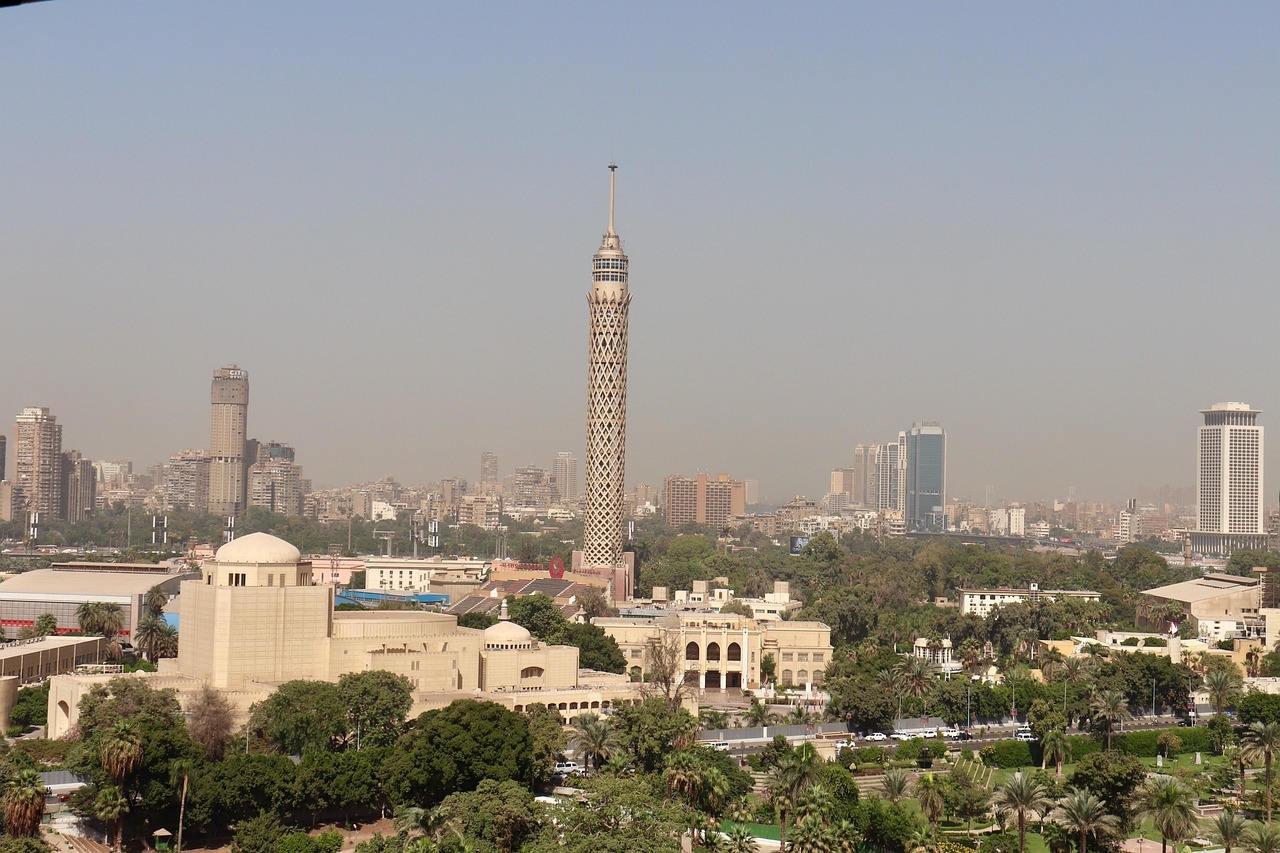
Naoum Shebib's concrete lattice on Gezira Island went up between 1956 and 1961, its open latticework shaped to suggest a lotus stalk. A…
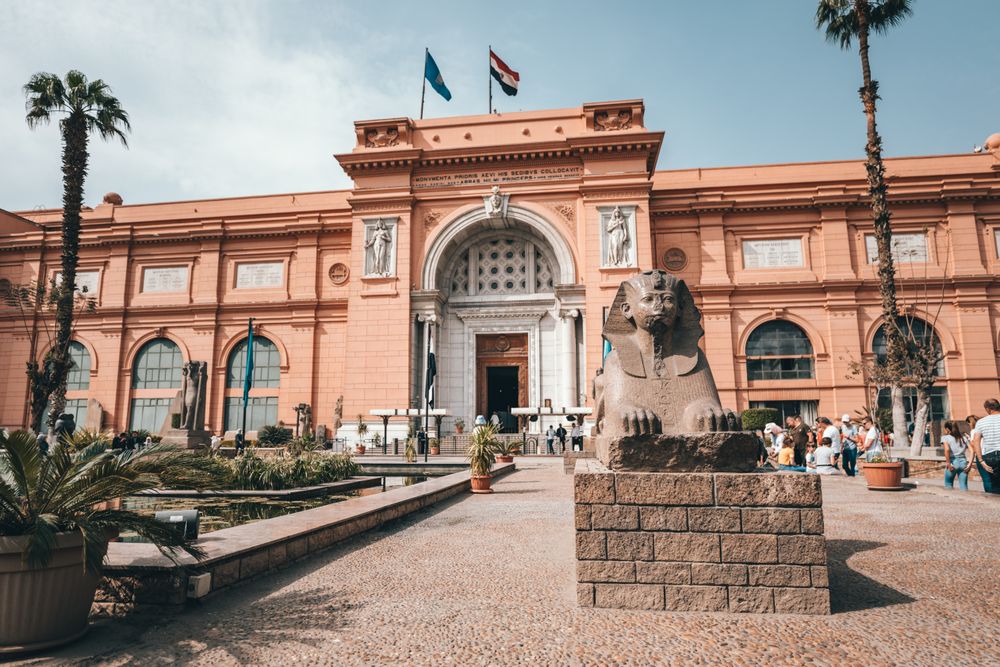
Two floors of the pink building on Tahrir Square hold the Narmer Palette, the treasures of Tanis and the complete burials of Yuya and…




Save Hanging Church to your Egypt trip in the Meridian Dispatch app and build the day around it, with the best of Cairo pinned on one map.
Download on the App StoreLast updated