
There are shaded marble benches around a courtyard here, where you can sit between prayers and where visiting scholars still hold study circles.
Landmark, Cairo. Meridian Dispatch.
Yes, for Muslim worshippers. Any charge for other visitors can change at an active mosque, and it should be confirmed at the entrance on the day of the visit.
Visitors are let in from 09:00 to 17:00 daily. Times can change, so confirm them at the entrance. Access stops at each of the five daily prayers, for about half an hour. The Friday noon closure is longer, from about 11:30 until 14:00 or 15:00.
Yes. Shoulders and knees are covered for men and women, and women cover their hair before going into the hall. Robes can be borrowed by visitors whose clothing does not meet the code.
About 45 to 60 minutes for the building itself, seen independently. A guided visit usually lasts from 90 minutes to two hours, because it also takes in the surrounding streets of Islamic Cairo.
Taxi is the most common way, and the drive from central Cairo takes 20 to 30 minutes. From the Citadel it is 10 to 15 minutes by car. The Al-Azhar bus stop is about five minutes' walk from the mosque.
Partly. The mosque is level with Al-Azhar Street, with no main stairs, and the ground-floor prayer areas are generally reachable. Some historic parts have steps, uneven stone or narrow passages, and the upper levels are not suitable.
This was the first mosque built in the new Fatimid city of Cairo, and only part of that building is still standing. The arches along the courtyard and those of the central aisle in the prayer hall are the originals.
The courtyard is paved in marble and framed by keel-shaped arches with stucco inscriptions. The twelfth-century dome at the entrance to the prayer hall's central aisle is considered the oldest inscribed dome in Egypt, and some of its carvings and Kufic lettering survive.
Inside the hall, marble columns carry the arcades, and the ceiling of the central aisle is raised above the rest. Look up at the arches of that aisle, which carry carved leaves and verses of the Qur'an. The Fatimid mihrab, the niche that marks the direction of Mecca, has a marble column on each side.
The five minarets are all newer than the original building. The Qaytbay tower is the most ornate, with carved stone medallions, and the one raised by Sultan al-Ghuri ends in a double finial.
Before you set out, check that day's Cairo prayer times. Make for the western side of the mosque and the Gate of the Barbers (Bab al-Muzayyinin); if it is closed, ask there for the visitors' way in. Cars can drop you at the western end of Al-Azhar Street.
Go into the courtyard first and find a bench in the shade of the arcade. Look up towards the corners, because this is where the towers are seen best.
Take your shoes off before the prayer hall. There is a storage shelf, and plastic bags are provided if you would sooner carry them.
Walk the central aisle to the mihrab, then return to the courtyard. Afterwards Khan el-Khalili is five minutes away on foot through the alleys.
Carry a light scarf even if you are dressed for a mosque, since the supply lent at the door is limited. A small tip for the shoe keeper is customary but not compulsory, so keep some coins in a pocket.
Keep your camera away from worshippers, including outside the prayers. Ask at the entrance whether photography is allowed inside the hall.
With half a day, pair the mosque with the Museum of Islamic Art, ten minutes' walk to the west.
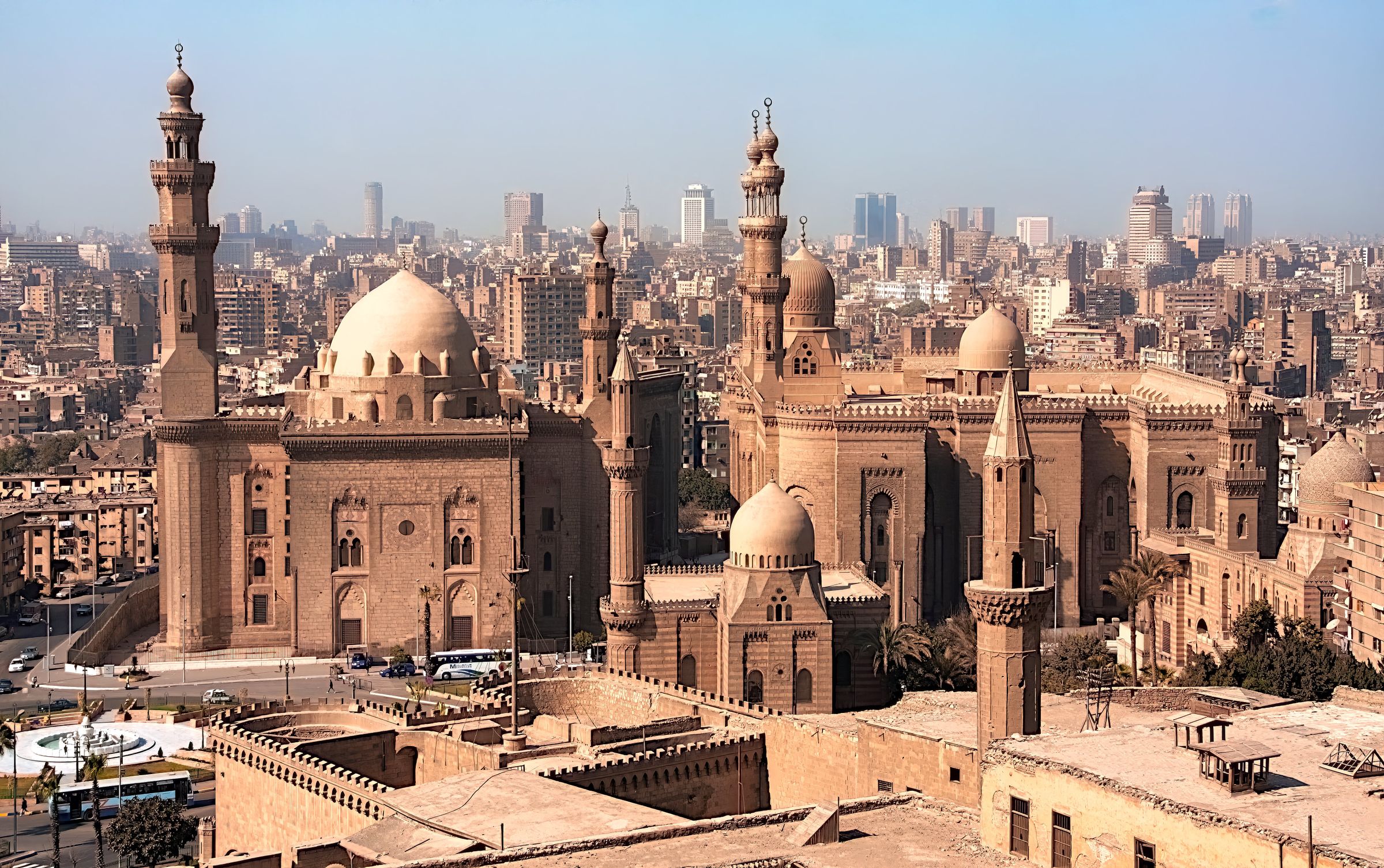
Book four days in Cairo and spend three of them in the old city, staying downtown or in Zamalek, because the pyramids at Giza need the fourth to themselves. On the Citadel day, climb the minaret of Ibn Tulun for the view.
Read the Cairo guideExplore the rest of Cairo
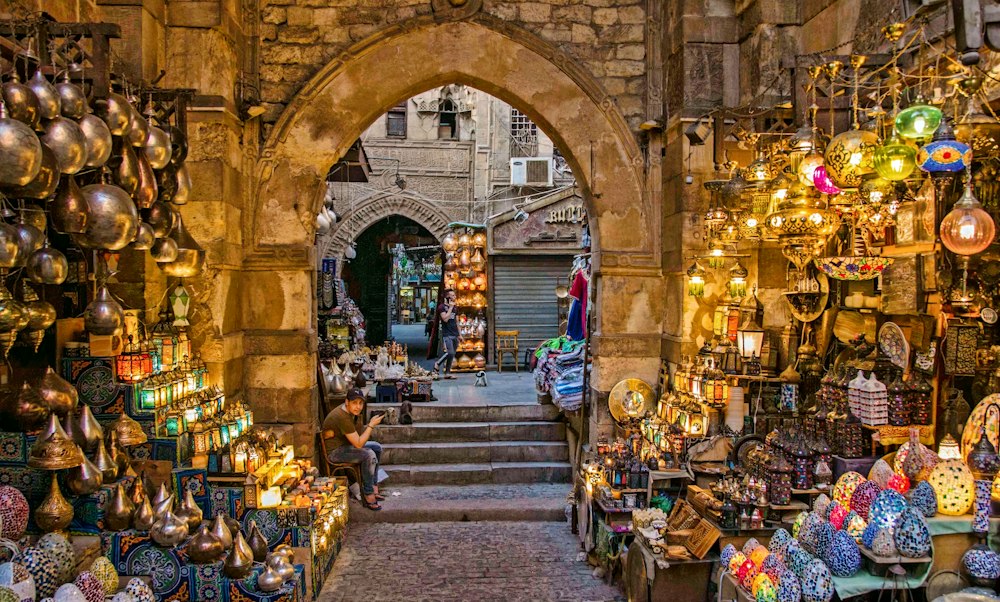
A trading quarter since a Mamluk emir built a caravanserai here in 1382. The lanes nearest the Hussein mosque sell souvenirs; a few turns…
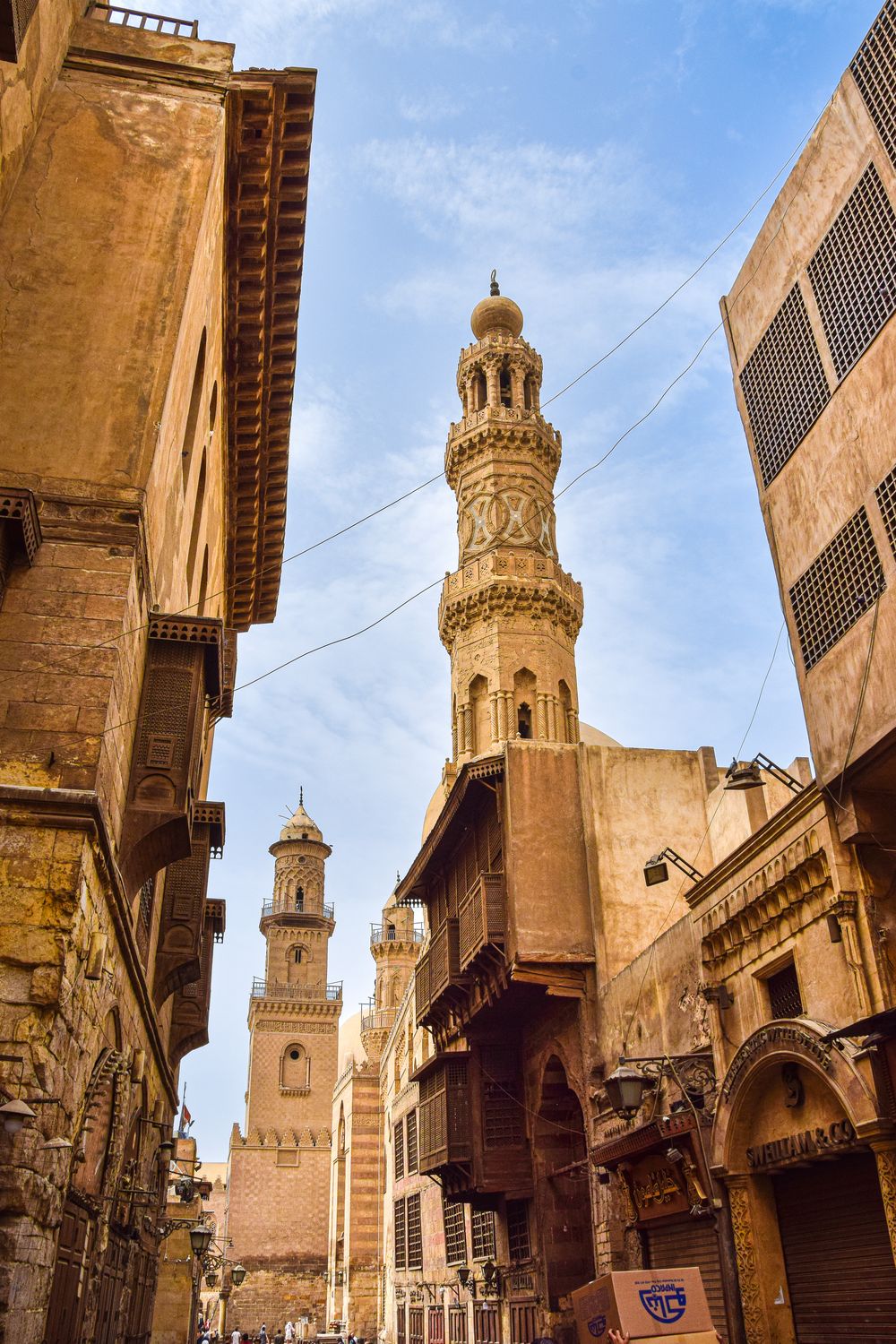
The spine of the Fatimid city, running a kilometre from the northern gate of Bab al-Futuh to Bab Zuweila in the south, with the densest run…
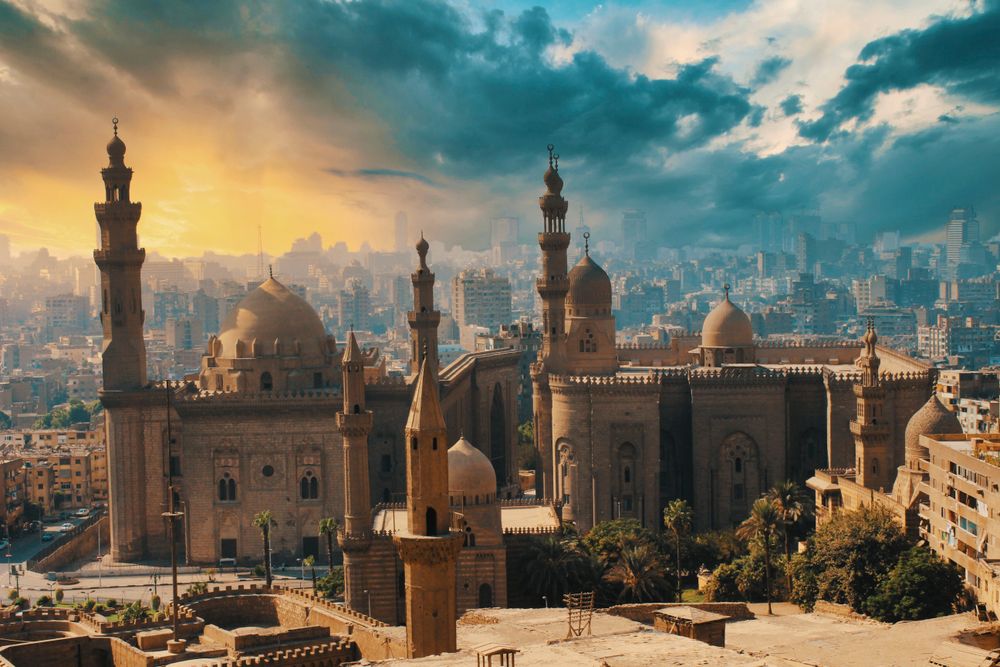
A Mamluk sultan began this colossal school-mosque in 1356, paid for in part with estates left ownerless by the Black Death, and was…
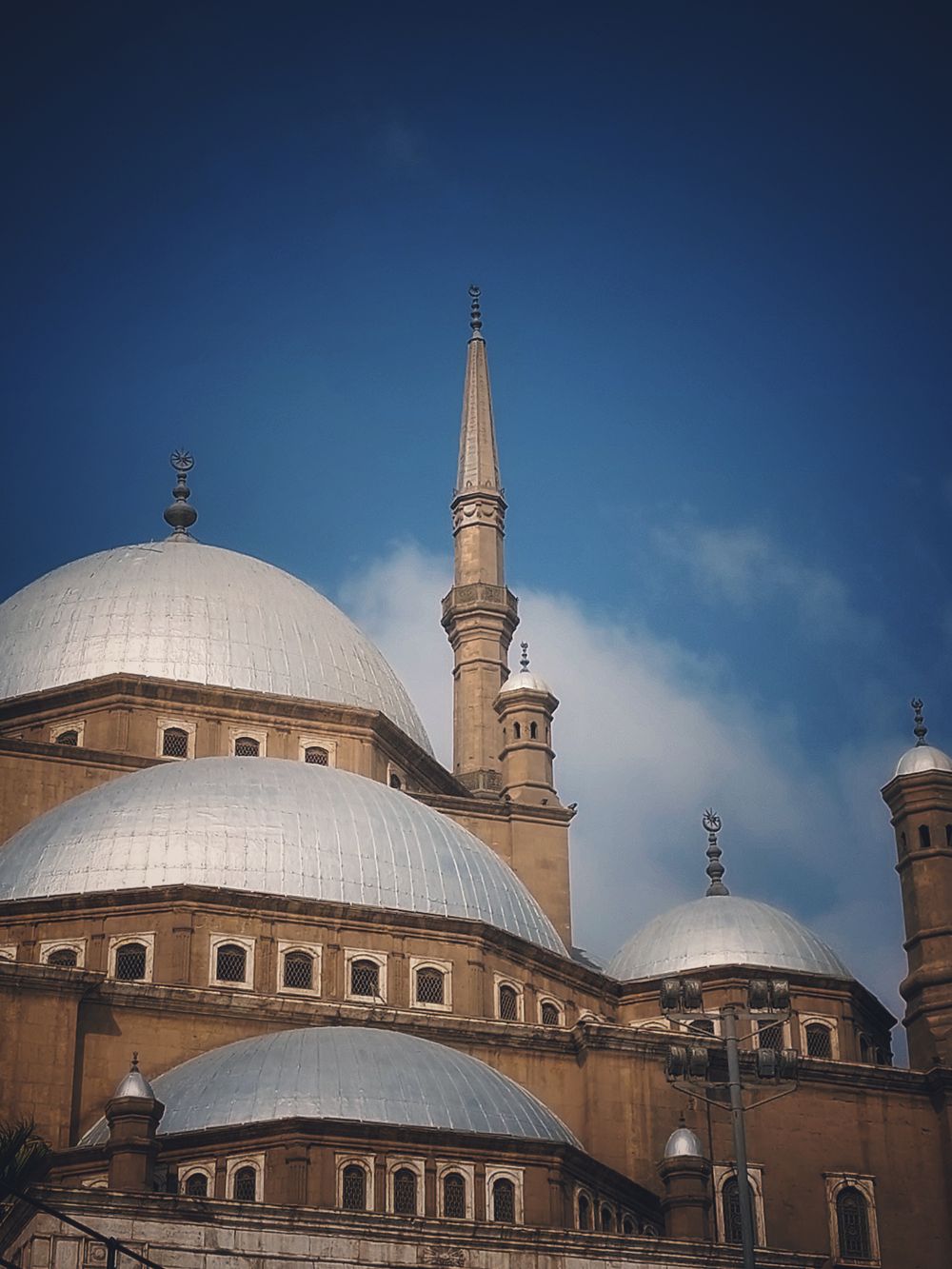
Saladin began these walls in 1176 on a spur of the Muqattam hills, and Egypt was ruled from inside them for nearly seven hundred years. The…
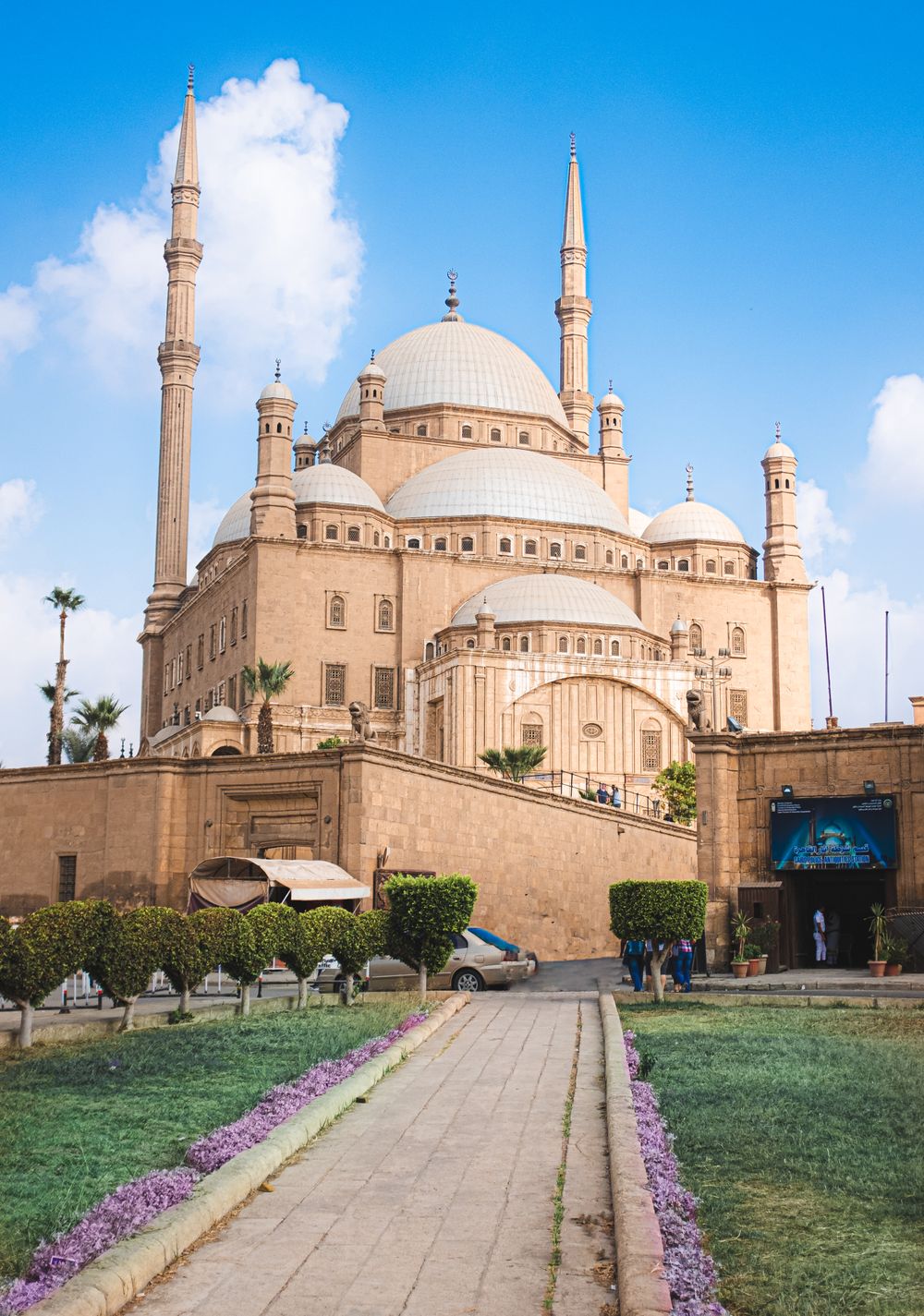
The Ottoman silhouette on top of the Citadel, domes and two pencil minarets, was finished in 1848 for the Albanian-born governor who…
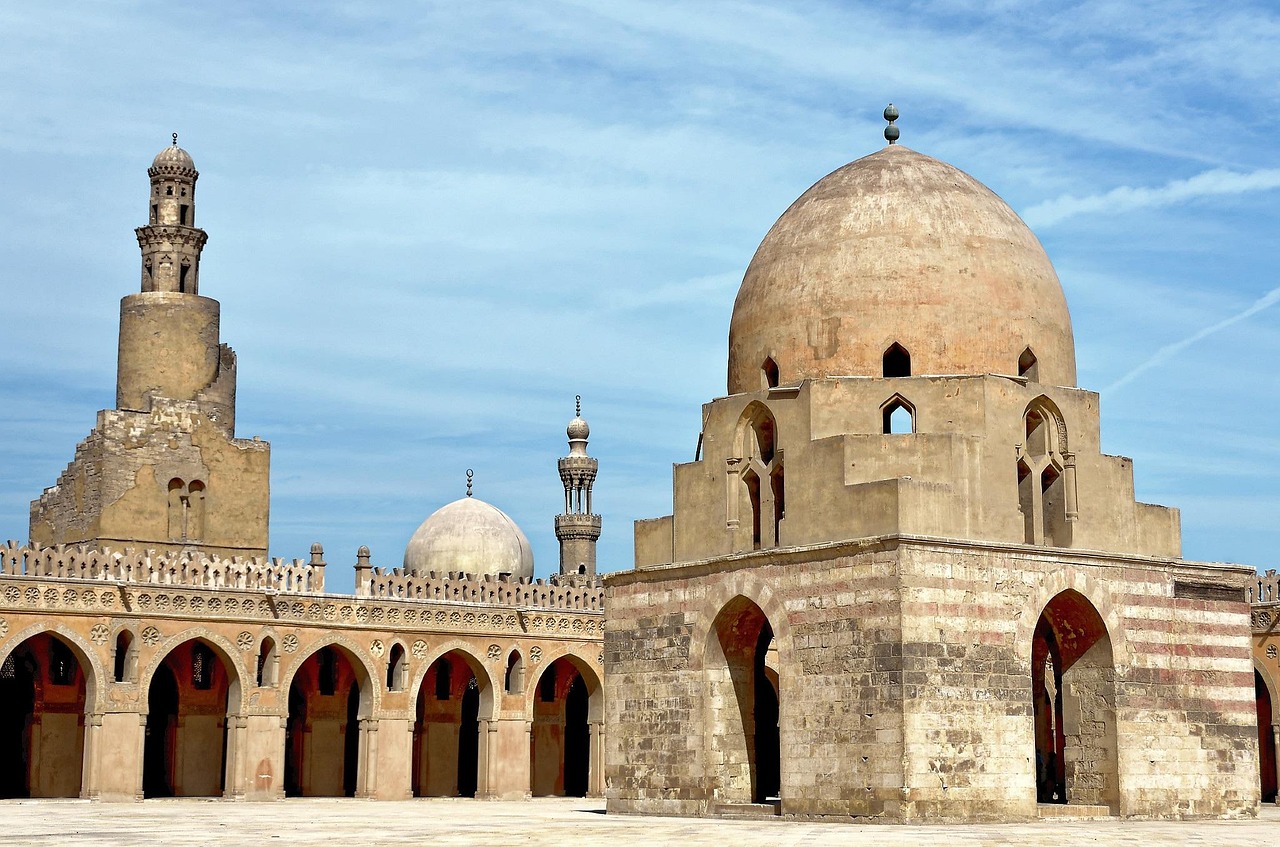
Completed in 879, this is the oldest mosque in the city still in its original form: a huge brick courtyard ringed by pointed arcades, built…
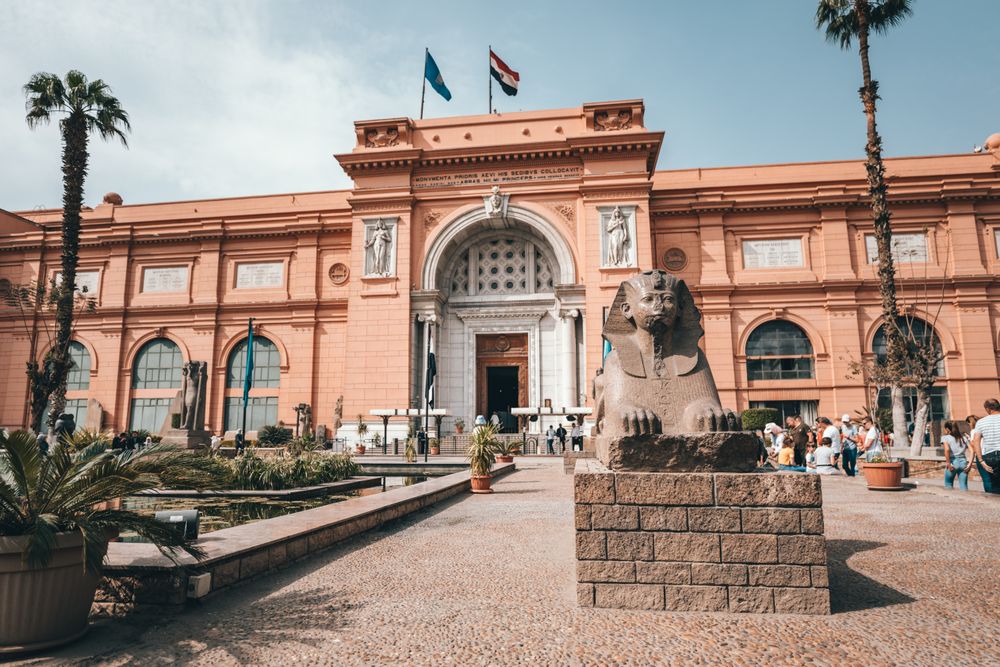
Two floors of the pink building on Tahrir Square hold the Narmer Palette, the treasures of Tanis and the complete burials of Yuya and…
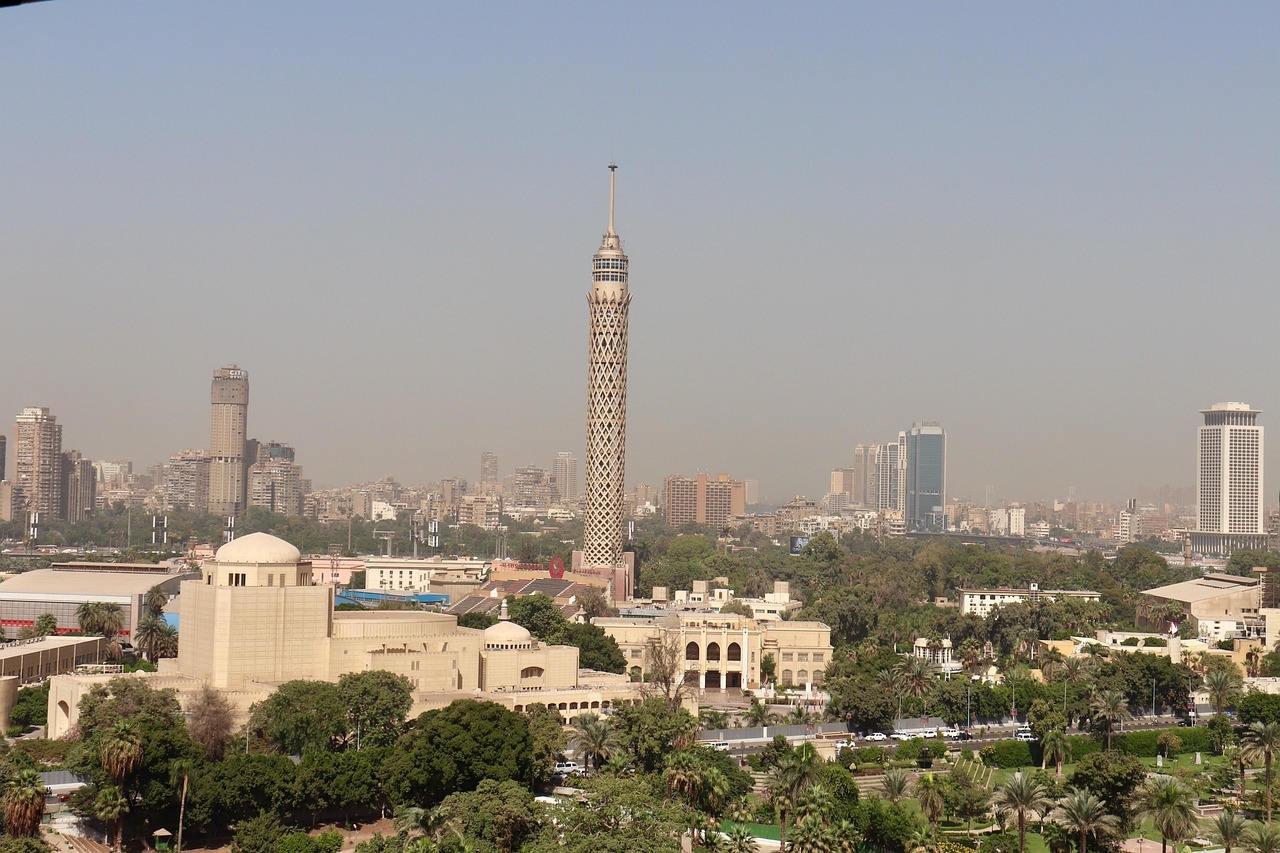
Naoum Shebib's concrete lattice on Gezira Island went up between 1956 and 1961, its open latticework shaped to suggest a lotus stalk. A…




Save Al-Azhar Mosque to your Egypt trip in the Meridian Dispatch app and build the day around it, with the best of Cairo pinned on one map.
Download on the App StoreLast updated