
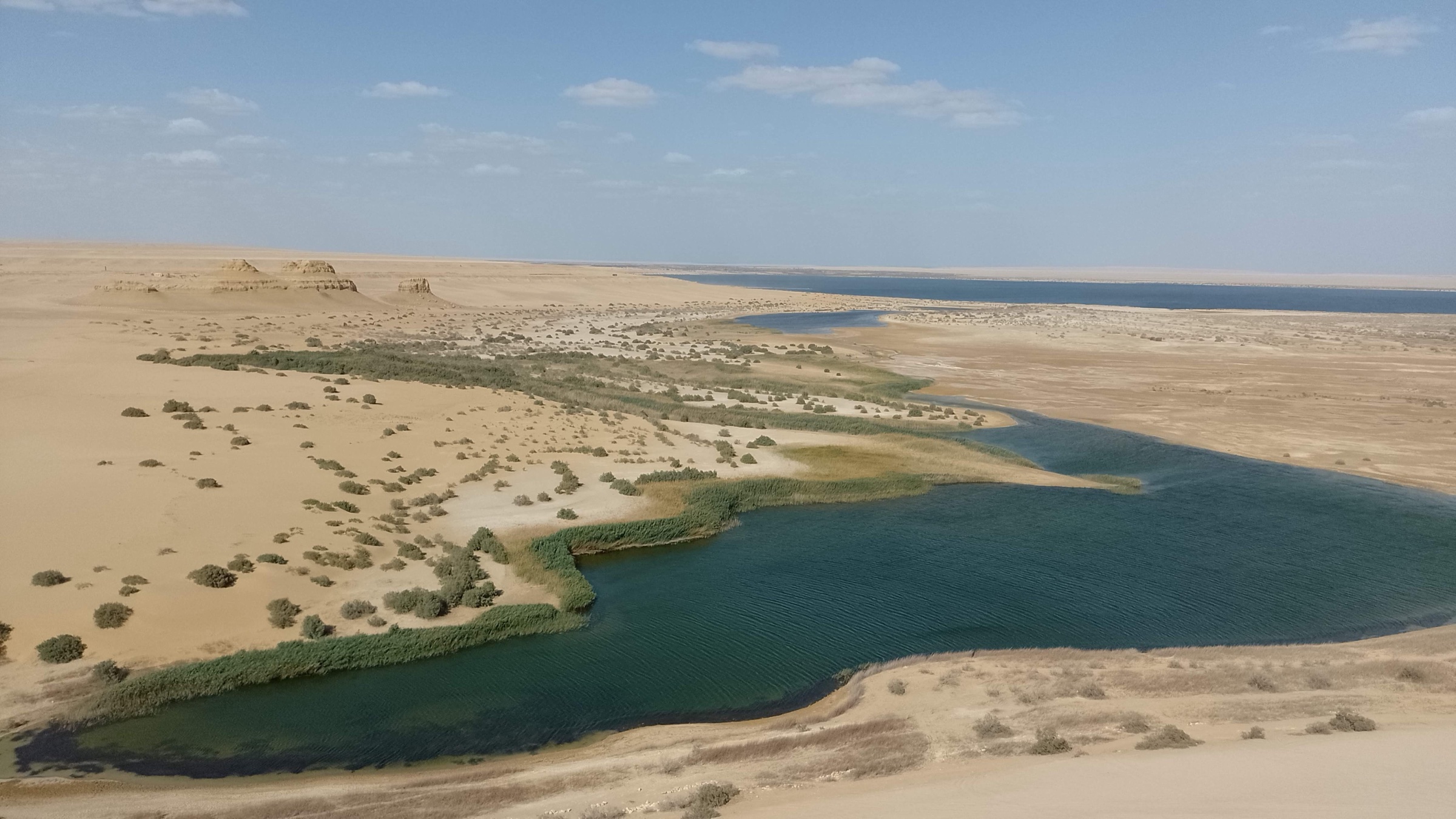
Beside the falls between Wadi El Rayan's two lakes, you stand in the Western Desert and watch water drop from one to the other. You can also sandboard on the dunes and look over sand and water from Mudawara Mountain.
Park, Fayoum. Meridian Dispatch.
The reserve lies about 65 km southwest of Fayoum city. One option is to hire a licensed desert driver with a 4x4 in Tunis Village, who can take in the falls and Magic Lake. Not every paved section needs a 4x4, but Magic Lake and the dunes are easier with one.
It is known for its waterfalls, two desert lakes and the Wadi Al-Hitan World Heritage site, where the skeletons of the earliest whales lie in a strictly protected zone.
Yes. A trip that goes on to Wadi Al-Hitan needs two tickets, because the drive there passes through Wadi El Rayan. Ask the driver which fees the trip includes.
From Cairo, about 150 km away, give it a full day with several stops. Independent travel makes more sense with an overnight stay in Fayoum, and with time to spare, than as a day return.
The months from October to April work best. Summer visits are possible, but the high temperatures of those months make walking, dunes and viewpoints harder, so keep out of the midday sun.
Only in some places. Parts of the lakes and the falls are unsuitable for swimming, so read the local signs and ask the guide before going in. Pack a towel, swimwear and a change of clothes if the tour includes a swim.
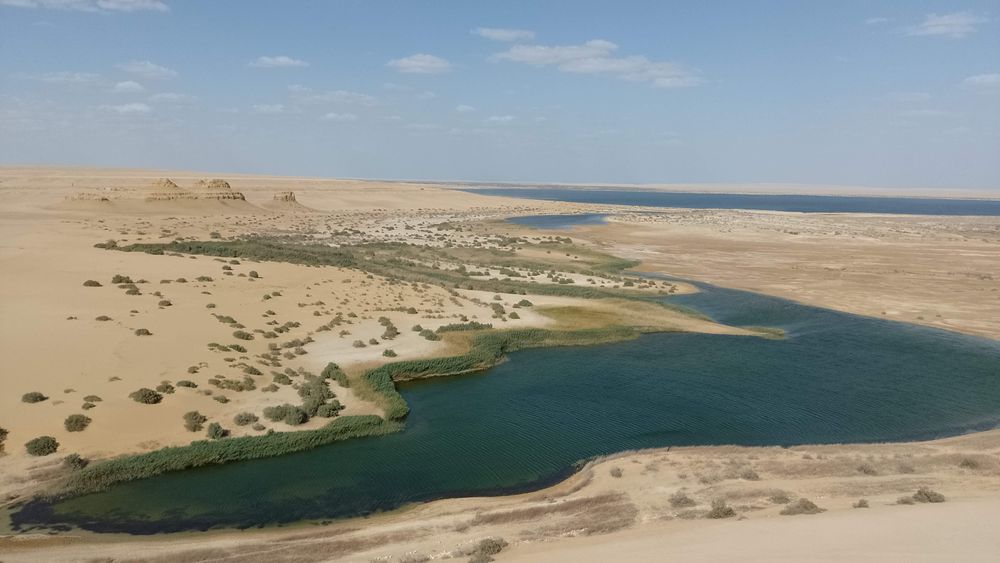
The reserve holds two large lakes in one of the driest parts of Egypt, joined by a swampy channel. Both are man-made: since 1973 they have taken the surplus irrigation water from Fayoum's farms.
There are three falls, on the stream that links the lakes. They are considered the largest in the country, but do not expect a giant mountain cascade.
One of the lakes is surrounded by dense vegetation. Wintering ducks and shorebirds use the water, and herons, storks and birds of prey pass through on migration.
Mudawara Mountain is a high circular plateau. Three pyramid-shaped hills face it, with a tongue of the lake running between them.
Farther on, at the southern side of the lower lake, three sulphur springs rise among moving dunes. Nobody lives at this oasis.
Day tours usually stop first at Magic Lake, where you can try sandboarding on the dunes, and reach the falls afterwards. From there they continue to Mudawara for the view.
The falls are at the north of the lower lake. Around them is the Waterfall Area, the main place to stop, a beach strip of about one kilometre. A tarmac road runs round both lakes.
Some tours go on to Wadi Al-Hitan, the fossil whale valley in the same reserve, and finish in Tunis Village. Agree the stops with your driver before you set out.
Pick a gentle dune if you are new to sandboarding, and skip the steep ones if you have knee trouble or a recent injury. You walk back up after every run.
The Mudawara viewpoint needs no climbing experience. Carry water, a hat, sunscreen, cash and tissues, and add a warm layer in winter.
Stay in Tunis Village, above Lake Qarun, and you have pottery workshops and the shore within a walk. The desert beyond has waterfalls, dunes and fossil whales lying in the sand.
Read the Fayoum guideExplore the rest of Fayoum
A broad green basin in the Western Desert, watered by a Nile canal and edged by a salt lake that lies 43 metres below sea level, with…
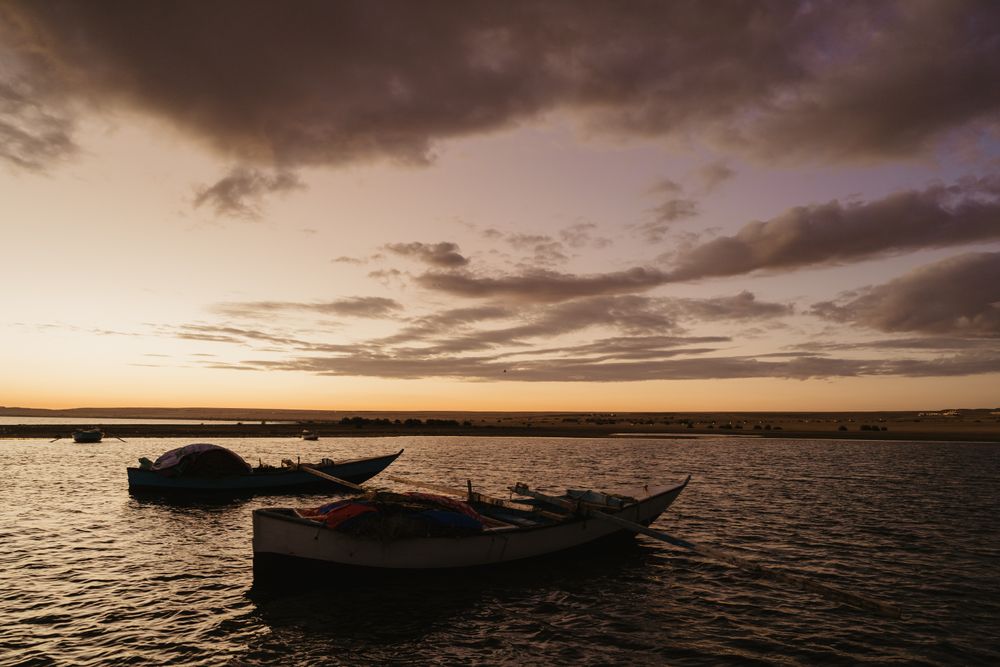
What remains of ancient Lake Moeris is a salty lake of about 200 square kilometres in the Fayoum oasis. It is a protected wetland, and…
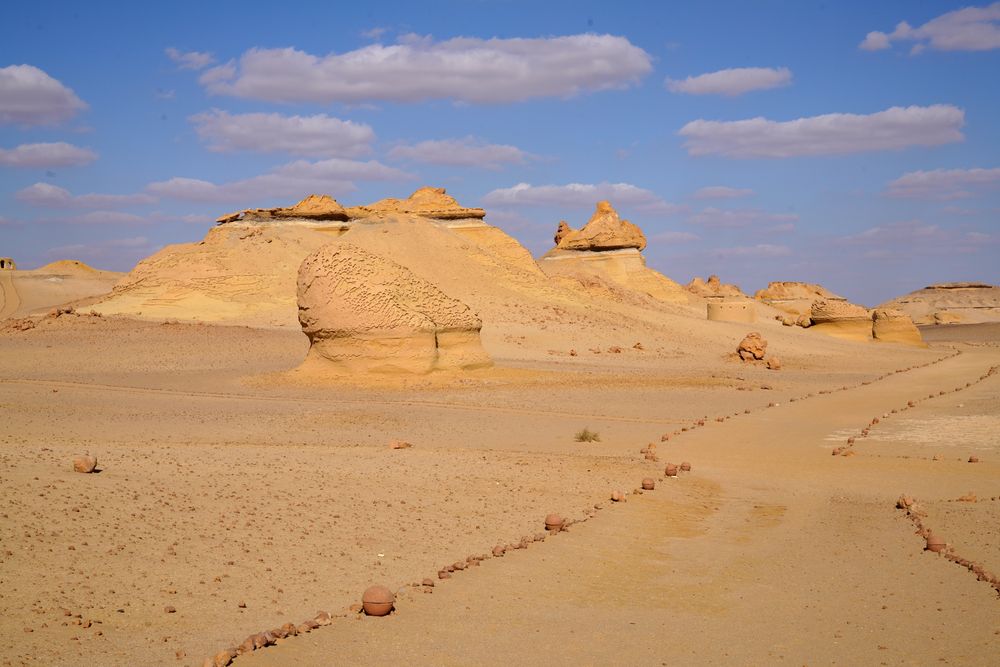
Around 40 million years ago this valley lay under a shallow sea, and its sandstone now holds hundreds of whale and sea cow skeletons, among…
Ringed by tall yellow dunes in the Wadi El Rayan protected area, this small lake takes its name from water that shifts from turquoise to…
Lazib Inn has 21 suites in Tunis Village, the pottery village on the slopes above Lake Qarun in Fayoum, about two hours' drive southwest of…
At the western tip of Lake Qarun, inside the ruins of the Ptolemaic frontier town of Dionysias, stands a well-preserved stone temple to the…
Founded under Ptolemy II in the third century BC, this farming town on the northeastern edge of the oasis spread over some 60 hectares of…
Rising from the desert edge some 70 kilometres south of Cairo, this pyramid lost its outer casing in antiquity and now stands as a steep…




Save Wadi El Rayan to your Egypt trip in the Meridian Dispatch app and build the day around it, with the best of Fayoum pinned on one map.
Download on the App StoreLast updated