 Submit a photo
Ninety seconds on Elafonisi
One guide puts the colour down to millions of crushed sea shells mixed into the sand. The shade varies from visit to visit, and it is strongest in the coves and around the rocks.
By car it is 83 km, an hour and a half to two hours, through Kissamos and the Topolia Gorge, with some tight winding stretches. One guide reports several buses a day from Chania in spring and summer, stopping at the top of the hill under ten minutes' walk from the beach. Services thin out from the middle of October.
Yes. Visitors wade across the shallow lagoon from the mainland beach to the island. The depth changes from day to day, from ankle deep to above the knee, so bags are often carried on shoulders.
No. Plants, shellfish and even empty shells must stay in the reserve, and a large sign on the beach warns that removing sand can bring heavy fines.
Late May through June, or late September through late October. The water is normally warm enough to swim in those weeks, and the beach is far less busy than in high summer.
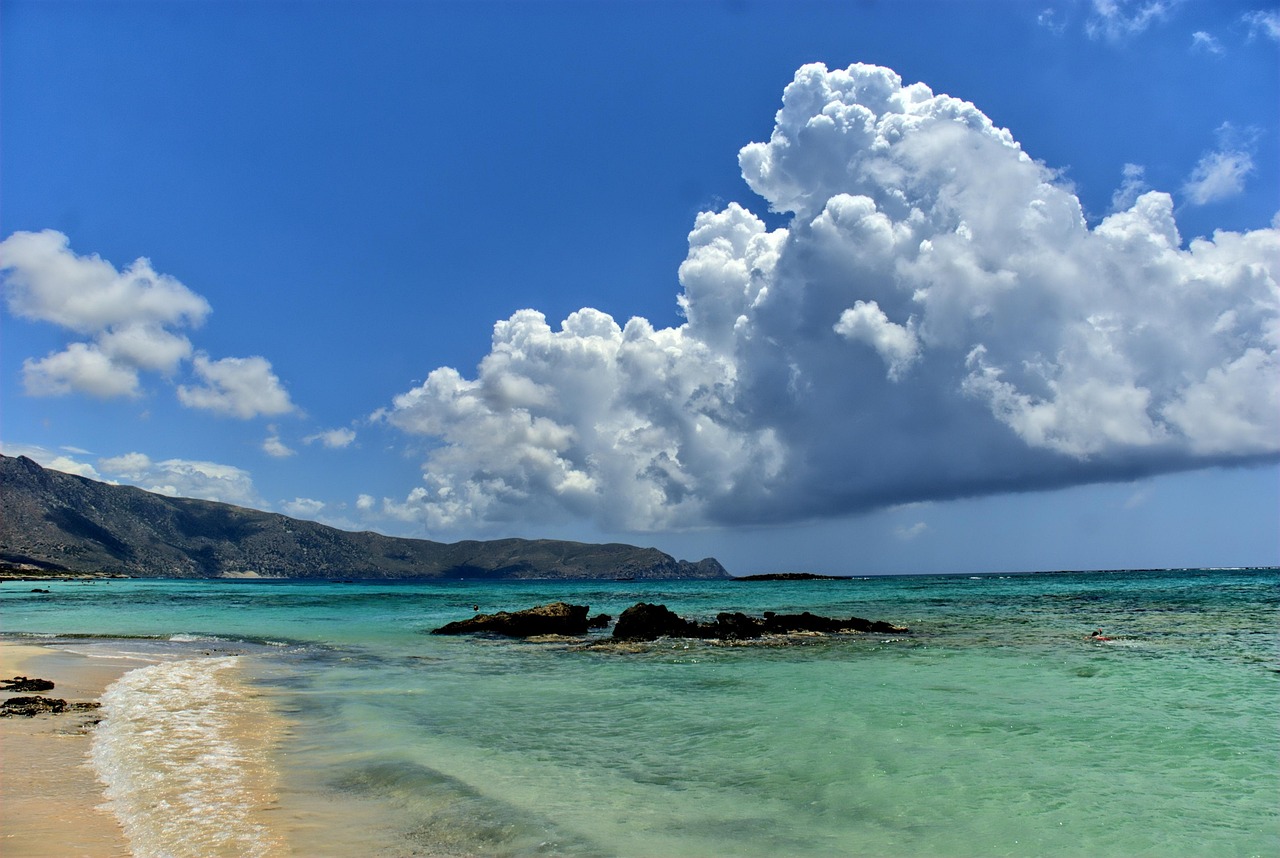
You can wade across a shallow lagoon to a protected island, then spend the day on pink-tinged sand in its quiet coves.
The colour gathers around rocks on the shoreline, and one rocky outcrop about halfway along the beach holds the most. One guide describes the shade as somewhere between coral and salmon pink, softer than the fuchsia of many widely shared photographs. Against the clear turquoise water of the lagoon it stands out.
The island beyond the lagoon has several more of these beaches and a small chapel at its far end. Sea daffodils and other protected plants grow there, and the island with the beach facing it forms a Natura 2000 reserve.
Endangered loggerhead sea turtles live in the reserve or visit it often.
Balos and Falassarna, further north on the same coast of Crete, also have some coloured sand. Elafonisi usually has by far the most of the three.
Drivers leave the car in the car park above the beach and walk down. Tours drop you further down, closer to the sand. Transport and tours start winding down from the middle of October, so check before a late-season trip.
The mainland beach comes first, with beach bars, snack bars and cafes selling drinks and food. There are toilets, though the facilities are poor.
From there the island is a short wade away across the lagoon. Spend the rest of the day on its coves, then wade back before the drive home.
Visitors report no shade anywhere on the beach, so bring a sun hat, sun cream and enough water for the whole stay.
The beach is exposed to strong winds, so check the forecast before you set out.
If you are staying on the south coast, a catamaran from Paleochora sails to Elafonisi and Kedrodasos through the summer, usually into October, and spares you the mountain road.
Explore the rest of Chania
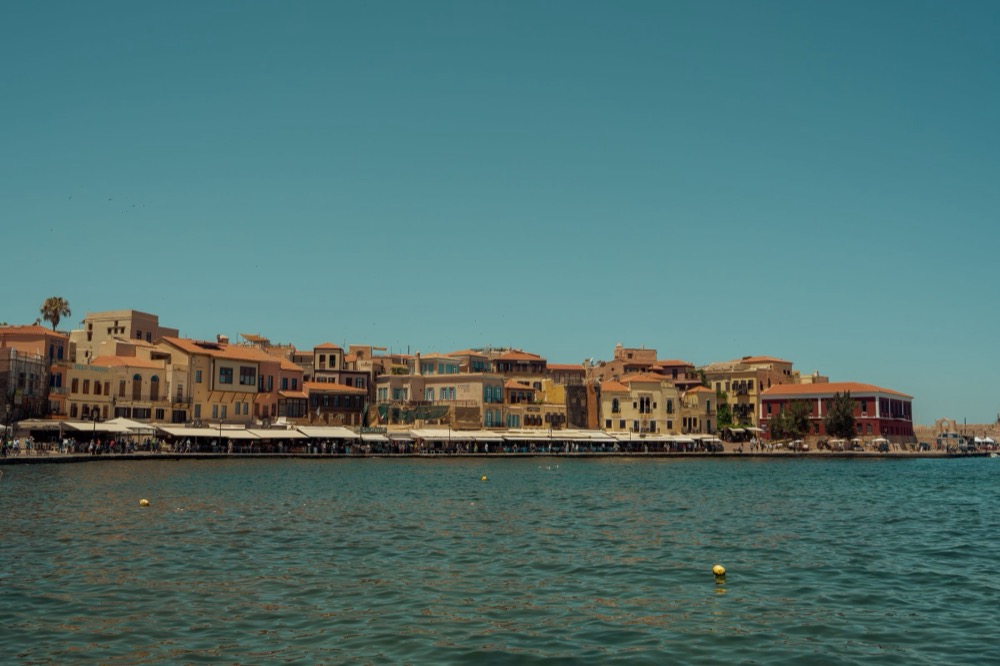
A Venetian harbour wrapped in Ottoman domes and a stone lighthouse makes this the prettiest old town on Crete. It is also the natural base…
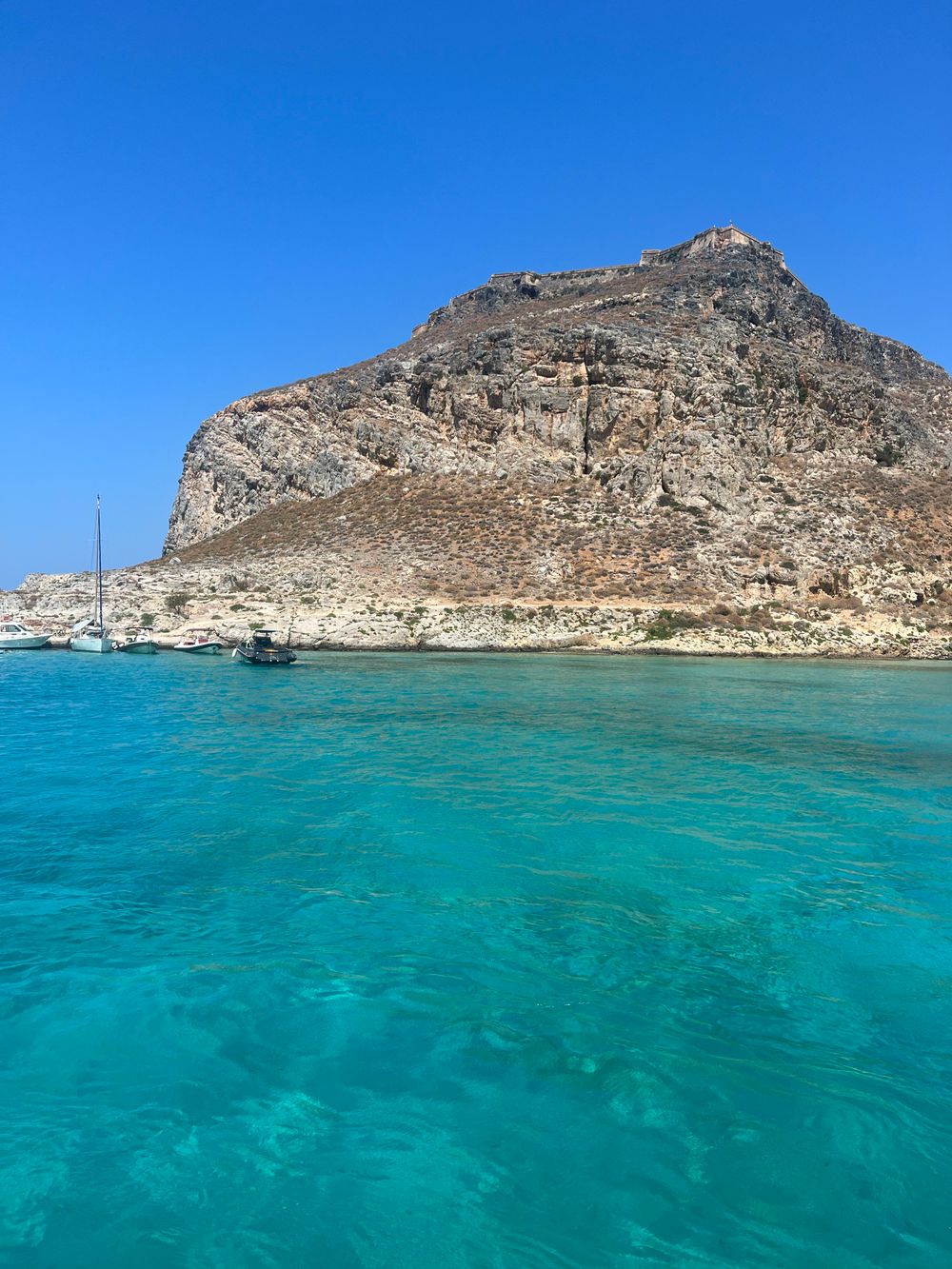
The bare peninsula at Crete's north-west tip, with the shallow turquoise lagoon of Balos on its western side. Day boats run from the port…
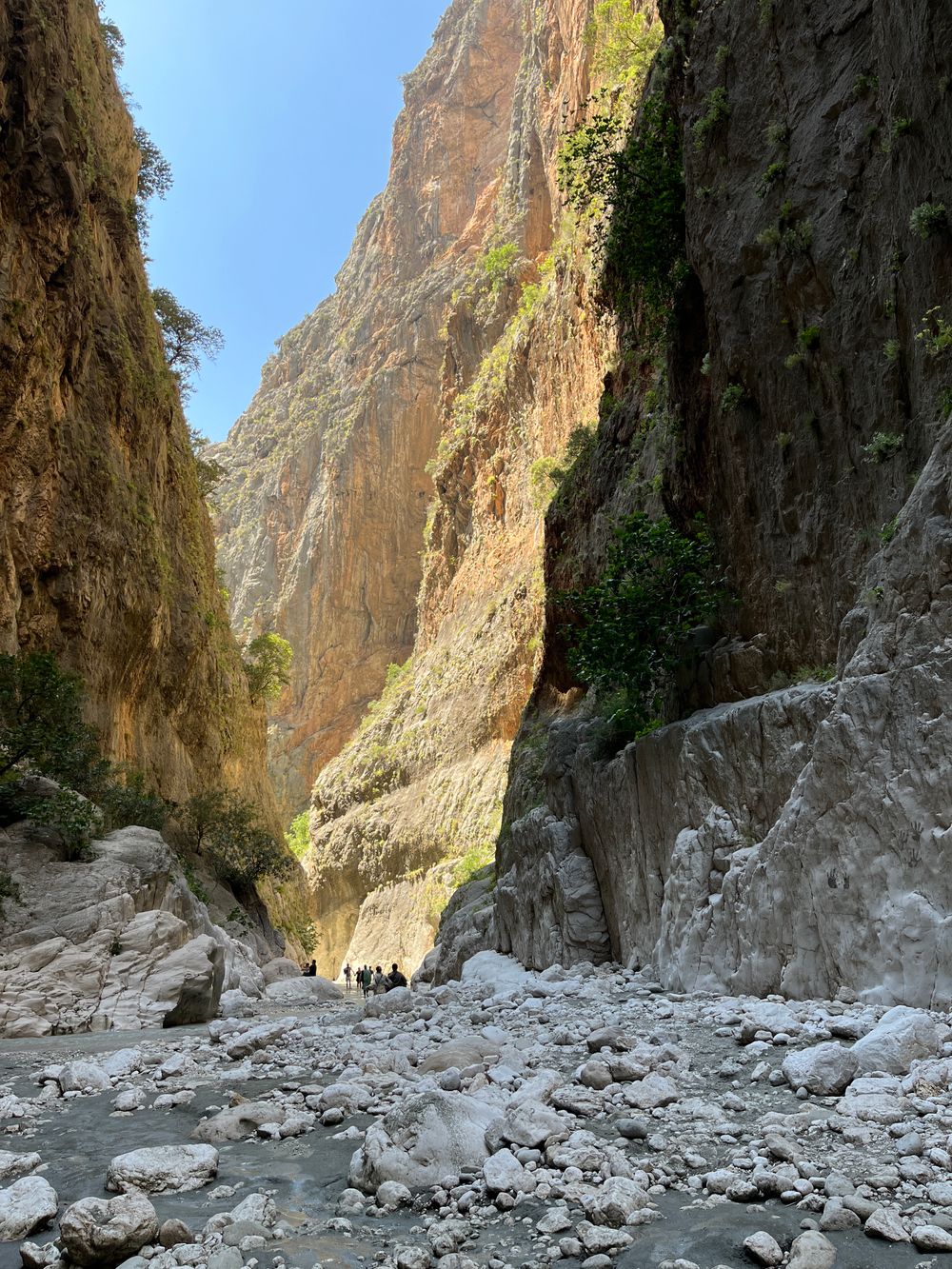
A national park walk of about 16 km from the Xyloskalo entrance at 1,250 m down to Agia Roumeli on the Libyan Sea. The trail passes an…
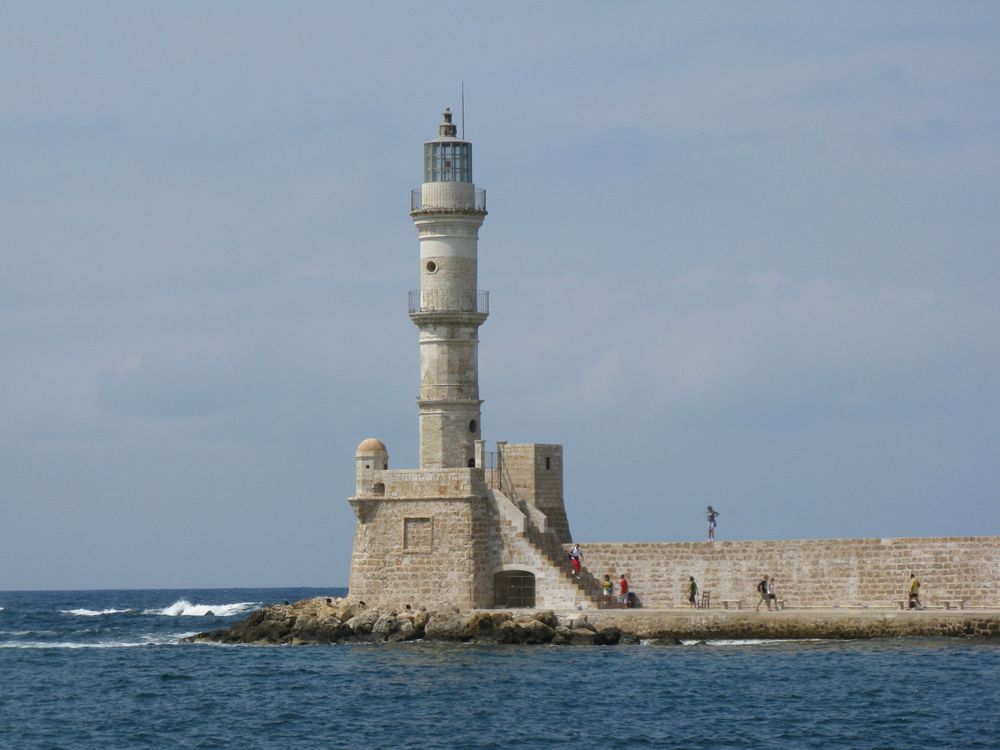
A pale stone tower at the tip of the breakwater, guarding the mouth of the old harbour. The Venetians built the first light here, and the…
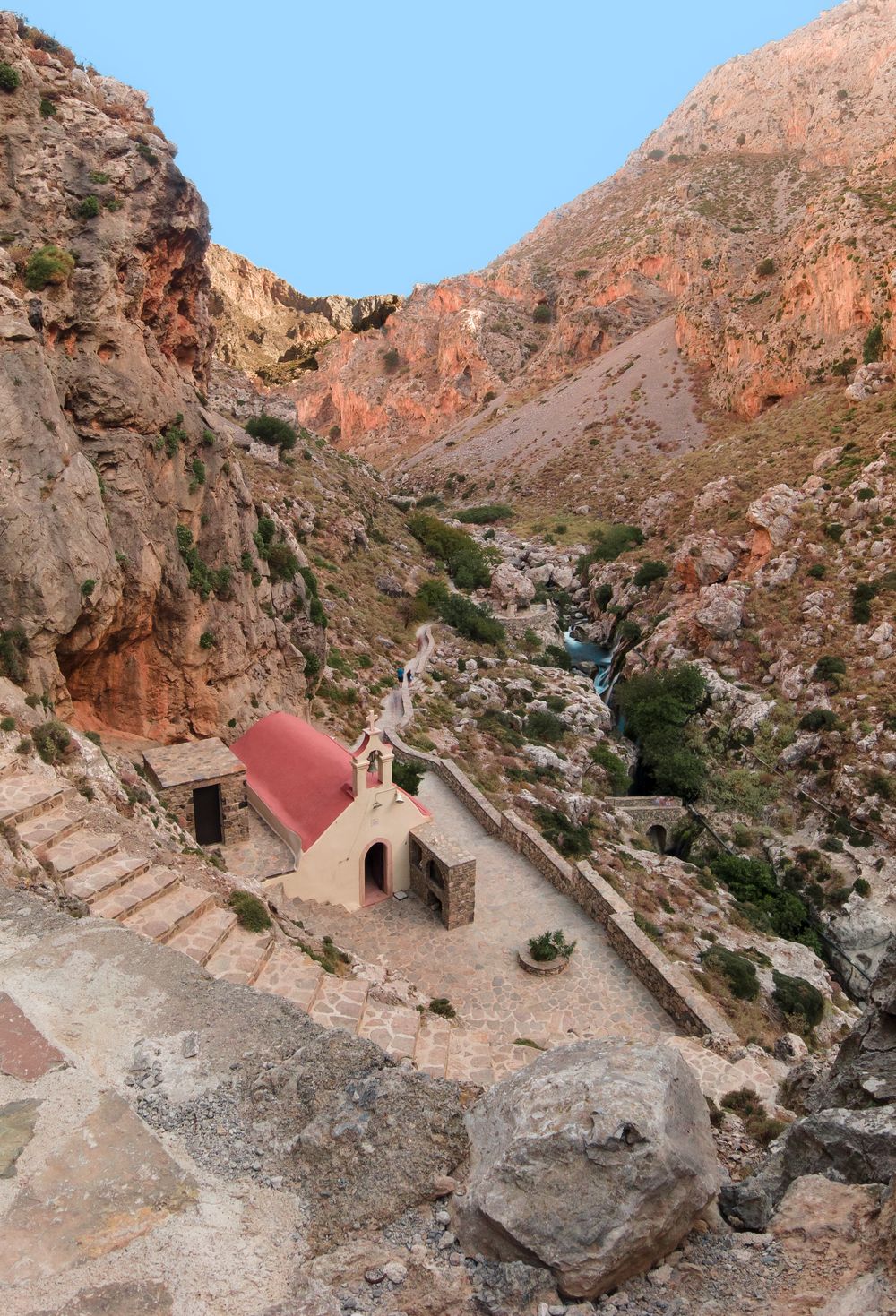
The road south to Plakias and Preveli threads through this narrow limestone gorge, its walls rising sheer on both sides. From a lay-by, a…
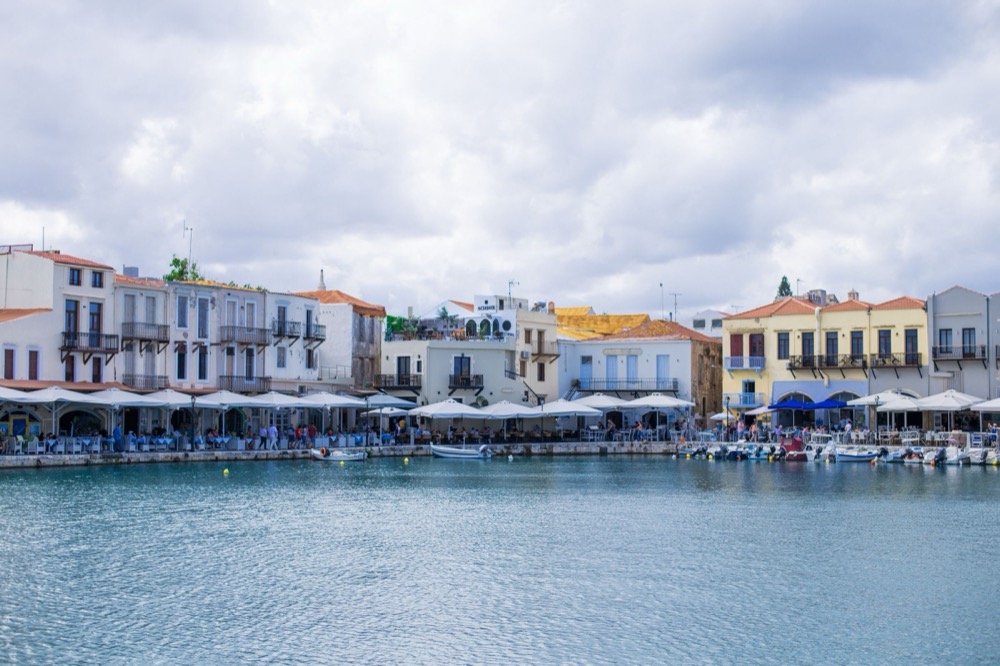
Midway along Crete's north coast, a compact Venetian and Ottoman old town sits under a hilltop fortress, with a long sandy beach running…
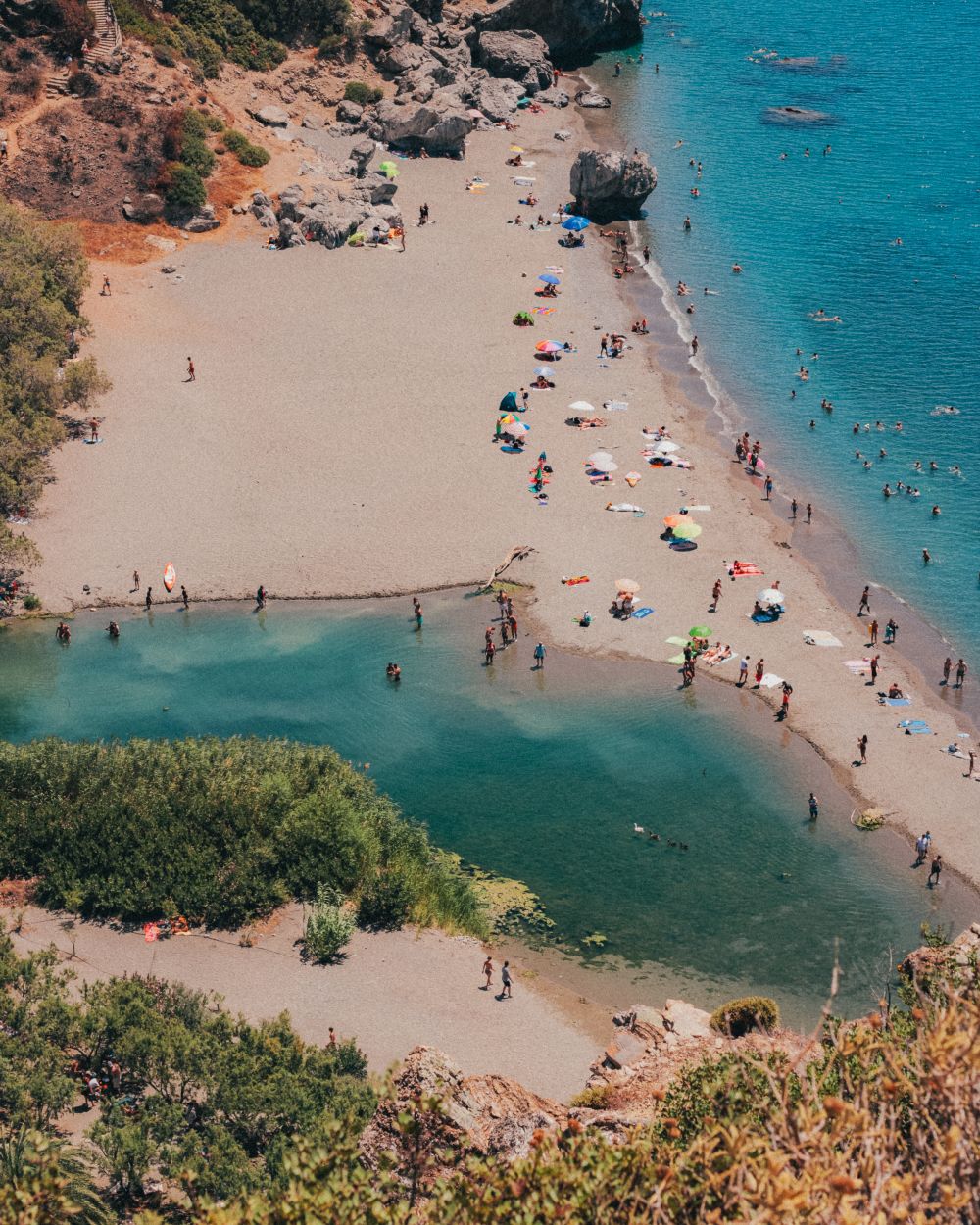
A river runs out of the Kourtaliotiko gorge through a grove of wild palms and meets the sea across a strip of sand and pebbles. Walkers can…
Last updated