 Submit a photo
Ninety seconds on Gramvousa
Yes. A narrow, bumpy dirt track runs from Kaliviani to a car park on the hillside above the lagoon, and a higher-clearance car handles the rocks better. A steep path, mostly stairs, drops to the sand in 20 to 30 minutes. The climb back takes 30 to 45 minutes, with no shade or water on the way.
Gramvousa and Balos lie in a Natura 2000 protected area. Visitor guides to the area list no overnight stays, no free camping, and no fires or smoking near bushes. They also list taking shells, sand, rocks, fossils or plants as banned, and say all rubbish must be carried back out.
One visitor guide counts one to three departures a day in summer from Kissamos, spread across the morning, and each operator sets and publishes its own times.
Two stops, one sailing: a Venetian fort with a view over the turquoise water, then Balos lagoon itself for an afternoon of swimming off pale, shell-flecked sand.
Imeri Gramvousa is a bare islet off the north-west tip of Crete, and a Venetian fort crowns the top of its hill. From the walls you look straight down over Balos lagoon and out to the open sea.
The Venetians built the fort in 1579 to hold off Turkish attack. The rusting hull of the Dimitrios P, a cement carrier that left Evia in late December 1967, now lies in the shallows off the islet.
The water round the wreck is shallow and clear, with excellent visibility, so pack a mask and snorkel.
Balos itself sits on the western side of the Gramvousa peninsula, a sheet of turquoise water over white sand. The pink tint along its edges comes from crushed shell fragments mixed into the sand.
Most morning sailings from Kissamos call at Gramvousa first. Depending on the boat, the crossing takes from under an hour to an hour and a half.
On the islet you get about an hour and a half to two hours ashore. A five-minute walk from the jetty reaches the beach, and the climb to the fort, up a rough path and staircase, takes 10 to 20 minutes.
The boat then makes the short hop on to Balos and gives you two and a half to three hours there. At peak times some boats anchor offshore and you swim in from the deck, so ask the operator whether a tender lands you on the sand.
Return sailings leave Balos around four in the afternoon and are back at Kissamos an hour or so later.
Pack at least 1.5 litres of water each, more in July and August, plus sunscreen and water shoes or sturdy sandals for the rocky shore and the fort path. Above 30 degrees, skip the climb and stay in the sea instead.
Gramvousa beach has a little shade, Balos almost none, so rent an umbrella on the boat. The boat carries toilets, a bar and a restaurant, and sells food and water. Bring a warm layer too, since the west of Crete is windy and the open deck more so.
Explore the rest of Chania
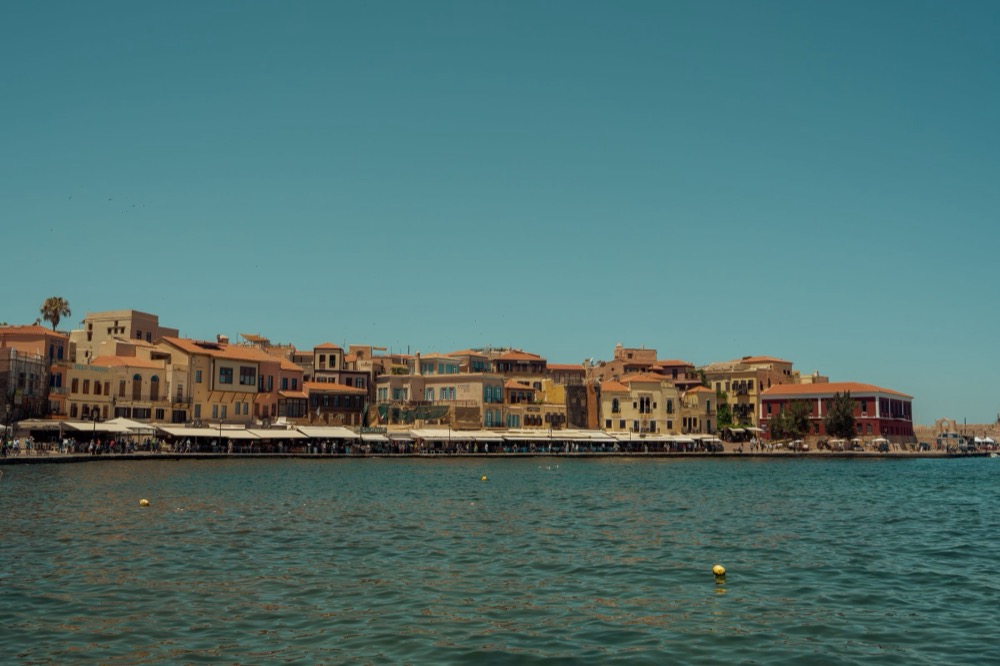
A Venetian harbour wrapped in Ottoman domes and a stone lighthouse makes this the prettiest old town on Crete. It is also the natural base…
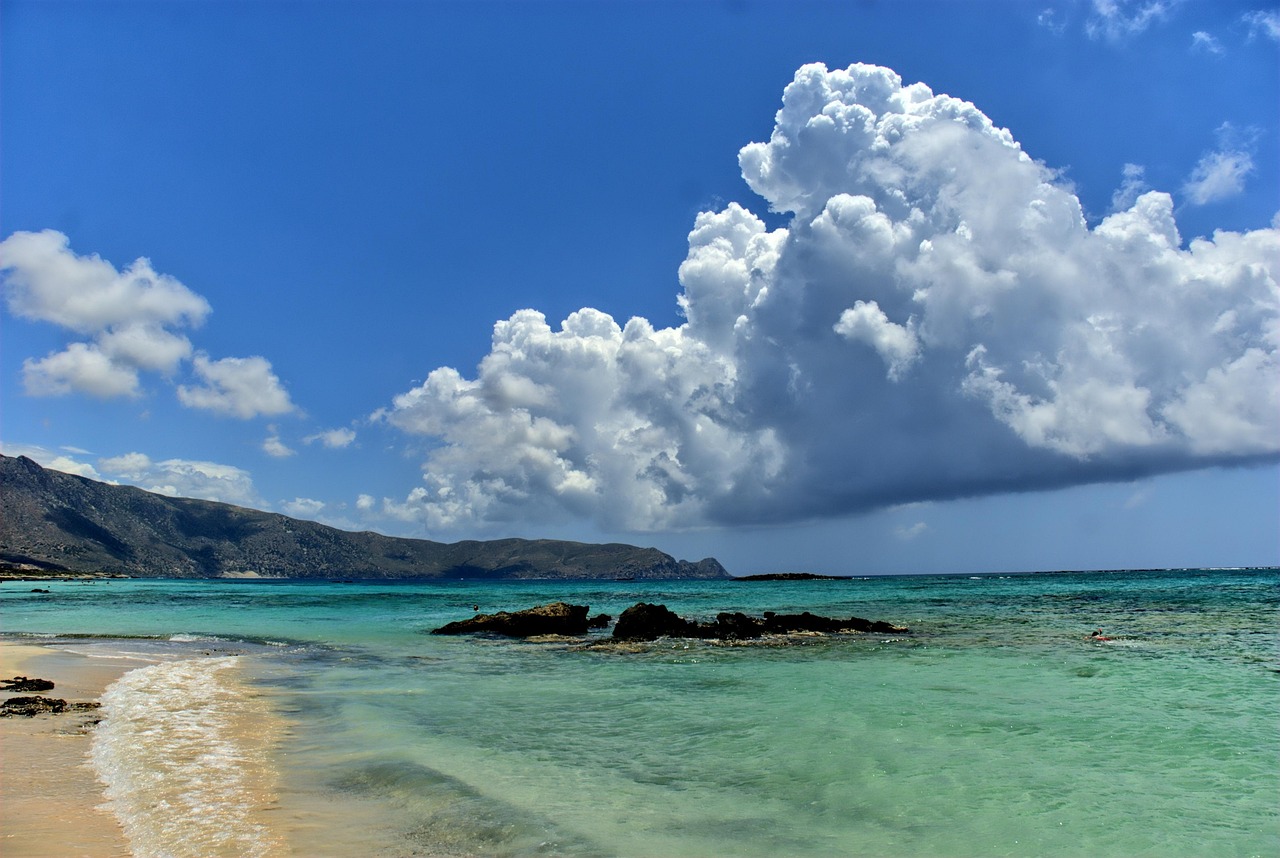
A shallow lagoon on the south-west tip of Crete, where the water is shallow enough to wade across to a low islet with pink-tinged sand in…
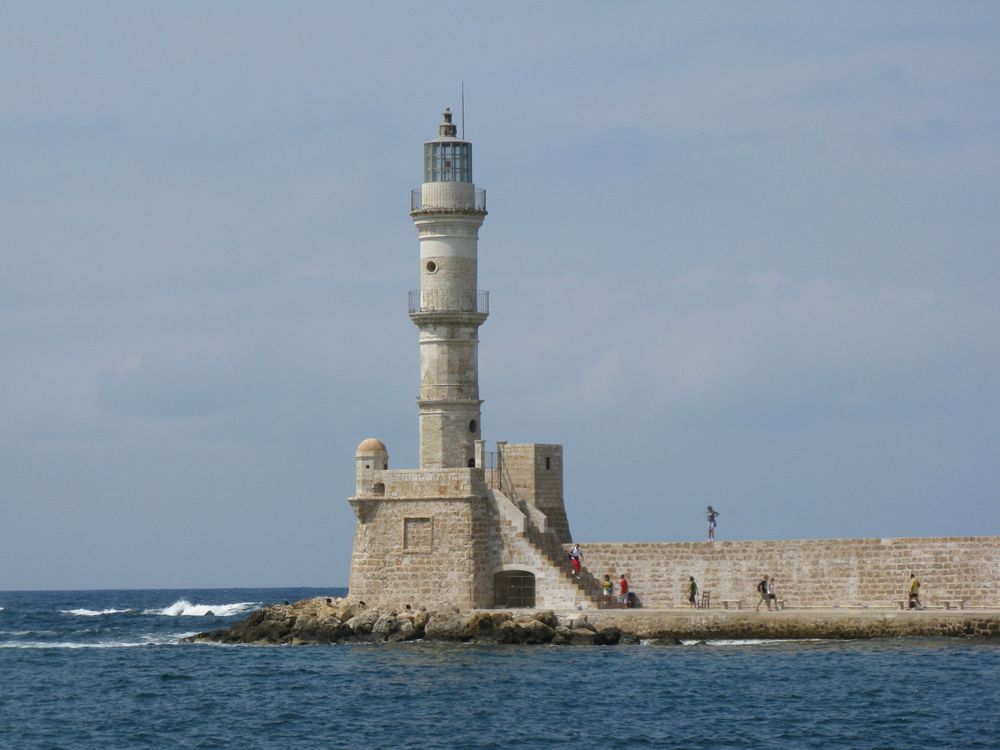
A pale stone tower at the tip of the breakwater, guarding the mouth of the old harbour. The Venetians built the first light here, and the…
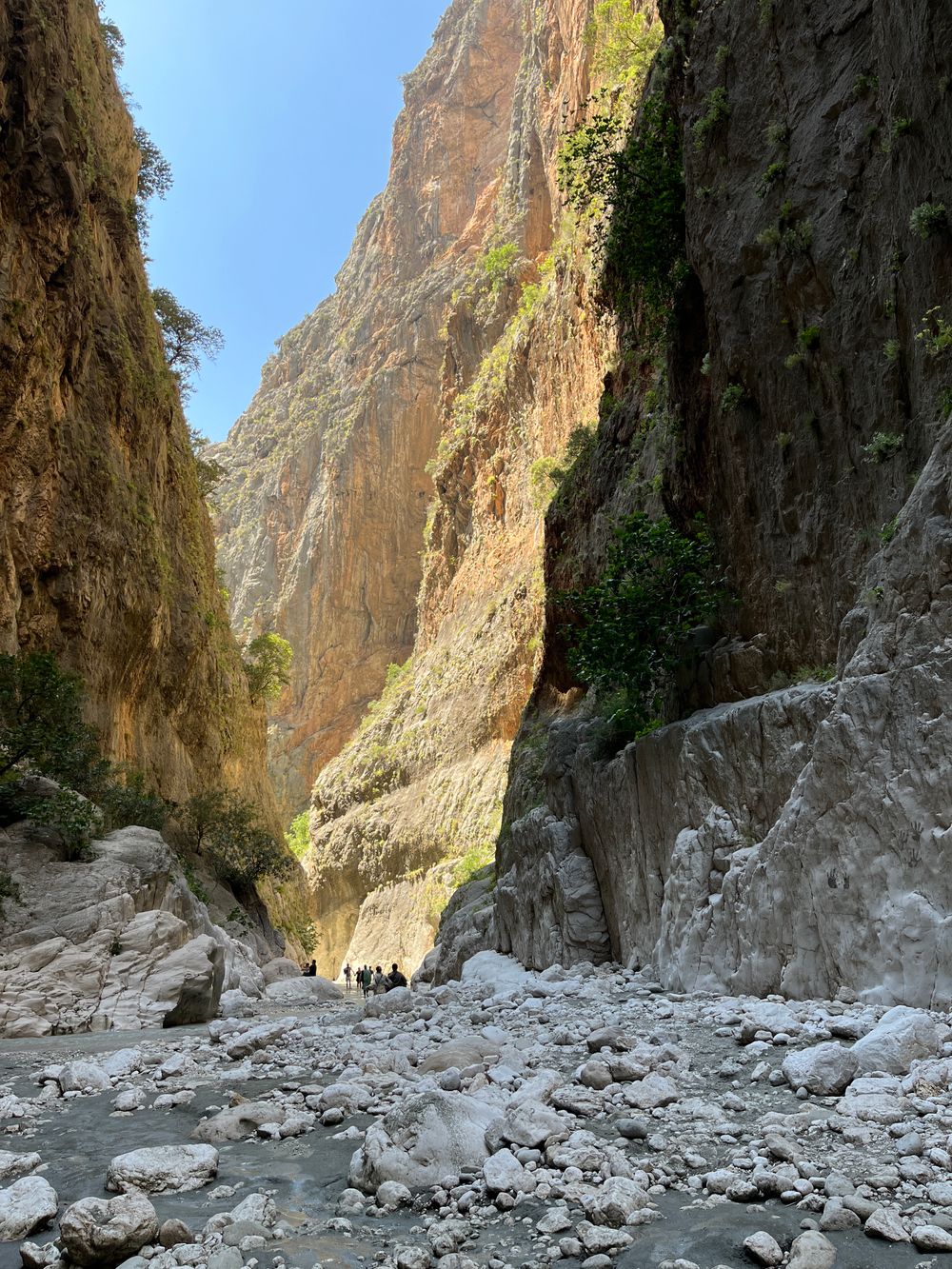
A national park walk of about 16 km from the Xyloskalo entrance at 1,250 m down to Agia Roumeli on the Libyan Sea. The trail passes an…
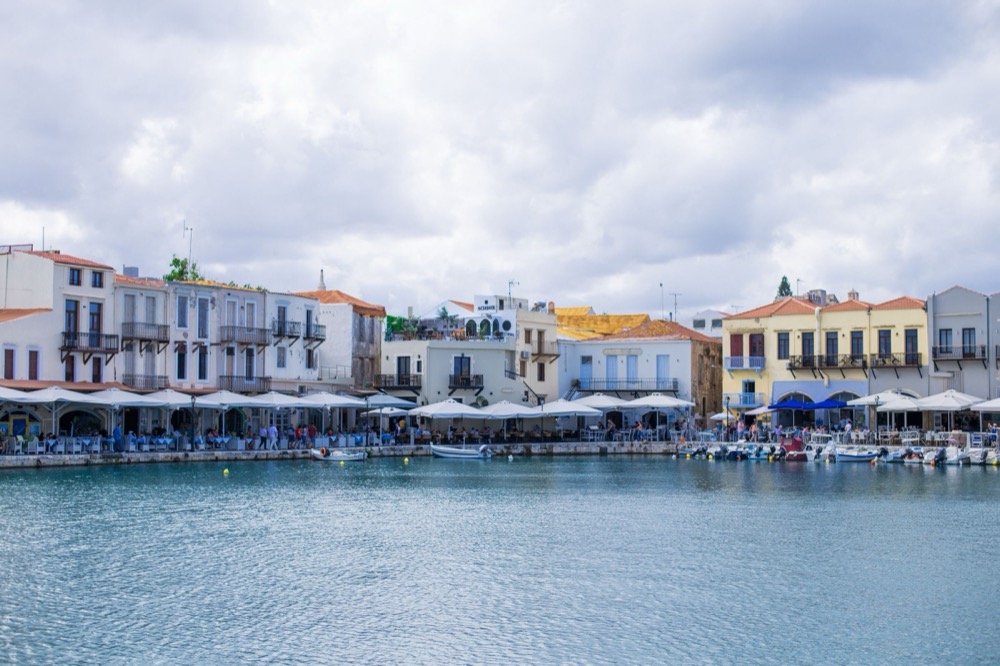
Midway along Crete's north coast, a compact Venetian and Ottoman old town sits under a hilltop fortress, with a long sandy beach running…
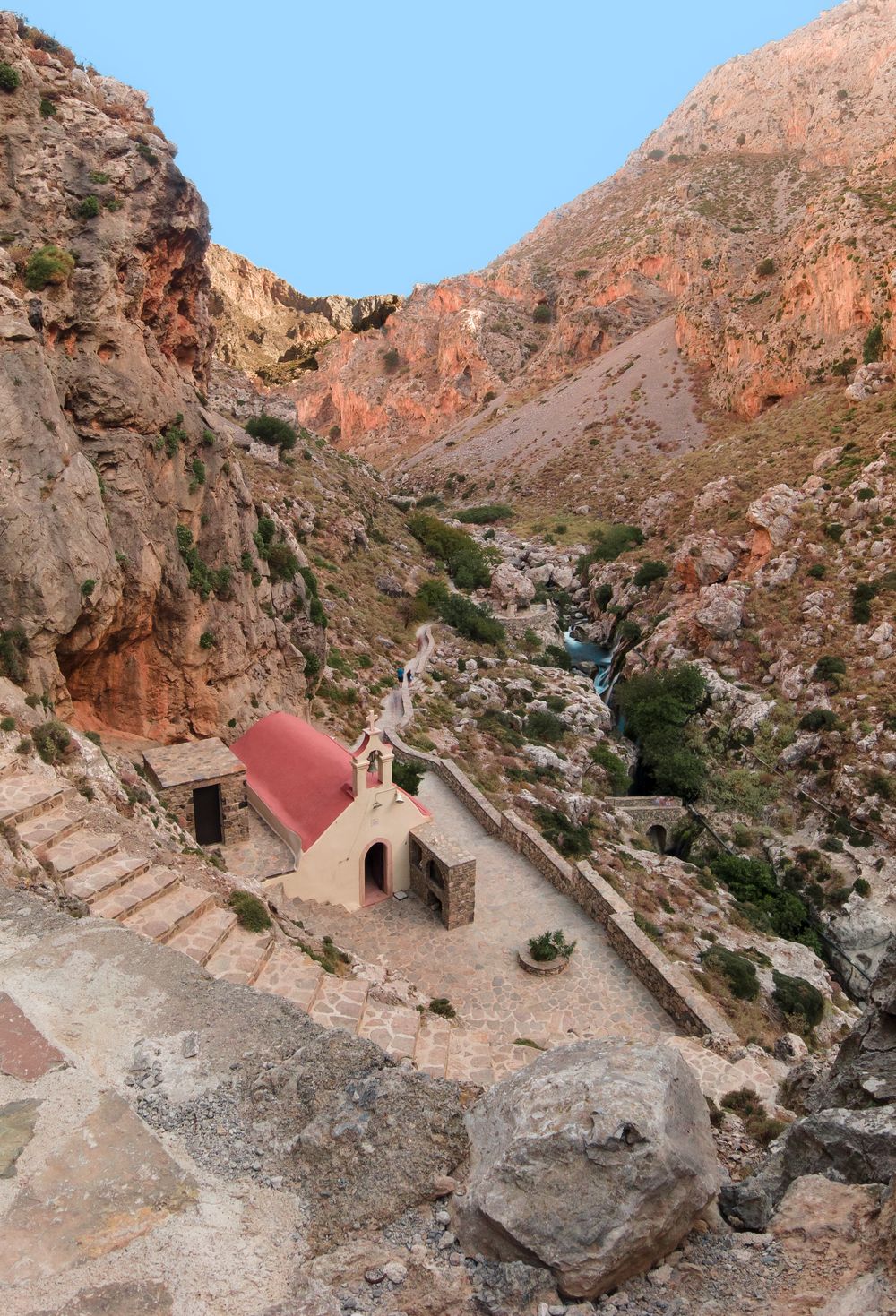
The road south to Plakias and Preveli threads through this narrow limestone gorge, its walls rising sheer on both sides. From a lay-by, a…
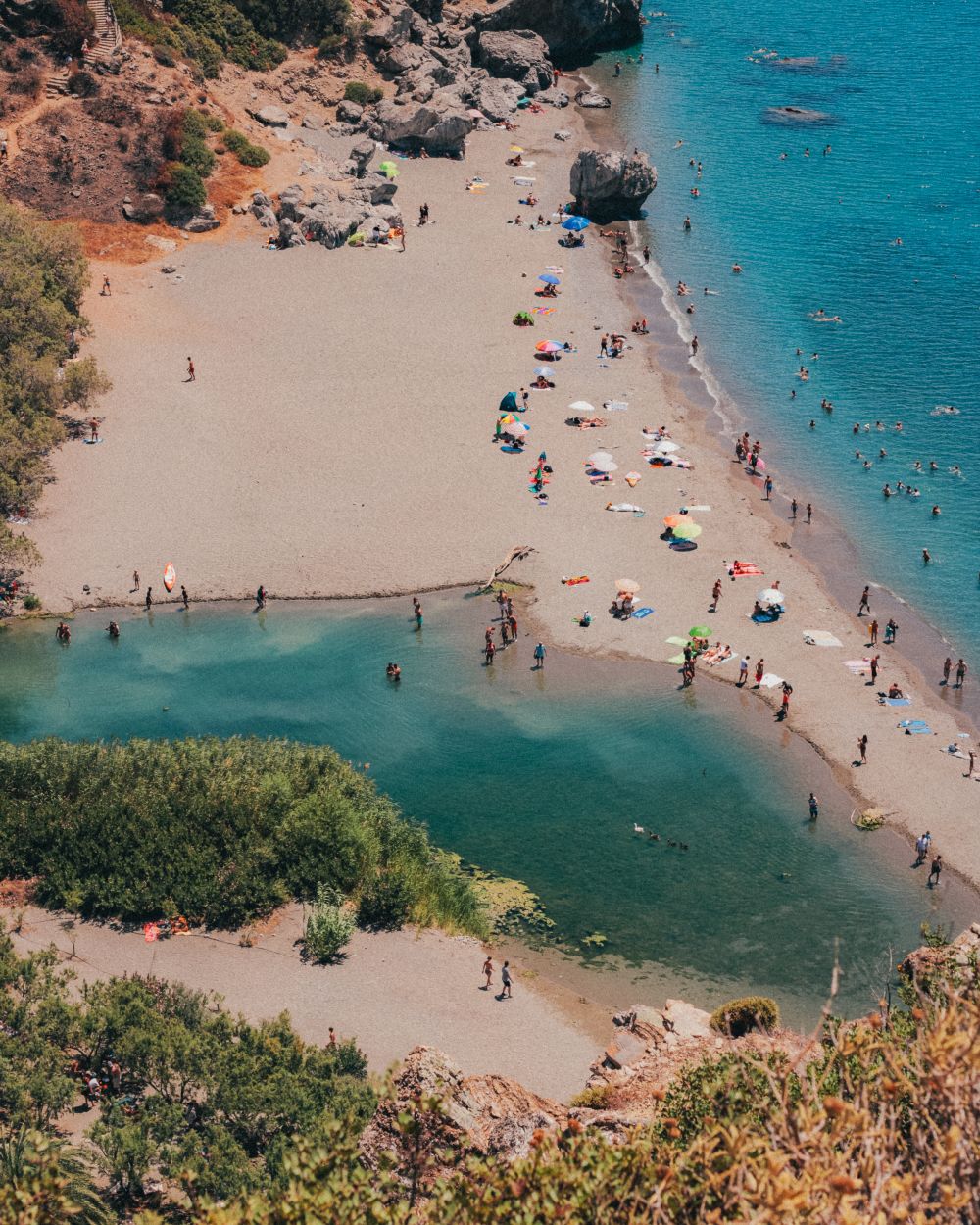
A river runs out of the Kourtaliotiko gorge through a grove of wild palms and meets the sea across a strip of sand and pebbles. Walkers can…
Last updated