 Submit a photo
Ninety seconds on Heraklion Archaeological Museum
In winter, from November to March, the museum opens 8.30am to 3.30pm, and 10am to 5pm on Wednesdays. Summer hours run 8am to 8pm, with Wednesday opening at 1pm. Entry stops 20 minutes before closing.
Either order works. Many finds from the palace of Knossos, including its murals, are displayed in the museum, so the two visits complete each other.
Three to four hours gives time for the murals, the Phaistos Disc, the Snake Goddesses and the rest of the galleries. A quicker walk-through of about an hour is possible for a visitor short of time.
Yes, for personal use. Amateur photography is permitted in all the exhibition areas of the museum, but flash photography and professional equipment are not allowed.
You need this museum to make sense of Minoan Crete. It holds the most important collection of Minoan antiquities in the world, and the painted walls and treasures found at the island's palaces are shown here.
The Minoan murals have a gallery of their own, and its best-known panel is the Bull-Leaping Fresco from Knossos. Young men and women vault over a bull, in the most complete depiction of these dangerous games.
The Phaistos Disc is a ceramic disc found at the palace of Phaistos. Its script has never been deciphered, and it remains one of the most intriguing objects in the collection.
The Snake Goddesses are faience figures of a goddess holding up snakes. They are thought to stand for power and fertility.
Look also for two more pieces. The bull's-head rhyton is a ritual vase carved from black steatite, and the gold ornament from Chrysolakkos at Malia is intricately worked.
Other cases hold bronze double axes, which may have been a Minoan emblem, and bronze weapons.
The entrance is at the corner of Xanthoudidou and Hatzidaki streets, a six-minute walk from the Morosini Fountain. Hop-on hop-off tour buses stop outside.
Backpacks and parcels go to the cloakroom on the ground floor before you enter the galleries. Tickets are sold at the box office, which takes credit and debit cards, and online on the museum's official website. Summer brings long lines at the box office.
Past the cloakroom, the galleries run from the Neolithic through to the Roman period.
Keep valuables and anything fragile on you, because the cloakroom takes no responsibility for them. Photos you take may not be published in print or online without the museum's permission.
Students and senior citizens may qualify for a reduced rate; ask at the box office.
Explore the rest of Heraklion
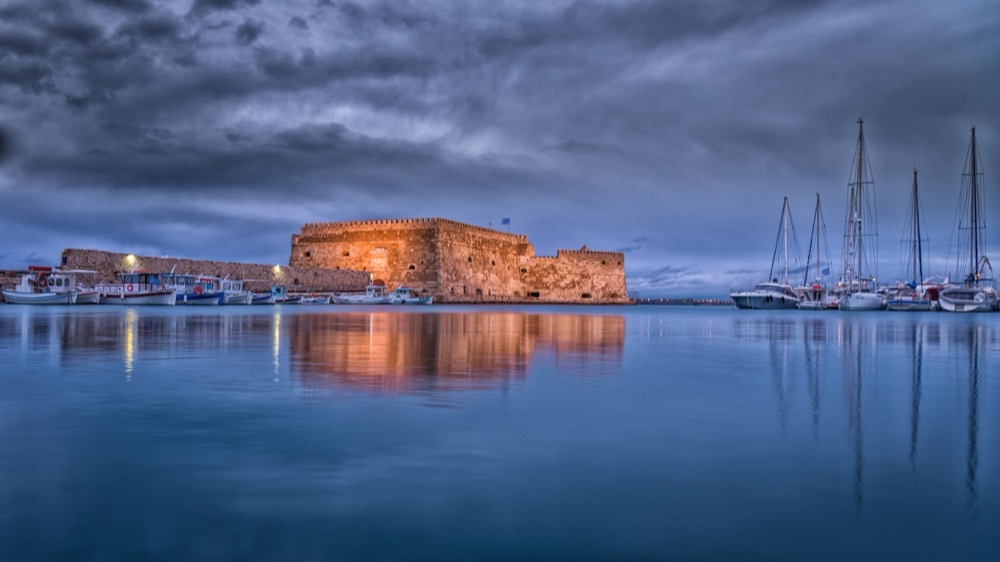
Crete's capital is a working port city first, and its draw is what lies inside and just outside it: the Minoan palace of Knossos and the…
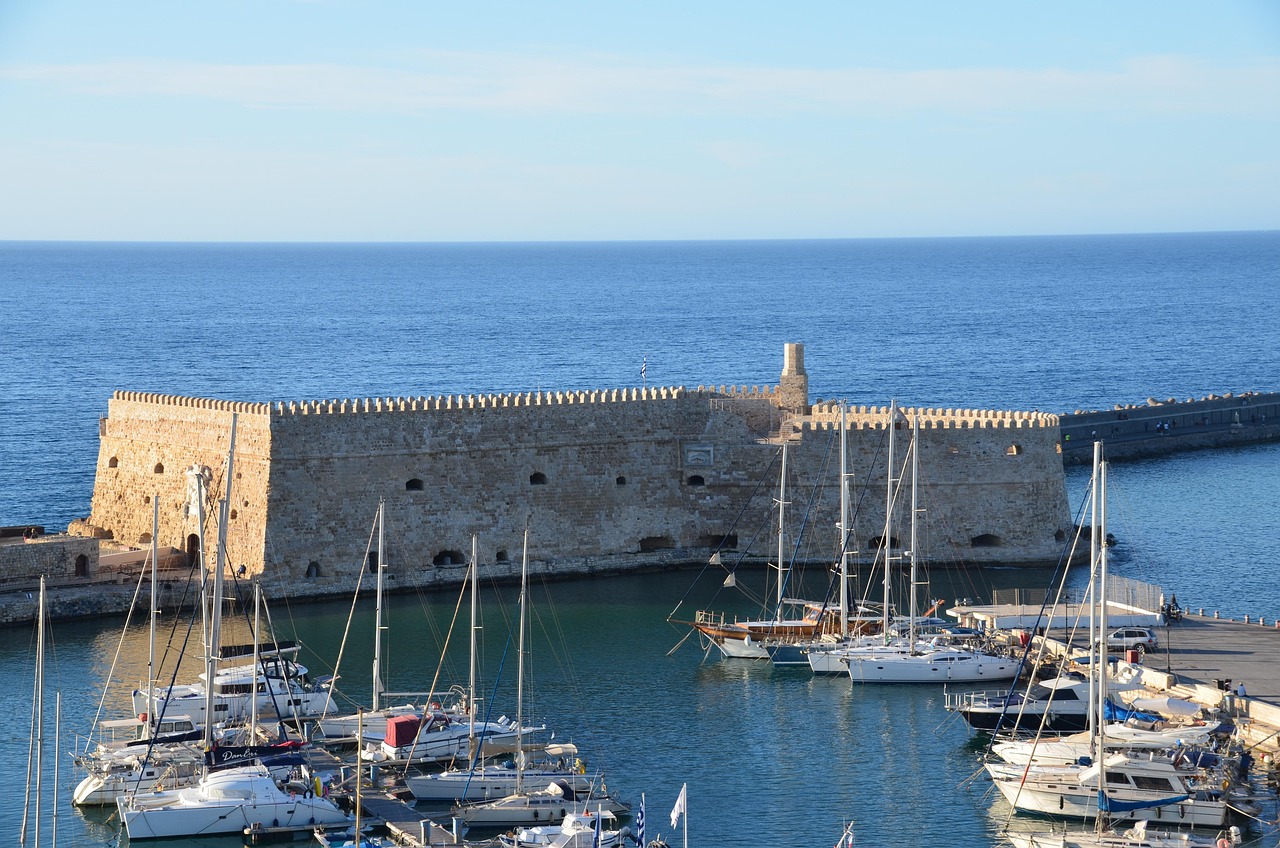
The Venetian sea fort at the end of the old harbour breakwater, its walls carved with the winged lion of Saint Mark. Inside, vaulted rooms…
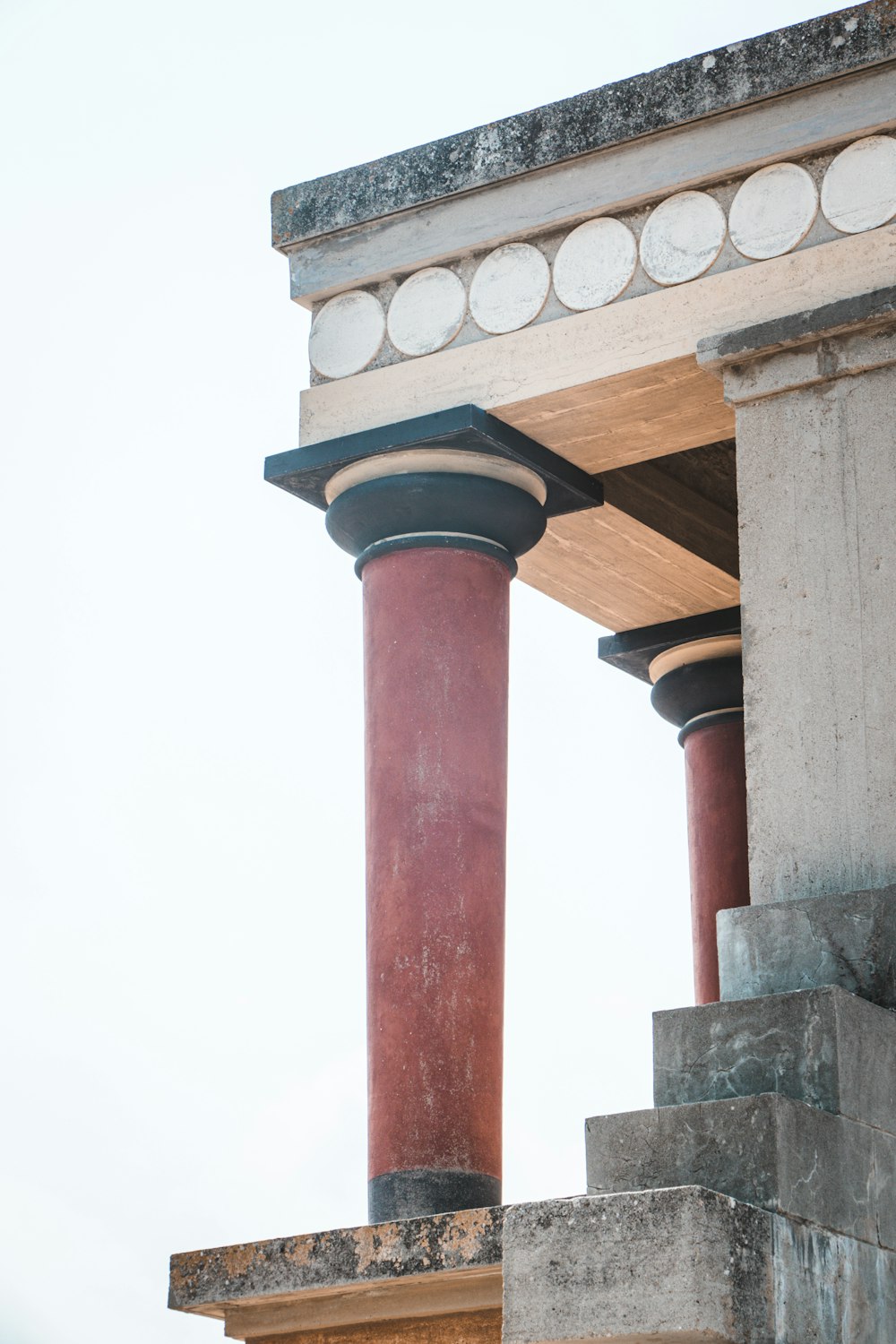
Bronze Age palace complex on a hill south of the city, the largest Minoan site on Crete and the one Arthur Evans rebuilt in painted…
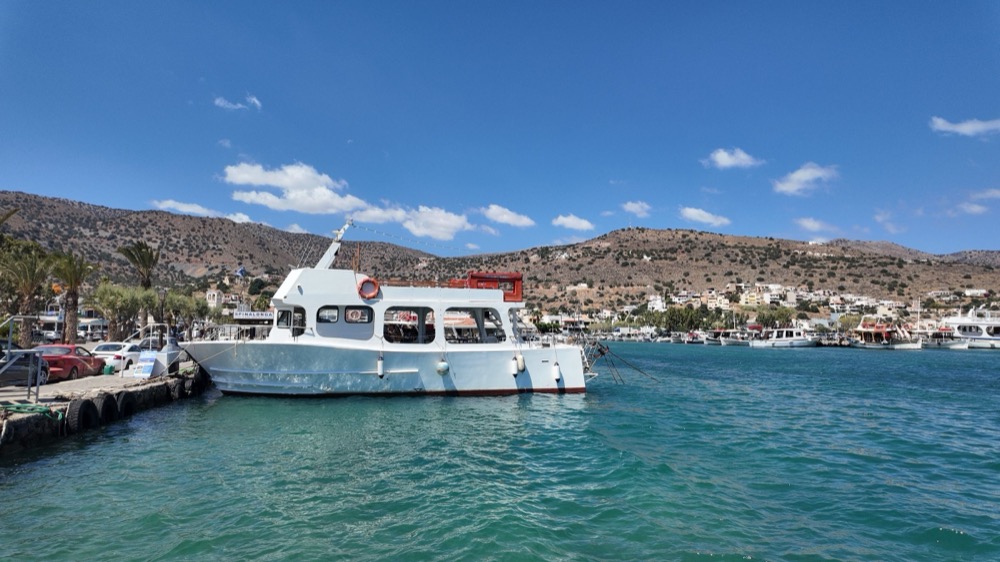
On the Gulf of Elounda, a sheltered bay in Crete's north-east, sits a fishing harbour with the island fortress of Spinalonga across the…
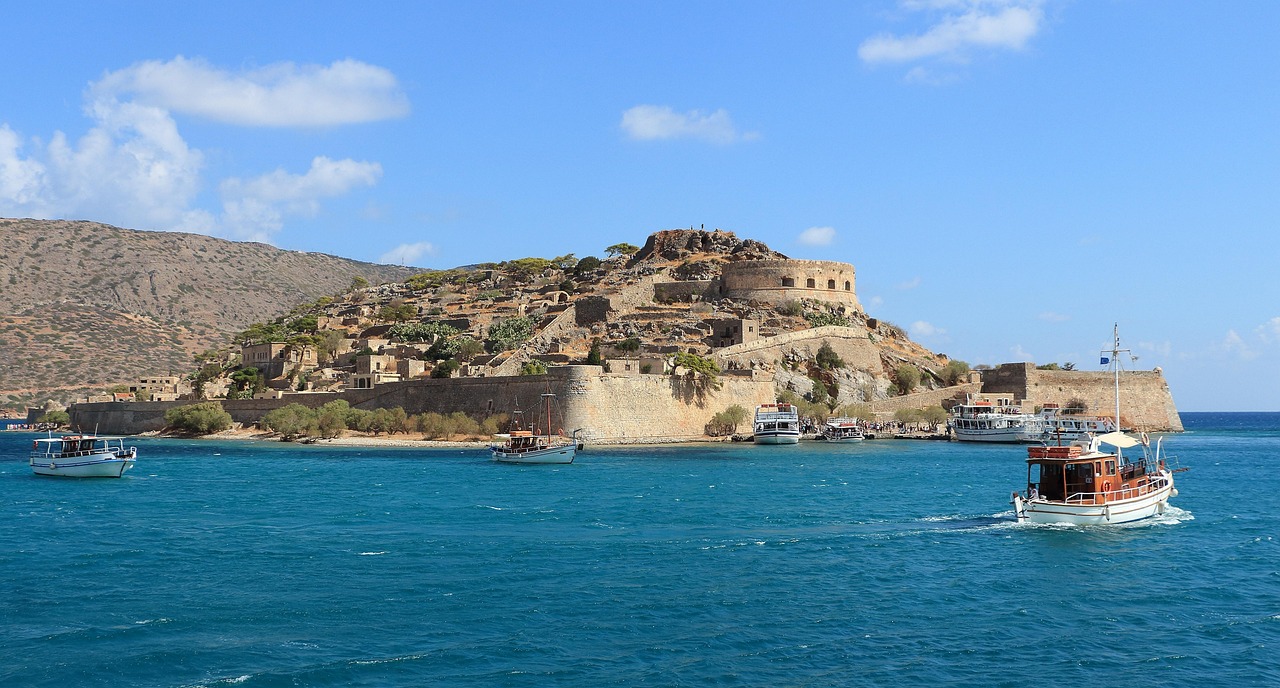
Venetian walls built in 1579 ring this rocky island at the mouth of the bay. For most of the twentieth century it served as a leprosy…
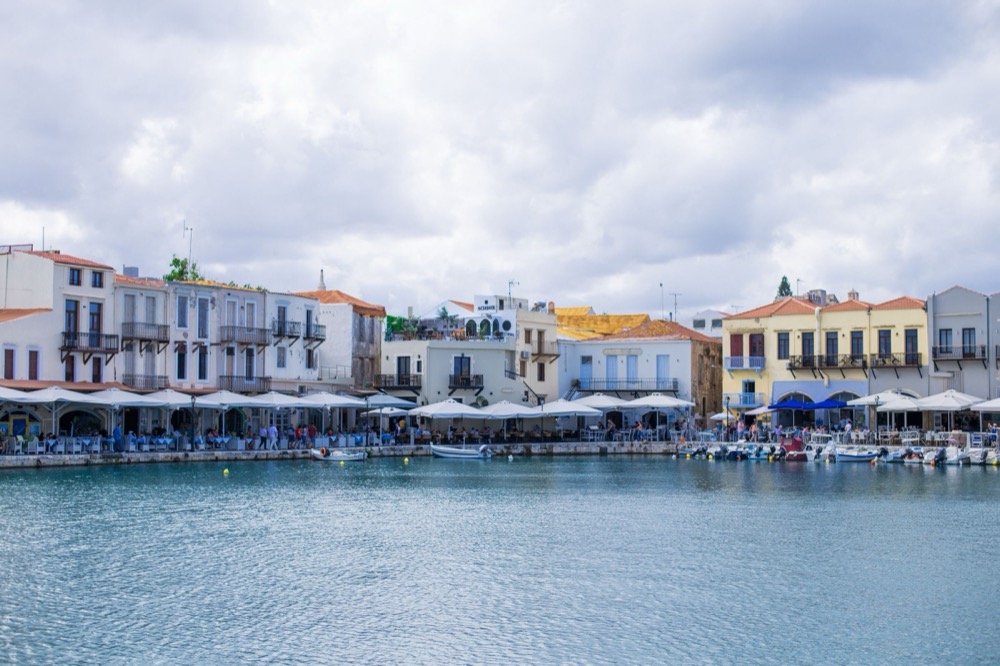
Midway along Crete's north coast, a compact Venetian and Ottoman old town sits under a hilltop fortress, with a long sandy beach running…
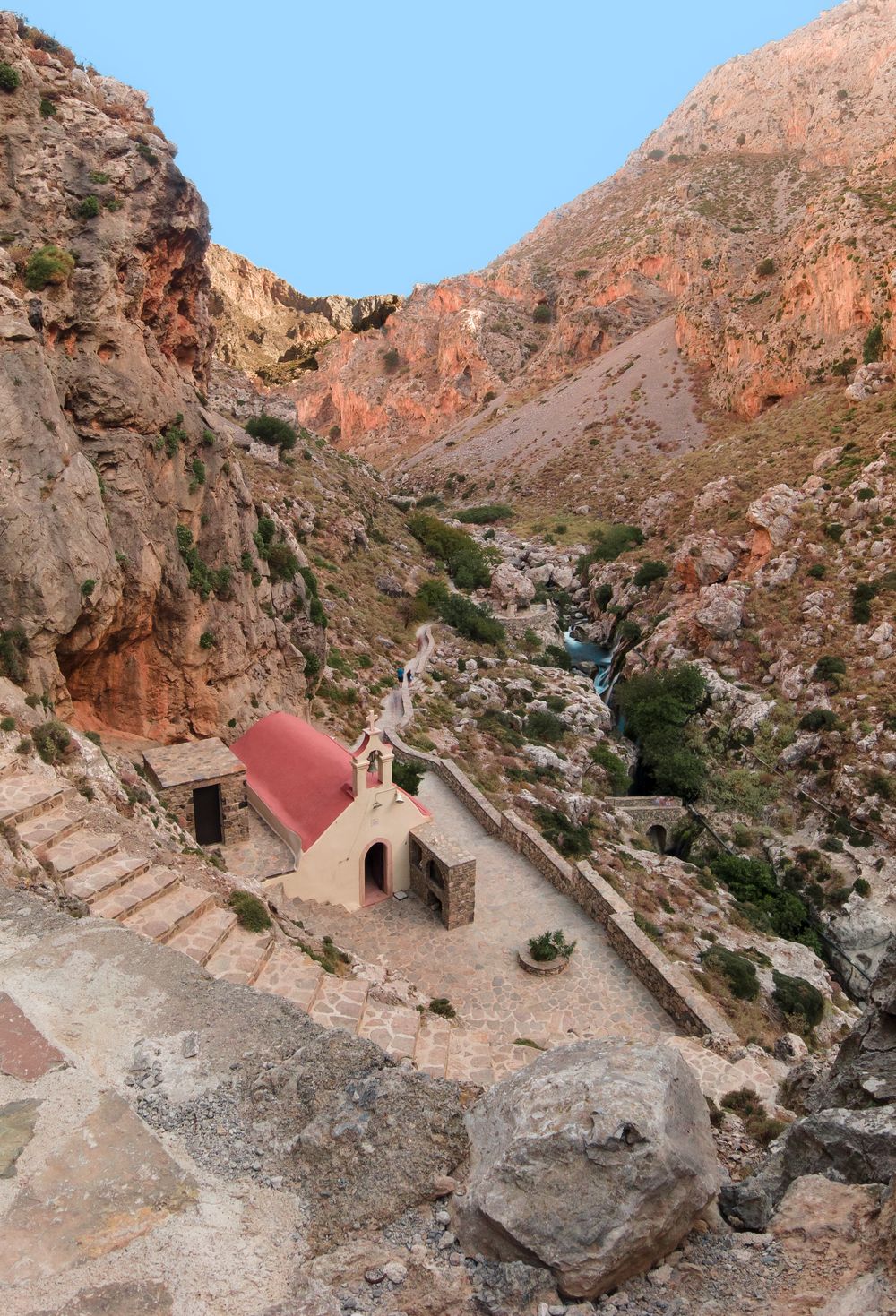
The road south to Plakias and Preveli threads through this narrow limestone gorge, its walls rising sheer on both sides. From a lay-by, a…
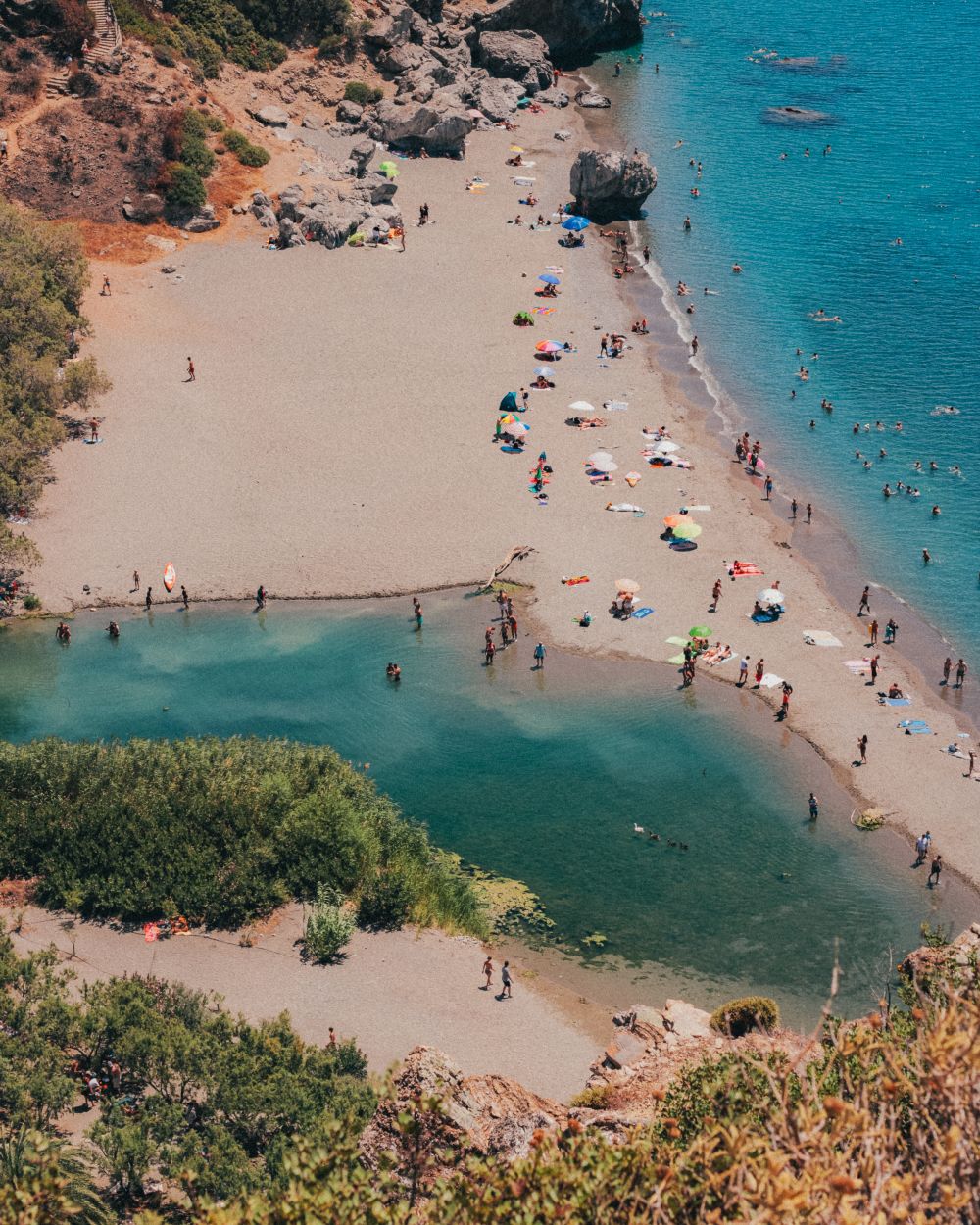
A river runs out of the Kourtaliotiko gorge through a grove of wild palms and meets the sea across a strip of sand and pebbles. Walkers can…
The official pages this guide was checked against.
Last updated