Things to do
11-
Heraklion Archaeological Museum
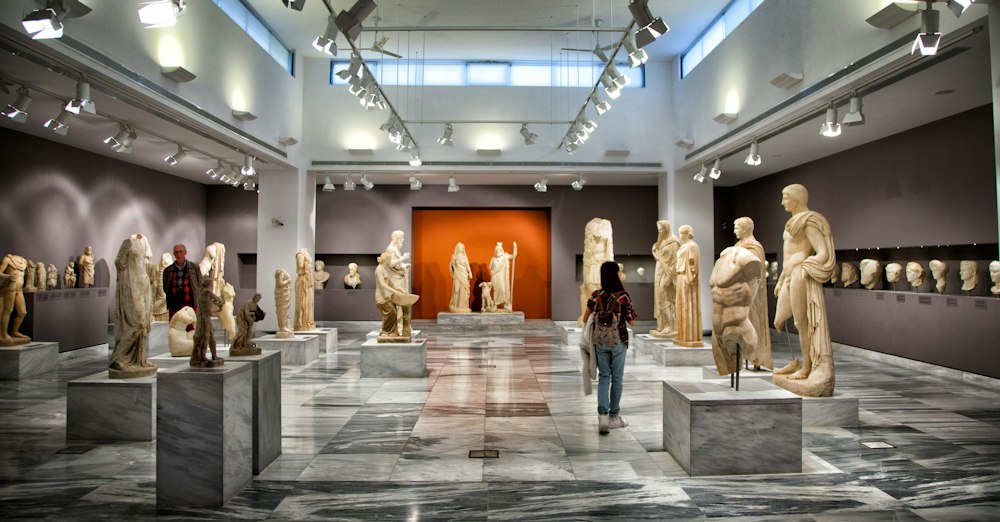
You need this museum to make sense of Minoan Crete. It holds the most important collection of Minoan antiquities in the world, and the painted walls and treasures found at the island's palaces are shown here.
View more → -
Knossos
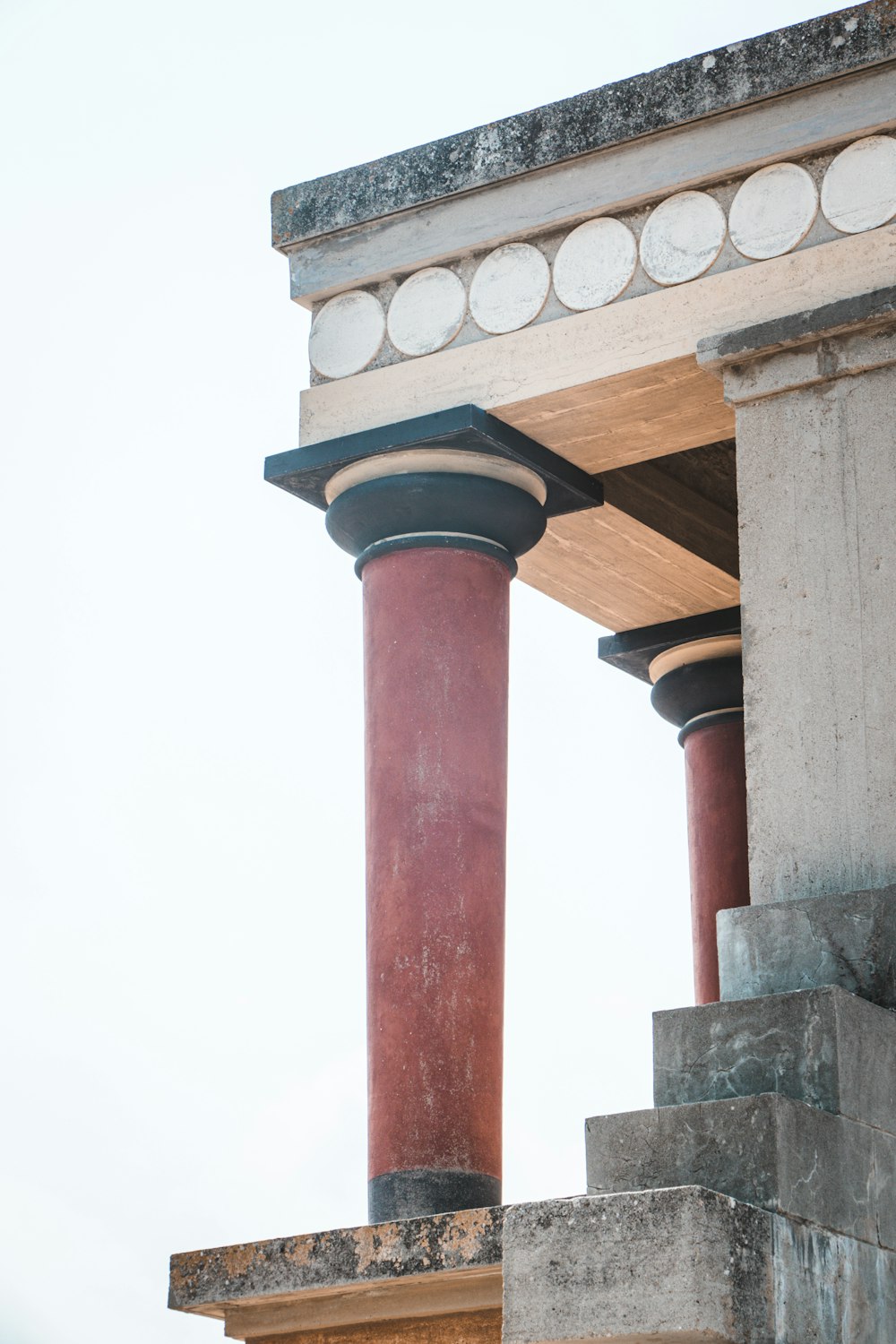
This is the palace of the Minotaur legend, rebuilt in part so that walls, stairs and colour rise above the ground again, which lets you picture the rooms Cretans lived and worked in 3,500 years ago.
View more → -
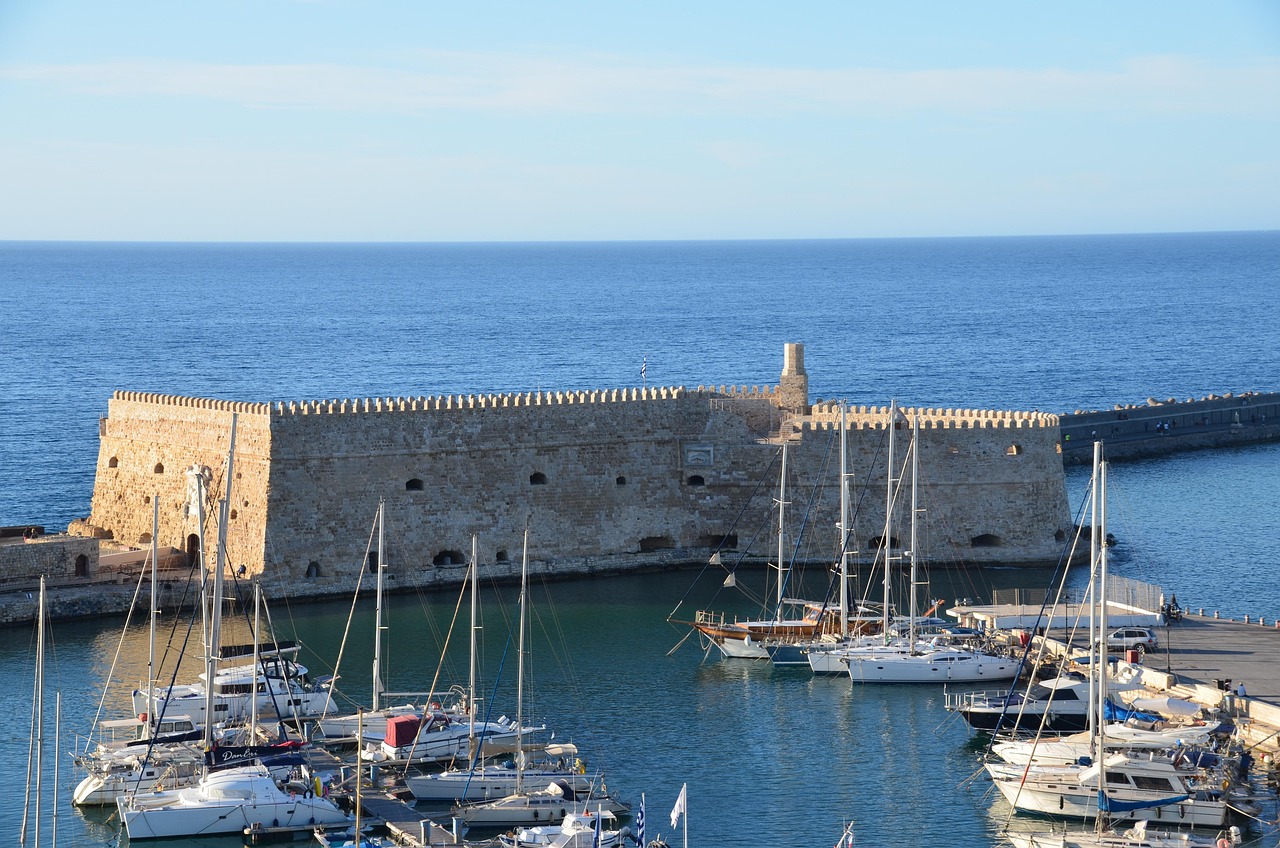
Koules Fortress
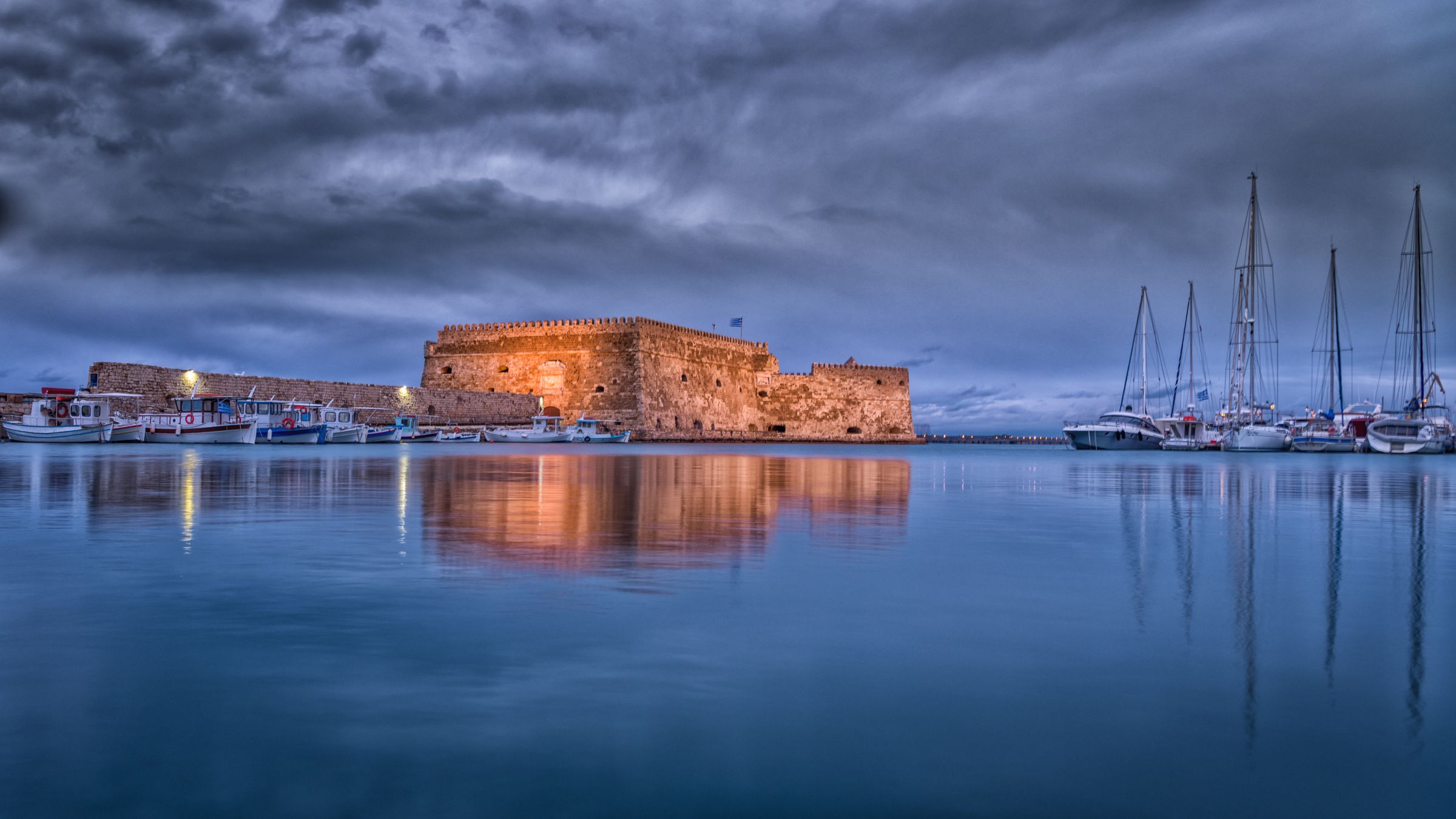
Marble winged lions of the Venetian Republic still guard all three gates of this squat stone sea fort. You walk out to the mouth of Heraklion's old harbour and into the one of its two harbour forts that survives.
View more → -
1866 Street Market
About 200 metres of stalls piled with fresh herbs line both sides of this market lane in the old town. Come in the morning, when the choice is widest, because most stalls pack up by early afternoon in the heat, and carry some cash, since several of the smaller stalls do not take cards.
-
Agios Minas Cathedral
The seat of the Archbishop of Crete, a large cross-shaped church completed in the late nineteenth century and dedicated to the city's patron saint. Its interior is lined with icons and painted vaults under a high central dome. The much smaller old church of Agios Minas stands beside it in the same square. Services take precedence over visits, and modest dress is expected.
-
Fortifications of Heraklion
Massive Venetian ramparts still wrap the old city in a ring of bastions, among the best preserved in the Mediterranean. Several stretches can be walked along the top, free of charge. On the Martinengo bastion to the south, the writer Nikos Kazantzakis lies under a plain wooden cross, his epitaph a declaration that he hopes for nothing, fears nothing and is free.
-
Historical Museum of Crete
A private museum in a neoclassical mansion on the seafront, tracing Crete from the early Christian centuries to the Second World War. Its prize is a pair of paintings by El Greco, the only works by the Cretan-born artist on the island. Upstairs, the study and library of Nikos Kazantzakis are reconstructed from his house in France. Allow time for the upstairs rooms, since winter closing comes early in the afternoon.
-
Lions Square
The meeting point of the old city, named for the Morosini Fountain at its centre, where four stone lions hold up a carved basin. A Venetian governor had the fountain built in 1628 to bring water into the town. Cafés surround the square, and the market lane called 1866 Street and the Venetian Loggia are both a minute's walk away.
-
Natural History Museum of Crete
Run by the University of Crete in a former power station on the seafront west of the harbour. Displays move through the island's habitats, from coastal wetlands to the high mountains, with models of the dwarf elephants and other vanished animals that once lived here. An earthquake simulator lets visitors feel a tremor of the kind Crete knows well. Families with children tend to stay longest in the simulator and the dinosaur hall.
-
Saint Titus Church
Saint Titus is a church in the old town of Heraklion, open to visitors from Monday to Saturday and closed to visits on Sundays. It fits into a weekday walk through the centre, and maps label the same building as Saint Titus Cathedral.
-
Venetian Harbour
The old harbour front runs along the seawall past Koules Fortress to a lighthouse at its far end. The walk out to the lighthouse and back is a natural place to start a day, before heading up the streets into the old town.