 Submit a photo
Ninety seconds on Koules Fortress
As of November 2026, the official site lists 8am to 8pm from April to August. Closing moves earlier through September and October, to 6pm by late October. From November to March the fortress opens 8.30am to 3.30pm.
Yes. As of November 2026, Koules is closed every Tuesday, in summer and winter alike. It also stays shut on 1 January, 25 March, 1 May, Easter Sunday, and 25 and 26 December.
Entry is ticketed, with a full rate and a reduced rate, and tickets can be bought online from the official site. Last admission is 20 minutes before closing time, so a winter visit has to start by 3.10pm.
Yes. Admission is free on 6 March, 18 April, 18 May, the last weekend of September and 28 October. It is also free on the first and third Sunday of each month from November to March.
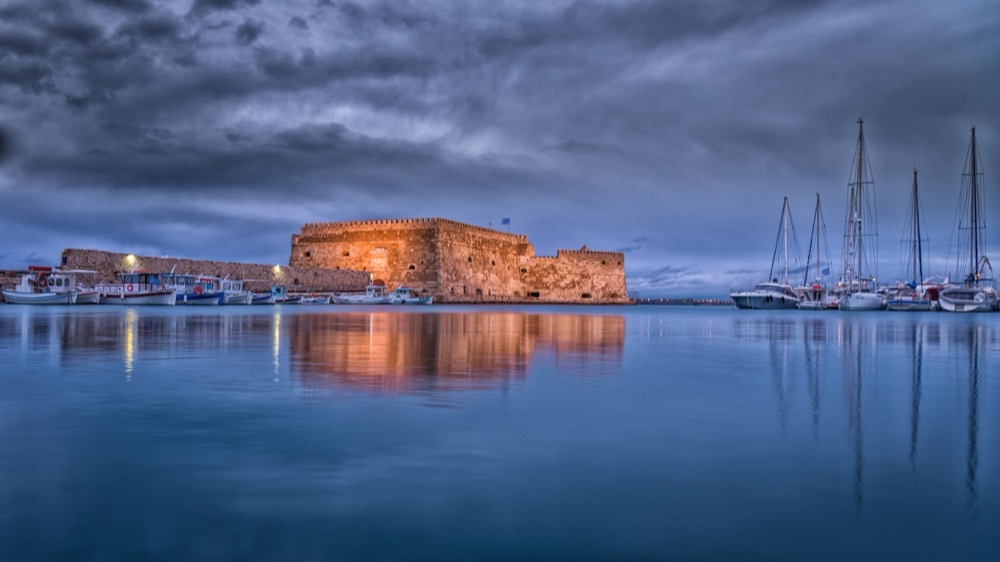
Marble winged lions of the Venetian Republic still guard all three gates of this squat stone sea fort. You walk out to the mouth of Heraklion's old harbour and into the one of its two harbour forts that survives.
Koules is the low bastioned fort at the mouth of the old Venetian harbour, built to guard the entrance. It stands at the end of the harbour pier and takes a heavy battering from the sea.
The Venetians called it Rocca a Mare, the fort on the sea; Koules is its Turkish name.
Behind the walls, the whole ground floor sits under a vaulted roof, divided into 26 separate rooms off one main corridor. They served as food stores, munitions depots, water reservoirs and prison cells, lit and aired through openings in their ceilings.
One room shows cannons from La Therese, a French ship sent to help defend the city and lost to a powder blast, beside amphoras raised from the seabed of the Gulf of Heraklion. Other rooms host art exhibitions, theatre and cultural events.
Walk down from Venizelos Square to the waterfront and out along the old harbour pier to the gate, about 10 minutes on foot. The walk along the jetty gives a long view back over the city and its harbour.
Inside, take the ground floor room by room, then follow the sloping ramp the Venetians used to haul cannons up to the roof. Visitors report that the upper level is open and looks out over the harbour, the coastline and, on clear days, the mountains behind the city.
A café and toilets are on site.
Pair the fortress with the Heraklion Archaeological Museum, in the city centre. From November to March the fortress shuts mid-afternoon, so put it first in a winter day that takes in both.
A taxi from the bus station or the port takes a few minutes, which helps if you arrive by ferry with luggage.
Explore the rest of Heraklion
Crete's capital is a working port city first, and its draw is what lies inside and just outside it: the Minoan palace of Knossos and the…
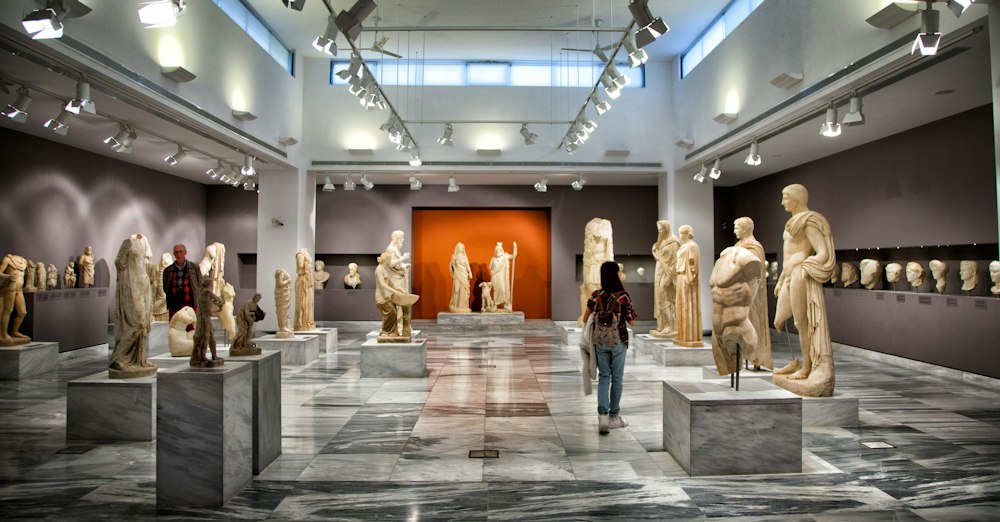
What was carried off Knossos is displayed here: the bull-leaping frescoes, the snake goddesses, the Phaistos Disc and the gold of the…
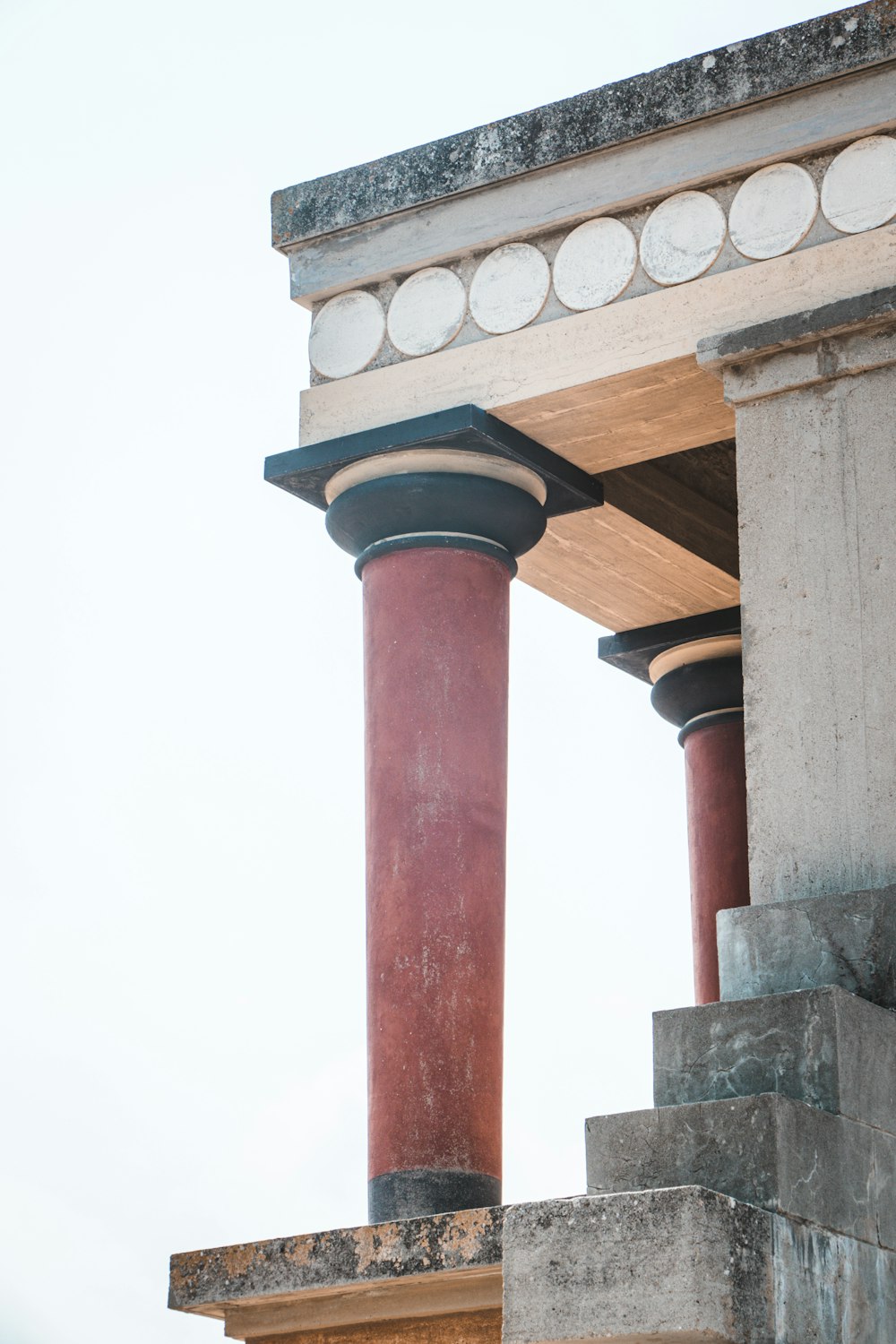
Bronze Age palace complex on a hill south of the city, the largest Minoan site on Crete and the one Arthur Evans rebuilt in painted…
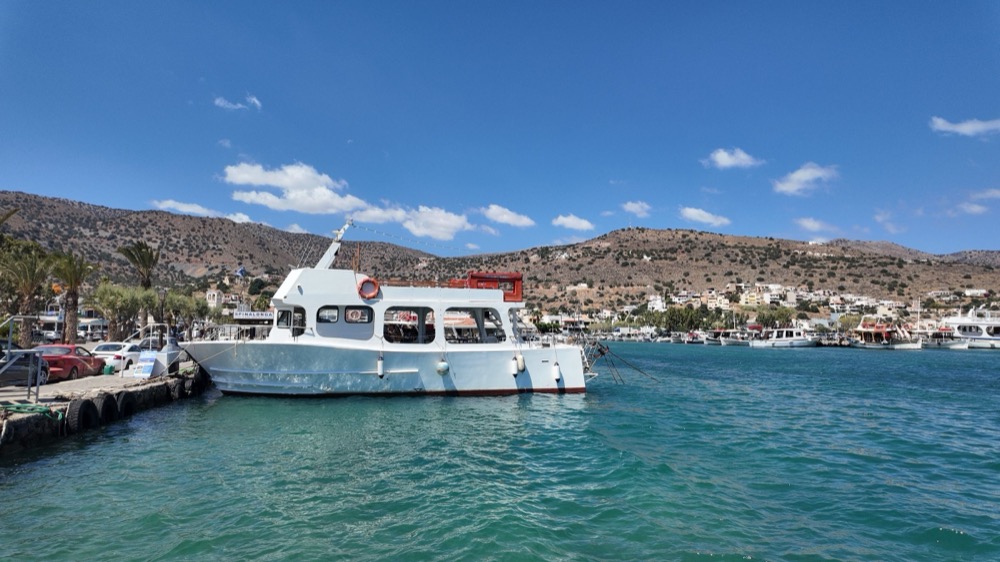
On the Gulf of Elounda, a sheltered bay in Crete's north-east, sits a fishing harbour with the island fortress of Spinalonga across the…
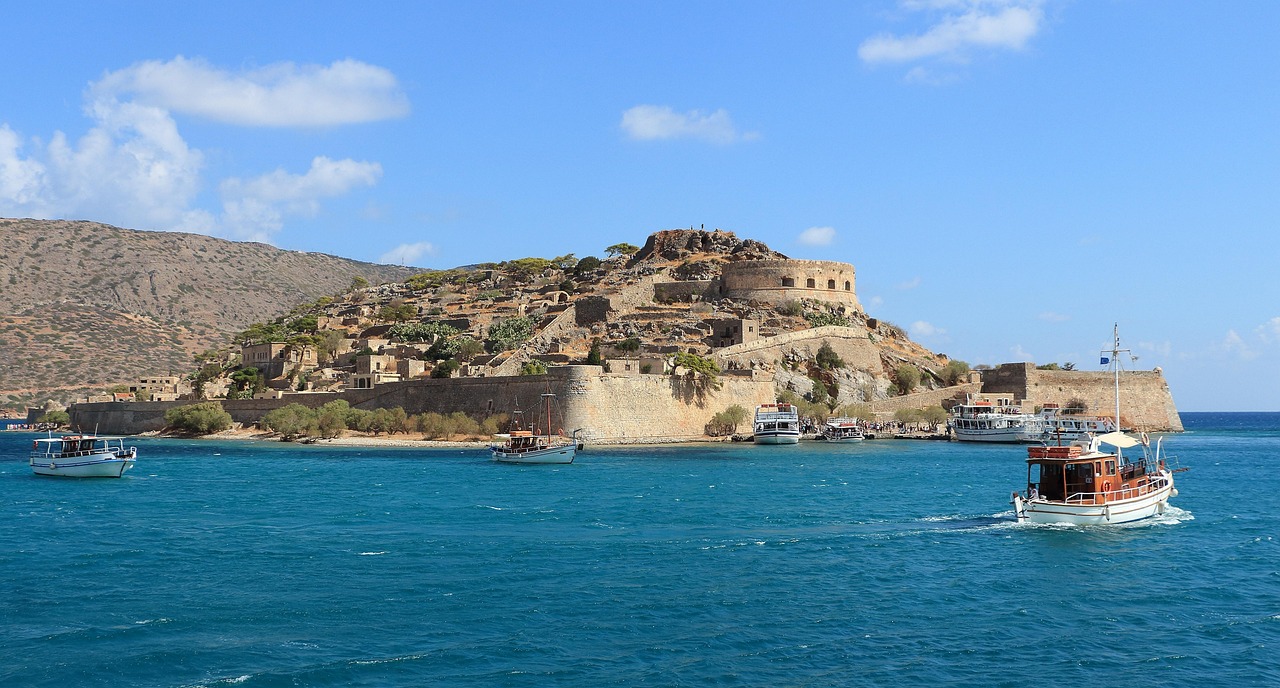
Venetian walls built in 1579 ring this rocky island at the mouth of the bay. For most of the twentieth century it served as a leprosy…
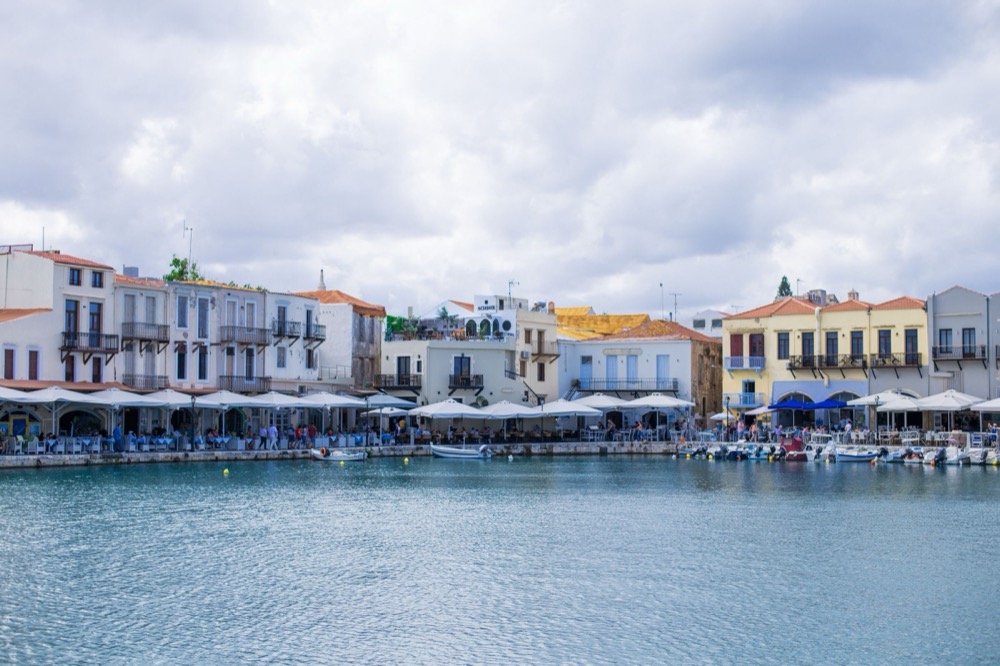
Midway along Crete's north coast, a compact Venetian and Ottoman old town sits under a hilltop fortress, with a long sandy beach running…
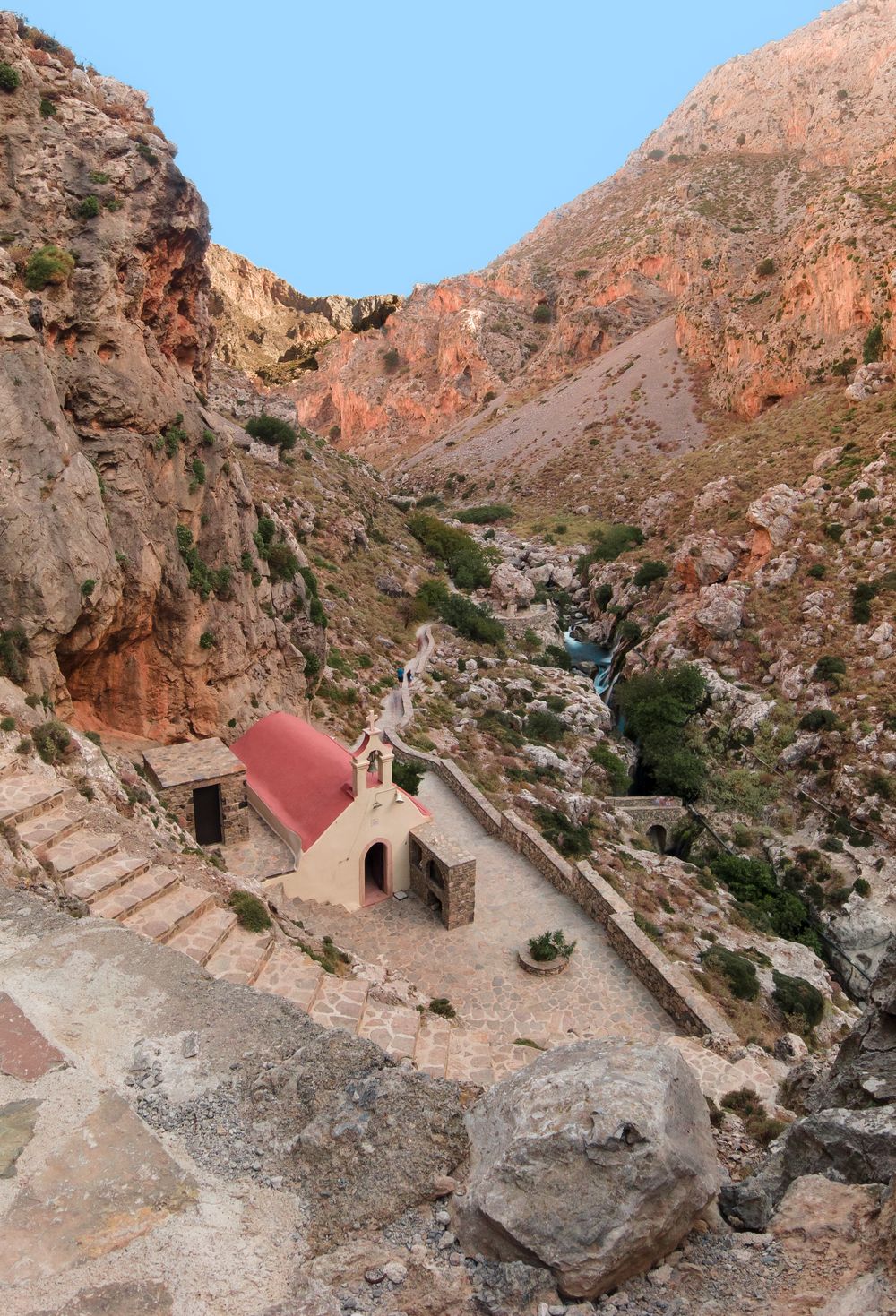
The road south to Plakias and Preveli threads through this narrow limestone gorge, its walls rising sheer on both sides. From a lay-by, a…
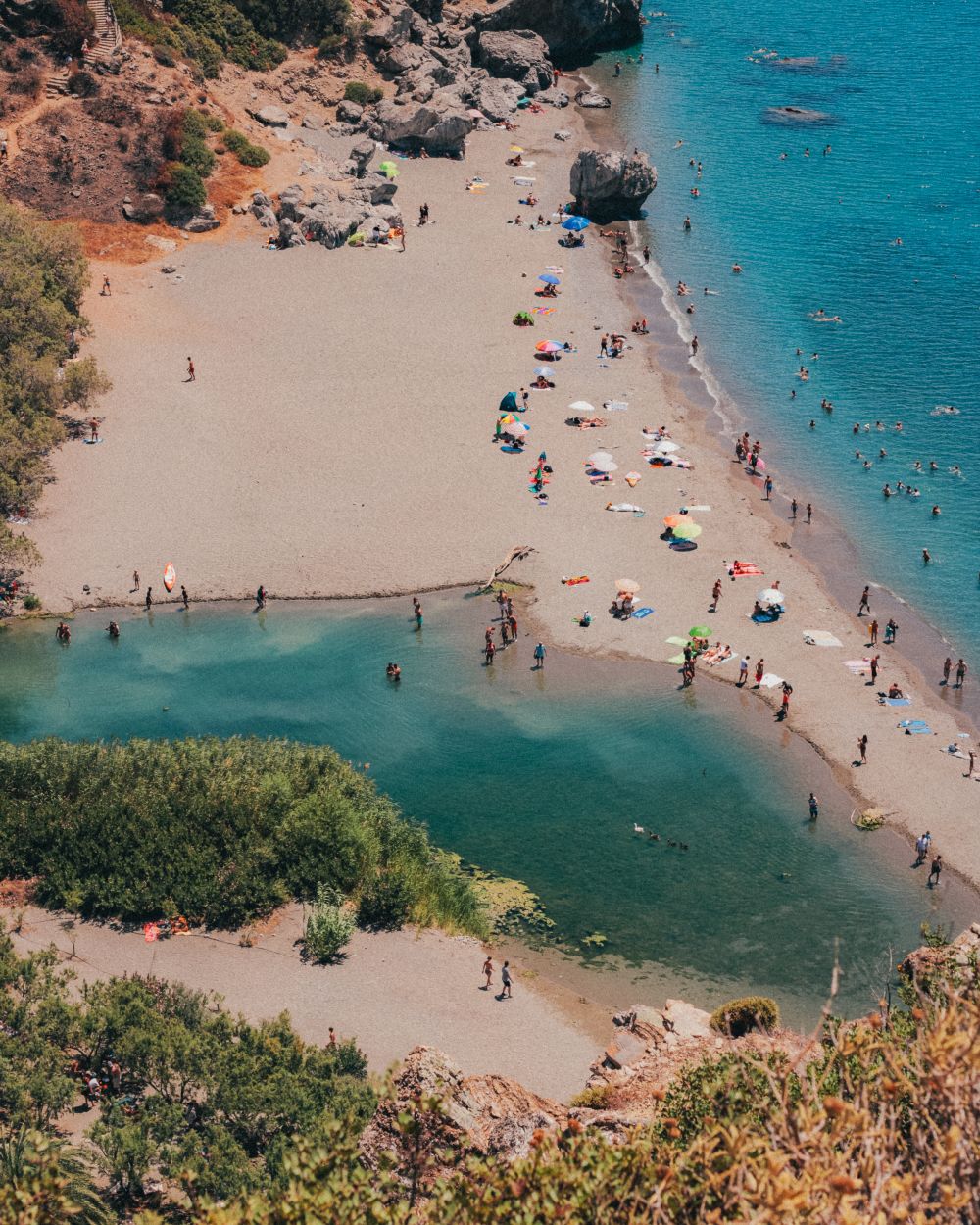
A river runs out of the Kourtaliotiko gorge through a grove of wild palms and meets the sea across a strip of sand and pebbles. Walkers can…
Last updated