 Submit a photo
Ninety seconds on Knossos
From 1 November Knossos opens every day from 8.30am to 5pm. From 1 April it opens from 8am to 8pm, and the close then moves earlier in four steps, on 1 and 16 September and 1 and 16 October, reaching 6pm from 16 October.
City bus line 2, signed Knossos, runs from Heraklion to the site. The timetable for the line is on the website of Heraklion's urban bus company, astiko-irakleiou.gr.
No. The paintings on the walls at the site are reproductions. The originals, including the Bull-Leaping Fresco, are kept at the archaeological museum in Heraklion.
Visitors see the Throne Room from its doorway, behind a rope barrier. The gypsum throne and the painted griffins beside it are in view from there.
A visit to the palace takes about two hours. A full day leaves time for the Heraklion Archaeological Museum as well, which holds the finds from the site.
This is the palace of the Minotaur legend, rebuilt in part so that walls, stairs and colour rise above the ground again, which lets you picture the rooms Cretans lived and worked in 3,500 years ago.
The palace is built around a long open Central Court, with four wings of rooms on its sides: royal quarters, workshops, shrines and banquet halls. Bull-leaping, the acrobatic sport painted on the palace walls, may have been staged on this open ground.
On the west side of the court is the Throne Room. A gypsum throne still stands against the wall, between painted griffins, and you look in from the doorway behind a rope.
The east wing is cut into the slope. The Grand Staircase drops through several floors around a light well to the residential rooms below.
Along the west wing, the long storerooms are lined with tall clay jars, called pithoi, many still where they were found. They held olive oil, wine and grain for the region the palace ran.
The red columns, tapering towards the base, are concrete reconstructions of a Minoan shape, put up in the restoration of the early twentieth century.
Head first for the Central Court, which shows you the whole plan of the palace. Most guided routes start there.
From the court, take the Throne Room on the west side, then cross to the east wing for the Grand Staircase and the residential rooms. Walk the rows of jars in the west wing next, and leave by the North Entrance, built of massive blocks, with the red columns beside it.
A small café and a gift shop sit near the entrance, and they are the last places to buy anything before you go in.
Pair the palace with the Heraklion Archaeological Museum in the city, which holds the frescoes, tablets and objects found here. In winter it closes at 3.30pm on most days, earlier than the site, and on Wednesdays it opens at 10am.
Wear closed shoes with grip. The old paths are uneven, and slippery in sandals. Carry water and a hat, and bring cash if you want the audio guide.
Explore the rest of Heraklion
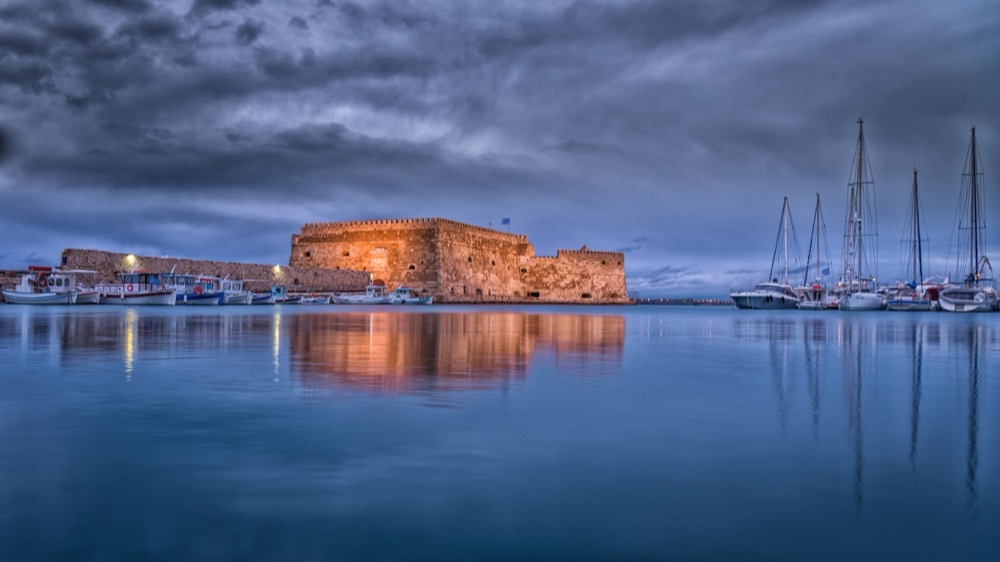
Crete's capital is a working port city first, and its draw is what lies inside and just outside it: the Minoan palace of Knossos and the…
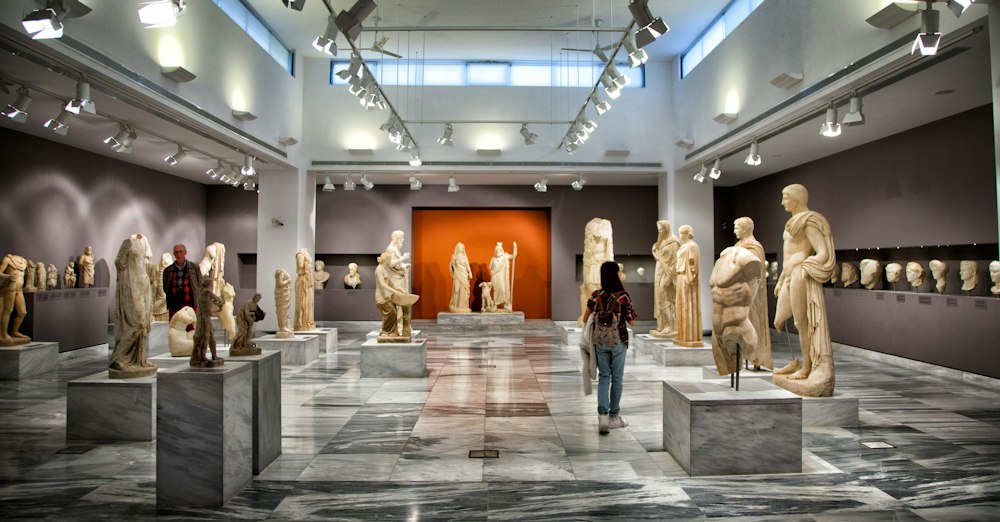
What was carried off Knossos is displayed here: the bull-leaping frescoes, the snake goddesses, the Phaistos Disc and the gold of the…
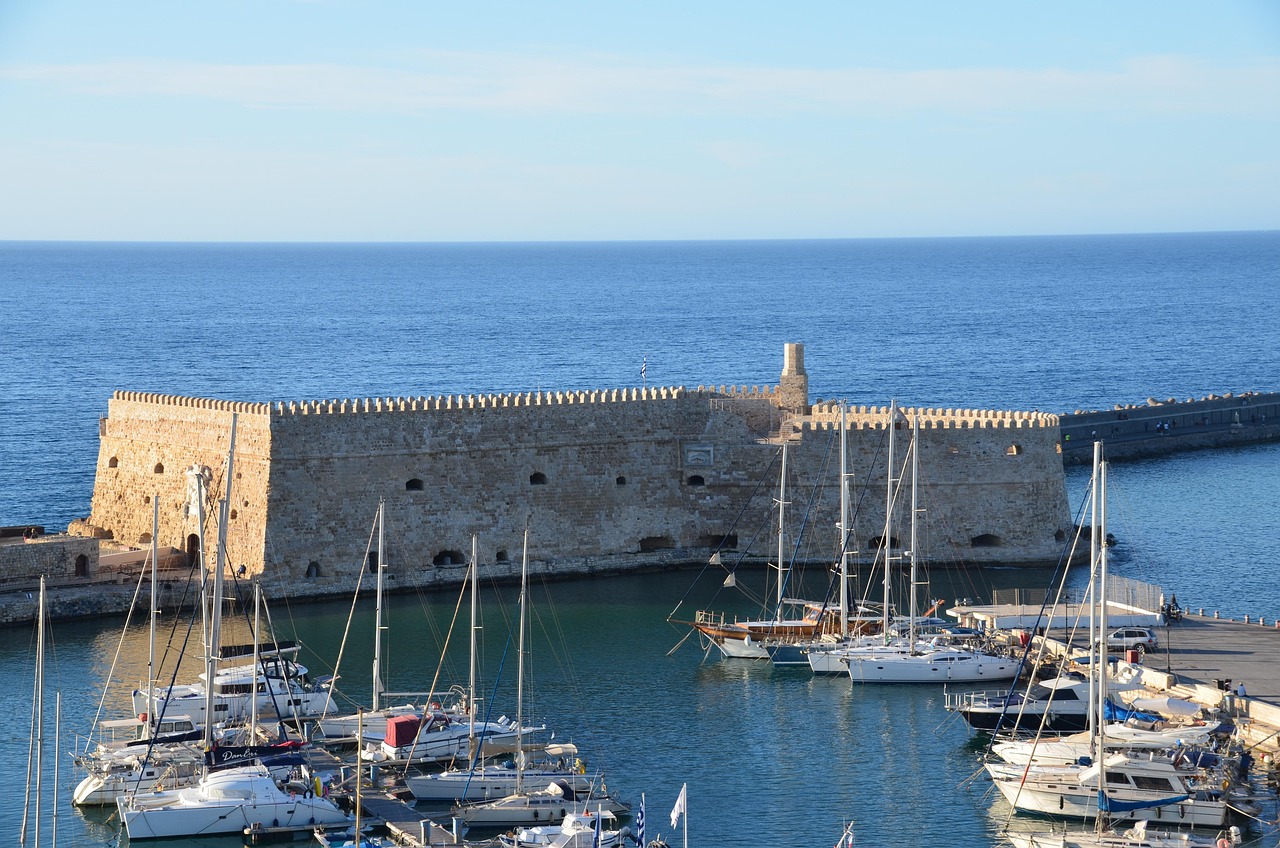
The Venetian sea fort at the end of the old harbour breakwater, its walls carved with the winged lion of Saint Mark. Inside, vaulted rooms…
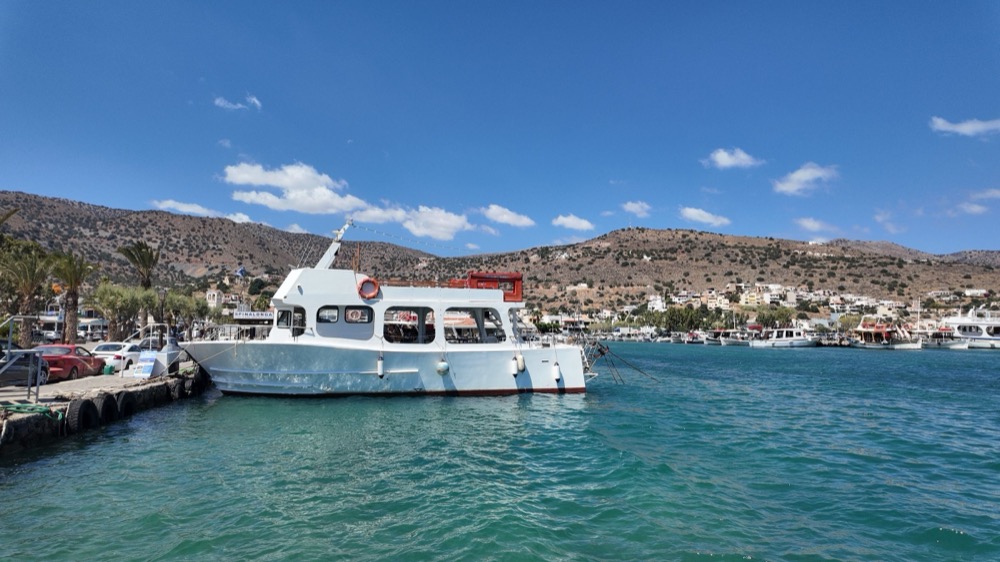
On the Gulf of Elounda, a sheltered bay in Crete's north-east, sits a fishing harbour with the island fortress of Spinalonga across the…
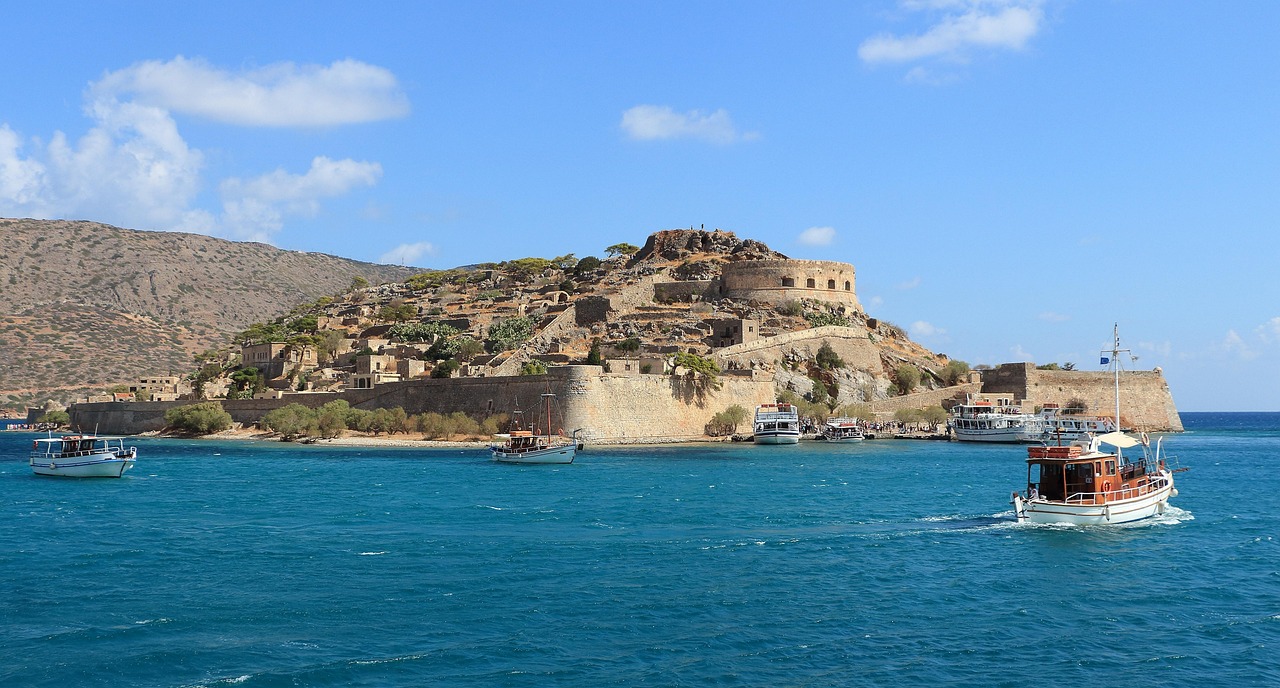
Venetian walls built in 1579 ring this rocky island at the mouth of the bay. For most of the twentieth century it served as a leprosy…
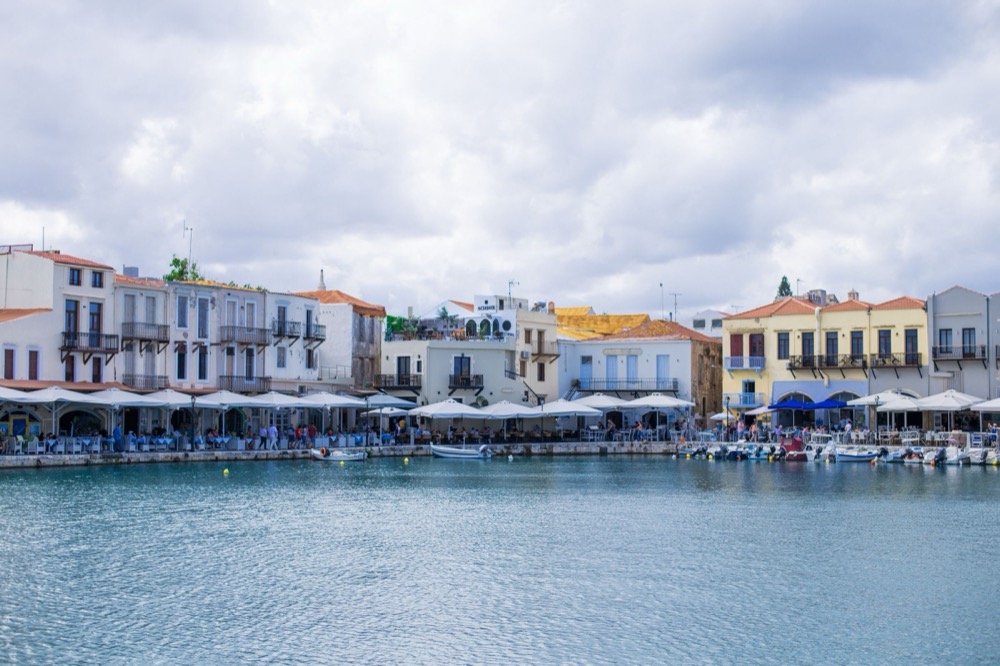
Midway along Crete's north coast, a compact Venetian and Ottoman old town sits under a hilltop fortress, with a long sandy beach running…
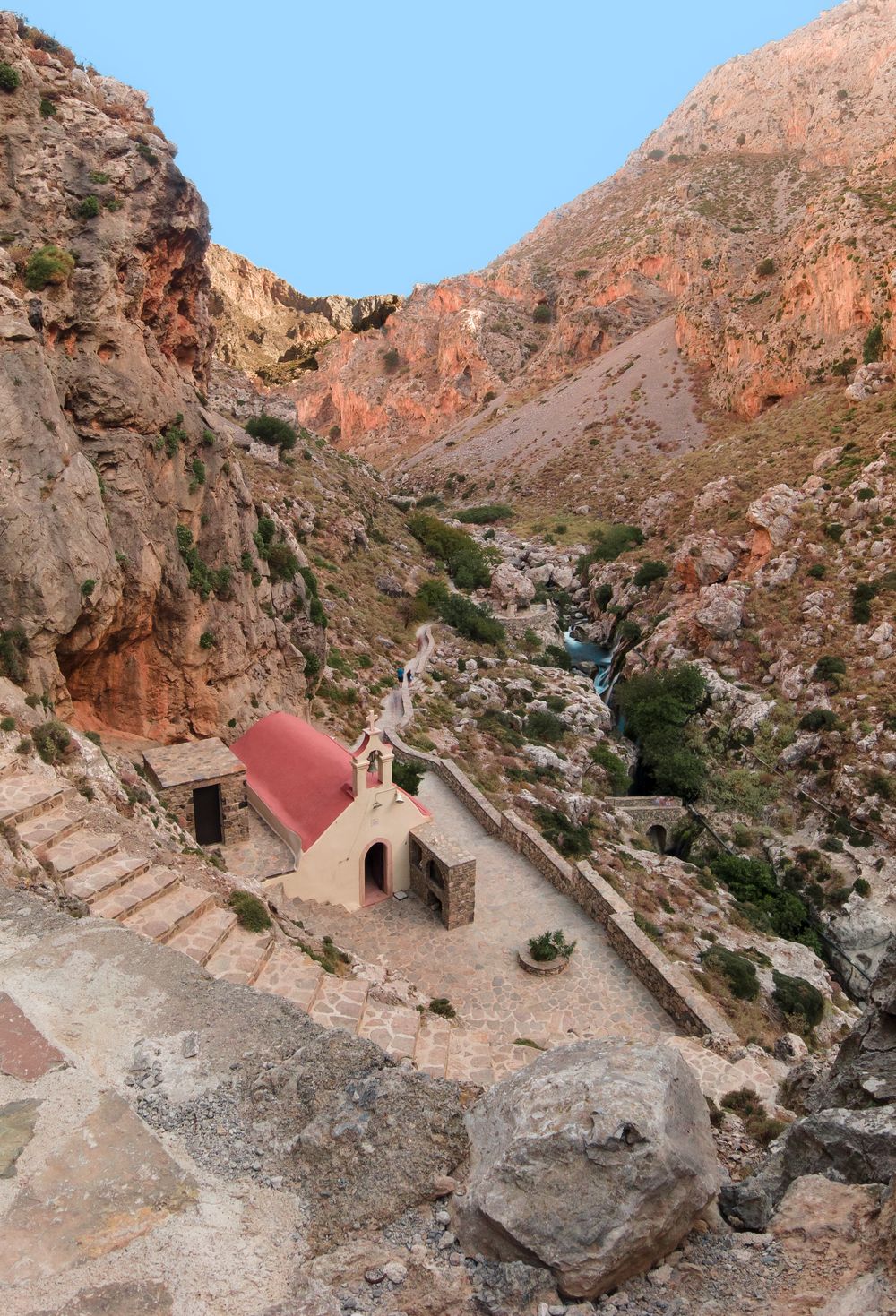
The road south to Plakias and Preveli threads through this narrow limestone gorge, its walls rising sheer on both sides. From a lay-by, a…
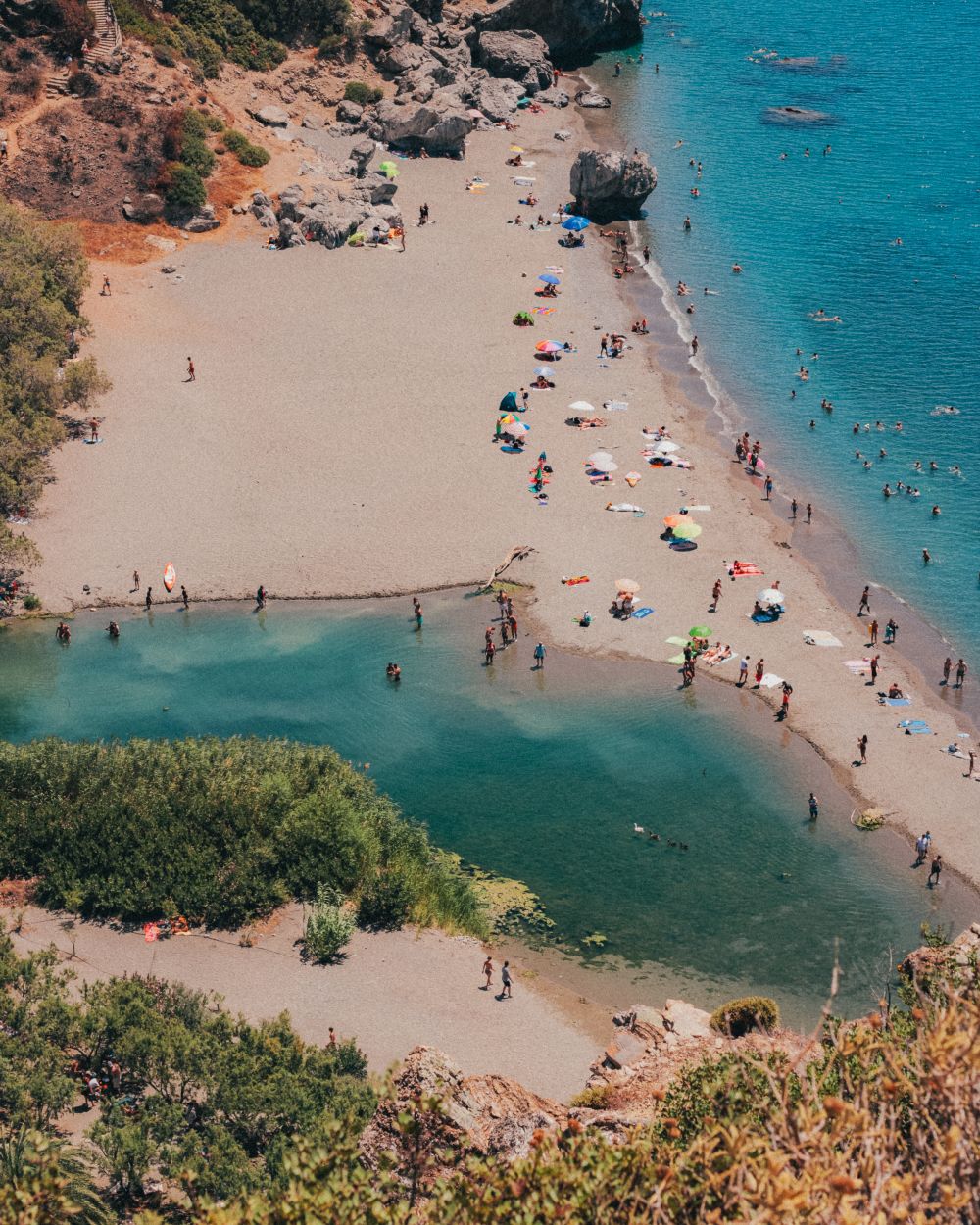
A river runs out of the Kourtaliotiko gorge through a grove of wild palms and meets the sea across a strip of sand and pebbles. Walkers can…
The official pages this guide was checked against.
Last updated