 Submit a photo
Ninety seconds on Sarakiniko Beach
By car, scooter or quad, Sarakiniko is about ten minutes from Adamas and fifteen from Plaka, on a paved road with some steep downhill stretches. Milos Buses, the island operator, runs from its main terminal in Adamas, about 100 m east of the port, and lists Sarakiniko as one of its terminus stops. Its timetables can change without notice, and the operator advises checking them a week before arrival. Walking from Adamas, about 5 km, takes around 45 minutes.
Very little. Sarakiniko is bare volcanic rock, and the shallow water at the head of its inlet is lined with finely ground pumice rather than sand. Bring a towel or mat to spread on the smooth rock.
No. There is almost no shade: one small tree and a couple of tiny caves, all taken by mid-morning. There are no toilets, kiosks or beach bars on the rock, though a small canteen truck sometimes parks near the car park in high season.
You come for the swim between pale walls: a shallow inlet cut into white volcanic stone, with smooth ledges to lie on and higher rocks that some swimmers jump from.
The white stone is volcanic tuff, a rock made of compacted ash. Wind and seawater have worn it into smooth curves, ridges, caves and arches, and the bare rock runs right down into the sea.
At the centre lies a small, narrow inlet of shallow water, walled in by the rock on both sides, and it is the main place to swim.
Above the inlet the rock rises in steps of different heights, from low ones just above the water to high ones that drop straight into deep water below.
On the way down, look at the sides of the valley that leads to the shore. Old mining tunnels are dug into them, and more caves and tunnels open in the rock along the coast.
Leave the car or quad in the car park above the shore. The walk down to the water takes no more than five minutes, and the rock opens out into flat places where you can sit.
Go left from there for the inlet and the jumping rocks. This side is a hive of activity, with people swimming and snorkelling in the shallows and moving about on the rock above.
Go right instead for the white shelf of stone, worn into shapes of every size, which you will mostly have to yourself.
Bring a hat, sunscreen and a mat or towel to lie on, because the white rock throws the sun straight back at you. Carry water and snacks for the whole stay, and a bag so you can take your rubbish away with you.
Wear sandals or shoes with grip if you plan to walk out to the far edges of the rock or climb for views. Leave the formations as you found them: the tuff is delicate, so never scratch or carve it.
Explore the rest of Milos
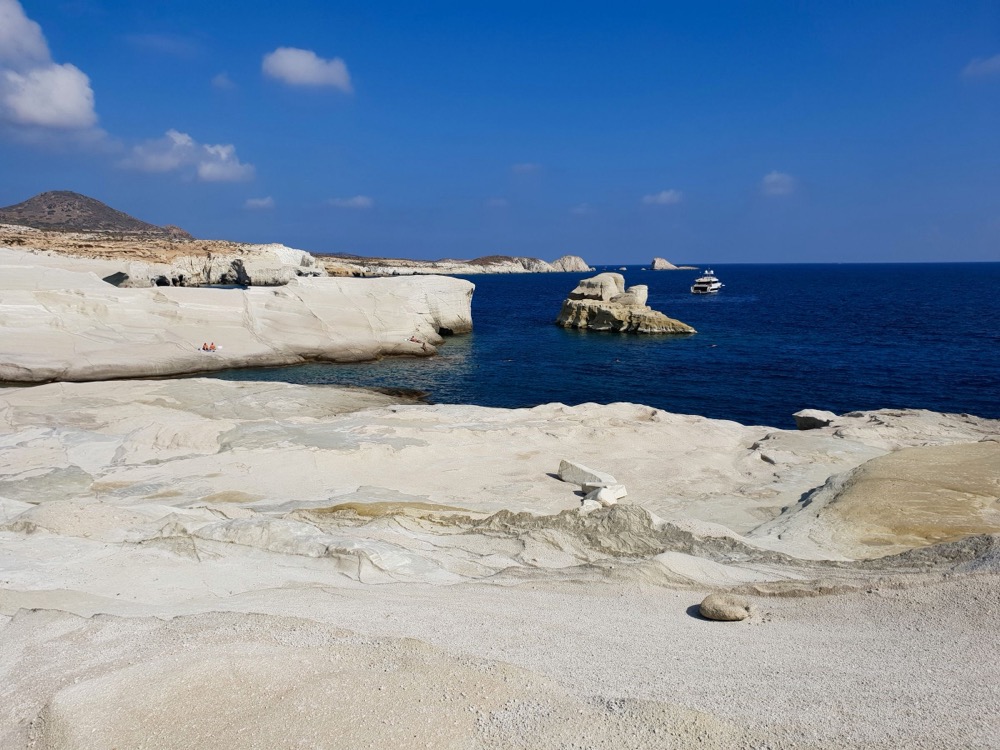
Volcanic rock in white, red and ochre shapes this island's coastline into sea caves, chalk-white coves and boathouse villages, and most of…
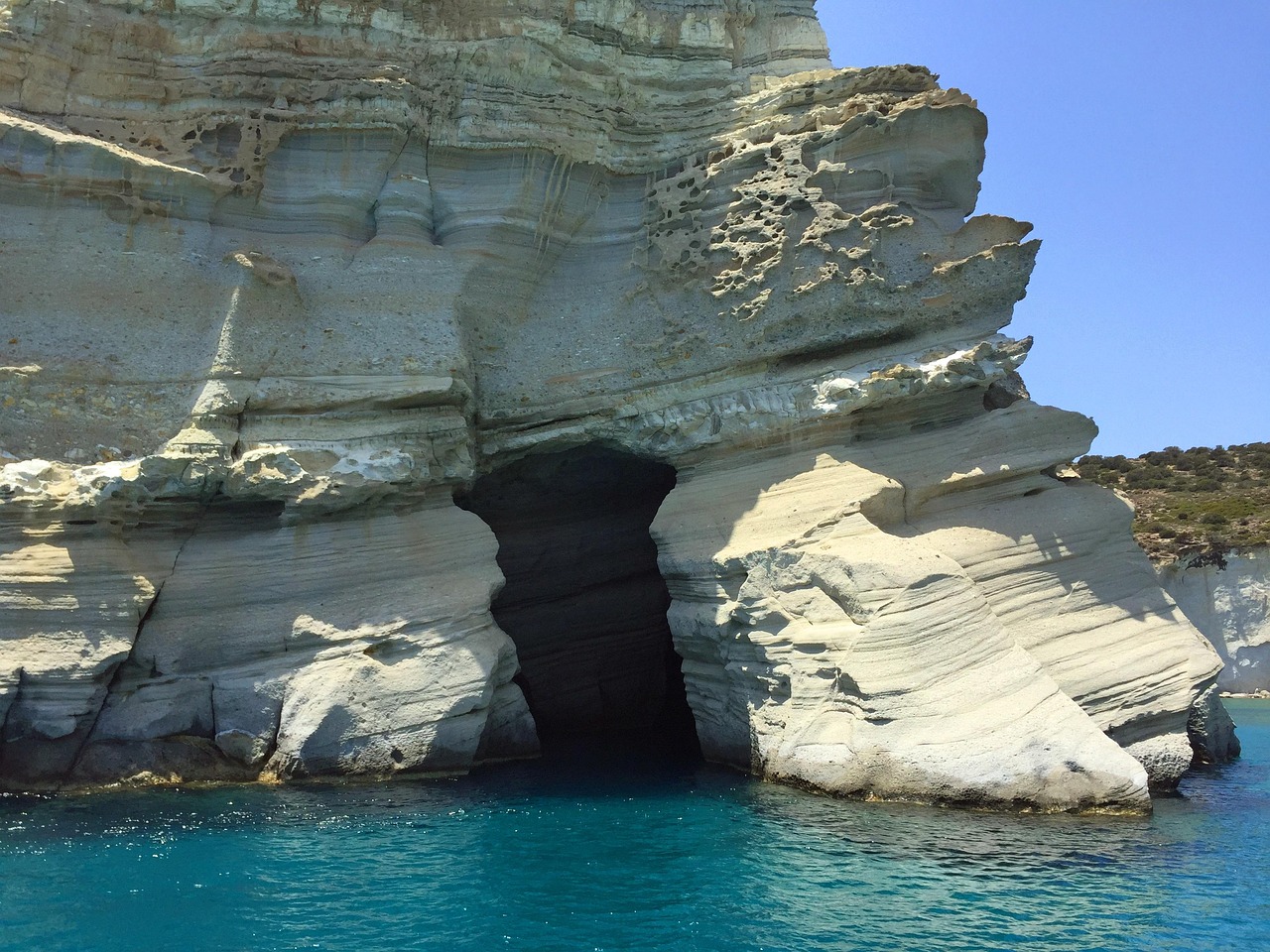
Sea caves, arches and white rock pillars rise from deep blue water on the remote south-west tip of the island, a former pirate hideout with…
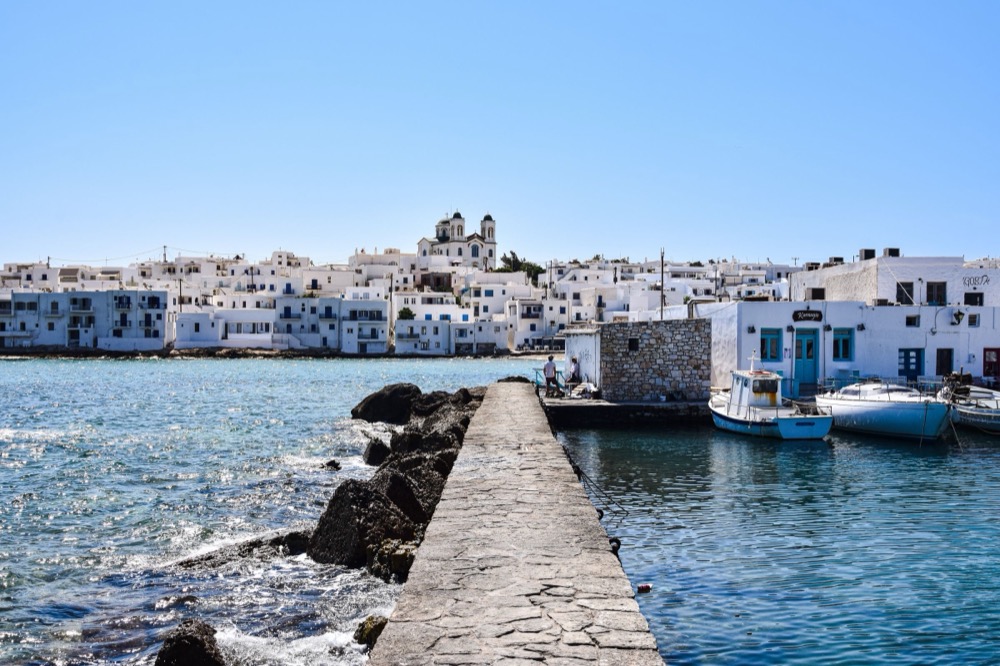
Ferries from half the Aegean put in at Parikia, the island's port town, a tangle of marble-paved lanes around one of Greece's oldest…
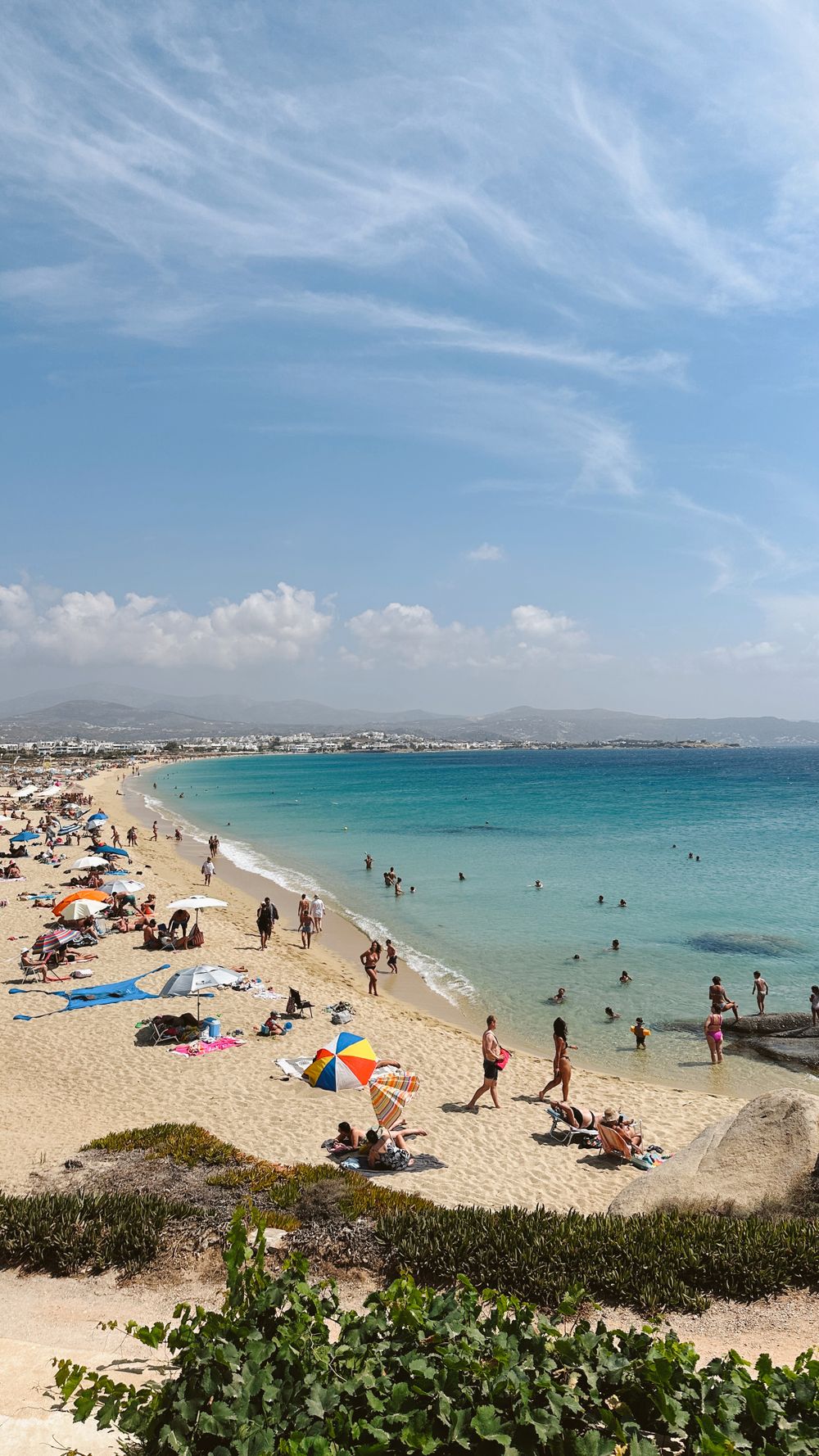
A long arc of golden sand on the west coast just south of the main town, with clear, shallow water and a strip of small hotels and tavernas…

Oia sits on the northern tip of Santorini's crater rim, three hundred metres above a drowned volcano, its cave houses dug into the cliff…
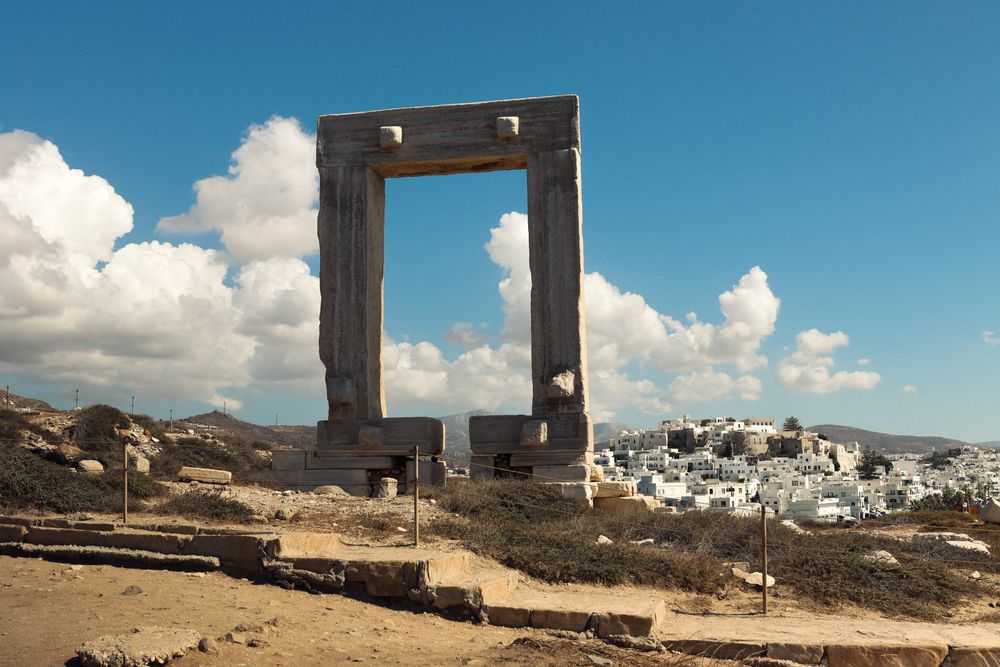
A colossal marble doorway standing alone on the islet of Palatia, joined to the harbour by a causeway. It is all that stands of a temple to…
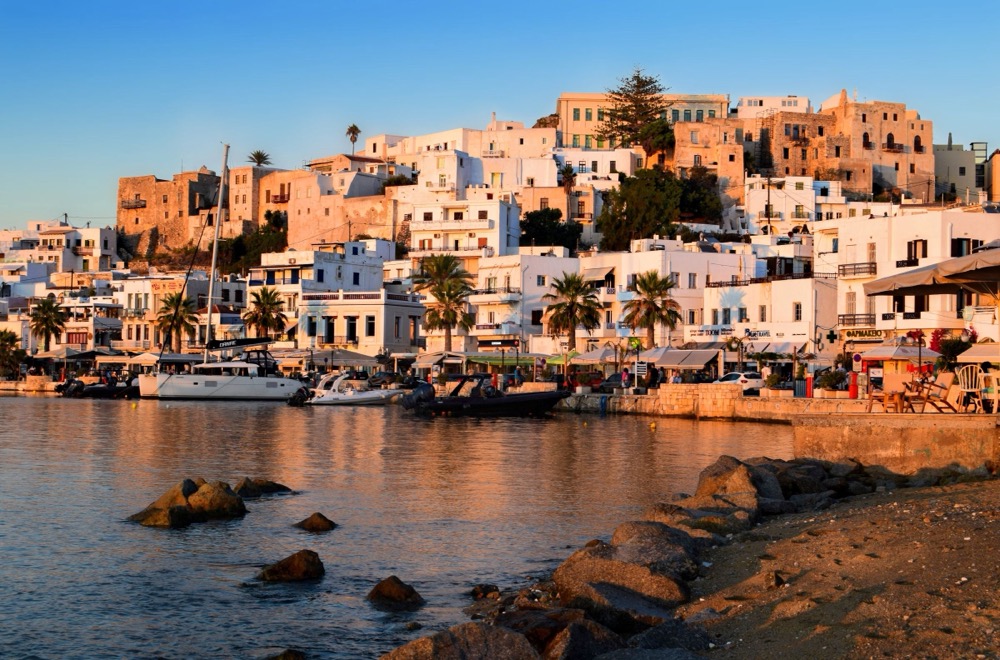
A marble temple doorway frames the harbour of the largest Cycladic island, where long sandy beaches run south of town and a mountain…
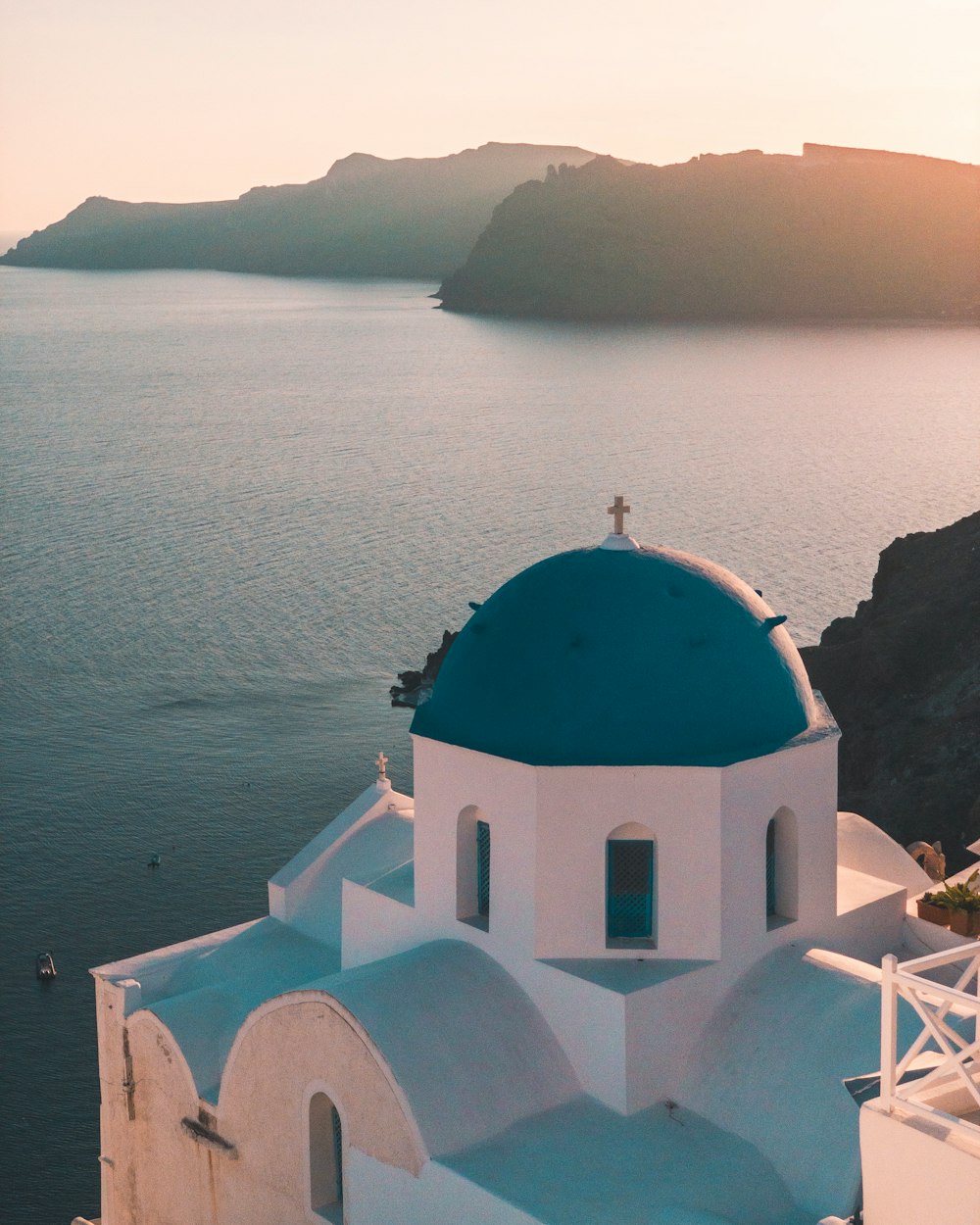
A sea-filled volcanic crater, with Fira, Imerovigli and Oia built along its cliff rim and the young islands of Palea and Nea Kameni in the…
Last updated