 Submit a photo
Ninety seconds on Akureyri Botanical Garden
Worth a stop on any day in Akureyri, this hillside garden shows you what will grow on a fjord this far north: Icelandic wildflowers in one bed, Himalayan blue poppies and South American alpines in the next.
The garden is a working trial ground. Its main job is to test which trees, shrubs and perennials can survive the climate of north Iceland, from a sheltered spot on Eyjafjord, one of the country's longest fjords. More than 7,000 species grow on its 3.6 hectares.
One section holds native and naturalised Icelandic flora, and another area is given to Arctic plants. A whole border belongs to the dock family, with many different kinds of rhubarb.
The garden opened in 1912 as Iceland's first public park, on a hectare of hay field the town set aside, and became a botanic garden once donated plant collections arrived. Busts stand among the flowers, and some of the wooden houses on the grounds are among the oldest in Akureyri.
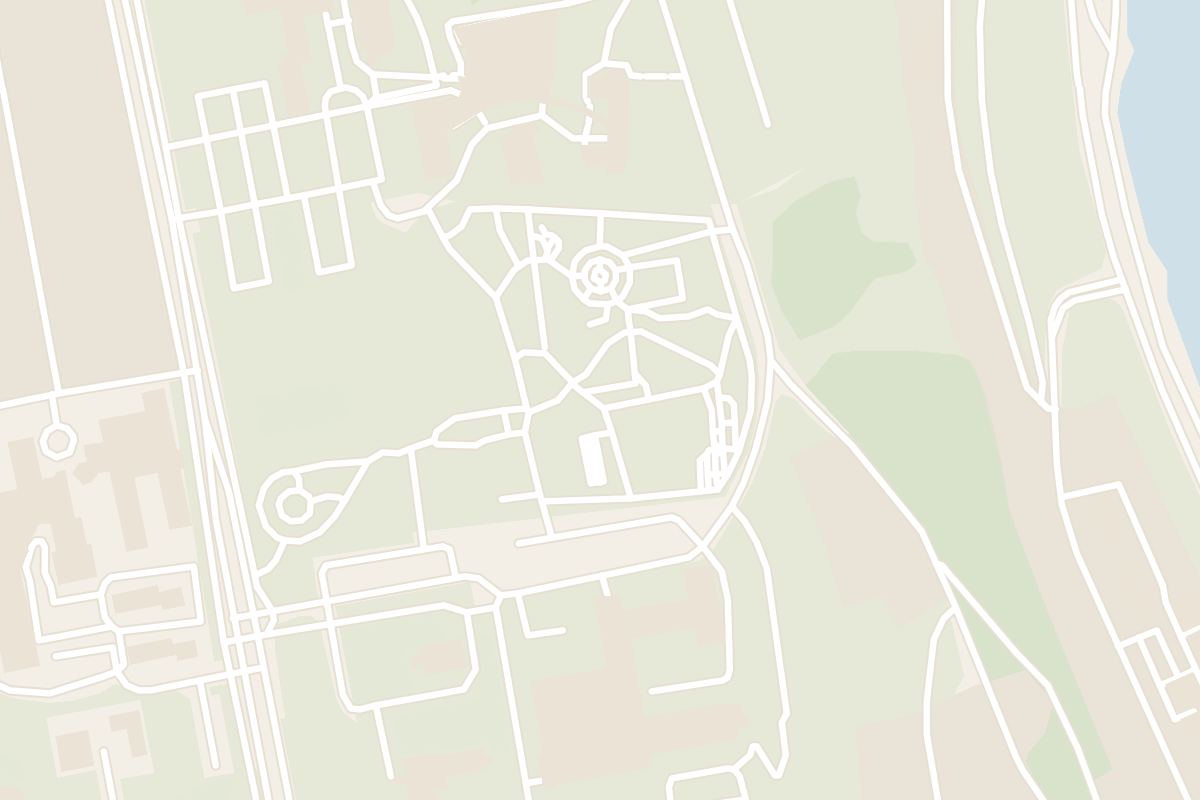
Entering from Þórunnarstræti, beside the Menntaskólinn á Akureyri, you walk straight onto the paths. If you came by bike, leave it at the stand by the entrance, because cycling, scooters and skateboards are not allowed inside.
Work round the beds at your own pace and read the plant labels. Leave the labels alone, though, since interfering with them is against the park rules.
LYST, the garden's restaurant and cafe, is the place to stop, with a classy interior behind big windows. It opens from 10am to 7pm Sunday to Thursday, and in summer it stays open into the evening. Its toilets are for customers only.
If the flowers are the point, the beds keep some colour from spring into autumn. A winter visit is about the trees instead: snow bends them low and fairy lights are strung through them, but little else is on show.
Keep a dog on a leash, and leave seeds where they fall: taking them or damaging plants is strictly banned. Akureyrarkirkja stands on the same hill, so you can pair the two in one outing.
Explore the rest of Akureyri
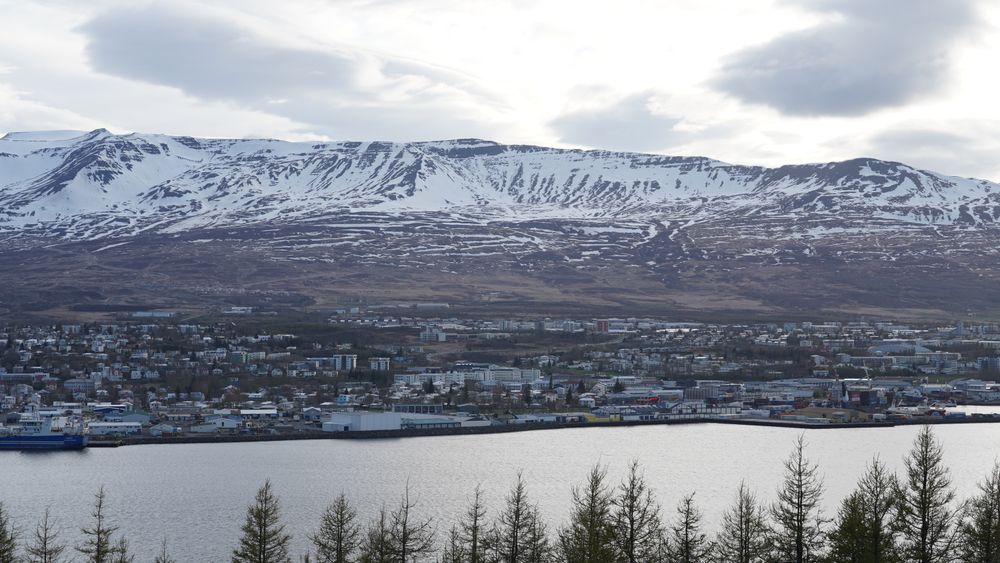
Base yourself here and most of north Iceland becomes a day trip from one bed: whale boats leave from the harbour, Goðafoss is about 40…
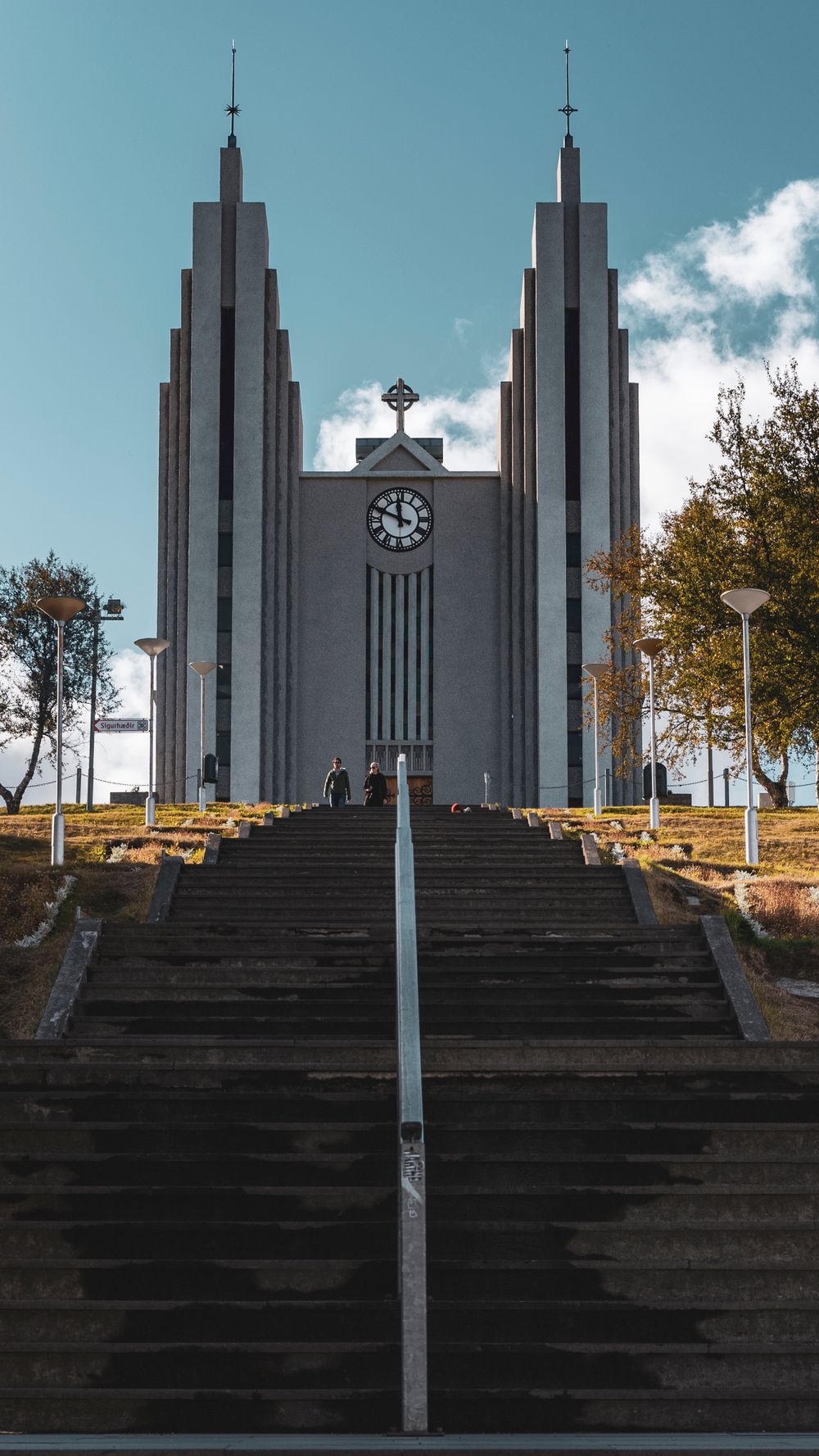
Hilltop Lutheran church above the centre of Akureyri, consecrated in 1940 to a design by Gudjon Samuelsson. The central stained glass…
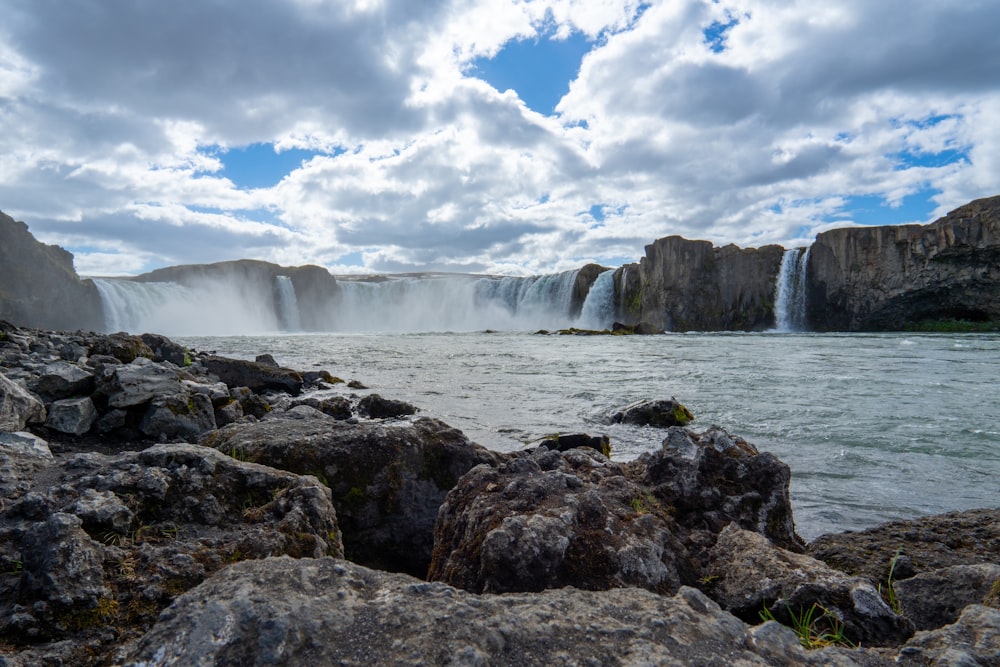
The river Skjálfandafljót drops 12 metres over a 30-metre horseshoe of basalt beside Route 1. Paths and viewpoints run along both banks,…
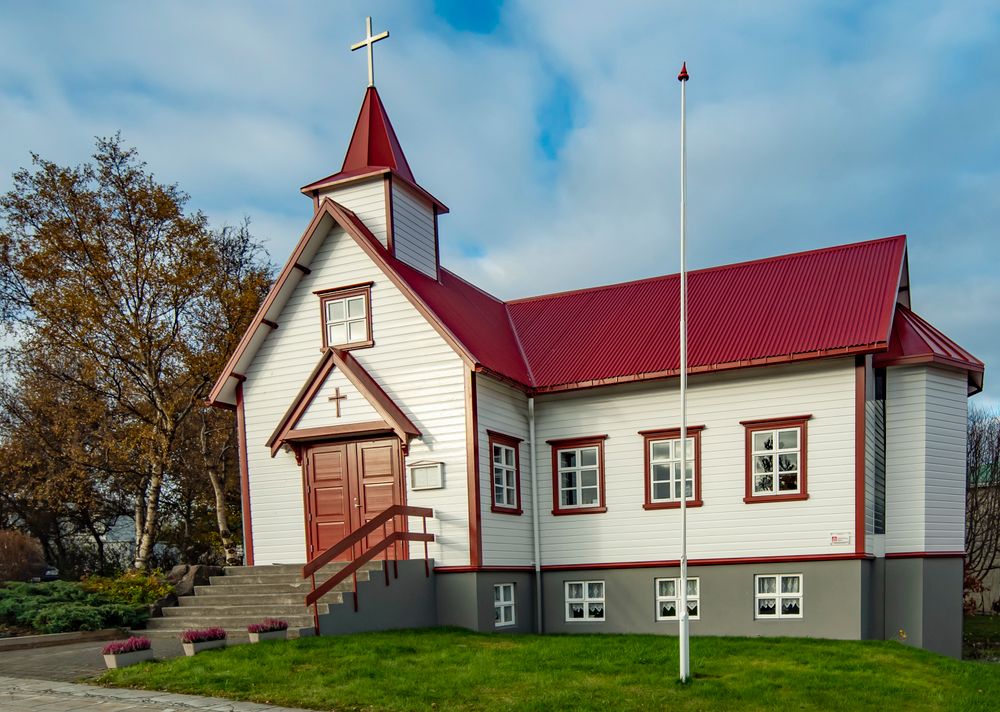
Akureyri's oldest quarter, south of the centre, with timber houses from the late 18th and 19th centuries including Laxdalshús of 1795, the…
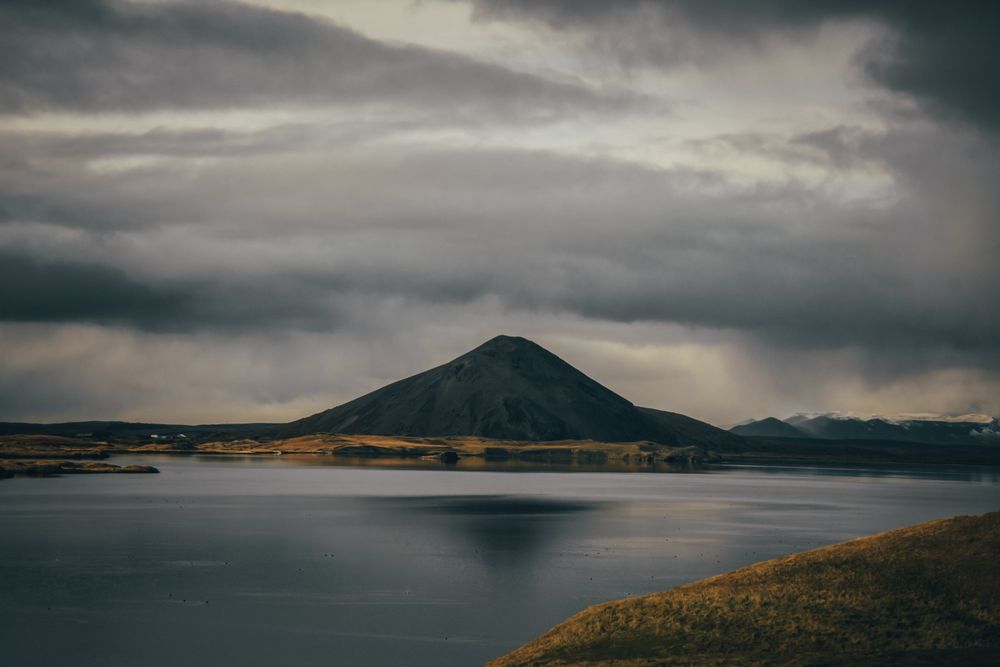
From the west shore of Lake Mývatn, an old road crosses flat ground to the base of this dark peak, then a cairned path climbs steeply to…
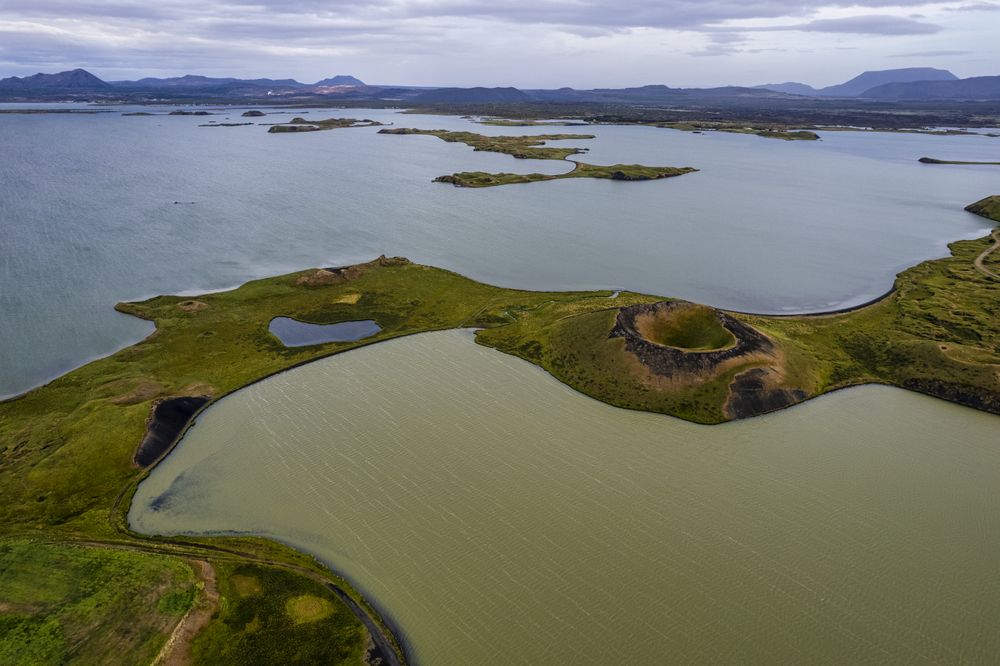
A field of grassy pseudocraters at Skútustaðir on Mývatn's south shore, made when lava flowed over wetland and trapped steam burst up…
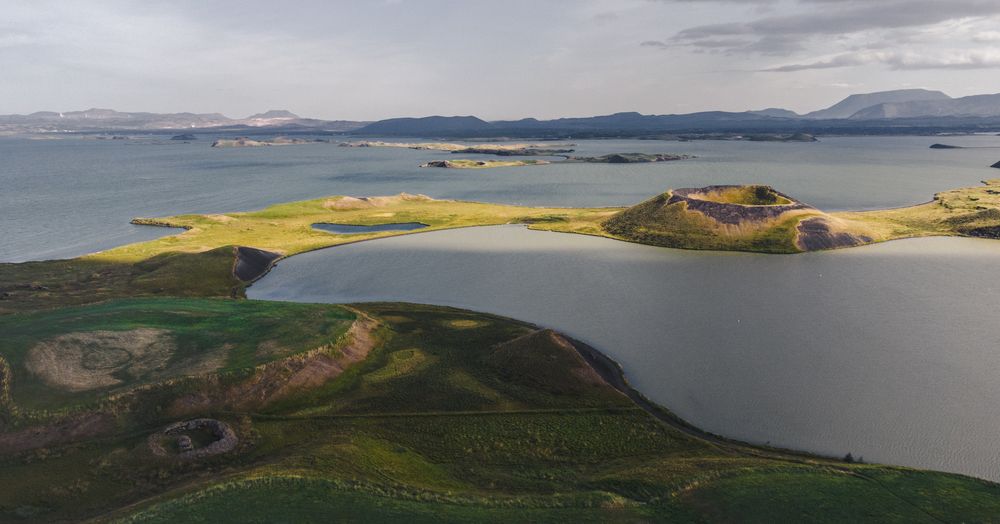
Staying by the lake puts the volcanic sights close: a crater rim, steaming mud pots, lava pillars and a cave pool all sit within half an…
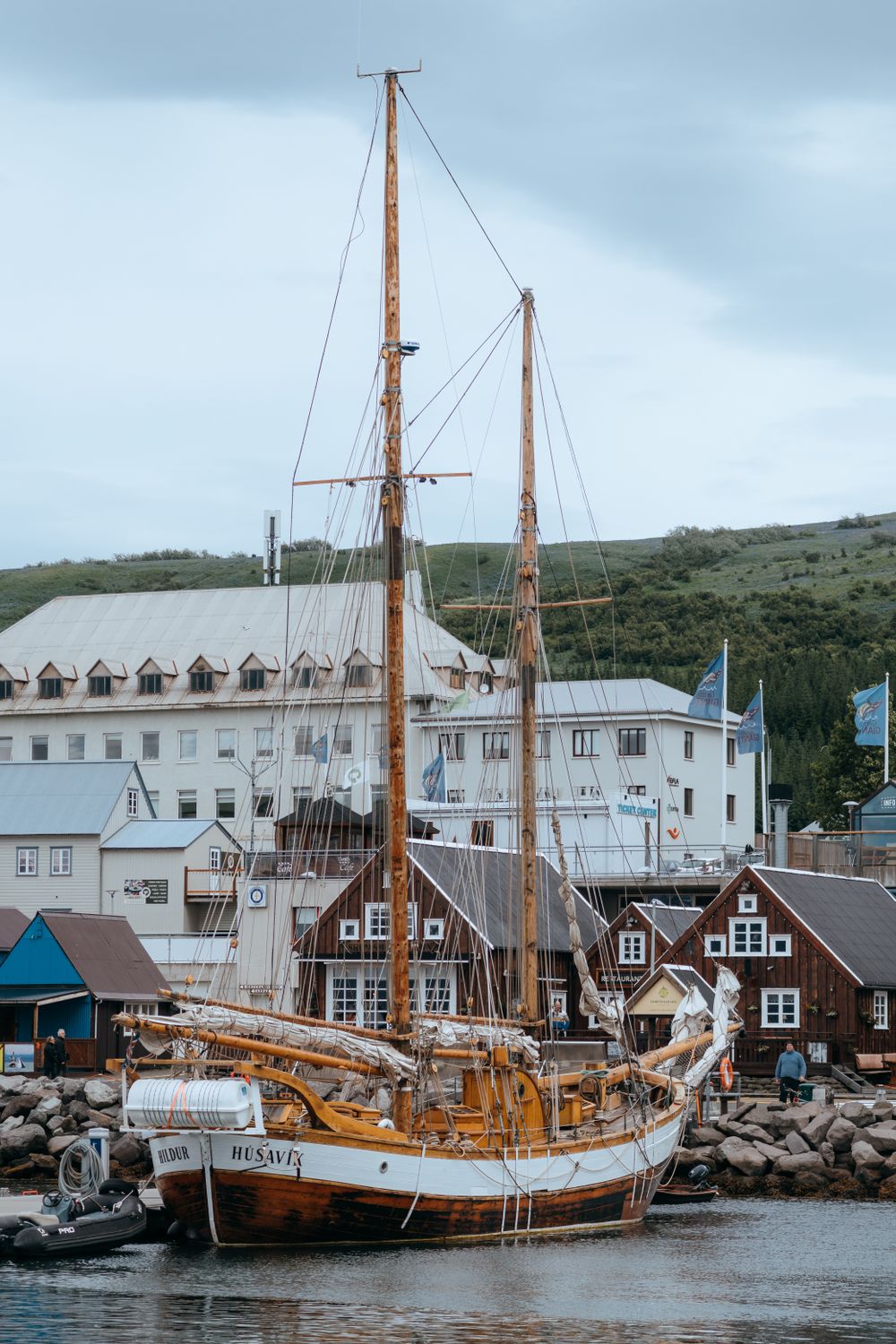
Whale-watching and puffin boats leave Húsavík's harbour for Skjálfandi Bay, where up to 23 whale species have been recorded. The wooden…
The official pages this guide was checked against.
Last updated