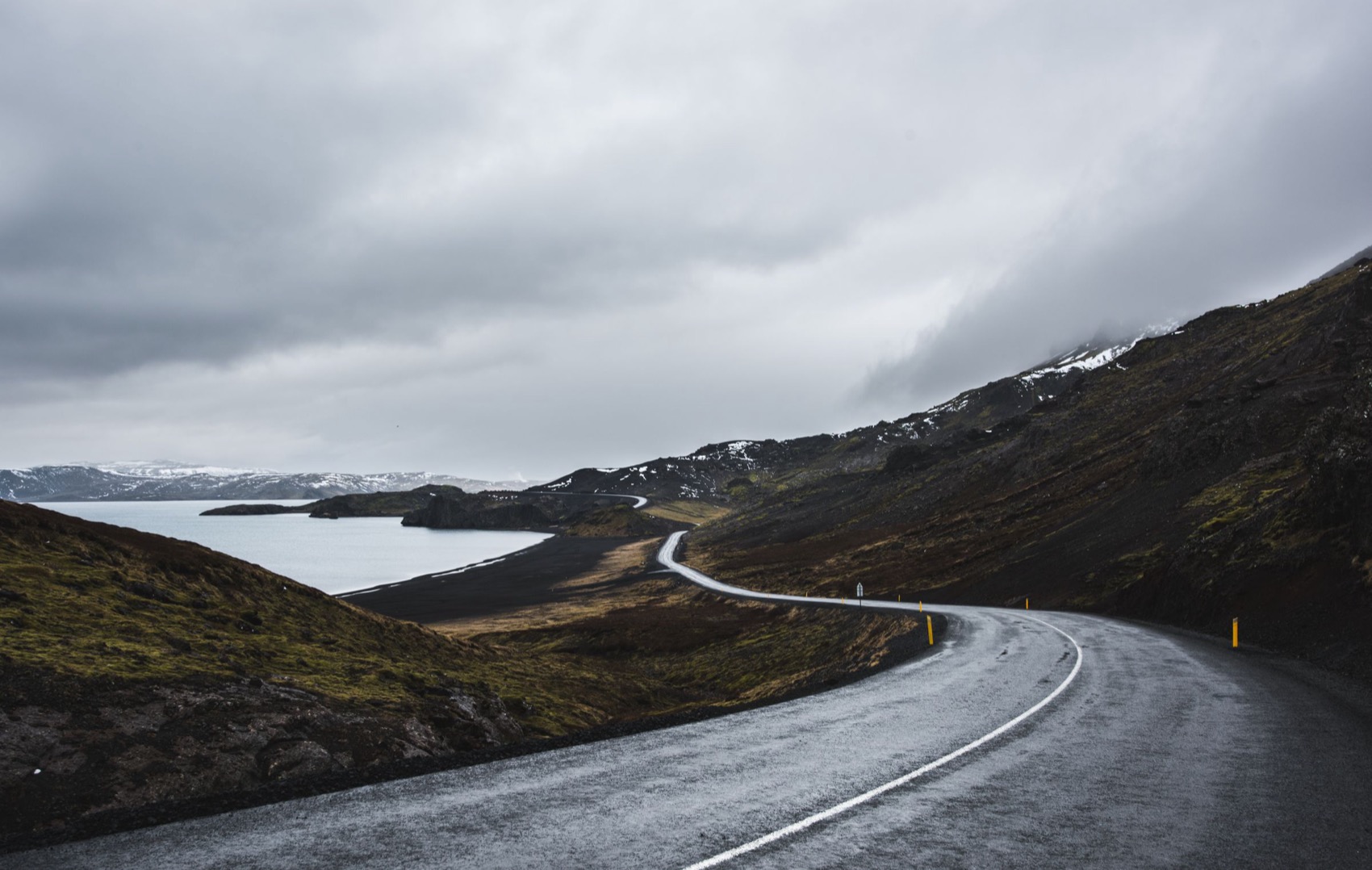
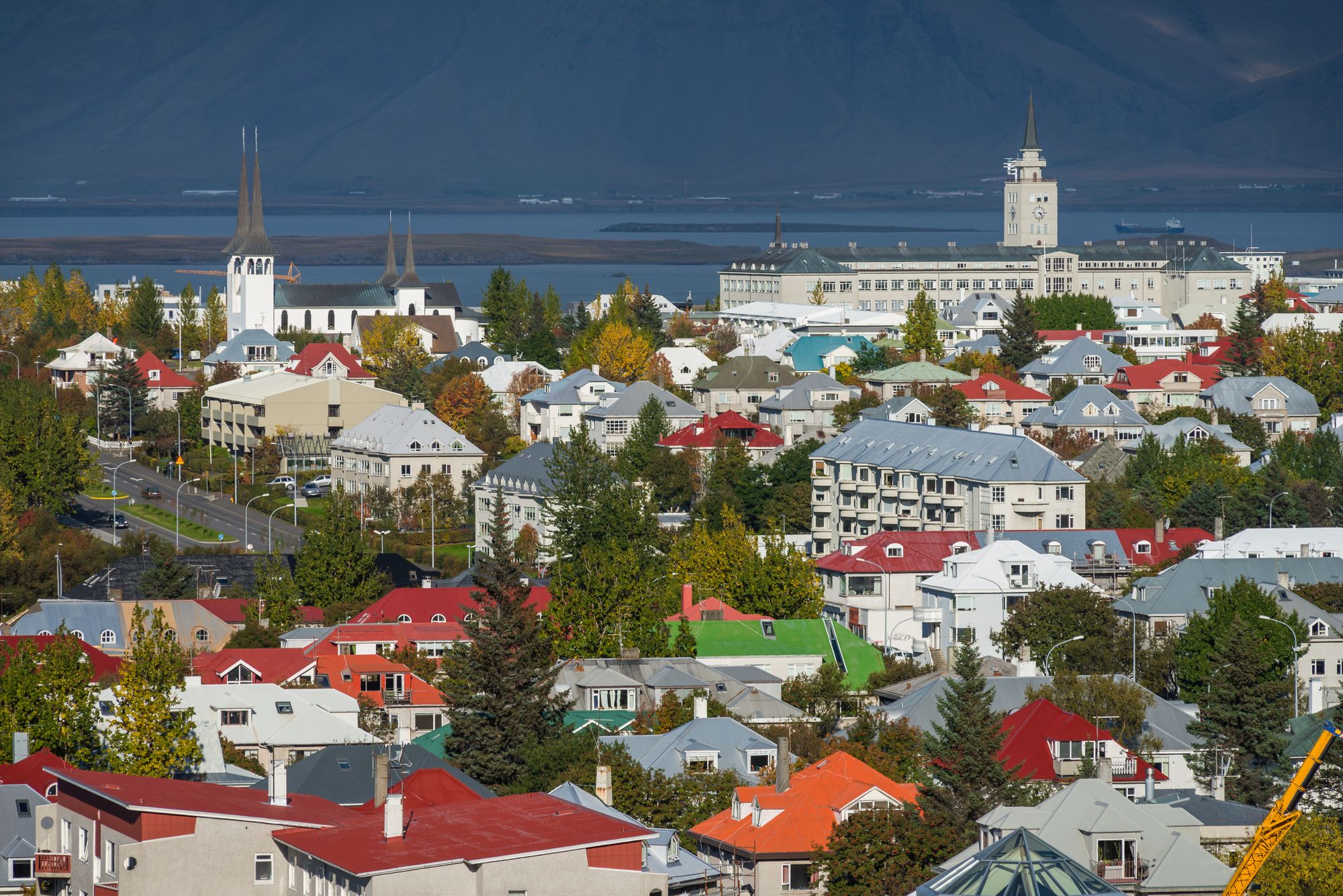
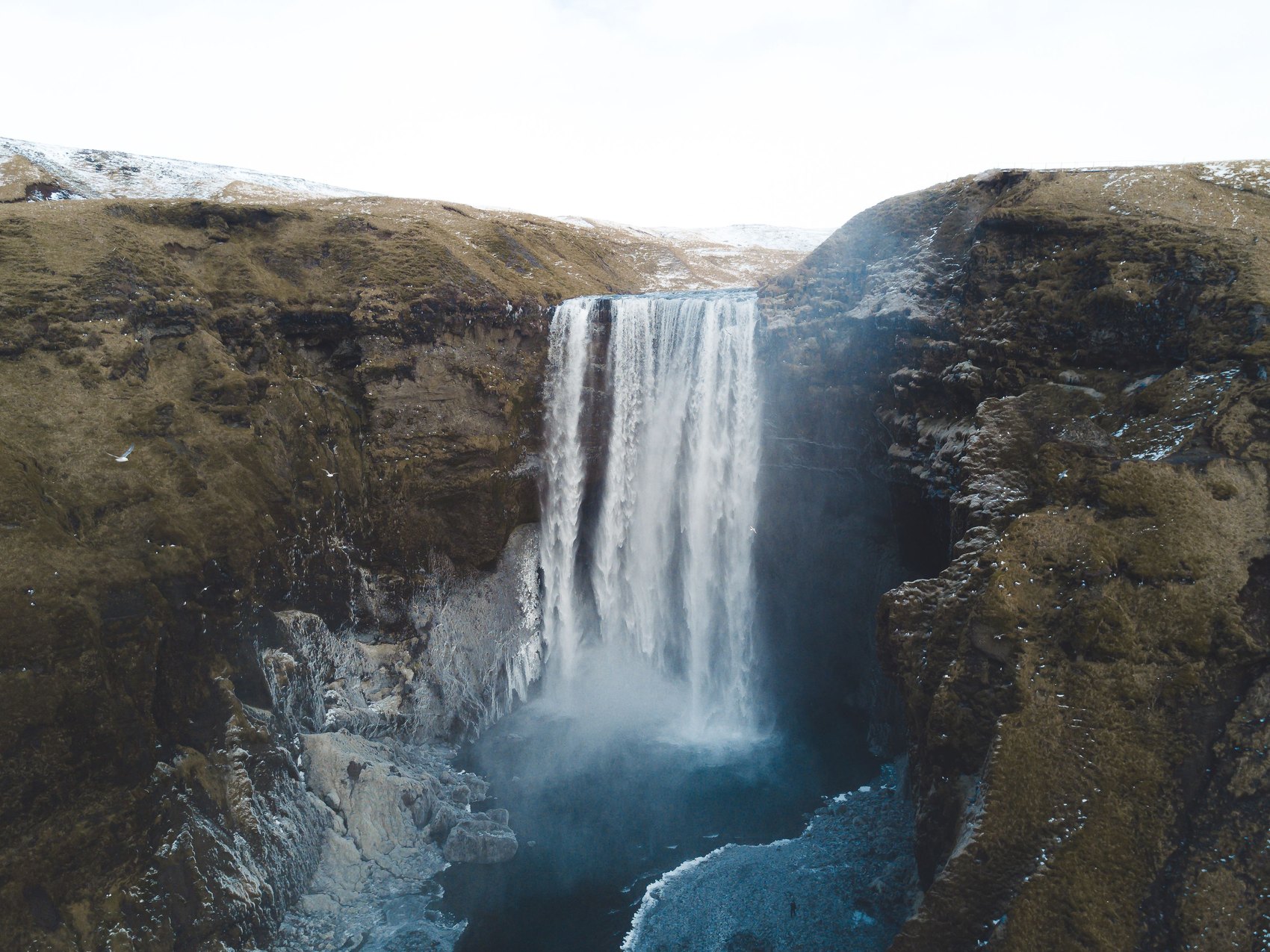
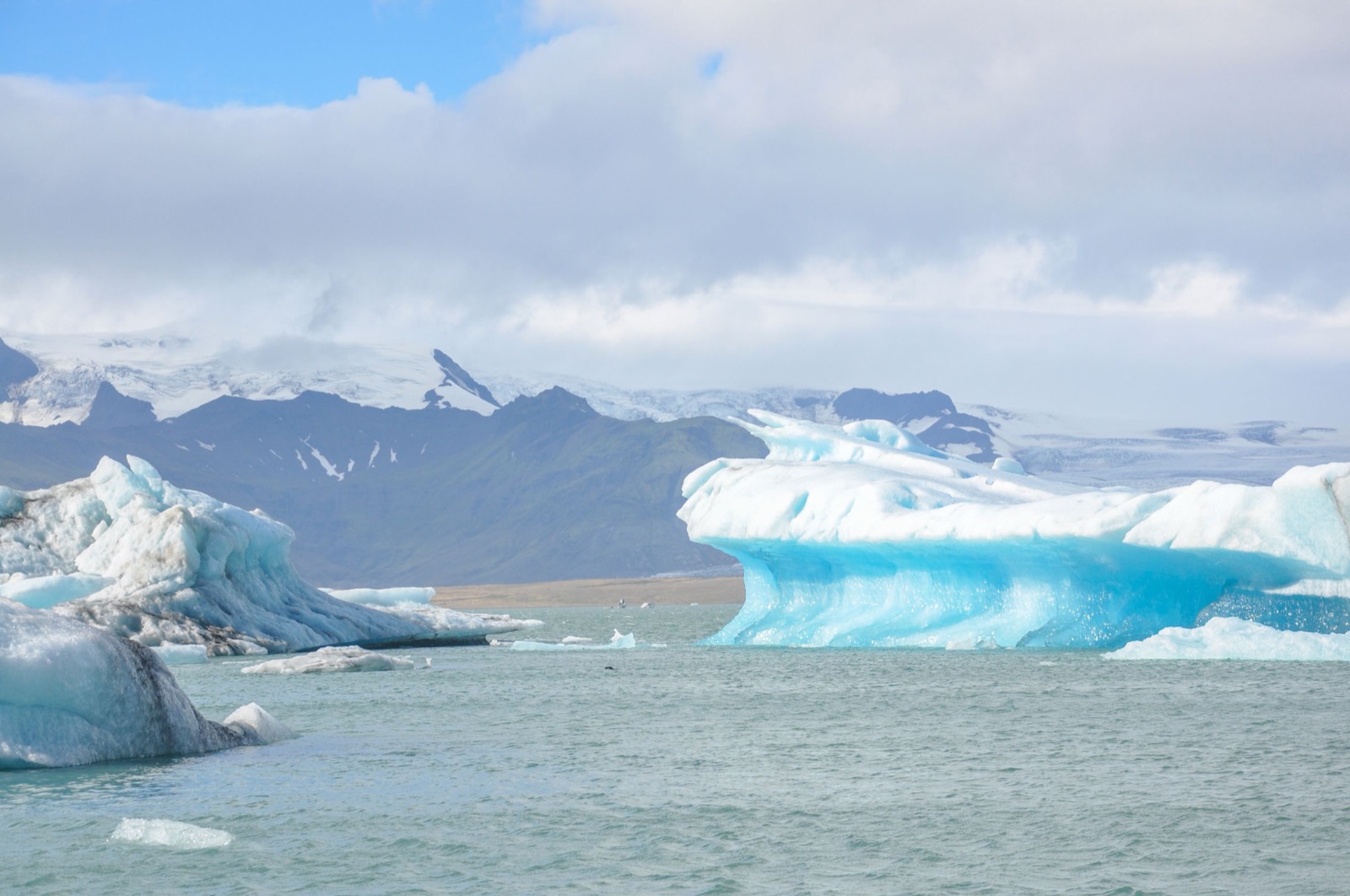
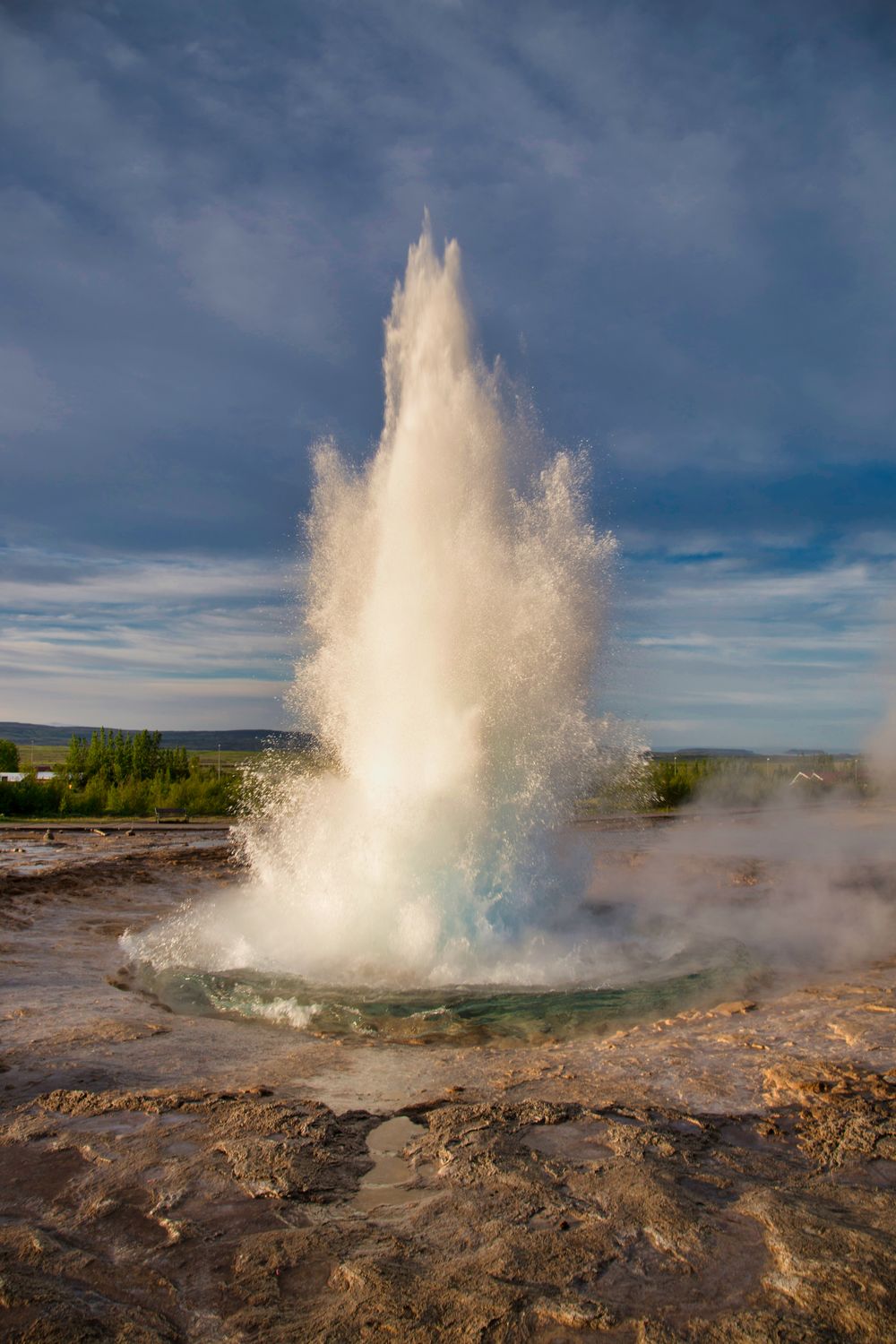
Waterfalls, glacier lagoons and black beaches sit an hour or two apart along one paved road, and you drive it yourself. Decide how far round you are going before you book the car.
Country guide. Meridian Dispatch.
Iceland at a glance
What to know before you book
Emergencies
112police, ambulance, fire and rescue
Getting around
A hire cartraffic drives on the right
When
June to Augustthe long days and the open highland roads
Languages
IcelandicEnglish widely spoken
Money
The Icelandic krónawritten ISK
Airport
Keflavík, KEFon the Reykjanes peninsula, south-west of the capital
Where to stay
Where should a first visit to Iceland be based?
Reykjavík suits a first visit or a trip without a car, since the airport buses, the day tours and the domestic flights all start there. For the south coast, Selfoss and Vík put the waterfalls and the black beaches within a short drive, and Akureyri and Mývatn are the bases for the north.
How long
How many days does a trip to Iceland need?
Five days cover Reykjavík, the Golden Circle and the south coast as far as Vík. A full circuit of the Ring Road needs ten days or more, because the east and the north are a long drive from the airport and the weather can cost a day.
From the airport
How do travellers get from Keflavík airport to Reykjavík?
The Flybus leaves the terminal after every arrival and reaches the BSÍ bus terminal in central Reykjavík in about 45 minutes. The airport is about 50 km from the city by road. Strætó route 55 also runs into Reykjavík, and taxis wait outside arrivals day and night.
A car
Is a hire car needed in Iceland?
For most trips beyond Reykjavík, yes. Long-distance buses are few, and some routes run only on certain days of the week, while the waterfalls, beaches and glacier lagoons sit along Route 1 away from the bus stops. Day tours from Reykjavík are the alternative for travellers who do not drive.
Best month
When is the best time to visit Iceland?
June to August, for the warmest days, the open highland roads and the puffin colonies. From 21 May to 23 July the sky never grows fully dark in Reykjavík. Winter brings the northern lights and ice caves, but short days and closed roads.
Northern lights
When can the northern lights be seen in Iceland?
From September to April, on dark nights with a clear or partly clear sky. Veðurstofa Íslands, the national weather service, publishes an aurora forecast with a cloud cover map on vedur.is each day.
Reynisfjara
Is Reynisfjara beach dangerous?
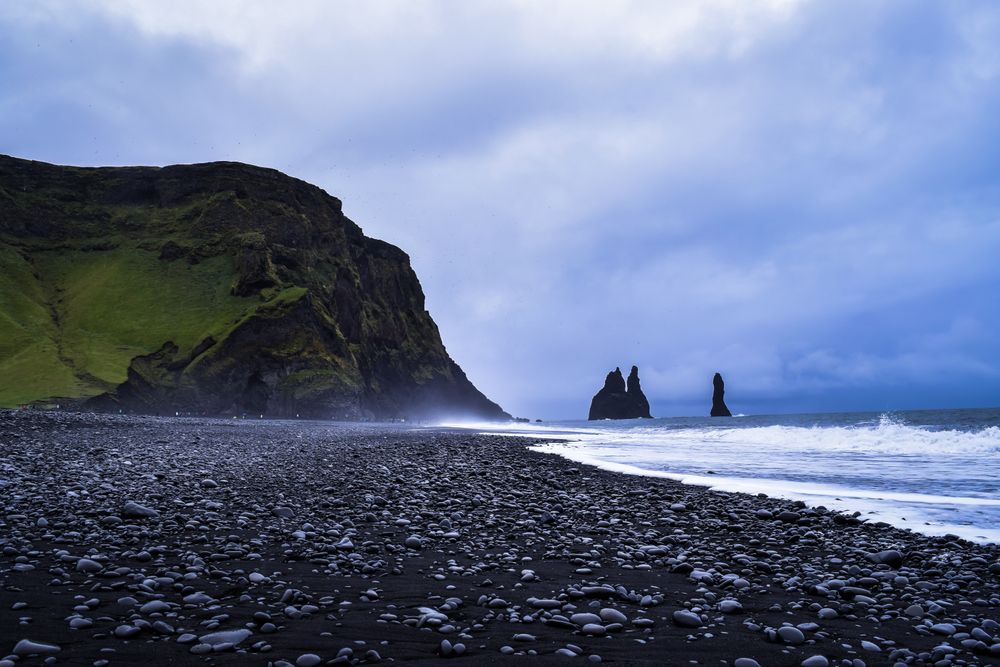
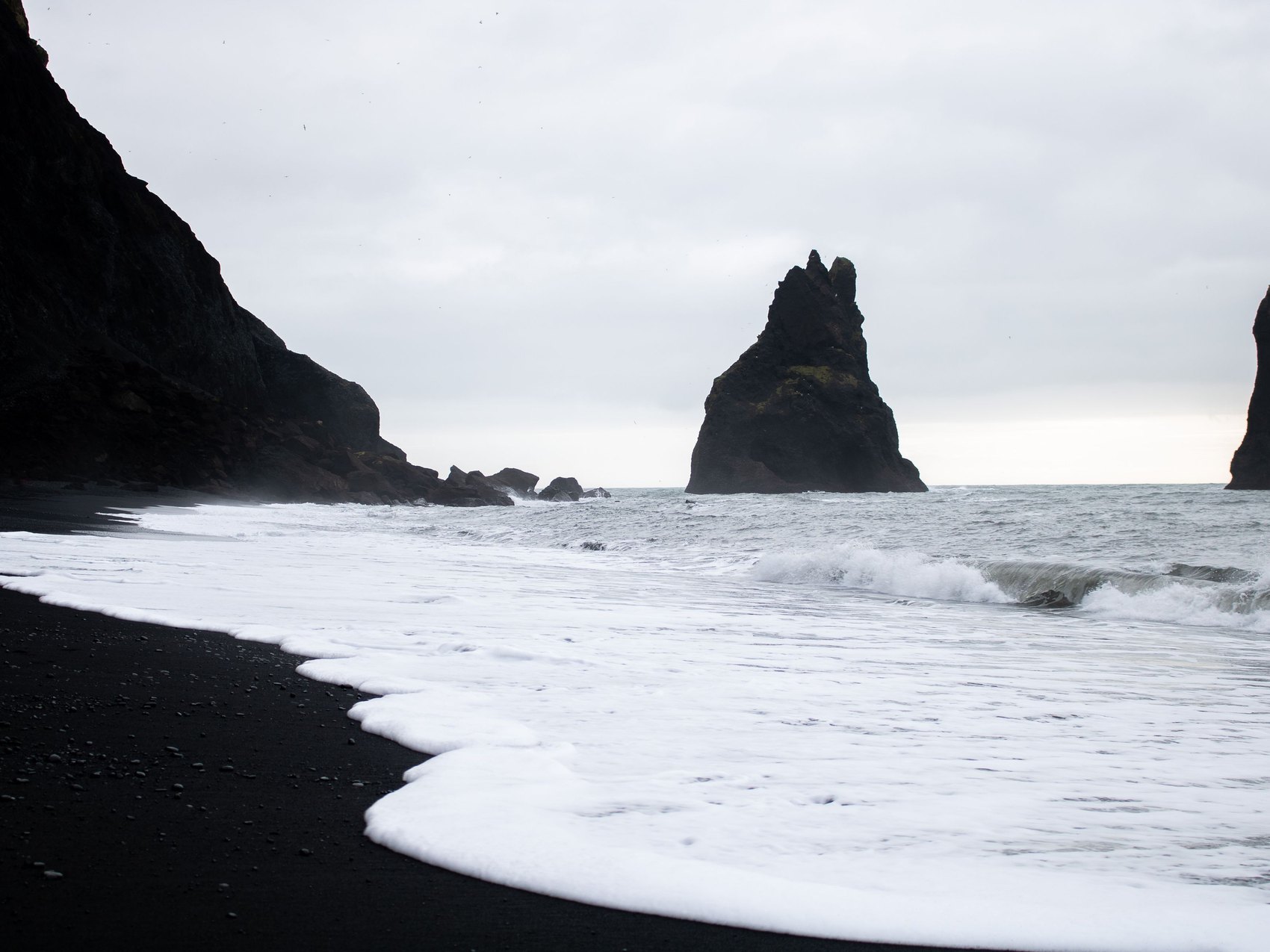
Yes. Sneaker waves at Reynisfjara, outside Vík, run far up the sand without warning and have swept visitors into the sea. Warning lights at the entrance and safetravel.is give the day's level: on orange the rule is at least 25 metres from the water, and on red the beach, the cave and the basalt columns are closed, with only the viewing area open.
Money
What currency does Iceland use?
The Icelandic króna. Card payment is the norm across the country, even for small amounts, so cash is rarely needed.
Tap water
Is tap water safe to drink in Iceland?
Yes. Cold tap water is drinkable throughout the country. Hot water in some areas comes from geothermal sources and can smell of sulphur, which is harmless.
What makes Iceland special
Seven reasons to make the trip, from the capital's pools to the puffin cliffs.
Reykjavík
A capital of pools
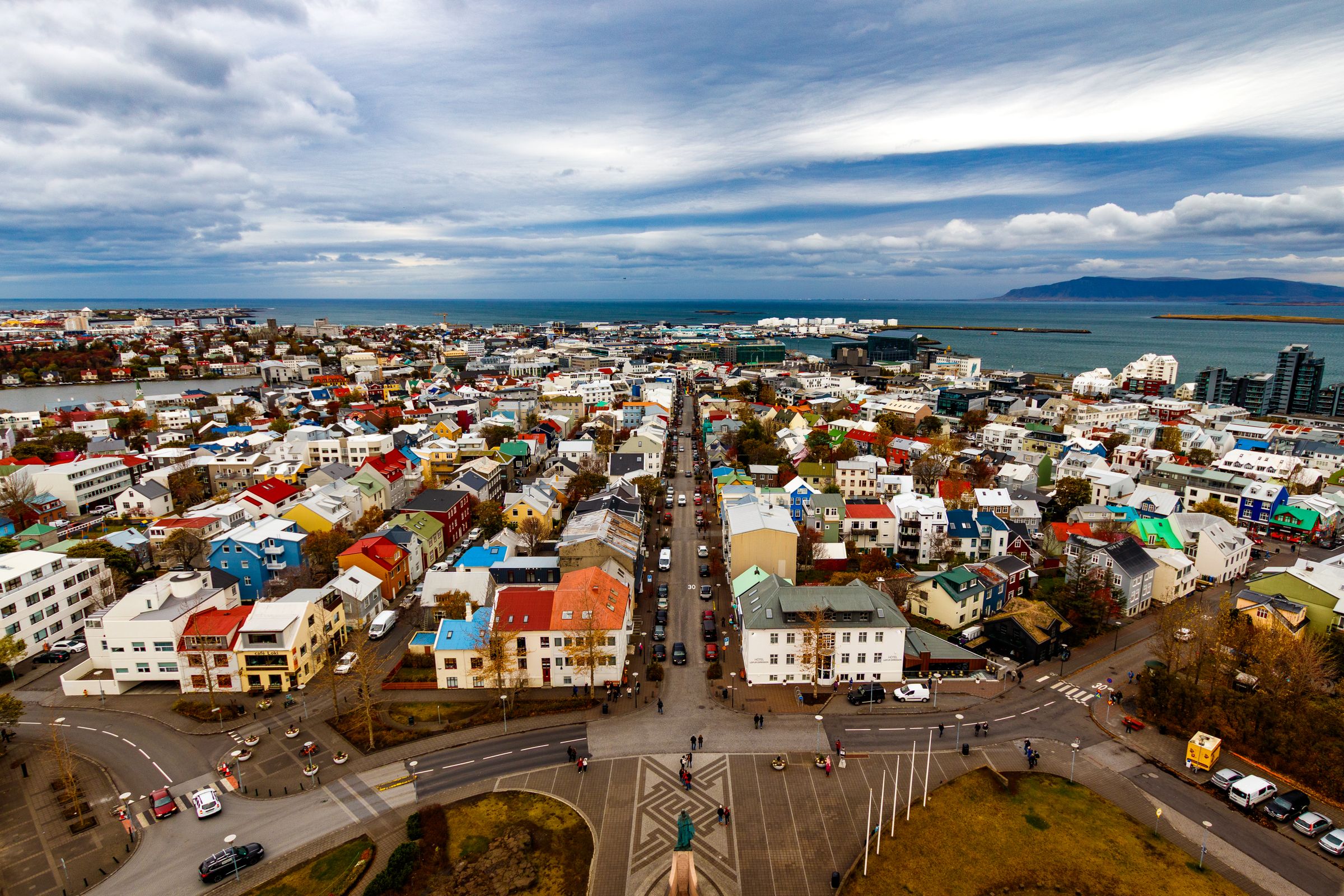
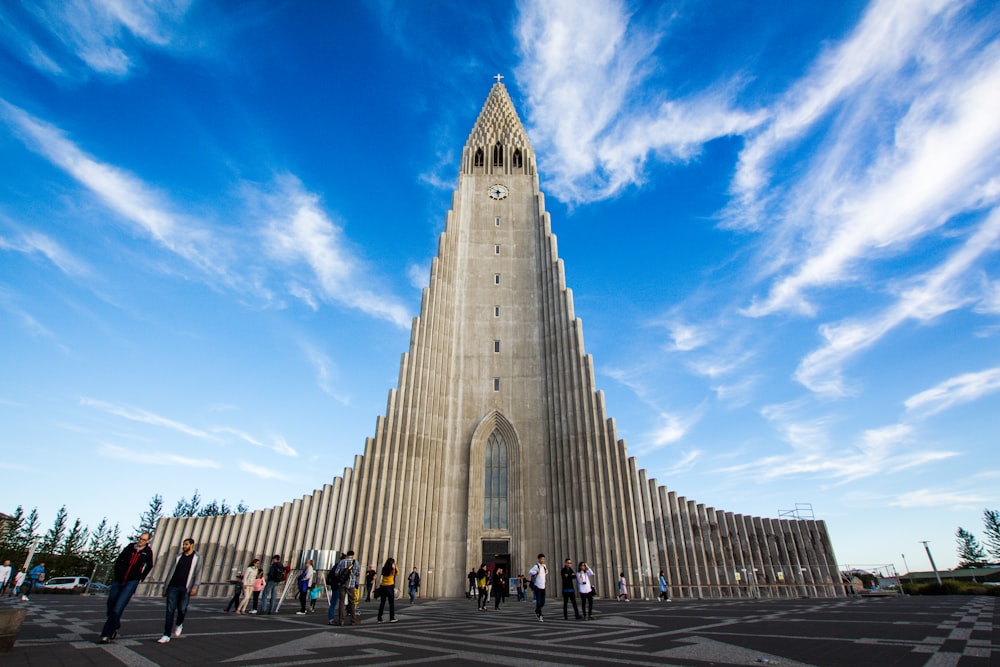
Reykjavík is small enough to cross on foot, from the harbour up to Hallgrímskirkja and down to the lake.
Its geothermal pools are open to anyone: Sundhöll in the centre, Laugardalslaug and Vesturbæjarlaug further out. Every pool asks you to shower without a swimsuit before you get in.
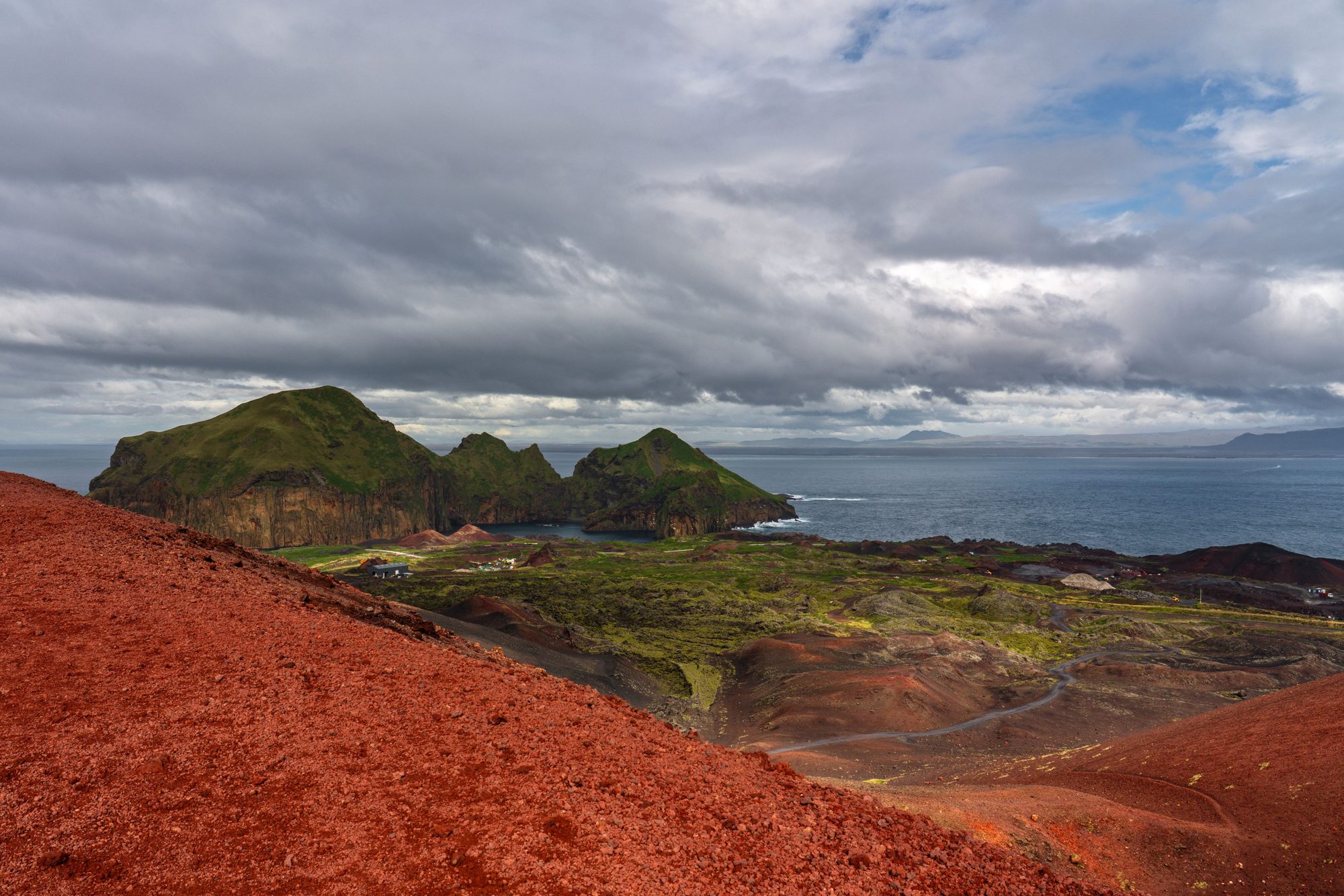
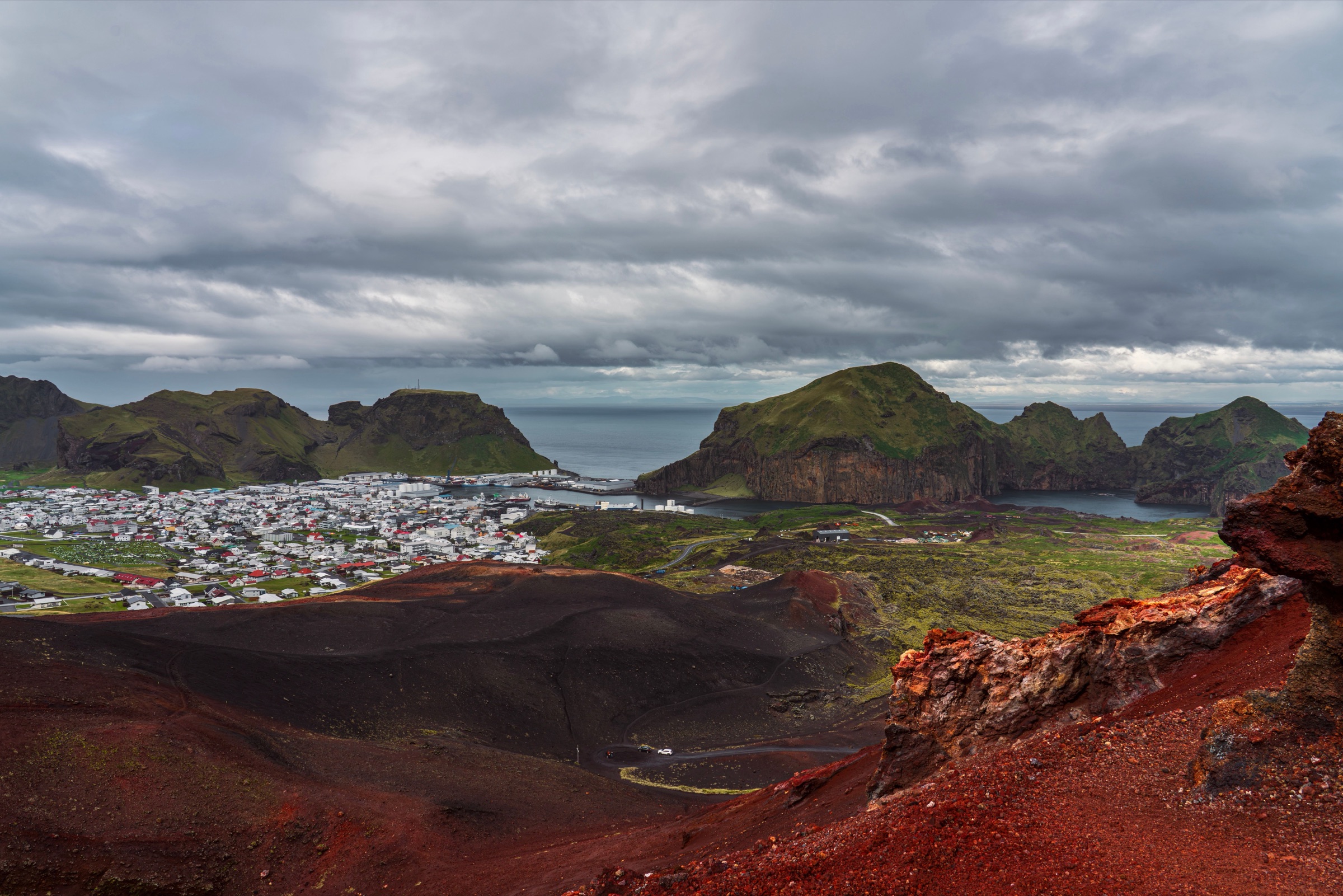
Heimaey is the only inhabited island of the Westman Islands, and the cone of Eldfell rises at the edge of town.
In 1973 the volcano erupted beside the houses, and the Eldheimar museum is built around a house dug out of the ash. From May to August, puffins nest on the slopes of Stórhöfði at the island's southern tip.
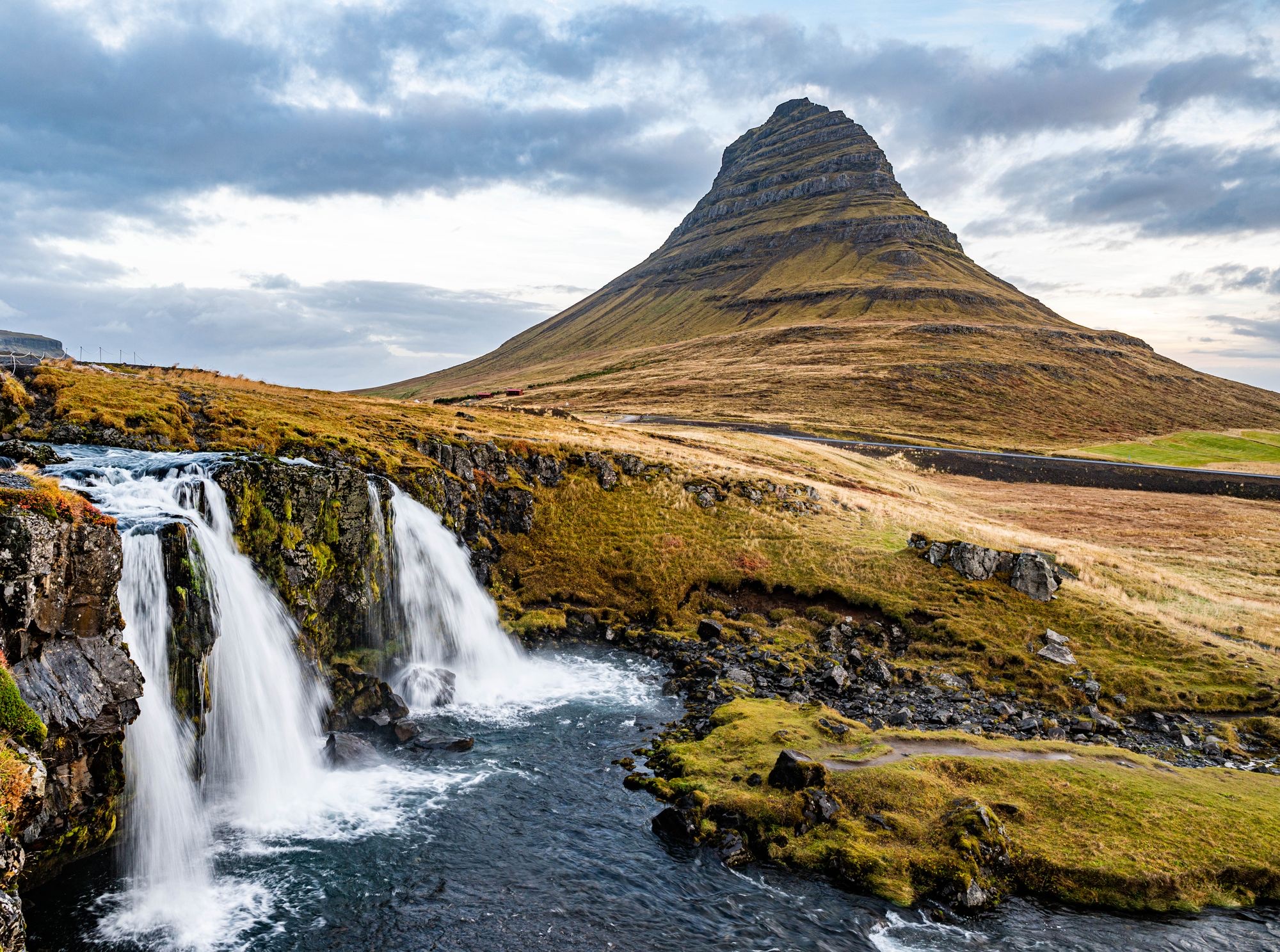
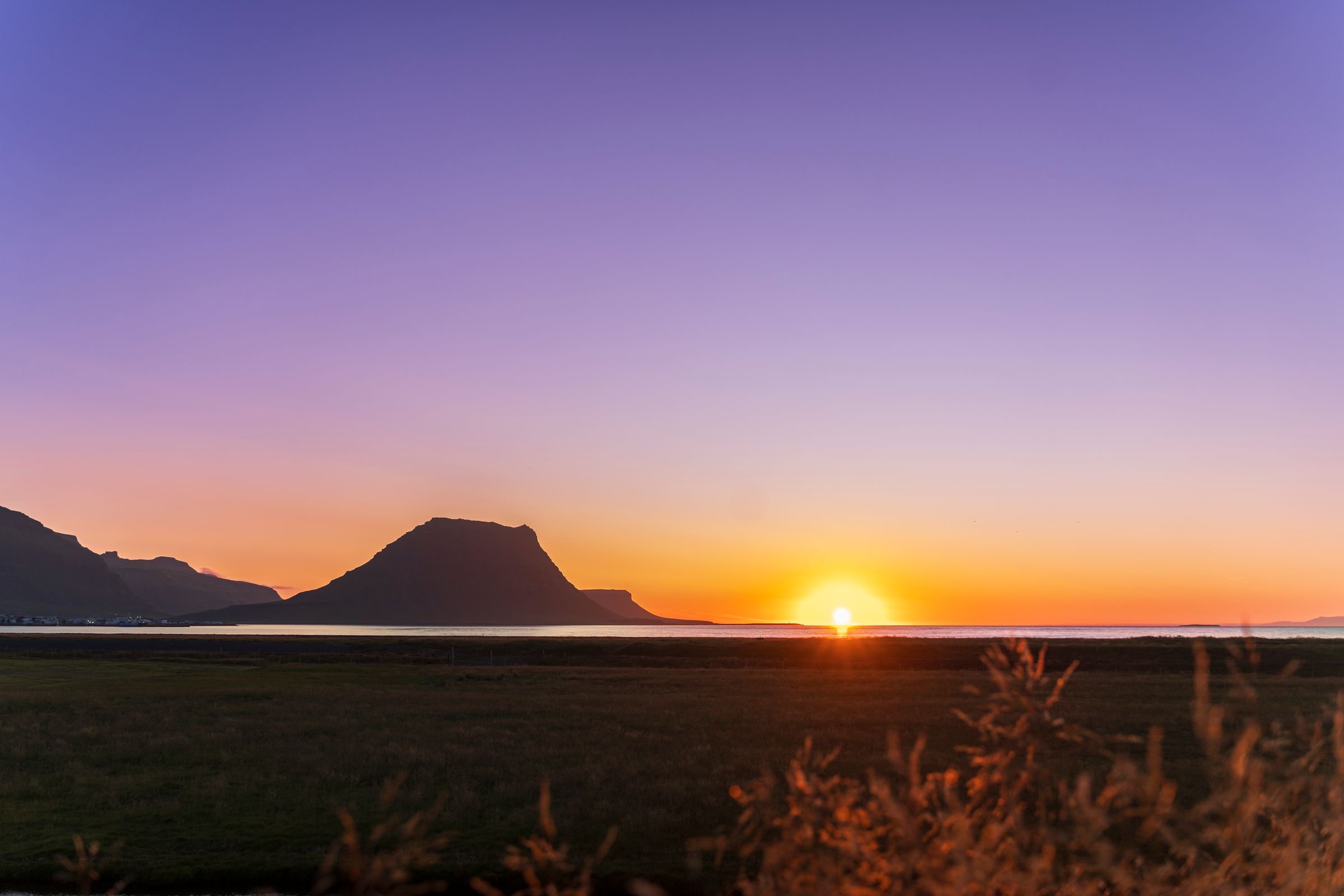
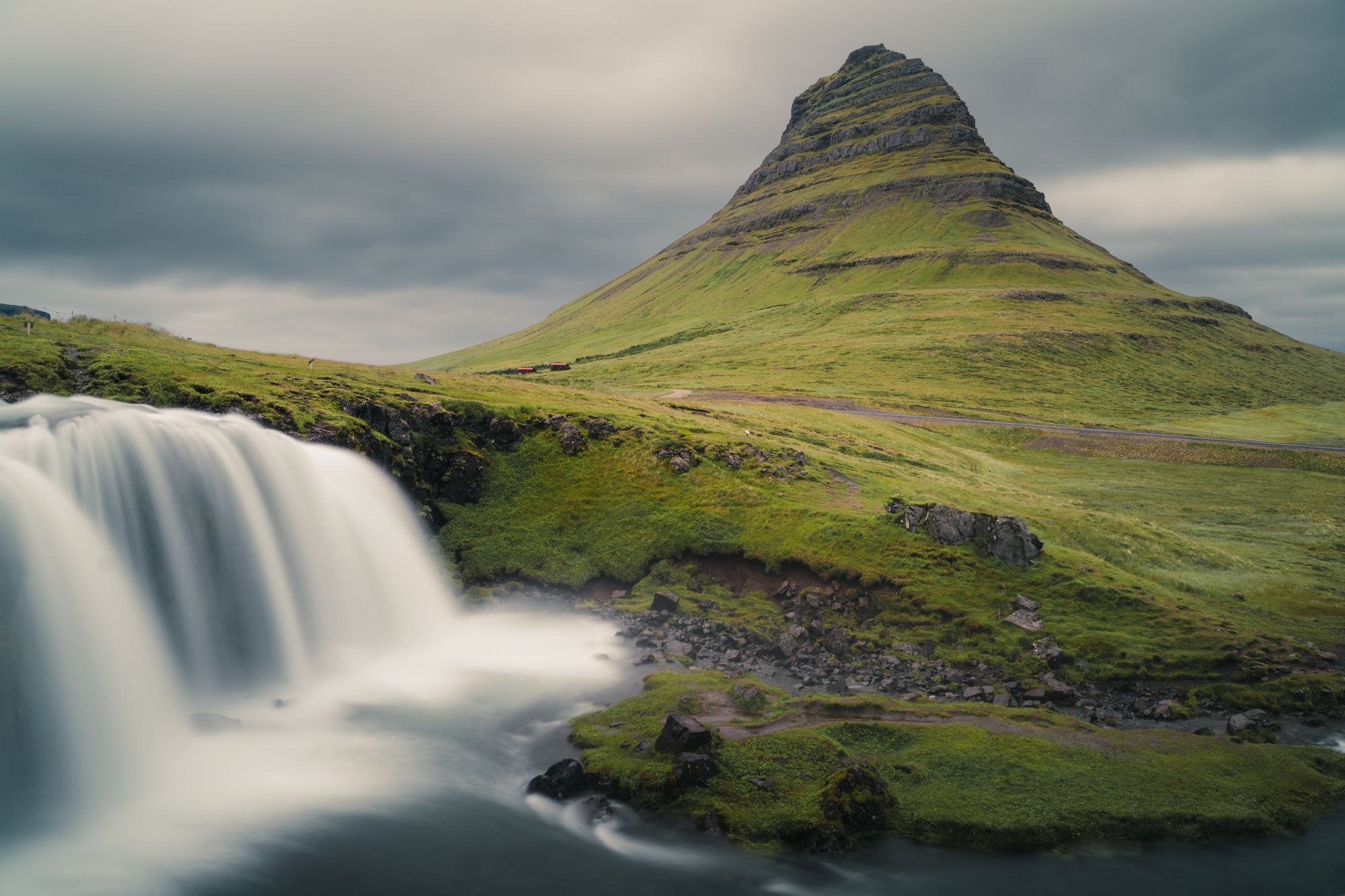
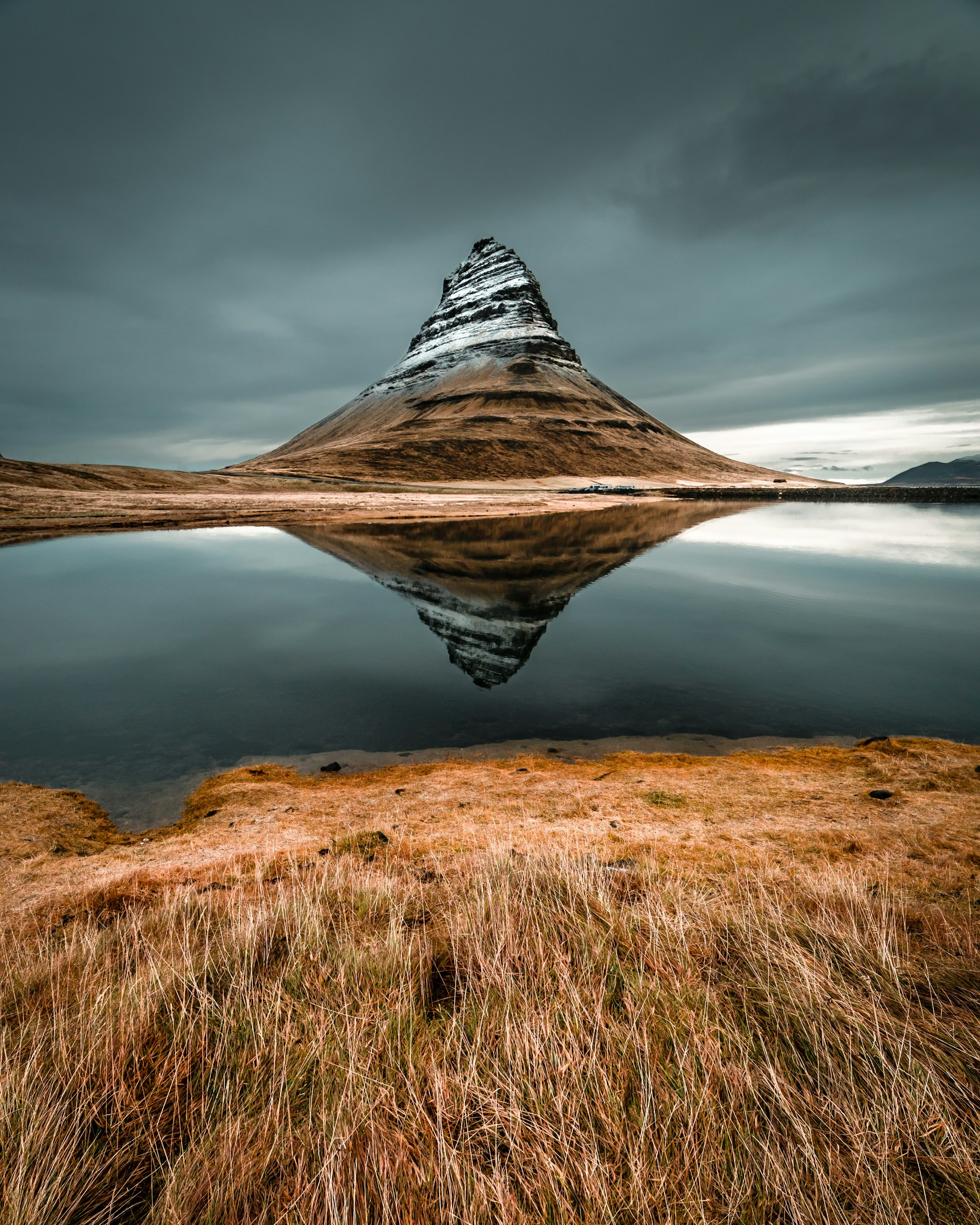
Kirkjufellsfoss is a short walk from the car park just west of Grundarfjörður, with the steep peak of Kirkjufell behind the falls.
Bring a windproof layer even in summer, because gusts sweep the peninsula. Stykkishólmur, 39 km east, is the other base, with the ferry across Breiðafjörður.
Should you stay? Stay in Grundarfjörður if Kirkjufell is the reason for the trip: Kirkjufellsfoss is a few minutes' drive from the harbour, so you can see it in the evening and again the next day. If the Baldur ferry or the Breiðafjörður islands are the point, sleep in Stykkishólmur, 39 km east.
Waterfalls Grundarfoss, Kirkjufellsfoss and Kvernárfoss are within an hour's drive.
Should you stay? Stay in Höfn for the mountains east of town and the glacier lagoons to the west. If Skaftafell is the point of the trip, sleep in Kirkjubæjarklaustur instead.
Glaciers and ice Jökulsárlón Glacier Lagoon, Fjallsárlón Glacier Lagoon and Breiðamerkurjökull Ice Caves are a day out by car from town.
Should you stay? Stay at Mývatn if the craters and the steam fields are the trip. If you want a town of restaurants, museums and hotels, stay in Akureyri, west along Route 1, and drive out for a long day.
Hot baths Earth Lagoon Mývatn is a geothermal bath a few minutes from town.
Should you stay? Stay in Selfoss for one base between the Golden Circle and the south coast, with a town centre to walk in the evening. Hveragerði, 13 km west, puts you at the foot of the Reykjadalur hot river walk.
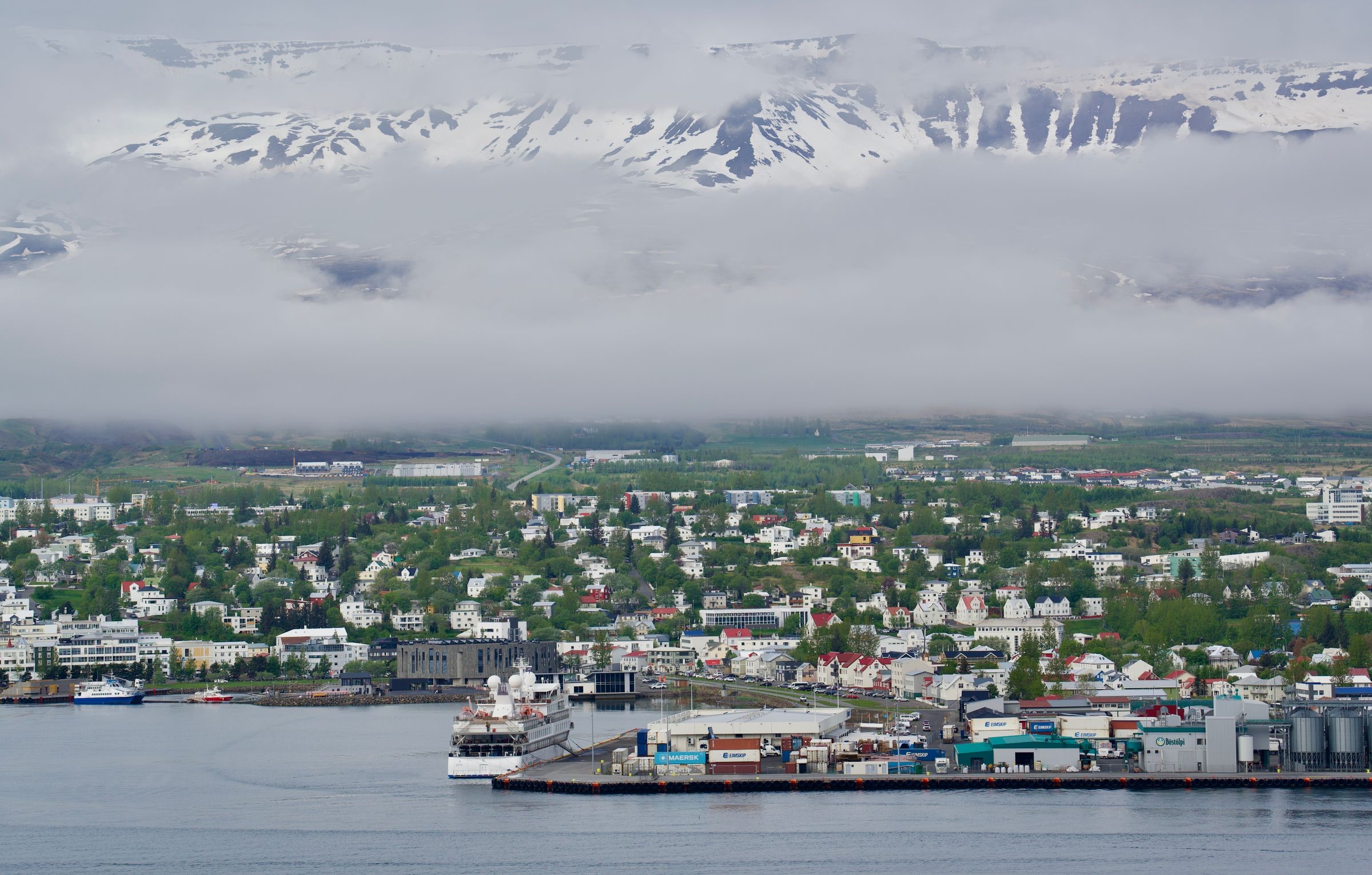
Should you stay? Stay in Akureyri if you want a town base, with the airport, the long-distance buses and the restaurants a short walk or drive away. If craters and lava fields are the whole trip, sleep at Mývatn instead, about an hour east on Route 1, and skip the drive back each night.
Hot baths You want the fjord as well as the falls. Hrísey, the beach tubs at Hauganes and Goðafoss each make a half day from here.
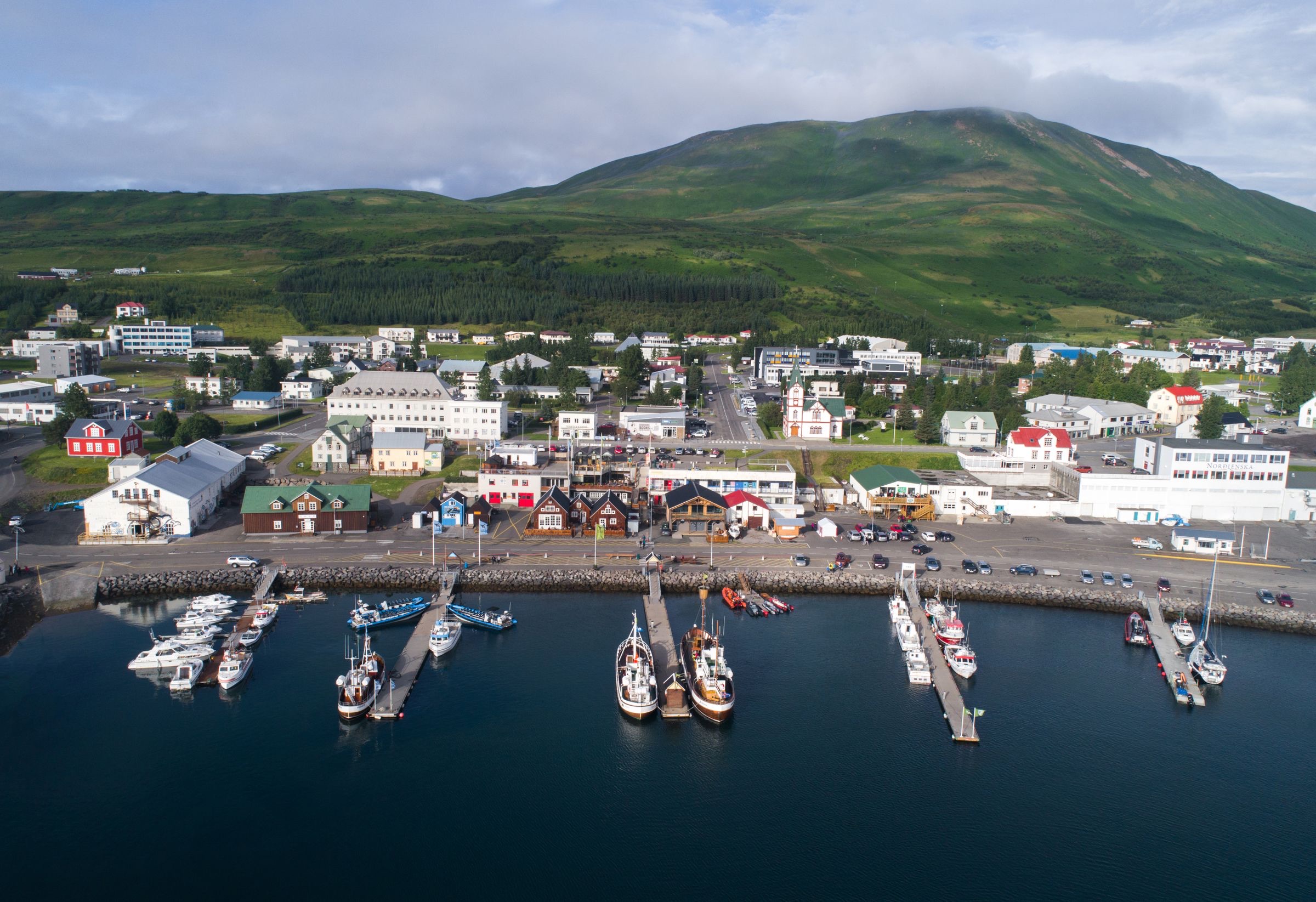
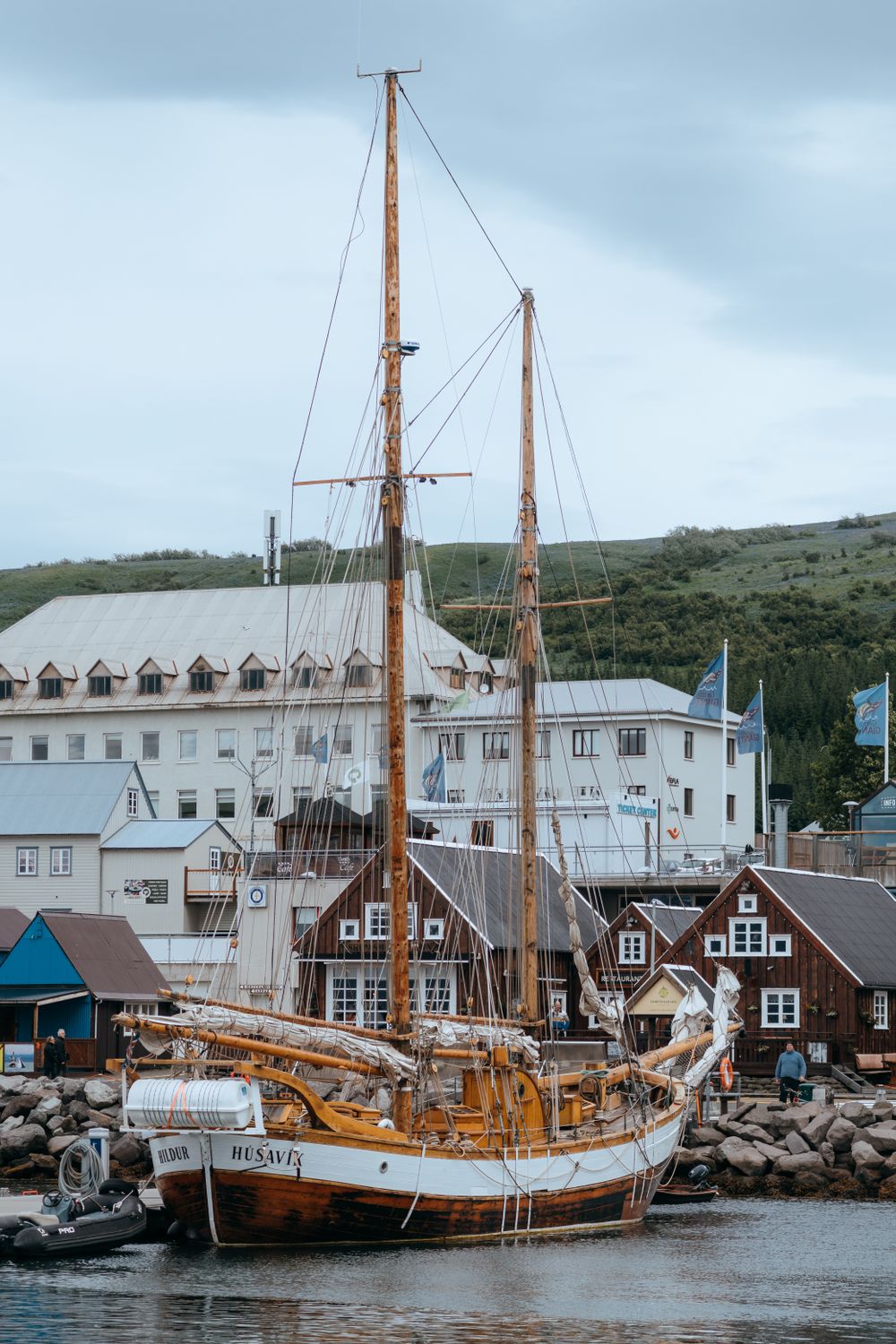
Should you stay? Stay in Húsavík if the whale boats, Ásbyrgi and Dettifoss are the trip. If the craters and steam fields come first, stay at Mývatn, 55 km south, and drive up for a day on the bay.
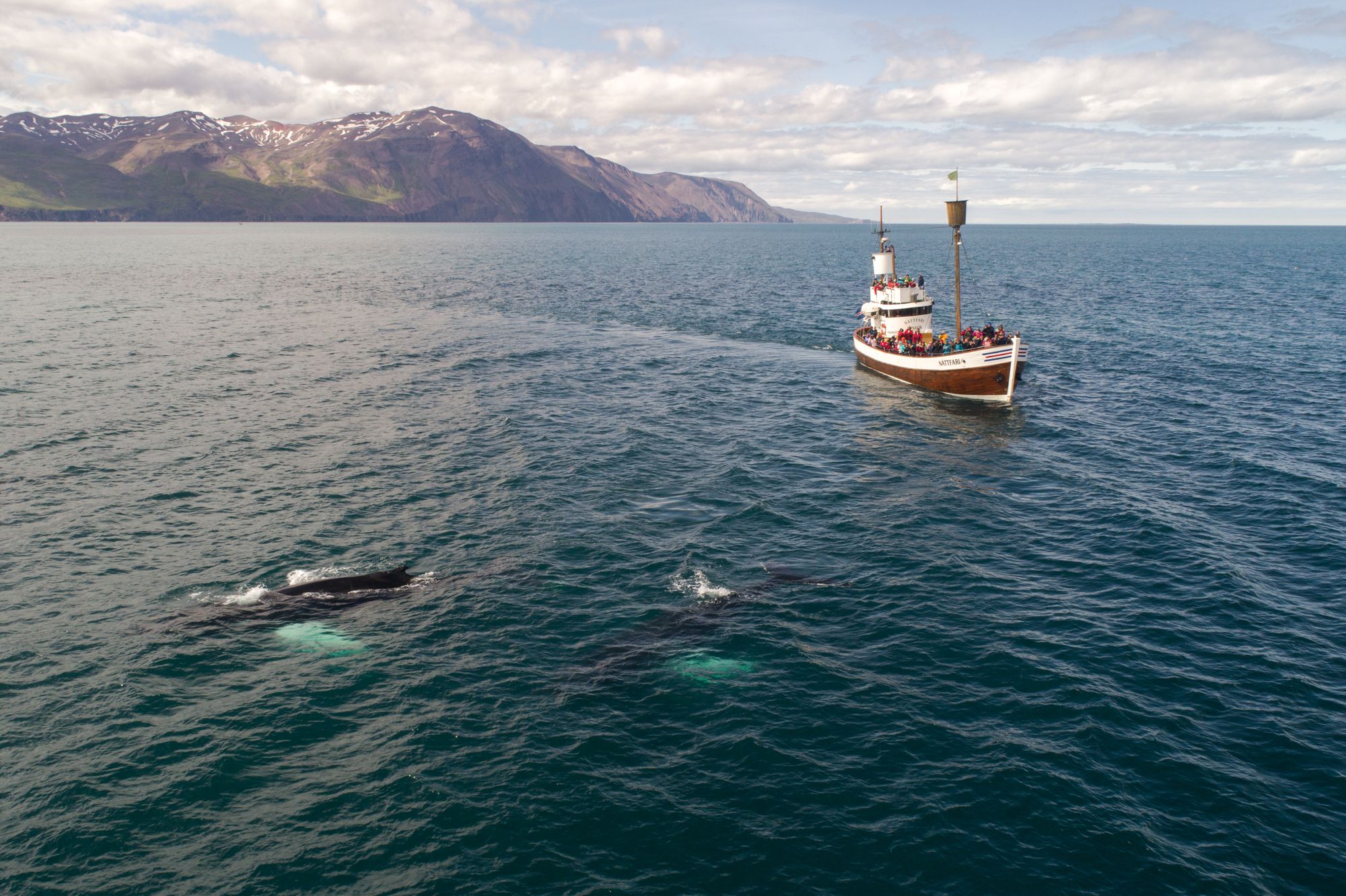
Whales and puffins You came for whales and puffins: every boat on Skjálfandi Bay sails from the town quay.
Should you stay? Stay in Stykkishólmur if you are taking a boat: the Baldur ferry, the island tours and the Flatey sailings all leave from its harbour. If Kirkjufell is why you came, stay in Grundarfjörður, where the mountain is about 4 km from the harbour.
No car You travel by bus: Strætó runs straight from Borgarnes to the town, with no change.
Should you stay? Stay in Borgarnes if you are driving on, north on Route 1 or west onto Snæfellsnes, and want the saga sites and the pool the evening before. If the town is only a stop on a loop back to the capital, see it in an afternoon from Reykjavík, an hour south.
Should you stay? Stay on Heimaey for the puffins and the cliff climbs: the puffin hut is at its best around sunset, and the climbs need a dry, still day you may have to wait for. If the island is one stop on the south coast, sleep in Hvolsvöllur, 31 km by road from the ferry at Landeyjahöfn, and cross for a day of Eldfell and Eldheimar.
Whales and puffins You want the Stórhöfði puffin hide at its best hour, with no ferry to catch afterwards.
Should you stay? Stay in Egilsstaðir to drive a different way out each day, with fuel, food shops and the airport in town. Stay in Seyðisfjörður if you want a harbour town on foot, or you are taking the ferry to Denmark.
Whales and puffins You want Hengifoss, Stuðlagil and the Borgarfjörður puffins as separate day trips, back in the same room each night.
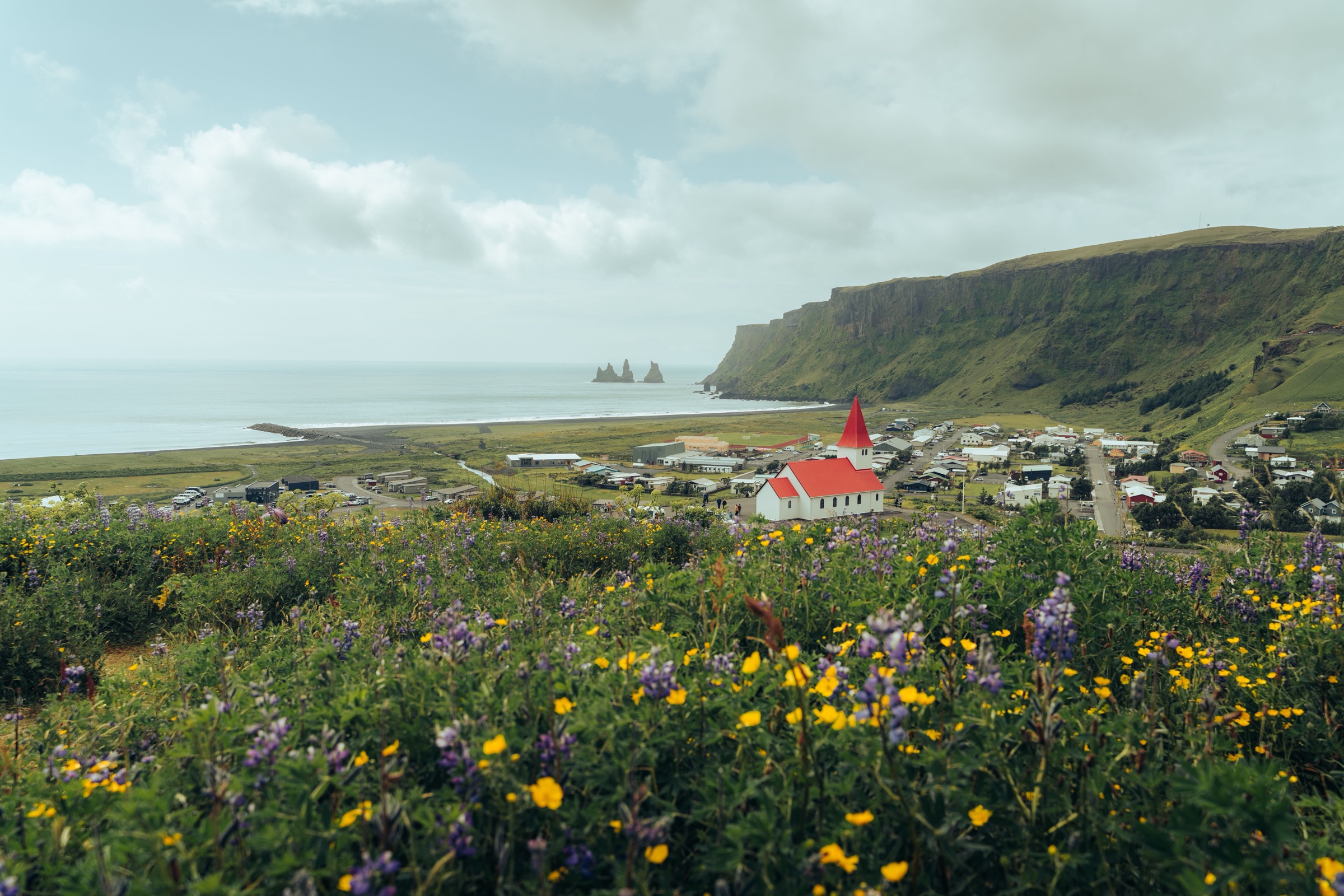
Should you stay? Stay in Vík if the black beaches, the puffin cliffs and the ice of Mýrdalsjökull are the trip. Hvolsvöllur, 81 km west, is the base for Seljalandsfoss and the Westman Islands ferry.
Glaciers and ice You want the Katla ice cave, whose super jeep tours leave from the village.
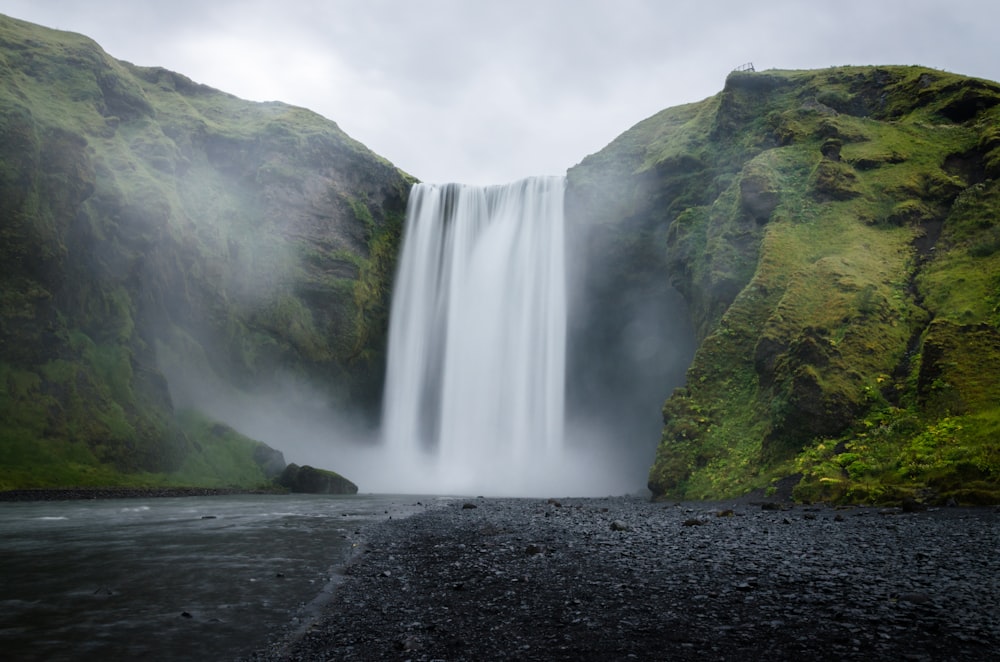
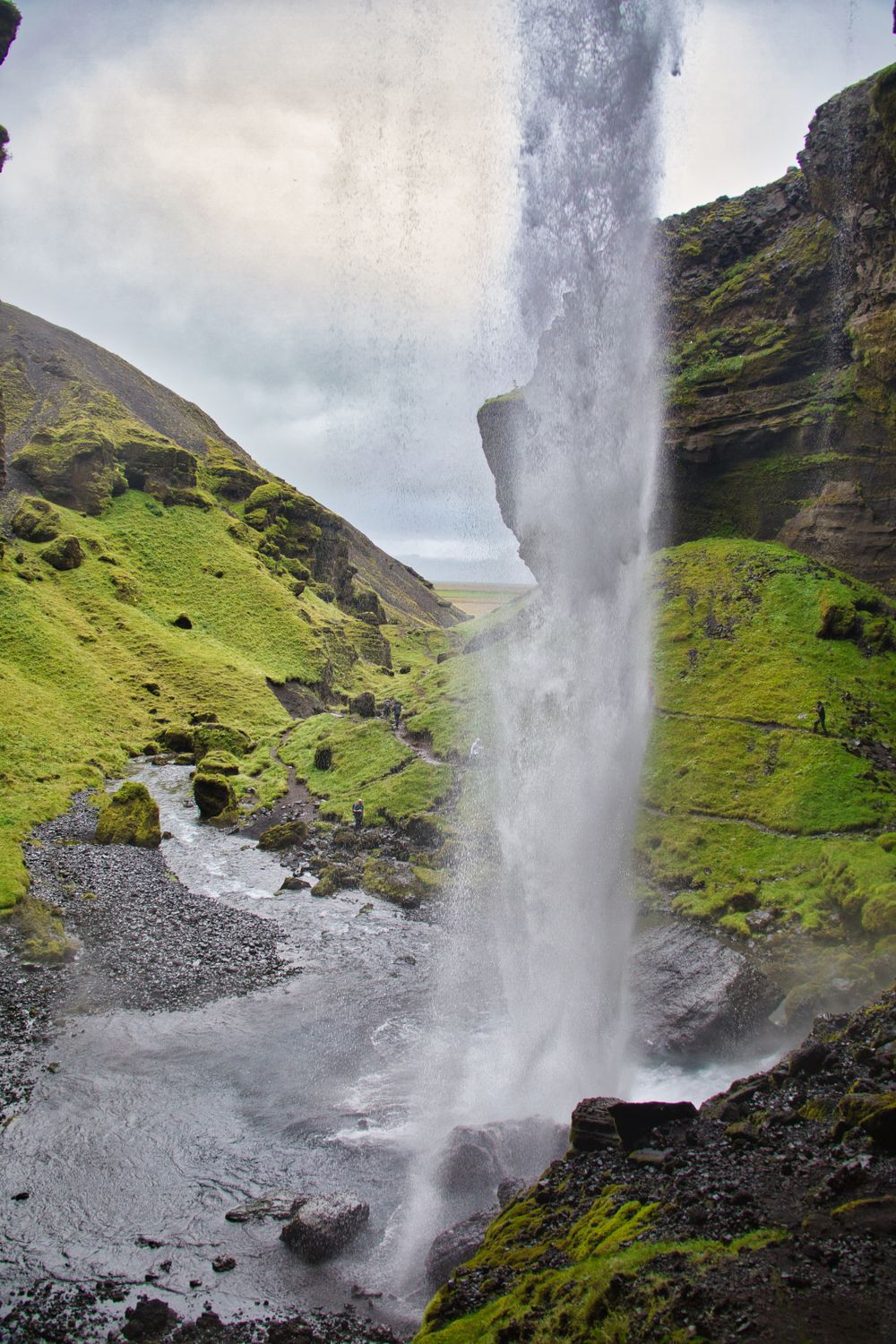
Waterfalls Skógafoss and Kvernufoss are within an hour's drive.
Should you stay? Stay in Reykjavík for the city itself, its pools and its galleries. If you are driving the Golden Circle and the south coast, Selfoss starts each day nearer the waterfalls, and for a dawn flight a room in Reykjanesbær puts you minutes from the terminal.
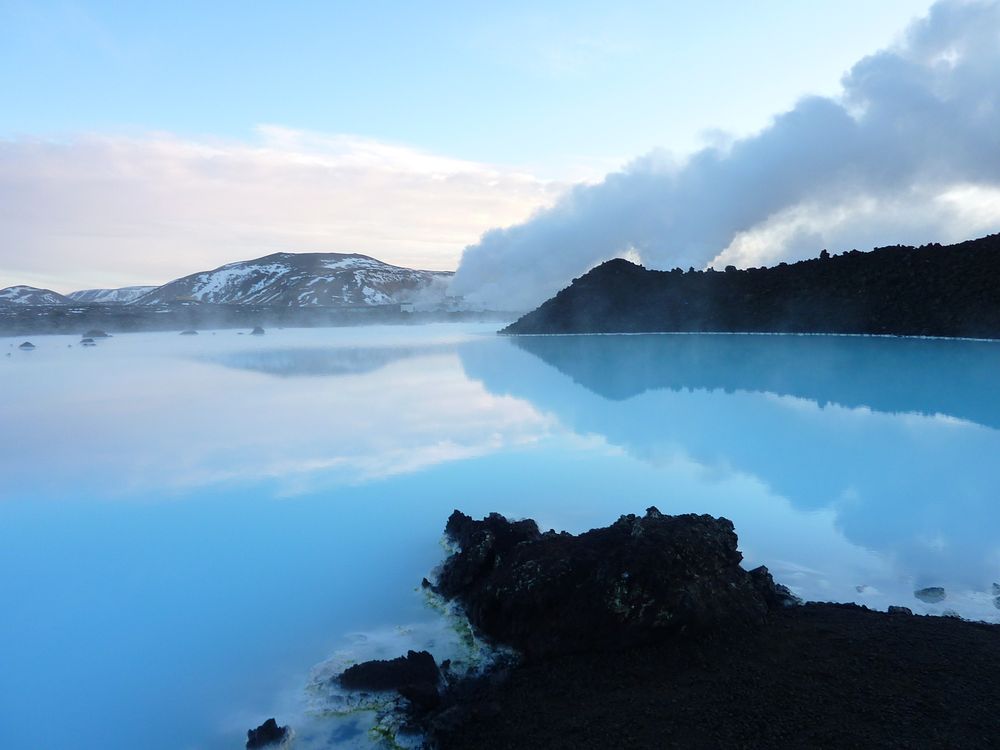
Hot baths Blue Lagoon and Sky Lagoon are geothermal baths within an hour's drive.
You want long light and puffins before the summer holidays.
Think twice if
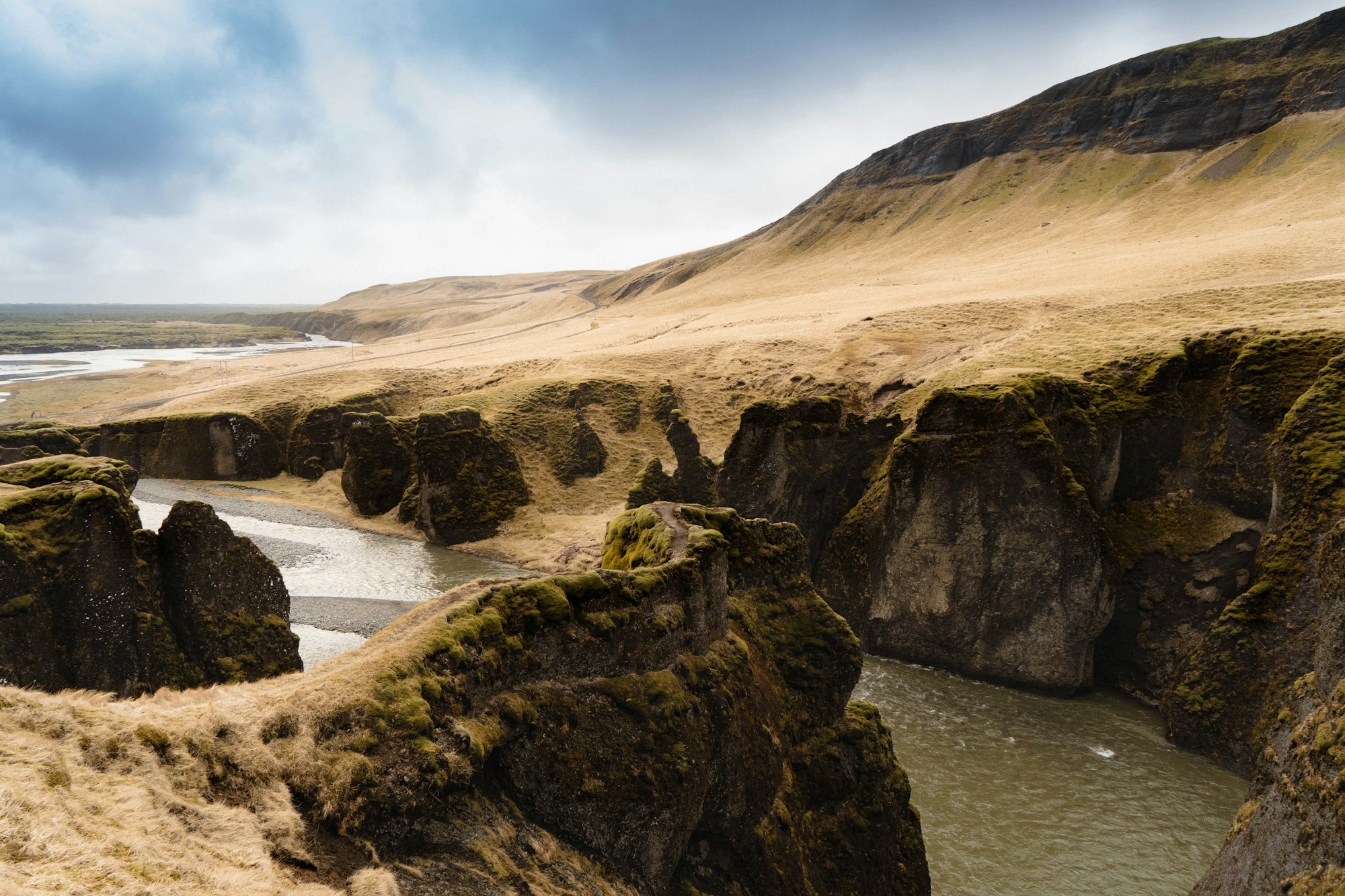
You want Fjaðrárgljúfur at its greenest. The moss turns fully green from mid-June.
June
The longest days of the year, and the National Day holiday.
By day
12°C
At night
7°C
Rain
11 days
Highland roads
OpeningMore routes open through June
On 21 June the sun is up for about 21 hours in Reykjavík. National Day, 17 June, is a public holiday.
Go in June if
You want to walk the crater rims at Mývatn in the evening light.
Think twice if
You mind midges. They swarm round Skútustaðagígar Pseudocraters on Lake Mývatn in June and July, so bring a head net.
July
The warmest month, and the highland roads open.
By day
13°C
At night
8°C
Rain
10 days
Highland roads
OpenSprengisandur and the last routes open in early July
Tours to Askja cross the lava desert in high summer, once the roads open, and a ranger there says each day whether the path and the crater are safe.
Go in July if
You want a day at Askja or another highland caldera.
Think twice if
You want a quiet car park at Hengifoss. In July it can fill.
August
The bank holiday weekend, and the pufflings leave the cliffs.
By day
13°C
At night
8°C
Rain
12 days
Highland roads
OpenFour-wheel-drive vehicles only
Verslunarmannahelgi, the bank holiday weekend, ends on the first Monday of August. On Heimaey the same weekend brings Þjóðhátíð, the island's festival in Herjólfsdalur.
Go in August if
You want the last puffins of the year.
Think twice if
You want Heimaey without Þjóðhátíð. The festival fills the island that weekend, so book well ahead or pick another one.
September
Dark nights return, and the aurora season begins.
By day
10°C
At night
5°C
Rain
12 days
Highland roads
ClosingMost close from mid-September
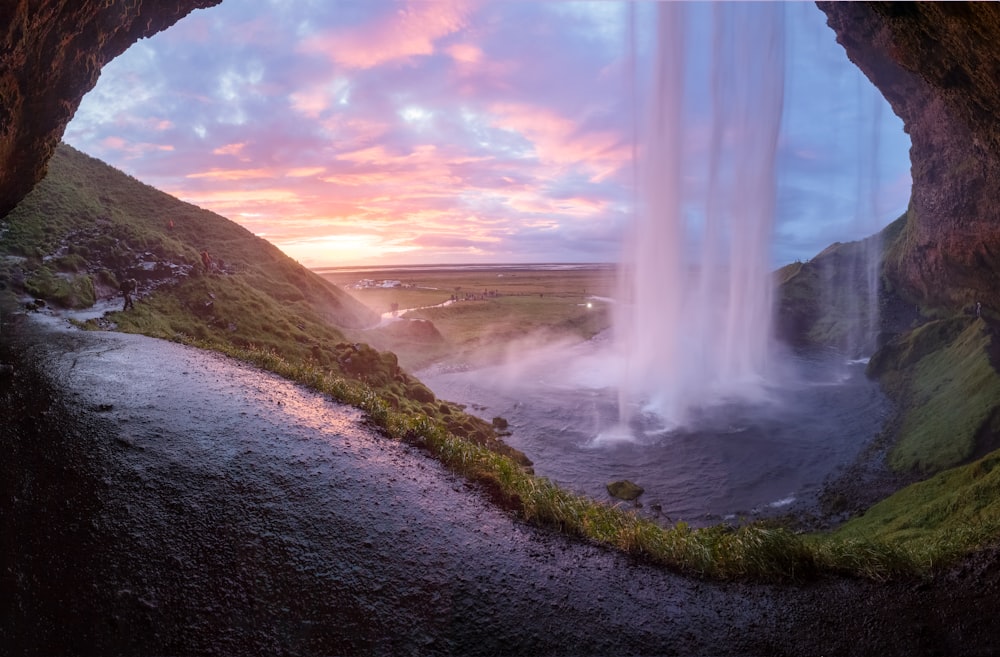
Sunset lines up behind Seljalandsfoss from late August to mid-September, so walk round the back of the falls in the evening.
Go in September if
You want the first dark nights of the aurora season.
Think twice if
You want puffins. Those on Stórhöfði are gone by early September.
October
The wettest month in Reykjavík, with the first snow in the north.
By day
7°C
At night
2°C
Rain
15 days
Highland roads
ClosedHighland F-roads reopen from late May
At Dimmuborgir the paths turn icy from October, so wear boots with grip.
Go in October if
You want Reykjavík's pools and museums for the wettest days.
Think twice if
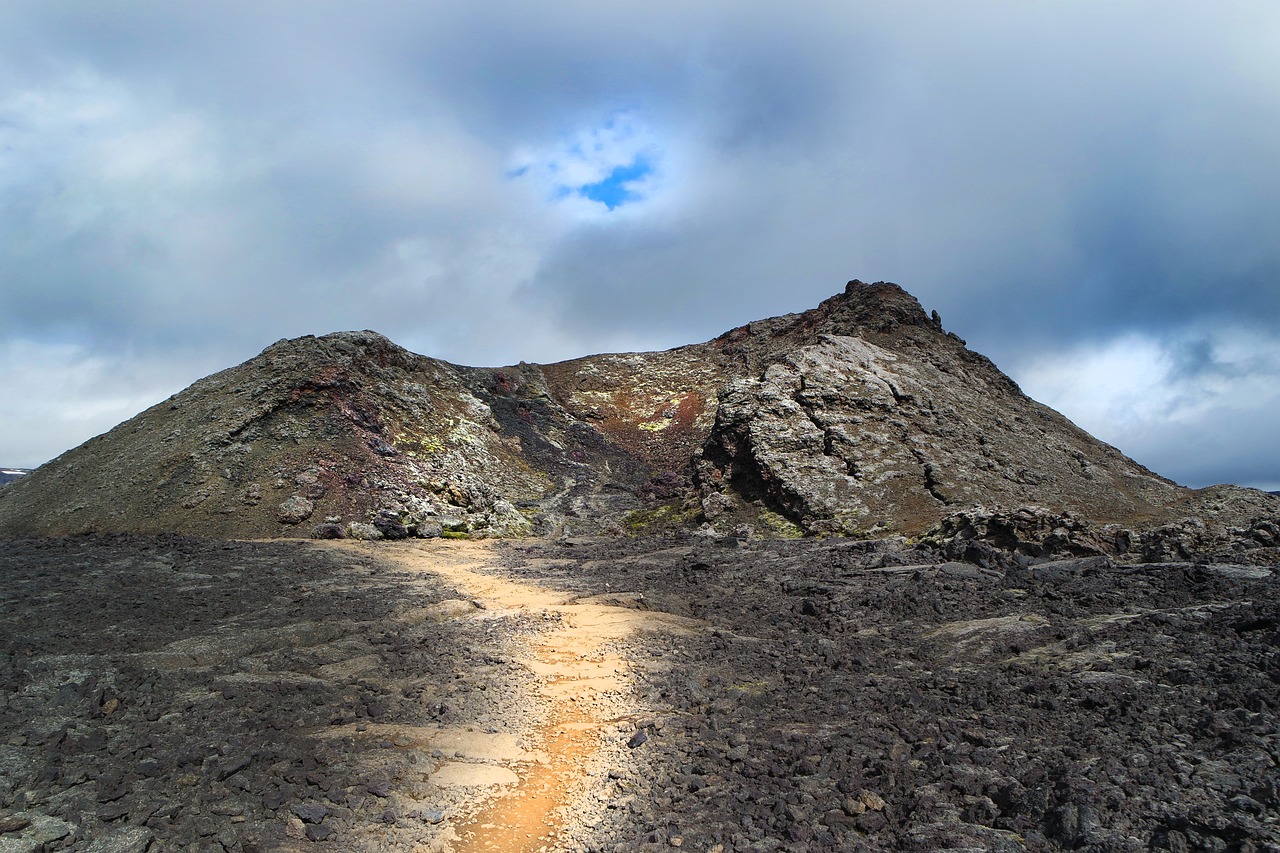
You plan to walk Leirhnjúkur. Its season ends in October, and snow can close the path sooner.
November
Short grey days, and the start of the long dark.
By day
3°C
At night
-1°C
Rain
13 days
Highland roads
ClosedHighland F-roads reopen from late May
The last whale boats of the year sail from Húsavík Harbour in November.
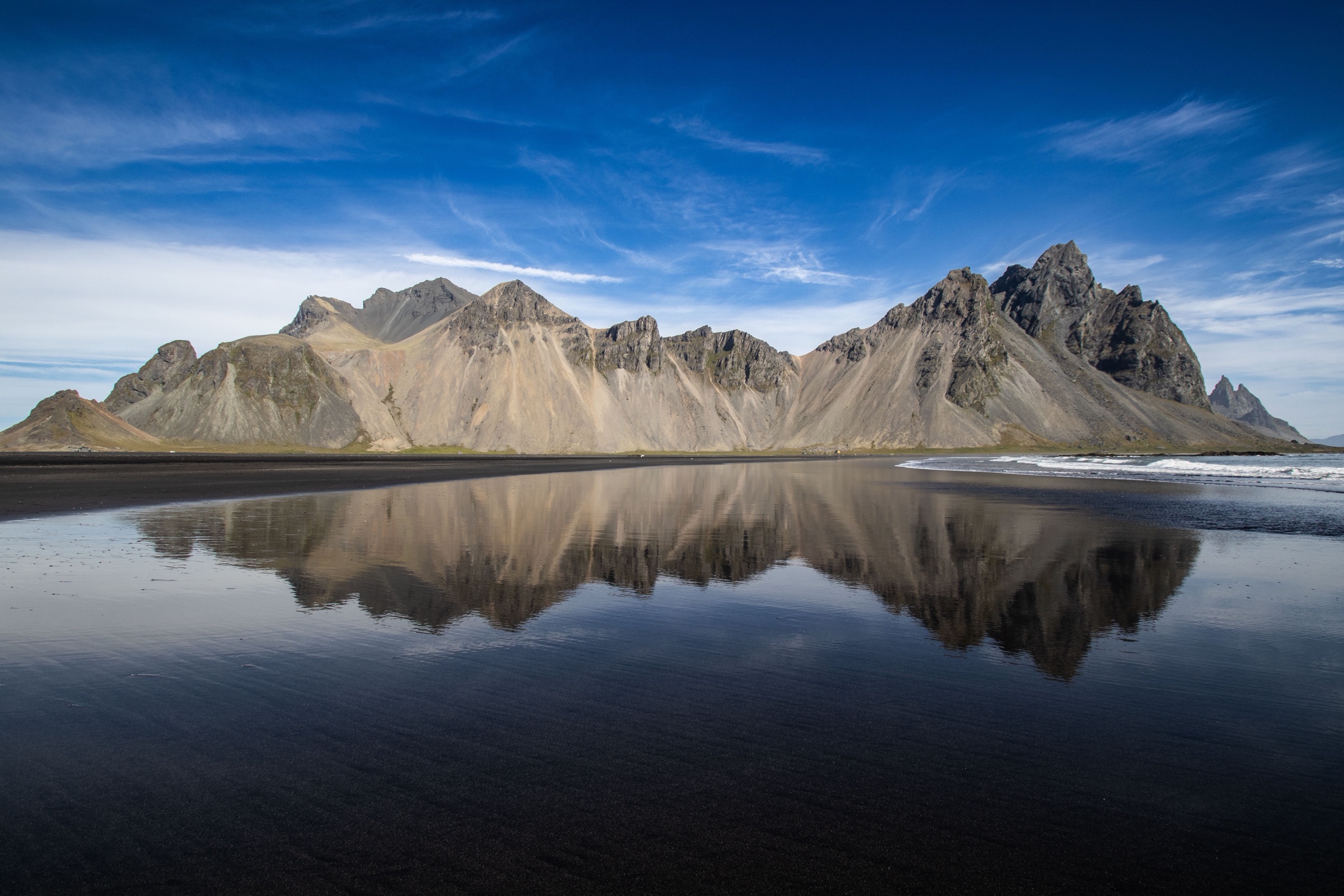
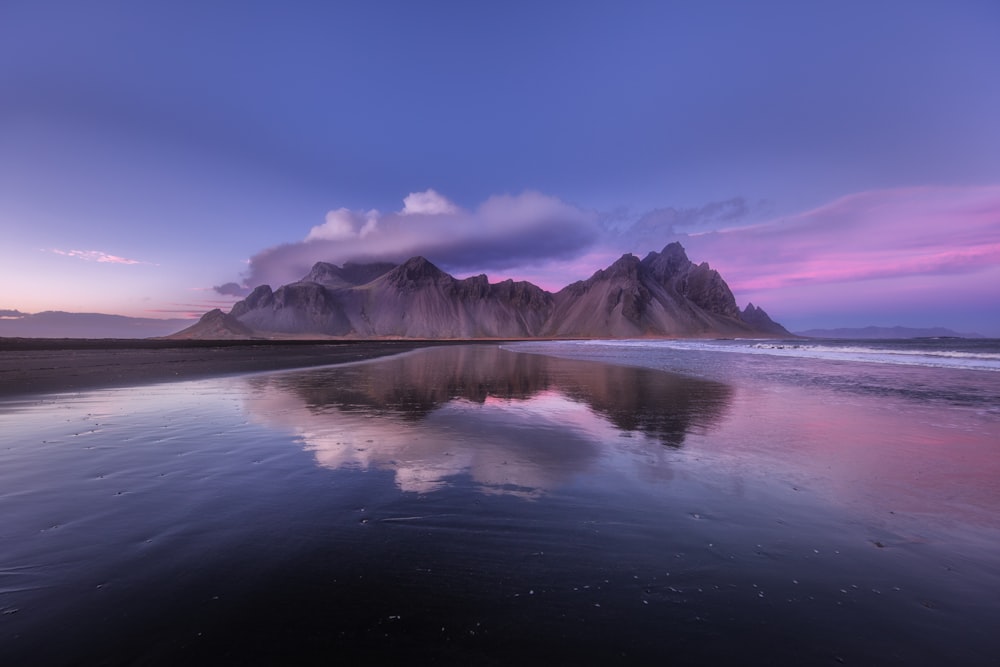
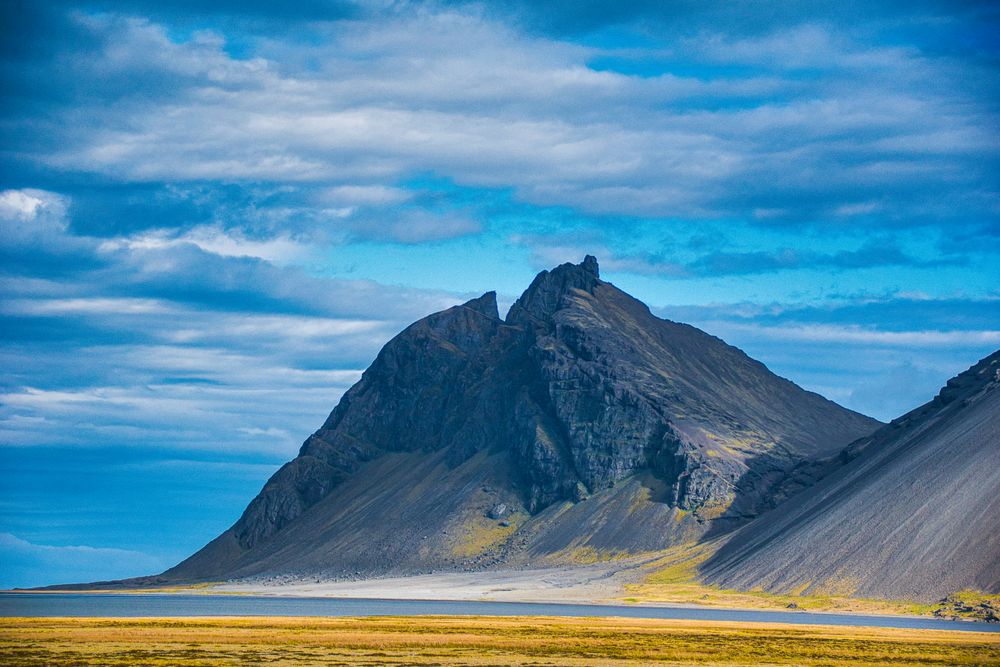
From November to February snow lies on the peaks of Vestrahorn, seen across the lagoon at Stokksnes and Vestrahorn.
Go in November if
You want the black beach at Stokksnes below a snow-capped ridge.
Reykjavík gets about four hours of daylight in December, and snow can close the roads in the north and east, so a winter visit usually stays on the south coast.
Christmas Eve and New Year's Eve are public holidays from 1pm.
Go in December if
You want Reykjavík's pools, steaming in the cold, and the city at Christmas.
Strætó's winter timetable, November 2026. Check straeto.is before you travel, since days and times change with the season.
Ferries to the Westman Islands and the Westfjords
Two ferries cross open water: Herjólfur from the south coast to Heimaey, and Baldur from Stykkishólmur to the Westfjords.
When the sea is too rough for Landeyjahöfn, Herjólfur sails from Þorlákshöfn instead, a crossing of nearly three hours. Book on herjolfur.is, check the day's notice before you drive to the harbour, and check in at least half an hour before you sail.
The two ferries
HerjólfurLandeyjahöfn to Heimaey
35 minutes across, for cars and foot passengers. The winter timetable has seven sailings a day each way, the first from Landeyjahöfn at 08:15 and the last at 23:15.
BaldurStykkishólmur to Brjánslækur
Across Breiðafjörður to the Westfjords, for cars and foot passengers. In winter it sails every day but Saturday, and calls at Flatey on Tuesdays, Fridays and Sundays for foot passengers who book. There are no sailings over Christmas and New Year.
takes cars and foot passengers
Hiring a car and driving in Iceland
Wind closes roads and cancels glacier walks and boat trips, so check umferdin.is and vedur.is each morning and keep a spare day in hand.
Outside the southwest the country is close to empty. Expect an hour or more between towns in the north and east, and fill the tank when you pass a station.
Several car hire companies have desks in the terminal at Keflavík.
The free 112 Iceland app sends your location to the emergency line.
On the road
Speed
50 km/h in towns, 80 km/h on gravel roads and 90 km/h on paved roads outside them, the highest limit in the country.
F-roads
Highland roads numbered with an F are for four-wheel-drive vehicles only. Driving off a marked road is against the law, on sand and moss too.
Bridges
Many bridges are a single lane wide. The car nearer the bridge goes first, so slow down and wait if you are unsure.
Lights
Keep headlights on day and night, all year, and wear a seatbelt in every seat.
Alcohol
The limit is 0.2 per mille, low enough that a single drink can put you over it.
Phones
Calls only through a hands-free system.
Fuel
Most pumps are self-service and take a card with a PIN, so know your PIN before you set off.
Best things to do in Iceland
Every place in the Iceland guides, the best first.
Lake · Breiðamerkursandur, The south-east · near Höfn · 1.5 hrBest of Iceland
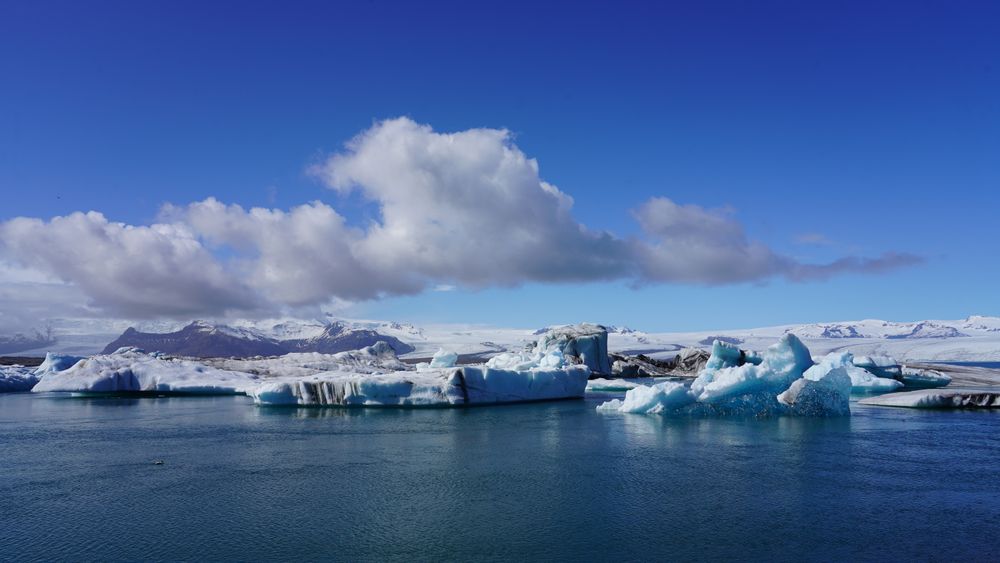
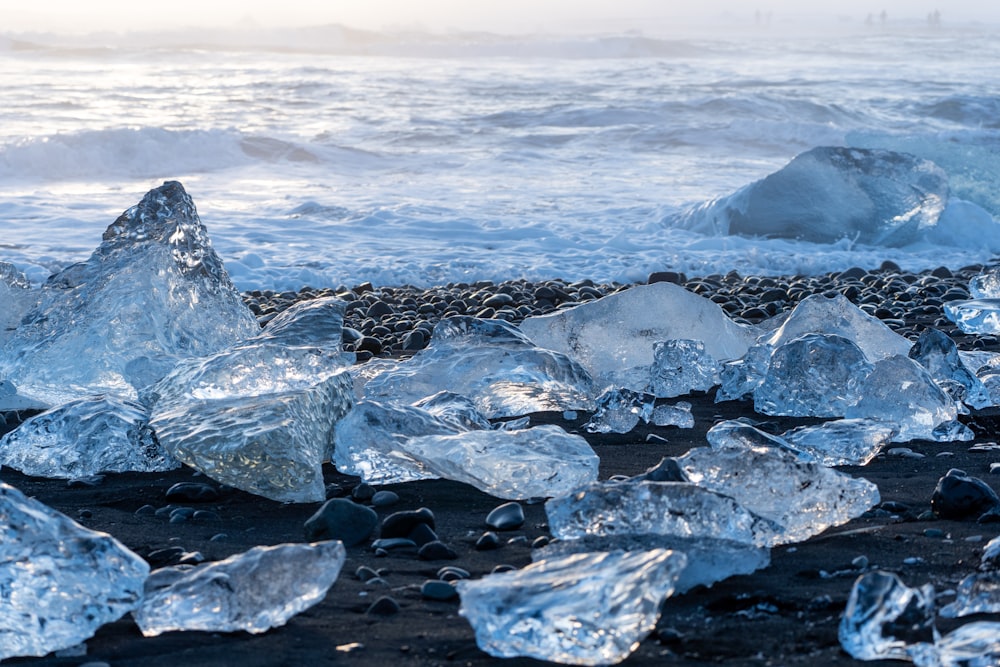
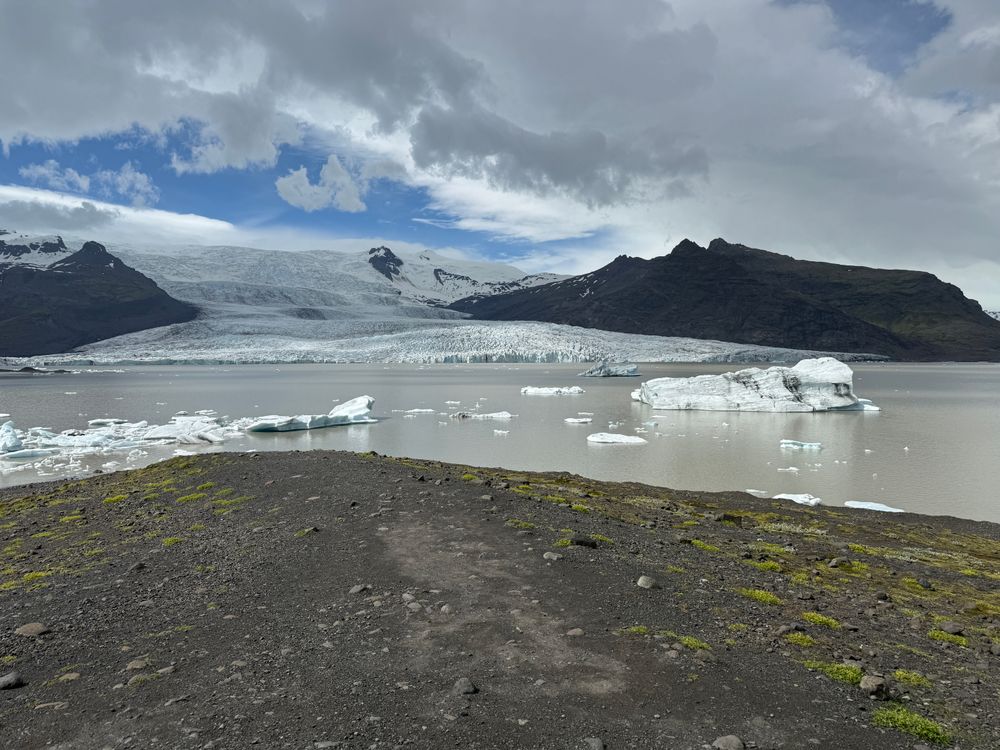
Icebergs from Breiðamerkurjökull drift across this lagoon beside Route 1. Boats run among them from May to mid-November, and Diamond Beach is across the road.
Park · Laugarvatn, The south coast · 2.5 hrBest park in Iceland
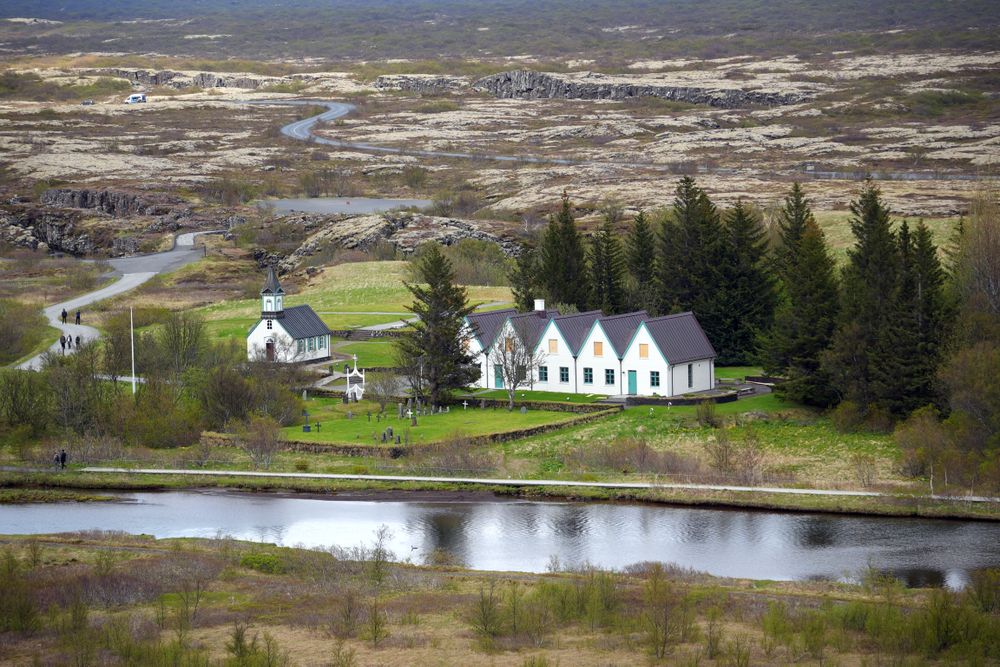
Walk down the Almannagjá rift to the old assembly site, where the plates pull apart. It is the first stop on the Golden Circle, about 45 minutes from Reykjavík.
A fall of about sixty metres off the old sea cliff west of Eyjafjallajökull, dropping clear of the rock so that a path runs behind the curtain and back out the other side.
Church · Reykjavík · 45 minBest landmark in Iceland
Iceland's largest church, on the hilltop of Skólavörðuholt above central Reykjavík, with a stepped concrete front modelled on columnar basalt and a lift up its 74.5-metre tower to a viewing deck.
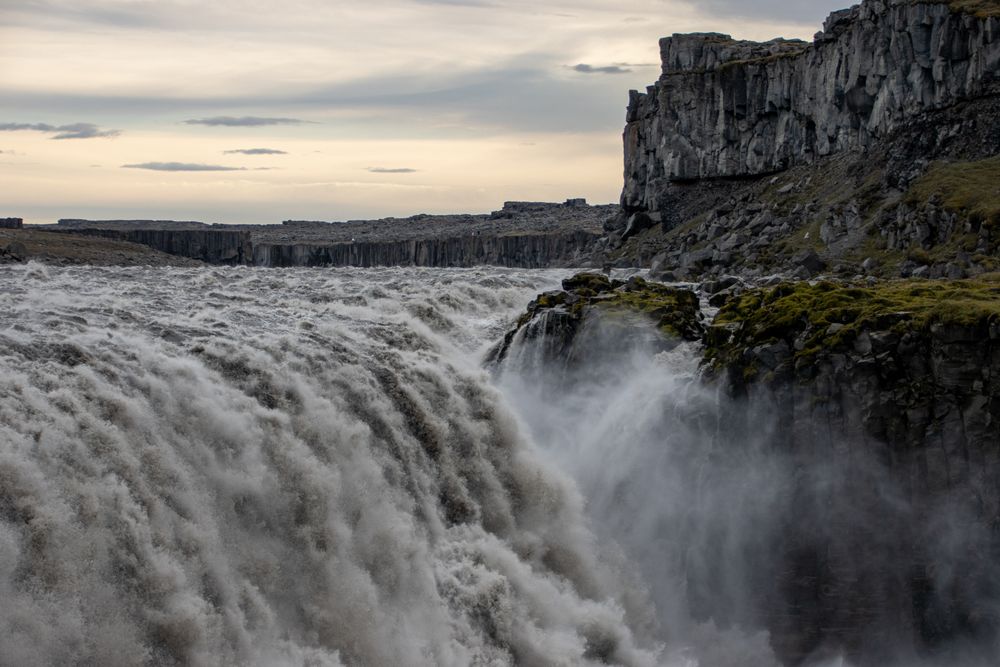
Waterfall · Jökulsárgljúfur, The north · near Húsavík · 1 hr
Grey glacial water pours 44 metres over a lip 100 metres wide. From the west car park the path is about 1 km, mostly downhill, so the climb comes on the way back.
Beach · Breiðamerkursandur, The south-east · near Höfn · 1 hr
The black sand of Breiðamerkursandur at the mouth of the Jökulsárlón outlet, where icebergs carried out to sea are thrown back onto the shore by the surf and lie stranded on the sand until they melt.
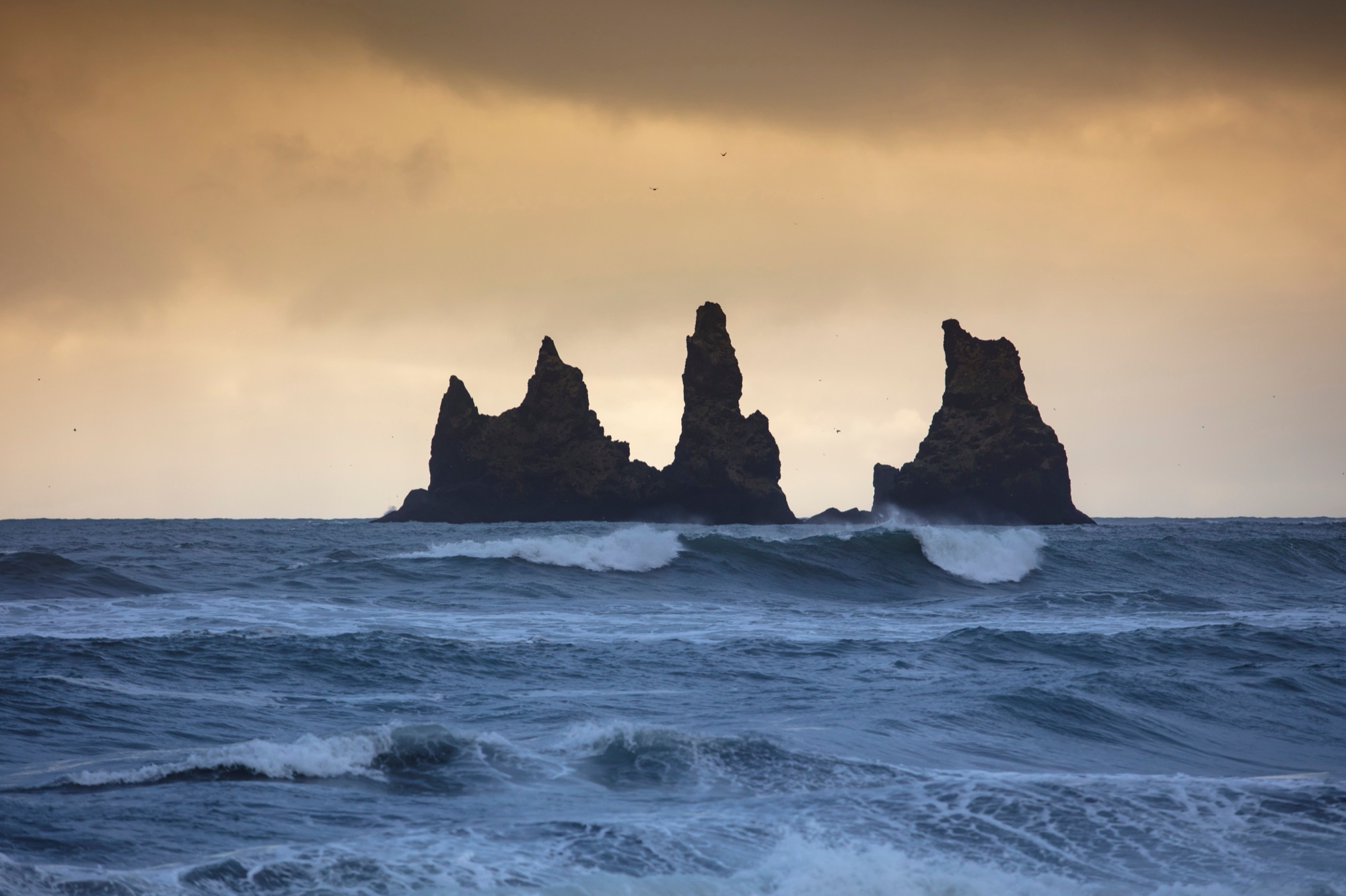
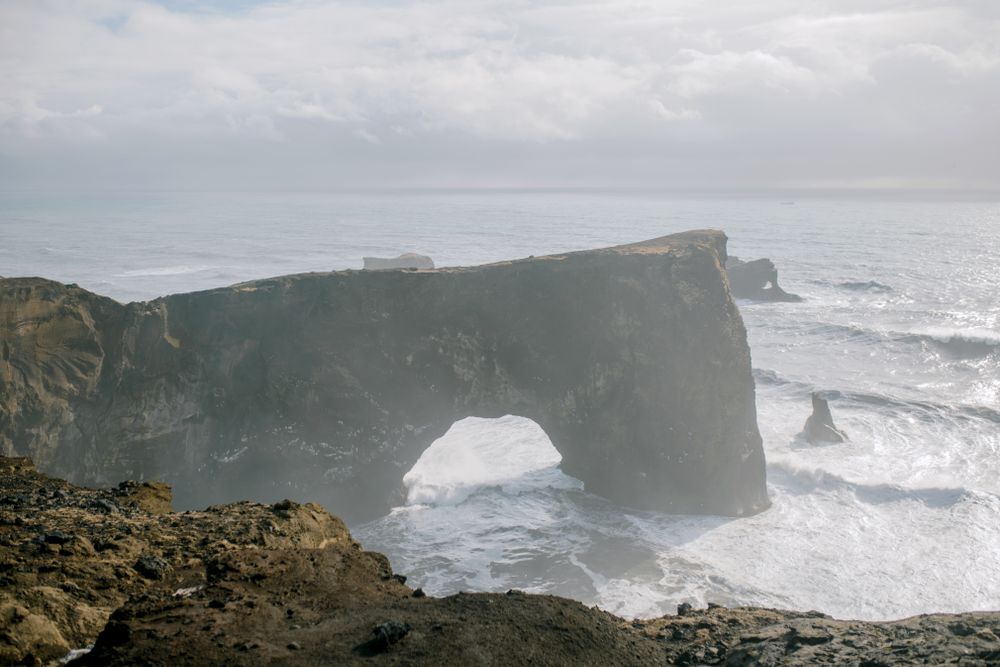
A headland on the coast west of Vík with two hills: low Lágey by the beach, and higher Háey, topped by a small lighthouse beside the sea arch that gives the place its name.
A converted 1930s harbourside warehouse holding the city's contemporary art programme and the permanent Erró collection, donated by the artist in the 1980s.
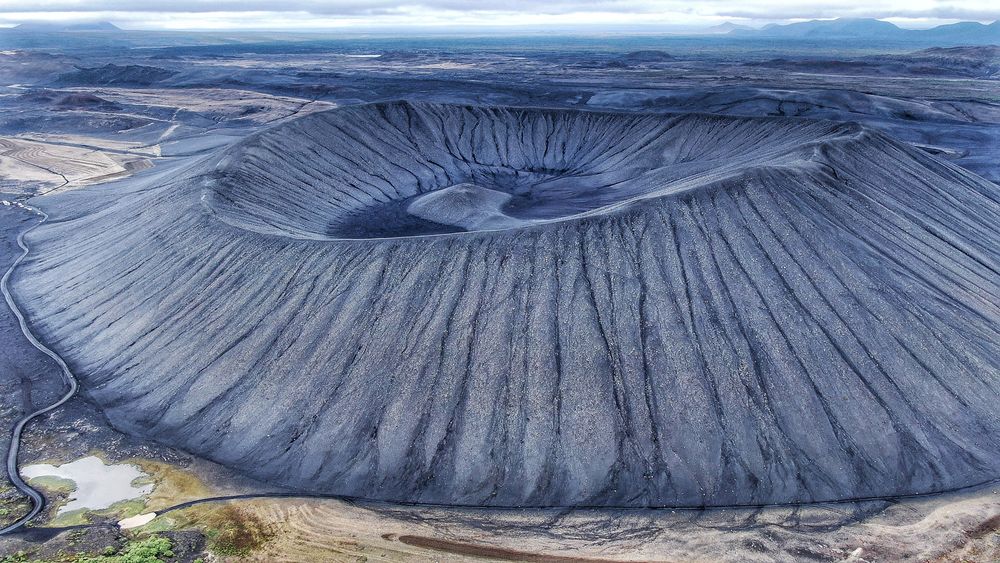
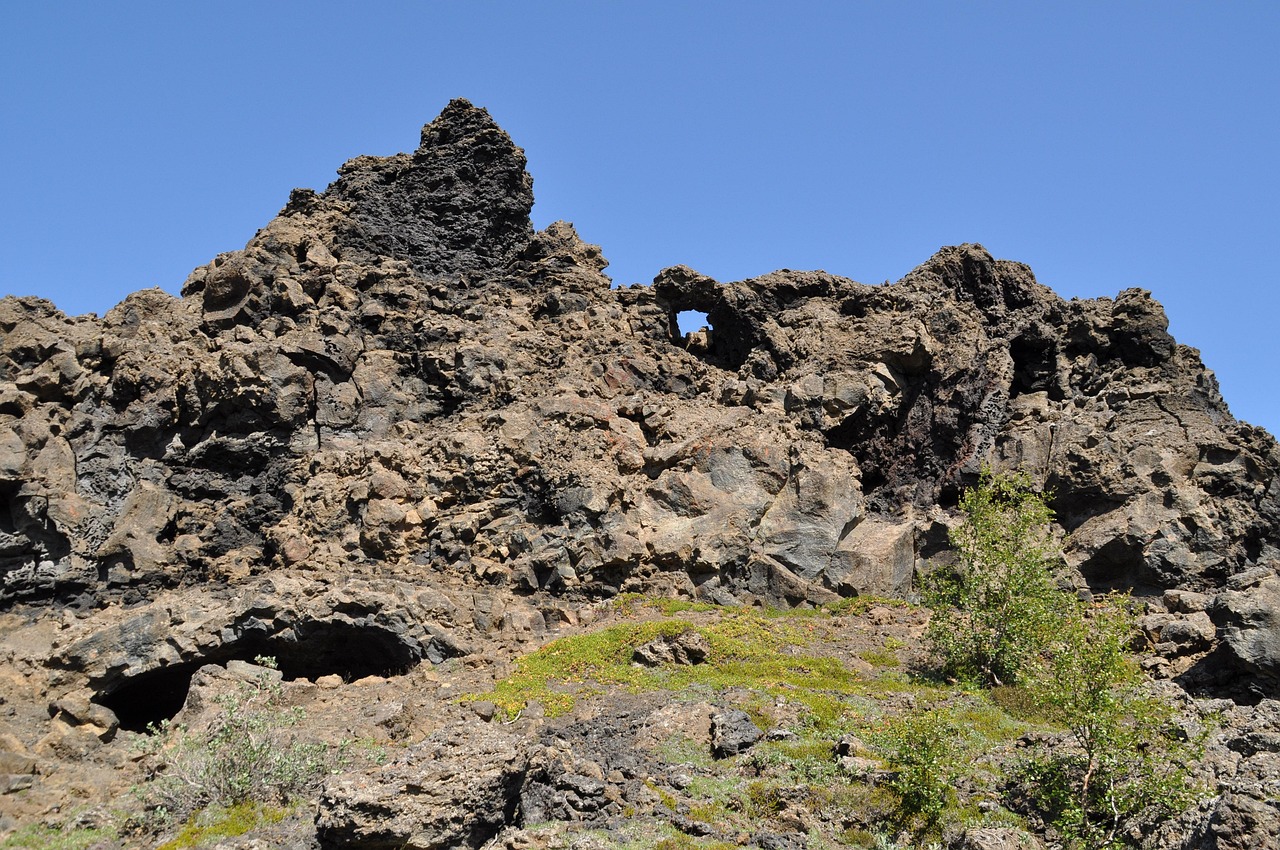
A field of black lava towers, arches and small caves lies on Mývatn's east shore, and its longest marked loop brings you to Kirkjan, the formation known as the church.
Glacier walk · Öræfi, The south-east · near Höfn · 3.5 hr
A certified guide and a full set of ice gear get you onto a moving glacier among crevasses and blue ice, with no climbing experience needed. Book a tour from Skaftafell before you drive out: the national park advises a guide on the ice.
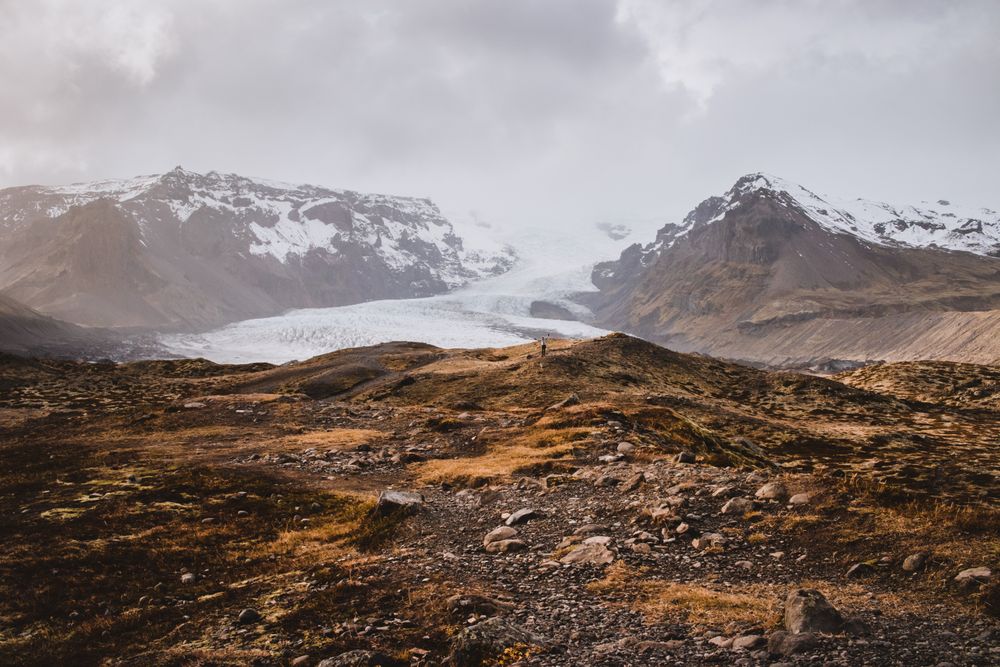
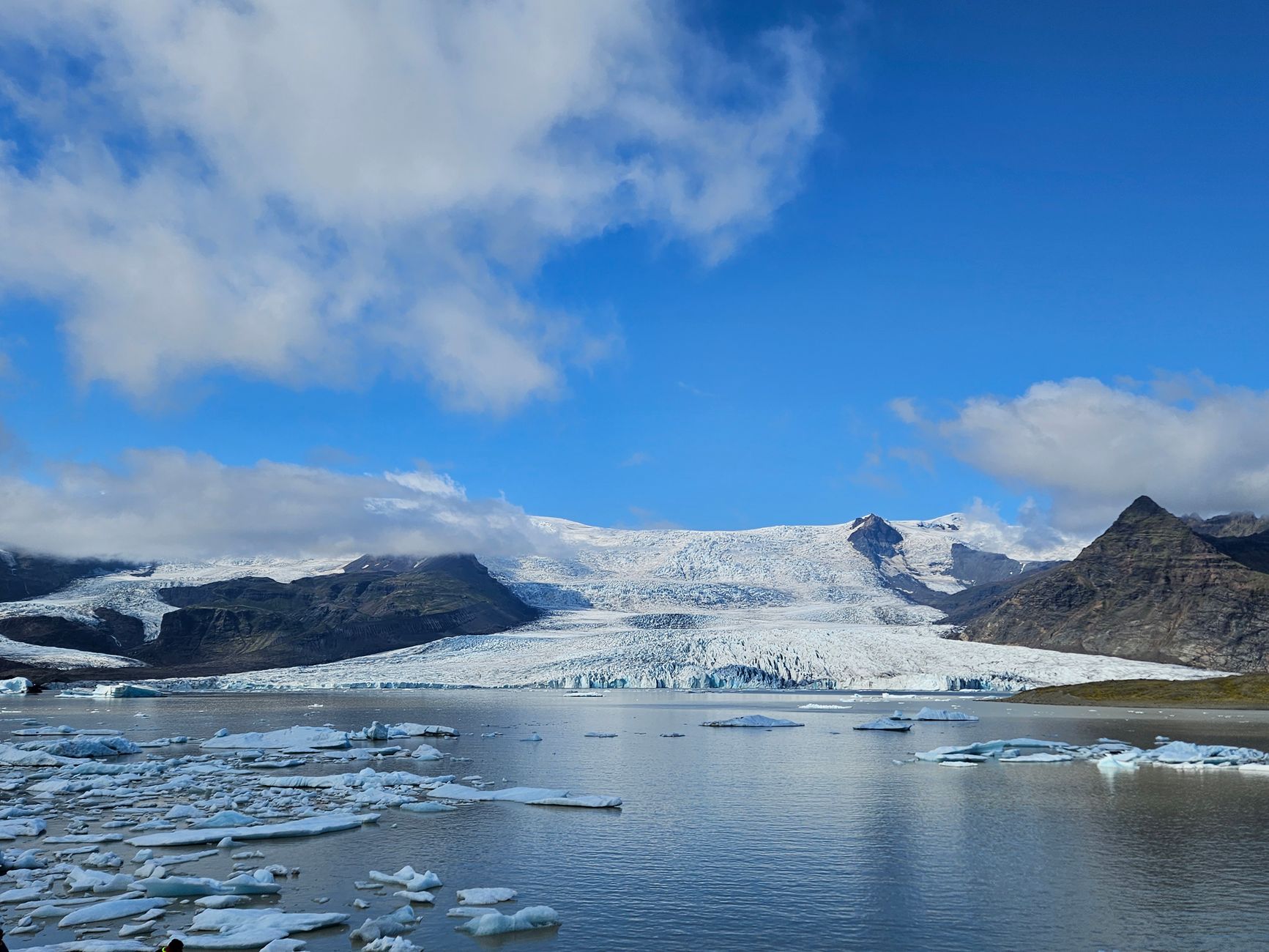
Fjallsjökull runs down almost to the shore of this lagoon, much closer than the glacier at Jökulsárlón, and on a still day you can stand at the water and hear the ice crack.
Waterfall · Fljótsdalur, The east · near Egilsstaðir
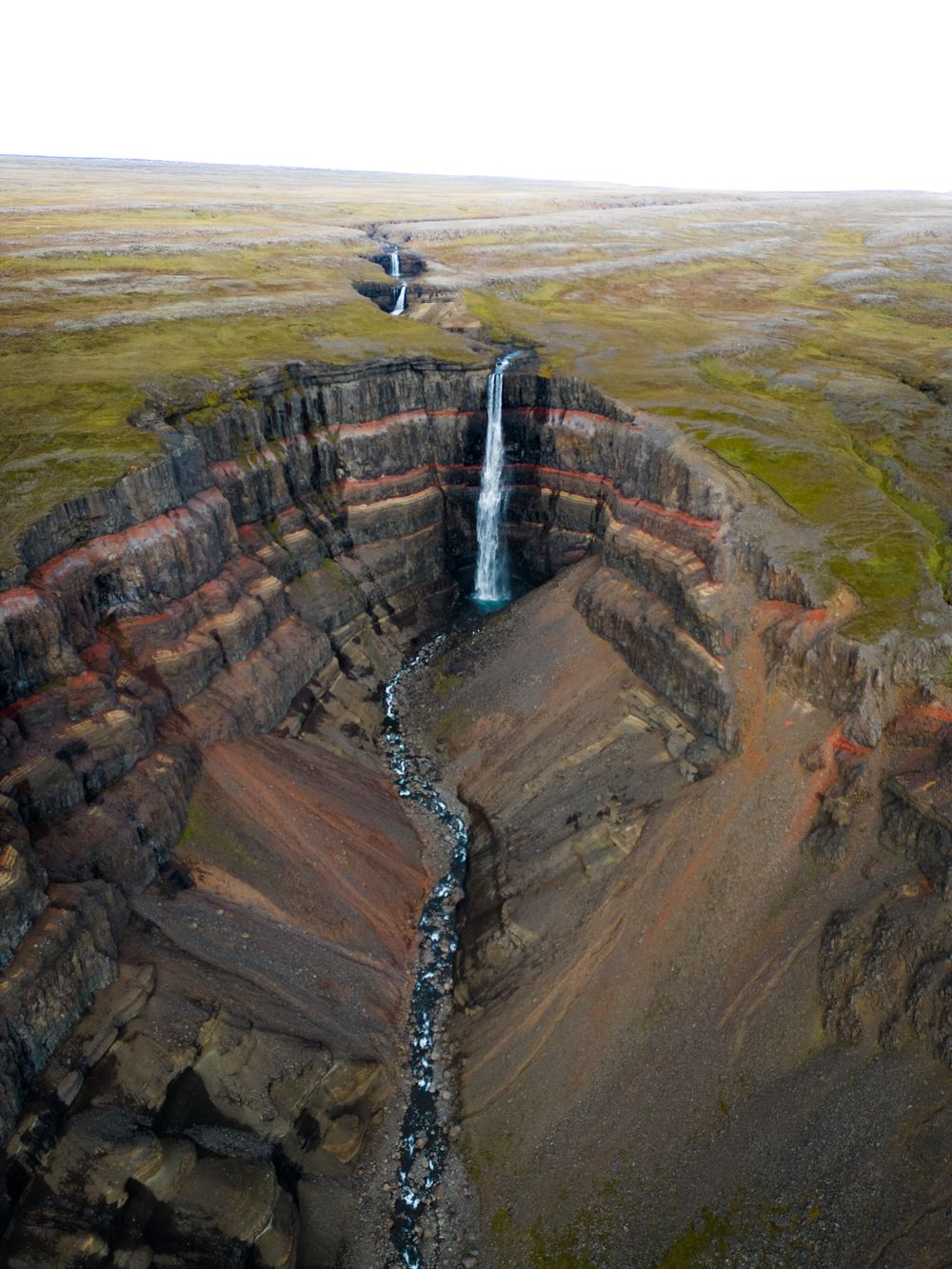
You walk up a gorge to a cliff striped in red clay between black lava beds, with Hengifoss falling down its face, and pass a second waterfall framed in basalt columns on the way.
Church · Hof í Öræfum, The south-east · near Höfn · 30 min
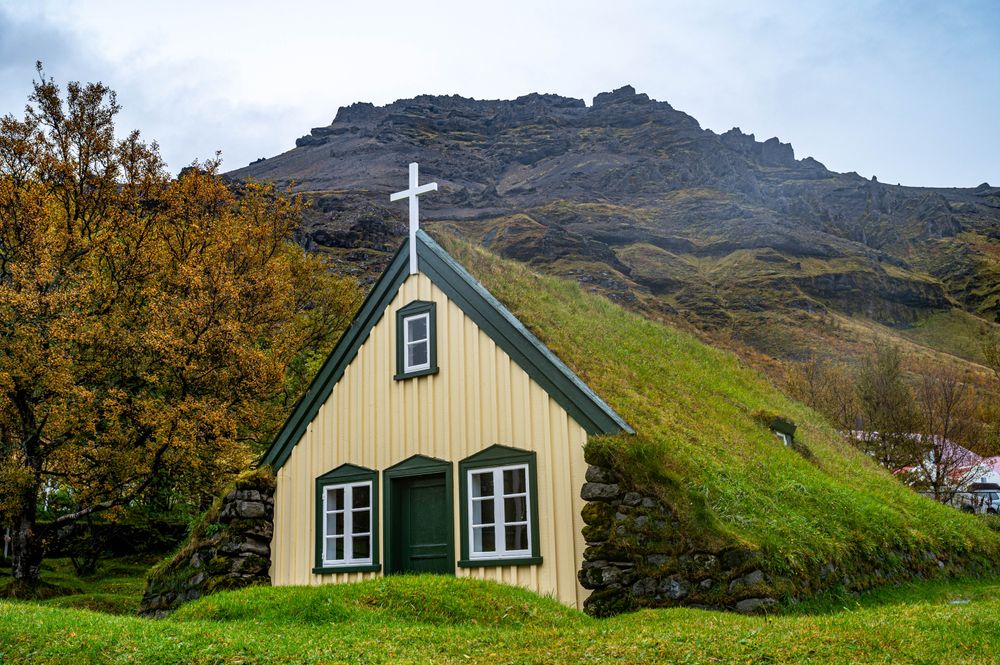
Hofskirkja is a church still in use under a grass roof, its stone walls partly sunk into the ground. It stands just off the Ring Road east of Skaftafell.
Viewpoint · Lón, The south-east · near Höfn · 45 min
Standing on the black pebble spit at Hvalnes, you have an orange lighthouse in front of you and the sheer gabbro wall of Eystrahorn straight behind it.
Natural sight · Námaskarð, The north · near Mývatn · 30 min
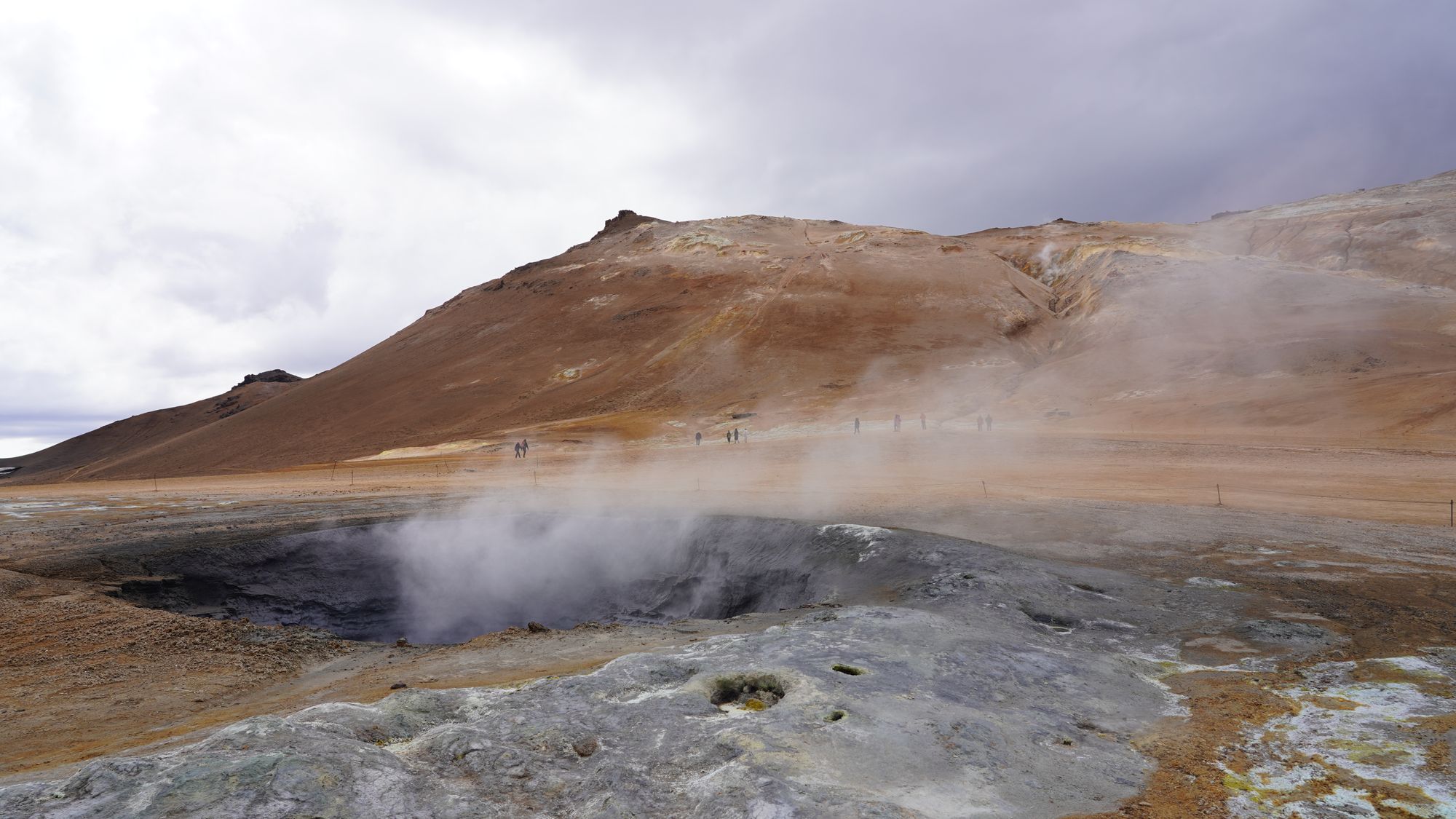
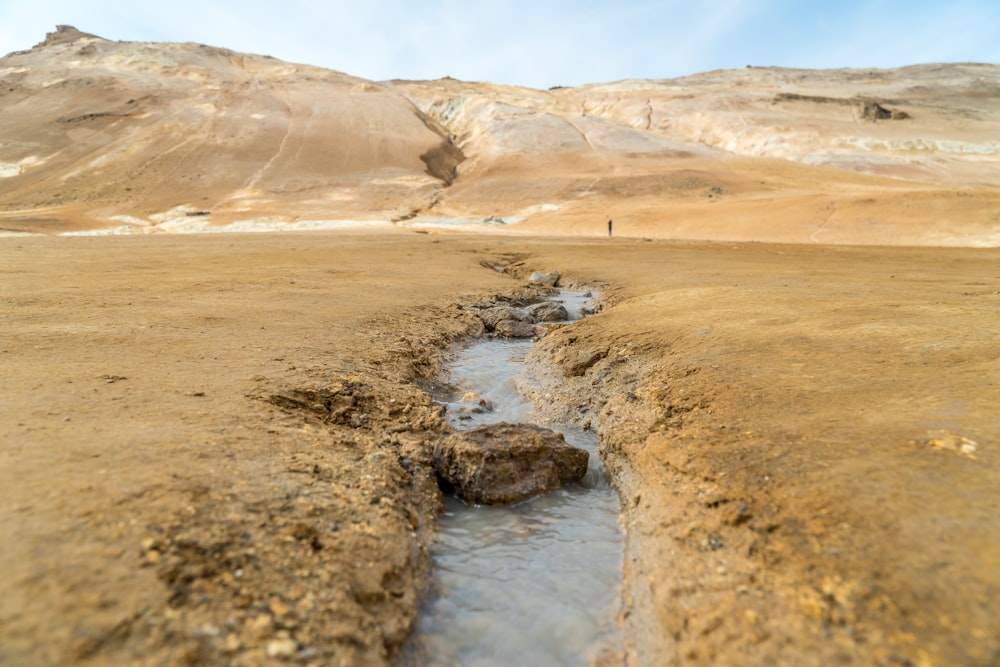
Walking the paths at Hverir takes you right past hissing steam jets and boiling grey mud, on open ground crusted yellow with sulphur and stained red with iron.
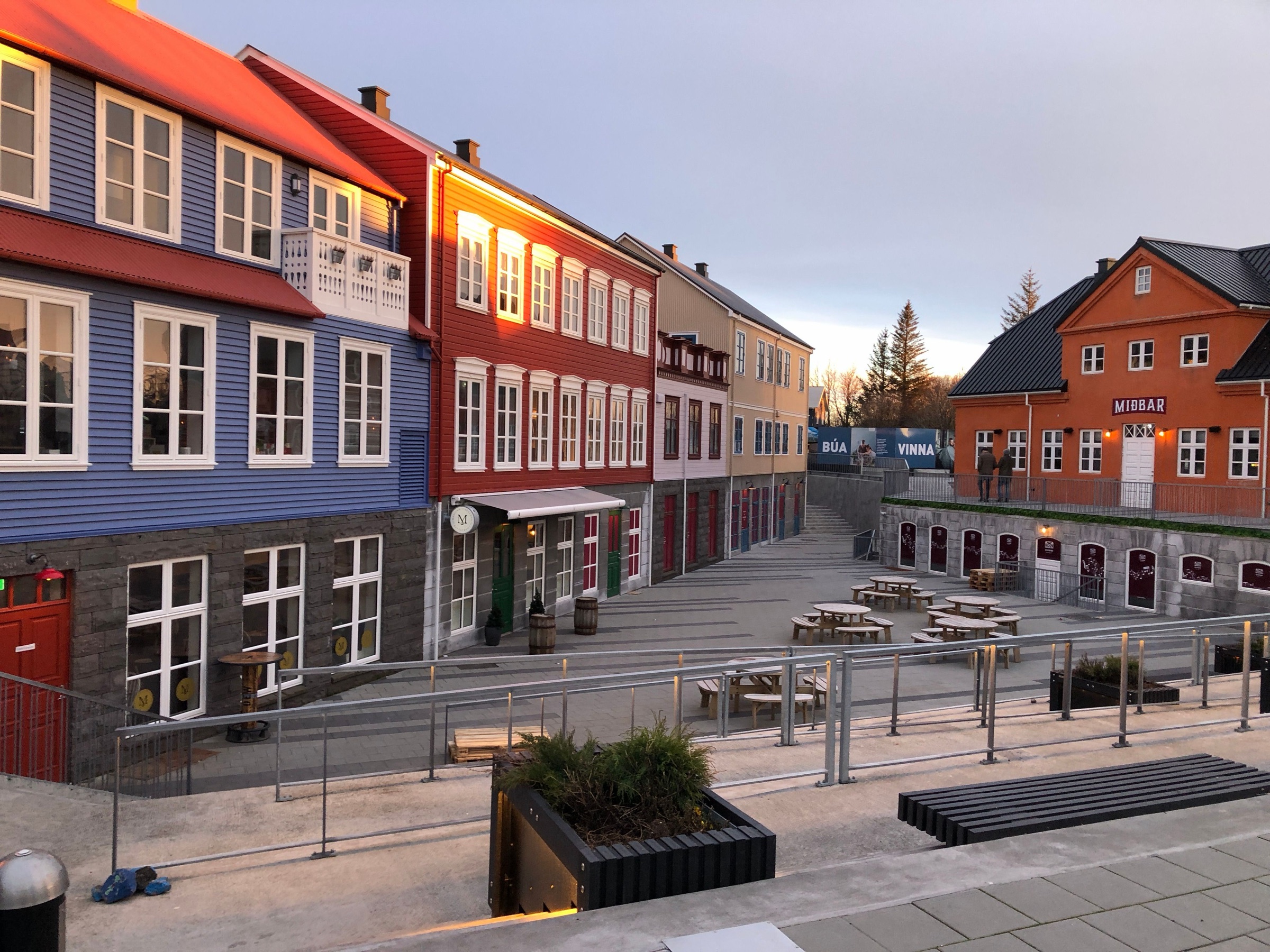
Timber houses from the 1790s on still line Aðalstræti south of Akureyri's centre, on a street front left almost as built, and you can go inside Nonnahús and the Akureyri Museum on most days of the year.
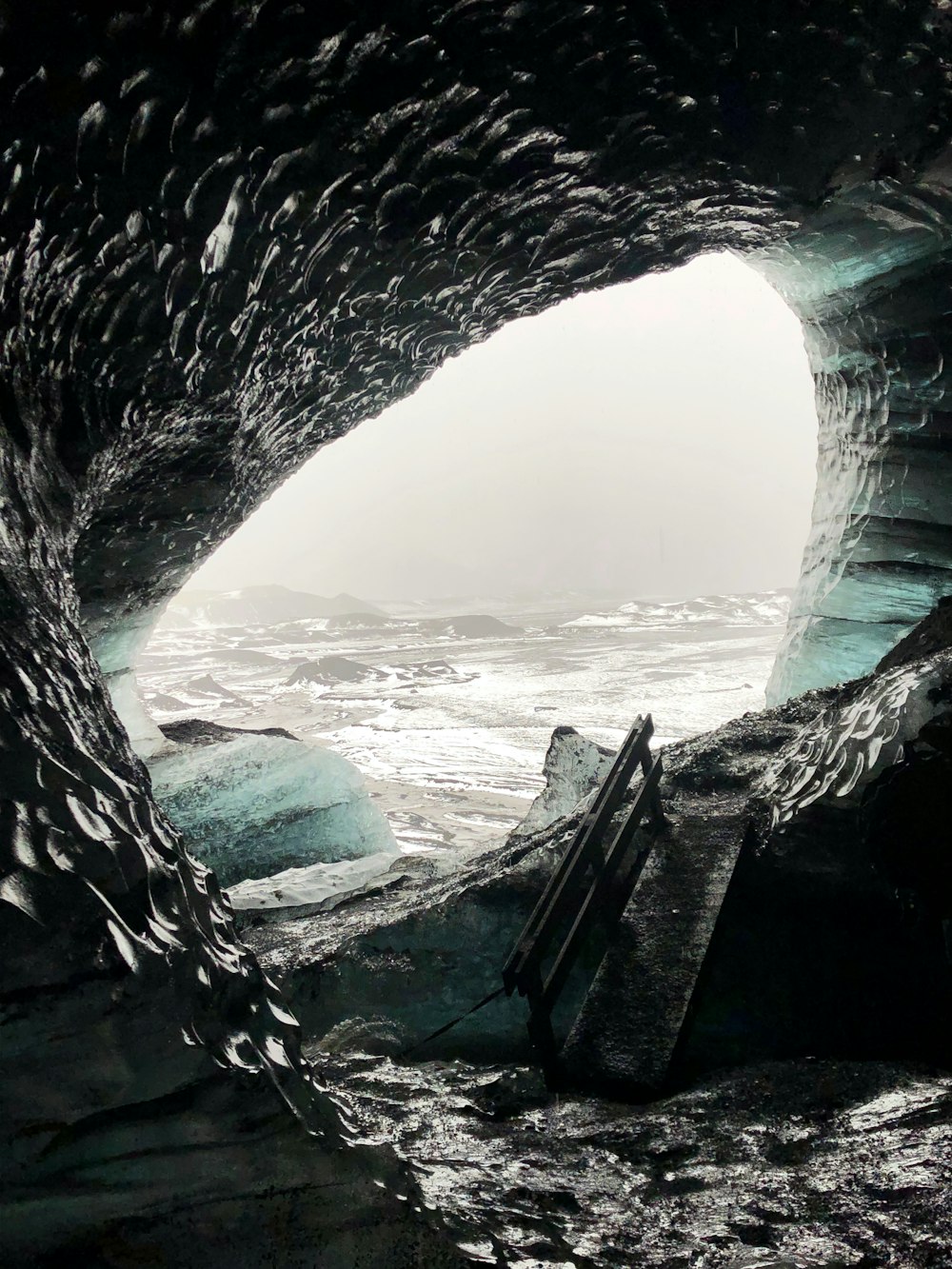
Few ice caves in Iceland can be entered in every month, and this one can. Guided trips leave Vík for Kötlujökull, where black ash from Katla bands the blue ice.
Church · Seyðisfjörður, The east · near Egilsstaðir
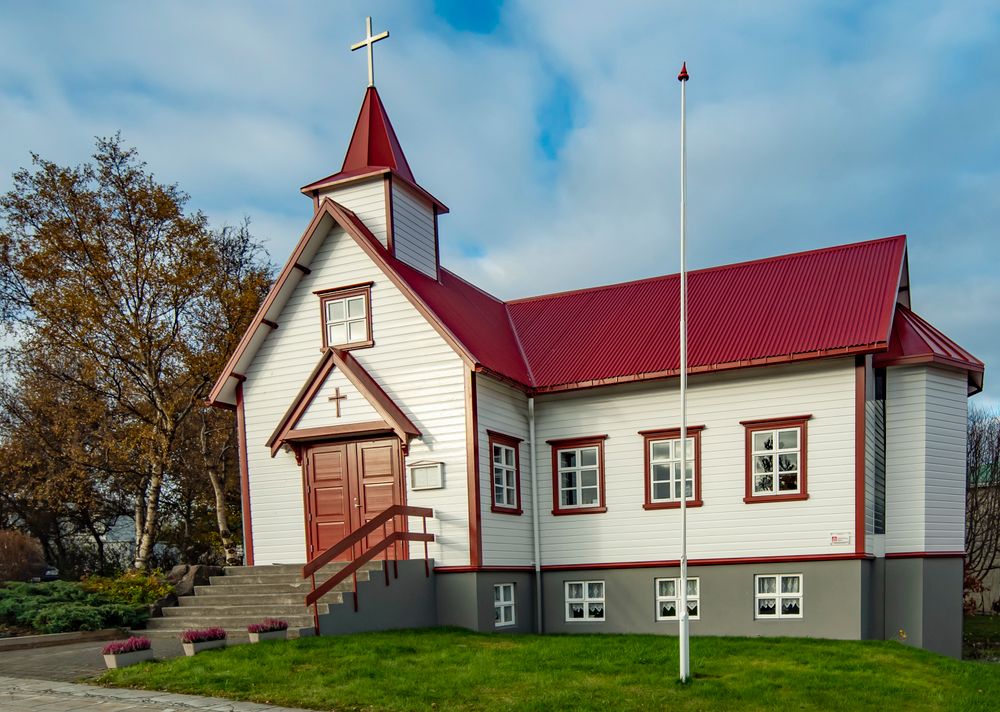
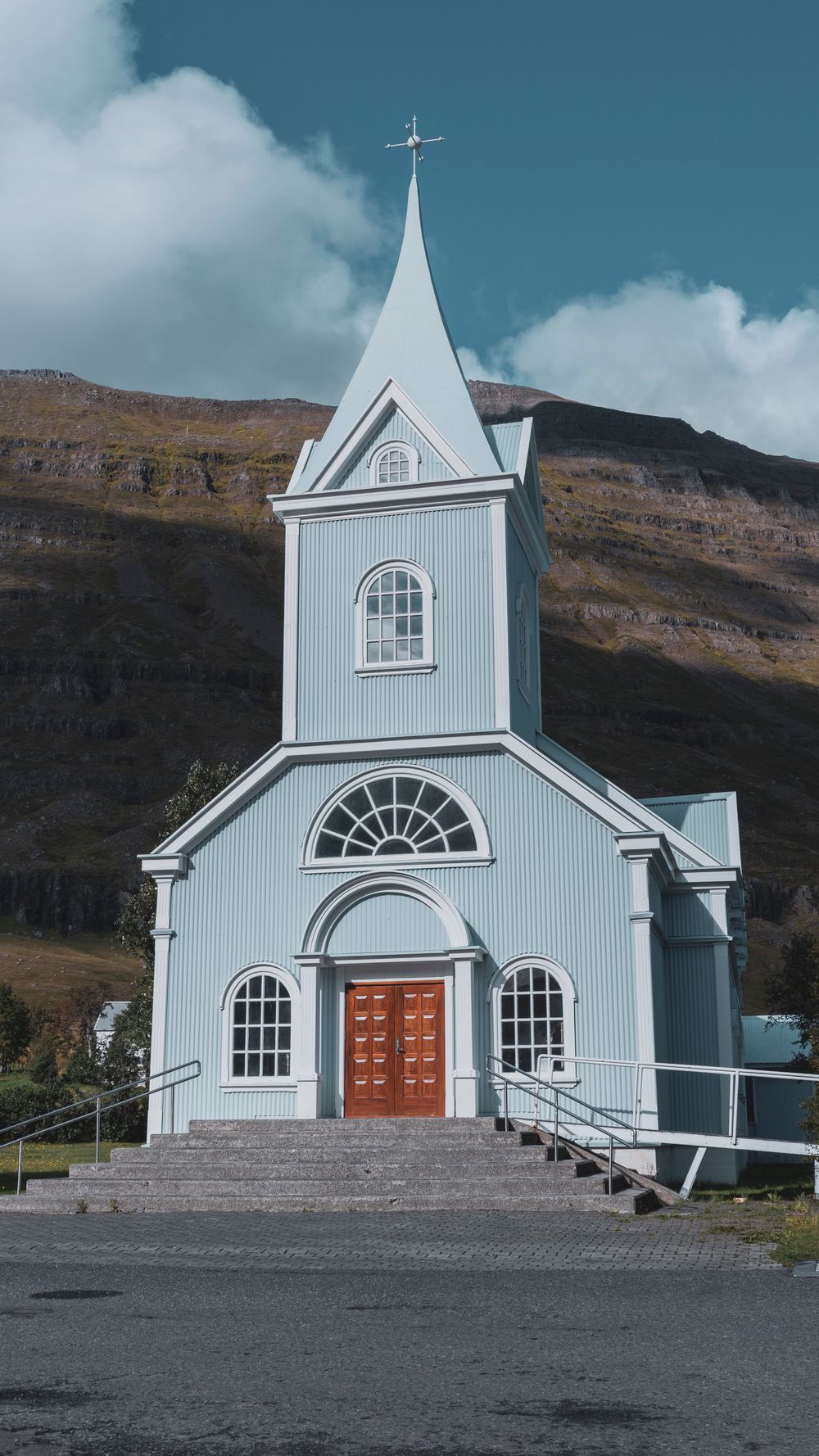
At the end of the rainbow-painted street in Seyðisfjörður stands a blue timber church. In summer you can go inside, and on some evenings hear a concert there.
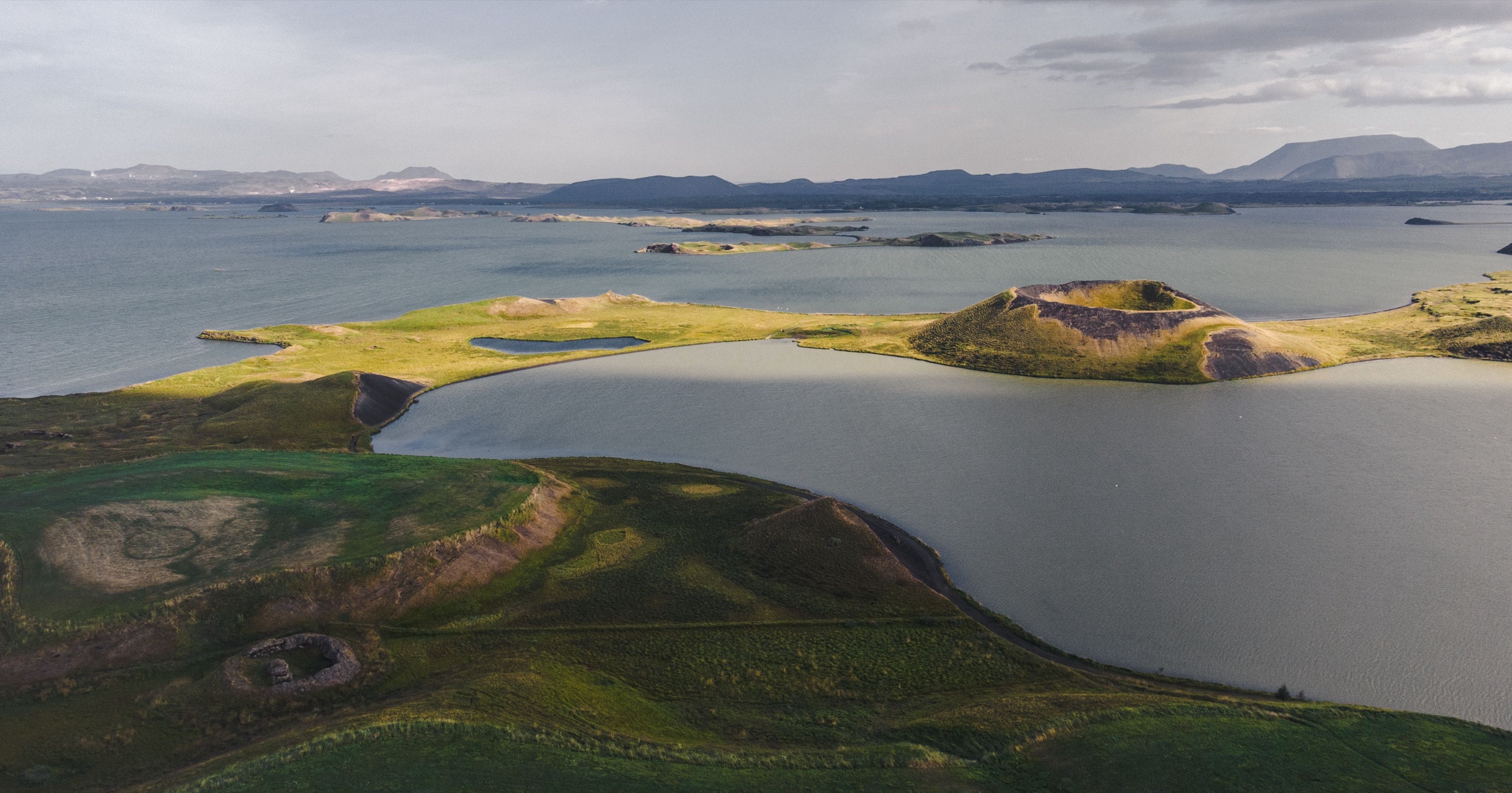
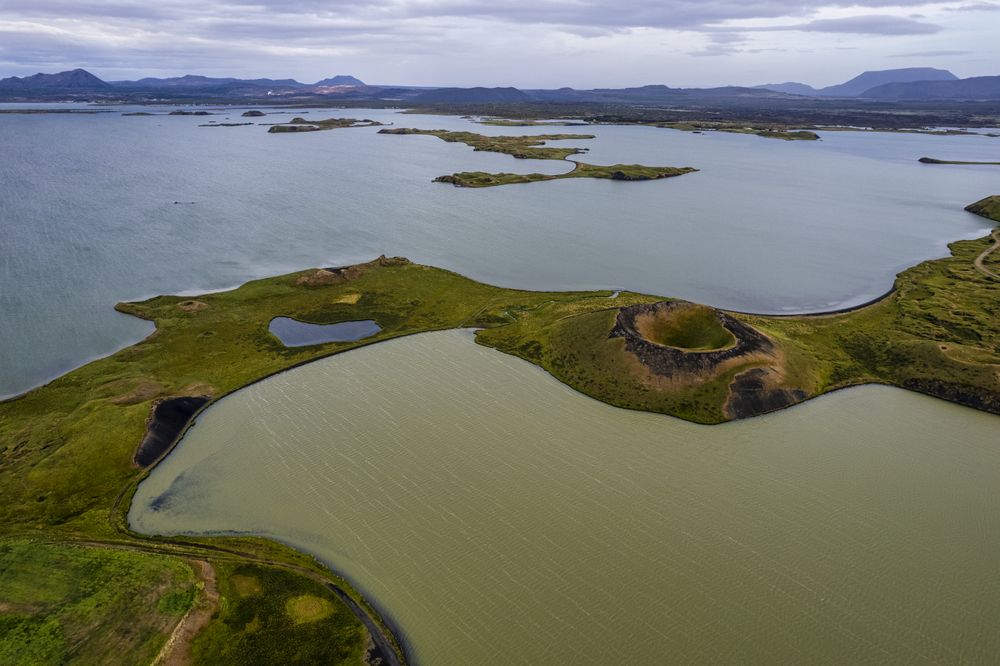
Steam explosions, not eruptions, built the grassy craters you walk among at Skútustaðir. Marked loops climb onto their rims above Mývatn's south shore, with the lake and its wetland birds all round you.
Natural sight · Sólheimar, The south coast · near Vík · 3 hr
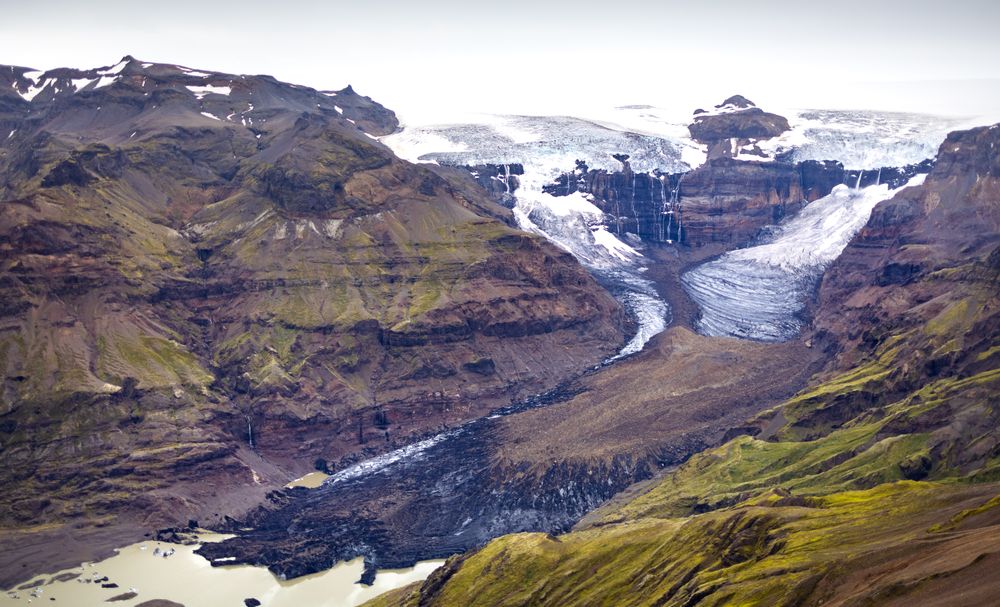
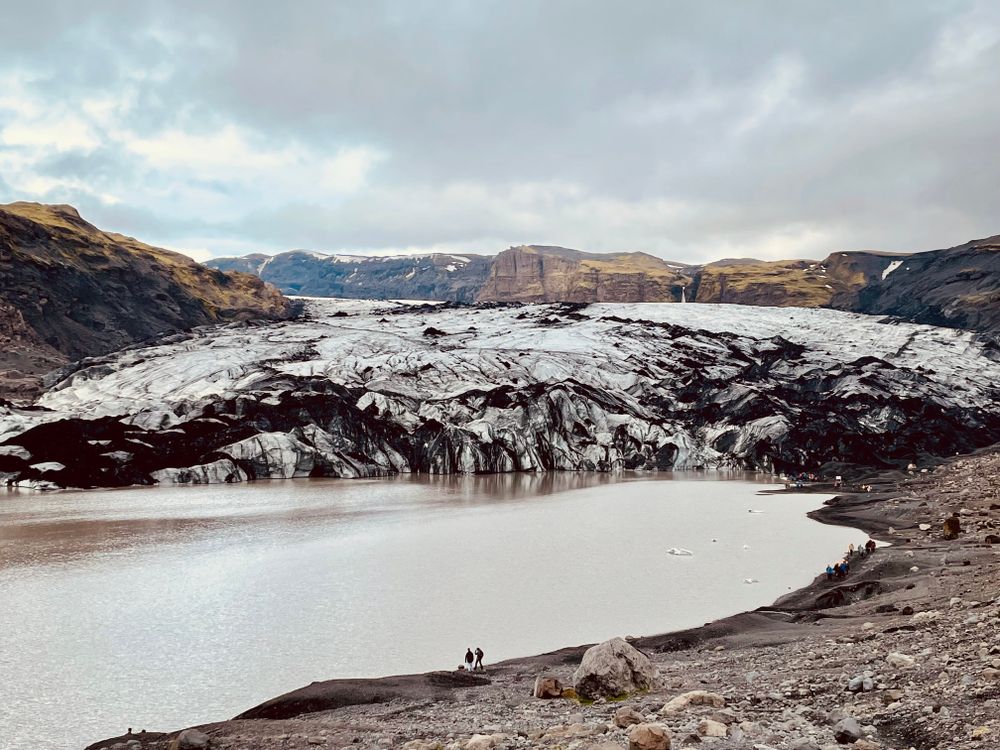
Looking across a meltwater lagoon a flat walk from the car park, you see Sólheimajökull's tongue of ice striped black with volcanic ash. With a certified guide, who supplies the crampons, you can climb onto it.
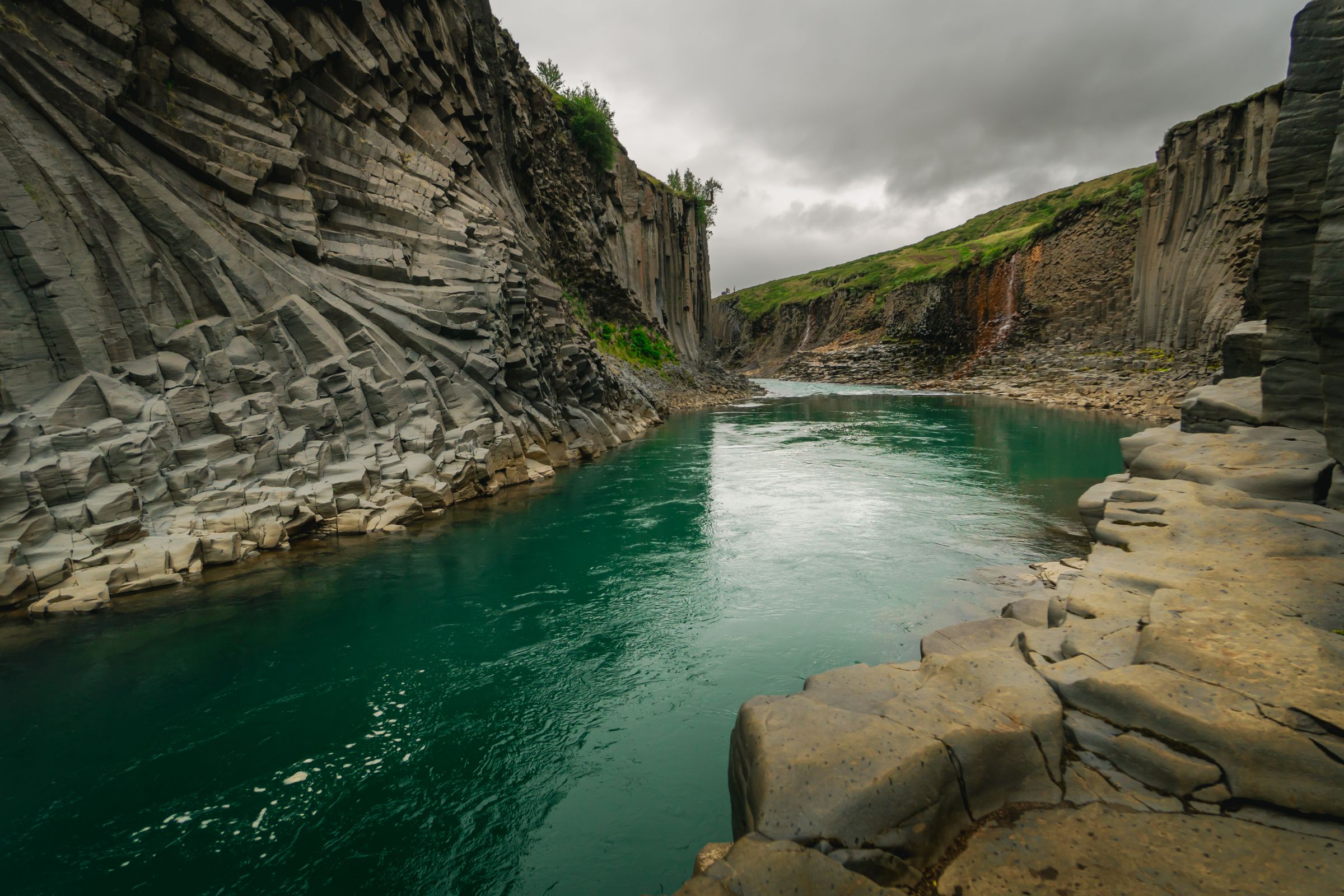
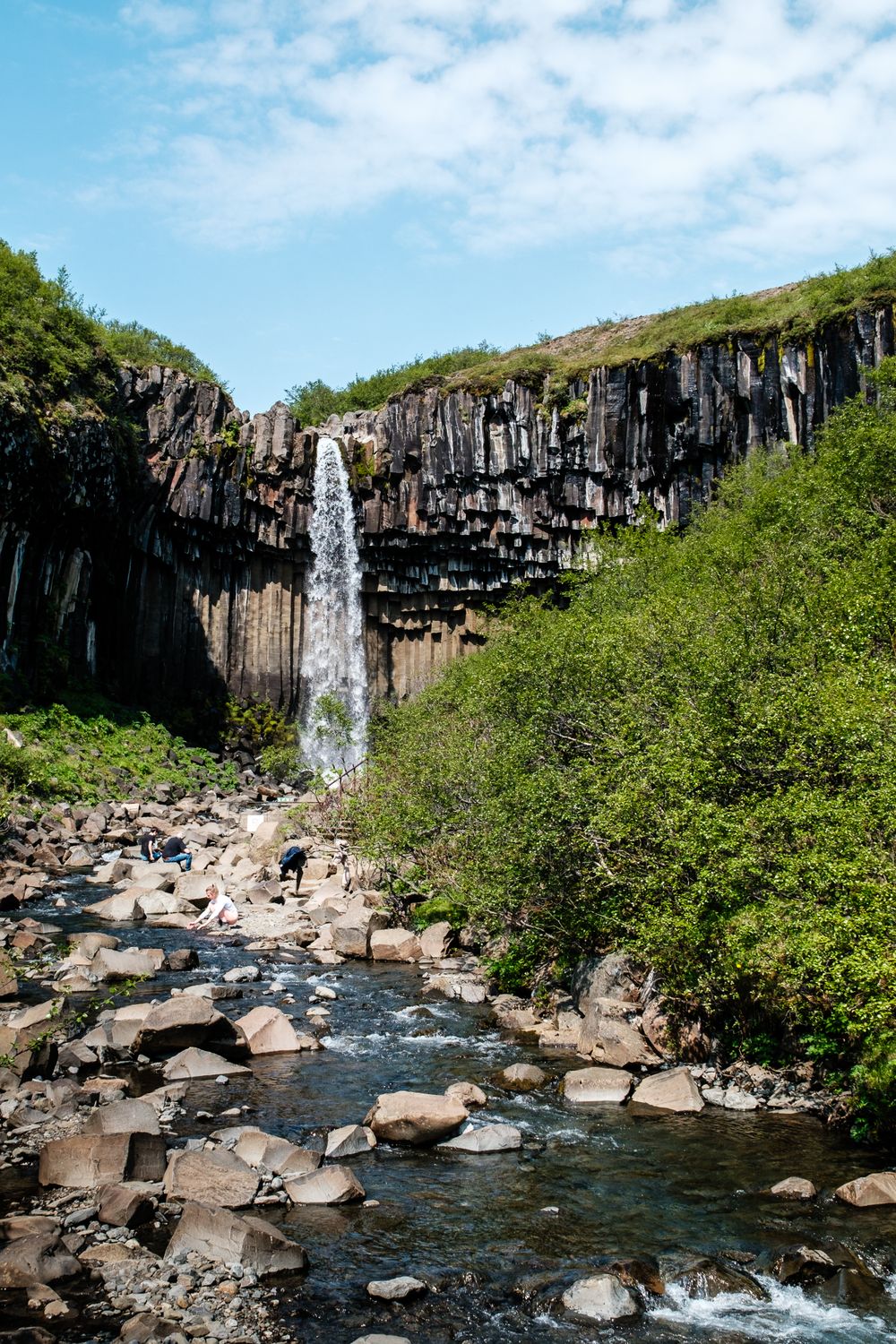
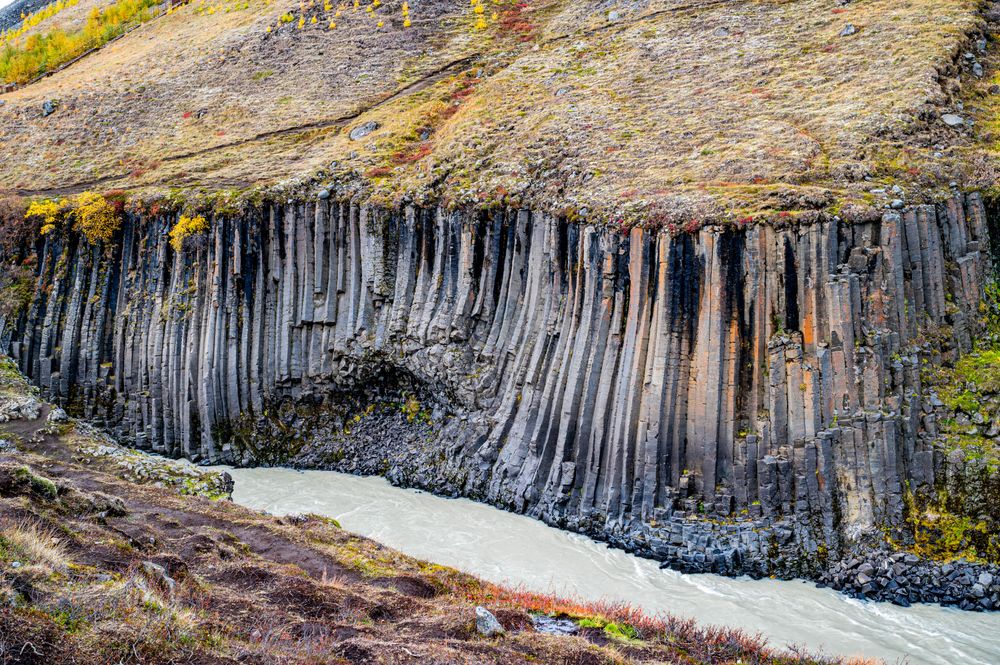
Take the east-side trail from Klaustursel and you come down close to the river between walls of six-sided basalt, one of Iceland's largest collections of basalt columns on land.
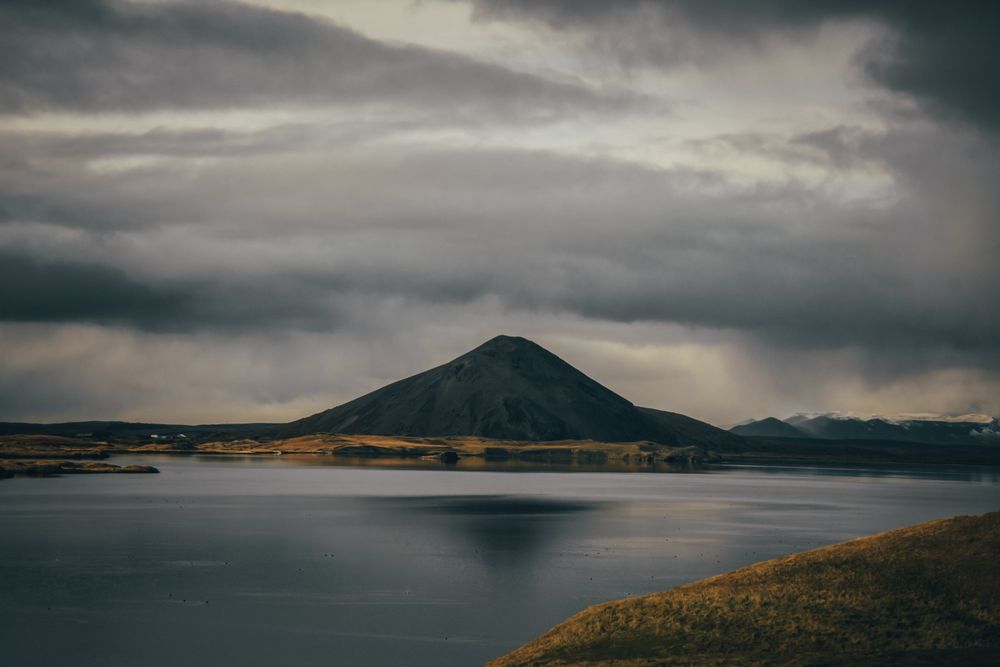
Climb Vindbelgjarfjall for a full circle of view over Lake Mývatn, its wetlands and the Skútustaðir pseudocraters, from the top of a steep marked path on the lake's west side.
Natural sight · Krafla, The north · near Mývatn · 2 hr
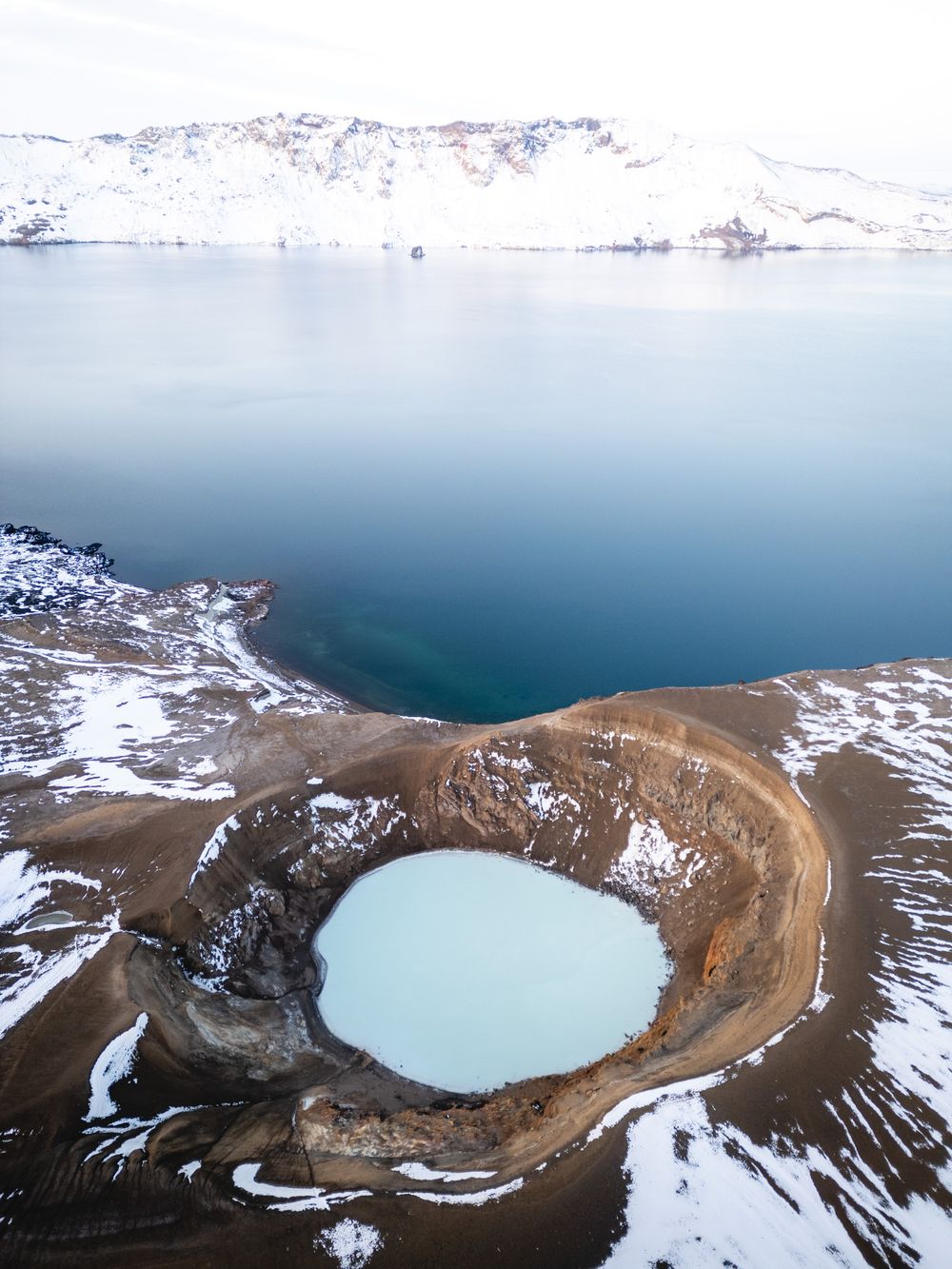
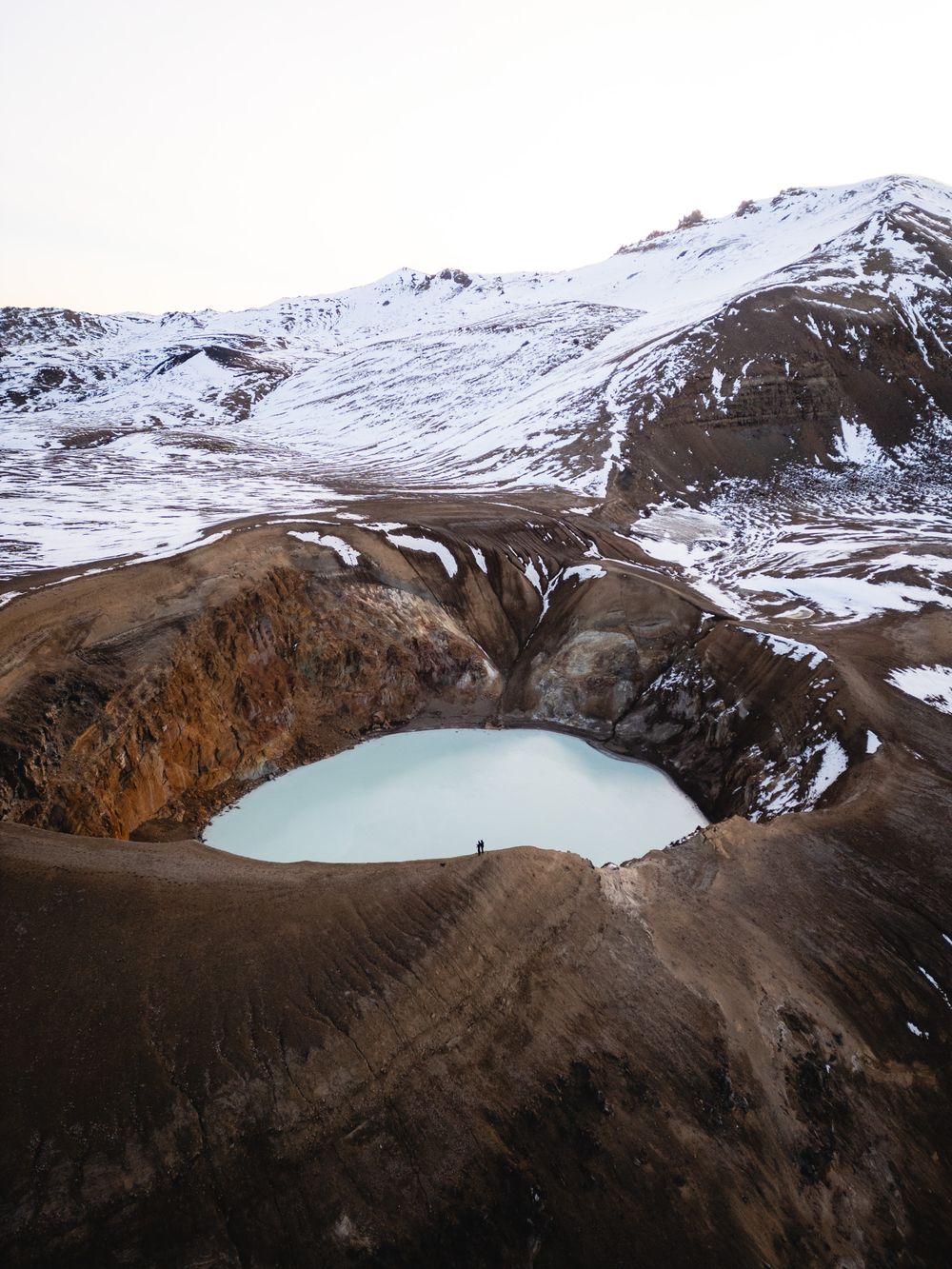
Three hundred metres across, Víti is an explosion crater under Krafla mountain with a milky-blue lake in its floor, and you can be on its rim within a few steps of the car.
A free hillside garden in Akureyri, under 20 minutes on foot uphill from the centre, with Icelandic wildflowers beside Himalayan blue poppies and South American alpines.
Viewpoint · Hnappadalur, The west · near Borgarnes · 45 min
Few roadside stops in Iceland show columnar rock this regular: a hillside of pillars in ranks as even as laid stone, just off Route 54 on the way onto Snæfellsnes.
Viewpoint · Bifröst, The west · near Borgarnes · 45 min
Stop at Grábrók on the drive north on Route 1: a short climb from the roadside puts you on the rim of a volcano, with the lava it poured out spread all around you.
Lake · Grímsnes, The south coast · near Selfoss · 45 min
Red rock, not the usual black, rings this crater, and a blue-green lake fills its floor. On a typical Golden Circle trip it is the only crater lake you can walk down to and stand beside.
Twenty-four glass columns in Stykkishólmur's old library hold water from Icelandic glaciers, and every one of those glaciers has shrunk since. When the clouds clear, you watch golden light come through the windows and the glass.
Climb Iceland's first two-storey timber home to an exhibition on growing up on Snæfellsnes, told by residents recalling their teens, then carry on to the open storage under the roof.
Under Skálholt Cathedral lie the tombs of medieval bishops. In the vault you can stand beside the stone coffin of one of them, then follow an underground passage out to the excavated ground of the old bishop's seat, a short detour off the Golden Circle.
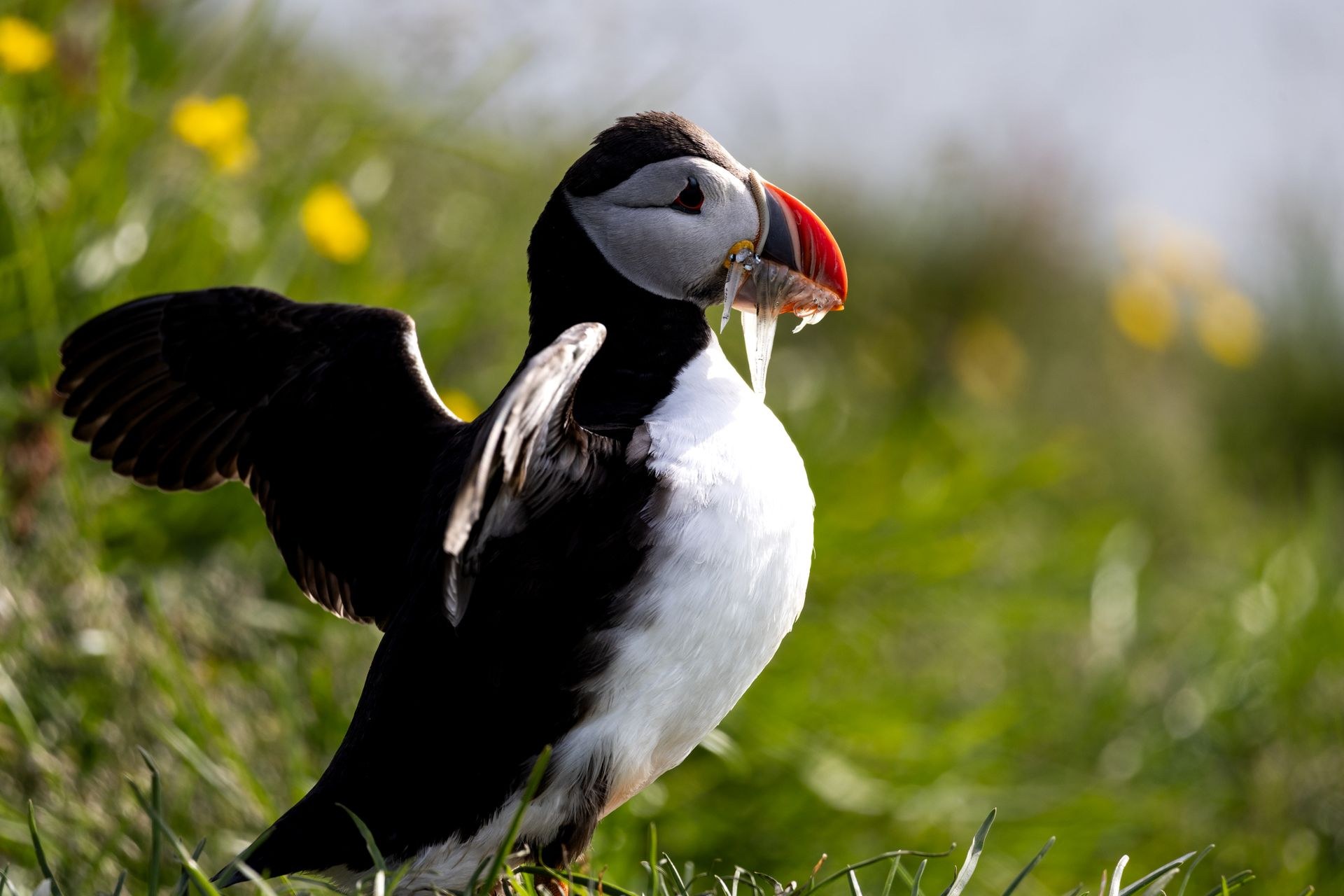
Walk out to the southern tip of Heimaey, where the island's largest puffin colony nests on the slopes below an old lighthouse, with a hut on the western side for watching the birds.
Climb Súgandisey to see Stykkishólmur and Breiðafjörður from above. The summit looks over the town, its harbour and the hundreds of islets scattered across the bay.
Hot spring water fills two pools moored out on Lake Urriðavatn, the only floating geothermal pools in Iceland, so you soak level with a cold lake and can climb down into it between soaks.
What things cost, what governments say about safety, and the facts to know before you go.
What things cost
Show prices in
CoffeeA cappuccino at a café or restaurant table.
ISK 750typical of 6 menus
ISK 750ISK 950
BeerA draught of Gull or another local lager in a bar or restaurant. Most pubs pour 500 ml; some cafes and restaurants pour 400 ml.
ISK 1,720typical of 6 menus
ISK 1,500ISK 1,750
A simple mealThe cheapest main course on an ordinary sit-down menu: a pizza, a pasta, a burger.
ISK 2,890typical of 9 menus
ISK 2,250ISK 5,290
WaterA 1.5 litre bottle of still water from a supermarket shelf. Tap water is safe and free.
ISK 220shelf price
One shop's shelf price
The busOne Strætó bus ride in the Reykjavík area at the adult single fare. The night bus costs the same.
ISK 690official fare
One fare, set by the operator
The typical price is the middle one of the prices read on the menus of ordinary cafés, bars and restaurants across Iceland, and on supermarkets' own shops for water. Each dot is one price read. Checked November 2026.
Safety
Each government rates Iceland on its own scale, from normal precautions up to do not travel. These are each government's own assessments, not Meridian Dispatch's.
Penalties are severe, even for small amounts of cannabis. Expect long jail sentences and heavy fines. Airport security also scans the baggage of transit passengers.
The basics
Capital
Reykjavík
Population
394,324 (2026)
Size
103,000 km²
Government
Republic
Head of state
President Halla Tómasdóttir
Languages
Icelandic
Religion
Evangelical Lutheran
Currency
Icelandic króna
Time
UTC+0
Plugs
Type C and F, 230 V
World Heritage Sites
3
Same-sex couples
Legal
Customs and rules
Stay on the road
Off-road driving is strictly forbidden. F-roads and gravel roads are roads, but turning off them onto moss, sand or snow is off-road driving, and that includes going around a closure.
Check the highland roads first
F-roads are usually closed from mid-September until June or July. Check umferdin.is before you set out, and do not cross an unbridged river you are unsure of, because no insurance covers damage from a river crossing.
Headlights on, no drink-driving
Headlights and taillights must be on at all times, all year, and the automatic setting may not be enough. The blood alcohol limit is 0.2 per mille, so you cannot drive after even one drink.
Leave a travel plan
Submit your route at safetravel.is and check its alerts before each day's drive or hike. Storms and blizzards close roads quickly, and 112 is the emergency number.
Drones
Register as a drone operator at flydrone.is unless you are already registered in another EASA country. Fly below 120 metres and within sight, stay 150 metres from power plants, police stations, prisons and hospitals, and get airport permission near an airport.