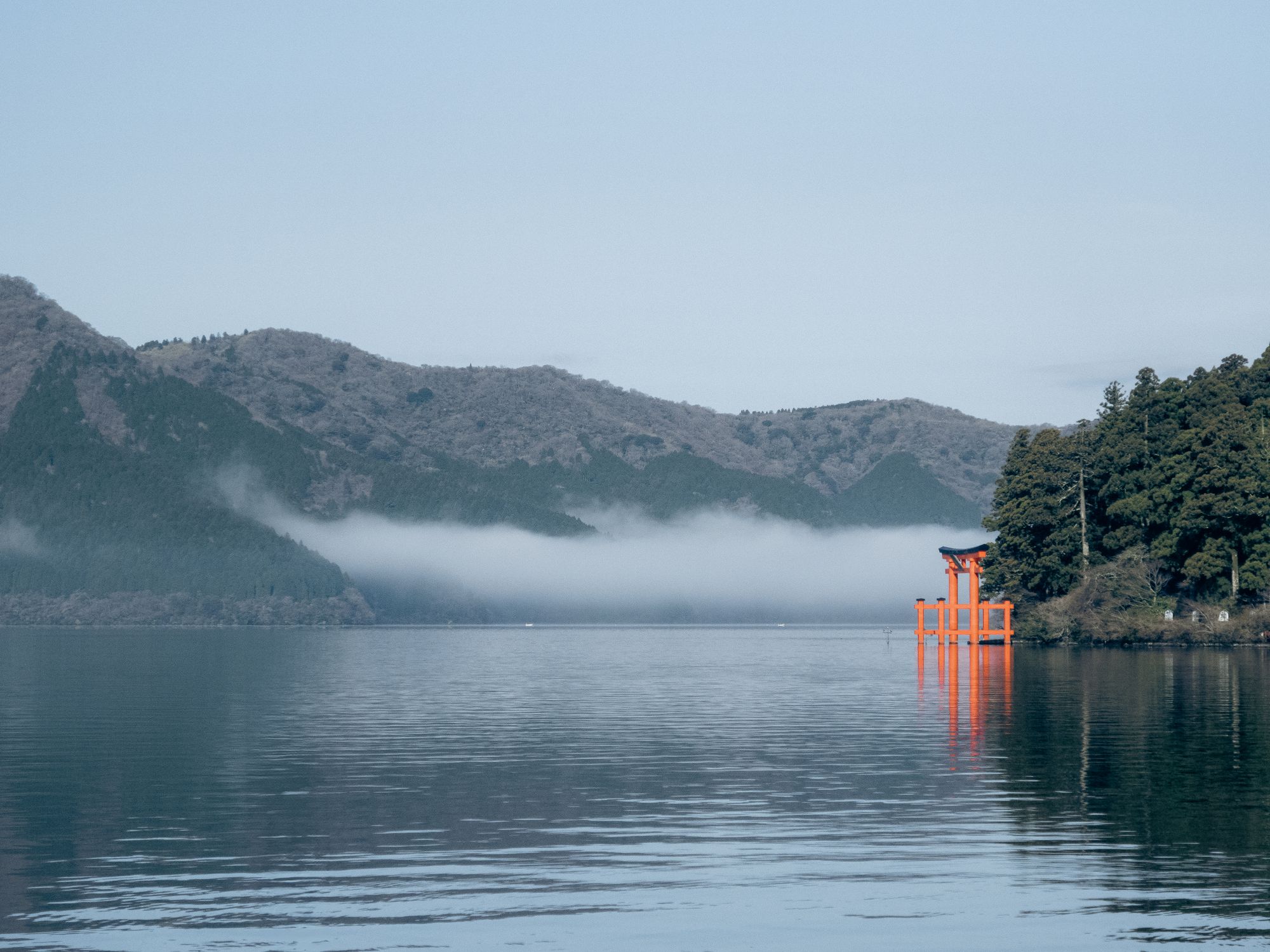
The crossing from Togendai to Moto-Hakone is the leg of the Hakone loop where you see Mount Fuji rise over the water on a clear morning, from the open deck of a ship built like an old European warship.
Lake, Hakone. Meridian Dispatch.
About 25 to 35 minutes for a one-way crossing of the lake. A return trip takes about 70 to 90 minutes. The ship calls at each pier on the way.
Every day of the year, from about 9:30am to 5pm. A winter timetable applies from 1 December to 19 March. On it, some crossings take longer than in the rest of the year.
Yes, for the standard cabin. Within its validity period the pass allows unlimited trips in the normal room. The special cabin carries an extra charge on each use. Round-trip ticket holders can also step off and reboard at any stop.
At any of its three ports: Togendai, Moto-Hakone or Hakone-machi. Every Hakone Sightseeing Cruise ship calls at all three. A crossing can therefore start from either the northern or the southern end.
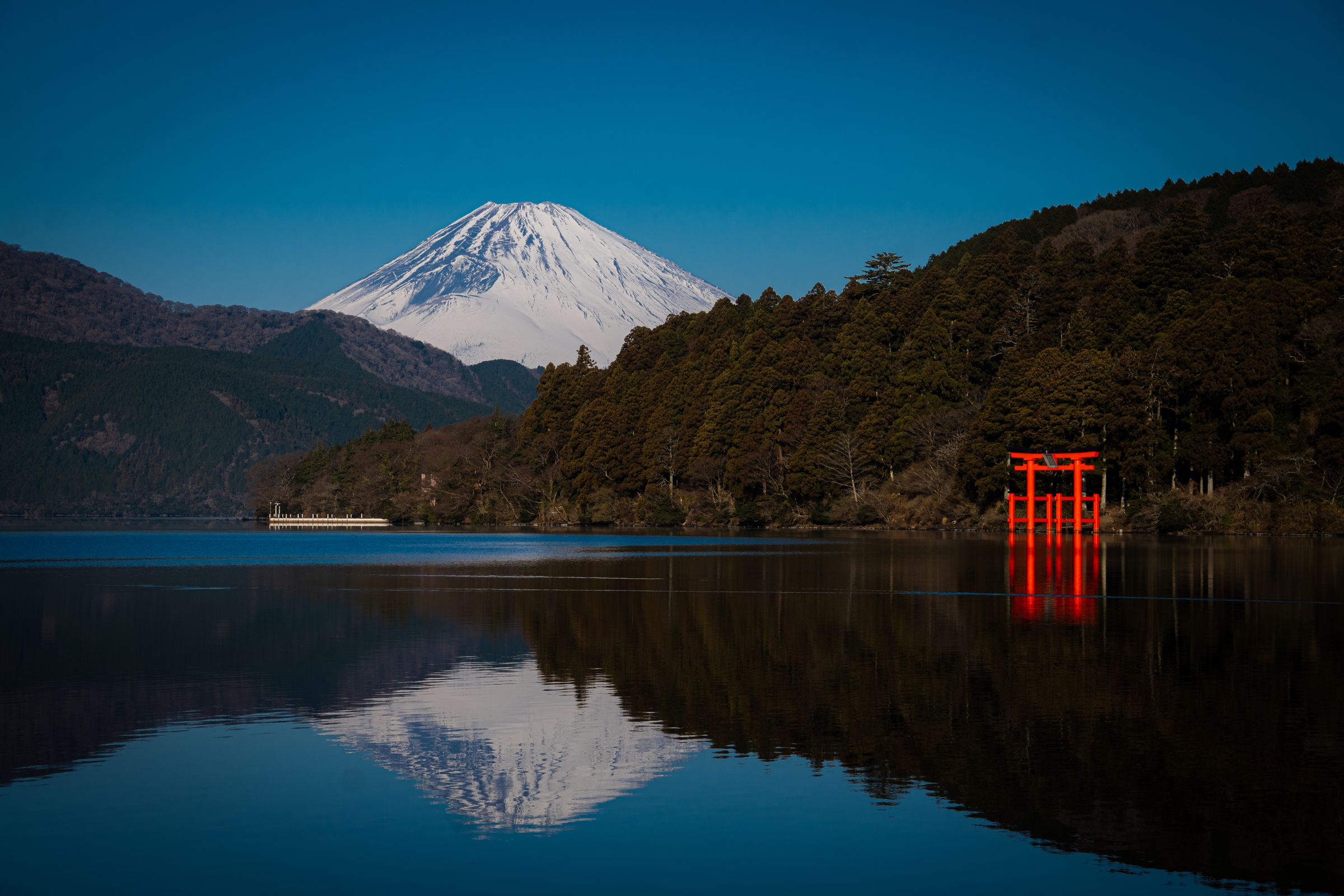
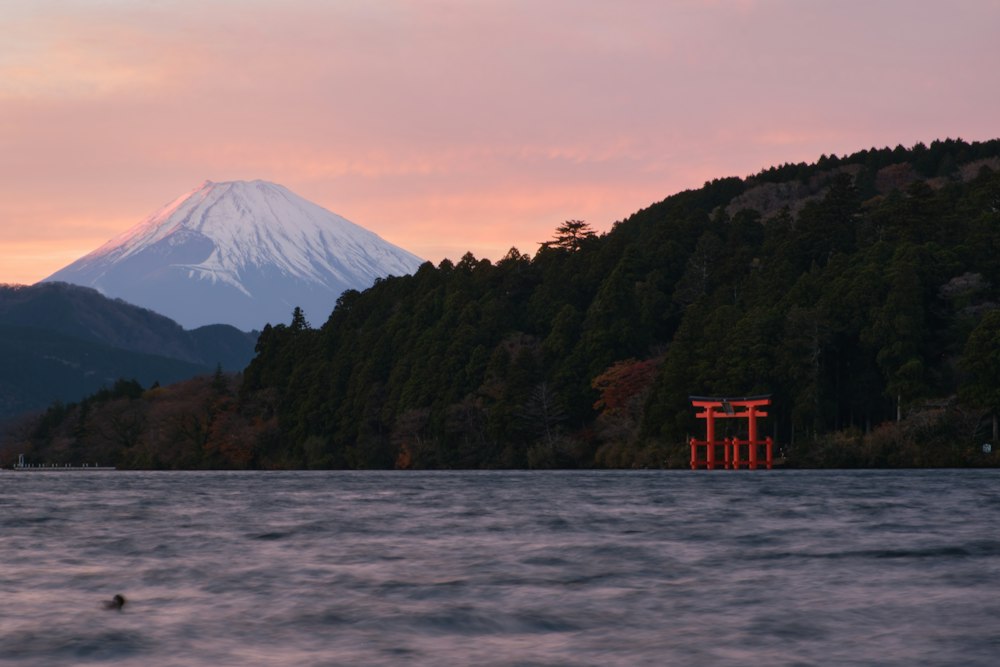
Yes, on a clear day, from the deck of the ship or from the shore. Fuji stands in view beyond the lake's western shore. Autumn and winter mornings tend to give the clearest views.
It formed as a crater lake inside the caldera of Mount Hakone, along its southwestern wall. The lake covers about 7 square kilometres. At its deepest point it reaches 43.5 metres.
Not always. Thick fog or gales can change a departure time or a destination. In the worst conditions the service is suspended altogether. Checking the operating status on the day saves a wasted trip to the pier.
Yes. Hakone-machi pier has about 200 free spaces, while the lots at the Togendai and Moto-Hakone piers are small and paid. Drivers who want the large free car park should board at the southern end of the lake.
Yes. The boats are built as pirate ships, in three different designs, and 3D art and pirate objects on board are there for children and adults alike. All three ships carry toilets, accessible ones included, and sell drinks and snacks.
Lake Ashi is a crater lake on the southwestern wall of the Hakone caldera, and the largest lake in Kanagawa Prefecture. On a clear day Mount Fuji rises beyond its shore, and on a still one you may see the mountain reflected in the water.
The best-known view on the lake puts Fuji and the Gate of Peace, the red torii of Hakone Shrine standing partly in the water, in one frame. Both sit in one view from the deck.
The ships are the other thing to look at. Each is built to resemble a 17th- or 18th-century European warship, with a carved figurehead at the bow, and the cabins are panelled in wood from floor to ceiling. On board, look down: sixty different patterns of yosegi-zaiku, a wood-inlay craft, are set into the floors and walls.
Sightseeing boats have crossed the lake since 1911, and the warship-style boats since 1950.
Board at Togendai, the northern pier, to sail south, or at Moto-Hakone or Hakone-machi to sail north. Join the queue and show your ticket or pass at the gate; there is no need to line up long before the sailing.
Once aboard, climb to the open deck and keep to the outer right-hand side as the ship heads south, since Fuji sits behind you over the western shore. The mountain shows for only part of the crossing, so stay outside rather than settling into the cabin.
The ship calls at Moto-Hakone, on the eastern shore, and at Hakone-machi, a ten-minute hop on at the southern end. Get off at Moto-Hakone for Hakone Shrine, or ride on.
Sailings in autumn and winter usually offer the clearest view of Fuji, and in autumn the hills around the lake turn red, orange and gold.
A return ticket lets you get off at any pier and board a later boat, so you can walk up to the shrine and sail on afterwards. The special cabin is charged extra on every crossing, but it is quieter than the main decks.
Hakone, Japan: Steam rises from the slopes of a live volcano within easy reach of Tokyo. Hakone Open-Air Museum, Lake Ashi and Onshi Hakone Park.
Read the Hakone guideExplore the rest of Hakone
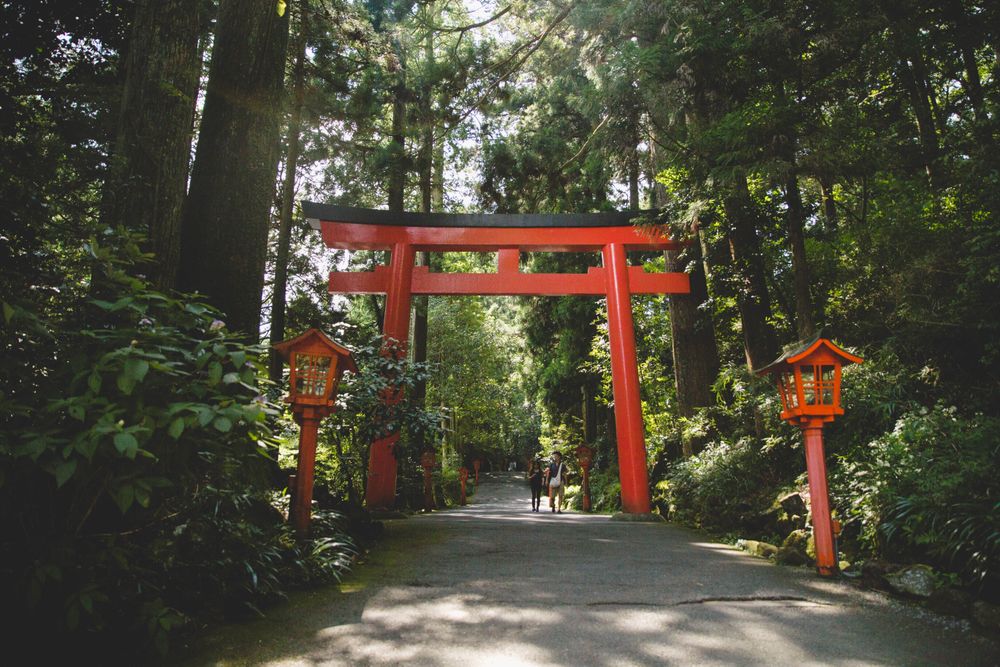
A shrine in old cedar forest on the shore of Lake Ashi at Moto-Hakone, where stone steps climb to the main prayer hall. Its red Torii of…
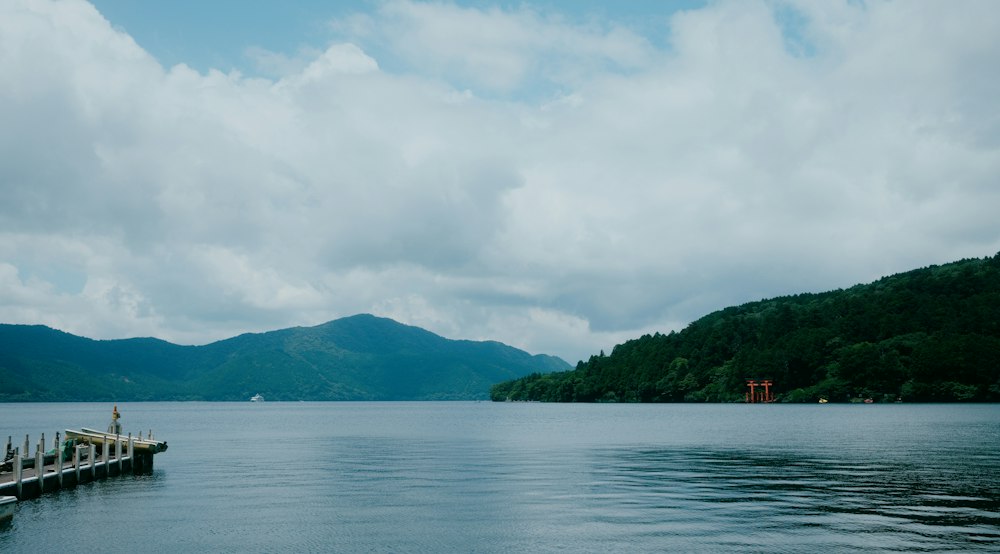
A former imperial summer palace site on Lake Ashi at Moto-Hakone, now a free public park. Paths wind through a Japanese garden to the…
The lakeside village at the southern end of Lake Ashi, beside the Hakone-machi boat pier, where the rebuilt Hakone checkpoint stands on the…
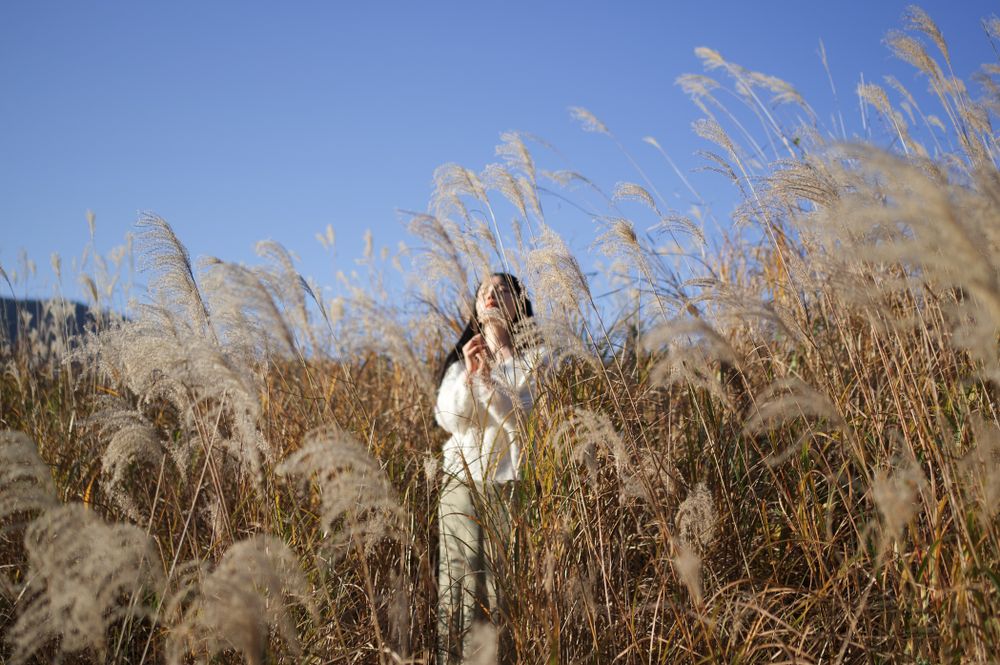
A hillside of pampas grass below Mount Daigatake in Sengokuhara, with one path up the middle. It turns gold from late September into early…
Sculpture set out across a hillside garden beside Chōkoku-no-Mori station, one stop below Gōra on the mountain railway. Barbara Hepworth's…
A cable car from Hakone-en on the east shore of Lake Ashi to the summit of Mount Komagatake, at 1,356 metres, in about seven minutes. On…
A stretch of the old Tōkaidō road still paved with Edo-era stones, running through cedar forest between Moto-Hakone and the woodcraft…
A gondola line from Sōunzan over the steaming slopes of Ōwakudani and down to Tōgendai on Lake Ashi, about half an hour end to end. Cabins…




Save Lake Ashi to your Japan trip in the Meridian Dispatch app and build the day around it, with the best of Hakone pinned on one map.
Download on the App StoreLast updated