 Submit a photo
Ninety seconds on Daitoku-ji
Daitoku-ji stands in Murasakino, in Kyoto's Kita ward, north of the city centre. Daisen-in, its best-known subtemple, gives its address as 54-1 Daitokuji-cho, inside the walled grounds.
Daisen-in is open daily from 9:00 to 16:30, with a gate closure on some afternoons, as of October 2026. Each of the other open subtemples keeps hours of its own, and the main halls are not open for general visits.
No, not the subtemples. Each one that admits visitors charges a viewing fee of its own, paid on entry, and Daisen-in publishes its current fee on the temple's site.
About two hours covers two or three subtemples, at 30 to 45 minutes apiece. Around four is as many as fit comfortably into a whole day of looking at gardens.
No. Photography is banned inside Daisen-in, and visitors are asked to keep cameras packed away. The rule came in after images of the temple were found being sold online.
A quiet cluster of Zen subtemples, well away from Kyoto's busiest sights, lets you see two of the city's finest rock gardens in a couple of hours.
Daitoku-ji is a walled complex of working Zen temples in north Kyoto, laid out almost like a small village. Its gardens, tea rooms and treasures sit inside the subtemples, many of which open to visitors.
Daisen-in is the most famous of them. Its karesansui, a dry garden of stone and white gravel, packs large rocks into a small space so they read as mountains and ravines.
The garden wraps round the hojo, one of the oldest buildings of that style still standing. Combine the visit with Kinkaku-ji.
Zuiho-in is the other garden to see. Its dry gardens were laid out by the designer Mirei Shigemori in the 1960s, and its rock garden stands comparison with the one at Daisen-in.
The main halls along the central lanes stay closed, so a visit means walking past them to the subtemples that let visitors in. Start at Daisen-in and finish at Zuiho-in, fitting any third choice in between. That order takes the famous garden first and leaves the Shigemori design to round off the walk.
Pay at each subtemple's own gate, then take your time in its garden before moving on to the next.
Daisen-in serves matcha as an extra on top of its viewing fee, taken looking out on the stones.
Daisen-in holds regular zazen sessions that anyone can join, so a visit can take in sitting meditation as well as the garden. The temple's site lists the coming dates.
The lanes between the walls look much alike and the entrances are easy to pass, so expect to double back once or twice to find the one you came for.
Explore the rest of Kyoto
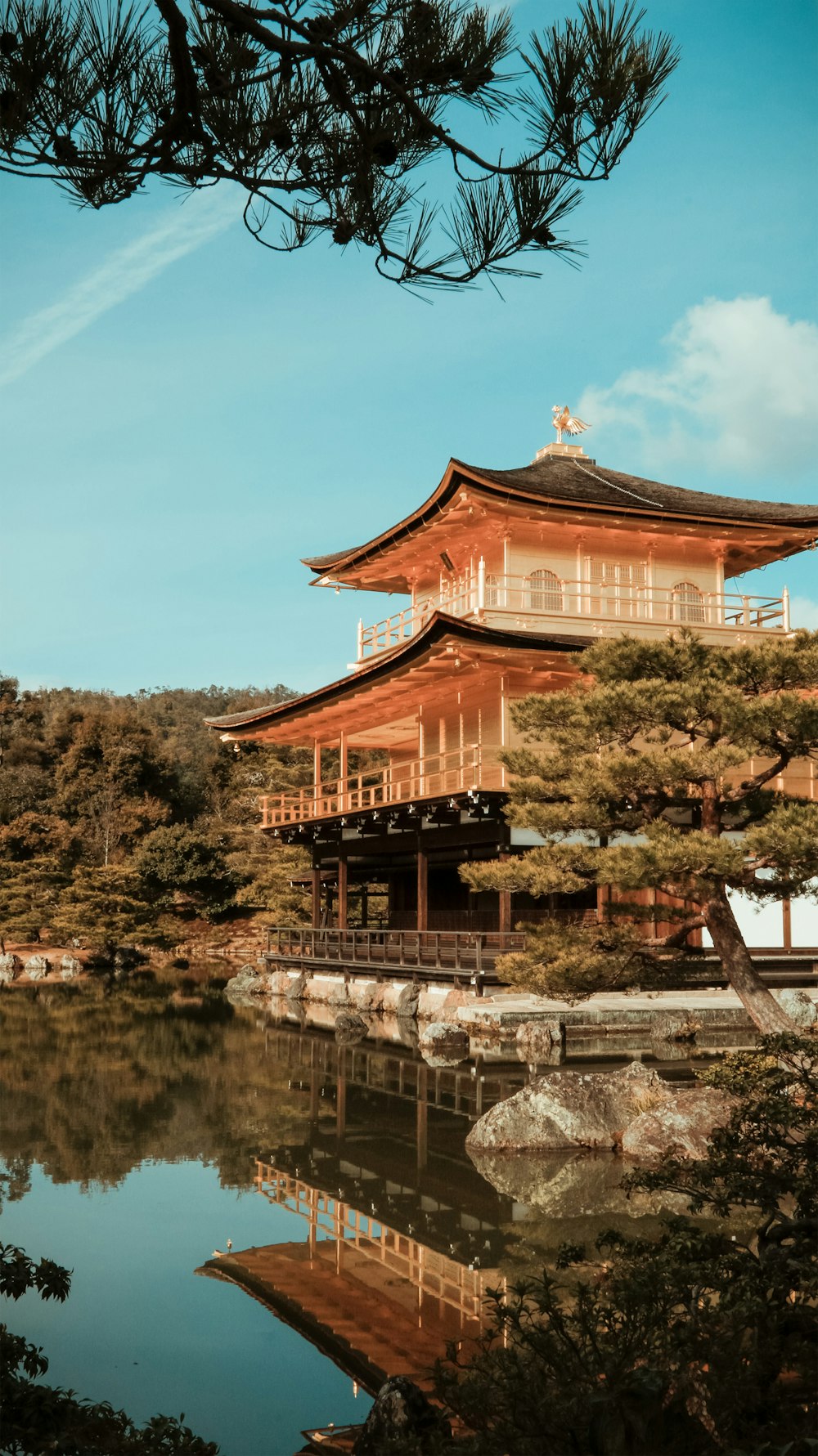
A three-storey pavilion over a still pond, its upper two floors covered in gold leaf and topped by a gilt phoenix. A single garden path…
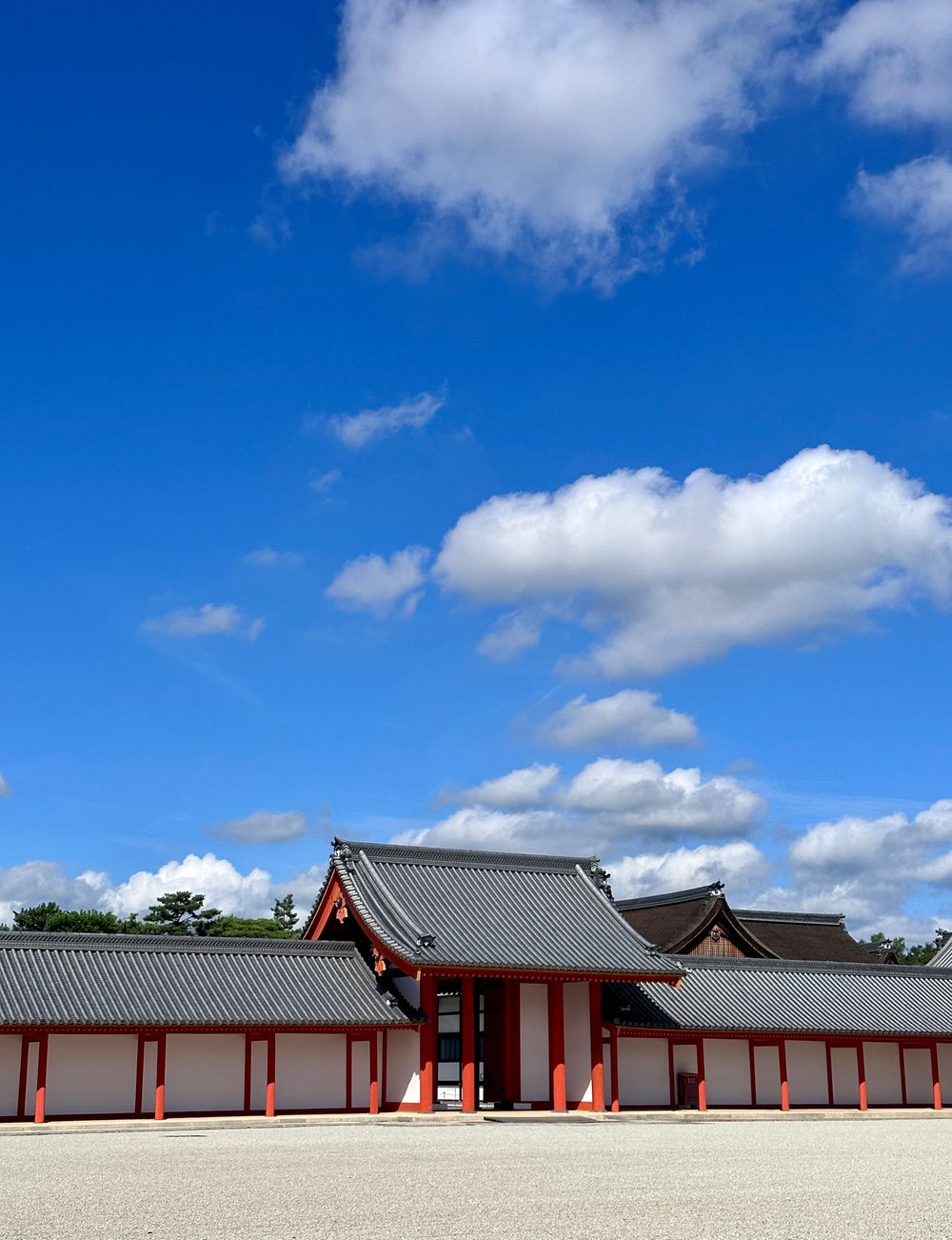
Japan's emperors lived in these walled halls until the capital moved to Tokyo, and the grounds are open without booking along a set visitor…
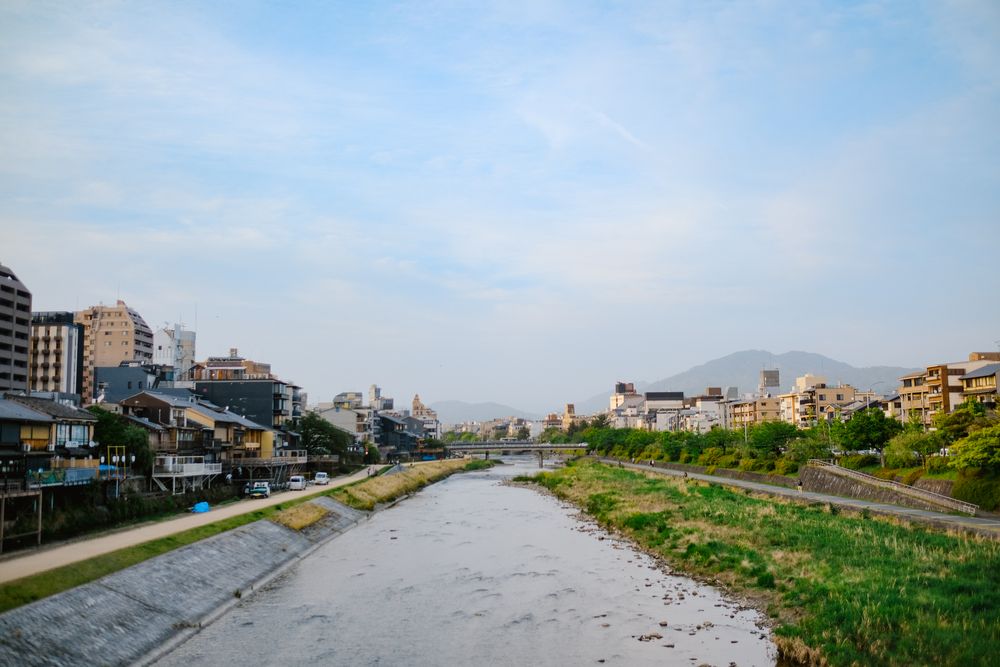
Wide grassy banks follow the river through the middle of the city, with a footpath on each side that makes the easiest walk in Kyoto. At…
Last updated