 Submit a photo
Ninety seconds on Kamo River
Keihan Main Line trains stop beside the river at Gion-Shijo, Sanjo and Demachiyanagi. Sanjo has a transfer to the Tozai Subway Line, and Demachiyanagi a transfer to the Eizan Electric Railway. From Kyoto Station, the river can also be reached by subway.
Evening is the best time to visit, and spring and early summer evenings are the liveliest of the year. The banks stay open to walkers, joggers and cyclists at any time of the day.
The Kamogawa noryo yuka season runs from 1 May to 15 October. During those months riverside restaurants serve meals on platforms built out over the water, a cool place to eat in the Kyoto summer.
Kyoto's official running courses all start at Kamo Ohashi Bridge. The course to the Marutamachi area is about 2.5 km, the course to the Matsugasaki area about 4.3 km, and the course to the Nishigamo area about 9.2 km.
The Kamo Delta crossing at Demachiyanagi, north of the city centre, has 83 stepping stones. Kyoto prefecture laid them across the water when it gave the delta its current layout.
At dusk the grassy bank below Sanjo gives you an open seat by the water in the middle of Kyoto, with the restaurant lanterns of Pontocho reflected in the river.
The banks of the Kamo River give central Kyoto a long strip of open space beside the water. Joggers and cyclists use the paths all day, and after dark the lights of the riverside streets shine back off the surface.
In summer, restaurants on the west bank at Pontocho and Kiyamachi build kawadoko, wooden dining platforms raised out over the river.
North of the centre lies the Kamo Delta at Demachiyanagi. Its best-known sight is the line of stepping stones across the water, and some of them are shaped like turtles or birds.
Keep an eye on the sky and the shallows as you walk. Black kites circle over the river in numbers, while egrets, ducks, wagtails and the occasional heron feed close to the edge.
Starting at Demachiyanagi in the afternoon, cross the stones at the delta first. From there the bank path runs about five kilometres south to Sanjo and Shijo, and you can join or leave it partway. Grassy banks face the water in places along the way.
Finish between Sanjo and Shijo as the light goes. Cafes line the bank near Pontocho here, and both Keihan stations come up right at the water.
Pair the evening with Gion, the district the Gion-Shijo station at the end of this route is named for.
Wear shoes with grip at Demachiyanagi, because the stones turn slippery after rain. The jump from stone to stone is scarier than it looks from the bank, so take them one at a time.
For a livelier scene at the delta, go in the late afternoon or at the weekend, when the grass there is at its busiest.
Explore the rest of Kyoto
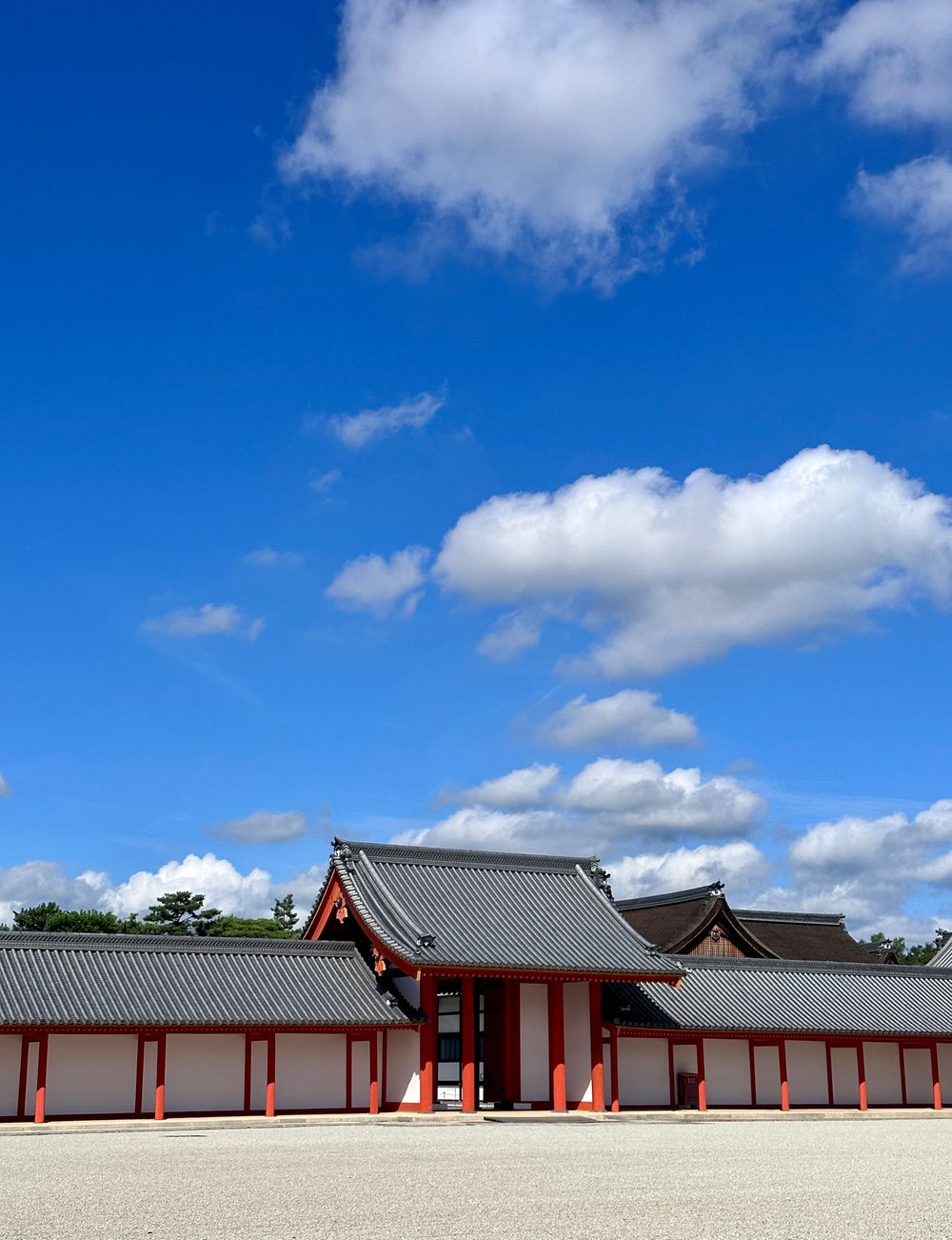
Japan's emperors lived in these walled halls until the capital moved to Tokyo, and the grounds are open without booking along a set visitor…
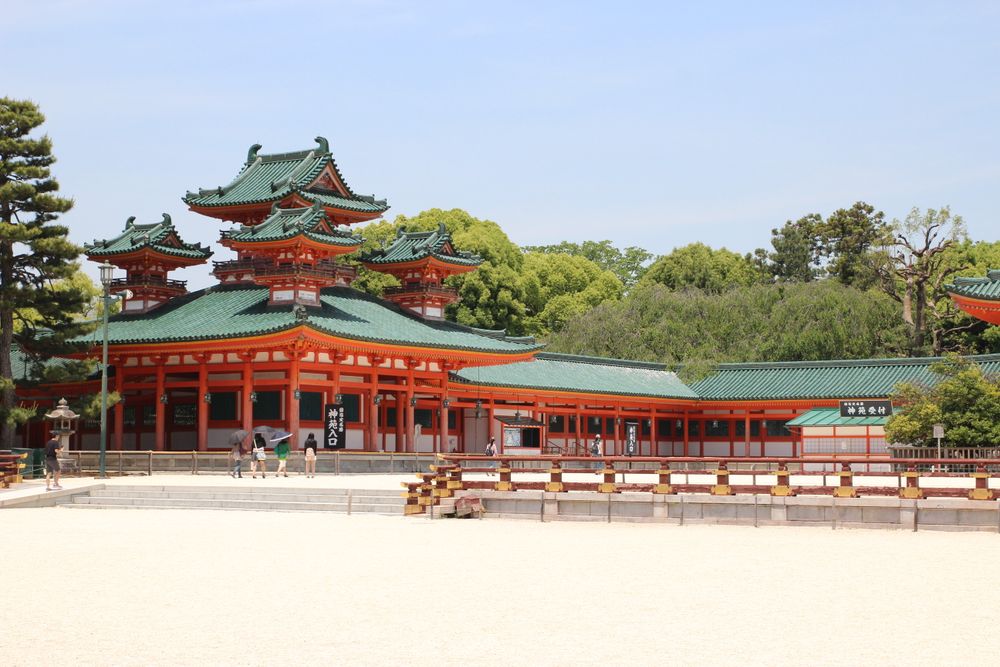
The halls of this Okazaki shrine reproduce the state hall complex of the old Heian capital at about five-eighths scale. A ticket buys the…
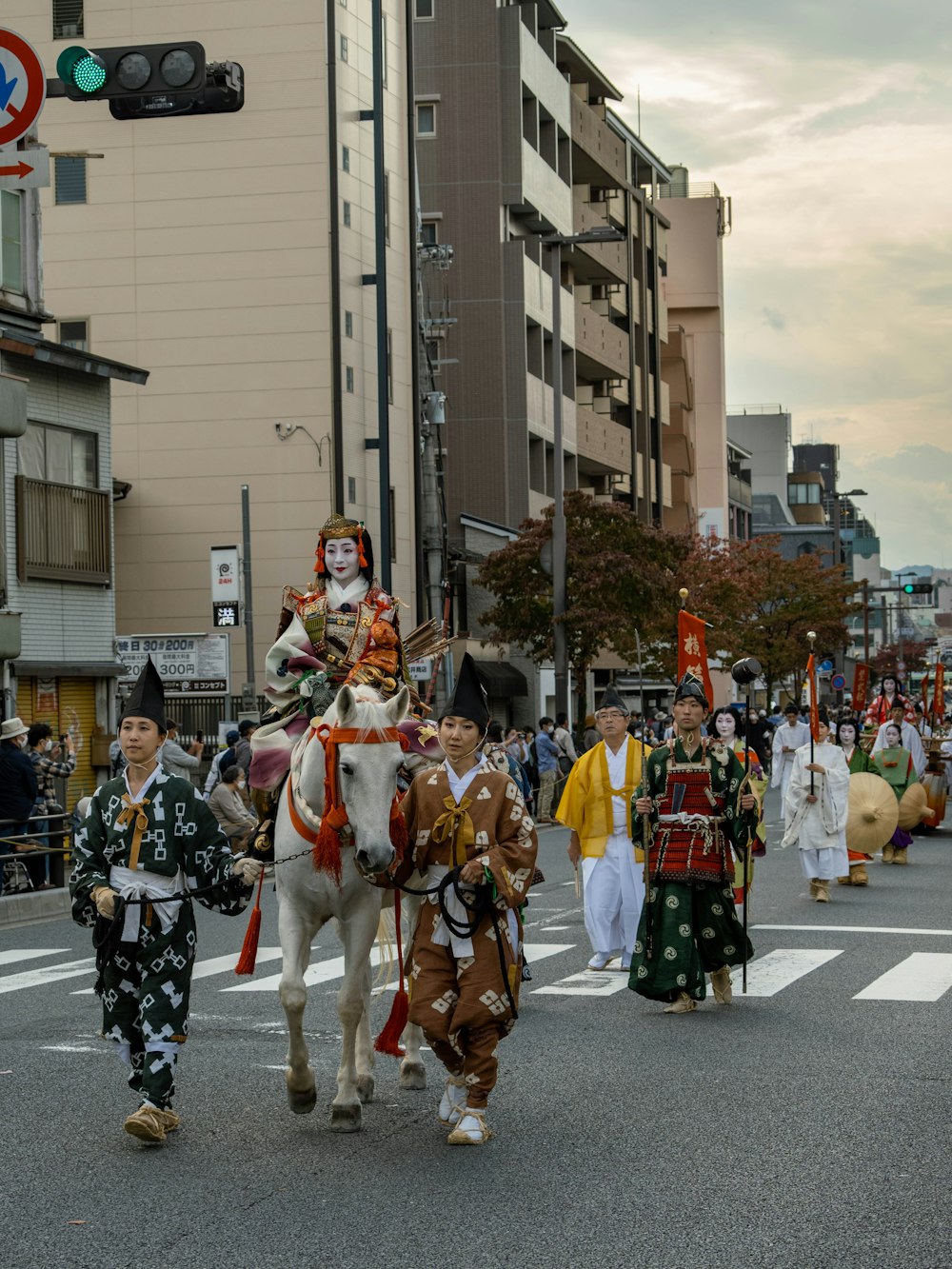
Every 22 October, about 2,000 marchers in the dress of eight eras walk from the Kyoto Imperial Palace to Heian Jingu. The procession opens…
Last updated